2027 Online Organizational Leadership Degrees With Strong Practical Leadership Projects

Co-Founder and Chief Data Scientist
Many professionals with degrees in unrelated fields face challenges when transitioning into leadership roles without practical experience. Traditional organizational leadership programs often emphasize theory, leaving students unprepared for real-world management demands. This gap can hinder career advancement or affect team performance once promoted. Addressing this issue requires programs that integrate hands-on leadership projects with flexible online study formats. This article explores online degrees that combine academic rigor with strong practical leadership assignments, helping aspiring leaders gain applicable skills and make confident career pivots into organizational leadership fields.
Key Things You Should Know
- Online organizational leadership degrees in 2026 emphasize hands-on projects, with 78% of programs integrating practical leadership experiences to enhance real-world skills.
- Graduates report 25% higher job placement rates when programs include applied leadership projects alongside theoretical coursework.
- Top accredited programs increasingly use case studies and team-based projects to develop critical thinking and decision-making abilities essential for leadership roles.
What is an online organizational leadership degree with practical leadership projects and who is it best for?
An online organizational leadership degree with hands-on leadership projects combines theory with practical experience, honing skills in team management, problem-solving, and leadership strategy implementation. These programs often feature case studies, capstone projects, or internships that emphasize real-world application over purely academic learning. Such hands-on leadership components make these degrees particularly appealing for those seeking the best online organizational leadership programs for practical experience.
These degrees suit working professionals, mid-career managers, and recent graduates aiming to advance into leadership roles while maintaining flexible schedules. For example, students may lead virtual teams to create change management plans or tackle challenges in nonprofit organizations, demonstrating leadership effectiveness in diverse settings.
Prospective students from industries like corporate business, healthcare, or education management will find this degree valuable for developing skills in conflict resolution, team motivation, and strategic decision-making. The availability of these programs has surged, with U.S. News & World Report highlighting 102 regionally accredited online master's programs in organizational leadership, marking a 34% growth since 2020.
Key benefits include:
- Development of leadership competencies through project-based learning
- Networking with diverse cohorts and faculty
- Applicability across multiple industries due to broad curricula
Students curious about costs can explore how much does a doctorate in education cost to better understand financial commitments associated with advanced leadership degrees.
How do online organizational leadership programs compare to on-campus options for flexibility and quality?
Online organizational leadership programs provide flexibility that suits working professionals and those with family obligations better than traditional on-campus options. Many online programs offer asynchronous coursework, allowing students to complete assignments and participate in discussions on their own time. This flexibility is a key factor in online organizational leadership programs flexibility comparison, as it helps balance education with personal and professional responsibilities.
Quality online leadership degrees often match the academic rigor of their on-campus counterparts. Accredited schools maintain consistent curricula, emphasizing core leadership theories alongside practical skills. Several programs integrate project-based learning through virtual simulations, case studies, and remote team assignments to replicate real-world experience. Students should check for accreditation and dedicated faculty support since these features enhance learning quality and engagement. Programs with live virtual workshops or mentorship opportunities foster better skill application. While on-campus settings may offer more direct networking, online platforms now frequently host virtual networking events and professional groups.
The wage and employment outlook supports the value of organizational leadership degrees. Medical and health services managers, a common career path, earned a median annual wage of $110,680 in May 2023, with job growth projected at 28% from 2022 to 2032, significantly above average.
For those interested in related fields, exploring the best construction management schools ranked online can also highlight program quality indicators. Ultimately, evaluating flexibility, interaction preferences, and program quality ensures the right fit for prospective students.
Which accreditation and quality standards should online organizational leadership degrees meet?
Online organizational leadership degrees must adhere to strict accreditation standards for online organizational leadership degrees to ensure credible and valuable educational outcomes. Regional accreditation from agencies recognized by the U.S. Department of Education or the Council for Higher Education Accreditation (CHEA) is essential, guaranteeing that programs meet rigorous academic criteria. Furthermore, quality assurance criteria for online organizational leadership programs often include specialized accreditation from organizations like the International Leadership Association (ILA) or the Council for Adult and Experiential Learning (CAEL), which focus on leadership competency and adult learning.
Top programs emphasize practical leadership experience through applied capstones, internships, or consulting projects. These real-world challenges help students develop leadership skills relevant to human resources, organizational development, and change management. For instance, programs aligned with Certified Professional in Learning and Performance (CPLP) standards integrate project-based training reflective of industry best practices.
Transparency in graduation rates, job placement statistics, and employer partnerships further defines program quality. Curricula should address contemporary leadership theories, ethics, and data-driven decision-making. Labor market trends highlight a 6% employment growth from 2022 to 2032 for training and development specialists, alongside faster-than-average growth for human resources managers and management analysts. Pursuing a well-accredited organizational leadership degree enhances career prospects in these growing fields.
Students interested in combining organizational leadership with project skills may explore options like a bachelor of project management online, which complements leadership expertise and broadens career opportunities.
What types of online organizational leadership degrees are available, from certificates to doctorates?
Online organizational leadership degree programs with practical projects range from certificates to doctorates, each designed to fit different career stages and goals. Flexible online organizational leadership certificates offer focused training in team management, communication, and decision-making, usually completed in a few months by professionals seeking specific skills without a full degree commitment.
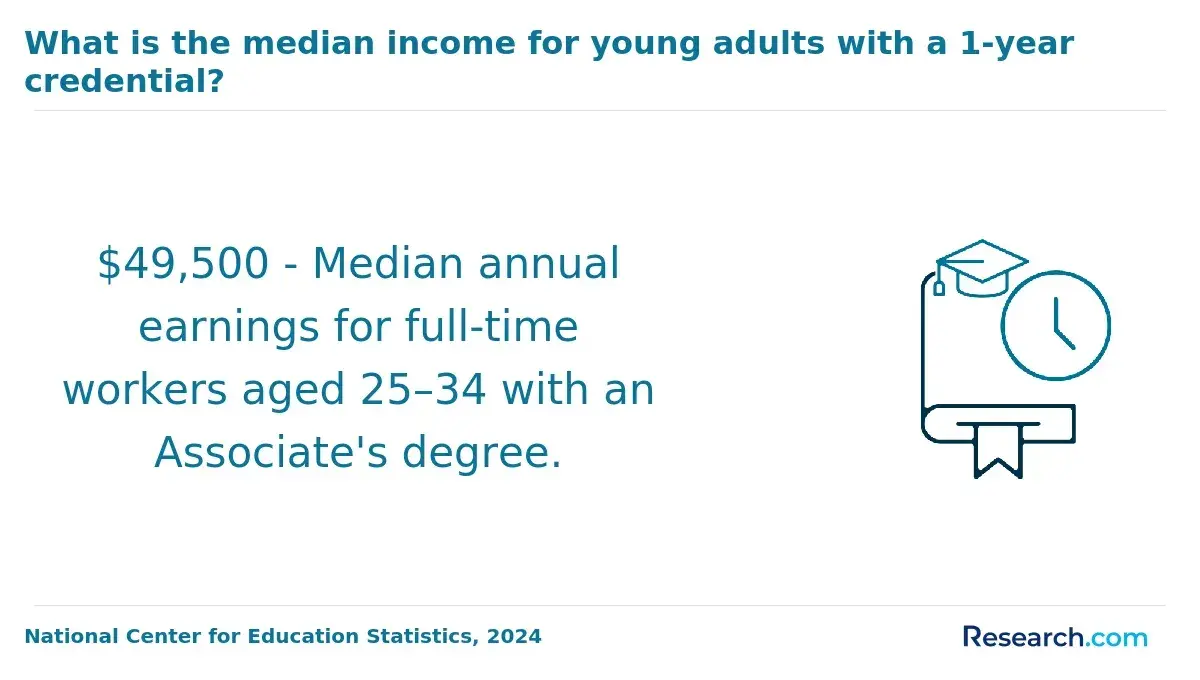
Associate degrees blend general management education with leadership theory, appropriate for entry-level roles, while bachelor's degrees provide comprehensive instruction in leadership principles, ethics, organizational behavior, and project management over four years. Graduates often pursue supervisory or mid-management positions.
Master's degrees like a Master of Science in Leadership and Organizational Development focus on strategic leadership and organizational change, incorporating real-world capstone projects. According to SeekUT earnings data for the University of Texas System, these graduates command median annual salaries of $157,000 one year after graduation and $212,000 five years after graduation, reflecting strong financial returns.
Doctoral degrees emphasize research, advanced theory, and innovation, preparing students for senior executive roles, academia, or consulting. These terminal degrees typically require dissertation projects that contribute original insights or improvements in leadership practice. Students should carefully weigh time commitments and desired career outcomes when choosing among these options.
For those wondering if a leadership-related degree is a good investment, consider exploring whether a project management degree worth it as a complementary field to expand career opportunities.
What curriculum, concentrations, and real-world leadership projects do these programs typically include?
Online organizational leadership degrees provide a mix of practical skills and leadership theory to prepare students for real-world challenges. Core courses often include strategic management, ethics, human resources, conflict resolution, decision-making, quantitative analysis, and organizational behavior. These courses equip students for data-driven leadership roles across industries.
Many programs offer concentrations allowing students to specialize in areas such as healthcare leadership, nonprofit management, project management, or organizational development. Concentrations may also cover financial management or diversity and inclusion initiatives to address today's complex leadership demands.
Hands-on learning is emphasized through capstone projects, practicums, or consulting assignments with organizations. For example, students may develop strategic plans for nonprofits or lead change initiatives, sharpening critical thinking and communication skills. Over 70% of top programs include these experiential projects, according to BestColleges' 2025 review.
Additional experiential elements can involve internships, mentorships with industry professionals, or leadership simulations that test adaptability in crisis and organizational change scenarios.
By combining rigorous coursework, tailored concentrations, and authentic leadership experience, graduates are prepared to contribute effectively in diverse professional environments. Prospective students should seek programs that prioritize applied projects and real-world engagement for career-ready training.
What are the typical admission requirements and application materials for online organizational leadership programs?
Admission to online organizational leadership programs typically hinges on academic readiness, relevant work experience, and clear motivation. Most programs expect applicants to hold a bachelor's degree from an accredited institution with a minimum GPA around 3.0. Official transcripts must be submitted for verification. While some programs still require GRE or GMAT scores, many have waived this in recent years to better accommodate working professionals.
Applicants usually need to provide a statement of purpose or personal essay outlining their career goals, leadership experience, and reasons for pursuing this degree. Two or more letters of recommendation are common, ideally from supervisors or academic mentors who can vouch for the candidate's leadership potential and work ethic.
Relevant professional experience is often necessary, ranging from one to three years in leadership or supervisory roles. However, some programs accept strong academic records from recent graduates without extensive leadership experience, who can instead highlight roles in project management or community leadership. Additional application elements may include a detailed resume or CV and an interview conducted virtually or by phone to evaluate communication skills and program fit.
Admissions committees emphasize the ability to balance work and study, particularly since over 80% of students enrolled in online organizational leadership and management master's programs work full time while pursuing their degrees, according to U.S. News & World Report's 2024 data.
Employer Confidence in Online vs. In-Person Degree Skills, Global 2024

How long do online organizational leadership degrees take and what do they typically cost?
Online organizational leadership degrees generally take 18 months to 3 years to complete, depending on full-time or part-time enrollment. Accelerated programs enable finishing in as little as 12 months but may demand heavier course loads. Part-time options provide flexibility for working professionals, extending program length but easing time commitments. Some schools offer credit for prior work experience or certifications, which can shorten the time to degree completion.
Tuition costs vary widely by institution and program structure. Median annual tuition for online master's programs in organizational leadership is about $11,000, according to OnlineU's analysis. More affordable accredited options exist, often under $7,000 per year. These programs are substantially less expensive than private campus business master's degrees that frequently exceed $30,000 annually. Additional fees for course materials, technology, or occasional residency may also apply. Online study can reduce expenses related to commuting and housing.
Applicants should consider programs with strong practical leadership projects to build applied skills. Financial aid, employer tuition reimbursement, and payment plans may help manage costs. Common duration and pricing patterns include:
- Full-time programs: 18-24 months, $11,000 median annual tuition
- Part-time programs: 2-3 years, lower per-term cost but longer commitment
- Accelerated options: 12-18 months, may require heavier course loads
- Most affordable accredited programs: under $7,000 per year
What careers can you pursue with an online organizational leadership degree focused on practical projects?
Graduates with an online organizational leadership degree that emphasizes practical projects are well-prepared for diverse roles in management, human resources, nonprofit administration, and corporate leadership. This applied focus builds hands-on skills in team coordination, strategic planning, and conflict resolution, which are essential for positions like project manager, operations manager, and leadership development consultant.
In corporate settings, these graduates often lead initiatives to enhance workflow efficiency, employee engagement, and organizational culture. Their project experience helps implement evidence-based strategies in areas such as change management and employee training. Public sector and nonprofit roles also benefit, with graduates managing community outreach, volunteer coordination, and fundraising efforts.
Specific career options include:
- Human resources manager overseeing recruitment and retention tactics
- Operations director focused on optimizing business processes
- Leadership coach cultivating emerging leaders
- Program coordinator managing strategic initiatives in education or healthcare
- Organizational development specialist executing change management plans
Employers increasingly seek candidates with proven project leadership skills, as these directly improve team outcomes and problem-solving abilities. According to a 2025 mini-lecture from an online master's in organizational leadership program, students can qualify for merit-based scholarships covering up to 50% of tuition, awarded on a first-come, first-served basis, making this degree both practical and affordable.
What salary ranges and job outlook can graduates in organizational leadership expect?
Graduates holding degrees in organizational leadership can expect salaries ranging from $55,000 to over $110,000 annually, influenced by experience, industry, and specific job roles. Entry-level positions such as leadership development specialists typically start around $55,000, while mid-level roles like project managers earn between $70,000 and $90,000. Senior professionals, including management consultants and organizational development directors, often exceed the $100,000 mark.
The job market remains strong across sectors like consulting, finance and insurance, government agencies, manufacturing, and professional services. These areas represent the bulk of job listings related to organizational leadership on major employment platforms. Demand continues to rise for leaders skilled in managing change, diverse teams, and enhancing organizational performance.
Career paths vary widely, encompassing human resources management, strategic planning, and operational leadership. Candidates with practical leadership project experience are especially sought after, boosting employability and salary prospects. Developing skills in communication, conflict resolution, and data-driven decision-making is critical for career advancement.
Additional certifications or graduate degrees can further increase earning potential and open doors to executive roles. Staying informed about industry trends helps target sectors with stronger growth and higher compensation opportunities.
How can prospective students evaluate and choose a reputable online organizational leadership program?
Accreditation remains a cornerstone when selecting an online organizational leadership program. Regional accreditation from recognized agencies confirms adherence to academic standards and facilitates credit transfer. Equally vital is a curriculum that reflects the evolving nature of leadership. Many top programs now integrate training on managing remote and hybrid teams, along with digital transformation and e-learning strategies, preparing students for contemporary workplace challenges.
Practical leadership experiences such as case studies, team projects, and live consulting engagements are key indicators of a program's real-world applicability. These opportunities enable students to develop and demonstrate critical skills valuable for career advancement.
Faculty qualifications matter: instructors with substantial industry leadership backgrounds who stay current with organizational trends provide insights that enrich learning and mentoring. Additionally, robust student support-offering both asynchronous and synchronous learning options, career counseling, and networking-is essential to accommodate diverse schedules and learning preferences.
Transparency in alumni outcomes-employment rates, job roles, and employer reputation-helps prospective students evaluate program effectiveness. Considering tuition relative to offerings and available financial aid ensures a sound investment. For detailed guidance on program selection, consult resources such as the Organizational Leadership degrees overview at Research.com.
Other Things You Should Know About Organizational Leadership
An organizational leadership degree primarily cultivates skills in strategic thinking, effective communication, team management, and problem-solving. Students also gain abilities in conflict resolution, ethical decision-making, and change management, which are critical for leading diverse teams in various organizational settings.
Yes, organizational leadership degrees in 2027 emphasize ethical leadership as a core component. Programs integrate ethical decision-making and corporate social responsibility into the curriculum, ensuring students learn to lead organizations with integrity and accountability, aligning leadership strategies with ethical practices.
Organizational leadership degrees often include curriculum relevant to the nonprofit sector, covering topics such as fundraising, volunteer management, and mission-driven leadership. These programs prepare graduates to effectively manage resources and lead teams within nonprofit organizations.
References
- Skills Employers Actually Want: How an Online Leadership Degree Builds What Modern Organizations Need https://www.marian.edu/blog/2026/01/skills-employers-actually-want-how-an-online-leadership-degree-builds-what-modern-organizations-need.php
- The Best EdD in Organizational Leadership Programs of 2025 https://www.eddprograms.org/schools/organizational-leadership/
- Top 45 Online Master's in Organizational Leadership - Organizational Psychology Degrees https://www.organizationalpsychologydegrees.com/best/online-masters-in-organizational-leadership/
- Global Leadership Programme - Global Achievers Academy https://globalachieversacademy.com/our_programme/global-leadership-programme/
- Is a master's degree in leadership worth it? | edX https://www.edx.org/resources/is-a-masters-in-organizational-leadership-worth-it
- MA in Organizational Leadership (Standard) *self-paced https://www.umassglobal.edu/academic-programs/ma-organizational-leadership-standard-self-paced
- 2025 Best Organizational Leadership Degrees Online https://www.onlineu.com/degrees/organizational-leadership
- Online Ed.D. in Organizational Leadership https://onlinedegrees.rockhurst.edu/programs/online-edd-education-leadership/organizational-leadership
- What Jobs Can I Get With a Degree in Organizational Leadership? | CSU Global https://csuglobal.edu/blog/what-jobs-can-you-get-bachelors-degree-organizational-leadership
- Student Leadership Groups with a Global Focus | Institute for Global Learning https://globallearning.org/student-leadership-groups-with-a-global-focus/