
2027 New Jersey Nursing License Requirements

Co-Founder and Chief Data Scientist
If you want to work as a registered nurse or licensed practical nurse in New Jersey, the first major decision is not only which nursing program to attend but also how that program leads to state licensure. New Jersey employers continue to compete for qualified nurses; in 2022, the state had 41,414 job postings for registered nurses (RNs) (New Jersey Collaborating Center for Nursing, 2024). That demand makes the licensing pathway especially important for students, career changers, out-of-state nurses, and internationally educated nurses who want to enter the state’s healthcare workforce without avoidable delays.
This guide explains how New Jersey nursing licensure works, including the main license types, education and exam requirements, application steps, renewal rules, Compact license considerations, endorsement for nurses licensed elsewhere, and practical ways to choose a nursing school. It also covers career options, common mistakes, and questions to ask before committing to a program or licensing pathway.
Quick answer: How do you get a nursing license in New Jersey?
To become licensed as a nurse in New Jersey, you generally need to graduate from an accredited nursing program, complete required clinical training, pass the appropriate NCLEX exam, submit an application through the New Jersey Division of Consumer Affairs, complete fingerprinting and a criminal background check, and pay the required fees. RN candidates take the NCLEX-RN, while LPN candidates take the NCLEX-PN. Nurses licensed in another state may qualify through the Nurse Licensure Compact or endorsement, depending on their license type and home state.
Key things to know about New Jersey nursing licenses
- Licensing authority: The New Jersey Board of Nursing, under the New Jersey Division of Consumer Affairs, regulates nursing licensure and practice in the state.
- Required exam: RN applicants must pass the NCLEX-RN, while practical nursing applicants must pass the NCLEX-PN.
- Education requirement: Applicants must complete an accredited nursing program. An Associate Degree in Nursing (ADN) or Bachelor of Science in Nursing (BSN) commonly includes a minimum of 60 credits.
- Application requirements: Applicants submit documentation through the New Jersey Division of Consumer Affairs, including proof of education, exam results, and a criminal background check.
- Typical fees: The New Jersey nursing licensure application fee is approximately $75, not including NCLEX exam costs or background check expenses.
- What is a New Jersey nursing license and why is it required?
- What nursing license types are available in New Jersey?
- What are the New Jersey nursing license requirements?
- How do you apply for a nursing license in New Jersey?
- How often do New Jersey nurses renew their licenses?
- Can a Compact Nurse practice in New Jersey?
- Where do nurses work in New Jersey?
- Why consider nurse practitioner education in New Jersey?
- How can out-of-state nurses get licensed in New Jersey?
- How do you choose the right nursing school in New Jersey?Endorsement pathway reminder
- Can accelerated nursing programs shorten your path into practice?
- Can complementary healthcare credentials expand your options?
- What steps should aspiring LPNs take in New Jersey?Related healthcare credential options
- Which additional certifications can support a nursing career?
- How can networking and mentorship help New Jersey nurses?
- How can nurse midwifery specialization improve career prospects?
- How can I pursue an LVN-style practical nursing path in New Jersey?
- What resources help with the New Jersey nursing licensing exam?
- What should you compare when researching New Jersey nursing schools?
- How can advanced online nursing degrees change your career path?
- What challenges do nurses face in New Jersey?
- What are the career advancement options for New Jersey nurses?School selection checklist
What is a New Jersey nursing license and why is it required?
A New Jersey nursing license is the state credential that authorizes a qualified person to practice as an RN or LPN in New Jersey. It is more than an administrative requirement. Licensure confirms that a nurse has completed approved education, met clinical preparation standards, passed the required national exam, and satisfied state screening requirements designed to protect patients.
The New Jersey Board of Nursing operates under the New Jersey Division of Consumer Affairs. Its role includes processing applications, maintaining licensing records, enforcing practice rules, and ensuring that nurses meet the standards required for safe patient care. Without an active license or valid Compact privilege, a nurse cannot legally practice in New Jersey.
New Jersey’s nursing licensure system is built around two main practice levels. RNs typically complete an ADN or BSN and take on broader clinical responsibilities, including patient assessment, care coordination, medication administration, and patient education. LPNs complete practical nursing education and provide basic nursing care under the direction of RNs, physicians, or other authorized clinicians.
| License type | Typical education route | Required exam | Common responsibilities |
| Registered Nurse (RN) | ADN or BSN from an accredited nursing program | NCLEX-RN | Assess patients, administer medications, coordinate care plans, educate patients, and collaborate with clinical teams |
| Licensed Practical Nurse (LPN) | Practical nursing diploma or certificate program | NCLEX-PN | Monitor vital signs, assist with daily care, provide basic nursing services, and administer medications as permitted under supervision |
Licensure also matters for accountability. Nurses handle high-risk tasks, sensitive patient information, and clinical decisions that can affect outcomes. For students considering advanced practice later, it is also useful to understand how nursing credentials build on one another. For example, nurses comparing family nurse practitioner board credentials can review FNP-C and FNP-BC certification differences before planning a long-term graduate pathway.
What nursing license types are available in New Jersey?
New Jersey offers two primary entry-level nursing licenses: RN and LPN. The better option depends on your timeline, budget, preferred responsibilities, and long-term career goals.
- Registered Nurse (RN): RN candidates usually complete either an ADN or a BSN through an accredited program. RNs work in hospitals, outpatient clinics, community health organizations, long-term care settings, schools, home health, and specialty practices. Their work often includes assessment, medication administration, care planning, patient education, documentation, and coordination with physicians and other clinicians.
- Licensed Practical Nurse (LPN): LPN candidates complete a practical nursing program, often around one year in length, combining classroom instruction and supervised clinical practice. LPNs provide direct patient support, monitor vital signs, assist with daily living tasks, and administer medications within the scope allowed by law and workplace policy.
Both license types require a passing NCLEX score. The projected job growth from 2022 to 2032 is 5% for LPNs and 6% for RNs, indicating continued need for both practical and registered nurses.
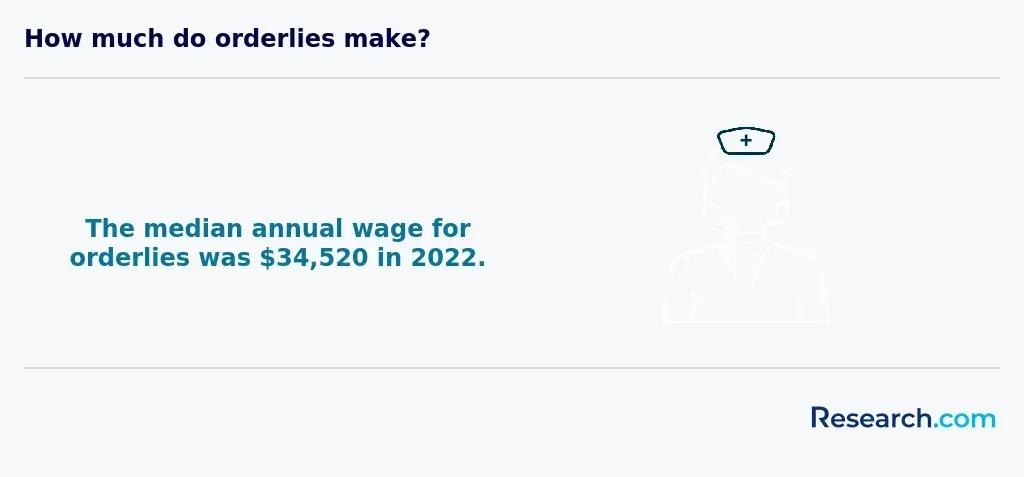
Some people begin in adjacent healthcare support roles before committing to nursing school. Certified nurse aides and hospital orderlies, for example, may help with daily patient care, basic monitoring, and maintaining safe care environments. These roles can offer early exposure to healthcare work, with wages typically between $30,000 to $49,000, depending on location.
| Path | Best fit | Trade-off to consider |
| LPN | Students who want a shorter route into direct patient care | Scope of practice and advancement options are usually more limited than RN roles |
| ADN-prepared RN | Students who want to become RNs with a shorter degree pathway than a BSN | Some employers may prefer or eventually require BSN preparation for advancement |
| BSN-prepared RN | Students aiming for broader hospital opportunities, leadership pathways, or graduate study | Typically requires more time and tuition than an LPN or ADN route |
| Nursing support role | Students testing their interest in healthcare before nursing school | Does not replace RN or LPN licensure for nursing practice |
For ADN-prepared RNs who later want to complete a bachelor’s degree, flexible bridge options such as a 6-month RN to BSN program online may help them continue working while improving their academic credentials.
What are the New Jersey nursing license requirements?
New Jersey nursing license requirements start with approved education. Applicants must graduate from an accredited nursing program that prepares them for the correct level of practice: RN or LPN. The curriculum must combine nursing theory, lab instruction, and supervised clinical learning so graduates are ready for patient care and the NCLEX.
Core requirements include:
- Approved nursing education: Candidates must complete an accredited nursing program appropriate to the license sought. ADN and BSN programs commonly include a minimum of 60 credits.
- Clinical experience: New Jersey requires a minimum of 500 hours of supervised clinical experience. These hours may take place in hospitals, outpatient clinics, long-term care facilities, and other approved healthcare environments.
- Licensing examination: RN candidates must pass the NCLEX-RN. LPN candidates must pass the NCLEX-PN. The exam evaluates whether candidates can apply nursing knowledge safely across areas such as health promotion, psychosocial care, and basic patient care.
- Background review: Applicants must complete fingerprinting and a criminal background check as part of the licensing process.
If a candidate fails the NCLEX after three attempts, New Jersey requires completion of a 30-hour remediation course before another retake. This rule is important because repeated testing without remediation can delay licensure and add cost.
Nurses educated outside New Jersey may have another route. Those already licensed in another state can apply through endorsement if they meet state criteria. Compact nurses may also be able to practice in New Jersey if they hold a valid multistate license and meet Compact rules.
Advanced nursing roles are also part of the state’s broader workforce picture. In 2022, approximately 323,900 jobs were held by nurse anesthetists, nurse midwives, and nurse practitioners. Students who eventually want advanced practice should plan early for strong RN preparation, clinical experience, and graduate education.
Prospective students without a prior nursing background can compare flexible entry routes, including online nursing programs for non nurses, but they should verify that any program they choose meets New Jersey licensure requirements.
Nursing salaries typically range from $30,000 to $90,000. Pay varies by role, employer, experience level, location, shift structure, and credentials. Nurses in higher-level or more specialized positions may earn more, but salary outcomes are never guaranteed.
The chart below shows average annual salaries for nurses.
How do you apply for a nursing license in New Jersey?
The New Jersey nursing license application process is handled through the New Jersey Division of Consumer Affairs. Applicants should prepare documentation before starting so they can avoid missing information, processing delays, or exam authorization issues.
- Finish an approved nursing program. Make sure your school can verify graduation and clinical completion for the license you are seeking.
- Register for the correct NCLEX exam. RN applicants take the NCLEX-RN; LPN applicants take the NCLEX-PN.
- Submit the New Jersey application. Complete the online application accurately and provide requested education, identity, and eligibility information.
- Complete fingerprinting and the criminal background check. This is required for nursing applicants and helps the state evaluate eligibility to practice.
- Pay required fees. Applicants should plan for the application fee, NCLEX exam fee, and background check-related costs. The application fee is approximately $75.
- Respond quickly to board requests. Missing transcripts, unclear documents, or unresolved background check items can slow approval.
Applicants who do not pass three consecutive licensing exams must complete a 30-hour remediation course before they can test again. Candidates should treat this as a structured support requirement rather than simply another hurdle.
Employment opportunities for nurses vary by license type and setting. Among licensed practical and vocational nurses, major employers include nursing and residential care facilities (35%), hospitals (15%), and home healthcare services (13%). These settings differ in pace, patient needs, scheduling, and supervision structure, so applicants should think beyond “getting licensed” and consider where they want to practice afterward.
Nurses interested in long-term academic or leadership roles may eventually consider doctoral study. A resource on affordable PhD nursing programs can help working nurses compare research-focused education options after they have built a clinical foundation.
How often do New Jersey nurses renew their licenses?
New Jersey nursing licenses must be renewed every two years. Renewal is usually simpler than initial licensure, but nurses still need to meet state requirements on time to keep their authority to practice active.
Important renewal considerations include:
- Continuing education: Nurses must complete required continuing education credits for renewal. These courses help nurses stay current with clinical standards, patient safety expectations, ethical responsibilities, and changes in practice.
- Online renewal: Nurses can typically renew through the state’s online system. They should confirm deadlines, documentation, and fee requirements before the renewal period closes.
- Career risk of late renewal: Practicing with an expired or inactive license can jeopardize employment and create compliance issues. Nurses should track renewal dates instead of relying only on employer reminders.
| Renewal task | Why it matters | Practical tip |
| Track the two-year renewal cycle | Prevents a lapse in legal authority to practice | Add renewal reminders well before the deadline |
| Complete continuing education | Supports safe, updated practice and renewal eligibility | Save completion certificates in one place |
| Review employer requirements | Some workplaces require additional training beyond state renewal | Ask HR or your nurse manager what documentation they need |
| Update contact information | Licensing notices may be missed if records are outdated | Keep your state licensing profile current |
Nurses who want continuing education to support career growth, not just renewal, may compare graduate pathways such as accredited online MSN nursing programs. An MSN can be useful for nurses aiming for advanced clinical roles, education, leadership, or specialized practice, provided the program fits their goals and licensing needs.
Can a Compact Nurse practice in New Jersey?
Yes. New Jersey participates in the Nurse Licensure Compact (NLC), which allows eligible RNs and LPN/VNs to practice in participating states with one multistate license. The NLC was enacted in 2000 to improve nurse mobility, simplify interstate practice, and help address staffing needs across state lines. Currently, 42 states are part of the NLC.
New Jersey fully implemented the NLC on November 15, 2021. A nurse who holds a valid multistate license from their home state may practice in New Jersey if they meet Compact requirements and follow New Jersey nursing laws and regulations while practicing in the state.
First-time applicants may also be able to apply for a multistate Compact license if they satisfy the required criteria. Nurses should confirm whether their legal primary state of residence, background check, education, and exam history qualify them for multistate privileges.
The Compact can be valuable for travel nursing, telehealth, cross-border employment, and relocation planning. However, it does not remove the nurse’s responsibility to understand each state’s scope of practice rules. A multistate license allows practice across Compact states, but the nurse must comply with the laws of the state where the patient receives care.
Because New Jersey is among the top-paying destinations for nurses, Compact mobility may help nurses access more job options and potentially improve earnings, depending on role, shift, employer, and experience.
The chart below shows the highest-paying states for RNs.
Where do nurses work in New Jersey?
New Jersey nurses work across hospitals, outpatient centers, home healthcare, long-term care, schools, public health agencies, community clinics, and corporate health programs. The right setting depends on the nurse’s license level, preferred schedule, tolerance for fast-paced care, and interest in specialized patient populations.
Hospitals remain central to nursing employment in the state. Large systems and facilities such as Hackensack Meridian Health, RWJBarnabas Health, and Cooper University Health employ nurses in emergency departments, intensive care, medical-surgical units, perioperative services, cardiology, oncology, pediatrics, and other specialty areas. In 2024, hospitals employed over 36% of the state’s registered nurses.
Home healthcare is another important option, especially as more patients receive care outside traditional hospital settings. This environment may appeal to nurses who prefer one-on-one patient relationships, care coordination, chronic disease management, and more independent field-based work.
Long-term care facilities and nursing homes also offer steady demand, particularly for LPNs. This sector employs approximately 25% of licensed practical nurses (LPNs) and often involves caring for older adults, patients with chronic conditions, and residents who need ongoing support with daily care.
Outpatient practices, specialty clinics, schools, and public health organizations can offer more predictable schedules than acute care hospitals, though responsibilities vary widely. Occupational health roles in corporate settings may focus on workplace injuries, employee wellness, compliance, and prevention.
| Work setting | Why nurses choose it | What to consider |
| Hospitals | Broad specialties, acute care experience, advancement opportunities | Shift work, high acuity, and fast-paced workloads |
| Home healthcare | Individualized care and more independent practice | Travel, documentation demands, and variable home environments |
| Long-term care | Stable demand and ongoing patient relationships | High patient needs and staffing pressures |
| Outpatient clinics | Specialized care and often more consistent hours | May require experience or specialty knowledge |
| Schools and public health | Prevention, education, and community impact | Roles may differ from bedside nursing and can be competitive |
Nurses who want more autonomy may eventually explore nurse practitioner education. Before committing, compare tuition, clinical requirements, and program outcomes. A guide to the cost of becoming a nurse practitioner in New Jersey can help with financial planning.
Why consider nurse practitioner education in New Jersey?
Nurse practitioner education can prepare experienced RNs for advanced clinical assessment, diagnosis, treatment planning, prescribing responsibilities where permitted, and more independent patient management. In New Jersey, this pathway may be especially relevant for nurses who want to serve patients in primary care, women’s health, mental health, specialty clinics, hospitals, or underserved communities.
The main benefit is not simply a higher credential. NP preparation can expand a nurse’s scope, clinical decision-making authority, and long-term career options. However, students should compare programs carefully because graduate nursing education requires a serious investment of time, tuition, clinical hours, and exam preparation. To evaluate options, review nurse practitioner programs in New Jersey and confirm that each program aligns with your intended certification and practice area.
How can out-of-state nurses get licensed in New Jersey?
Nurses licensed in another Compact state who hold a multistate license may be able to practice in New Jersey under the NLC. Nurses without a qualifying Compact privilege generally apply for New Jersey licensure by endorsement. This route allows eligible nurses to obtain a New Jersey license without retaking the NCLEX-RN, provided they meet the state’s criteria.
Endorsement applicants typically need to:
- Submit a completed application to the New Jersey Board of Nursing and pay the required fee.
- Provide evidence of a current, active nursing license in another state.
- Arrange official transcripts from an accredited nursing program to verify required education.
- Complete the criminal background check required for New Jersey nursing applicants.
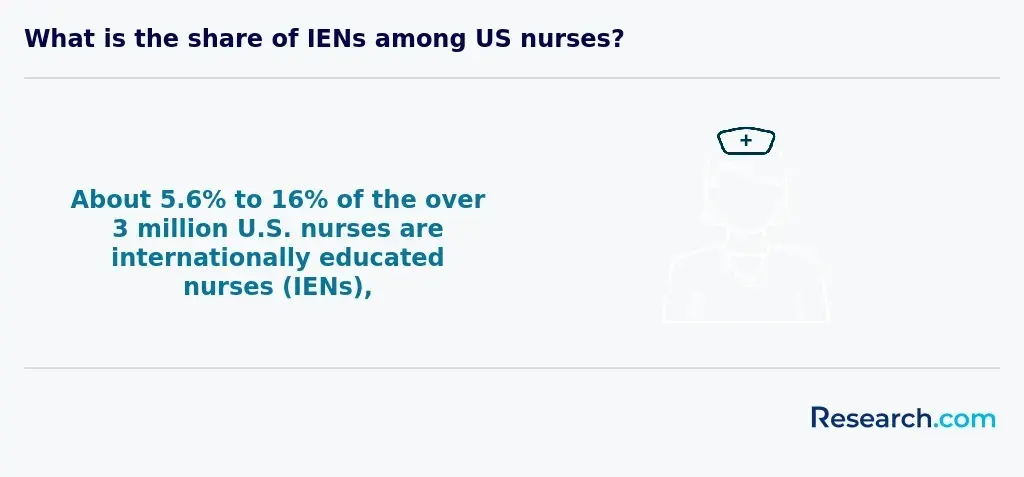
Foreign-educated nurses, who make up around 5.6% to 16% of nurses in the U.S., may need additional documentation before New Jersey can determine eligibility. Common requirements include:
- A credential evaluation from a recognized agency to confirm that the applicant’s education is comparable to U.S. standards.
- A TOEFL exam score if English is not the applicant’s first language, to demonstrate communication proficiency.
Out-of-state and internationally educated nurses should begin early. Transcript evaluations, license verifications, background checks, and English-language testing can take time. Applicants should avoid accepting a start date that assumes approval before the license or Compact privilege is confirmed.
How do you choose the right nursing school in New Jersey?
The nursing school you choose affects your licensure eligibility, NCLEX preparation, clinical experience, debt level, and career opportunities. A well-known school is not automatically the best fit; the best choice is the program that is accredited, affordable for your situation, compatible with your schedule, and aligned with the license and career path you want.
Factors to compare before enrolling
- Accreditation: Confirm that the program is accredited by a recognized nursing education accreditor such as the Commission on Collegiate Nursing Education (CCNE) or the Accreditation Commission for Education in Nursing (ACEN). Accreditation can affect licensure eligibility, transfer credit, graduate admission, and employer acceptance.
- Program pathway: Compare LPN, ADN, BSN, accelerated BSN, RN-to-BSN, MSN, and DNP pathways based on your current education and career goals.
- Admissions standards: Schools may require prerequisite courses, a minimum GPA, standardized exams such as the TEAS, interviews, or healthcare experience. If admission competitiveness is a concern, review guidance on what makes a nursing school easier to get into.
- Total cost: Look beyond tuition. Include fees, books, uniforms, supplies, exam costs, background checks, commuting, parking, and lost work hours.
- Clinical placement quality: Ask where students complete clinical rotations, how placements are assigned, and whether the school has stable partnerships with hospitals, clinics, and long-term care sites.
- NCLEX support: Look for structured exam preparation, remediation support, simulation labs, tutoring, and transparent outcomes where available.
- Schedule format: Online, hybrid, evening, weekend, and part-time formats can help working students, but clinical and lab requirements still require in-person availability.
| Program type | Who it may fit | Key question to ask |
| LPN program | Students seeking a shorter practical nursing route | Does the program prepare graduates for the NCLEX-PN and New Jersey LPN licensure? |
| ADN program | Students who want to become RNs through an associate degree pathway | Are clinical placements strong enough to prepare students for RN practice? |
| BSN program | Students who want broader RN preparation and future graduate options | How does the program support NCLEX-RN preparation and clinical readiness? |
| Accelerated BSN | Students who already hold a non-nursing bachelor’s degree | Can you manage the pace, clinical schedule, and tuition burden? |
| Online or hybrid program | Working adults and students needing flexibility | Where are labs and clinicals completed, and do they meet New Jersey requirements? |
Can accelerated nursing programs shorten your path into practice?
Accelerated nursing programs can help qualified students enter the workforce faster, but speed should not be the only factor. A condensed schedule can be demanding, especially when courses, labs, simulations, and clinical rotations overlap. These programs work best for students who can reduce outside commitments and learn well in an intensive format.
Before choosing an accelerated option, verify accreditation, clinical placement quality, NCLEX preparation, faculty support, and alignment with New Jersey licensure standards. Practical nursing candidates comparing faster entry routes can review fast track LPN programs online, but they should confirm whether any online components still require approved in-person clinical training.
Can complementary healthcare credentials expand your options?
Some nurses broaden their career options by adding credentials in adjacent healthcare fields. This can be useful for nurses interested in administration, revenue cycle work, patient education, interprofessional collaboration, or future career pivots. However, complementary credentials should support a clear goal rather than distract from nursing licensure or specialization.
For example, learning how pharmacy professionals are licensed can help nurses better understand medication systems and collaborative care. If you are comparing healthcare career paths, review how to become a licensed pharmacist in New Jersey to see how that profession differs from nursing in education, regulation, and scope of practice.
What steps should aspiring LPNs take in New Jersey?
Aspiring LPNs in New Jersey should begin by choosing an accredited practical nursing program that prepares graduates for the NCLEX-PN and meets state expectations for clinical training. After completing the program, candidates apply through the New Jersey Board of Nursing, complete fingerprinting and background screening, and pass the NCLEX-PN.
Students should keep copies of transcripts, clinical completion records, identity documents, and exam registration information. They should also plan for continuing education after licensure because LPN licenses must be renewed on the state’s cycle. For a more detailed LPN-specific pathway, review the requirements to become an LPN in New Jersey.
Which additional certifications can support a nursing career?
Additional healthcare certifications can strengthen a nurse’s résumé when they match the nurse’s job setting or career goal. For example, nurses working in clinics, case management, utilization review, or administrative roles may benefit from stronger knowledge of coding, documentation, and reimbursement workflows.
A credential such as medical billing and coding certification in New Jersey may be useful for nurses who want to move into practice management, insurance review, compliance support, or healthcare administration. It should not be viewed as a substitute for nursing specialization, but it can add business and documentation knowledge that many clinical workplaces value.
How can networking and mentorship help New Jersey nurses?
Networking and mentorship can help nursing students and early-career nurses understand what schools, exams, interviews, and clinical workplaces are really like. Mentors can explain unit culture, specialty expectations, scheduling realities, and how to handle difficult transitions from student to licensed nurse.
New Jersey nurses can look for support through nursing associations, alumni groups, employer residency programs, clinical instructors, local conferences, workshops, and specialty organizations. A strong network may also help nurses learn about job openings, preceptor opportunities, graduate programs, and certifications. Nurses who want flexible academic advancement can compare top online nursing programs in New Jersey while also seeking advice from working nurses in their target specialty.
How can nurse midwifery specialization improve career prospects?
Nurse midwifery can be a strong specialization for RNs interested in women’s health, pregnancy, birth, postpartum care, reproductive health, and community-based patient education. This path requires advanced nursing education, supervised clinical experience, and compliance with state practice requirements.
Nurses considering this specialty should choose accredited programs with strong clinical placements and clear preparation for certification and licensure. They should also evaluate whether they prefer hospital-based birth settings, birth centers, community clinics, or broader women’s health practice. To understand prerequisites and credentialing steps, review the educational requirements for a nurse midwife in New Jersey.
How can I pursue an LVN-style practical nursing path in New Jersey?
New Jersey generally uses the term Licensed Practical Nurse (LPN), while some states use Licensed Vocational Nurse (LVN). If you are searching for LVN information in New Jersey, you are likely looking for the practical nursing route. This pathway focuses on core bedside care, basic clinical skills, patient monitoring, and preparation for the NCLEX-PN.
Prospective students should compare accredited programs, admission requirements, clinical sites, exam preparation, and graduate support. For terminology, curriculum expectations, and career planning, see how to become an LVN in New Jersey.
What resources help with the New Jersey nursing licensing exam?
The NCLEX is the final major checkpoint before licensure for most first-time RN and LPN applicants. Strong preparation should start before graduation, not after. Candidates should understand the test format, review weak content areas, practice clinical judgment questions, and build test-taking stamina.
- Review materials: Use NCLEX review books, question banks, online practice tests, and structured content reviews. Kaplan and UWorld are commonly used resources aligned with NCLEX-style practice.
- Practice exams: Timed practice helps candidates adjust to exam pacing and identify knowledge gaps before test day.
- Study schedule: A consistent plan usually works better than last-minute cramming. Build in review time, practice questions, and rest.
- Study groups: Group review can help candidates explain concepts, compare reasoning, and stay accountable.
- Professional support: Organizations such as the New Jersey State Nurses Association (NJSNA) may offer networking, workshops, and professional resources for nursing candidates and licensed nurses.
| Common NCLEX mistake | Better approach |
| Memorizing facts without practicing application questions | Use practice questions that require prioritization, delegation, and clinical judgment |
| Waiting until after graduation to start review | Begin content reinforcement during the final nursing courses |
| Ignoring repeated weak areas | Track missed questions by topic and revisit those areas weekly |
| Retesting without a new plan after failing | Use remediation, structured review, and faculty or tutor feedback before retaking |
For candidates who do not pass after three attempts, New Jersey requires a 30-hour remediation course before another exam attempt. Taking that requirement seriously can help rebuild both competence and confidence.
How does a New Jersey nursing license affect reciprocity with other states?
Because New Jersey is part of the Nurse Licensure Compact, eligible nurses with a multistate license may have broader practice mobility than nurses holding only a single-state license. Reciprocity and endorsement rules still depend on the nurse’s home state, license type, and whether the destination state participates in the Compact.
- Interstate practice: A valid multistate license can allow practice in other Compact states without applying for a separate license in each one.
- Endorsement applications: Nurses moving to a non-Compact state, or nurses without Compact privileges, may need to submit license verification, education records, fees, and background check materials.
- Career flexibility: Compact eligibility can be useful for relocation, travel nursing, telehealth, and regional employment, but nurses must follow the laws of the state where the patient is located.
Nurses planning a move should verify requirements before accepting a job offer. Compact participation does not mean every licensing situation is automatic.
What should you compare when researching New Jersey nursing schools?
When researching nursing schools in New Jersey, focus on the factors that directly affect licensure, learning quality, cost, and job readiness. Accreditation should come first because it influences whether the program meets education standards and supports licensure eligibility. Then compare program level, clinical placement strength, tuition and fees, financial aid, admission requirements, student support, and schedule flexibility.
Students should also consider whether the school offers the specific pathway they need, such as ADN, BSN, MSN, accelerated BSN, LPN, or bridge programs. If you want a ranked starting point, use the best nursing schools in New Jersey as one input, but do not choose based on rankings alone. A lower-cost accredited program with strong clinical placements and good NCLEX preparation may be a better personal fit than a more expensive or less flexible option.
How can advanced online nursing degrees change your career path?
Advanced online nursing degrees can help working nurses move into leadership, education, advanced practice, informatics, policy, or administrative roles while maintaining employment. Online formats can be convenient, but students should carefully review clinical requirements, residency expectations, accreditation, state authorization, faculty support, and whether the degree aligns with their intended license or certification.
A Doctor of Nursing Practice degree can strengthen evidence-based practice, systems leadership, quality improvement, and advanced clinical decision-making. Nurses who need a flexible route can compare online DNP programs, but they should avoid choosing only by speed. Program quality, clinical fit, and long-term career alignment matter more than the shortest timeline.
What challenges do nurses face in New Jersey?
Nurses in New Jersey face many of the same pressures seen across the healthcare workforce: staffing shortages, heavier patient assignments, changing policies, administrative workload, emotional stress, and the need to keep up with new care models and technology. These pressures can affect patient care, job satisfaction, and work-life balance.
New nurses should prepare by building clinical judgment, asking for mentorship, learning documentation systems, practicing communication, and understanding employer support resources. Experienced nurses may need to set boundaries, pursue specialty training, consider unit culture carefully, and seek roles that match their strengths. Anyone still exploring entry into the profession can use how to become a nurse in New Jersey to understand the full pathway before committing.
Current trends affecting New Jersey nursing licensure and careers
- Compact mobility matters more: Since New Jersey fully implemented the NLC on November 15, 2021, nurses need to understand the difference between a single-state license and a multistate license.
- Employers continue to compete for RNs: The 41,414 RN job postings in 2022 show why licensure readiness, clinical preparation, and timely application completion matter.
- Online and hybrid education is expanding: Flexible formats can help working adults, but nursing students must still confirm in-person clinical requirements and state eligibility.
- Advanced practice pathways remain attractive: Nurse practitioner, nurse midwife, nurse anesthetist, and other graduate-level roles require careful planning beyond initial RN licensure.
- Documentation and compliance skills are increasingly valuable: Nurses who understand quality measures, reimbursement, safety protocols, and healthcare technology may have more options outside traditional bedside roles.
Common mistakes to avoid
- Choosing a program without confirming accreditation: Accreditation can affect licensure, transfer credit, graduate admission, and employer acceptance.
- Looking only at tuition: Total cost includes fees, supplies, exams, transportation, uniforms, background checks, and lost work time.
- Assuming online means fully remote: Nursing programs almost always require in-person labs, simulations, or clinical rotations.
- Ignoring clinical placement quality: Strong clinical experiences are essential for confidence, NCLEX readiness, and employability.
- Waiting too long to prepare for the NCLEX: Exam preparation should begin before graduation and include practice questions, remediation of weak areas, and time management.
- Assuming Compact privileges apply automatically: Nurses must meet multistate license requirements and follow the laws of the state where they practice.
- Missing renewal deadlines: New Jersey nursing licenses renew every two years, and a lapse can interrupt employment.
What are the career advancement options for New Jersey nurses?
New Jersey nurses can advance by gaining experience, earning specialty certifications, completing higher degrees, moving into leadership, or transitioning into advanced practice. The best route depends on whether the nurse wants deeper bedside expertise, management responsibility, independent clinical practice, education, research, or healthcare administration.
Many RNs begin by specializing in areas such as pediatrics, emergency nursing, oncology, psychiatric nursing, critical care, perioperative nursing, or community health. Specialty experience can lead to charge nurse roles, preceptor duties, clinical educator positions, and unit leadership opportunities.
RNs with a diploma or associate degree may improve advancement prospects by completing a BSN. Flexible fast track RN to BSN online programs can help working nurses build on existing RN preparation while continuing employment. A BSN can also support future graduate study, management roles, or specialty pathways.
Nurses who complete an MSN or DNP may qualify for more advanced roles such as nurse practitioner, clinical nurse specialist, nurse educator, nurse administrator, or other specialized positions. These roles can offer greater responsibility and autonomy, but they also require additional education, clinical training, certification, and ongoing professional commitment.
| Advancement goal | Possible next step | Good fit for nurses who want... |
| Broader RN opportunities | RN-to-BSN or BSN completion | More education, stronger résumé positioning, and future graduate options |
| Clinical specialization | Specialty experience and certification | Deeper expertise in a patient population or care setting |
| Leadership | Charge nurse, nurse manager, MSN, or administration-focused training | Team oversight, operations, quality improvement, and staff development |
| Advanced practice | MSN or DNP aligned with certification area | Greater clinical autonomy and expanded patient care responsibilities |
| Education or research | MSN, DNP, or PhD depending on role | Teaching, scholarship, evidence-based practice, or academic leadership |
Related Articles for Nearby States
- 2027 Delaware Nursing License Requirements
- 2027 Pennsylvania Nursing License Requirements
- 2027 New York Nursing License Requirements
- 2027 Maryland Nursing License Requirements
- 2027 Connecticut Nursing License Requirements
- 2027 Rhode Island Nursing License Requirements
- 2027 Virginia Nursing License Requirements
- 2027 Massachusetts Nursing License Requirements
- 2027 West Virginia Nursing License Requirements
- 2027 Ohio Nursing License Requirements
Key Insights
- New Jersey nursing licensure requires approved education, supervised clinical experience, NCLEX success, an application through the state, fingerprinting, and a criminal background check.
- RN and LPN pathways serve different goals. LPN programs can offer a shorter route into care, while RN preparation supports broader responsibilities and more advancement options.
- New Jersey is part of the Nurse Licensure Compact, fully implemented on November 15, 2021, but nurses must still meet multistate license rules and follow New Jersey practice laws.
- Licenses renew every two years, so nurses should track continuing education, fees, documentation, and renewal deadlines early.
- School choice is one of the most important licensing decisions. Accreditation, clinical placements, NCLEX support, total cost, and schedule fit matter more than reputation alone.
- Out-of-state nurses may qualify through Compact practice privileges or endorsement, while foreign-educated nurses may need credential evaluation and TOEFL documentation if English is not their first language.
- Career growth in New Jersey can come through BSN completion, specialty certification, advanced degrees, nurse practitioner education, leadership roles, or adjacent healthcare credentials.
- The safest strategy is to map your full pathway before enrolling: target license, program requirements, clinical hours, exam plan, costs, renewal obligations, and long-term career goal.
References:
- Auerbach, D. I., Buerhaus, P. I., & Staiger, D. O. (2020). Implications of the rapid growth of the nurse practitioner workforce in the US. Health Affairs, 39(2). https://www.healthaffairs.org/doi/10.1377/hlthaff.2019.00686
- New Jersey Collaborating Center for Nursing. (2024). New Jersey nursing data & analysis. https://njccn.org/wp-content/uploads/2024/02/NJCCN_Data_Report_Published_in_2024__02_28_2024_Revised.pdf
- New Jersey Division of Consumer Affairs. (n.d.). New Jersey Board of Nursing. Retrieved August 7, 2024, from https://www.njconsumeraffairs.gov/nur/Pages/applications.aspx
- U.S. Bureau of Labor Statistics. (2024, April 3). May 2023 state occupational employment and wage estimates - New Jersey. Occupational Employment and Wage Statistics. https://www.bls.gov/oes/current/oes_nj.htm
Other Things You Should Know About Nursing Licenses in New Jersey
New Jersey nursing applicants must complete a state and federal criminal history background check through the New Jersey Board of Nursing’s approved fingerprinting process. The check is required before licensure is issued, and any disqualifying convictions may delay or block approval under Board rules.
To verify a nursing license status in New Jersey in 2027, use the New Jersey Division of Consumer Affairs' online license verification system. This tool allows you to check the current status and expiration date of licenses issued by the Board of Nursing.


