
2027 How to Become a Nurse in New Jersey

Co-Founder and Chief Data Scientist
Becoming a nurse in New Jersey is a licensing decision as much as an education decision. You need to choose the right nursing pathway, graduate from an approved program, pass the correct NCLEX exam, complete the state application process, and keep your license active after you begin practicing. This guide is for prospective students, LPNs planning to become RNs, out-of-state nurses considering New Jersey, and working nurses weighing advanced degrees or specialization. You will learn the required steps, degree options, license types, common pitfalls, job outlook, and practical questions to ask before enrolling in one of the 49 schools that offer nursing education in the Garden State.
Quick Answer: How Do You Become a Nurse in New Jersey?
To become a nurse in New Jersey, you generally need to complete a New Jersey Board of Nursing-approved nursing program, pass the NCLEX-PN if you want to become an LPN or the NCLEX-RN if you want to become an RN, submit a license application through the state, complete fingerprinting and a background check, and meet renewal and continuing education requirements. RNs may enter the field through an ADN, BSN, or diploma pathway, while advanced practice nurses need graduate education and specialty certification.
Key Things You Should Know About Becoming a Nurse in New Jersey
- New Jersey has an ongoing nursing workforce need, with projections pointing to a demand for over 10,000 new nurses by 2025 and over 11,000 additional nurses by 2030.
- Pay can be a major advantage. Registered nurses in New Jersey earn around $99,800 per year on average, although actual earnings vary by employer, specialty, shift, experience, and location.
- The employment outlook remains favorable. The Bureau of Labor Statistics projects a 9% growth in nursing jobs over the next decade, and RN employment is projected to grow by approximately 6% from 2022 to 2032.
- The usual RN pathway is to complete an accredited ADN or BSN program, then pass the National Council Licensure Examination, or NCLEX-RN.
- Nurses in New Jersey work in hospitals, outpatient centers, long-term care, home health, schools, community health programs, correctional facilities, pharmaceutical and biotech settings, and telehealth roles.
- Steps to becoming a nurse in New Jersey
- Education requirements for New Jersey nurses
- Types of nurses who can practice in New Jersey
- New Jersey nursing licensing requirements
- Types of nursing licenses available in New Jersey
- Compact nursing practice in New Jersey
- Practicing without a nursing license in New Jersey
- Current state of nursing in New Jersey
- Nursing job outlook in New Jersey
- Pharmacy cross-training and nursing careers
- Advanced nursing degrees in New Jersey
- Financial aid for nursing education in New Jersey
- Non-clinical career options for New Jersey nurses
- Continuing education and professional development
- Online nursing programs in New Jersey
- Regulatory changes and licensure updates
- Challenges nurses face in New Jersey
- Choosing the right nursing program in New Jersey
- Advanced nursing specializations in New Jersey
- Nurse practitioner education requirements in New Jersey
What are the steps to becoming a nurse in New Jersey?
The path depends on whether you want to become a licensed practical nurse, registered nurse, or advanced practice nurse. For most first-time nursing students, the process starts with choosing an approved program and ends with state licensure after passing the NCLEX.
- Decide which nursing role fits your goal. LPN programs are usually shorter and prepare students for practical nursing under supervision. RN programs offer broader clinical responsibility and may lead to more advancement options. APRN roles require graduate study and specialty preparation.
- Choose a New Jersey Board of Nursing-approved program. Check state approval, national accreditation when available, clinical placement support, graduation outcomes, and NCLEX preparation. Students comparing RN pathways may also want to review accelerated RN degree options if speed is a major factor.
- Complete the required nursing education. New Jersey offers pre-licensure and post-licensure nursing programs at the associate, bachelor’s, and master’s levels. Your coursework should include nursing theory, labs, simulations, and supervised clinical experience.
- Register for and pass the correct NCLEX exam. LPN candidates take the NCLEX-PN, while RN candidates take the NCLEX-RN. According to data from the National Council of State Boards of Nursing (NCSBN), over 61,320 candidates with a BSN have taken the exam for the first time as of June 2024, with a 94% pass rate.
- Apply for licensure through New Jersey. You must submit the state application, education documentation, exam results, and required identity and background materials.
- Maintain your license after approval. Nursing is not a one-time credential. New Jersey nurses must satisfy renewal and continuing education requirements to remain eligible to practice.
| Step | What to verify before moving forward | Why it matters |
| Choose a role | LPN, RN, APRN, or CNA pathway | Each role has different education, exam, scope of practice, and career outcomes. |
| Select a school | Board approval, accreditation, clinical placements, NCLEX support | An unapproved or poorly matched program can delay licensure or weaken exam preparation. |
| Complete clinical training | Placement availability, schedule, site requirements | Clinical hours are essential for hands-on readiness and program completion. |
| Pass the NCLEX | Correct exam type and eligibility documentation | You cannot receive an LPN or RN license without passing the required licensing exam. |
| Apply for licensure | Application, fees, transcripts, fingerprinting, background check | Incomplete documentation is one of the most common causes of licensing delays. |
If you are still comparing entry-level healthcare roles, reviewing CNA salary by state can help you understand how nursing support roles differ from licensed nursing careers.
What are the educational requirements for becoming a nurse in New Jersey?
New Jersey gives students several nursing education routes, but the right choice depends on your timeline, budget, previous college credit, and long-term career goals. The key requirement is that your program must meet state standards for the license you plan to pursue.
- Practical nursing programs: Students preparing for LPN licensure typically complete a practical nursing diploma or certificate program and then take the NCLEX-PN.
- Associate Degree in Nursing: An ADN is a common RN pathway and typically takes about two years to complete. It can be a strong option for students who want to enter the workforce sooner and later complete a BSN.
- Bachelor of Science in Nursing: A BSN usually requires four years and may be preferred by some hospitals, specialty units, leadership-track roles, and graduate nursing programs.
- Diploma nursing programs: Diploma programs are less common than degree programs, but New Jersey still has five schools offering them.
- Accelerated BSN programs: New Jersey currently offers 13 accelerated baccalaureate nursing programs for students who already hold a degree in another field and want a faster transition into nursing.
- LPN-to-RN bridge programs: Licensed practical nurses can consider 17 ADN bridge programs in New Jersey that may award credit for previous nursing coursework and experience.
- Graduate nursing programs: Advanced options include MSN, DNP, and Ph.D. in Nursing programs. Every nursing school in New Jersey offers at least one advanced program, while Ph.D. in Nursing programs are currently only offered on campus.
- Online and hybrid formats: Many programs now blend online coursework with in-person labs and clinical rotations. Online learning can improve flexibility, but clinical requirements still need to be completed in approved settings.
| Pathway | Typical student | Main advantage | Important caution |
| LPN program | Student seeking a shorter route into nursing | Faster entry into supervised practical nursing roles | Scope of practice and advancement options are more limited than RN roles. |
| ADN | Future RN who wants a shorter degree route | Can lead to RN licensure after NCLEX-RN | Some employers may prefer or require BSN-prepared nurses. |
| BSN | Student seeking broader preparation and long-term flexibility | Useful for hospital roles, leadership preparation, and graduate study | Usually takes longer than an ADN and may cost more. |
| Accelerated BSN | Career changer with a prior degree | Designed for faster completion than a traditional second bachelor’s route | The pace can be intense and may limit ability to work while enrolled. |
| MSN, DNP, or Ph.D. | Licensed nurse seeking advanced practice, leadership, teaching, or research | Can support specialization and expanded professional responsibilities | Admission, clinical hours, certification, and state requirements must be reviewed carefully. |
Students comparing nursing compensation across career models may also find it useful to review travel nurse earnings by state, especially if mobility is part of their long-term plan.
What types of nurses can legally practice in New Jersey?
New Jersey recognizes several nursing and nursing-support roles, each with its own education, examination, and scope-of-practice boundaries. A survey conducted by the New Jersey Collaborating Center for Nursing (NJCCN) from 2022 to 2023 reports that there are 142,869 active licensed RNs in the state.
- Registered Nurses: RNs provide and coordinate patient care, administer medications, monitor conditions, educate patients, and collaborate with physicians and other healthcare professionals. They usually complete an ADN, BSN, or approved diploma pathway and pass the NCLEX-RN.
- Licensed Practical Nurses: LPNs deliver basic nursing care under the supervision of RNs, physicians, or other authorized providers. They generally complete a practical nursing program and pass the NCLEX-PN.
- Advanced Practice Registered Nurses: APRNs include nurse practitioners, clinical nurse specialists, nurse anesthetists, and nurse midwives. These roles require graduate-level nursing education, national certification in the specialty area, and compliance with New Jersey advanced practice requirements.
- Certified Nursing Assistants: CNAs assist with daily care needs, mobility, hygiene, and basic patient support. They are not licensed nurses, but they play an important role in long-term care, hospitals, and other patient-care environments after completing state-approved training and competency requirements.
What are the licensing requirements for nurses in New Jersey?
New Jersey nursing licensure is handled through the state’s regulatory process, and the requirements differ by license type. Before applying, confirm that your school, exam, transcripts, identity documents, and background-check materials are ready.
- Registered Nurse: Requires completion of an approved associate, bachelor’s, or diploma nursing program and a passing NCLEX-RN result.
- Licensed Practical Nurse: Usually requires completion of an approved practical nursing program and a passing NCLEX-PN result.
- Advanced Practice Nurse: Requires graduate nursing education and specialty preparation for a role such as nurse practitioner, Certified Registered Nurse Anesthetist (CRNA), Clinical Nurse Specialist (CNS), or Certified Nurse Midwife (CNM).
The basic licensing process includes several administrative steps that students sometimes underestimate.
- Submit the application: Candidates apply through the New Jersey Division of Consumer Affairs and provide required documentation. The application fee is around $75.
- Provide education verification: Your nursing school may need to send transcripts or proof of program completion directly to the state or required system.
- Complete fingerprinting and background review: New Jersey requires fingerprinting and a criminal background check. Fingerprinting costs can vary, but applicants should expect to pay around $50.
- Monitor your application: Processing can take several weeks, and missing documents can extend the timeline. Check your status before contacting employers with a start date.
-
: "
Practical tip: Create a licensure folder before graduation. Keep copies of your program completion documents, NCLEX registration information, application receipts, fingerprinting confirmation, and all communication from the state.
"
What types of nursing licenses are available in New Jersey?
New Jersey offers nursing licenses for different levels of education, responsibility, and practice authority. The main options for most applicants are RN licensure, LPN licensure, and multistate licensure under the Nurse Licensure Compact.
- Registered Nurse License: This license allows qualified nurses to provide comprehensive nursing care, coordinate treatment, educate patients, administer medications, and work across many healthcare settings after completing an approved RN program and passing the NCLEX-RN.
- Licensed Practical Nurse License: As of 2023, there are 23,330 active licensed LPNs in New Jersey. Students interested in how to become an LPN should compare approved practical nursing programs, NCLEX-PN preparation, clinical scheduling, and local employer demand.
- Multi-state License: Because New Jersey participates in the Nurse Licensure Compact, eligible RNs and LPNs can use one multistate license to practice in other Compact states, provided they satisfy Compact requirements.
| License type | Best for | Exam | Practice mobility |
| LPN | Students seeking practical nursing roles in a shorter education pathway | NCLEX-PN | Single-state or multistate if eligible |
| RN | Students seeking broader clinical responsibility and advancement options | NCLEX-RN | Single-state or multistate if eligible |
| APN/APRN-related authorization | Graduate-prepared nurses entering advanced clinical roles | Specialty certification requirements apply | Depends on state rules, Compact status, and role-specific requirements |
Specialized nursing paths can lead to different compensation patterns. For example, nurses interested in cosmetic and elective care settings may want to review how much aesthetic cosmetic nurses make before pursuing additional training.
Can a Compact nurse practice in New Jersey?
Yes. New Jersey is part of the Nurse Licensure Compact, so a nurse with an active, unencumbered multistate license from another Compact state may practice in New Jersey without applying for a separate New Jersey single-state license. This can be especially useful for travel nurses, telehealth nurses, and nurses living near state borders.
- Multistate privilege: An eligible Compact nurse can work in New Jersey using a multistate license, as long as the license remains active and in good standing.
- Eligibility standards: To qualify for a multistate license in New Jersey, a nurse must meet requirements that include New Jersey residency, graduation from an accredited nursing program, successful completion of the NCLEX-RN or NCLEX-PN, and an active license without disciplinary restrictions.
- License upgrade: Nurses licensed in New Jersey can apply for a multistate license through a License by Upgrade application with the New Jersey Board of Nursing.
- Single-state alternative: Nurses who do not meet Compact requirements may still pursue a New Jersey single-state license, but their practice authority is limited to New Jersey.
RNs who want to strengthen long-term mobility and employer competitiveness may compare accelerated RN to BSN online programs with local and hybrid options before choosing a degree-completion route.
Can you practice as a nurse without a license in New Jersey?
No. You cannot legally practice as an LPN or RN in New Jersey without the appropriate active nursing license. Practicing without a license can create serious legal, professional, and patient-safety consequences, including fines, disciplinary action, and possible criminal charges.
Students sometimes confuse clinical training, graduate-nurse status, nursing assistant work, and licensed nursing practice. These are not the same. A student may perform approved tasks during supervised clinical education, and a CNA may work within the CNA role, but neither status authorizes independent LPN or RN practice.
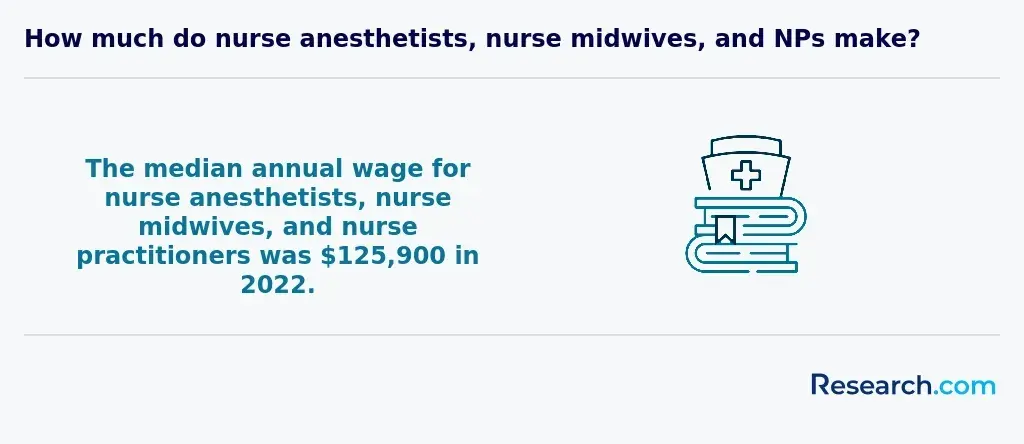
The upside is that licensure opens the door to broader nursing opportunities. For advanced roles such as nurse anesthetists, nurse midwives, and nurse practitioners, the projected growth is 38% from 2022 to 2032. Those roles require additional education and credentials beyond initial RN licensure.
What is the state of nursing in New Jersey?
New Jersey has a large healthcare workforce and a continuing need for qualified nurses. Recent data indicate that over 100,000 licensed nurses are working in New Jersey, while NJCCN workforce reporting shows a substantial RN licensure base. Demand is influenced by aging patients, chronic disease management, hospital staffing needs, outpatient care growth, long-term care demand, and telehealth expansion.
- Where nurses work: Hospitals remain the largest employment setting, with 55% of RNs working in hospitals. Other employers include outpatient care centers, home health agencies, nursing homes, correctional facilities, schools, and community organizations.
- Where opportunities appear: Urban healthcare systems in areas such as Newark and Jersey City may offer large hospital networks and specialty units, while suburban and community settings may offer roles in primary care, long-term care, home health, and outpatient services.
- How the work is changing: Nurses are increasingly expected to use electronic health records, telehealth platforms, remote monitoring tools, care coordination systems, and interdisciplinary communication workflows. Clinical judgment remains central, but digital fluency is becoming more important.
What is the job outlook for nursing in New Jersey?
The nursing job outlook in New Jersey is positive, but it is not identical across every role, employer, or region. According to the latest data from the U.S. Bureau of Labor Statistics, employment for RNs is projected to grow by approximately 6% from 2022 to 2032, aligning with the national average.
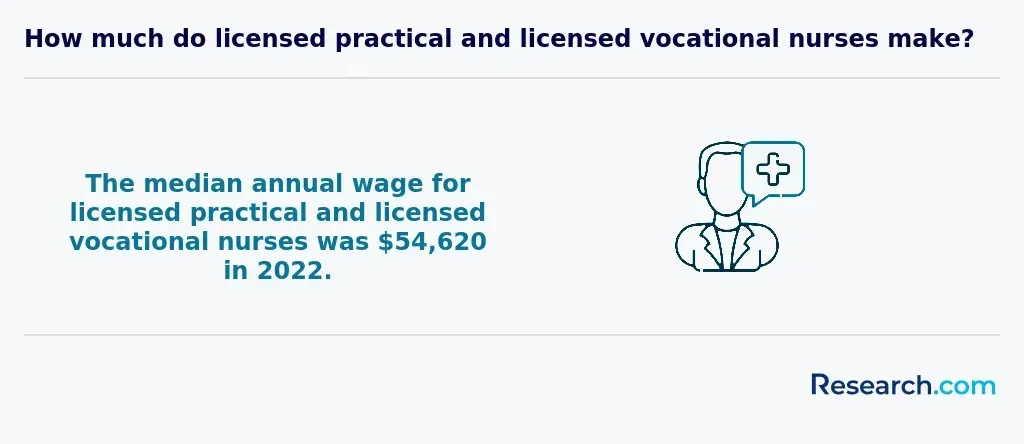
Compensation is also a major reason students consider nursing in New Jersey. The average salary for nurses in New Jersey is higher than the national average, and the state was one of the top-paying states for RNs in 2022. LPNs generally earn less than RNs, with an average salary of around $61,000. Individual pay can change based on credentials, overtime, shift differentials, union contracts, specialty, and employer type.
- Trenton: A strong healthcare market with some of the higher-paying nursing opportunities in the state.
- Newark: A major healthcare hub with hospitals, specialty care, and dense patient demand.
- Atlantic City: A region with healthcare needs beyond its tourism economy, including hospital and community-based care.
Higher-paying settings may include hospitals, outpatient care centers, home healthcare services, and pharmaceutical and biotech companies. Among advanced roles, nurse anesthetists and nurse practitioners are often among the highest earners, though salaries are never guaranteed.
Can cross-training in pharmacy enrich your nursing career in New Jersey?
Pharmacy knowledge can make nurses stronger clinicians, especially in medication reconciliation, patient education, adverse-reaction monitoring, chronic disease management, and interprofessional communication. Cross-training does not replace nursing licensure or expand a nurse’s legal scope automatically, but it can support safer medication-related decisions and may help nurses move into specialty, education, informatics, or quality roles.
Nurses considering a major career pivot into pharmacy should review the full education and licensure path for how to become a pharmacist in New Jersey before committing to additional schooling.
How can advanced nursing degrees enhance your career in New Jersey?
Advanced nursing degrees can help licensed nurses move into nurse practitioner, nurse anesthesia, nurse midwifery, clinical leadership, nursing education, informatics, research, and executive roles. In New Jersey, graduate nursing education can be especially valuable for nurses who want more autonomy, specialty expertise, or leadership responsibility.
| Advanced option | Common goal | Best fit |
| MSN | Advanced clinical practice, education, leadership, or specialty preparation | RNs seeking graduate-level career mobility |
| DNP | Practice leadership, systems improvement, advanced clinical expertise | Nurses aiming for high-level practice or organizational leadership |
| Ph.D. in Nursing | Research, scholarship, and academic careers | Nurses interested in generating evidence and teaching at higher levels |
Busy nurses comparing flexible doctoral options can review online DNP programs, but they should confirm clinical placement expectations, state authorization, and certification alignment before enrolling.
What are the benefits of joining a nursing association in New Jersey?
A nursing association can be useful at every career stage, from student to advanced practice nurse. Membership is not a substitute for licensure or certification, but it can help nurses stay connected to professional standards, policy developments, and career opportunities.
- Networking: Associations can connect nurses with peers, mentors, educators, specialty leaders, and potential employers.
- Continuing education: Many organizations provide courses, conferences, webinars, and practice updates that support professional growth and renewal requirements.
- Advocacy: Nursing organizations often monitor legislation and advocate for issues affecting nursing practice, staffing, education, and patient access.
- Career resources: Members may receive newsletters, research updates, job postings, certification information, and specialty guidance.
- Cost savings: Some associations offer discounts on conferences, insurance products, exam preparation, or professional development resources.
- Professional support: Nursing can be demanding. A professional community can provide encouragement, shared problem-solving, and a stronger sense of belonging.
What financial aid opportunities can support your nursing education in New Jersey?
Nursing school costs can include more than tuition. Students should budget for fees, textbooks, uniforms, background checks, health screenings, transportation to clinical sites, exam preparation, NCLEX registration, and license application expenses. Financial aid may come from federal aid, state aid, institutional scholarships, employer tuition assistance, work-study, grants, loans, and loan forgiveness programs tied to qualifying service.
- Complete the FAFSA and review aid deadlines for every school you are considering.
- Ask each nursing program whether scholarships are available specifically for nursing students.
- Compare the total cost of attendance, not just tuition per credit.
- Ask employers about tuition reimbursement if you already work in healthcare.
- Review loan terms carefully before borrowing, especially if you plan to continue into graduate nursing education.
Career changers considering graduate-entry nursing should also compare financing options for direct entry MSN programs for non-nurses online, since these programs may have different tuition structures and clinical requirements.
What are the non-clinical career opportunities for nurses in New Jersey?
Not every nursing career requires bedside care forever. New Jersey nurses can use clinical knowledge in administrative, educational, regulatory, technology, insurance, pharmaceutical, and quality-improvement roles. These paths may appeal to nurses dealing with burnout, schedule strain, physical demands, or a desire to influence systems rather than deliver direct care.
- Clinical informatics: Helps healthcare teams use electronic records, data systems, and workflow tools effectively.
- Quality assurance and patient safety: Focuses on improving outcomes, reducing errors, and supporting compliance.
- Case management: Coordinates care, discharge planning, insurance communication, and patient resources.
- Nursing education: Supports student nurses, staff development, simulation labs, and clinical training.
- Medical coding and billing: Uses healthcare knowledge in documentation, reimbursement, and revenue-cycle work. Nurses exploring this pivot can review how to become a medical biller and coder in New Jersey.
What are the continuing education and professional development requirements for nurses in New Jersey?
New Jersey nurses must keep their licenses current through renewal and continuing education. Requirements can change, so nurses should verify details through official state sources before each renewal cycle. Continuing education should be relevant, properly documented, and completed through acceptable providers.
Professional development can also include specialty certification, preceptor training, leadership programs, simulation training, informatics courses, and graduate education. Nurses moving between practical nursing, RN practice, and advanced roles should confirm how each credential affects scope of practice and renewal obligations. For related career-path context, see guidance on how to become an LVN in New Jersey.
Are online nursing programs in New Jersey a viable option for quality education?
Online and hybrid nursing programs can be a strong option for students who need flexibility, but they are not “fully online” in the way many non-healthcare degrees are. Nursing students still need labs, simulations, skills checks, and supervised clinical placements that meet state and program requirements.
| Program format | Advantages | Risks to check |
| Campus-based | Face-to-face labs, structured schedule, easier access to campus resources | May be less flexible for working adults or commuters |
| Hybrid | Combines online coursework with in-person clinical and lab requirements | Clinical scheduling may still require travel and daytime availability |
| Online post-licensure | Often useful for RN-to-BSN or graduate coursework | Students must verify state authorization, practicum rules, and employer recognition |
Before enrolling, verify board approval, accreditation, clinical placement support, NCLEX outcomes for pre-licensure programs, and whether the format fits your schedule. Students comparing flexible options can start with the best online nursing programs in New Jersey.
Will upcoming regulatory changes affect the nursing licensure process in New Jersey?
Nursing regulations are reviewed periodically, and changes can affect applications, renewal procedures, documentation standards, background checks, Compact licensing, continuing education, and advanced practice rules. Applicants should avoid relying only on school forums, social media, or outdated checklists.
The safest approach is to monitor the New Jersey Board of Nursing and official state communications before applying, renewing, changing license status, or moving from another state. For a focused overview, review the current requirements for nursing licensure in New Jersey.
What challenges do nurses face in New Jersey?
Nursing in New Jersey can offer strong opportunities, but the work can also be demanding. Common challenges include high patient volumes, staffing pressure, documentation burden, shift work, emotional stress, workplace violence concerns, commuting costs, and the state’s high cost of living.
- Workload pressure: Ask employers about staffing models, float expectations, orientation length, and support for new graduates.
- Burnout risk: Look for units with mentorship, safe reporting systems, manageable scheduling, and access to employee support resources.
- Cost of education: Compare net cost, scholarships, employer reimbursement, and loan obligations before choosing a program.
- Competitive specialties: ICU, emergency, labor and delivery, pediatrics, and advanced practice tracks may require strong clinical performance, certifications, or additional experience.
- Changing technology: Nurses must adapt to electronic records, telehealth tools, remote monitoring, and data-driven care coordination.
Students who want a stronger starting point should compare program quality, clinical access, and outcomes through resources such as the best nursing schools in New Jersey.
How to choose the right nursing program in New Jersey
The best nursing program is not always the cheapest, fastest, closest, or highest ranked. It is the program that is approved for your license goal, fits your schedule and finances, provides adequate clinical training, prepares students for the NCLEX, and supports your intended career path.
Questions to ask before enrolling
- Is the program approved by the New Jersey Board of Nursing for the license I want?
- Does the program hold national accreditation, and does that matter for my graduate school or employer goals?
- What are the NCLEX pass rates, retention rates, and graduation rates?
- Who arranges clinical placements, and how far might students need to travel?
- Can I work while enrolled, or is the schedule too intensive?
- What is the total cost, including fees, supplies, health requirements, transportation, and licensing expenses?
- Does the program accept transfer credits or prior healthcare coursework?
- What support is available for tutoring, simulation practice, advising, and NCLEX preparation?
- If the program is online or hybrid, where are labs and clinicals completed?
- Will this program support my next step, such as RN-to-BSN, MSN, DNP, or nurse practitioner training?
Common mistakes to avoid
| Mistake | Why it can hurt you | Better approach |
| Choosing a program without checking approval | You may face licensing problems after graduation. | Verify state approval before applying or paying deposits. |
| Looking only at tuition | Fees, clinical travel, supplies, and exam costs can change the real price. | Compare total cost of attendance and available aid. |
| Assuming online means no in-person requirements | Nursing programs require labs and clinical experiences. | Ask exactly where and when in-person requirements occur. |
| Ignoring NCLEX support | Poor preparation can delay licensure and employment. | Review pass rates, remediation support, and exam-prep resources. |
| Choosing a pathway that does not match your goal | You may need extra schooling later. | Map your target role before choosing LPN, ADN, BSN, or graduate study. |
| Relying only on rankings | A highly ranked program may not fit your finances, schedule, or location. | Use rankings as one input, not the entire decision. |
Students planning advanced practice should compare specialty alignment early. For example, future NPs can review the best NP programs in New Jersey to understand graduate-level options and expectations.
What are the best nursing programs for those interested in pursuing a career as an LPN in New Jersey?
The best LPN program for you should be approved, affordable, clinically accessible, and strong enough to prepare you for the NCLEX-PN. Because LPN programs are often shorter than RN programs, students may focus heavily on speed, but program quality and licensure eligibility matter more than quick completion alone.
When comparing online LPN programs in New Jersey and campus-based options, ask whether coursework is online, where labs are held, who arranges clinical placements, what the NCLEX-PN pass rate is, and whether graduates commonly continue into LPN-to-RN bridge programs.
What do nurses say about becoming a nurse in New Jersey?
Nurses often point to New Jersey’s diverse patient population, strong healthcare systems, and professional networks as advantages. One nurse described the state as a place where variety in patient needs keeps the work intellectually engaging, while another emphasized the value of mentors and continuing education. A nurse who moved from RN practice into a nurse practitioner role noted that New Jersey offers multiple pathways for advancement.
Personal experiences can be helpful, but they should not replace program research. One older anecdotal comment cited an average salary of around $80,000 a year, while other salary figures in this guide reflect different sources, roles, and timeframes. Always compare current wage information for the specific role, location, and employer you are targeting.
What advanced specializations can elevate your nursing career in New Jersey?
Specialization can help nurses build expertise, qualify for advanced roles, and move into higher-responsibility settings. Options may include critical care, emergency nursing, oncology, pediatrics, gerontology, informatics, public health, nurse education, leadership, nurse anesthesia, nurse midwifery, and nurse practitioner practice.
- Clinical specialty certification: Useful for nurses who want to deepen expertise in a particular patient population or care setting.
- Advanced practice specialization: Required for roles such as nurse practitioner, nurse anesthetist, and nurse midwife.
- Leadership and administration: Appropriate for nurses moving toward unit management, quality improvement, or executive roles.
- Education and research: A fit for nurses interested in teaching, simulation, curriculum design, or evidence generation.
Nurses interested in maternal and reproductive healthcare may want to explore how to become a nurse midwife in New Jersey as one possible advanced practice direction.
What are the nurse practitioner education requirements in New Jersey?
New Jersey nurse practitioner candidates must first become RNs, then complete graduate nursing education that prepares them for advanced practice. NP programs typically include advanced pharmacology, pathophysiology, health assessment, diagnosis and management coursework, and supervised clinical training in the chosen population focus.
After completing graduate education, candidates generally need national certification in their specialty area and must meet New Jersey’s advanced practice requirements. Because NP rules can affect prescribing, collaboration, certification, and renewal, candidates should verify state requirements before selecting a program. For a role-specific overview, review nurse practitioner education requirements in New Jersey.
Related Articles for Nearby States
- 2027 How to Become a Nurse in Delaware
- 2027 How to Become a Nurse in Pennsylvania
- 2027 How to Become a Nurse in New York
- 2027 How to Become a Nurse in Maryland
- 2027 How to Become a Nurse in Connecticut
- 2027 How to Become a Nurse in Rhode Island
- 2027 How to Become a Nurse in Virginia
- 2027 How to Become a Nurse in Massachusetts
- 2027 How to Become a Nurse in West Virginia
- 2027 How to Become a Nurse in Ohio
References:
- Nurse Journal. (07 November 2022). The Top Nursing Schools in New Jersey. Retrieved August 21, 2024, from nursejournal.org.
- NJCCN. (2023). Educational capacity data 2021-2022. The New Jersey Collaborating Center for Nursing. Retrieved August 21, 2024, from The New Jersey Collaborating Center for Nursing.
- NJCCN. (2024). Chapter 2: Workforce supply data. The New Jersey Collaborating Center for Nursing. Retrieved August 21, 2024, from The New Jersey Collaborating Center for Nursing.
- NDS. (06 January 2021). Becoming an RN in New Jersey. Retrieved August 21, 2024, from Nursing School Degrees.
- New Jersey DCA. (14 April 2023). New Jersey Board of Nursing. Retrieved August 21, 2024, from New Jersey Division of Consumer Affairs.
- U.S. Bureau of Labor Statistics. (2023, September 6). Occupational outlook handbook - Nurse anesthetists, nurse midwives, and nurse practitioners. Retrieved August 21, 2024, from U.S. Bureau of Labor Statistics.
Key Insights
- New Jersey nursing careers start with the correct license pathway: LPN, RN, or advanced practice. Each route has different education, exam, and scope-of-practice requirements.
- Program approval is non-negotiable. Before enrolling, confirm New Jersey Board of Nursing approval, clinical placement expectations, NCLEX preparation, and total cost.
- ADN and BSN programs can both lead to RN licensure, but a BSN may offer more flexibility for hospital roles, leadership, and graduate study.
- Compact licensure can improve mobility for eligible RNs and LPNs, but not every nurse automatically qualifies for a multistate license.
- You cannot practice as a nurse in New Jersey without the appropriate active license. Graduate status, CNA work, and student clinical training do not replace licensure.
- The job outlook is favorable, but salary and hiring conditions vary by role, region, employer, specialty, and experience. Use averages as planning tools, not guarantees.
- Online and hybrid nursing programs can be viable, but students must still complete approved labs and clinical experiences in person.
- The smartest nursing school choice is the one that matches your license goal, finances, schedule, clinical needs, and long-term career plan—not simply the fastest or cheapest option.
Other Things You Need to Know About Nursing in New Jersey
To become a licensed nurse in New Jersey in 2027, candidates must pass the NCLEX-RN exam after completing an accredited nursing program. The NCLEX-RN assesses the knowledge and skills necessary for safe and effective entry-level nursing practice.
To become a nurse in New Jersey in 2027, you must earn either an Associate Degree in Nursing (ADN) or a Bachelor of Science in Nursing (BSN) from an accredited nursing program. You don't want to miss out on this very important step to becoming a nurse. Upon completing your degree, passing the NCLEX-RN exam is mandatory to gain licensure.


