
2027 Military Psychology Careers: Guide to Career Paths, Options & Salary

Co-Founder and Chief Data Scientist
Military psychology is a specialized career path for psychology professionals who want to work with service members, veterans, military units, and military families. The decision matters because the work is clinically demanding, ethically complex, and often tied to readiness, trauma recovery, deployment stress, and reintegration into civilian life. PTSD affects between 5% and 13% of active U.S. service members, depression rates reach as high as 27%, and among veterans who sought care in 2024, PTSD was diagnosed in 14% of men and 24% of women.
This guide explains what military psychologists do, how to enter the field, what degrees and licenses may be needed, where the jobs are, and how to evaluate whether this path fits your career goals. It also covers salary expectations, job outlook, skills, ethical issues, online and accelerated degree options, alternative careers, and practical questions to ask before choosing a program.
Quick Answer: Is Military Psychology a Good Career Path?
Military psychology can be a strong career choice for people who want to combine clinical psychology, trauma-informed care, crisis response, research, and service-focused work. The field offers opportunities in military bases, VA hospitals, military hospitals, research settings, government agencies, and private practice. It is best suited for people who can handle high-stakes clinical decisions, understand military culture, and work within confidentiality rules that may differ from civilian practice.
- Career outlook: Job growth for psychologists is projected at 7% from 2023 to 2033.
- Median salary benchmark: The Bureau of Labor Statistics reports a median psychologist salary of $92,740 per year.
- Typical education: Support roles may begin with an associate’s or bachelor’s degree, but licensed psychologist roles generally require graduate education, supervised clinical experience, and licensure.
- Best fit: Students interested in PTSD treatment, military readiness, trauma assessment, family support, neuropsychology, crisis intervention, and evidence-based therapy.
- Major caution: Not every psychology program prepares students for military or veteran-focused practice, and not every online program satisfies licensure, internship, or clinical placement expectations.
- Is military psychology a good career path?
- What is the career outlook for military psychology for 2027?
- What skills do military psychologists need?
- Can accelerated programs help you enter military psychology faster?
- Can certifications strengthen a military psychology career?
- What trends are changing military psychology?
- Can interdisciplinary training improve career options?
- How do military psychologists support service members’ families?
- What ethical and legal issues should you understand?
- How should you choose a specialized degree program?
- How can networking and professional organizations help?
- How do you start a career in military psychology?
- How can you move into advanced military psychology roles?
- What alternative careers use military psychology skills?
- Is an online degree realistic for this career path?
- Key insights
Is military psychology a good career path?
Military psychology is a good fit for students and professionals who want their psychology training to support people exposed to combat stress, deployment strain, trauma, moral injury, operational pressure, family separation, and difficult transitions after service. The work can be rewarding, but it is not a low-pressure counseling path. Military psychologists may treat serious mental health conditions, advise teams, support crisis response, and navigate military policies that affect clinical decision-making.
In practice, military psychologists may assess and treat PTSD, depression, anxiety, substance use concerns, traumatic brain injury-related issues, adjustment challenges, sleep problems, relationship stress, and reintegration difficulties. Some focus on direct clinical care, while others work in operational psychology, research, resilience training, leadership consultation, or veteran services.
The field can offer strong meaning because psychologists support people whose mental health affects not only personal well-being but also unit functioning, family stability, and long-term adjustment after military service. Research and professional commentary also emphasize the value of military health psychology in prevention, treatment, and resilience work.
| Military psychology may be right for you if... | You may want a different path if... |
| You are interested in trauma-informed clinical care, crisis intervention, and resilience training. | You prefer predictable appointments, low-risk cases, or work without institutional reporting obligations. |
| You want to work with service members, veterans, and military families. | You are uncomfortable learning military structure, rank, command expectations, and deployment-related stressors. |
| You can handle emotionally intense cases involving trauma, suicide risk, grief, or reintegration challenges. | You do not want to manage burnout risk or secondary trauma exposure. |
| You are willing to complete graduate education, supervised training, and licensure requirements. | You want to become a licensed psychologist with only a short certificate or undergraduate degree. |
If your interest is more focused on family systems, youth services, and community-based support, you may also want to compare this path with the career route for child and family social workers.
What is the career outlook for military psychology for 2027?
The outlook for military psychology is supported by broader demand for mental health professionals and the continued need for services for active-duty personnel, veterans, and families. Military psychologists may work in military treatment facilities, VA hospitals, military bases, civilian clinics serving veterans, research organizations, and private practices that specialize in trauma or military populations.
The Bureau of Labor Statistics reports that psychologists earned a median salary of $92,740 per year in 2023, and job growth is projected at about 7% from 2023 to 2033. Military-affiliated roles can vary widely by location, employer, rank or civilian pay structure, experience, specialization, and whether the position is clinical, research-based, operational, or administrative. Some salary discussions also note that military psychologist compensation may differ based on experience and location.
| Career factor | What it means for military psychology candidates |
| Projected job growth | Psychologist employment is projected to grow 7% from 2023 to 2033. |
| Median psychologist salary | The reported median salary is $92,740 per year. |
| Common employers | Military bases, VA hospitals, military hospitals, government agencies, research organizations, and private practices. |
| Demand drivers | PTSD, depression, deployment stress, suicide prevention, transition support, family strain, and growing awareness of mental health’s role in readiness. |
| Salary caution | Published medians are useful benchmarks, but individual pay depends on role, credentials, employer, location, and experience. |
Students who enjoy assessment, testing, and data-driven psychology may also want to compare this field with the psychometrician career path, which can involve psychological measurement, evaluation, and research support.
What skills do military psychologists need?
Military psychologists need the same core clinical foundation expected of psychologists, plus specialized preparation for trauma, military culture, operational stress, crisis situations, and complex ethical boundaries. The strongest candidates combine evidence-based clinical skills with judgment, emotional stability, and the ability to collaborate with medical teams, commanders, social workers, and family support systems.
Clinical and Technical Skills
| Skill area | Why it matters in military psychology |
| Psychological assessment and diagnosis | Military psychologists must evaluate PTSD, depression, anxiety, substance use disorders, adjustment challenges, cognitive concerns, and other mental health conditions using interviews, standardized tools, and clinical judgment. |
| Trauma treatment | Many roles require competence in evidence-based approaches used for trauma-related conditions, including cognitive-behavioral therapy, EMDR, and exposure therapy. |
| Crisis intervention | Psychologists may respond to suicidal ideation, acute anxiety, severe distress, post-incident reactions, or urgent fitness-for-duty concerns. |
| Treatment planning | Care plans must account for symptoms, risk level, duty demands, family needs, deployment history, and available supports. |
| Military culture and systems knowledge | Understanding rank, unit culture, discipline, deployment cycles, stigma, and chain-of-command dynamics helps psychologists build trust and provide realistic care. |
| Research and program evaluation | Military psychology often includes prevention programs, resilience training, outcome measurement, and policy-informed mental health initiatives. |
| Substance use treatment | Some service members and veterans need support for alcohol or drug use linked to stress, trauma, pain, or adjustment challenges. |
| Interdisciplinary collaboration | Military psychologists frequently coordinate with physicians, counselors, social workers, chaplains, commanders, and rehabilitation specialists. |
If you are comparing adjacent helping professions, this rehabilitation counselor career guide explains another path focused on recovery, disability support, and functional independence.
Professional and Interpersonal Skills
Technical training is not enough in military psychology. Professionals must communicate clearly, earn trust from people who may be reluctant to seek care, and remain composed when a case involves risk, stigma, command pressure, or trauma exposure.
- Clear communication: Psychologists must explain diagnoses, treatment options, risk concerns, and recommendations in language that patients, medical teams, and leadership can understand.
- Active listening: Service members may fear judgment or career consequences, so strong listening skills are essential for building trust.
- Empathy with boundaries: Military psychologists need compassion, but they also need firm professional limits and ethical discipline.
- Critical thinking: Cases may involve incomplete information, safety concerns, duty requirements, and competing obligations.
- Adaptability: Work settings can include hospitals, clinics, bases, field environments, telehealth platforms, or veteran service organizations.
- Emotional regulation: Exposure to trauma narratives, suicide risk, and family distress requires self-awareness and burnout prevention.
- Cultural competence: Military culture, veteran identity, family systems, and diverse backgrounds all shape how people experience and discuss mental health.
- Ethical judgment: Confidentiality, informed consent, mandatory reporting, and command-related disclosures require careful decision-making.
- Teamwork: Military psychologists rarely work in isolation; they coordinate care with multiple professionals and systems.
- Patience: Trauma recovery, substance use treatment, reintegration, and relationship repair can take time and may not progress in a straight line.
Students interested in case management, community support, and services for military or veteran families may also consider an online bachelor’s degree in social work as an alternative or complementary route.

Can accelerated programs help you enter military psychology faster?
Accelerated programs can shorten the academic timeline for some students, but they should be evaluated carefully. A faster program is only useful if it still supports the requirements that matter most: accreditation, clinical training quality, internship options, supervised experience, faculty expertise, and alignment with licensure rules in the state where you plan to practice.
For students considering doctoral-level clinical training, an accelerated PsyD program may be appealing because it can reduce time in school. Before enrolling, ask whether the program has military or veteran practicum opportunities, whether it supports APA-accredited internship competitiveness, and whether graduates have a realistic path to licensure.
Can certifications strengthen a military psychology career?
Certifications can add value when they deepen a psychologist’s ability to provide evidence-based care or work with a specialized population. They do not replace licensure for psychologist roles, but they can help candidates develop skills in behavioral intervention, trauma care, substance use, crisis response, assessment, or family support.
For example, professionals interested in behavior analysis may explore options such as online BCBA programs. The key is relevance: a certification should connect to your intended role, meet recognized standards, and support the type of clients or systems you plan to serve.
| Credential decision | Ask this before enrolling |
| Clinical relevance | Will this credential improve my ability to treat, assess, or support service members, veterans, or families? |
| Recognition | Is the credential respected by employers in military, VA, healthcare, or government settings? |
| Licensure impact | Does it support my licensure path, continuing education, or specialty development? |
| Cost and time | Will the credential provide enough professional value to justify the expense and workload? |
What trends are changing military psychology?
Military psychology is being shaped by technology, changing expectations for mental health access, and stronger emphasis on prevention. Telehealth has expanded access for service members, veterans, and families who may be stationed far from specialty providers or balancing work, caregiving, and treatment. Digital mental health tools are also being used to support screening, follow-up, and self-management, though they should complement—not replace—clinical judgment.
Virtual reality exposure therapies, digital platforms, and faster assessment methods are increasingly discussed in trauma care and resilience training. At the same time, employers still value core clinical competence: accurate assessment, ethical judgment, evidence-based treatment, and the ability to work with interdisciplinary teams. Students looking for flexible foundational study may compare options such as the best 2-year psychology degree online, while remembering that licensed psychologist roles require substantially more training.
Can interdisciplinary training improve career options?
Interdisciplinary training can make a military psychology career more flexible. Service members and veterans may need support that overlaps with behavioral health, neuropsychology, family systems, substance use treatment, rehabilitation, forensic evaluation, organizational consulting, and performance psychology. Psychologists who understand related fields can communicate more effectively with multidisciplinary teams and tailor care to complex needs.
Programs such as the best ABA master’s programs may be useful for professionals who want deeper behavioral assessment and intervention skills. The best interdisciplinary choice depends on your goal: clinical specialization, research, leadership, operational support, family services, or transition into civilian healthcare and consulting.
How do military psychologists support service members’ families?
Military mental health does not stop with the individual service member. Deployments, relocation, reintegration, injury, trauma exposure, and long separations can affect spouses, partners, children, caregivers, and extended family systems. Military psychologists may provide family education, couples support, child-focused referrals, parenting guidance, crisis planning, and reintegration support.
Professionals who want to work more directly with children and adolescents in military families may benefit from specialized study, such as a master’s in child psychology online. Family-centered care can improve communication, reduce isolation, and help service members maintain stronger support systems during and after military service.
What ethical and legal issues should you understand?
Military psychology includes ethical questions that may be less common in civilian private practice. Psychologists must protect confidentiality, obtain informed consent, document appropriately, and follow professional standards, while also understanding when military policy, safety concerns, mandatory reporting, or fitness-for-duty questions affect what can remain private.
One of the most important responsibilities is explaining confidentiality limits before treatment begins. Service members need to know what information may be shared, with whom, and under what circumstances. Psychologists must also avoid dual-role conflicts when asked to provide both treatment and administrative evaluations for the same person.
Students interested in the legal side of psychological assessment, risk, and documentation may compare military psychology with forensic-focused study, including affordable online master’s degrees in forensic psychology.
How should you choose a specialized degree program?
The right degree program depends on your target role. If you want to become a licensed psychologist, focus on doctoral training, clinical placements, licensure preparation, internship outcomes, and faculty expertise. If you want support roles, research roles, case management, or counseling-adjacent positions, a bachelor’s or master’s program may be enough depending on the job and state rules.
Combined graduate pathways, such as M.S. PsyD programs, can appeal to students who want a structured route from graduate coursework into doctoral-level clinical preparation. However, students should compare more than program length. Accreditation, practicum access, supervision quality, and licensure compatibility are more important than speed alone.
Questions to Ask Before Choosing a Program
- Is the institution properly accredited?
- Does the program prepare graduates for licensure in the state where I plan to practice?
- Are there practicum, internship, or field placement options with military, VA, trauma, hospital, or crisis-focused settings?
- What percentage of the curriculum focuses on assessment, diagnosis, evidence-based therapy, ethics, and multicultural competence?
- Do faculty members have military, veteran, trauma, neuropsychology, or crisis intervention expertise?
- Does the program support students applying for competitive internships or supervised clinical experiences?
- What are the total costs, including fees, travel, residencies, books, clinical requirements, and lost work time?
- Can transfer credits, military education benefits, employer tuition support, or part-time enrollment reduce the financial burden?
How can networking and professional organizations help?
Professional networks can help military psychology students and early-career professionals find mentors, learn about internships, understand employer expectations, and stay current on research and practice standards. Conferences, specialty groups, military mental health forums, and alumni networks can also clarify which roles require licensure, which employers hire civilians, and which specialties are growing.
Advanced education can also expand professional networks. Students comparing flexible doctoral options may review online PsyD programs, but should verify clinical requirements, residency expectations, internship support, and licensure alignment before applying.
How do you start a career in military psychology?
Most military psychology careers begin with a psychology, counseling, social work, behavioral health, or related undergraduate foundation. From there, the path depends on whether you want a support role, counseling role, research role, or licensed psychologist role. Licensed psychologist positions generally require graduate-level clinical preparation, supervised experience, and state licensure.
If your interest is broader than clinical psychology, this transformational coach career guide explains another career area connected to resilience, behavior change, and personal development.
Entry-Level Paths by Education Level
| Education level | Possible role | Typical focus | Median salary listed |
| Associate’s degree in psychology | Mental Health Technician | Assists with patient care, basic behavioral observation, therapy support, and clinical team tasks. | $44,390 to $63,210 / year |
| Associate’s degree in psychology | Substance Abuse Counselor Assistant | Supports licensed professionals helping people with addiction and recovery needs, including veterans or service members. | $53,710 / year |
What can you do with a bachelor’s degree in psychology?
| Bachelor’s-level role | What the role may involve | Median salary listed |
| Military Behavioral Health Specialist | Supports behavioral health programs, assists with crisis response, helps coordinate care, and works under qualified professionals. | $48,520 / year |
| Rehabilitation Specialist | Helps veterans or injured service members work toward recovery goals, improve functioning, and connect with support services. | $44,034 / year |
Students who are more interested in performance, leadership, workforce behavior, and organizational resilience may also compare this route with an online master’s in industrial organizational psychology.
Can a certificate alone qualify you to become a military psychologist?
No. A certificate by itself is not enough to become a military psychologist. Certificates may help with support roles, continuing education, crisis response training, behavioral intervention, or specialty knowledge, but psychologist licensure requires a much deeper educational and supervised training pathway. Students preparing for advanced roles may compare online psychology graduate programs to identify flexible options that align with their long-term licensure or career goals.
How can you move into advanced military psychology roles?
Advancement usually requires graduate education, supervised clinical experience, licensure, and a clearly defined specialty. A master’s degree may qualify graduates for counseling, behavioral health, research, or program roles depending on state law and employer requirements. Doctoral training is typically expected for licensed psychologist roles, advanced assessment, independent clinical practice, and many leadership or research positions.
Advanced Roles by Degree Level
| Degree level | Possible role | Role focus | Median salary listed |
| Master’s in psychology | Military Clinical Counselor | Provides therapy or mental health support to service members and families, often in military or VA-connected settings. Students may build relevant skills through online clinical psychology master’s programs. | $58,510 / year |
| Master’s in psychology | Operational Psychologist | Supports psychological readiness, resilience, unit functioning, and mission-related behavioral health needs. | $96,096 / year |
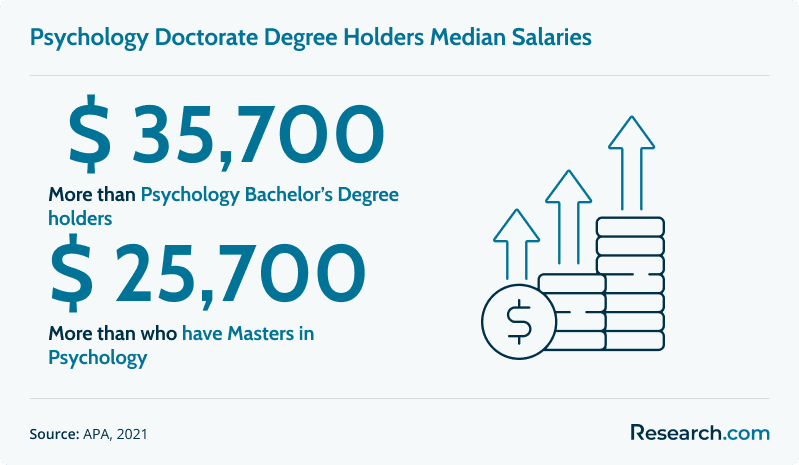
| Doctorate in psychology | Army Psychologist | Assesses and treats service members and veterans with PTSD, anxiety, trauma-related disorders, and other mental health concerns. | $103,850 / year |
| Doctorate in psychology | Neuropsychologist for the Military | Focuses on cognitive functioning, brain injury, neurological assessment, PTSD-related research, and rehabilitation planning. | $91,500 / year |
Practical Steps to Advance
- Clarify whether your goal is clinical practice, research, operations, assessment, family support, or leadership.
- Choose a graduate program that aligns with licensure and includes strong clinical training.
- Seek practicum or internship experiences with military, veteran, trauma, crisis, hospital, or rehabilitation populations.
- Build competence in evidence-based trauma treatment and psychological assessment.
- Learn military culture, ethical rules, documentation expectations, and confidentiality limits.
- Pursue relevant certifications or continuing education only when they support your target role.
- Network with professionals in VA, military, hospital, and government mental health settings.
What alternative careers use military psychology skills?
Military psychology training can transfer into several civilian and government roles, especially those involving trauma, crisis response, assessment, resilience, rehabilitation, behavioral health, and family support. Some professionals remain connected to military and veteran populations, while others move into healthcare, public safety, research, academia, or organizational consulting.
One related field is health psychology, which focuses on the relationship between mental health, physical health, stress, behavior, and chronic illness management.
| Alternative career | Why military psychology experience can be useful |
| Veterans Affairs Counselor | Supports veterans with PTSD, anxiety, depression, transition stress, relationship strain, and adjustment after military service. |
| Trauma Specialist | Works with people affected by violence, disasters, combat exposure, accidents, or other severe stressors. |
| Forensic Psychologist | Applies assessment and behavioral expertise in legal, correctional, law enforcement, or court-related settings. |
| Organizational Psychologist | Uses knowledge of stress, leadership, performance, and resilience to improve workplace systems and employee well-being. |
| Academic Researcher or Professor | Studies trauma, resilience, treatment outcomes, military family systems, suicide prevention, or mental health policy. |
Is an online degree realistic for military psychology careers?
An online degree can be a viable option for parts of the military psychology pathway, especially for foundational coursework, master’s-level study, working adults, military spouses, veterans, and students who need scheduling flexibility. However, online delivery does not remove clinical, practicum, internship, residency, or supervised experience requirements for licensed roles.
Students comparing online options should verify accreditation, state licensure alignment, clinical placement support, faculty qualifications, and whether the program has experience placing students in military, VA, hospital, trauma, or crisis-focused settings. Cost-conscious students may compare an online master’s in psychology, but affordability should be weighed alongside outcomes and licensure fit.
| Online degree advantage | Online degree risk to check |
| Flexible scheduling for working adults, service members, veterans, and caregivers. | Some programs may not meet licensure or supervised clinical requirements in your state. |
| Potentially lower relocation or commuting costs. | Students may need to arrange local practicum or internship placements. |
| Access to programs outside your immediate geographic area. | Not all online programs have military or veteran-focused training opportunities. |
| Useful for didactic coursework and continuing education. | Clinical skill development still requires supervised, applied experience. |
Common Mistakes to Avoid
- Choosing a program based only on speed: A shorter degree is not helpful if it does not support licensure, internship competitiveness, or clinical readiness.
- Ignoring accreditation: Accreditation affects transfer credit, financial aid eligibility, licensure review, and employer confidence.
- Assuming all psychology degrees lead to psychologist licensure: Many programs provide psychology education but do not prepare students for independent clinical practice.
- Overlooking military culture: Clinical skill matters, but so does understanding rank, deployment cycles, stigma, duty demands, and family stress.
- Focusing only on tuition: Consider fees, residencies, commuting, books, technology, clinical placement costs, and lost income.
- Assuming online means easier: Strong online programs can be rigorous and may still require in-person clinical experiences.
- Relying only on salary medians: Pay varies by employer, location, role, credentials, experience, and civilian or military status.
- Waiting too long to seek experience: Volunteer work, research experience, crisis line training, veteran-focused internships, and supervised clinical exposure can strengthen applications and clarify fit.
References
- Sharifian, N., LeardMann, C. A., Kolaja, C. A., Baccetti, A., Carey, F. R., Castañeda, S. F., Hoge, C. W., Rull, R. P., and the Millennium Cohort Study Team. Factors Associated With Mental Healthcare Utilization Among United States Military Personnel With Posttraumatic Stress Disorder or Depression Symptoms. https://www.sciencedirect.com/science/article/pii/S0749379724003477
- VA.gov | Veterans Affairs. PTSD: National Center for PTSD. https://www.ptsd.va.gov/understand/common/common_veterans.asp
- Bureau of Labor Statistics. Psychologists. https://www.bls.gov/ooh/life-physical-and-social-science/psychologists.htm
- MentalHealthTech.org. Understanding Mental Health Technician Salaries by State. https://mentalhealthtech.org/how-to-become-a-mental-health-technician/salaries/by-state/
- Bureau of Labor Statistics. Substance Abuse, Behavioral Disorder, and Mental Health Counselors. https://www.bls.gov/ooh/community-and-social-service/substance-abuse-behavioral-disorder-and-mental-health-counselors.htm
- CounselingPsychology.org. Requirements on How to Become an Army Mental Health Specialist. https://www.counselingpsychology.org/counseling/careers/army-mental-health-specialist/
- Franklin University. Rehabilitation Specialist Salary Information. https://www.franklin.edu/career-guide/rehabilitation-counselors/how-much-salary-do-rehabilitation-specialists-make
- Franklin University. Military and Family Life Counselor Salary Information. https://www.franklin.edu/career-guide/marriage-and-family-therapists/how-much-salary-do-military-and-family-life-counselors-make
- Franklin University. Operational Psychologist Salary Information. https://www.franklin.edu/career-guide/clinical-and-counseling-psychologists/how-much-salary-do-operational-psychologists-make
- CareersinPsychology.org. How to Become an Army Psychologist. https://careersinpsychology.org/becoming-an-army-psychologist/
- Psy.D. Programs.org. Neuropsychologist Salary Outlook. https://psydprograms.org/how-much-do-neuropsychologists-make/
Key Insights
- Military psychology is best for people who want to apply clinical psychology to trauma, readiness, crisis response, resilience, veteran care, and military family support.
- PTSD affects between 5% and 13% of active U.S. service members, depression rates reach as high as 27%, and PTSD was diagnosed in 14% of men and 24% of women veterans who sought care in 2024.
- The Bureau of Labor Statistics reports a median psychologist salary of $92,740 per year, with projected job growth of 7% from 2023 to 2033.
- Licensed military psychologist roles typically require graduate education, supervised clinical experience, and licensure; certificates alone are not enough.
- Online and accelerated programs can be useful, but only if they meet accreditation, clinical training, internship, and licensure expectations.
- The strongest candidates build expertise in assessment, trauma treatment, crisis intervention, military culture, ethics, collaboration, and burnout prevention.
- Before choosing a program, verify accreditation, licensure alignment, clinical placement support, total cost, and faculty experience with military or veteran populations.
Other Things You Should Know about Military Psychology Careers
Many military psychology positions require at least a Secret clearance, and roles involving highly sensitive assignments may require Top Secret or Top Secret/SCI access. Clearances are issued through the Department of Defense after a background investigation, fingerprinting, and review of personal, financial, and criminal history.
In 2027, a psychologist must complete the Military Clinical Psychology Certification through the American Board of Professional Psychology. This certification requires a doctoral degree, completed internship, and two years of supervised practice in military settings to ensure specialized competency.


