
2027 How to Become a Family Nurse Practitioner – Salary & Requirement

Co-Founder and Chief Data Scientist
Becoming a family nurse practitioner is a major career decision for registered nurses who want more clinical responsibility, broader patient care authority, and a stronger role in primary care. Family nurse practitioners, or FNPs, are advanced practice registered nurses who care for patients across the lifespan, from infants and children to adults, pregnant and postpartum patients, and older adults. They assess patients, diagnose conditions, order and interpret tests, prescribe medications where permitted, manage chronic disease, and provide preventive care.
This guide explains how to become a family nurse practitioner, what FNP programs typically require, how much they can cost, what jobs may be available after graduation, and how to compare programs before applying. It also includes our 2027 selections for strong family nurse practitioner programs, using Research.com’s review of available datasets and program factors such as reputation, curriculum, faculty expertise, and scholarly output.
The role matters because nurse practitioners are an important part of the U.S. primary care workforce. The U.S. Bureau of Labor Statistics (BLS) reported an annual median wage of $129,210 for nurse practitioners, and employment for these roles is projected to increase.
How to Become a Family Nurse Practitioner Table of Contents
- What is a family nurse practitioner?
- Cost of Family Nurse Practitioner Degree
- Family Nurse Practitioner Degree Jobs
- Family Nurse Practitioner Degree Requirements
- What to Look for in a Family Nurse Practitioner Program
- What are the common challenges faced by family nurse practitioners in practice?
- How do family nurse practitioners impact patient outcomes and healthcare systems?
- Could Expanding into Women's Health Nurse Practitioner Roles Boost My Career?
- How can I transition from an ADN to a Family Nurse Practitioner?
- How Can Functional Medicine Elevate My FNP Practice?
- What financial aid opportunities are available for FNP students?
- Exploring FNP Career Opportunities by Region
- Can a Licensed Practical Nurse Transition into a Family Nurse Practitioner Role?
- What Are the Essential Professional Development Strategies for FNPs?
- 2027 Best Family Nurse Practitioner Programs
- What are the most affordable options for nurse practitioner specializations?
- What are the benefits of online nurse practitioner programs?
- How are evolving legal and regulatory policies impacting FNP practice?
Quick Answer: How Do You Become a Family Nurse Practitioner?
To become a family nurse practitioner, you generally need to become a registered nurse, complete graduate-level FNP education such as an MSN or DNP pathway, finish required clinical hours, pass a national FNP certification exam, and obtain state licensure or authorization to practice as an advanced practice nurse. The process commonly takes about two years after entering a graduate FNP program, although bridge programs, part-time study, and doctoral pathways can take longer.
The career outlook is strong. The BLS reported that nurse anesthetists, nurse midwives, and nurse practitioners had median pay of $132,050 per year, with the group projected to grow by 35%, much faster than the average for all occupations through 2034. That projection represents an expected increase of 32,700 jobs during the decade. For nurse practitioners specifically, forecasts for 2034 show 29,500 annual jobs over the decade and an employment change of 40.1% (BLS, 2025).
FNPs are also the largest nurse practitioner segment in the U.S. The 2025 U.S. nurse practitioner distribution by primary certification area shows that family NPs composed 68.7% of nurse practitioners. That does not mean every FNP job is easy to get, but it does show that the FNP credential is one of the most widely used advanced nursing credentials in primary care.
What is a family nurse practitioner?
A family nurse practitioner is an advanced practice registered nurse who provides primary and continuing care to patients across the lifespan. Nurse practitioners are graduate-educated nurses, often referred to as APRNs, or Advanced Practice Registered Nurses, and in some settings as ARNPs, or Advanced Registered Nurse Practitioners. Depending on training and certification, nurse practitioners may focus on family practice, pediatrics, adult care, geriatrics, psychiatric care, women’s health, acute care, or other specialties.
The FNP track is broad because it prepares nurses to care for individuals and families across many life stages. FNP education covers prenatal, newborn, infant, child, adolescent, adult, older adult, elder adult, pregnant, and postpartum care. In practice, that means an FNP may treat common acute illnesses, monitor chronic conditions, provide health education, screen for risk factors, manage medication plans, and coordinate care with physicians and other health professionals.
FNPs are trained to assess patients, diagnose illness, develop treatment plans, order and interpret diagnostic testing, prescribe medications where allowed by state law, and provide preventive services. Many work in primary care clinics, family medicine practices, community health centers, urgent care settings, retail clinics, rural health clinics, and specialty practices that need providers with broad patient-care training.
Workforce age is one reason the pathway remains important. The number of U.S. active RN licenses is 5,641,311, and the median age of RNs was 50 years, while that for LPNs/LVNs was 65 years (Journal of Nursing Regulation, 2025). As experienced nurses leave the workforce and demand for primary care continues, graduate-prepared nurses can help fill access gaps, especially in communities with provider shortages.
Cost of Family Nurse Practitioner Degree
The cost of becoming an FNP depends on the type of school, program format, residency status, degree level, transfer credits, clinical placement support, and how long you take to finish. Most students enter an MSN-FNP or DNP-FNP pathway after earning a BSN, though bridge routes may be available for ADN-prepared nurses or other qualified applicants.
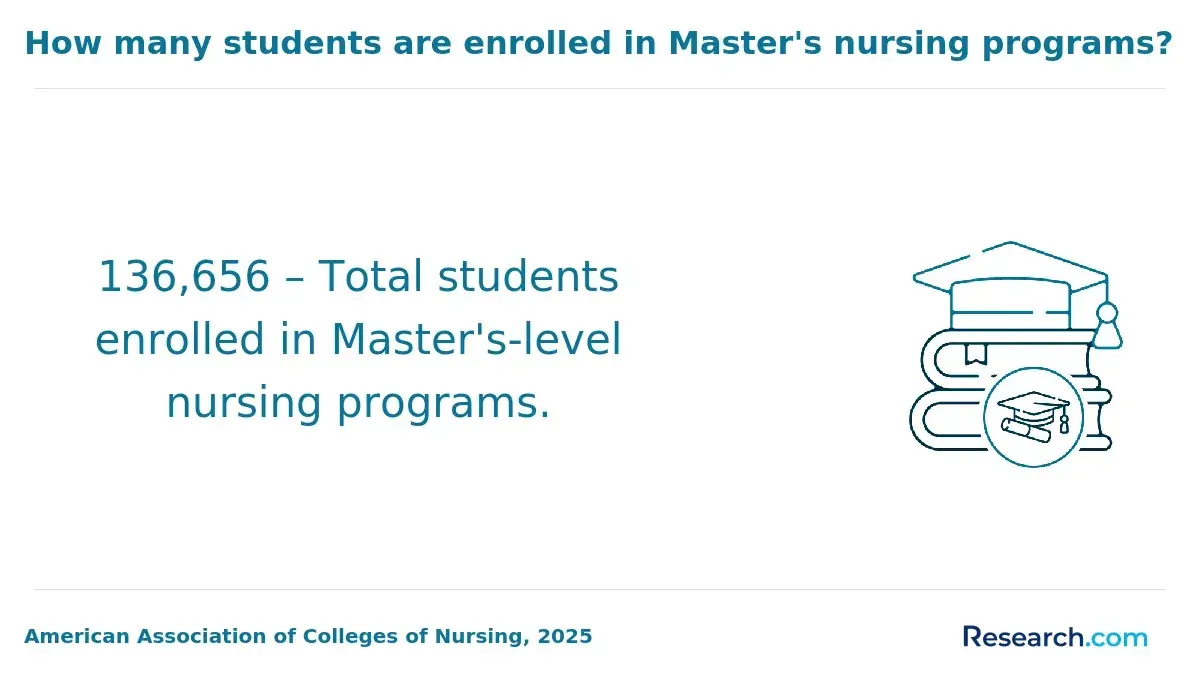
The total number of master's-level enrollment was 136,656, according to the latest AACN data. College Tuition Compare reports graduate tuition and fees at $11,231 in-state and $21,140 out-of-state. Many public institutions charge more for out-of-state students, but some online programs use one tuition rate regardless of residency.
The College Board also shows wide variation by institution type. Average tuition and fees in 2025 cost $9,850 in public four-year institutions and $32,600 in private institutions. These figures are useful for context, but FNP students should calculate the full program cost, not just annual tuition.
What Costs Should FNP Students Compare?
| Cost factor | Why it matters when comparing FNP programs |
| Tuition and mandatory fees | This is usually the largest direct cost, but published tuition may not include all university, technology, or clinical course fees. |
| Clinical placement expenses | Some programs help arrange placements, while others expect students to secure preceptors; travel, onboarding, background checks, and documentation can add costs. |
| Campus intensives | Hybrid and online programs may require short campus visits, which can create travel, lodging, and time-off-work expenses. |
| Certification and licensure | Graduates should budget for national certification exams, state application fees, renewals, and continuing education. |
| Lost income or reduced hours | Clinical rotations and coursework may require reducing work hours, especially near the end of the program. |
| Books, software, equipment, and compliance | Students may need clinical tools, learning platforms, uniforms, immunization records, drug screening, and liability coverage. |
The following Data USA comparison shows tuition and graduate counts from selected universities. These figures should not be treated as current program quotes; always verify tuition, fees, clinical requirements, and residency policies directly with the school.
| University | State Tuition (U.S. Dollars) | Total Graduates |
| Chamberlain University-Illinois | 19226 | 2413 |
| The University of Texas at Arlington | 8910 | 1206 |
| South University-Savannah Online | 13500 | 881 |
| Simmons University | 40850 | 563 |
| Maryville University of Saint Louis | 24766 | 479 |
| Purdue University Global | 10080 | 456 |
| University of Cincinnati-Main Campus | 9723 | 376 |
| Texas Tech University Health Sciences Center | 6665 | 320 |
| United States University | 5300 | 256 |
| Indiana Wesleyan University-National & Global | 8871 | 243 |
| The University of Texas Health Science Center at Houston | 8274 | 242 |
| Herzing University-Madison | 13320 | 227 |
| Graceland University-Lamoni | 30650 | 203 |
| Nova Southeastern University | 32370 | 180 |
| Grand Canyon University | 16424 | 177 |
| University of Phoenix-Arizona | 9552 | 177 |
| Universidad Ana G. Mendez-Gurabo Campus | 4920 | 172 |
| The University of Texas Medical Branch at Galveston | 7090 | 170 |
| University of North Carolina Wilmington | 4443 | 168 |
| Texas Woman's University | 5537 | 154 |
Family Nurse Practitioner Degree Jobs
An FNP credential most directly prepares graduates for family nurse practitioner roles, but graduate nursing education can also support clinical leadership, nursing education, quality improvement, informatics, research, and specialty practice opportunities. Salary outcomes vary by state, employer, work setting, specialty, experience, shift structure, and scope of practice rules, so students should not assume that a degree automatically leads to a specific salary.
The table below lists selected roles associated with nurse practitioner or advanced nursing career paths, along with average annual pay figures from PayScale.
| Role | Average annual salary |
| Adult Nurse Practitioner (ANP) | $110,063 |
| Assistant Director of Nursing (ADON) | $107,081 |
| Assistant Professor, Postsecondary / Higher Education | $97,486 |
| Cardiovascular Advanced Registered Nurse Practitioner (ARNP) | $106,277 |
| Certified Diabetes Educator (CDE) | $79,900 |
| Chief Clinical Officer | $180,593 |
| Chief Nursing Officer (CNO) | $180,000 |
| Chief Quality Officer | $140,500 |
| Clinical Director | $128,790 |
| Clinical Informatics Specialist | $60,000 |
| Clinical Nurse Manager | $114,000 |
| Clinical Program Manager | $140,000 |
| Clinical Research Associate (CRA) | $78,531 |
| Clinical Research Scientist | $142,000 |
| Contracted Faculty | $92,000 |
| Director of Health Services | $84,219 |
| Director, Clinical Services | $184,536 |
| Director, Nursing | $125,936 |
| Family Nurse Practitioner (NP) | $104,368 |
| Hospitalist | $112,505 |
| Labor And Delivery Nurse | $60,273 |
| Nurse Educator | $80,000 |
| Nurse Infection Control | $89,748 |
| Nurse Midwife | $91,364 |
| Nurse Practitioner (NP) | $106,338 |
| Nursing Manager | $85,000 |
| Orthopedic Physician Assistant (PA) | $117,340 |
| Professor, Postsecondary / Higher Education | $69,520 |
| Psychiatric Nurse Practitioner (NP) | $117,067 |
| Women's Health Nurse Practitioner (NP) | $99,394 |
Compared with some healthcare occupations, nurse practitioner employment is expected to grow quickly. BLS projections for nurse practitioners show 29,500 annual jobs throughout the decade and an employment change of 40.1% by 2034 (BLS, 2025). For context, this is higher than the projected number of pharmacy technician jobs, which is nearly 49,000 per year or a 6.4% growth.
FNPs can also build a niche through clinical experience and additional credentials. In competitive settings, employers may prefer candidates with specialized experience or certification in areas such as diabetes education, cardiology, urgent care, women’s health, pediatrics, informatics, quality improvement, or mental health. Specialized credentials should be chosen strategically, not collected randomly.
Common nurse practitioner certification organizations include the following.
| Certification board |
| American Association of Critical-Care Nurses (AACN) Certification Corporation |
| National Certification Corporation (NCC) |
| The American Academy of Nurse Practitioners Certification Board (AANPCB) |
| The American Nurses Credentialing Center (ANCC) Certification Program |
| The Pediatric Nursing Certification Board (PNCB) |
Some FNPs continue into doctoral education, such as a PhD or Doctor of Nursing degree, especially if they want to teach, lead research projects, direct academic programs, work in health policy, or move into senior leadership roles. Others combine nursing with areas such as nutrition or public health. For example, a masters in nutrition may fit FNPs interested in chronic disease prevention, while public health degree careers may appeal to nurses who want to work in population health, policy, or community programs.
Industry setting can also affect pay and job duties. In 2024, U.S. industries with the highest employment levels in nurse practitioners were led by Offices of Physicians at 143,210. The top-paying industry for NPs was Residential Intellectual and Developmental Disability, Mental Health, and Substance Abuse Facilities, at $163,000. By comparison, many nursing and allied health roles fall below the six-digit range, such as the pediatric nurse salary, which is around $77,000 on average. Other roles may also have lower salary ranges; for example, the current medical assistant salary is around $44,200.
If you are still comparing nursing routes, review broader nursing degrees with costs, requirements, and career options before committing to an FNP pathway.
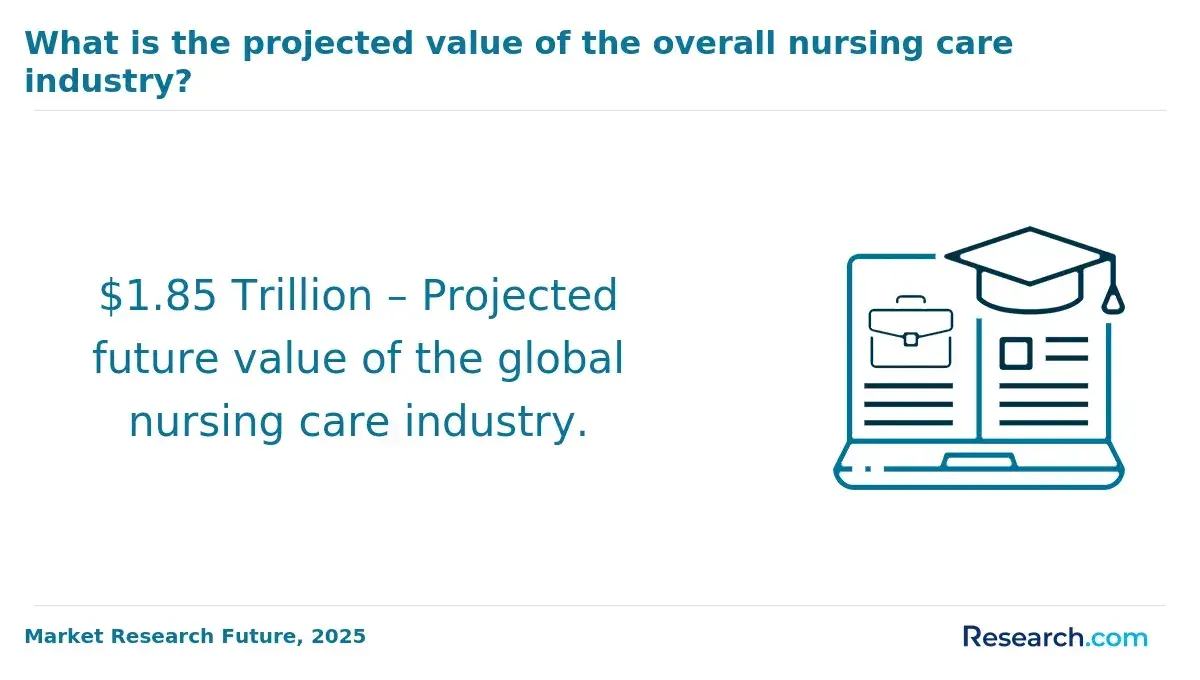
The 2024 Nurse Practitioner Practice Report showed that most NPs possessed a master's degree (84%). They will have a job outlook of 40%, while the projected value of the global nursing industry will reach almost $2 trillion.
Family Nurse Practitioner Degree Requirements
The FNP pathway has several required stages: nursing education, RN licensure, graduate-level FNP coursework, clinical training, national certification, and state licensure or recognition as an advanced practice nurse. Admission standards vary, so applicants should check each school’s requirements and confirm that the program meets licensing rules in the state where they plan to practice.
Students may enter from different educational backgrounds. Some applicants have an Associate’s degree in Nursing, some hold a Bachelor of Science in Nursing, and others enter with a Master of Science in Nursing. In limited cases, programs may consider applicants from related health science backgrounds, but additional prerequisites are often required.
An active RN license is generally required before entering or progressing through an FNP clinical pathway.
Admission Requirements
- BS or MS in Nursing degree, or a closely related health sciences degree if the program permits it; additional prerequisites may be required.
- Active RN credentials, usually an unencumbered RN license in the state or a multi-state RN license.
- Official transcripts. Many programs set a minimum GPA of 3.0 out of 4.0, although holistic review may allow other strengths to offset a lower GPA.
- Clinical experience, commonly at least one year of work as a nurse or clinician, depending on the program and specialty expectations.
- Prerequisite coursework from an associate or bachelor’s program, often including Anatomy and Physiology, Microbiology, Nursing, Nutrition, Pharmacy, Psychology, Sociology, and Statistics. Some of these subjects also appear in preparation pathways for how to become a pharmacist.
- GRE scores if required by the school; some programs make this optional or do not require it.
- Letters of recommendation from academic, clinical, military, professional, or personal references, depending on school policy.
- A statement of purpose or personal statement explaining goals, readiness for graduate study, and fit with the FNP role.
- Official TOEFL or IELTS scores for international applicants or non-native English speakers when required.
How many years does it take to be a nurse practitioner? For many students, the graduate FNP portion takes around two years on average, but part-time, bridge, and doctoral formats can extend the timeline.
Certification Requirements
After completing an eligible FNP program, graduates typically sit for a national certification exam. National certification and state licensure are essential for U.S. practice and are commonly required by employers before hiring an FNP.
One widely recognized FNP credential is the Family Nurse Practitioner-Board Certified (FNP-BC), offered by the American Nurses Credentialing Center (ANCC).
Another common option is the Family Nurse Practitioner-Certified (FNP-C), connected with the American Association of Nurse Practitioners and AANP Certification. State-level credentials may also apply; the Commonwealth of Pennsylvania Family Health Certified Registered Nurse Practitioner (CRNP) is one example.
Some graduates choose one national FNP credential, while others may pursue additional certifications based on employer expectations, career interests, or plans to work in another specialty area. Before paying for multiple credentials, confirm whether they are necessary for your role and recognized in your state.
Licensure Requirements
FNP practice is regulated at the state level. Each state board of nursing sets its own requirements for advanced practice licensure, scope of practice, prescriptive authority, renewal, continuing education, and documentation. Because rules differ, students should verify both the program’s state authorization and the state’s licensing requirements before enrolling.
Licenses must also be renewed. Renewal cycles, continuing education requirements, and practice documentation rules vary by state and credential, so FNPs should track deadlines carefully. Letting a license lapse can interrupt employment and delay practice privileges.
Core Skills FNPs Need
| Skill area | How it applies in FNP practice |
| Assessment and diagnosis | FNPs collect health histories, perform physical exams, identify symptoms, order tests, and make clinical judgments about common and complex conditions. |
| Clinical knowledge | They need broad knowledge of disease processes, medications, diagnostic methods, treatment guidelines, preventive care, and chronic disease management. |
| Care coordination | FNPs often work with physicians, pharmacists, specialists, therapists, social workers, and care managers to keep treatment plans organized. |
| Communication | Clear explanations, careful listening, patient education, documentation, and family communication are central to safe care. |
| Critical thinking | FNPs must prioritize patient concerns, interpret incomplete information, adjust treatment plans, and recognize when referral or escalation is needed. |
| Empathy and cultural awareness | Because FNPs treat patients across age groups and backgrounds, patient-centered communication and respect for individual circumstances are essential. |
| Ethical and legal judgment | FNPs must understand privacy rules, prescribing laws, scope-of-practice limits, documentation standards, and professional ethics. |
| Lifelong learning | Clinical guidelines, medications, technologies, and evidence-based practices change, so continuing education is part of the profession. |
| Primary care focus | Health promotion, disease prevention, screenings, wellness counseling, and long-term patient relationships are major parts of the FNP role. |
| Technology readiness | FNPs increasingly use telehealth systems, electronic health records (EHRs), patient portals, decision-support tools, and remote monitoring platforms. |
What to Look for in a Family Nurse Practitioner Program
The best FNP program is not simply the one with the biggest brand name. It is the accredited program that fits your state licensing goals, schedule, budget, learning style, and clinical placement needs. Before applying, compare programs using evidence that affects graduation, certification eligibility, and career readiness.
| Program factor | What to verify before applying |
| Accreditation | Confirm that the nursing program is accredited by a recognized nursing accreditor. The Commission on Collegiate Nursing Education, or CCNE, is a common accreditor for U.S. nursing programs. Accreditation can affect certification eligibility, transfer credit, employer recognition, and graduate study. |
| State authorization | Online and hybrid programs may not be authorized in every state. Ask whether the program accepts students from your state and whether it meets your state’s FNP licensure requirements. |
| Clinical placement support | Find out whether the school arranges clinical sites, helps identify preceptors, or leaves most of the search to students. This can significantly affect stress and completion time. |
| Certification exam outcomes | Ask for recent FNP certification exam pass rates and how the school supports students who do not pass on the first attempt. |
| Faculty qualifications | Look for faculty who are licensed, board-certified, clinically active, involved in scholarship, and available for mentoring. |
| Format and flexibility | Compare online, hybrid, and campus requirements, including synchronous class times, lab sessions, intensives, and clinical scheduling. |
| Total cost | Review tuition, fees, travel, clinical costs, certification exams, required technology, and the cost of reducing work hours. |
| Student support | Ask about advising, writing support, exam preparation, placement assistance, simulation resources, library access, and career services. |
Students comparing flexible options may want to review affordable online FNP programs, but cost should be weighed alongside accreditation, clinical support, and state licensure fit.
Common Mistakes to Avoid When Choosing an FNP Program
- Choosing a program before checking accreditation. Accreditation can influence certification eligibility, employment, transfer credit, and doctoral study options.
- Assuming online means licensed everywhere. A program may be online but still unable to enroll students from certain states or meet a state board’s clinical requirements.
- Looking only at tuition. Clinical travel, campus visits, fees, technology, background checks, and reduced work hours can change the real cost.
- Ignoring clinical placement responsibilities. A low-tuition program may become difficult to finish if you cannot secure qualified preceptors.
- Relying only on rankings. Rankings can be useful, but they do not tell you whether a program fits your licensing state, schedule, budget, or career goals.
- Assuming salary outcomes are guaranteed. Pay depends on local demand, employer type, experience, certification, practice authority, and negotiation.
What are the common challenges faced by family nurse practitioners in practice?
FNP practice can be rewarding, but it is not a low-pressure role. Family nurse practitioners often manage broad clinical responsibility, complex patient needs, documentation demands, and regulatory limits that differ by state. Understanding these challenges helps prospective students decide whether the role fits their temperament and career goals.
- High patient volume: Primary care shortages can result in packed schedules, short appointment windows, and pressure to make careful decisions quickly.
- Broad patient complexity: FNPs may care for children, adults, pregnant or postpartum patients, and older adults with multiple chronic illnesses, requiring a wide clinical knowledge base.
- Administrative workload: Charting, prior authorizations, billing documentation, quality reporting, referrals, and medication reconciliation can consume significant time.
- State scope-of-practice variation: Rules for independent practice, prescribing, collaboration, and supervision differ across states, which can affect autonomy and workflow.
- Burnout risk: Long hours, emotional labor, productivity pressures, and staffing shortages can contribute to fatigue and reduced job satisfaction.
How do family nurse practitioners impact patient outcomes and healthcare systems?
FNPs strengthen healthcare delivery by expanding access to primary care, supporting preventive services, managing chronic illnesses, and coordinating care across settings. Their value is especially visible in rural and underserved communities where primary care providers may be limited.
Because FNPs are trained to treat patients across age groups, they can support continuity of care for families and help patients address health problems before they become emergencies. Preventive screenings, patient education, medication management, and follow-up visits can reduce avoidable complications when delivered consistently and appropriately.
FNPs also contribute to team-based care. In many clinics, they work with physicians, specialists, pharmacists, nurses, behavioral health professionals, and community organizations. This collaborative model can improve communication, reduce gaps in care, and help patients navigate complicated treatment plans. To understand the broader advanced practice pathway, see Research.com’s guide on how to become a nurse practitioner.
Telehealth has also changed how FNPs reach patients. Virtual follow-ups, medication checks, chronic disease monitoring, and patient education can make care more accessible, though telehealth practice still depends on state rules, employer policies, patient needs, and technology access.
Could Expanding into Women's Health Nurse Practitioner Roles Boost My Career?
Adding women’s health preparation can make sense for FNPs who regularly care for patients needing reproductive health, preventive screenings, prenatal or postpartum support, menopause care, or gender-specific health education. A Women’s Health Nurse Practitioner focus does not replace the FNP credential; it can deepen expertise for nurses who want more specialized roles in clinics, community health, academic programs, leadership, or policy work.
Before adding another specialty, compare the cost, clinical requirements, certification value, and employer demand in your region. Nurses seeking a flexible route may review the easiest WHNP online programs, but should still confirm accreditation and state eligibility before applying.
How can I transition from an ADN to a Family Nurse Practitioner?
ADN-prepared nurses can become FNPs, but they usually need a bridge pathway that moves them from RN preparation into graduate-level advanced practice education. Depending on the school, the route may include BSN-equivalent coursework, graduate nursing core classes, FNP specialty courses, and supervised clinical practice.
When comparing bridge programs, focus on accreditation, admission requirements, how RN-to-MSN coursework is structured, whether a BSN is awarded along the way, clinical placement support, and whether the program meets your state’s FNP licensure standards. Research.com’s guide to ADN to FNP online programs can help you compare common bridge structures and student support features.
How Can Functional Medicine Elevate My FNP Practice?
Functional medicine may appeal to FNPs who want to focus more deeply on chronic disease patterns, lifestyle factors, nutrition, prevention, and individualized care planning. It can complement conventional primary care when used responsibly and within evidence-based, legally permitted practice boundaries.
FNPs considering this direction should evaluate whether the training is clinically rigorous, how it is recognized by employers, and whether it aligns with their patient population. A functional medicine certification for nurse practitioners may offer additional tools, but it should not substitute for FNP certification, state licensure, or evidence-based practice standards.
What financial aid opportunities are available for FNP students?
FNP students may reduce out-of-pocket costs through scholarships, federal aid, grants, employer tuition benefits, loan repayment programs, military benefits, work-study opportunities, and school-based awards. The best time to investigate aid is before applying, because deadlines, eligibility rules, and service commitments vary.
Students should compare financial aid packages, not just tuition rates. A program with higher tuition may offer stronger aid or better clinical placement support, while a lower-cost program may require more unpaid time or travel. If affordability is your top concern, review the cheapest FNP programs online as one part of your cost comparison.
Questions to Ask About FNP Financial Aid
- Does the school offer scholarships specifically for graduate nursing or FNP students?
- Can I use employer tuition assistance, and does the program meet my employer’s requirements?
- Are there service-based loan repayment options for primary care, rural care, public health, or underserved communities?
- Are clinical placement, testing, travel, and technology costs included in the program’s estimated cost of attendance?
- Will I need to reduce work hours during clinical semesters, and how should I budget for that change?
Exploring FNP Career Opportunities by Region
Where you practice can shape your salary, autonomy, patient population, workload, and career opportunities. Metropolitan areas may offer more specialty clinics, large health systems, academic medical centers, and leadership tracks. Rural and underserved areas may offer broader primary care responsibilities, stronger community impact, and high demand for providers.
Scope-of-practice laws are also important. States with broader practice authority may allow FNPs to work with more independence, while other states may require physician collaboration or supervision for certain activities. Because these rules change, nurses should verify current state board guidance before relocating or accepting a job.
Cost of living, commute time, malpractice coverage, call expectations, patient volume, and continuing education access should also factor into regional decisions. For a broader nursing location comparison, see the guide to the best places to work as a nurse.
Can a Licensed Practical Nurse Transition into a Family Nurse Practitioner Role?
Licensed Practical Nurses can pursue an FNP career, but the path is longer than it is for BSN-prepared RNs. Most LPNs must first complete an LPN-to-RN or LPN-to-BSN pathway, earn RN licensure, gain clinical experience, and then enter an accredited FNP graduate program that meets state requirements.
Bridge pathways can reduce repetition, but they still require careful planning. LPNs should compare NCLEX preparation, accreditation, transfer credit, clinical requirements, RN licensure outcomes, and whether the next step into MSN or DNP study is realistic. If you are starting with practical nursing, reviewing the cheapest licensed practical nurse online degree options may help you identify more accessible entry points.
What Are the Essential Professional Development Strategies for FNPs?
FNPs need ongoing professional development to remain clinically competent, maintain licensure, and advance into better roles. Strong development plans combine continuing education, specialty experience, mentorship, professional networking, leadership practice, and careful tracking of certification and state renewal requirements.
- Build depth in a clinical niche. Choose an area that matches patient demand, such as diabetes, cardiology, women’s health, geriatrics, urgent care, or behavioral health.
- Use continuing education strategically. Select courses that improve clinical decision-making, prescribing safety, diagnostic skills, or leadership ability.
- Find mentors. Experienced FNPs, physicians, nurse leaders, and faculty can help with difficult cases, career moves, and burnout prevention.
- Join professional communities. Associations, conferences, and local networks can provide policy updates, job leads, and practice resources.
- Consider further education only when it fits a goal. Flexible options such as the easiest online NP programs may support career growth, but credentials should be chosen based on licensing value, employer recognition, and return on investment.
2027 Best Family Nurse Practitioner Programs
The following programs are Research.com selections for strong Family Nurse Practitioner options. Use this list as a starting point, not as a substitute for your own review of accreditation, state authorization, clinical placement support, tuition, admissions requirements, and certification outcomes. Students comparing distance education may also want to explore the best nursing degree programs online.
Most of these programs can be completed in about two years, although timelines vary by enrollment status, transfer credits, degree pathway, and clinical sequencing.
1. Duke University
The Duke University School of Nursing offers a Family Nurse Practitioner MSN designed for nurses who want a hybrid format that combines distance-based coursework, local clinical practice, and on-campus intensives at Duke. The program reports more than 2,000 clinical site agreements, which can help students complete required experiences near where they live. Board-certified NPs who have practiced full-time outside their certification area for at least one full year may qualify for a role alignment program. Faculty include experienced clinicians, nationally recognized educators and researchers, national advisory board members, and Fellows in the American Academy of Nurse Practitioners.
- Program Length: 2.5 years
- Tracks/concentrations (specialty certificates): Cardiology, Endocrinology, HIV, Oncology, Orthopedics, Palliative Care, Pediatric Behavioral and Mental Health, Veterans Health Care Specialty
- Cost Per Semester: $13,488
- Required Credits to Graduate: 49 credit hours/728 clinical hours
- Accreditation: Commission on Collegiate Nursing Education
2. Yale University
The Yale School of Nursing offers a Family Nurse Practitioner specialty within the MSN. Students may study full time or part time, and entry options include RN admission or the Graduate Entry Pre-specialty in Nursing (GEPN) route. Yale’s Clinical Support Unit assists with placements in primary care offices, specialty clinics such as cardiology, women’s health, and dermatology, hospital-based clinics, and community health centers.
- Program Length: 2 years
- Tracks/concentrations: Adult oncology, diabetes, research, gender-sexuality health justice
- Tuition per year: $48,056
- Required Credits to Graduate: 59.5 credit hours/ 720 clinical hours
- Accreditation: Commission on Collegiate Nursing Education
3. University of Pennsylvania
The University of Pennsylvania offers a Family Nurse Practitioner MSN with a long history, having been established in 1973 as the first program of its kind. Students can pursue full-time, part-time, or BSN/MSN study. Faculty members are currently in practice, and clinical courses combine classroom instruction, lab work, and clinical preceptorships. The school also offers minors such as Health Informatics, Integrated Nursing Care of Autism Spectrum Disorder, and Global Health.
- Program Length: 2 years on average
- Tracks/concentrations: Adult Oncology Specialist, Health Informatics, Integrated Nursing Care of Autism Spectrum Disorder, Global Health, Nursing Administration, Nutrition, Palliative Care, Quality Improvement & Safety Processes in Healthcare, Transformative Nursing Education
- Program costs: Tuition and fees: $56,262
- Required Credits to Graduate: 14 credits (Core Courses: 5/ Theory Courses: 4 / Clinical Courses: 4 / Elective Courses: 1) (courses are counted as one credit each)
- Accreditation: Commission on Collegiate Nursing Education
4. Emory University
The Emory University Nell Hodgson Woodruff School of Nursing offers a Family Nurse Practitioner MSN focused on the management of acute episodic problems and stable chronic disease. The program connects students with more than 40 community-based sites and private practices and includes more than 600 hours of directly supervised clinical practice. Specialty areas include endocrinology, cardiology, neurology, dermatology, orthopedics, and palliative care. Clinical sites may include clinics, hospitals, HMO clinics, Veteran’s Administration outpatient clinics, health clinics for the homeless, and private practice settings.
- Program Length: 2 years
- Tracks/concentrations: Endocrinology, cardiology, neurology, dermatology, orthopedics, and palliative care
- Tuition cost per credit: $24,259/semester ($2,022/hour)
- Required Credits to Graduate: 49 credits / 720 clinic hours
- Accreditation: Commission on Collegiate Nursing Education
5. Ohio State University
The Ohio State University College of Nursing offers a Family Nurse Practitioner MSN with two delivery options. The on-campus track is available to Bachelor of Science in Nursing holders and students in the Graduate Entry Program, while the distance-enhanced track is available to traditional BSN entrants. All clinical courses require an on-campus meeting. Clinical preceptorships occur in the final three consecutive semesters of the specialty and may be tailored to student career goals, with preceptors in Ohio settings that include nurse practitioners, physician assistants, and physicians.
- Program Length: 2 years
- Tracks/concentrations: Various
- Tuition cost per credit: Ohio Residents $52,729.50 /Non-Residents $53,729.50
- Required Credits to Graduate: 71 credits + 3 semesters of clinical preceptorships
- Accreditation: Commission on Collegiate Nursing Education
What are the most affordable options for nurse practitioner specializations?
The most affordable nurse practitioner path depends on the specialty, program length, clinical requirements, financial aid, and whether you can keep working while enrolled. FNP programs are popular because they prepare graduates for broad primary care roles, but other specialties may better fit certain students’ career goals.
For example, students interested in psychiatric care may compare the cheapest online PMHNP programs. The right choice is not always the lowest advertised tuition; it is the program that is accredited, licensure-aligned, clinically feasible, and affordable after all fees and time costs are included.
What are the benefits of online nurse practitioner programs?
Online nurse practitioner programs can be a practical option for working nurses, especially those who cannot relocate or leave full-time employment. However, “online” does not mean entirely remote. Many programs still require clinical hours in approved settings, proctored exams, skills assessments, or short campus intensives.
- Flexibility: Online coursework may make it easier to study while working, parenting, or living far from a campus.
- Access: Distance formats can open graduate nursing options to students in rural areas or regions without nearby FNP programs.
- Potential cost control: Some online programs reduce commuting or relocation expenses, and some charge the same tuition regardless of residency.
- Clinical learning near home: When approved placements are available locally, students may build professional relationships in the region where they plan to work.
Students seeking lower-cost options may compare cheapest online nurse practitioner programs, but they should verify clinical placement support, state authorization, accreditation, and certification eligibility before enrolling.
How are evolving legal and regulatory policies impacting FNP practice?
Legal and regulatory policy directly affects what FNPs can do in practice. State laws may determine whether an FNP can practice independently, prescribe medications, own a practice, sign certain forms, or work under a required collaborative agreement. Because rules vary and may change, FNPs must monitor state board updates throughout their careers.
Regulatory changes also influence education. Programs must prepare students for certification and licensure requirements, and graduates may need continuing education to maintain compliance. Nurses interested in advanced leadership, systems improvement, or policy-focused practice may consider an affordable DNP program, especially if their goals include doctoral-level clinical leadership or expanded influence in healthcare systems.
The Future of Family Nurse Practitioner (FNP) Careers
Family nurse practitioners are positioned to remain important in primary care, but the role will continue to change. In 2024, 35% of nurses felt burned out in their work, making workload, staffing, and professional support major issues for the field. At the same time, aging populations, chronic disease, mental health needs, and uneven access to care continue to create demand for clinicians who can deliver family-centered primary care.
Technology will also affect FNP practice. Telehealth, remote monitoring, digital patient portals, wearable devices, and clinical decision-support tools can help providers follow patients more closely and manage routine care more efficiently. Research on AI-assisted technologies for disease diagnosis also points to growing interest in how artificial intelligence may support clinical decisions. These tools do not replace clinical judgment, licensure, patient communication, or ethical responsibility, but FNPs who understand them may be better prepared for modern practice.
Key Insights
- The FNP pathway is best for RNs who want broad primary care responsibility. Family nurse practitioners treat patients across the lifespan and often work in family medicine, community health, urgent care, rural health, and primary care settings.
- Graduate education, certification, and state licensure are all required. Completing an MSN or another eligible FNP pathway is not enough by itself; graduates must also pass national certification and meet state practice requirements.
- Demand is strong, but outcomes are not automatic. BLS data show rapid projected growth for nurse practitioners, but salaries and job options depend on location, experience, employer type, scope-of-practice laws, and specialty skills.
- Program fit matters more than name recognition alone. Before enrolling, verify accreditation, state authorization, clinical placement support, certification pass rates, total cost, and whether the schedule fits your life.
- Online FNP programs can be convenient, but clinical requirements remain hands-on. Students should ask exactly how placements are arranged and whether campus visits, travel, or local preceptor searches are required.
- Accreditation and licensure alignment should be non-negotiable. A cheaper or faster program is not a good investment if it does not support certification eligibility or practice in your target state.
- Career growth comes from strategic specialization. Additional credentials in areas such as women’s health, mental health, diabetes, informatics, or functional medicine should match patient needs and employer demand.
- The future FNP role will require technology fluency. EHRs, telehealth, remote monitoring, and AI-supported tools are becoming part of healthcare delivery, but safe practice still depends on clinical judgment and regulatory compliance.
References:
- American Association of Colleges of Nursing, 2025. (2025). 2024-2025 Enrollment and Graduations in Baccalaureate and Graduate Programs. AACN.
- American Association of Nurse Practitioners. (2025, October). 2025 NP Infographic Update. NP Infographic
- College Tuition Compare. (2025). Registered Nursing/Registered Nurse Program 2025 Tuition. College Tuition Compare.
- Ma, J., Pender, M., & Hu, X. (2025). Trends in College Pricing and Student Aid 2025. College Board.
- Market Research Future. (2025). Nursing Care Market Size, Share, Trends. Market Research Future.
- Smiley, R. A., Kaminski-Ozturk, N., Reid, M., Burwell, P., Oliveira, C. M., Shobo, Y., Allgeyer, R. L., Zhong, E., O’Hara, C., Volk, A., & Martin, B. (2025). The 2024 National Nursing Workforce Survey. Journal of Nursing Regulation, 16(1), S1–S88.
- U.S. Bureau of Labor Statistics. (2025, August 28). Occupational projections and worker characteristics. U.S. Bureau of Labor Statistics.
Other Things You Should Know About How to Become a Family Nurse Practitioner
In 2027, the average salary for a Family Nurse Practitioner in the United States is approximately $115,000 to $130,000 annually. Salaries can vary depending on factors such as geographic location, years of experience, and the type of healthcare facility where one is employed.
It typically takes around two years to complete a Master of Science in Nursing (MSN) program if you already hold a Bachelor of Science in Nursing (BSN). Additional time may be required for clinical practice and certification exams.
To become an FNP, you need a BSN or a related health sciences degree, a Master of Science in Nursing (MSN), and an active registered nurse (RN) license. You must also complete clinical practice requirements and pass a national certification exam.
Yes, FNPs must complete continuing education units to maintain their licensure in 2027. Specific requirements vary by state but typically include 20 to 30 credit hours every two years. Check with your state's nursing board for exact details.
Common certifications for FNPs include the Family Nurse Practitioner-Board Certified (FNP-BC) offered by the American Nurses Credentialing Center (ANCC) and the Family Nurse Practitioner-Certified (FNP-C) offered by the American Association of Nurse Practitioners (AANP). State-specific licensure is also required.
Most Family Nurse Practitioner programs require at least 500 supervised clinical hours for the master’s level and 1,000 hours for some DNP tracks. To sit for national certification, candidates must graduate from an accredited program recognized by the ANCC or AANP.


