2027 Online vs Campus Neuroscience Outcomes Report: Graduation Rates, Cost, and Career Trade-Offs

Co-Founder and Chief Data Scientist
Adult learners juggling prior credits face a tough dilemma: online neuroscience programs often limit transfer acceptance compared to campus options, extending time to graduation beyond initial projections. In 2024, only 57% of online neuroscience students had full transfer credits applied, versus 82% on campus, reflecting a systemic barrier that inflates both cost and duration for remote learners. This gap signals institutions' struggle to align flexible learning with credit portability, forcing students to weigh immediate convenience against longer, costlier degree paths. This article dissects graduation rates, true expenses, and career consequences tied to online versus campus neuroscience programs to clarify these critical trade-offs.
Key Things to Know About Online vs Campus Neuroscience Outcomes
- Campus neuroscience programs show a 15% higher graduation rate than online, reflecting stronger academic support and cohort cohesion, which matter for timely degree completion in rigorous STEM fields.
- Online formats reduce costs by up to 30%, but this often shifts expenses toward technology and self-directed study, impacting nontraditional students balancing work without guaranteed quicker graduation.
- Employers in neuroscience report valuing campus-trained graduates' hands-on lab experience more, indicating that online learners may need supplemental practical credentials to remain competitive in research-intensive roles.
- Key Things to Know About Online vs Campus Neuroscience Outcomes Key Things to Know About Online vs Campus Neuroscience Outcomes
- What Are the Biggest Differences Between Online and Campus Neuroscience Program Outcomes? Online vs Campus Outcomes
- How Do Graduation Rates Compare Between Online and Campus Neuroscience Programs? Comparing Graduation Rates
- Why Do Online and Campus Neuroscience Students Have Different Completion Rates? Why Completion Rates Differ
- How Do Online and Campus Neuroscience Programs Compare on Total Cost? Total Cost Comparison
- What Hidden Costs Should Students Expect in Online vs Campus Neuroscience Programs? Hidden Program Costs
- How Does Financial Aid Affect the Cost of Online and Campus Neuroscience Programs? Financial Aid Impact
- Do Online and Campus Neuroscience Graduates Have Different Career Outcomes? Comparing Career Outcomes
- How Do Employers View Online vs Campus Neuroscience Degrees? How Do Employers View Online vs Campus Neuroscience Degrees?
- Which Neuroscience Degree Format Offers Better Flexibility for Working Adults? Which Neuroscience Degree Format Offers Better Flexibility for Working Adults?
- How Should Students Choose Between an Online and Campus Neuroscience Program? Choosing Your Program Format
What Are the Biggest Differences Between Online and Campus Neuroscience Program Outcomes?
Cost differences between online and campus neuroscience tracks can be misleading without examining total expenditures and ancillary expenses. While tuition advertised online is often lower, mandatory fees for technology, shipped lab kits, and required travel for clinical practicums narrow this advantage, contributing to a 10-15% higher average debt among online graduates due to protracted study periods and fewer on-campus aid opportunities. Employers commonly interpret these nuances, factoring in hands-on training and networking access embedded in campus programs when assessing readiness for advanced roles. For working adults or remote students, the trade-off might favor online flexibility, but this decision should consider how these factors shape long-term career mobility and alignment with employer expectations detailed in the broad landscape of 1 year associate degree programs and more extended neuroscience pathways.
How Do Graduation Rates Compare Between Online and Campus Neuroscience Programs?
Graduation rates in neuroscience programs reveal significant divergence shaped by student demographics and program design rather than delivery mode alone. Traditional campus programs report six-year completion rates between 60% and 75%, according to 2024 data from the National Center for Education Statistics, while fully online programs often see rates below 50%. This gap reflects the challenges faced by many online learners, including juggling employment and family responsibilities, part-time enrollment, and greater stop-out risk. Campus environments often provide more structured access to faculty mentorship, hands-on labs, and cohort-driven peer support, factors which sustain student persistence and timely degree completion.
Raw comparison of graduation rates can mislead prospective students unfamiliar with these contextual differences. Online neuroscience students frequently navigate asynchronous coursework with less consistent academic advising and limited real-time interaction, complicating retention. Admission selectivity also varies, as many campus programs maintain rigorous entry standards that correlate with higher graduation outcomes. Meanwhile, online programs emphasize accessibility and flexibility, serving a more diverse student population but often extending time to degree due to life commitments and part-time study patterns. Recognizing how these institutional and demographic factors interact enables more realistic expectations about completion timelines and support needs when choosing between online and campus neuroscience pathways.
A neuroscience student who balanced full-time work and caregiving responsibilities shared that researching program graduation rates was critical to their choice. They hesitated about enrolling exclusively online, fearing insufficient structure to maintain steady progress. However, the campus program's commuting demands and rigid scheduling were impractical given their situation. After contacting advisors from both formats, they gained clarity that part-time, online study with enhanced virtual advising might delay graduation but better matched their life constraints. This nuanced understanding helped them set realistic goals and commit to the online path with cautious confidence despite longer anticipated completion times.

Why Do Online and Campus Neuroscience Students Have Different Completion Rates?
Completion rates for neuroscience students diverge between online and campus settings largely because of differences in student demographics and program structures rather than instructional quality alone. Online learners tend to enroll part-time while juggling work and family obligations, leading to irregular course progression and higher stop-out risks. In contrast, campus-based students often benefit from cohort models, direct faculty interaction, and scheduled lab access, which help maintain academic momentum and timely degree completion. According to 2024 data from the National Center for Education Statistics, traditional campus STEM programs achieve about a 65% six-year graduation rate, whereas online equivalents often report closer to 40-50%, a gap reflecting these operational realities.
Beyond engagement, institutional support plays a critical role. Campus students usually have greater access to on-site advising, financial counseling, and peer networks that facilitate steady progress, while online learners may face inconsistent availability of personalized academic guidance-a factor linked to attrition. Moreover, neuroscience's reliance on hands-on lab work and clinical components presents logistical challenges for fully remote students, sometimes extending time to degree. Practical considerations like transfer credit evaluation also tend to slow online students, who often piece together coursework from multiple institutions or formats. Prospective neuroscience students must weigh these trade-offs carefully against their schedule stability, support needs, and capacity to maintain continuous enrollment when interpreting graduation statistics and selecting their path.
How Do Online and Campus Neuroscience Programs Compare on Total Cost?
Comparing total cost in a neuroscience program total cost comparison requires looking beyond sticker tuition prices. Public campus neuroscience programs typically charge about $10,000 annually for in-state students, but added mandatory fees and living expenses, including housing and commuting, can exceed $12,000 yearly. In contrast, online students often face tuition rates comparable or sometimes higher per credit hour, along with technology fees and potentially increased costs for digital materials. These differences mean online learners might save on relocation and on-campus fees but could end up paying more if out-of-state residency rules limit tuition benefits.
Deciding between formats also involves financial aid and employer assistance considerations, as some scholarships favor campus attendance, while online learners often benefit from workplace tuition support. For working adults, preserving income through flexible online scheduling can reduce reliance on loans or extend their study timeline. Individuals weighing a counseling degree online alongside neuroscience should assess how these financial variables impact their debt load and program length.
Ultimately, the nuanced trade-offs in total cost reflect how enrollment planning must integrate tuition structures, residency policies, indirect expenses, and aid availability. The National Center for Education Statistics notes that accounting for these factors clarifies why campus programs may carry a higher total price tag despite similar per-credit tuition, contributing to different graduation and career trajectories between online and campus neuroscience students.
What Hidden Costs Should Students Expect in Online vs Campus Neuroscience Programs?
The true cost of a neuroscience degree extends beyond published tuition, with format choices shaping the financial impact significantly. Online students often face recurring technology fees-sometimes reaching $300 per semester-for essential software, virtual labs, or remote proctoring services, expenses that campus students typically find embedded in tuition or institutional fees. Meanwhile, campus-based learners contend with substantial living costs, such as average room and board nearing $12,000 annually as reported by the National Center for Education Statistics in 2024, plus commuting and parking fees that can exceed $2,000 each year. These additional expenditures not only affect budgeting but may also influence decisions on program pacing and work commitments, as on-campus attendance often demands fixed schedules that reduce flexibility and potentially increase lost wages or childcare expenses.
Course-related costs also diverge: campus students might pay for hands-on lab materials or protective gear, while online learners invest in reliable high-speed internet and hardware to access virtual simulations. These often overlooked expenses contribute to higher average debt loads for online graduates, which the College Scorecard indicates are roughly 12% greater than those for campus graduates, partly due to separate fee structures and longer program durations driven by part-time enrollment. Understanding these nuanced trade-offs is crucial for prospective neuroscience students weighing employability alongside realistic program expenses, as the indirect costs can meaningfully impact both completion timelines and early-career financial stability.
A neuroscience student recalled grappling with the financial transparency when comparing an online and a campus program: "The campus option looked more expensive upfront, but after factoring in relocation and parking, the costs started to level out. Yet, the online program had unexpected technology fees every semester and mandatory software purchases I hadn't anticipated." This student hesitated, weighing the convenience of studying remotely against the risk of mounting hidden expenses and the challenge of coordinating clinical hours off-site, illustrating the practical complexities behind simple price comparisons and reinforcing the need for detailed cost assessment before commitment.
How Does Financial Aid Affect the Cost of Online and Campus Neuroscience Programs?
Financial aid critically shapes the net cost differences between online and campus neuroscience programs, but the impact depends heavily on eligibility criteria and the nature of aid available. Campus students often benefit from institutional scholarships and assistantships that include tuition remission and stipends, directly lowering their financial burden. Conversely, online neuroscience students, particularly those enrolled part-time, may rely more on federal loans or employer tuition benefits, which vary widely in coverage and eligibility. A practical scenario is a working adult pursuing an online neuroscience degree who maximizes employer tuition reimbursement but lacks access to on-campus assistantships that reduce out-of-pocket costs for residential students.
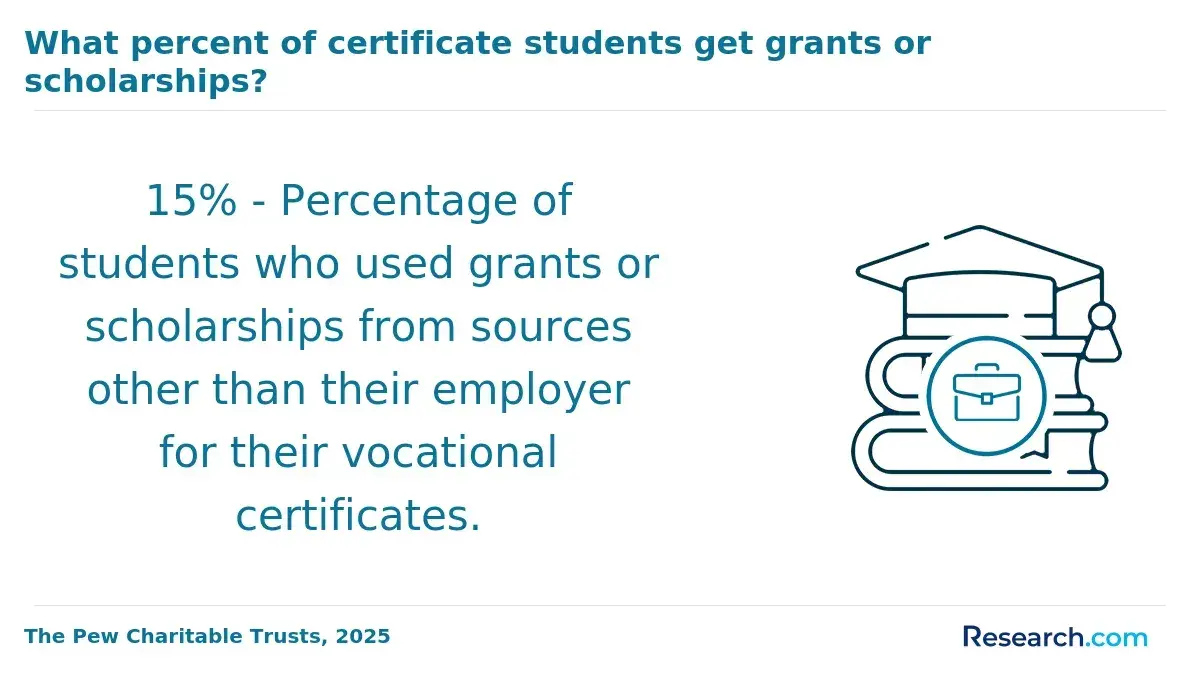
When comparing financial aid impact on online neuroscience program costs, it is important to consider enrollment intensity and residency rules that affect access to grants and scholarships. For instance, campus programs often provide more robust support for full-time students, while recent FAFSA updates add aid opportunities for part-time enrollees, a group common among online learners. However, living expenses like housing and meals add to campus costs, whereas online students face technology and program fees seldom covered by aid. These factors influence borrowing decisions, program pacing, and the broader value proposition of each format, making it crucial to evaluate aid packages in the context of total commitments rather than tuition alone. Prospective students can benefit from comparing all facets, including federal aid eligibility and employer tuition programs, before committing.
The landscape for neuroscience education financing shares parallels with online finance degrees, where modality-specific aid and career alignment also require nuanced assessment. Understanding the interplay between program costs, available financial aid, and long-term debt implications of campus versus online formats equips students to make informed decisions aligned with their professional and financial realities.
Do Online and Campus Neuroscience Graduates Have Different Career Outcomes?
Employment outcomes for neuroscience graduates vary notably with program format largely due to differences in experiential learning access and employer perceptions. Campus-based graduates tend to benefit from direct exposure to specialized laboratories, internships, and clinical rotations essential for licensure and skill development-resources often limited or delivered through partnerships in online formats. For example, an employer in a research hospital may favor candidates whose transcripts and portfolios clearly demonstrate hands-on lab training and campus-based clinical practicums, translating to a reported 78% employment rate within a year, compared to 72% for online graduates, according to the U.S. Department of Education's College Scorecard (2024).
This discrepancy highlights broader challenges for online neuroscience students, such as navigating state licensure requirements that frequently mandate in-person training components. Additionally, professional networking and alumni engagement traditionally stronger in campus environments can influence long-term career advancement and job mobility, particularly in fields reliant on mentorship and collaborative research. Conversely, online learners often leverage geographic flexibility to maintain employment while studying but may experience slower integration into professional circles, which can delay progression in competitive neuroscience roles that require deep institutional ties or nationally recognized clinical experience.
Choosing between online and campus neuroscience programs involves weighing these practical trade-offs in credential recognition, applied experience, and career trajectory. While growing acceptance of online STEM degrees-currently about 60% employer approval in recent surveys-indicates shifting attitudes, candidates must consider how institutional reputation, access to local clinical sites, and structured networking opportunities align with their career goals. Those prioritizing immediate immersion in research communities or clinical settings might lean toward campus programs, whereas learners balancing work and study or constrained by geography may find online pathways more viable despite potential initial hiring limitations.
How Do Employers View Online vs Campus Neuroscience Degrees?
Employers increasingly focus on accreditation, institutional reputation, and program rigor when assessing neuroscience degrees rather than the mode of delivery alone. A 2024 survey by the National Association of Colleges and Employers (NACE) found that 68% of employers see no significant credibility difference between online and campus degrees if both come from well-regarded, accredited institutions. However, hiring managers often scrutinize the candidate's practical experience, such as internships and lab work, areas where campus programs traditionally offer more direct access. This hands-on exposure can influence opportunities in clinical and research roles, especially when employers prioritize licensure alignment and applied competencies.
Students choosing between formats should weigh the program's ability to provide meaningful experiential learning and networking against logistical advantages like flexibility and cost. Many online neuroscience programs now integrate virtual labs and partner with clinical sites to reduce this gap, but employer familiarity with these models varies by industry and region. For example, a hiring manager at a hospital may favor candidates from campus programs with clear practicum components, while research labs in biotech firms might be more open to hybrid credentials if the program demonstrates careful academic and practical equivalency.
Despite lingering skepticism in certain pockets, the stigma around online neuroscience degrees is fading as STEM workforce demands grow. Employers still exercise caution if programs lack regional accreditation or fail to clearly indicate rigorous standards on the diploma. Ultimately, program quality and alignment with career goals outweigh format in hiring decisions, making it essential for students to evaluate the tangible outcomes and professional relevancy each pathway offers before enrolling.
Which Neuroscience Degree Format Offers Better Flexibility for Working Adults?
Flexibility in neuroscience degree formats varies significantly, especially for working adults managing employment and caregiving responsibilities. Online neuroscience programs for working adults tend to offer greater control over pacing through asynchronous coursework, reducing time lost to commuting and rigid class schedules. However, clinical practicums and synchronous lab requirements can impose occasional in-person commitments, complicating otherwise flexible arrangements. Campus-based programs, while providing stronger real-time faculty interaction and cohort engagement, often enforce fixed residency periods and scheduled sessions that conflict with shift work or family duties, potentially extending graduation timelines and increasing cost exposure due to lost income or part-time enrollment.
These trade-offs directly affect persistence and completion rates; for example, graduation rates for fully online neuroscience degrees hover around 38% compared with 52% for traditional campus students, reflecting challenges in academic momentum despite scheduling advantages. Institutional policies on transfer credits and stop-outs further influence which format best supports working learners' career continuity. Choosing a format aligned with personal constraints is crucial, as employer-supported education and workforce development increasingly prioritize adaptable schedules. Prospective students may also explore related pathways, such as accelerated speech pathology programs online, which share many flexible curriculum elements useful for professionals seeking interdisciplinary options within health sciences.
Ultimately, flexible neuroscience degree options for professionals are not one-size-fits-all; the decision hinges on balancing accessibility, cohort structure, real-time academic support, and pragmatic scheduling around work and caregiving realities. Those prioritizing uninterrupted employment and minimal campus visits may favor well-structured online or hybrid degrees, while learners needing direct lab access and immediate faculty feedback might accept campus-based formats despite more demanding attendance requirements. Understanding these operational differences is key to selecting a path that supports timely graduation while maintaining career and financial stability.
How Should Students Choose Between an Online and Campus Neuroscience Program?
Graduation rates and total costs weigh heavily on how students should choose between online and campus neuroscience programs. Data from the National Center for Education Statistics shows campus students have a graduation rate around 65% within six years, compared to about 40% for fully online learners, illustrating challenges in persistence and engagement that can prolong degree completion or increase opportunity costs in online formats. While campus programs typically incur 20-30% higher expenses due to commuting, housing, and campus fees, online learners may face technology costs and fewer on-campus financial aid options; evaluating the full cost of attendance is essential, as some online degree costs approach those of traditional programs, similar to trends noted in criminal justice degree online cost studies.
Career implications must factor significantly, as employers in neuroscience-related research and clinical fields often expect hands-on lab experience and in-person networking, which campus programs facilitate through direct faculty mentorship and lab access. Conversely, flexibility in online formats allows students balancing work and caregiving to maintain enrollment but may limit access to essential experiential learning that influences licensure and job placement. Choosing between formats requires weighing this balance against one's professional goals, learning preferences, and schedule constraints while acknowledging that the delivery format can shape progression, skill acquisition, and career mobility in neuroscience fields.
References
- Can You Get Financial Aid for Online College? Finding Out https://beal.edu/can-you-get-financial-aid-for-online-college/
- Neuroscience https://www.assumption.edu/undergraduate/neuroscience
- Master of Mental Health and Neuroscience https://www.unisc.edu.au/study/courses-and-programs/postgraduate-degrees/master-of-mental-health-and-neuroscience
- Research showing that virtual learning is less effective than classroom teaching – right? | Tony Bates https://www.tonybates.ca/2021/08/26/research-showing-that-virtual-learning-is-less-effective-than-classroom-teaching-right/
- Which Online Programs Are You Competing Against? https://encoura.org/resources/wake-up-call/which-online-programs-are-you-competing-against/
- The Cost of Online Education • Oxford Learning College https://www.oxfordcollege.ac/news/the-cost-of-online-education/
- What Global Employers Really Think About Online Degrees https://edutech.global/global-employer-view-on-online-degrees/
- What Can You Do with a Neuroscience Degree? | Tiffin University https://www.tiffin.edu/news/what-can-you-do-with-a-neuroscience-degree/
- Neuroscience Majors https://www.hamline.edu/academics/undergraduate/neuroscience-major-ba-bs
- Online vs in-person study: which one is right for you? https://www.ube.ac.uk/whats-happening/articles/online-vs-in-person-learning/
Other Things You Should Know About Neuroscience
Yes, hands-on lab experience is critical in neuroscience for mastering practical techniques like electrophysiology and neuroimaging. Online programs typically substitute in-person labs with virtual simulations or at-home kits, which can't fully replicate the nuanced skills and immediate feedback gained in campus labs. For students aiming at research careers or lab-centric roles, this gap may reduce preparedness, suggesting campus programs are preferable if gaining strong experimental proficiency is a priority.
Campus programs naturally facilitate face-to-face connections with faculty, peers, and visiting researchers, fostering mentorship and collaboration that often lead to research opportunities and professional references. Online students may face challenges accessing these networks due to limited informal interactions and less faculty availability outside scheduled sessions. Prioritizing campus attendance is advisable when close mentorship and active networking are essential for career advancement in neuroscience research or academia.
Online neuroscience programs place a heavier burden on self-discipline, as students must independently navigate complex content without the structured daily routine of campus life. This can elongate study time due to reduced real-time interaction and delayed clarifications with instructors. Conversely, campus students benefit from immediate access to resources and peers, making time management more predictable. Students with strong self-motivation can exploit online flexibility, but those less experienced may struggle, possibly affecting graduation outcomes.
Employers in neuroscience laboratories or clinical settings often emphasize demonstrated technical skills and hands-on experience over the mode of degree delivery. Because campus graduates usually have more direct lab exposure, they may initially be favored for specialized positions requiring practical competence. In these cases, students should consider campus programs if immediate research employment is the goal; however, online students can offset this by securing internships or local lab experiences independently to bolster their profiles.