2027 Neuroscience Affordability by State: Where Students Pay the Most and Least

Co-Founder and Chief Data Scientist
Choosing between a Neuroscience program in a state with $15,000 annual in-state tuition and another charging over $40,000 out-of-state can feel like a high-stakes gamble. Beyond tuition, differences in cost of living and hidden fees often erase advertised savings, pushing students beyond initial budgets. According to a 2024 National Center for Education report, states with higher public tuition frequently reflect lower public investment per student, forcing learners to rely heavily on loans. This shifts the long-term burden from state funding to individual debt, particularly affecting those crossing state lines for specialized programs. This article dissects state-by-state Neuroscience affordability to reveal where students face the heaviest financial barriers and where attainable options exist, enabling a more informed enrollment choice.
Key Things to Know About Neuroscience Affordability by State
- States with lower in-state tuition often pair higher cost of living or limited state funding, increasing total expenses and impacting long-term affordability despite initial savings for neuroscience students.
- Employer demand in states with robust biomedical sectors favors graduates from local institutions, making out-of-state tuition premiums potentially worthwhile for neuroscience students seeking regional workforce integration.
- Recent 2024 data show rising online program enrollment correlates with delayed graduation; neuroscience students must weigh upfront cost reductions against extended time-to-degree financial burdens and career entry delays.
- Key Things to Know About Neuroscience Affordability by State Key Things to Know About Neuroscience Affordability by State
- Which States Have the Most Affordable Neuroscience Degree Programs? Most Affordable State Programs
- Which States Have the Highest Neuroscience Degree Costs? Highest State Tuition Costs
- How Much Does a Neuroscience Degree Cost by State? Degree Costs by State
- Why Does Neuroscience Affordability Vary So Much Between States? State Affordability Variations
- How Do In-State and Out-of-State Tuition Rates Affect Neuroscience Affordability? In-State vs. Out-of-State Rates
- How Does the Cost of Living Impact Overall Neuroscience Affordability by State? Living Costs and Affordability
- Which States Offer the Best Value for a Neuroscience Degree? Best Value State Degrees
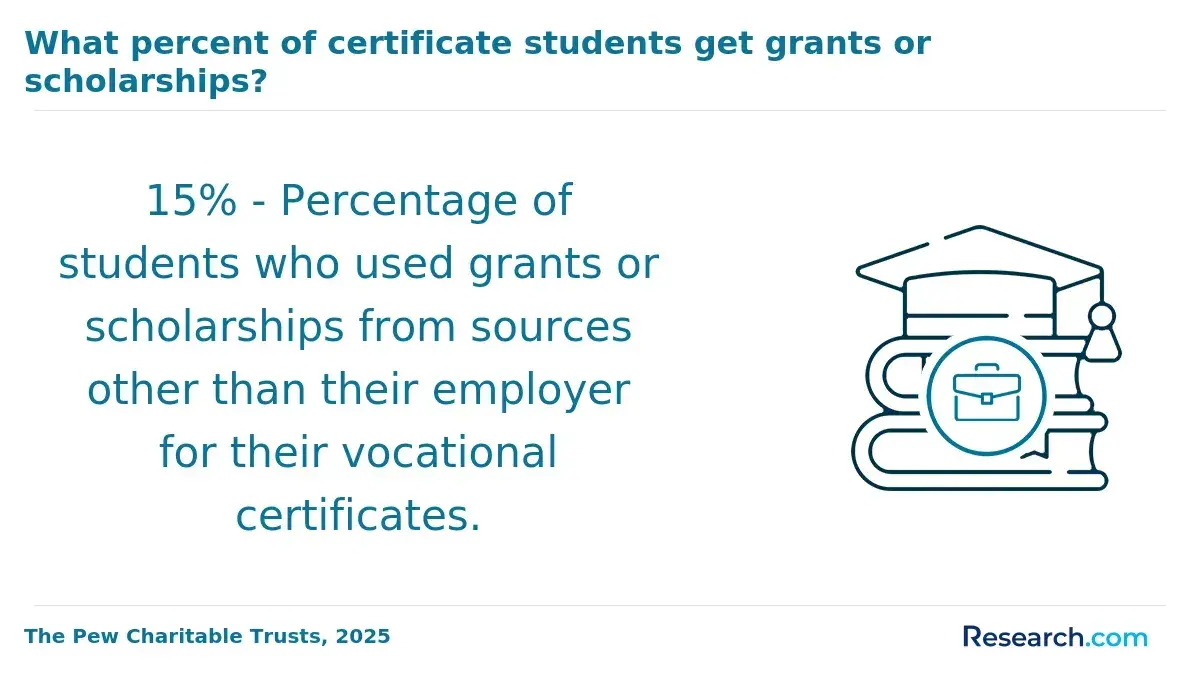
- What Financial Aid and Scholarship Opportunities Can Reduce Neuroscience Costs? What Financial Aid and Scholarship Opportunities Can Reduce Neuroscience Costs?
- Are Online Neuroscience Degree Programs More Affordable Than On-Campus Options? Are Online Neuroscience Degree Programs More Affordable Than On-Campus Options?
- Is a Neuroscience Degree Worth the Cost Based on Career Outcomes and ROI? Degree ROI and Outcomes
Which States Have the Most Affordable Neuroscience Degree Programs?
State-level factors critically shape the affordability of neuroscience degree programs, where in-state tuition policies and public funding have disproportionate effects on students' financial outcomes. For example, residents attending public universities in states like Wyoming and South Dakota benefit from institutional pricing strategies supported by aggressive higher education funding, often resulting in tuition below $6,000 annually compared to a national average exceeding $10,000.
This substantial disparity creates a practical tradeoff when considering out-of-state enrollment, as nonresidents face significantly higher costs that can extend degree completion timelines or increase reliance on loans, undercutting the nominal affordability advantages. Students who weigh these cost structures against regional living expenses-often 15-30% lower in affordable states compared to costly urban centers-can better estimate their total investment and plan accordingly.
Affordability varies further based on available financial aid and residency benefits, which directly reduce net prices and influence enrollment decisions by making localized programs more accessible and financially predictable. Mississippi's state grants targeting STEM fields, including neuroscience, exemplify how targeted aid programs mitigate cost barriers and can sway students toward institutions where support systems align with career objectives.
Moreover, the educational infrastructure in these states often incorporates flexible delivery methods like online or hybrid formats, enabling students to limit campus fees and leverage low-cost living environments throughout their studies. Understanding these interconnected dynamics-not just tuition but also residency policies and total cost of attendance-facilitates more informed decision-making for neuroscience students, especially those who may explore options such as a 2-year psychology degree online as a stepping stone or alternative pathway.
Which States Have the Highest Neuroscience Degree Costs?
States with the highest neuroscience degree costs often reflect a combination of limited public higher education funding, elevated living expenses, and institutional reliance on tuition revenue. In places like California, New York, and Massachusetts, public universities carry high base tuition that is quickly amplified by housing, transportation, and fees, often pushing total annual costs well beyond $40,000 according to 2024 Integrated Postsecondary Education Data System reports. The prevalence of top-tier private research universities in these regions intensifies this dynamic, as their tuition frequently exceeds $50,000 annually, a consequence of substantial investments in faculty and specialized facilities designed to boost graduate employability. For many students, the decision to enroll in these states involves weighing the prestige and labor market advantages against significant financial hurdles, while residency policies and limited lower-cost program options complicate more affordable pathways.
These geographic disparities create practical tradeoffs for students seeking neuroscience degrees. Budget-conscious individuals face the reality that relocating to or attending higher-cost states substantially increases their financial burden, which may not be offset by aid or post-graduation earnings potential in all cases. Alternatively, pursuing programs in states with lower living expenses or exploring online formats can reduce costs but may limit access to the same research infrastructure or networking opportunities. Policymakers' varying support for public institutions also shapes whether students encounter heavy tuition inflations or more manageable charging models, directly influencing enrollment patterns and long-term debt load.
A neuroscience student navigating these options recalls feeling conflicted after comparing a prestigious New York private institution's cost with a more affordable public university in a neighboring state. Although the private school's resources and alumni network were appealing, residency requirements and campus living expenses made the price prohibitive. Ultimately, the student chose an in-state online program that offered solid research opportunities at a fraction of the cost, recognizing the need to balance educational quality with financial sustainability to avoid undue debt while remaining competitive in the job market.

How Much Does a Neuroscience Degree Cost by State?
Cost variations for earning a Neuroscience degree across states hinge largely on how public universities balance in-state versus out-of-state tuition, with private institutions often introducing additional expense layers. For example, a student paying out-of-state rates in Massachusetts might face roughly double the tuition of a local resident, significantly altering the financial viability of attending nearby versus relocating. Additionally, the presence of state-funded universities with robust subsidies can lower tuition in states like Colorado or North Carolina, making them more attractive for students seeking to minimize debt while obtaining competitive training. These disparities influence decisions around whether to pursue local programs, consider online alternatives, or plan for relocation expenses as integral parts of overall cost assessment.
Beyond tuition, regional cost-of-living differences play a decisive role in the total financial burden. Urban centers such as New York or San Francisco raise housing and daily living costs well above national averages, which can outweigh tuition reductions achieved through in-state enrollment. Conversely, states like Wyoming and Utah typically present lower combined expenses, easing financial strain and potentially shortening the timeline for loan repayment after graduation. According to data from the National Center for Education Statistics in 2024, students in states with high living costs often face up to 30% higher total spending on their degree pathways when compared to peers in more affordable regions, underscoring the importance of geographic context for budgeting and long-term financial planning.
Access to financial aid and scholarship programs also varies by region, often reflecting state budget priorities and institutional resources rather than consistent patterns across all schools. This uneven landscape can compel students to weigh the tradeoff between attending a less costly but less-funded program and investing more upfront for schools with stronger support networks. These factors affect borrowing decisions and the feasibility of pursuing advanced training or research opportunities post-degree, influencing employability prospects in increasingly competitive neuroscience-related fields. Careful evaluation of these intertwined state-level variables is essential for prospective students aiming to align educational investments with realistic economic and career outcomes.
Why Does Neuroscience Affordability Vary So Much Between States?
Variations in neuroscience degree cost differences by state primarily reflect how public funding priorities and institutional mixes shape tuition rates and student expenses. For instance, states like Wyoming and New Mexico allocate substantial resources to public higher education, translating into more affordable in-state tuition for neuroscience programs, according to 2024 data from the National Center for Education Statistics. In contrast, states with tighter budgets, such as Illinois and New Hampshire, experience tuition increases that often surpass inflation as universities offset funding shortfalls by raising fees. The prevalence of private versus public institutions further influences affordability-private schools typically charge higher tuition, so states with a higher concentration of private neuroscience programs tend to raise average costs.
Cost-of-living differences and residency policies intensify these disparities, impacting not only sticker prices but total student expenses. Students in high-cost states like California face greater financial burdens beyond tuition due to housing and living expenses, which complicates straightforward university comparisons and long-term planning. Additionally, states with generous in-state tuition policies and robust aid programs help reduce out-of-pocket costs, influencing enrollment decisions and transfer behaviors. These financial dynamics often push budget-conscious students toward online options or programs in states with more favorable funding and pricing structures, emphasizing the importance of nuanced evaluation beyond basic tuition figures.
Those weighing neuroscience degree affordability should also consider regional demand for these programs, as rising enrollment can prompt universities to adjust pricing to balance institutional resources. For learners exploring options, including alternatives such as an online library science masters program may illustrate viable cost-effective pathways outside traditional institutional frameworks.
How Do In-State and Out-of-State Tuition Rates Affect Neuroscience Affordability?
Residency-based tuition rates often shape the financial feasibility of pursuing a neuroscience degree by creating significant cost disparities that influence institutional choice and geographic mobility. Public universities typically charge substantially lower tuition for in-state students-averaging around $10,500 annually at four-year institutions-compared to over $27,000 for out-of-state students, according to 2024 figures from the National Center for Education Statistics. This differential can compel students to prioritize residency eligibility or select programs within their state's borders, even if out-of-state options might offer stronger research facilities or specialized faculty, thus forcing a tradeoff between cost containment and academic opportunity. Moreover, regional variations and agreements like the Western Undergraduate Exchange allow some out-of-state learners to pay reduced rates, often 150% of in-state tuition, which adds complexity to financial planning and enrollment strategies.
Students weighing these costs must also consider how residency affects not only sticker price but eligibility for institutional aid and scholarships, which can significantly alter out-of-pocket expenses. The rise of online neuroscience programs, exempt from residency distinctions, provides an alternative route to mitigate these geographic cost gaps. Nonetheless, the influence of state funding policies and residency rules remains a critical factor determining net affordability and institutional accessibility, particularly when factoring in ancillary costs such as housing and fees. These financial dynamics bear direct consequences on long-term educational investments and workforce readiness in neuroscience, as initial tuition expenditures often weigh heavily against expected program quality and career outcomes.
One neuroscience student relocating for graduate studies found that despite presuming relocation would be financially manageable, the reality of out-of-state tuition charges-nearly triple the in-state rate-created hesitation about the value of paying a premium without guaranteed enhanced research opportunities. Efforts to establish residency for tuition purposes proved administratively complex and time-consuming, leading to budget uncertainty that influenced course load and part-time work decisions. The student ultimately balanced the higher cost by leveraging targeted institutional scholarships, yet remained cautious about whether the expanded network access justified the financial stretch in the early semesters.
How Does the Cost of Living Impact Overall Neuroscience Affordability by State?
Housing and transportation costs frequently overshadow tuition fees in determining the true investment required for a neuroscience degree across states. For instance, states like California and Massachusetts, with housing prices 60-80% above the national average, dramatically increase student living expenses compared to states such as Mississippi, where housing remains 25-40% below average. This variation affects how financial aid and personal resources are allocated, compelling students to weigh part-time work or unpaid internships carefully against their living costs in competitive neuroscience fields.
Transportation expenses also introduce significant disparities in total education costs. Students in cities with efficient public transit, such as New York or Washington D.C., might avoid car ownership, thus reducing monthly costs, while peers in transit-poor regions must budget for vehicles, insurance, and fuel, adding thousands annually. Food, healthcare, and utilities further compound these differences, with metropolitan areas often presenting elevated prices. Such factors influence decision-making regarding enrollment location, potentially favoring online or hybrid formats to mitigate expenses or prompting relocation to states with more manageable living costs as part of broader cost of living and neuroscience degree affordability by state analysis.
Given these realities, prospective neuroscience students must approach financial planning with detailed knowledge of regional living expenses and not only tuition. Overlooking these variables risks underestimating debt or financial strain that could affect timely degree completion and career entry. For those comparing options, exploring flexible academic paths, including accelerated online business degree models adapted for science disciplines, may offer strategies to balance cost and practical training requirements while navigating impact of regional living expenses on neuroscience education costs.
Which States Offer the Best Value for a Neuroscience Degree?
Assessing the best value for a neuroscience degree requires more than comparing tuition rates; students must consider how state residency policies, financial aid availability, and cost of living collectively affect net expenses and outcomes. For example, a student choosing Texas may face higher tuition than in Florida but can leverage extensive state-funded scholarships and benefit from a robust biotech job market that enhances early career prospects. Conversely, Florida's lower in-state tuition appeals budget-conscious learners, yet rising living costs in metropolitan areas can erode these savings, underscoring the importance of evaluating total cost of attendance rather than sticker price alone.
Graduation rates and student debt levels are critical indicators of program strength and affordability. Data from the College Scorecard indicate states like North Carolina offer a balance of moderate tuition around $9,000 and above-average STEM graduation rates near 65%, which can reduce time-to-degree expenses. Meanwhile, students in both North Carolina and Texas tend to carry 15-20% less debt than the national average, a factor that significantly impacts long-term financial stability. These regional differences influence not only upfront costs but also post-graduation return on investment, shaping realistic decisions about where to live, enroll, or qualify for in-state tuition benefits based on personal circumstances.
What Financial Aid and Scholarship Opportunities Can Reduce Neuroscience Costs?
Federal Pell Grants remain one of the most impactful financial aid sources for neuroscience students, particularly those from low- and moderate-income backgrounds. According to the National Center for Education Statistics 2024 data, nearly 30% of undergraduates pursuing a neuroscience degree receive Pell Grants, which can cover up to $7,500 annually. This level of support can substantially reduce net tuition costs, especially in states with high public university fees. However, eligibility is tied to strict income limits and requires timely FAFSA application renewals, which can complicate budgeting for families unfamiliar with federal aid cycles.
State-funded grants and tuition reciprocity programs further shape affordability but can create stark cost disparities based on residency. For example, students enrolling in partner institutions within certain Midwest and Southern states may benefit from reduced in-state tuition guarantees, while out-of-state students often miss these savings. Merit scholarships at research-intensive universities can offer significant aid but often accompany higher sticker prices, making the net effect on affordability variable and dependent on academic competitiveness and grant renewal policies. Meanwhile, employer tuition reimbursement programs provide practical debt relief primarily for part-time or working students in healthcare or biotech sectors, though availability differs widely by region and employer size, adding another layer of unpredictability to financial planning for neuroscience degrees.
Students must carefully evaluate these layered aid opportunities against their residency status, enrollment patterns, and long-term repayment obligations. The interplay of aid stacking rules and renewal contingencies means that initial affordability gains may evaporate without consistent eligibility. This complexity underscores the importance of strategic state and institutional selection when budgeting for a neuroscience degree, as navigating the varied aid landscape can materially affect both access and future financial stability.
Are Online Neuroscience Degree Programs More Affordable Than On-Campus Options?
Online neuroscience degree affordability in the United States depends heavily on nuanced factors beyond just sticker tuition. While data from the National Center for Education Statistics (NCES) 2024 indicate that online tuition can be 20% to 40% lower than on-campus rates, real savings vary widely based on residency status, campus facility fees, and program-specific technology costs. For example, out-of-state online students often pay the same tuition as their on-campus peers, minimizing price gaps. Additionally, while on-campus learners incur substantial housing and meal plan expenses exceeding $10,000 annually, online students typically avoid these but must budget for reliable internet access and specialized software, which create differing cost profiles.
Cost comparison of online and on-campus neuroscience programs by state reveals further complexity as state policies shape tuition pricing and residency discounts. Financial aid availability also shifts affordability; online students frequently receive less institutional assistance, complicating direct cost comparisons. Enrollment status and program delivery matter too-part-time online learners balancing work may prioritize flexibility over pure tuition savings, while full-time students might weigh the opportunity costs associated with less direct access to networking and research labs often critical in neuroscience. Prospective students should consider these tradeoffs carefully, especially given employer preferences for hands-on research experience.
Those evaluating neuroscience pathways might also explore adjacent options such as accredited online speech pathology programs, which sometimes intersect with neuroscience curricula and can offer alternative or complementary career routes. Factoring in all direct and hidden costs alongside outcomes will provide a clearer picture than simple tuition comparisons. Understanding this interplay is essential for budget-conscious learners aiming to optimize educational value within their unique circumstances and state-specific tuition frameworks.
Is a Neuroscience Degree Worth the Cost Based on Career Outcomes and ROI?
Affordability and career outcomes for neuroscience graduates vary widely by state, impacting the true return on investment. States like Massachusetts and California, with average program costs exceeding $45,000 annually, often force students to incur substantial debt that diminishes financial flexibility after graduation. In contrast, states such as Texas and Florida offer more accessible in-state tuition rates, improving entry-level financial stability but sometimes reflecting different institutional resources or graduation rates, which also affect long-term ROI. Students must weigh these differences alongside program quality, graduation rates, and local job markets when evaluating neuroscience degree return on investment in the United States.
The variability in tuition and living expenses shapes not just initial debt but also influences career decisions, including whether to pursue advanced degrees, which many neuroscience graduates do despite the increased opportunity costs. With a median wage near $65,000 five years post-graduation, according to Georgetown University Center on Education and the Workforce, neuroscience career outcomes and earning potential for neuroscience graduates by state can diverge substantially based on geographic and sector-specific demand. Those aiming for specialized roles, such as forensic practitioners, should consider pathways leading to high paying jobs in forensics, balancing education costs against niche workforce opportunities and personal career priorities.
Ultimately, students assessing a neuroscience degree's value must look beyond tuition to include factors like debt burden, geographic mobility, and compatibility with their professional objectives. States with higher completion rates and manageable borrowing requirements reduce wasted time and expense through timely degree attainment, enhancing employability in a growing field. Decision-making that incorporates these operational considerations provides a realistic appraisal of a neuroscience degree's practical worth within varying economic and educational landscapes.
References
- External grants and scholarships - Neurasmus | European master in neuroscience https://www.neurasmus.u-bordeaux.fr/fees-and-scholarships/external-grants-and-financing/
- Is a Neuroscience Degree Worth It? | Salary & ROI https://www.collegehelpguide.com/degrees/neuroscience/is-it-worth-it/
- Study Neuroscience in USA - Top Universities for Masters, MBA, PhD Degree Programs https://studee.com/degree/usa/neuroscience
- Home - Aspects of Neuroscience http://aspectsofneuroscience.fuw.edu.pl/
- States of Affordability: A series on where and why US households struggle to make ends meet | Brookings https://www.brookings.edu/articles/states-of-affordability-a-series-on-where-and-why-us-households-struggle-to-make-ends-meet/
- Importance of Cost of Living | Goldwater Institute https://www.goldwaterinstitute.org/cost-of-living/
- The State of Neuroscience 2025 https://www.thetransmitter.org/state-of-neuroscience-report-2025/
- This map shows how cost of living varies by state https://finance.yahoo.com/personal-finance/banking/article/cost-of-living-by-state-map-164246259.html
- How the Post-Pandemic Price Surge Reshaped Affordability in America https://www.commonsenseinstituteus.org/oregon/research/jobs-and-our-economy/the-inflation-hangover-how-the-post-pandemic-price-surge-reshaped-affordability-in-america
- Neuroscience (Master of Science) Costs https://www.creighton.edu/cost-aid/find-costs/neuroscience-ms-costs
Other Things You Should Know About Neuroscience
States vary in how neuroscience programs are designed, with some emphasizing lab work, internships, or interdisciplinary studies more heavily. These structural differences impact both the cost-through additional fees or credit requirements-and the quality of hands-on experience. Students should weigh whether a higher tuition reflects meaningful experiential learning that enhances employability, rather than simply more credits, as this can justify paying more in certain states.
While lower tuition is important, students must consider the availability of specialized tracks or research opportunities that align with their career goals. States offering affordable programs but limited specializations may save money upfront but restrict skill development and networking in niche neuroscience fields. For career-oriented learners, investing in slightly higher-cost programs with robust specialization options often leads to better employment prospects and long-term ROI.
Employers in regions with dense neuroscience research hubs may favor graduates from local or reputed state programs, affecting hiring prospects. A cheaper degree from a less recognized state university might limit access to certain labs or companies concentrated elsewhere. Students should factor in regional employer networks and consider whether paying more for a degree in competitive states yields better job market alignment and practical career mobility.
States with significant public research investment typically offer neuroscience students access to cutting-edge facilities and faculty expertise, enhancing learning and CV strength, despite higher tuition. In contrast, more affordable states might lack these resources, potentially limiting advanced research opportunities important for careers in academia or biotech. Budget-conscious students should prioritize programs balancing affordability with sufficient research exposure suited to their targeted roles.