2027 Neuroscience Tuition Inflation Report: How Fast Are Program Costs Rising?

Co-Founder and Chief Data Scientist
Neuroscience tuition inflation reflects complex shifts in program infrastructure and workforce dynamics. Increased demand for specialized faculty and advanced lab equipment, alongside growing accreditation expectations, drives costs beyond general academic trends. Technological investments in neuroimaging and simulation tools heighten resource intensity. Clinical training requirements and regulatory updates contribute additional operational expenses.
Notably, a 2024 report from the National Science Foundation highlights a 12% rise in research expenditures within neuroscience departments, signaling escalating institutional financial commitments. Enrollment patterns reveal a growing proportion of mid-career students, emphasizing a professional landscape adapting to evolving research and clinical demands, thereby influencing tuition trajectories distinct to neuroscience education.
Key Things to Know About Neuroscience Tuition Inflation
- Neuroscience tuition inflation has outpaced general higher education costs by over 7% annually since 2022, reducing accessibility for lower-income students and intensifying reliance on loans, which may limit career flexibility post-graduation.
- Employers increasingly expect practical research and data analysis skills, yet rapid tuition hikes often don't correlate with enhanced hands-on training, creating a gap investors should consider when evaluating program value.
- Rising program expenses often extend completion time as students balance work and study, leading to delayed workforce entry and potentially diminishing lifetime earnings relative to peers in less costly STEM fields.
- Key Things to Know About Neuroscience Tuition Inflation Key Things to Know About Neuroscience Tuition Inflation
- How Much Has Neuroscience Tuition Increased Over the Past Decade? How Much Has Neuroscience Tuition Increased Over the Past Decade?
- How Does Neuroscience Tuition Inflation Compare to Overall Inflation? How Does Neuroscience Tuition Inflation Compare to Overall Inflation?
- Which Types of Schools Have Experienced the Fastest Neuroscience Tuition Growth? Tuition Growth by School Type
- What Factors Are Driving Rising Costs in Neuroscience Degree Programs? Tuition Cost Drivers
- How Does Neuroscience Tuition Growth Vary by State and Region? Tuition Growth by State
- Are Online Neuroscience Programs Becoming More Affordable Than Campus-Based Programs? Online Program Affordability
- How Have Financial Aid and Scholarships Changed as Neuroscience Tuition Has Increased? Impact on Financial Aid and Scholarships
- How Does Rising Neuroscience Tuition Affect Student Debt After Graduation? Impact on Student Debt
- Do Higher-Cost Neuroscience Programs Deliver Better Career Outcomes or Earnings? Impact on Career Outcomes
- What Do Current Tuition Trends Suggest About the Future Cost of a Neuroscience Degree? What Do Current Tuition Trends Suggest About the Future Cost of a Neuroscience Degree?
How Much Has Neuroscience Tuition Increased Over the Past Decade?
Tuition for neuroscience degree programs in the US has risen substantially over the last decade, with data from the National Center for Education Statistics and the U.S. Department of Education's College Scorecard indicating a nominal increase in costs ranging between 30% and 40% since 2014. When factoring in inflation, this growth still represents a significant real-term increase of approximately 15% to 25%, outpacing general consumer price inflation. This rate of increase outstrips many other undergraduate and graduate fields, reflecting both the specialized nature of neuroscience education and shifting higher education pricing dynamics. Such sustained cost growth affects affordability and demands careful consideration of long-term financial commitments by prospective students and their families.
Several intertwined factors contribute to the rising neuroscience tuition increase rates in the US over the last decade. Declines in state funding for public institutions have shifted more financial burden onto students, while universities face escalating expenses for maintaining competitive faculty salaries and upgrading laboratory technologies critical to hands-on neuroscience training. Increased demand for neuroscience programs, driven by expanding research frontiers and healthcare needs, further pressures institutions to invest in cutting-edge resources. These influences are compounded by operational cost inflation and enrollment patterns that differ widely between public and private institutions, amplifying tuition growth variations across the sector.
These trends complicate the affordability landscape, often requiring students to rely on borrowing or seek alternative pathways to attain credentials. The diverging cost and outcome profiles call for a strategic evaluation of return on investment, especially when employment advantages may hinge on additional certifications or postgraduate qualifications. Prospective learners might explore options such as online masters as more flexible and potentially cost-effective routes. Understanding tuition's upward trajectory alongside practical workforce demands is essential for making informed decisions about financing neuroscience education and future career planning.
How Does Neuroscience Tuition Inflation Compare to Overall Inflation?
Tuition inflation in neuroscience programs has consistently outpaced general consumer price inflation, reflecting data trends from both the U.S. Bureau of Labor Statistics and education-focused sources like the National Center for Education Statistics. While the Consumer Price Index (CPI) typically shows annual increases in the range of 3% to 4%, neuroscience tuition inflation often rises between 5% and 7%, highlighting a distinct divergence in cost dynamics. This pattern is evident when comparing neuroscience tuition inflation rate compared to overall inflation United States, as neuroscience-related degrees require resources well beyond those affecting typical household expenses. The steady growth in tuition places a distinct financial burden on students pursuing these specialized fields, which is a critical consideration alongside the increasing demand for advanced skills in healthcare and research sectors.
The structural drivers behind rising neuroscience tuition reflect broader shifts in higher education funding and operational costs. Decreased public subsidies for universities compel institutions to replace lost revenue through higher tuition, especially in costly STEM areas like neuroscience programs that demand cutting-edge lab equipment, regulated materials, and specialized faculty. Administrative costs and expanded student support services also contribute to these inflationary pressures, as universities seek to accommodate diverse student needs and compliance mandates. Watching higher education cost increase versus neuroscience program tuition growth reveals how these internal factors create a sustained gap from nominal economic inflation, making neuroscience degrees a more substantial long-term financial commitment.
The implications for students include heightened affordability pressures that influence borrowing decisions and how prospective learners weigh program value versus expense. This inflation gap puts additional strain on finances, challenging students to assess available funding options and expected career outcomes carefully. It also impacts educational choices, as some may seek alternatives or programs with more manageable fee structures, such as business schools online, when balancing the rising cost of neuroscience with practical financial constraints. Understanding these factors is essential for navigating the nuanced tradeoffs that define the evolving landscape of higher education affordability.

Which Types of Schools Have Experienced the Fastest Neuroscience Tuition Growth?
Tuition growth for neuroscience degree programs varies markedly by institution type, driven largely by differences in funding mechanisms, program demand, and resource allocation. These disparities reflect how public funding, administrative overhead, program specialization costs, and market positioning influence pricing strategies. Awareness of these underlying factors is crucial for assessing the long-term affordability and value of neuroscience education across different schools.
- Public Universities: Reliant on state appropriations and capped tuition policies, public institutions generally see more moderate increases in neuroscience tuition, averaging around 3.5% annually. Their mission-focus on accessibility and stable funding streams tends to limit abrupt price spikes despite growing demand for STEM and health-related programs.
- Private Nonprofit Universities: These schools often balance endowment support with tuition revenue, leading to moderate tuition growth near 4.2% per year. Investments in research infrastructure and faculty expertise in neuroscience can increase costs, but brand prestige and diverse funding sources moderate pricing pressures relative to for-profit counterparts.
- For-Profit Institutions: With limited public subsidies and a business-driven approach, for-profit schools exhibit the fastest tuition growth-commonly exceeding 6% annually. Their pricing reflects aggressive expansion of specialized curricula, higher administrative expenses, and efforts to capitalize on flexible program delivery suited to adult learners while compensating for weaker external funding.
- Research-Intensive Universities: Offering cutting-edge neuroscience programs, these universities incur substantial costs from high-end laboratories, extensive faculty research, and interdisciplinary collaboration. Such resource intensity contributes to tuition inflation beyond average institutional rates, positioning their programs as premium offerings with a cost structure tied closely to research capacity.
- Regional Colleges and Universities: Typically serving local populations with smaller neuroscience offerings, these institutions experience relatively stable but modest tuition increases. Their limited program scale and reduced access to large research grants constrain pricing flexibility, often resulting in more predictable and affordable tuition trends.
- Online Universities and Programs: Growing demand for remote learning options in neuroscience has led to diverse tuition trajectories. Institutions leveraging scalable digital infrastructures can maintain moderate pricing, but those investing heavily in virtual labs and interactive technologies may impose higher costs, reflecting investment in specialized delivery models.
What Factors Are Driving Rising Costs in Neuroscience Degree Programs?
Rising costs in neuroscience degree programs reflect a complex interplay of institutional funding shifts and operational demands rather than a single isolated factor. Public institutions, which historically subsidized tuition through state funding, have faced notable reductions in appropriations, compelling them to depend more heavily on tuition and fees to cover expenses. This changing revenue landscape coincides with broader economic pressures, including escalating faculty salaries necessary to attract specialized researchers and instructors amid a competitive labor market. The financial burden is further compounded by increased requirements for compliance with federal research regulations and data security standards, which necessitate additional administrative staffing and ongoing training investments.
Structural expansions within universities also play a significant role in driving cost growth. Investment in advanced laboratory equipment and digital infrastructure essential for neuroscience research demands substantial and recurring capital outlays, with many programs refreshing technology at rates surpassing 5% annually according to recent data from the National Center for Education Statistics. Moreover, the growth of student support services-ranging from mental health counseling to career development-addresses crucial aspects of student success but adds layers of overhead that are ultimately reflected in tuition. These elements, paired with the increasing complexity of interdisciplinary program requirements, create a cost pressure environment where institutions balance resource allocation against affordability and competitive positioning.
After navigating a prolonged admissions timeline marked by rolling decisions, one neuroscience graduate recalled the anxiety caused by uncertain acceptance dates and fluctuating financial aid offers. Delays in hearing back from programs forced a series of strategic calls on whether to hold current options or accept provisional alternatives, complicating budget planning amid rising tuition costs. This experience shaped their belief that early engagement with prospective schools' administrative and financial offices is critical to manage unpredictability-especially when institutional cost increases intersect with the timing sensitivities of enrollment decisions.
How Does Neuroscience Tuition Growth Vary by State and Region?
Tuition growth rates for neuroscience programs vary considerably across U.S. states and regions, driven by differences in state funding policies, the structure of public university systems, and regional economic factors. These structural disparities reflect local government decisions around higher education appropriations and the balance between public and private institutional presence. Variation in cost-of-living indexes, which influence operating expenses for universities, also contributes significantly to uneven tuition inflation. This regional tuition growth is therefore not merely a matter of geographic location but a complex outcome of funding flows, institutional pricing strategies, and workforce demands specific to each area.
Key drivers behind regional differences in neuroscience tuition increase trends by state include fluctuations in state appropriations for higher education, where some states have sharply reduced public funding per student, forcing institutions to raise tuition to compensate. Public universities with large research portfolios in urban or coastal hubs often experience more significant tuition growth, as they face higher facility and faculty cost pressures alongside strong demand for specialized programs. In contrast, states with stable or moderately funded university systems, typically in the Midwest, report slower tuition inflation. Economic factors such as local labor market demand for neuroscience graduates and related healthcare professions also impact program expansion costs and tuition strategies. Additionally, the presence of private institutions with less reliance on state funding can push regional tuition averages upward, especially in areas with numerous research-intensive universities.
These disparities in neuroscience tuition growth influence student mobility and access, creating affordability gaps that can determine program choices and long-term financial burden. Higher tuition in fast-growing states may challenge prospective students and families, prompting reliance on debt or financial aid, while students in lower-growth regions might benefit from more predictable costs but potentially fewer advanced research opportunities nearby. Awareness of these trends helps learners evaluate tradeoffs, including the interplay of affordability and local workforce opportunities, which is critical when assessing the return on investment for a neuroscience degree. For students exploring diverse academic routes, comparing neuroscience tuition increases alongside other specialized fields, such as the construction management degree, can offer broader context on evolving higher education funding and market demands.
Are Online Neuroscience Programs Becoming More Affordable Than Campus-Based Programs?
Recent data from the National Center for Education Statistics (NCES) in 2024 indicate a nuanced shift in the relative affordability of online neuroscience programs compared to traditional campus-based formats. While average tuition increases for online graduate neuroscience programs have been steadier at roughly 3% annually, campus-based program costs rose closer to 5% per year. This differential reflects varied institutional pricing models where online offerings often leverage variable tuition scales or per-credit pricing designed to attract wider, sometimes non-traditional student populations. However, these lower headline costs do not always translate directly into greater value, as campus-based programs frequently bundle access to extensive research facilities, funded assistantships, and face-to-face mentoring that are harder to replicate online, complicating straightforward cost-effectiveness comparisons.
The divergence in pricing structures largely stems from differences in overhead and delivery infrastructure. Online neuroscience programs benefit from reduced expenditures on physical classroom spaces, facility maintenance, and commuting-related resources, which can theoretically lower operational costs. However, these savings are offset by substantial investments in digital platforms, multimedia content development, secure exam proctoring, and enhanced student support services tailored for remote learners. Additionally, instructional design costs and the modality of faculty engagement-often requiring synchronous and asynchronous hybrid approaches-introduce new complexities in budgeting. As a result, while online formats scale more efficiently to larger cohorts, technology integration and learner support demands have created a more complex cost profile. Consequently, affordability advantages cannot be viewed as purely structural or universal but must be evaluated in the context of institutional strategy, target demographics, and program design choices within neuroscience education.
One graduate recalled that during the rolling admissions process for an online neuroscience master's program, the timing and uncertainty around acceptance felt particularly challenging. After an early application, they hesitated to commit fully without confirmation due to potential changes in funding and personal scheduling conflicts. The candidate ultimately appreciated that the program's flexible enrollment window and phased financial aid announcements allowed time to prepare, but the drawn-out wait highlighted how online neuroscience offerings, while often more affordable upfront, can pose unique strategic timing considerations compared to traditional campus admissions cycles.
How Have Financial Aid and Scholarships Changed as Neuroscience Tuition Has Increased?
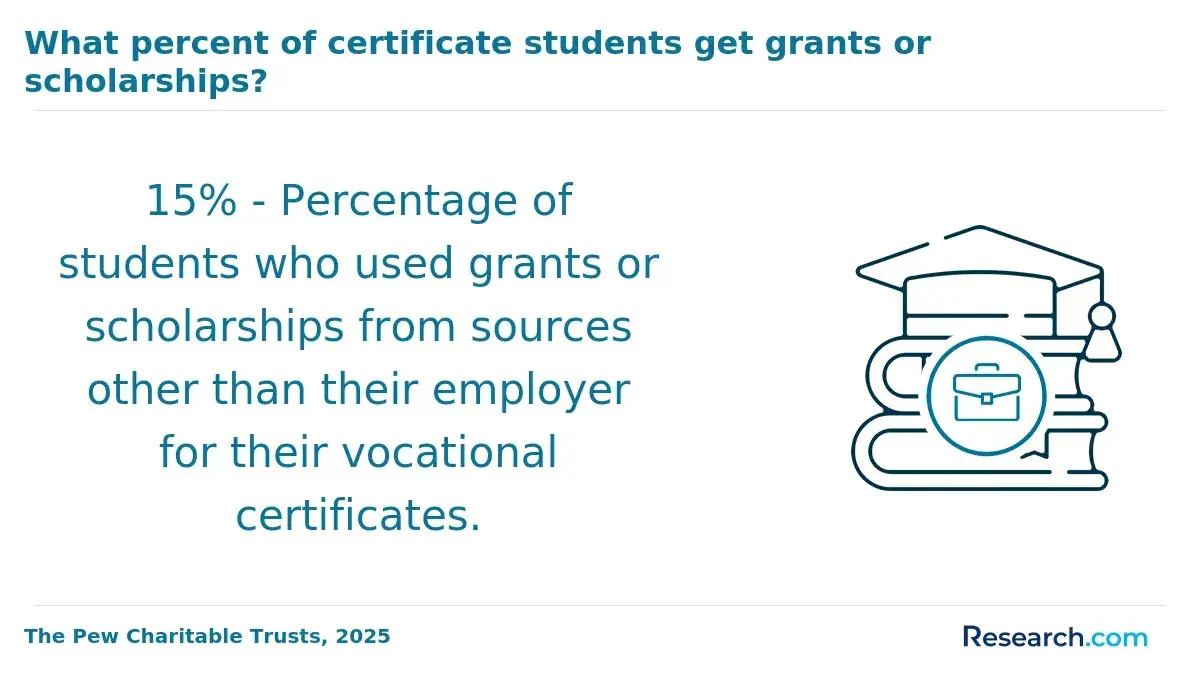
As tuition fees for neuroscience programs have escalated, financial aid and scholarship offerings have shifted to partially alleviate these cost pressures, though not always proportionally. Institutions increasingly deploy layered aid models blending need-based grants, merit scholarships, and work-study opportunities, yet the aggregate growth of these resources frequently trails tuition hikes. This dynamic results in a growing gap between sticker prices and net costs, challenging affordability for many students despite expanded aid pools. Some universities have adopted more strategic tuition discounting to attract and retain high-achieving applicants, contributing to a complex aid landscape where both institutional priorities and student demographics influence access to funding.
Key drivers behind these changes include intensified competition among programs in research-intensive universities to recruit top candidates, prompting a rise in merit-based awards that reward academic and research excellence. Meanwhile, federal and state aid programs remain crucial but have not consistently adjusted award ceilings or eligibility criteria to fully counterbalance accelerating tuition inflation specific to neuroscience fields. The interplay of these factors often results in a paradox where merit-driven aid bolsters opportunities for well-prepared students but may exacerbate financial barriers for lower-income or underrepresented groups. Consequently, institutional aid packages have become more nuanced but also more variable, reflecting both market-driven incentives and evolving policy constraints.
These trends bear significant implications for prospective neuroscience students weighing program costs and long-term debt risks. While some recipients experience stabilized net prices due to targeted scholarships and layered aid, a growing number confront higher borrowing needs as comprehensive aid fails to keep pace with tuition inflation. This complexity influences not only affordability but also accessibility and retention, shaping student decisions about whether to pursue neuroscience at costly research-focused institutions versus more affordable alternatives. Ultimately, understanding these financing mechanisms is critical for evaluating the true economic investment and career pathway viability within neuroscience education.
How Does Rising Neuroscience Tuition Affect Student Debt After Graduation?
Rising tuition for neuroscience programs directly fuels greater student borrowing, forcing many to rely increasingly on loans to finance their education. As program costs escalate faster than inflation and wage growth, students-especially those pursuing neuroscience degrees-face growing funding gaps not fully bridged by scholarships or grants. This heightened borrowing is evident in the rising average student loan debt from neuroscience programs by region, reflecting geographic tuition disparities and varied state funding policies. Adult learners, balancing family and work commitments, often accumulate higher cumulative debt due to prolonged study durations and limited capacity for upfront payments.
Several factors contribute to these mounting debts. The widening gap between tuition inflation and available financial aid intensifies the need for large loans, while differences between public and private institution costs create uneven borrowing burdens. Interest accrual during multi-year programs further inflates the total debt students must repay after graduation. Additionally, income variations across neuroscience career paths-such as lower earnings in academic research compared to industry roles-impact graduates' ability to manage repayment, underscoring systemic challenges in aligning tuition costs with realistic post-graduation salaries.
These financial pressures translate into extended repayment timelines and greater monthly obligations, which can delay life milestones like homeownership or retirement savings. Rising debt also shapes students' program choices and perceived degree value, as concerns over long-term affordability prompt consideration of part-time study or programs with employer tuition support. Employers increasingly expect candidates to navigate the balance between education costs and efficient entry into the workforce. For comparative insights on affordability in related fields, prospective students can reference the MLIS degree cost data, which highlights how tuition trends influence borrowing patterns across disciplines.
Do Higher-Cost Neuroscience Programs Deliver Better Career Outcomes or Earnings?
Higher-cost neuroscience programs often raise expectations of enhanced career outcomes and superior earnings, but tuition price alone is not a reliable indicator of post-graduate success. Recent analyses focused on neuroscience program cost versus career earnings reveal that more expensive degrees do not consistently translate into stronger employment metrics or significantly higher salaries across the board. While select top-tier institutions may offer modest starting salary advantages-around 8% higher on average according to a 2024 Georgetown University Center on Education and the Workforce longitudinal study-these earnings gaps tend to diminish after several years in the workforce. This suggests that the impact of paying premium tuition on lifetime earnings is complex and intertwined with other variables beyond sticker price.
More influential than cost are factors such as institutional prestige, quality and availability of internship pipelines, employer partnerships, and program specialization depth. Neuroscience graduates benefit substantially from robust alumni networks, applied research opportunities, and geographic proximity to industry hubs, which enhance employability more than program cost alone. Employers typically prioritize candidates' hands-on skills, lab experience, and technical competencies rather than the prominence or expense of their degree. Long-term earnings also depend heavily on career path specialization and the economic dynamics of the graduate's geographic location. Thus, evaluating the impact of neuroscience tuition on graduate salary outcomes requires considering these multi-dimensional influences that shape career trajectories.
Given the variability in returns, students should approach decisions about neuroscience programs with a nuanced outlook that weighs tuition against the tangible benefits offered, including specialized training and professional networks. This balanced assessment aids in measuring education ROI beyond initial cost alone. For those evaluating affordability options, exploring alternatives such as a Master of Fine Arts online pathway or other cost-effective programs while actively engaging in internships and research can yield competitive career results. Ultimately, transparent labor market outcome data and careful consideration of program-specific factors enable more informed selection aligned with both financial and professional goals.
What Do Current Tuition Trends Suggest About the Future Cost of a Neuroscience Degree?
Current tuition trends reveal a consistent upward trajectory in the cost of obtaining a Neuroscience degree, outpacing general inflation and reflecting systemic pressures within higher education. Data from the National Center for Education Statistics shows undergraduate tuition and fees rising by about 3.5% annually from 2020 to 2024, a pattern that is compounded by the specialized nature of Neuroscience programs. The integration of costly laboratory equipment, research infrastructure, and emerging interdisciplinary content further intensifies price pressures beyond standard tuition increases. Consequently, future costs are unlikely to mirror general economic inflation, signaling a more accelerated escalation in total educational expenses for this field.
Key drivers behind these rising tuition figures include constrained public and institutional funding that limits subsidies for high-cost programs. Increased employer demand for graduates with practical research experience and interdisciplinary skills pushes schools to invest more heavily in hands-on learning environments, raising operational and technology costs. Meanwhile, the expansion of online and hybrid learning formats introduces premium pricing models designed to balance convenience with institutional resource allocation. These dynamics reflect a complex pricing landscape where demand for specialized skills and flexible delivery amplifies cost growth while institutions adapt to changing enrollment patterns and educational technologies.
These trends present significant affordability challenges for many students, heightening reliance on borrowing and influencing program choice and enrollment behavior. Prospective learners should interpret tuition projections within this multifaceted context, weighing the tradeoff between rising financial commitment and enhanced educational outcomes. Understanding that tuition increases are driven not only by economic inflation but also by strategic institutional investments and shifting market demands is critical for realistic financial planning and long-term career strategy in Neuroscience.
References
- A New Approach for Curbing College Tuition Inflation https://manhattan.institute/article/a-new-approach-for-curbing-college-tuition-inflation
- Why is the cost of college rising so fast? https://ssti.org/blog/why-cost-college-rising-so-fast
- Do Student Loans Drive Up College Tuition? https://www.richmondfed.org/publications/research/economic_brief/2022/eb_22-32
- How college tuition inflation has impacted college costs https://finance.yahoo.com/news/college-tuition-inflation-cost-college-221647962.html
- Online college courses are popular, why do they still cost so much? https://hechingerreport.org/as-online-higher-education-hits-a-milestone-why-does-it-still-cost-so-much/
- Surprising Trends in College Costs and Student Debt https://www.higheredtoday.org/2024/09/09/surprising-trends-in-college-costs-and-student-debt/
- Cost of Online College vs. In-Person | Touro University Worldwide https://www.tuw.edu/school-news/cost-of-online-college-vs-in-person/
- The cost vs. value paradox: what Americans really think about college https://www.luminafoundation.org/news-and-views/the-cost-vs-value-paradox-what-americans-really-think-about-college/
- From tuition hikes to higher student loan borrowing costs, inflation is making college even more expensive https://www.cnbc.com/2022/07/15/inflation-is-suddenly-making-college-more-expensive-than-ever.html
- Tuition and Fees https://www.collin.edu/student-financial-services/tuition.html
Other Things You Should Know About Neuroscience
Students often assume higher tuition reflects more rigorous coursework or better program quality, but this isn't always the case. Many programs increase costs due to administrative expenses or facility upgrades rather than expanded curriculum depth, which means the workload and learning outcomes may not proportionally improve. Prioritizing programs that clearly articulate enhanced hands-on research opportunities or specialized skill training, aligned with employer expectations, offers more tangible value than simply opting for the most expensive option.
Rising program costs often pressure students to increase working hours to cover expenses, directly impacting the time available for immersive learning or lab work critical in neuroscience education. This tradeoff can diminish the practical research experience employers prioritize, potentially weakening job readiness upon graduation. Students should assess whether their program's structure supports flexible scheduling or integrated work-study models that minimize academic compromises while managing costs.
In 2027, tuition fees for neuroscience programs have increased by an average of 5% compared to the previous year. This rise reflects broader educational cost trends and impacts decisions regarding the pursuit of both undergraduate and graduate studies in neuroscience.
Higher tuition may lead to greater debt, affecting life decisions like relocating for better job markets or investing in additional certifications. Rising costs do not guarantee stronger alumni networks or employer connections, which are vital for neuroscientists' career advancement. Therefore, students must evaluate program offerings based on demonstrated employer partnerships, internship pathways, and career support rather than tuition alone to safeguard future employability and financial stability.