2027 Accredited Online Health Informatics Degree Programs for Working Adults: Flexible, Part-Time, and Self-Paced Options

Co-Founder and Chief Data Scientist
Choosing an online health informatics degree is really a scheduling, cost, and career-fit decision. Accredited programs can help working adults move into healthcare data, EHR, analytics, compliance, and information management roles without leaving their jobs. The timing is strong: the U. S. Bureau of Labor Statistics projects medical records specialist employment to grow 9% from 2023 to 2033, faster than average. This guide explains how to compare accreditation, part-time and self-paced formats, admissions, cost, transfer credits, workload, and career paths so you can choose a program that fits your life and goals.
Key Things You Should Know
- Accreditation should come first: choose a school with recognized institutional accreditation, then check whether the health informatics or health information program has relevant programmatic accreditation such as CAHIIM when required for your goals.
- For a working adult, a realistic load is often 1 to 2 courses at a time; a 3-credit online course commonly requires about 8 to 12 hours per week, so part-time study may be more sustainable than accelerated full-time enrollment.
- Cost and time depend heavily on credits: a 30-credit program at $500 per credit equals $15,000 before fees, while transfer-friendly bachelor's programs may accept 60 to 90 prior credits and shorten completion by one to two years.
What Is an Accredited Online Health Informatics Degree Program and Why Does Accreditation Matter?
An accredited online health informatics degree program teaches students how healthcare data, clinical systems, privacy rules, analytics tools, and information workflows support patient care and organizational decision-making. Depending on the degree level, coursework may cover electronic health records, healthcare databases, clinical terminology, data governance, quality improvement, healthcare finance, cybersecurity, project management, and population health analytics.
Accreditation matters because it is the main quality-control signal in U.S. higher education. For working adults, it affects more than reputation: recognized institutional accreditation is usually required for federal financial aid, transfer-credit evaluation, employer tuition reimbursement, and admission to many graduate programs. Programmatic accreditation can also matter if you plan to sit for certain health information credentials or work in settings that prefer graduates from accredited health information programs.
The table below separates the major accreditation signals you may see when comparing online health informatics programs. This distinction is important because a school can be institutionally accredited even if a specific health informatics program does not hold specialized programmatic accreditation.
| Accreditation signal | What it means | Why it matters for working adults |
| Institutional accreditation | The college or university is reviewed by a recognized accrediting agency. | Usually required for federal aid, many employer reimbursement plans, graduate admission, and transfer credit. |
| Programmatic accreditation | A specific health informatics, health information management, or related program meets field-specific standards. | May be important for credential eligibility, employer recognition, and curriculum alignment with professional practice. |
| State authorization | The school is allowed to offer online education to students in your state. | Important if you live outside the school's home state, especially for programs with field placements or practicums. |
| Professional alignment | The curriculum maps to employer needs, certification topics, or industry standards. | Helps you judge whether the program teaches usable skills, not just general healthcare theory. |
A good rule is to verify accreditation directly through official accreditor or federal databases, not only through marketing pages. If a program says it is "aligned with" a professional standard, ask whether that means formal accreditation, curriculum mapping, or simply faculty interpretation.
Health informatics is not the same as general healthcare administration, medical coding, nursing, or computer science, although it overlaps with each. It is best for people who want to work at the intersection of healthcare operations, data, technology, and compliance. It may not be the best fit if your primary goal is direct patient care, bedside nursing advancement, or a purely software-engineering career with little healthcare focus.
Which Flexible Health Informatics Degree Formats Are Best for Working Adults: Part-Time, Full-Time, or Self-Paced?
The best format depends on your weekly availability, employer support, family responsibilities, transfer credits, and urgency. "Online" does not automatically mean fully flexible. Some programs are asynchronous with weekly deadlines, some require live evening sessions, and some self-paced models allow faster progress but impose subscription terms or maximum completion windows.
The table below compares the most common online formats from a working-adult perspective. Use it to decide whether you need predictable structure, maximum flexibility, faster completion, or lower course-by-course workload.
| Format | How it usually works | Best for | Main trade-off |
| Part-time asynchronous | You complete weekly modules on your own schedule, usually taking 1 or 2 courses at a time. | Full-time workers, parents, caregivers, and students who need evening or weekend study time. | Completion takes longer, and weekly deadlines still apply. |
| Full-time online | You take a heavier course load, often 3 or more courses in a term. | Students with reduced work hours, strong financial support, or an urgent need to finish quickly. | Higher weekly workload and less flexibility during busy work seasons. |
| Self-paced or competency-based | You progress by completing assessments or competencies, sometimes within subscription terms. | Experienced healthcare or IT professionals who already know some material and can study independently. | Requires discipline; not all students finish faster, and time limits or subscription billing can raise costs. |
| Cohort-based online | You move through courses with the same group of classmates on a fixed sequence. | Students who want structure, peer connection, and predictable graduation planning. | Less room to pause, accelerate, or change course order. |
| Synchronous online | You attend live virtual classes at set times, often in the evening. | Students who learn better through discussion and real-time faculty interaction. | May conflict with shift work, travel, childcare, or overtime. |
Part-time study is usually the safest default for adults who work full time because it spreads the workload across more terms. Full-time study can make sense if you have employer sponsorship, paid leave, or a clear promotion deadline, but it can become stressful if your job has unpredictable hours. Self-paced study is attractive when you already have healthcare, coding, analytics, or IT experience, but it can backfire if you need external structure to stay on track.
Before choosing a format, ask schools very specific scheduling questions. Marketing terms like "flexible," "accelerated," and "self-paced" can mean different things at different institutions.
- Ask whether courses are asynchronous, synchronous, or mixed.
- Confirm whether assignments are due weekly, biweekly, or only at the end of a competency period.
- Ask how many hours students typically spend each week in one 3-credit course.
- Check whether the program allows you to stop out for a term without losing your catalog year, tuition rate, or cohort seat.
- Ask whether practicums, group projects, or exams require daytime availability.
A major current trend is the growth of online programs that combine asynchronous coursework with applied projects using health data, EHR simulations, business intelligence dashboards, or privacy case studies. That hybrid of flexibility and practice is often more valuable than a program that is merely convenient but light on hands-on work.
What Are the Admission Requirements for Accredited Online Health Informatics Degree Programs?
Admission requirements vary by degree level. Bachelor's programs often accept first-year students and transfer students, while master's programs usually require a completed bachelor's degree. Some programs prefer applicants with healthcare, IT, analytics, public health, nursing, business, or life sciences experience, but many are designed for career changers.
The table below summarizes typical requirements by credential level. It helps you identify whether you are ready to apply now or should complete prerequisites, transcripts, or entry-level healthcare coursework first.
| Program level | Common admission requirements | Who it often fits |
| Associate degree | High school diploma or GED, placement requirements, basic computer literacy, and general education coursework. | Students entering healthcare information roles for the first time. |
| Bachelor's degree | High school diploma or transfer credits, minimum GPA, transcripts, and sometimes prerequisite math, statistics, biology, or computer applications. | Working adults seeking analyst, coordinator, data, or management-track roles. |
| Graduate certificate | Bachelor's degree, transcripts, resume, and sometimes healthcare or IT experience. | Professionals who already have a degree and want targeted informatics skills without a full master's. |
| Master's degree | Bachelor's degree, minimum GPA, resume, statement of purpose, recommendations, and sometimes statistics or programming readiness. | Healthcare, business, nursing, public health, or IT professionals pursuing higher-level informatics roles. |
If you are new to healthcare, you may want to build foundational exposure before committing to a full degree. For example, students comparing patient-facing entry points can review online medical assistant programs with financial aid, then decide whether a clinical support path or a data-and-systems path is the better long-term fit.
Common application materials are straightforward, but adult learners should pay close attention to transcript and prerequisite rules. A program may admit you conditionally but require you to complete statistics, medical terminology, anatomy, database fundamentals, or basic programming early in the curriculum.
Before applying, complete a readiness check so you do not waste application fees or delay enrollment.
- Request unofficial transcript evaluations from more than one school if you have previous college credits.
- Ask whether work experience, military training, industry certifications, or prior learning assessments can reduce required credits.
- Confirm whether GRE or GMAT scores are required, waived, or not considered.
- Check whether international transcripts, nursing licenses, or professional credentials require extra review time.
- Ask whether prerequisite courses can be completed online before the first term starts.
A red flag is a program that accepts everyone quickly but cannot clearly explain accreditation, transfer credit, course sequence, or career outcomes. Open access can be helpful, especially at community colleges and adult-friendly universities, but admissions transparency still matters.
Cost depends on degree level, public or private status, residency rules, transfer credits, technology fees, textbooks, and whether tuition is charged by credit, term, or subscription period. College Board's 2024 pricing data reported average published tuition and fees of $11,610 for in-state public four-year students and $43,350 for private nonprofit four-year students, but online health informatics programs can price very differently. Treat those figures as market context, not as a direct quote for your program.
When comparing programs, calculate the full cost of attendance rather than the advertised per-credit price. The following examples show how credit-based tuition can change total cost before fees, books, software, and living expenses.
- 30 credits at $500 per credit: $15,000 before additional fees.
- 36 credits at $750 per credit: $27,000 before additional fees.
- 120 credits at $400 per credit: $48,000 before transfer credits, fees, and aid.
- 60 remaining bachelor's credits after transfer at $400 per credit: $24,000 before additional fees.
For students comparing healthcare degrees by affordability, resources on affordable online healthcare degrees can help you benchmark tuition models and think beyond the sticker price.
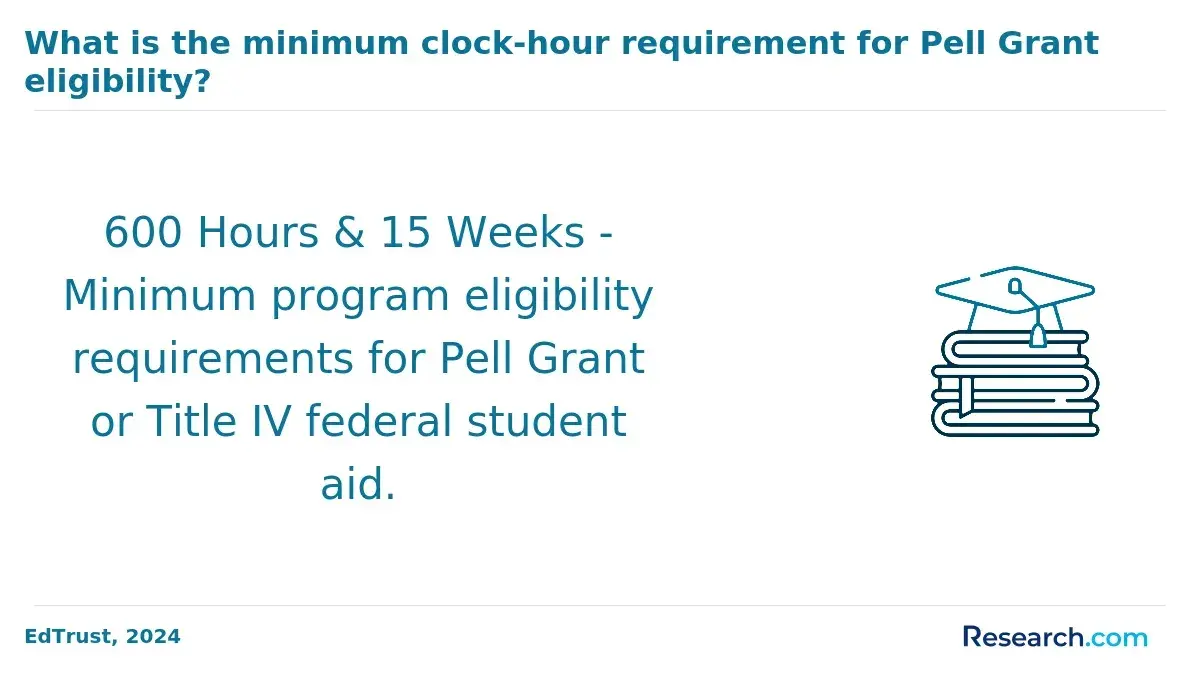
Financial aid options depend on the school and your eligibility. Accredited degree programs may qualify for federal aid, but certificates and nondegree programs do not always qualify. Employer tuition assistance is also common in healthcare systems, insurers, EHR vendors, public agencies, and large hospitals, especially when the degree supports workforce needs.
Use this cost-control sequence before enrolling. It is designed for working adults who need to avoid overborrowing while keeping enough flexibility to stay enrolled.
- File the FAFSA if the program is eligible for federal aid and you plan to use grants or federal loans.
- Ask your employer whether tuition assistance is paid upfront, reimbursed after grades post, or tied to a service commitment.
- Compare total program cost after transfer credits, not just per-credit tuition.
- Ask about online course fees, proctoring fees, graduation fees, health data software fees, and required subscriptions.
- Check whether taking fewer credits per term changes your aid eligibility or employer reimbursement amount.
- Estimate the cost of delaying graduation against the risk of taking too many courses while working full time.
The cheapest program is not always the best value. A low-cost program with weak advising, limited transfer acceptance, or poor scheduling can cost more in the long run if it delays completion. On the other hand, an expensive accelerated program may be worthwhile only if you can handle the pace and have a clear career reason to finish quickly.
Completion time depends on the credential level, course load, term length, prerequisites, and transfer credit. A master's degree in health informatics often requires fewer credits than a bachelor's degree, but graduate coursework may be more demanding. A bachelor's completion program can be fast if you transfer many credits, but slow if you need general education, science, statistics, and technology prerequisites.
The table below gives practical timeline ranges for planning. These are not promises; they are planning estimates you should verify with each school's degree audit and course rotation.
| Program type | Typical credit structure | Common online timeline | Working-adult planning note |
| Associate degree | About 60 credits | 2 years full time or longer part time | Good for entry-level roles, but may not be enough for analyst or management-track positions. |
| Bachelor's degree | About 120 credits | 4 years full time, or 1 to 3 years for transfer students | Transfer credit can be the biggest time saver. |
| Graduate certificate | Often 12 to 18 credits | 6 to 18 months | Useful for adding informatics skills to an existing degree. |
| Master's degree | Often 30 to 45 credits | 1 to 3 years depending on pace | Part-time enrollment is common for professionals working full time. |
Transfer credits can reduce both cost and time, but policies vary widely. Some schools accept large blocks of community college credit, while others limit transfer credits in the major. Graduate programs may accept only a small number of prior graduate credits, and some do not accept transfer credit into core informatics courses.
Adults with clinical backgrounds should also compare whether informatics is the right graduate direction or whether a clinical doctorate fits their goals better. For example, nurses focused on advanced clinical leadership may also compare MSN to DNP online programs, while informatics degrees are better suited to data, systems, analytics, and healthcare technology roles.
To maximize transfer credit without choosing the wrong program, follow a document-first process.
- Collect transcripts from every college, even if you attended briefly or years ago.
- Ask for a preliminary degree audit before committing to enrollment.
- Confirm how many credits apply to general education, electives, prerequisites, and major requirements.
- Ask whether professional certifications, military credits, or prior learning assessments can count toward electives.
- Check whether transfer credits affect eligibility for honors, residency requirements, or financial aid pace-of-completion rules.
A common mistake is assuming that "up to 90 transfer credits accepted" means your 90 credits will all apply. The real question is how many credits count toward your specific health informatics degree plan.
A strong online health informatics program should combine credible accreditation, adult-friendly scheduling, applied technical coursework, healthcare context, career support, and transparent pricing. The best choice is not always the fastest or cheapest; it is the program that fits your current responsibilities while moving you toward a realistic career target.
The comparison table below highlights the features that matter most when you are choosing between accredited online programs. Use it to separate real quality indicators from marketing language.
| Factor | What to check | Why it matters |
| Accreditation | Institutional accreditation, programmatic accreditation when relevant, and state authorization. | Protects aid eligibility, transfer value, and employer recognition. |
| Curriculum | EHR systems, healthcare data analytics, databases, privacy, interoperability, statistics, project management, and quality improvement. | Shows whether the program builds practical informatics skills. |
| Schedule design | Asynchronous access, live session requirements, term length, assignment cadence, and exam format. | Determines whether you can stay enrolled while working. |
| Faculty experience | Healthcare IT, analytics, HIM, public health, informatics leadership, or clinical systems experience. | Connects coursework to real healthcare environments. |
| Applied learning | Capstone, practicum, data projects, case studies, simulations, or portfolio assignments. | Helps you demonstrate skills to employers. |
| Student support | Advising, tutoring, library access, career services, tech support, and placement coordination. | Reduces the risk of stopping out when work or family demands rise. |
| Outcome transparency | Career paths, internship support, alumni examples, certification alignment, and graduation requirements. | Helps you judge return on investment without relying on vague promises. |
After narrowing your list, ask admissions advisors questions that produce concrete answers. If a school cannot answer these clearly, keep comparing.
- Is the program fully online, or are there campus visits, daytime meetings, or in-person field requirements?
- How many courses do working adults usually take each term?
- Can I switch between part-time and full-time enrollment?
- What happens if I need to pause for one term because of work, caregiving, illness, or military service?
- Which courses require group work, live presentations, proctored exams, or specialized software?
- What percentage of the curriculum is technical, analytical, healthcare-focused, and management-focused?
- Will I graduate with a portfolio, capstone, or project I can discuss in interviews?
Several red flags deserve special attention. Avoid enrolling without verifying accreditation, assuming "flexible" means no deadlines, choosing self-paced study without checking completion limits, focusing only on tuition while ignoring fees, and overlooking whether career services understand health informatics roles. Another warning sign is a program that promises job placement or salary outcomes too confidently; reputable schools can discuss support and outcomes, but they should not guarantee employment.
A health informatics degree can support roles in healthcare data, information management, clinical systems, compliance, analytics, project coordination, and technology implementation. The exact role depends on your degree level, prior experience, technical skills, certifications, and whether you come from healthcare, IT, business, or public health.
Salary potential varies by occupation and responsibility level. For context, the U.S. Bureau of Labor Statistics reported a May 2024 median annual wage of $117,960 for medical and health services managers. That figure does not represent every informatics job, but it shows why experienced professionals may pursue informatics education when moving toward systems leadership, data governance, or healthcare operations management.
The table below shows common health informatics-related paths and what those professionals often do. It is meant to help you match a degree program to a job family rather than chase a title that may mean different things across employers.
| Career path | Typical responsibilities | Helpful preparation |
| Health informatics specialist | Support clinical systems, data workflows, user training, reporting, and process improvement. | Health informatics coursework, EHR knowledge, workflow analysis, and communication skills. |
| Clinical data analyst | Analyze healthcare data, build reports, track quality measures, and support operational decisions. | Statistics, SQL, dashboards, healthcare terminology, and data visualization. |
| Health information manager | Oversee health records, privacy, coding workflows, data integrity, and compliance processes. | HIM or informatics degree, privacy knowledge, leadership skills, and credential alignment when relevant. |
| EHR implementation analyst | Help configure, test, train, and optimize electronic health record systems. | Project management, clinical workflow knowledge, vendor tools, and change management. |
| Healthcare privacy or compliance analyst | Monitor data access, support audits, interpret policies, and reduce privacy risks. | HIPAA knowledge, risk assessment, documentation skills, and healthcare operations experience. |
| Population health analyst | Use data to examine outcomes, utilization, care gaps, and quality improvement opportunities. | Public health concepts, analytics, statistics, and healthcare data sources. |
Nurses and clinicians may use informatics to move into EHR optimization, clinical analytics, quality improvement, or informatics leadership. If your goal is advanced direct patient care rather than systems work, compare that path with options such as the fastest post master's FNP certificate programs, which serve a different career purpose.
Employers increasingly expect health informatics candidates to combine healthcare literacy with technical confidence. Useful skills include SQL basics, spreadsheet modeling, dashboard tools, data quality checks, privacy awareness, workflow mapping, project documentation, and the ability to translate between clinicians, administrators, and IT teams.
This degree may be worth it if it helps you qualify for roles that require healthcare data knowledge, move from a clinical or administrative role into systems work, or add healthcare context to an IT background. It may be less valuable if you choose a program with little applied learning, if you already have equivalent experience and only need a short certificate, or if your target role requires a different credential.
Balancing school with work and family starts with choosing the right course load. Many adult learners underestimate the workload because online courses remove commuting time but not reading, projects, discussion posts, exams, group work, or data assignments. A practical starting point is one course in your first term, especially if you have not studied recently or your job includes overtime, travel, rotating shifts, or caregiving responsibilities.
The table below shows how different enrollment choices can affect weekly planning. Use it to compare your real available hours against the course load you are considering.
| Enrollment pace | Possible weekly study demand | Best fit | Risk to watch |
| One course at a time | Often manageable in evenings or weekends | Full-time workers, caregivers, and students returning after a long break. | Longer completion timeline. |
| Two courses at a time | Requires several focused study blocks each week | Students with predictable schedules and strong support at home. | Deadlines can collide during exams or major projects. |
| Accelerated full-time load | Can resemble a second job | Students with reduced work hours or strong employer support. | Higher burnout and stop-out risk. |
| Self-paced term | Workload varies based on how fast you progress | Independent learners with prior knowledge and disciplined study habits. | Procrastination can turn flexibility into wasted tuition time. |
A realistic school plan should be built around your busiest weeks, not your ideal weeks. Healthcare workers, parents, and caregivers should plan for schedule disruptions before they happen.
- Block recurring study time before the term begins, including one backup block each week.
- Tell family members or roommates which hours are protected for coursework.
- Review the syllabus during the first week and enter every major deadline into one calendar.
- Start data projects and papers early because technical issues can take longer to solve online.
- Use employer tuition benefits carefully by matching course load to reimbursement grade requirements.
- Contact instructors before deadlines if work travel, illness, or caregiving emergencies interfere.
- Take a lighter course load during peak work seasons instead of withdrawing midterm.
The most common mistake is treating flexibility as permission to study only when time appears. Working adults usually succeed when they create structure inside a flexible program. If your schedule changes every week, asynchronous courses with recorded lectures may be easier than live evening classes, but you still need a weekly routine.
Student support can make the difference between completing a degree and stopping out. Online learners need more than a login and recorded lectures; they need advising, technical help, library access, tutoring, career coaching, and clear communication when life interrupts school.
The table below outlines support services that are especially important in online health informatics programs. These services matter because the coursework often combines healthcare concepts, technology tools, writing, analytics, and team projects.
| Support service | What to look for | Why it matters |
| Academic advising | Degree plans, transfer reviews, prerequisite checks, and course sequencing help. | Prevents scheduling mistakes that delay graduation. |
| Technical support | Evening or weekend help for the learning platform, proctoring tools, software, and login issues. | Working adults often study outside business hours. |
| Library and research help | Remote access to databases, citation tools, research guides, and librarian support. | Graduate and upper-level coursework often requires evidence-based projects. |
| Writing and tutoring | Support for statistics, analytics, academic writing, and presentations. | Helps students returning to school after years away. |
| Career services | Resume review, interview preparation, job boards, portfolio guidance, and employer connections. | Helps translate coursework into career opportunities. |
| Accessibility services | Documented accommodations for eligible students in online courses and exams. | Ensures online flexibility does not replace formal student protections. |
If you are still deciding between health informatics and more targeted revenue-cycle training, compare degree-level support with career-focused options such as online medical coding programs. Coding programs may be shorter, while informatics degrees usually cover broader systems, analytics, and management topics.
Ask schools how support works for online students specifically. A service that exists only during campus business hours may not help a learner who studies after a hospital shift or after children are asleep.
- Ask whether advisors specialize in online adult learners or serve all students generally.
- Confirm whether tutoring is available for statistics, databases, analytics, and writing.
- Ask whether career services understands health informatics job titles and employer expectations.
- Check whether the school offers access to data tools, EHR simulations, or software used in coursework.
- Ask how quickly instructors are expected to respond to online student questions.
- Review the withdrawal, incomplete, and leave-of-absence policies before you need them.
A strong support system is especially important in self-paced programs because fewer fixed class meetings can mean fewer natural check-ins. If you choose that model, look for progress dashboards, faculty coaching, proactive advising, and clear academic deadlines.
Do Online Health Informatics Degree Programs Include Internships, Practicums, or Other Hands-On Learning Requirements?
Many online health informatics programs include applied learning, but the format varies. Some require internships or practicums with healthcare organizations, while others use capstones, simulations, case studies, consulting-style projects, or data analysis assignments. The key is to verify requirements early because hands-on components can affect your schedule, state authorization, background checks, and employer permissions.
The table below compares common hands-on learning models. This can help you identify whether a program's applied work fits your availability and career goals.
| Applied learning type | What it involves | Working-adult consideration |
| Practicum | Supervised experience in a healthcare, public health, vendor, or information management setting. | May require daytime hours, site approval, background checks, or health documentation. |
| Internship | Temporary work-based learning, sometimes paid but often unpaid or credit-bearing. | Can be difficult for full-time workers unless the employer supports schedule flexibility. |
| Capstone project | A final applied project using research, workflow analysis, data, implementation planning, or quality improvement. | Often more flexible than a site-based internship. |
| Simulation or lab | Practice using EHR-like systems, analytics tools, privacy scenarios, or database exercises. | Usually online-friendly but may require specific software or proctored assessments. |
| Portfolio assignment | Collection of reports, dashboards, process maps, policy briefs, or project plans. | Useful for interviews if the work is polished and employer-safe. |
Hands-on requirements are not automatically a burden. They can help you prove skills, make employer contacts, and connect coursework to real healthcare problems. However, they can become stressful if you learn about them late or assume everything can be completed at night.
Before enrolling, ask practical questions about field and project requirements.
- Is a practicum, internship, capstone, simulation, or portfolio required?
- Can working students complete applied projects through their current employer?
- Who finds the site: the school, the student, or both?
- Are there background checks, immunization records, liability insurance, or onboarding requirements?
- Can field hours be completed remotely, in the evening, or on weekends?
- What happens if a student cannot secure a placement in their local area?
- Are students outside the school's home state eligible for all field-based components?
If a program has no applied component at all, look closely at whether the coursework still produces evidence of skill. For working adults, a portfolio of de-identified projects, dashboards, workflow diagrams, policy memos, or capstone deliverables can be valuable when trying to move from a current job into an informatics role.
Other Things You Should Know About Health Informatics
It is both, but the balance varies by program. Some degrees emphasize analytics, databases, and systems implementation, while others focus more on health information management, compliance, workflow, and operations. Review course titles and assignments before assuming the program matches your preferred direction.
Usually not for entry-level or many master's programs, but comfort with spreadsheets, basic statistics, and technology helps. Programs with analytics-heavy curricula may introduce SQL, data visualization, or scripting, so ask whether bridge courses or tutoring are available.
Yes, especially for people with IT, data, business, project management, or administrative experience. Career changers should choose programs that include medical terminology, healthcare systems, privacy, and applied projects so they can demonstrate healthcare context to employers.
AI is increasing the need for professionals who understand data quality, privacy, workflow impact, documentation, bias, and responsible implementation. A strong program should not only mention AI; it should teach students how healthcare data is governed, validated, interpreted, and used safely.
- Why Pursue a Master’s in Health Informatics? | 23% Job Growth Outlook https://www.usfhealthonline.com/resources/health-informatics/why-pursue-a-masters-in-health-informatics/
- CAHIIM Accredited Online Master’s in Health Informatics / HIM Programs https://www.onlineeducation.com/healthcare/faqs/cahiim-accredited-online-masters-in-health-informatics-programs
- Master’s in Health Informatics https://nursinglicensemap.com/resources/healthcare-degree-programs/masters-in-health-informatics/
- Health Informatics Specialist Certifications: Best Credentials to Advance Your Career | Teal https://www.tealhq.com/career-paths/health-informatics-specialist-certifications
- Home - CAHIIM https://www.cahiim.org/
- Online Healthcare Informatics Master's Degrees - Part-Time Programs https://www.mhaonline.com/faq/part-time-healthcare-informatics-programs
- 2025 Most Affordable Online Healthcare Informatics Degrees https://www.onlineu.com/most-affordable-colleges/healthcare-informatics-degrees
- Masters in Health Informatics - Opportunities and Scope — The BridgeWay Firm https://www.bridgewayfirm.com/masters-in-health-informatics