2027 Cheapest Accredited Online Health Informatics Degree Programs: Tuition, Fees, and Financial Aid

Co-Founder and Chief Data Scientist
Choosing an online health informatics degree is really a cost-and-credibility decision: low tuition matters, but accreditation, fees, transfer rules, and financial aid can change the final price. The stakes are timely because the U. S. Bureau of Labor Statistics projects medical and health services manager employment to grow 29% from 2023 to 2033, much faster than average.
This guide is for students comparing accredited online options in health informatics, health information management, and healthcare data programs. You will learn how to identify genuinely affordable programs, estimate total cost, and avoid hidden expenses before enrolling.
Key Things You Should Know
- The lowest advertised prices are usually found in flat-rate or public-university programs: Western Governors University lists health information management tuition at about $4,365 per six-month term, while some public online graduate informatics programs publish rates near $327 to $475 per credit before mandatory fees.
- Total program cost depends on credits required, fees, residency pricing, and transfer credit; a $470-per-credit 33-credit master's program may cost less than a $330-per-credit bachelor's completion program if the bachelor's requires many more credits.
- Net price is the number to compare after grants, scholarships, employer tuition benefits, transfer credits, and federal aid; eligible students may use FAFSA-based aid at institutionally accredited schools, but not every online certificate or nondegree option qualifies.
What Are the Cheapest Accredited Online Health Informatics Degree Programs?
The cheapest accredited online health informatics degree is not always the one with the lowest per-credit tuition. Students should compare the degree level, number of credits, required fees, transfer-credit policy, and whether the program's accreditation supports federal financial aid eligibility.
The table below highlights lower-cost accredited online options commonly considered by students interested in health informatics, health information management, healthcare data, and digital health administration. Published tuition changes frequently, so use these figures as a starting point and confirm the current rate, fees, and residency rules directly with the school before applying.
| School and online program | Degree level | Accreditation to verify | Published tuition model | Cost note for affordability comparison |
| Western Governors University, B.S. Health Information Management | Bachelor's | Institutional accreditation; CAHIIM programmatic accreditation for HIM should be verified | About $4,365 per six-month term | Often one of the lowest-cost options for fast, transfer-ready students because tuition is term-based rather than per-credit |
| University of Central Florida, M.S. Healthcare Informatics | Master's | Institutional accreditation through SACSCOC | Florida graduate online rates may start near $327 per credit before distance and university fees | Can be very affordable for Florida residents, but nonresident pricing can be much higher |
| Dakota State University, M.S. Health Informatics and Information Management | Master's | Institutional accreditation through HLC; confirm programmatic status if needed for HIM career goals | About $470 per credit | A 33-credit structure can keep tuition lower than longer master's programs even when the per-credit rate is not the absolute lowest |
| Louisiana Tech University, M.S. Health Informatics and Information Management | Master's | Institutional accreditation through SACSCOC; confirm CAHIIM-related details if applicable | About $475 per credit for many online graduate courses | Affordable per-credit pricing, but the total can rise if the curriculum requires more credits than comparable programs |
| Weber State University, B.S. Health Information Management | Bachelor's completion pathway | Institutional accreditation through NWCCU; CAHIIM programmatic accreditation should be verified | Public-university per-credit tuition with online and upper-division rates to confirm | Can be cost-effective for students who already hold an associate degree and need only the upper-division completion sequence |
| University of Cincinnati, online Health Information Management or Health Informatics pathways | Bachelor's or master's, depending on program | Institutional accreditation through HLC; verify CAHIIM status where relevant | Published online tuition varies by degree and residency category | May not be the lowest sticker price, but strong healthcare-data curriculum and transfer options can improve value for some students |
For most cost-conscious students, the strongest first shortlist usually includes one flat-rate option, one in-state public university option, and one low-credit graduate option. That combination lets you compare the three biggest affordability levers: speed, residency pricing, and required credits.
How Were the Cheapest Online Health Informatics Degree Programs Ranked?
A fair affordability ranking has to start with accreditation and then move beyond advertised tuition. A program with a low rate but many extra fees, limited transfer acceptance, or no federal aid eligibility may cost more than a school with a higher published tuition rate.
This ranking approach uses the following criteria to compare true affordability and student value:
- Accreditation first: Programs were considered only if the institution is recognized by a U.S. Department of Education-recognized accreditor, with CAHIIM status noted when relevant to health information management pathways.
- Published tuition: Per-credit, term-based, in-state, out-of-state, and online-specific tuition models were reviewed because each model affects different students differently.
- Total estimated tuition: Required credits were considered so a low per-credit price would not automatically outrank a shorter program with a slightly higher rate.
- Mandatory fees: Distance-learning fees, technology fees, student service fees, graduation fees, and proctoring costs were treated as part of the affordability picture.
- Financial aid access: FAFSA eligibility, scholarship availability, employer tuition reimbursement compatibility, and payment-plan options were considered.
- Transfer and completion flexibility: Programs with generous transfer-credit policies, prior learning options, or competency-based pacing received stronger affordability consideration.
The biggest limitation is that schools update tuition and fees every academic year. Before enrolling, ask each program for a written cost sheet showing tuition, required fees, expected credits, transfer credits accepted, and the estimated net price after grants and scholarships.
How Can You Verify the Accreditation of an Online Health Informatics Degree Program?
Accreditation is the quality-control step that should come before any tuition comparison. In the U.S., institutional accreditation is especially important because it affects federal financial aid eligibility, credit transfer, graduate-school recognition, and employer acceptance.
Health informatics can sit in several academic homes, including health information management, computer science, public health, healthcare administration, nursing informatics, and data analytics. Because of that, students should understand the difference between institutional and programmatic accreditation.
| Accreditation type | What it means | Why it matters for affordability |
| Institutional accreditation | The college or university is reviewed by a recognized accrediting agency | Usually required for federal student aid and smoother credit transfer |
| Programmatic accreditation | A specific program is reviewed by a field-specific accreditor such as CAHIIM for health information management | May matter for some employers, certifications, professional expectations, and HIM-focused roles |
| State authorization | The school is authorized to offer online education to students in your state | Protects students from enrolling in a program that may not legally serve their location |
| Professional certification alignment | The curriculum prepares students for credentials such as RHIA, RHIT, CHDA, or related data and privacy certifications | Can affect post-graduation value, but it is not the same as accreditation |
Use this verification sequence before submitting an application or deposit:
- Search the school in the U.S. Department of Education's Database of Accredited Postsecondary Institutions and Programs.
- Confirm the accreditor listed on the school's website matches the federal database.
- If the program is health information management-focused, check whether CAHIIM lists the specific degree and campus or online format.
- Ask the admissions office whether students in your state are eligible to enroll in the online program.
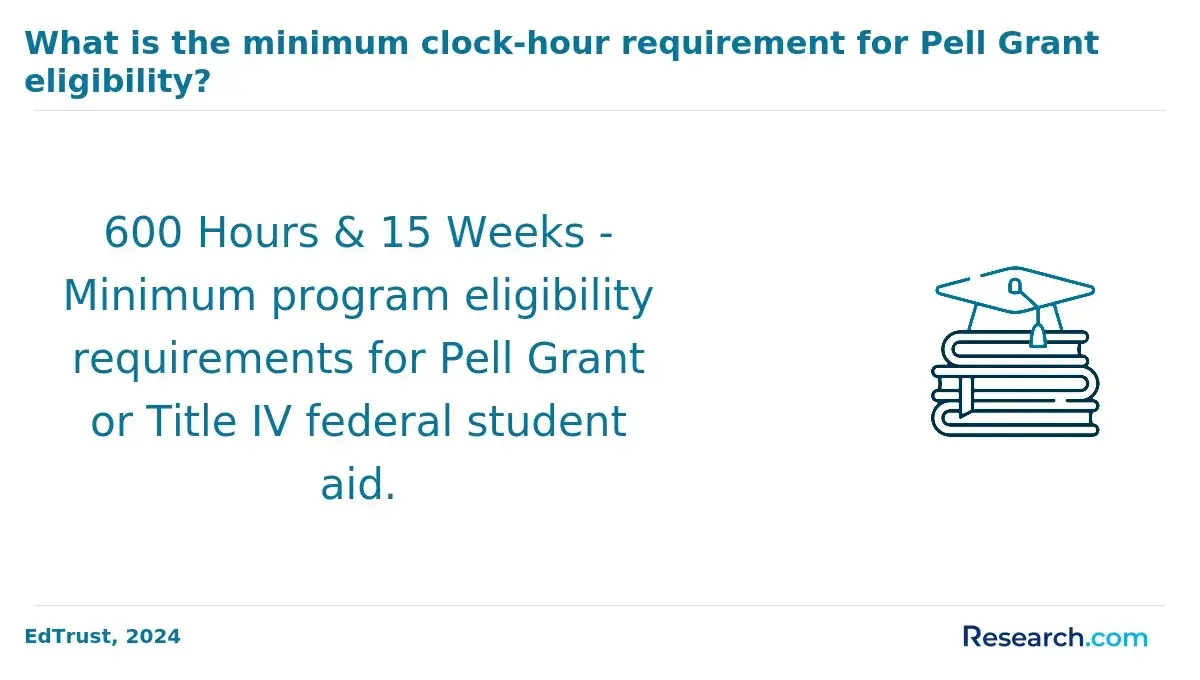
- Ask the financial aid office whether the specific degree, not just the institution, is eligible for Title IV federal aid.
- Request written confirmation if you plan to use employer tuition benefits, veterans benefits, or transfer credits from another school.
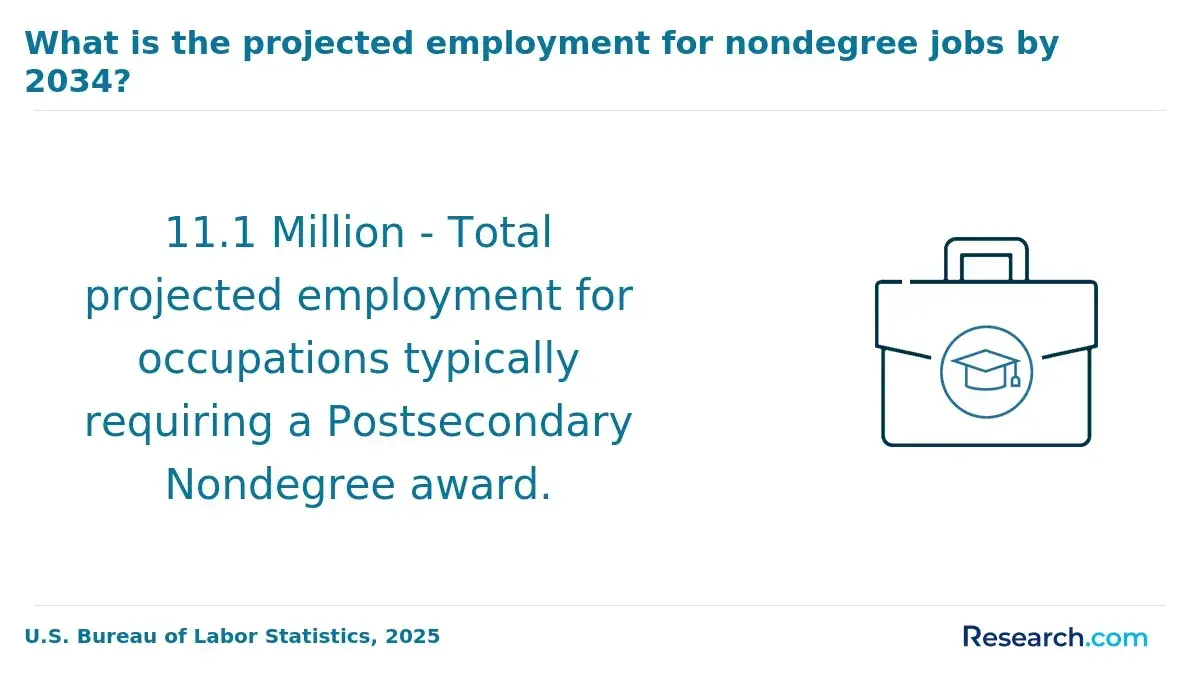
A major red flag is a school that uses vague claims such as "nationally recognized" without naming its accreditor. Another warning sign is a nondegree bootcamp or certificate marketed like a degree; it may teach useful skills, but it may not qualify for FAFSA or transfer into a bachelor's or master's program.
How Much Does an Accredited Online Health Informatics Degree Really Cost?
The real cost of an online health informatics degree has four layers: tuition, mandatory fees, indirect costs, and the net price after financial aid. Tuition is the instructional charge, mandatory fees are required charges added by the school, total cost includes tuition plus fees and expected expenses, and net price is what remains after grants and scholarships are applied.
Students comparing health informatics with broader affordable online healthcare degrees should be especially careful because similar-looking programs may have very different credit requirements and fee structures.
The table below shows how the same tuition rate can lead to different total costs depending on program length and fees. These are illustrative cost patterns, not promises of a specific school's final bill.
| Cost scenario | Tuition model | Credits or time required | Estimated tuition before fees | Affordability takeaway |
| Fast competency-based bachelor's student | $4,365 per six-month term | 2 terms after heavy transfer credit | $8,730 | Very low if the student can finish quickly, but cost rises with each additional term |
| Low-credit public master's program | $470 per credit | 33 credits | $15,510 | Often cheaper than longer graduate programs even if the rate is not the lowest |
| Public resident graduate program | $327 per credit | 38 credits | $12,426 | Potentially excellent value for residents, but nonresident rates may change the ranking |
| Bachelor's completion program | $330 per credit | 60 remaining credits | $19,800 | Affordable only if transfer credits reduce the number of credits needed |
| Private online master's program | $637 per credit | 36 credits | $22,932 | May be reasonable if fees are low and scholarships reduce the net price |
The U.S. Bureau of Labor Statistics reported a May 2023 median wage of $110,680 for medical and health services managers in its 2024 occupational data release, but that figure includes many roles requiring experience and does not represent an entry-level guarantee. Use salary data as one ROI input, then compare it with the debt you would need to take on.
A practical rule is to request a "total program cost to graduation" estimate rather than asking only for tuition. If a school cannot explain fees, transfer limits, and financial aid eligibility clearly, keep comparing options.
Which Tuition Models Make Online Health Informatics Degree Programs More Affordable?
Tuition model matters because students have different strengths. A fast, self-directed learner may save the most in a flat-rate program, while a part-time working student may prefer predictable per-credit billing.
These are the most common tuition models you will see in online health informatics and health information management programs:
- Per-credit tuition: You pay for each credit attempted, so total cost is easy to calculate by multiplying the rate by the required credits.
- Flat-rate term tuition: You pay one price for a term and may complete more courses if you move quickly, which can reduce cost for motivated students with transfer credit.
- In-state public tuition: Public universities may offer lower rates to residents, although online programs sometimes have separate e-tuition rules.
- Out-of-state or nonresident tuition: Some public institutions charge much higher rates to nonresidents, so a cheap in-state program may not be cheap for everyone.
- Online program tuition: Some schools charge one online rate regardless of residency, which can help nonresident students compare costs more easily.
- Subscription or competency-based tuition: Students pay for a time period rather than each class, making the program cheaper only if they complete courses efficiently.
The current trend toward competency-based and flexible online education can benefit adult learners, but it also shifts responsibility to the student. If you cannot commit steady time each week, a flat-rate model may become expensive because every extra term adds another full charge.
Before choosing a tuition model, ask how many transfer credits will apply, how often courses start, whether courses must be taken in sequence, and what happens if you pause enrollment. These details can change the final cost more than a small difference in per-credit tuition.
What Fees and Hidden Costs Should Online Health Informatics Degree Students Expect?
Online students often avoid commuting and campus housing, but they do not avoid all fees. Health informatics programs may require technology platforms, database tools, electronic health record simulations, proctored exams, background checks, or professional membership costs.
Students who are comparing health informatics with skills-based options such as online medical coding programs should look closely at certification exam fees and software costs, because short programs may shift more expenses outside tuition.
Review the following cost categories before assuming a program is affordable:
- Distance-learning fees: Some schools charge a per-credit online fee in addition to tuition.
- Technology fees: These may support learning platforms, virtual labs, library access, or student systems.
- Course materials: Health data, coding, privacy, and analytics courses may require textbooks, e-books, or specialized subscriptions.
- Proctoring fees: Online exams may require identity verification or remote proctoring charges.
- Practicum or capstone expenses: Some programs require a project site, liability insurance, background check, or immunization documentation.
- Graduation and transcript fees: These are usually smaller costs, but they still belong in the total price calculation.
- Computer and software needs: A reliable laptop, webcam, spreadsheet software, and secure internet connection are essential for online analytics coursework.
A common mistake is comparing only tuition-per-credit numbers across schools. A better method is to ask each school for a line-item estimate that includes tuition, university fees, program fees, course fees, books, and one-time charges through graduation.
How Does FAFSA and Federal Financial Aid Work for Online Health Informatics Degree Programs?
Online students can generally use FAFSA-based federal aid if they enroll in an eligible degree or approved certificate at an institution that participates in Title IV federal student aid. The delivery format alone does not disqualify a student; the key issues are school eligibility, program eligibility, enrollment status, citizenship or eligible noncitizen status, satisfactory academic progress, and remaining aid limits.
The maximum Federal Pell Grant for the 2024-25 award year is $7,395, which means eligible undergraduate students can sometimes reduce the out-of-pocket cost of a low-tuition online program substantially. Graduate students are not eligible for Pell Grants, but they may qualify for federal unsubsidized loans and some institutional or employer-funded aid.
The FAFSA process works best when you follow a clear sequence:
- Create or update your StudentAid.gov account before the school's priority deadline.
- List every accredited health informatics program you are seriously considering.
- Review each financial aid offer and separate grants, scholarships, work-study, and loans.
- Ask whether the online program has different tuition or fees from the campus program.
- Confirm the minimum enrollment level required for each aid type.
- Compare the net price after gift aid before deciding how much, if anything, to borrow.
If you are looking across allied-health routes, reviewing online medical assistant programs with financial aid can help you see how FAFSA eligibility differs between degree programs, certificates, and workforce training options.
The most important FAFSA warning is that loans are not discounts. A program can be affordable with grants and scholarships but costly if the financial aid package relies heavily on borrowing.
Which Scholarships, Grants, and Tuition Benefits Can Help Pay for an Online Health Informatics Degree?
Scholarships and grants are often called gift aid because they usually do not need to be repaid. The best options for online health informatics students include federal and state grants, institutional scholarships, healthcare employer benefits, professional association awards, military and veterans benefits, and workforce-development funding.
Students should prioritize renewable aid over one-time awards. A $1,000 scholarship helps, but a renewable tuition discount or employer benefit can reduce the net price across the entire degree.
| Funding source | Best fit | What to verify |
| Federal Pell Grant | Eligible undergraduate students with financial need | Annual eligibility, enrollment level, and lifetime limits |
| State grants | Residents attending eligible in-state or approved online programs | Residency rules and whether online students qualify |
| Institutional scholarships | Students admitted to a specific college or online program | Renewal GPA, credit-load requirements, and application deadlines |
| Employer tuition reimbursement | Working adults in hospitals, clinics, insurers, health IT, or public health agencies | Annual caps, grade requirements, repayment clauses, and approved majors |
| Professional association scholarships | Students pursuing HIM, informatics, privacy, coding, or analytics credentials | Membership requirements and whether the award can be used for online study |
| Military and veterans benefits | Eligible service members, veterans, and dependents | School participation, benefit remaining, and program approval |
Health informatics students who already work in revenue cycle, coding, compliance, or records departments may also find tuition support from employers. If you are earlier in the healthcare data pathway, online medical coding programs can be a lower-cost way to build job-relevant experience before committing to a full degree.
When comparing awards, ask whether the scholarship is stackable with other discounts. Some schools reduce institutional grants when an outside scholarship arrives, which can make the award less valuable than it first appears.
Can Transfer Credits, Prior Learning, and Competency-Based Study Lower the Cost of an Online Health Informatics Degree?
Transfer credit can be the single biggest cost reducer for bachelor's students. If a school accepts 60 to 90 credits from prior college work, the remaining tuition can fall dramatically, especially in bachelor's completion programs for health information management or healthcare data analytics.
Before assuming your credits will transfer, review the rules carefully. Many schools require a minimum number of credits to be completed in residence, limit technical or older credits, or require major courses to be taken at the degree-granting institution.
Use this checklist before enrolling:
- Request an unofficial transfer review before paying an enrollment deposit.
- Ask which credits apply to general education, electives, prerequisites, and major requirements.
- Confirm whether associate-degree block transfer agreements apply to your program.
- Ask whether professional certifications, military training, or prior learning assessments can reduce credits.
- Check the residency requirement, which is the minimum number of credits you must complete at the school.
- Calculate the remaining credits after transfer, then multiply only those credits by the current tuition and fee rates.
Competency-based study can also lower costs, but only for students who can move quickly through courses. This model works best for experienced healthcare, IT, coding, or data professionals who already know some of the material and can document learning outcomes efficiently.
Graduate students should also think about credential sequencing. For example, nurses comparing informatics leadership with advanced practice or doctoral pathways may want to review MSN to DNP online programs to understand how prior graduate credits, clinical hours, and specialization choices affect total cost.
How Should Students Compare the Net Price, Quality, and Return on Investment of Online Health Informatics Degree Programs?
The best-value online health informatics program is the one that combines legitimate accreditation, manageable net price, relevant curriculum, flexible completion, and credible career alignment. Affordability matters, but a degree that does not support your target role may be a poor investment even if tuition is low.
Use the table below to compare cost and quality factors side by side. The goal is to avoid choosing a program based only on one attractive number.
| Comparison factor | Why it matters | Better-value signal |
| Net price | Shows what you pay after grants and scholarships | The school provides a clear aid offer and total cost estimate |
| Accreditation | Protects aid eligibility, transferability, and employer recognition | Institutional accreditation is easy to verify, and programmatic accreditation is clear when relevant |
| Curriculum fit | Health informatics roles may emphasize analytics, EHR systems, privacy, coding, project management, or leadership | Courses match your target job rather than only general healthcare administration |
| Completion time | Longer programs can increase tuition and opportunity cost | The school offers predictable course rotations and accepts appropriate transfer credit |
| Student support | Online learners need advising, tutoring, library access, tech support, and career services | Support is available remotely and during hours that fit working adults |
| Career outcomes | Employment data can help you judge whether the program has labor-market relevance | The school shares realistic outcomes without promising jobs or salaries |
Health informatics career paths vary widely. Some graduates move into EHR implementation, health data analysis, privacy and compliance, revenue-cycle analytics, clinical documentation improvement, project coordination, or health IT management. AI adoption, interoperability demands, cybersecurity concerns, and value-based care reporting are increasing the need for professionals who understand both healthcare workflows and data systems.
Ask schools direct questions before you enroll:
- What is the estimated total cost to graduate after my transfer credits are applied?
- Which fees are mandatory for online students?
- Is the program eligible for FAFSA-based aid, employer reimbursement, military benefits, or state grants?
- Does the curriculum prepare students for specific certifications or healthcare data roles?
- Are capstone, practicum, or project placements required, and do they create extra costs?
- What career services are available to fully online students?
- Can the school provide completion, retention, or graduate outcome information for this online program?
Finally, compare health informatics with adjacent pathways. A clinician who wants direct patient-care advancement may find a route such as the fastest post master's FNP certificate more relevant, while a healthcare operations professional may get better ROI from informatics, analytics, or health information management.
Other Things You Should Know About Health Informatics
Admission requirements generally include a completed application, official transcripts, a minimum GPA of 2.5 or higher, and possibly a statement of purpose. Some programs may also require work experience or prerequisite courses in the field. Check individual programs for specific requirements in 2027.
No, not always. Some programs are designed for nurses, physicians, or allied-health professionals, but many accept students from IT, business, public health, data analytics, or healthcare administration backgrounds. Check prerequisites before applying.
Yes, health informatics programs may be accredited by specific bodies such as the Commission on Accreditation for Health Informatics and Information Management Education (CAHIIM), ensuring that the curriculum meets industry standards in 2027. This can impact eligibility for certain job positions and further certification opportunities.
References
- How Long Does It Take to Obtain a Degree in Health Informatics? https://www.healthinformaticsdegrees.org/faq/how-long-does-it-take-to-obtain-a-degree-in-health-informatics/
- Scholarships and Financial Aid for Healthcare Students: How to Fund Your Education https://explorehealthcareers.org/resources/scholarship-financial-aid/
- Top 50 Masters in Health Care Informatics Online Programs - Healthcare Management Degree Guide https://www.healthcare-management-degree.net/online-masters-health-informatics/
- 50 Most Affordable Master's in Health Informatics Programs 2018 - Healthcare Administration Degree Programs https://www.healthcare-administration-degree.net/best/affordable-masters-health-informatics-degree/
- Types of Financial Aid https://www.hhloans.com/types-of-financial-aid/
- Health Informatics Programs Offered by Accredited Universities https://www.usfhealthonline.com/resources/career/usf-among-accredited-universities-offering-online-health-informatics-programs/
- 2025 Most Affordable Online Healthcare Informatics Degrees https://www.onlineu.com/most-affordable-colleges/healthcare-informatics-degrees
- Health Informatics - CAHIIM https://www.cahiim.org/accreditation/health-informatics/
- Best Value Online Master's in Health Informatics and Health Information Management - BestMedicalDegrees.com https://www.bestmedicaldegrees.com/rankings/best-online-masters-in-health-informatics-and-health-information-management/
- Financial Aid Guide https://www.publichealth.org/resources/financial-aid/