
2027 How Much Does a Gerontology Degree Program Cost? Tuition, Fees & Total Expense Breakdown

Co-Founder and Chief Data Scientist
Estimating the true cost of a gerontology degree program can be challenging for many students due to varying tuition rates, hidden fees, and fluctuating expenses. Recent data shows a 7% increase in tuition and fees for gerontology programs over the past five years, making it essential to understand the full financial commitment beyond just sticker price.
This article breaks down tuition, mandatory fees, and additional expenses related to gerontology degrees. By providing clear cost components and comparisons, students can better budget, select affordable schools, and avoid unexpected financial burdens throughout their educational journey.
Key Benefits of Knowing the Gerontology Degree Program Cost in 2026
- Clarifying total costs helps students budget effectively for all tuition, fees, and materials specific to gerontology programs, where average annual tuition can range from $10,000 to $40,000.
- Understanding detailed expenses reveals hidden fees, such as lab materials or internships, crucial for accurate financial planning in this healthcare-focused discipline.
- Being informed on costs supports comparison among programs, enabling students to choose options balancing quality gerontology education with their financial means.
What Expenses Are Included in the Full Cost of a Gerontology Degree?
Accurately estimating the full cost of a gerontology degree program is vital for financial planning, as expenses extend beyond tuition to several essential components. Awareness of all cost factors enables prospective students to budget effectively and compare options.
- Tuition: This is the largest expense, averaging between $10,000 and $30,000 per year depending on whether the institution is public or private and whether the student is in-state or out-of-state. Tuition fluctuations significantly impact the gerontology degree total cost 2026.
- Mandatory fees: These fees include registration, student activity, technology, and health services charges, collectively adding $1,000 to $2,500 annually. They are required by most institutions to support essential campus services.
- Books and supplies: Students can expect to spend between $800 and $1,200 per academic year on textbooks and materials, including those focused on aging, healthcare, and social policy, as well as required software or access to digital resources.
- Technology requirements: With many programs offering hybrid or online formats, budgeting for a reliable computer, internet access, and specialized research or data analysis software is important for academic success.
- Clinical or lab fees: Although less common for gerontology than medical degrees, these fees, usually several hundred to $1,000 annually, may apply for programs with practicum experiences or internships involving hands-on healthcare settings.
- Living expenses: Housing, food, transportation, and personal costs typically range from $12,000 to $15,000 per year for off-campus students. These expenses form a considerable portion of 2026 gerontology program tuition and fees when factoring total cost.
For working professionals considering alternative study options to manage these costs, exploring accelerated degree college options for working adults can provide flexible pathways to completing a gerontology degree efficiently.
What Is the Average Total Cost of a Gerontology Degree Program in 2026?
The average total cost of a gerontology degree program in 2026 in the U.S. depends on multiple variables but generally ranges between $15,000 and $70,000. The total cost includes tuition, mandatory fees, books, supplies, and living expenses, which together give a realistic estimate of the financial commitment required. Understanding this comprehensive cost is essential for prospective students planning their academic and financial future, ensuring they can budget effectively and explore financial aid opportunities.
The average total cost of a Gerontology degree program in 2026 varies based on institution type, program format, and geographic location. Public in-state bachelor's programs typically cost between $15,000 and $30,000, while private institutions usually range from $40,000 to $70,000. Graduate programs often fall between $20,000 and $50,000. Additional factors affecting these figures include whether the program is online or campus-based and regional price differences, with urban schools often charging more than rural ones. Key cost factors include public versus private tuition rates, online program pricing advantages, and geographic influences. Prospective students should also consider scholarships and financial aid options, which can help offset these expenses. For a related perspective on educational paths, see which is the easiest phd course.
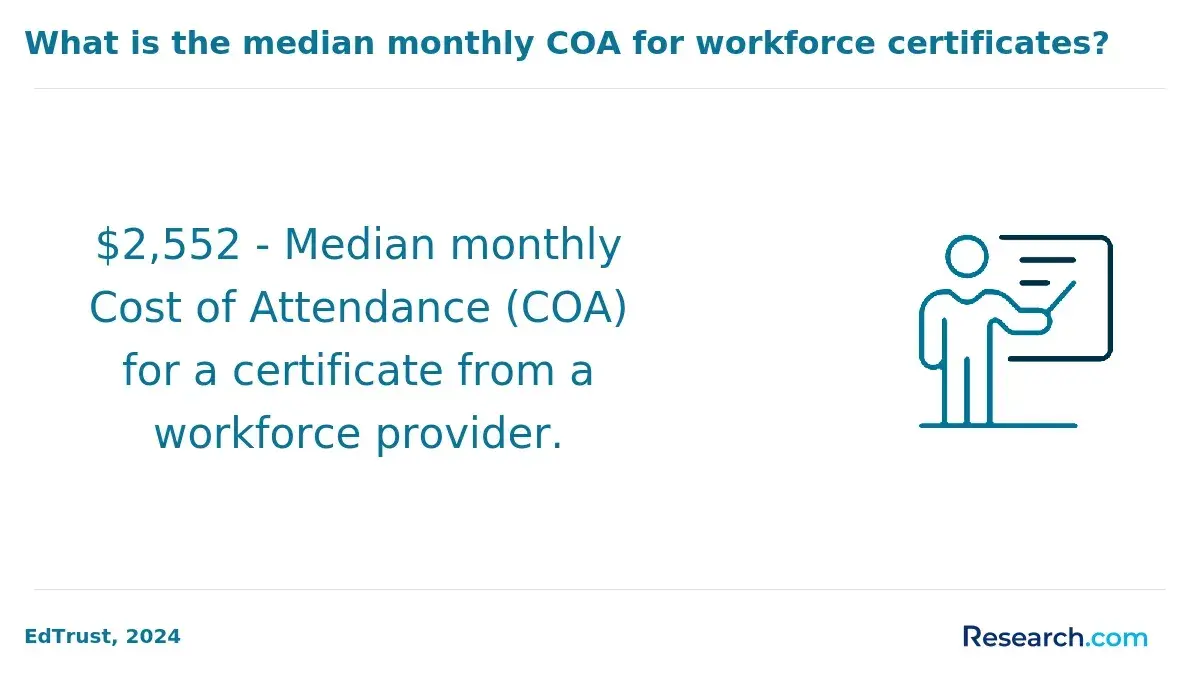
What Mandatory Fees Do Schools Charge for a Gerontology Program in 2026?
Mandatory fees are additional charges required by institutions beyond tuition that support essential campus services and resources. These fees vary among schools and are a key part of understanding the total cost of attendance. For those exploring mandatory fees for gerontology degree programs in 2026, several common categories typically apply.
Students enrolled in gerontology programs in 2026 can expect the following typical school charges for gerontology degrees 2026, which reflect expenses necessary to maintain program quality and student support:
- Technology fee: Covers access to online learning platforms, software licenses, and campus Wi-Fi, generally ranging from $100 to $300 per semester.
- Lab or clinical fees: Applicable to courses requiring practical experience or simulation labs, these fees vary between $200 and $600 annually depending on the intensity of hands-on training.
- Student services fees: Fund counseling, career services, and extracurricular activities, typically costing $150 to $400 per semester and standard across social science and health-related programs.
- Assessment or testing fees: Charged for certification preparation or program-specific exams, these fees usually range from $50 to $150 per test.
- Campus facilities fees: Support maintenance of libraries, recreational centers, and study spaces, generally less than $200 per term.
Overall, mandatory fees for a gerontology program in 2026 can add an additional $500 to $1,500 annually to educational expenses. Prospective students should factor these costs into their budgets beyond tuition alone. Those interested in efficient degree completion might explore options such as the fastest masters degree online programs.
Students pursuing a gerontology degree in 2026 should anticipate program-specific fees in addition to standard tuition and general university charges. These additional costs vary by institution but commonly include several categories. Below is an overview of typical extra expenses associated with gerontology programs.
- Specialized lab fees: Charges supporting practical training environments essential for hands-on experience with aging populations.
- Program-specific software costs: Fees for software licenses used in data analysis, healthcare management, or elder care simulations, often ranging from $50 to several hundred dollars per semester.
- Licensing and certification preparation fees: Costs related to preparing for credentials in gerontology or elder care fields, generally between $100 and $500.
- Required equipment or supplies: Expenses for assessment tools or health monitoring devices necessary during practicums or fieldwork.
- Fieldwork or practicum fees: Charges covering supervision, placement coordination, and travel, typically averaging $200 to $600.
Accurately estimating the cost of supplies and equipment is essential for budgeting the full expenses of a gerontology degree. These necessary materials can significantly impact the overall financial commitment to the program.
Common supplies and equipment for gerontology students include the following:
- Textbooks: Core textbooks related to aging and healthcare typically cost between $100 and $300 per semester, influenced by whether new or used editions are purchased.
- Specialized Software: Programs like SPSS or SAS are often required for data analysis and research; access is usually available through university licenses, minimizing direct student expenses.
- Lab Kits: Used for hands-on studies in aging sciences, these kits generally range from $50 to $150.
- Protective Gear: Gloves, sanitizers, and other safety items are necessary for clinical practicums and usually cost less than $50.
- Electronic Resources: Subscriptions to journals and other digital materials may be included in tuition but sometimes require additional fees.
Costs vary by school and program structure, so consulting specific institutional resources is advisable for precise budgeting.
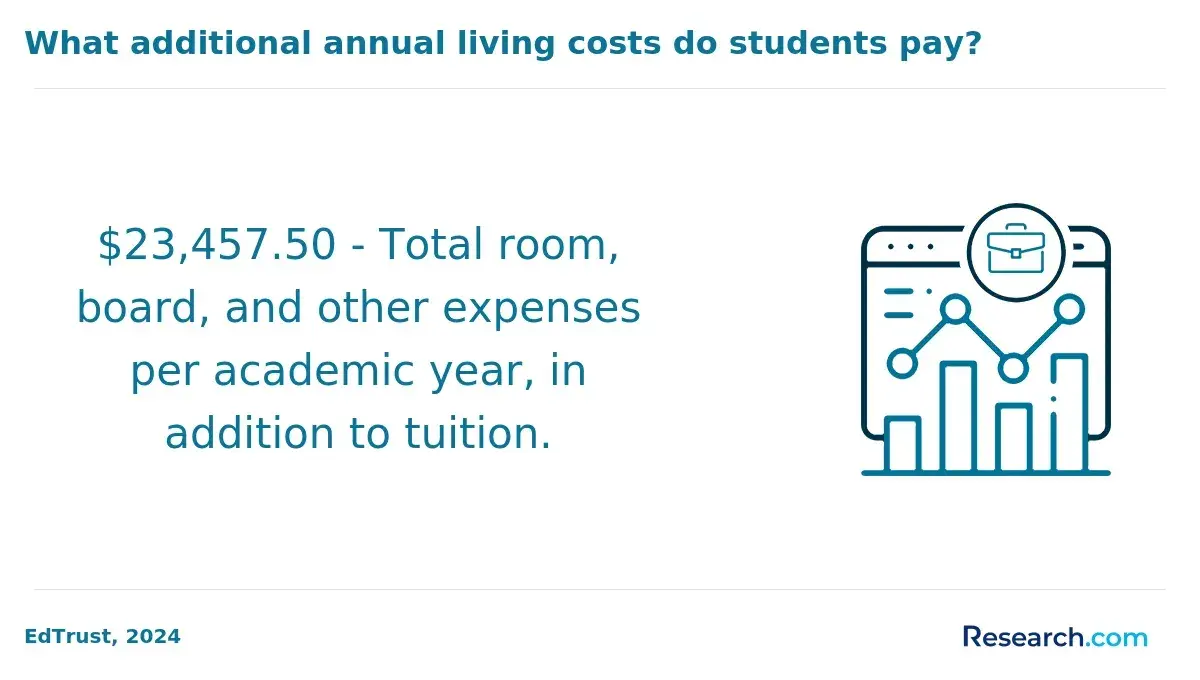
Living, food, and travel expenses significantly influence the overall cost of attending a gerontology degree program. These costs fluctuate depending on the student's geographic location and personal lifestyle choices, making careful planning essential. Urban environments with higher living costs typically require a larger budget than smaller towns or suburban areas.
Below are common categories of expenses to consider when budgeting for a gerontology program:
- Housing and utilities: Annual costs usually range from $8,000 to $13,000, influenced by whether students live on-campus, off-campus, or in shared accommodations, as well as local rent prices.
- Food: Budgeting between $3,000 and $4,500 per year is common, taking into account factors such as cooking at home versus relying on meal plans or dining out.
- Local transportation: Expenses including public transit passes or commuting costs typically amount to $600-$900 annually, influenced by the city's transportation infrastructure and the student's commuting distance.
- Travel for internships or visits home: Occasional trips can cost between $150 and $400 per trip, depending on distance and mode of transportation.
When asked about her experience managing these expenses, a gerontology degree student shared that balancing rent and utility bills demanded consistent monitoring, especially during months with variable heating costs. She noted, "I found cooking at home saved me quite a bit, but sometimes grabbing quick meals between clinical rotations was unavoidable."
Traveling home over holidays added layers of both logistical planning and financial strain, especially booking flights early to minimize costs. Despite these challenges, she reflected positively on learning to budget effectively, saying, "It taught me valuable skills that go beyond just managing money-it's about prioritizing and adapting, which I believe will help me professionally in gerontology as well."
Many gerontology degree programs include internships or residencies as a key component, though requirements vary by institution. Approximately 70% of bachelor's and master's programs incorporate hands-on fieldwork, which may be mandatory or optional. These placements typically occur in settings such as nursing homes, adult day care centers, community health agencies, or aging-focused research centers. Such experiences enhance practical skills and professional connections but can increase the overall cost of the program due to added time and resource commitments.
Additional expenses linked to internships or residencies often include travel to off-site locations, temporary housing, background checks, vaccinations, liability insurance, and sometimes specialized equipment or uniforms. These costs vary widely, potentially ranging from a few hundred dollars to over $2,000. Students are advised to communicate early with program advisors, explore available financial aid or stipends, and budget accordingly to manage these extra fees effectively during their studies.
Most institutions permit students to switch between part-time and full-time enrollment in gerontology programs, although this process usually requires following specific institutional policies. Typically, students need to submit a formal request or complete an enrollment change form, often with approval from an academic advisor or registrar. Before making a change, students should weigh factors such as how it might affect their academic progress and financial situation. Flexibility is generally encouraged, but it depends on individual program guidelines. Understanding these rules helps students make informed decisions aligned with their personal and career goals.
Changes in enrollment status often depend on maintaining good academic standing. Shifting between part-time and full-time can influence financial aid eligibility and disbursement timing. Course availability may be limited based on term schedules tailored for either full- or part-time learners. Academic advising plays a crucial role, as advisors ensure that the change benefits the student's pathway without unintended setbacks. Additionally, moving to part-time may extend graduation timelines, while full-time enrollment can speed up completion but increase workload demands.
When I spoke with a graduate who transitioned from part-time to full-time studies during his gerontology degree, he reflected on the experience as challenging but rewarding. He mentioned that the initial decision was driven by a desire to finish sooner, but balancing the increased course load felt overwhelming at times. "Submitting the paperwork was straightforward, but adjusting my daily routine was tough," he shared. He emphasized the importance of advisor support throughout the switch, which helped manage stress and keep him on track. Ultimately, he viewed the transition as a positive step that accelerated his career goals while teaching him valuable time-management skills.
Choosing between full-time and part-time enrollment for a gerontology degree significantly impacts a student's financial planning. Comparing these options helps prospective students anticipate tuition, fees, and living expenses more accurately. Below is a detailed comparison that highlights the core cost differences between the two formats.
The cost variation depends largely on credit load, program length, and fee structures, which influence overall affordability and scheduling flexibility.
Full-time Gerontology Programs
- Tuition per credit: Full-time students generally pay a flat tuition that covers a larger number of credits each semester, translating to a higher total annual cost, typically ranging from $15,000 to $30,000 depending on whether the institution is public or private.
- Total program cost: The accelerated pace of full-time study usually allows completion in about two years, meaning the total tuition and fees are higher per semester but accumulated over a shorter timeframe.
- Mandatory fees: Flat semester fees between $1,000 and $2,500 are common, covering technology, library, and student activities. These fees tend to be more substantial due to full-time enrollment status.
- Supply and equipment costs: These expenses are usually similar to part-time programs but condensed into fewer semesters, potentially increasing per-semester costs.
- Living and travel expenses: Full-time attendance can lead to higher short-term living costs because of the program's intensity and possible on-campus residency requirements.
Part-time Gerontology Programs
- Tuition per credit: Part-time students often face a pay-per-credit model with rates varying between $400 and $700 per credit hour, which lowers upfront costs but extends the overall financial commitment.
- Total program cost: A part-time schedule prolongs completion to three or four years, increasing cumulative costs despite lower semester credits.
- Mandatory fees: Fees may be prorated or charged per credit, resulting in reduced semester expenses compared to full-time students.
- Supply and equipment costs: Similar in total to full-time programs but dispersed over more semesters, easing the burden in any given term.
- Living and travel expenses: Although spread over a longer period, these costs may be lower annually as part-time students often balance schooling with work or live off-campus.
Prospective students considering either option should balance program costs with their personal schedules and financial situations. For those exploring affordable education paths, checking resources on inexpensive online colleges that accept financial aid can be valuable.
These comparisons offer insight into the full-time versus part-time gerontology degree cost 2026 outlook and provide clarity for making informed decisions about the cost comparison of full-time and part-time gerontology programs 2026.
What Graduates Say About the Cost of Their Gerontology Degree
- Romeo: "Pursuing my gerontology degree was definitely a worthwhile investment. Although the average cost of attendance was a bit daunting at first, I found scholarships and part-time work that helped me manage living expenses effectively. Now, in my career, the return on investment is clear-my education opened doors to roles that are both fulfilling and financially stable. "
- Aidan: "Balancing the cost of my gerontology studies with everyday living expenses was a challenge, but it taught me valuable budgeting skills. The average tuition was reasonable compared to other health-related degrees, and the hands-on learning experience made every dollar spent feel justified. Reflecting on it now, the practical knowledge and career prospects have made the investment truly worthwhile. "
- Luke: "The financial commitment of pursuing a gerontology degree cannot be ignored, with average costs comparable to many specialized disciplines. However, through careful planning and part-time jobs, I effectively managed my expenses. Professionally, the degree has offered a strong return on investment by positioning me well within a growing field focused on aging populations, making the effort and costs valuable. "
Other Things You Should Know About Gerontology Degrees
In 2027, students should consider costs beyond tuition such as textbooks, lab fees, technology expenses, and possible fieldwork-related costs. Accommodation, transportation, and living expenses can also significantly impact the total budget required for completing a gerontology program.
For 2027 enrollment, typical prerequisites include a high school diploma or equivalent, completion of specific biology or social science courses, and occasionally prerequisite tests. Admission requirements can vary by school, so consult each program's specific criteria for precise details.
- Study Gerontology in Germany Free | Admission, Universities & Indian Students https://www.studyeurope.in/study-gerontology-in-germany/
- Gerontology Graduate Certificate https://www.umb.edu/academics/program-finder/gerontology-graduate-certificate/
- Gerontology - Aging Services Professional https://www.northwoodtech.edu/academic-programs/degree-programs-and-certificates/gerontology-aging-services-professional
- MSc Gerontology (Distance Learning) 9312 (1 year) | University of Southampton https://www.southampton.ac.uk/courses/gerontology-distance-learning-masters-msc
- Master of Gerontology | Master's Degree | SUSS https://www.suss.edu.sg/programmes/detail/master-of-gerontology-mger-maj
- Gerontology Certificate https://www.clarksoncollege.edu/community-health/degree-options/gerontology-certificate/index
- Gerontology Certificate Online https://www.uwstout.edu/programs/gerontology-certificate-online
- Gerontology | Bachelor’s | BGSU https://www.bgsu.edu/academics/gerontology.html
- Master's in Gerontology https://gero.cuchicago.edu/masters-in-gerontology/
- Universidade de Évora / Study / Courses / Postgraduate Degrees https://www.uevora.pt/en/study/courses/postgraduate-degrees


