2027 Online Illustration Bachelor's Degree Completion Programs for Working Adults

Co-Founder and Chief Data Scientist
Many working adults face challenges completing a bachelor's degree in illustration due to rigid class schedules and limited local options. For example, a graphic designer juggling a full-time job and family responsibilities may find traditional programs impractical. Data shows that 65% of students enrolled in online illustration bachelor's degree completion programs cite flexibility as the primary reason for choosing this pathway. These programs allow learners to transfer credits and accelerate degree completion while maintaining professional commitments. This article examines program structures, transfer policies, tuition, and career outcomes, helping readers select an online illustration program aligned with their goals and circumstances.
Key Benefits of Online Illustration Bachelor's Degree Completion Programs for Working Adults
- Programs offer flexible scheduling designed for working adults, allowing coursework to fit around full-time employment without requiring career interruptions.
- Fully asynchronous courses enable students to study anytime, supporting income retention while progressing through degree requirements at their own pace.
- Degree completion pathways accelerate graduation by accepting transfer credits, often reducing time compared to starting a traditional four-year program anew.
What Are Online Illustration Bachelor's Degree Completion Programs, and Who Are They Designed For?
Degree completion programs in online illustration bachelor's degrees cater to adults who have earned college credits but have yet to graduate. Unlike traditional four-year bachelor's programs that begin with lower-division coursework, these programs emphasize finishing the last two years or less, streamlining the path to a degree. According to the National Center for Education Statistics (NCES), millions of Americans hold some college credits without a degree, making these programs essential for returning students.
Completion programs feature accelerated formats, accept a high volume of transfer credits, and offer flexible online or hybrid delivery to fit busy professional schedules. This model suits community college transfer students, military veterans, and mid-career professionals seeking an accredited online bachelor's degree in illustration designed specifically for transfer students.
These programs have grown in popularity as employers now commonly require a bachelor's degree for roles that previously did not, prompting many workers to advance their education conveniently. Key features include:
- Accelerated Format: Coursework is compressed into shorter terms, promoting faster degree completion without sacrificing academic quality.
- High Transfer Credit Acceptance: Students can apply many previously earned credits, reducing redundancy and overall cost.
- Flexible Delivery: Programs offer fully online or hybrid options with evening, weekend, and asynchronous classes tailored to working adults' needs.
- Target Audience: Primarily adults with prior college credit, including community college transfers and military veterans advancing their careers.For those interested in exploring related fields, online BCBA programs provide similar flexible and affordable pathways suited to working professionals.
How Do Online Illustration Degree Completion Programs Differ From Traditional Four-Year Illustration Bachelor's Degrees?
Online illustration degree completion programs cater to working adults who have already earned 60 or more college credits and seek to finish their bachelor's degree efficiently. These programs stand apart from traditional four-year illustration degrees in several important ways.
- Credit Requirements: Completion programs usually require fewer total credits-often only 60 to 65 additional credits-since students transfer many prior credits. Traditional bachelor's degrees generally demand about 120 to 130 credit hours.
- Curriculum Sequencing: Instead of starting with general education, completion programs substitute those requirements with assessed prior learning, professional experience, or competency-based options. This design reduces redundant coursework and focuses on advanced illustration topics and portfolio development, making them ideal for flexible online illustration programs for working adults.
- Time to Completion: Data from the Integrated Postsecondary Education Data System (IPEDS) shows that students in completion pathways often finish within 1.5 to 2 years, compared to four years in traditional programs. Many completion programs feature accelerated pacing and flexible schedules to accommodate adult learners' needs.
- Cost Efficiency: While cost-per-credit-hour for completion programs may be slightly higher due to specialized services, overall tuition tends to be lower because fewer credits are required. Many institutions offer flat-rate tuition models or discounts for transfer credits.
- Adult Learner Orientation: These programs integrate real-world projects, portfolio development, and sometimes employer partnerships to advance career goals, emphasizing practical, career-focused skills aligned with adult professional needs.
Whether you are a community college transfer student, a military veteran, or a mid-career professional, understanding these program structures and trade-offs can help you select the best path. For those aiming for the best degree in the world in your field, carefully consider how each option matches your previous credits, lifestyle, and goals.
2026 Update: Portfolio and Technology Fit for Working Adult Illustrators
This 2026 update adds a practical checklist for evaluating whether an online illustration completion program supports the studio tools, portfolio development, and critique environment working adults need while studying remotely.
- Required hardware, drawing tablets, software subscriptions, and whether student discounts are available
- How portfolio reviews are handled for transfer students entering with prior creative work
- Access to digital labs, cloud storage, library image databases, and technical support outside business hours
- Whether courses include live or recorded critiques that fit around work schedules
- Opportunities to build a final portfolio for publishing, concept art, editorial, animation, or freelance work
- Instructor expectations for file formats, process sketches, revisions, and professional presentation
Checking these details helps students choose a program that matches their current setup, avoids unexpected technology barriers, and supports a stronger graduation portfolio.
Which Accredited Universities Offer the Most Affordable Online Illustration Bachelor's Degree Completion Programs?
Programs with the lowest tuition frequently set flat online rates for all students, which reduces financial surprises for non-residents. These affordably priced schools often permit generous transfer credit limits and prioritize practical illustration skill-building aligned with industry needs. Mid-tier programs justify higher costs by offering extra student support and advanced technology access.
All listed institutions maintain regional accreditation, a critical factor for degree recognition and employer confidence, though specialized programmatic illustration accreditation remains rare.
- Eastern New Mexico University: ENMU charges a flat online tuition rate of $195 per credit hour regardless of residency. Accredited by the Higher Learning Commission (HLC), its bachelor's completion program centers on applied illustration skills and portfolio development. The school accepts up to 90 transfer credits, facilitating quicker degree completion for students with prior coursework.
- Fort Hays State University: FHSU offers a flat online rate of $226.88 per credit hour for all students, also accredited by the HLC. Its Bachelor of Arts in Graphic Design emphasizes illustration with robust training in both digital and traditional media. It allows up to 75 transfer credits and features flexible scheduling tailored for working adults.
- Emporia State University: With in-state tuition at $218.10 and out-of-state at $336.80 per credit hour, Emporia State is HLC accredited and provides an online bachelor's completion in Graphic Design heavily featuring illustration. The program supports up to 90 transfer credits and integrates real-world professional projects into the curriculum.
- University of Arkansas at Little Rock: UALR's online bachelor's program in visual communication offers in-state tuition near $266 and out-of-state around $702 per credit. Accredited by the HLC, it allows 60 transfer credits and ensures access to industry-standard illustration software and resources.
- Appalachian State University: Charging a flat rate of $390 per credit regardless of residency, Appalachian State holds accreditation from the Southern Association of Colleges and Schools Commission on Colleges (SACSCOC). Their Bachelor of Fine Arts in Communication Design includes specialized illustration courses and military tuition assistance.
How Many Transfer Credits Can Working Adults Apply Toward an Online Illustration Degree Completion Program?
Many programs for online illustration degree completion limit transferable credits to between 60 and 90 semester hours, typically representing two to three years of prior coursework. This policy enables students to concentrate on upper-division courses essential for finishing the degree. Transfer credit policies for online illustration degree completion often require that transferred courses closely match content and academic level, usually with a minimum grade of "C."
- Credit Evaluation: Schools conduct a thorough review of official transcripts to confirm equivalency with program requirements. Institutions assess content alignment and grade standards before awarding transfer credit.
- Articulation Agreements: Formal partnerships between community colleges and four-year universities help create direct pathways for credit transfer, reducing lost credits and streamlining degree progression.
- Credit Loss: Data from the U.S. Department of Education's transfer summit reveal an average 40% credit loss during transfers. Choosing programs with guaranteed transfer pathways can help minimize this reduction.
- Military and Professional Credits: Transfer-friendly programs often accept military training credits recommended by the American Council on Education (ACE) along with certain professional certifications, providing flexible options for working adults.
- Transcript Evaluation: Prospective students should request an official evaluation before enrolling to understand how many credits will count toward the degree and plan accordingly.
Working adults considering degree options may also explore related fields such as masters in social work for additional career pathways.
What Are the Typical Admission Requirements for Online Illustration Bachelor's Degree Completion Programs?
Admission requirements for online illustration bachelor’s degree completion programs generally focus on prior college coursework, academic performance, and standard application materials. Most programs require applicants to have an associate degree or transferable college credits, along with official transcripts and a minimum GPA, typically around 2.5.
Some schools may also request additional materials such as a personal statement, letters of recommendation, or a portfolio demonstrating prior coursework or artistic experience in illustration, design, or related fields.
- Transfer Credit Minimums: Most programs expect applicants to have completed between 24 and 60 transferable credits from accredited institutions. This ensures readiness for advanced coursework without repeating foundational material.
- GPA Standards: A cumulative GPA typically ranges from 2.5 to 3.0, with some selective programs demanding higher academic performance. Open-admission options may accept lower GPAs on a conditional basis.
- Required Documentation: Submission of official transcripts is standard, often accompanied by a portfolio to demonstrate artistic ability. Additional materials such as recommendation letters, personal statements, or resumes might also be requested.
- Prerequisite Coursework: Completion of introductory illustration or related art classes is frequently necessary to confirm basic proficiency before moving into specialized subjects.
- Program Selectivity: Open-admission programs provide easier access and flexible support but may carry less prestige. Selective programs tend to offer stronger academic resources and recognition but apply more rigorous entry criteria.
- Conditional Admission: Some schools allow provisional acceptance for candidates who nearly meet requirements, requiring remedial courses during enrollment to bridge gaps.
- Application Enhancements: Strengthening your profile by finishing relevant prerequisites at community colleges and curating a strong portfolio can significantly improve admission chances.
How Long Does It Take to Complete an Online Illustration Bachelor's Degree Completion Program as a Working Adult?
Completion timelines for an online illustration bachelor's degree vary significantly based on transfer credits and enrollment status. Students transferring 30, 60, or 90 credits face different remaining course requirements, with top programs typically needing around 120 total credits. Those transferring 90 credits may only need about 30 more, expediting degree completion.
Part-time enrollment, usually about 6 credits per semester, is common for working adults balancing jobs and life, often stretching completion to 3 or more years with moderate transfer credits. In contrast, full-time accelerated options with 12 or more credits per term can halve that time but demand a considerable commitment.
Many institutions offer eight-week terms instead of traditional 16-week semesters, allowing students to take more courses annually. This schedule, combined with summer sessions, helps shorten the overall timeline. Competency-based programs further speed progress by allowing learners to demonstrate mastery and bypass standard seat-time requirements.
A professional juggling work and studies, taking two courses per semester year-round, might realistically finish within 2 to 3 years depending on transferred credits and course availability. However, personal responsibilities and work flexibility should be considered when planning.
- Transfer Credits Impact: Higher transfer credits reduce remaining coursework, influencing completion from one to four years.
- Enrollment Pace: Part-time schedules extend degree duration, while full-time accelerated enrollment shortens it.
- Accelerated Terms: Eight-week courses and summer sessions allow faster credit accumulation.
- Competency-Based Progression: Mastery-based advancement helps experienced students complete sooner.
- Realistic Scheduling: Two courses per semester year-round suits working adults seeking manageable progress.
- Employer Support: Tuition aid and flexible hours ease financial and time constraints.
- Growing Online Demand: Adult enrollment in online degrees increased 37% in the last ten years.
Employer tuition assistance and flexible work policies play a key role in supporting adult learners, easing financial pressures and freeing time for coursework. Online program enrollment among working adults has risen by 37% over the past decade, reflecting the growing demand for adaptable education paths.
Breakdown of All 4-Year Online Title IV Institutions

What Financial Aid, Grants, and Employer Tuition Assistance Options Are Available for Online Illustration Completion Students?
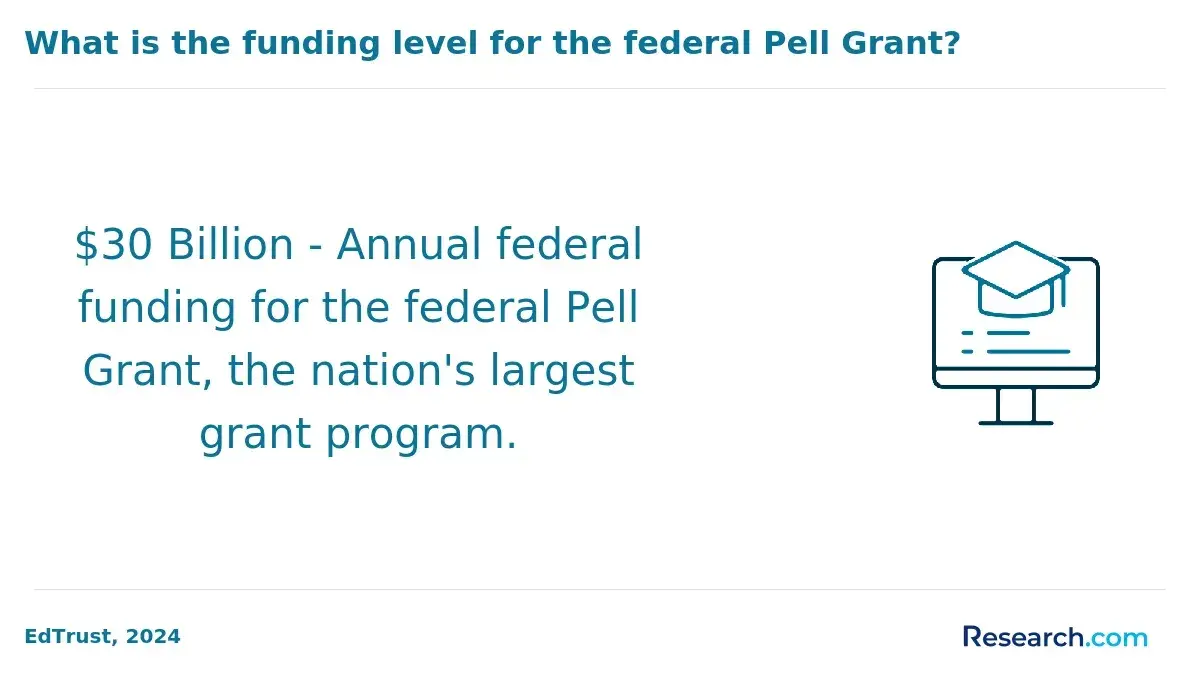
Financial aid options for adults completing an online illustration bachelor's degree remain broad and accessible. Federal Pell Grants continue to support qualifying learners with demonstrated financial need, while Direct Loans offer fixed interest rates and flexible repayment schedules tailored to working students.
Many states also provide grants designed specifically to encourage adult returners pursuing degree completion, thereby offsetting tuition expenses. Institutions frequently extend scholarships and fellowships targeted at non-traditional students completing an illustration degree online, recognizing the unique challenges adult learners face.
Employer tuition assistance programs are particularly beneficial for working adults. Under IRS Section 127, employers can provide up to $5,250 annually in tax-free educational assistance for undergraduate studies. This significant benefit helps reduce the financial burden of completing an illustration degree and is often embedded within corporate professional development initiatives.
Confirming eligibility and application procedures with your human resources department is essential to maximize this opportunity. Key financial aid steps prospective students should take include:
- File the FAFSA: Completing the Free Application for Federal Student Aid enables qualification for federal grants, loans, and many institutional funding programs.
- Explore State Grants: Investigate whether your state offers grants or tuition assistance tailored for adult learners returning to complete their degrees.
- Request Employer Benefits: Contact your employer to learn about tuition reimbursement programs and how to leverage Section 127 tax-free educational assistance.
- Apply for Scholarships: Search for scholarships and fellowships aimed at adult learners and those finishing degrees in creative disciplines like Illustration.
How Does Per-Credit-Hour Tuition for Online Illustration Completion Programs Compare Across Accredited Institutions?
Tuition per credit hour for online Illustration bachelor's degree completion programs typically ranges between $350 and $420 nationwide, based on NCES and IPEDS data. This benchmark aids prospective students in comparing the relative affordability of accredited institutions offering these programs.
However, ancillary fees such as technology fees, graduation fees, proctoring charges, and textbook costs can significantly increase the overall expenses beyond the published per-credit tuition. For example, some programs impose $200 to $500 annually for technology access, and proctoring fees can add up if many exams require online supervision.
The total credit hours required to complete the program also influence final costs. A lower per-credit tuition rate does not always equate to a cheaper degree if the program demands above-average credits due to limited transfer acceptance or additional course requirements. Working adults should evaluate both tuition rates and credit requirements thoroughly.
- Average Cost Benchmark: The per-credit tuition for online illustration programs averages between $350 and $420, offering a solid comparison point.
- Transfer Credit Impact: Programs accepting up to 90 transfer credits reduce total credits needed, lowering overall costs.
- Ancillary Fees Add Up: Fees for technology, graduation, proctoring, and textbooks can add several thousand dollars beyond tuition alone.
- Total Credit Hours Matter: Programs requiring more than 120 credits may offset lower per-credit tuition with additional coursework.
For those exploring affordable options, considering transfer policies, tuition models, and total credit hours is vital. Additionally, reviewing ABA approved paralegal programs online may offer insight into cost structures and accreditation standards that could inform your search for online illustration degree completion pathways.
What Prior Learning Assessment and Credit-by-Exam Options Exist in Online Illustration Degree Completion Programs?
Prior Learning Assessment (PLA) options provide a valuable route for working adults seeking to convert existing knowledge and skills into academic credit, helping to shorten the time needed to complete an online illustration degree. These options typically include credit-by-exam programs like CLEP and DSST, portfolio assessments, and credit awarded for military training through the American Council on Education (ACE) evaluation system.
Understanding credit-by-exam policies in illustration bachelor's degree programs is essential for maximizing these benefits.
- Credit-by-Exam Programs: CLEP and DSST exams allow students to demonstrate competency in specific subject areas, earning college credit without traditional coursework. Many online illustration completion programs accept these exams, often granting substantial credit toward degree requirements.
- Portfolio Assessment: Some programs offer portfolio reviews where students submit documented work or prior professional experience for academic credit. The most flexible institutions accept diverse evidence, including work samples, job descriptions, and reflective essays, with maximum credits often ranging from 15 to 30.
- Military and Corporate Training Credit: The ACE credit recommendation system evaluates military training and corporate education programs, facilitating credit transfer to participating institutions. This pathway is especially important for veterans pursuing degree completion while balancing work and service commitments.
- Documentation and Submission: Successful PLA requires detailed documentation of prior learning experiences. Applicants should prepare comprehensive portfolios with verified evidence, align submissions with institutional guidelines, and maintain clear communication with credit evaluators to ensure smooth assessment.
Working adults ready to complete their degrees should explore institutions with expansive PLA policies. For additional guidance on navigating policies at online colleges, consider resources focused on online colleges that accept 2.0 GPA.
How Do Asynchronous Schedules in Online Illustration Programs Accommodate Full-Time Working Professionals?
Fully asynchronous course delivery in online illustration completion programs allows students to complete assignments, participate in discussions, and take assessments at their convenience, accommodating any time zone or unpredictable work hours. This flexibility is ideal for adults balancing careers, caregiving, or travel, as it removes rigid class schedules and deadlines set at specific times.
Programs that are entirely asynchronous enable learners to progress independently, while synchronous programs require real-time attendance, which can challenge shift workers and frequent travelers. Hybrid formats combine both methods, offering some live sessions alongside on-demand content but may limit flexibility.
Schools utilizing eight-week course terms help students focus on fewer courses, easing workload management and providing a better balance between school and professional responsibilities.
- Flexible Scheduling: Asynchronous courses eliminate fixed class times, letting students choose when to engage with content, perfect for irregular work shifts.
- Course Structure: Assignments and discussions are designed to be accessible any time, enabling interaction with peers and instructors on a flexible timeline.
- Shorter Terms: Eight-week sessions reduce simultaneous coursework, helping students concentrate and maintain motivation amid busy lives.
- Digital Tools: Learners often rely on calendar apps, task managers, and note-taking software to stay organized and meet deadlines effectively.
- Engagement Trade-Offs: While asynchronous formats maximize convenience, they may reduce spontaneous discussions compared to synchronous classes.
What Concentrations and Career Tracks Are Available Within Online Illustration Degree Completion Programs?
Online illustration bachelor's degree completion programs typically embed various specialization tracks within the standard 120-credit curriculum. These concentrations generally do not require additional credit hours, helping students maintain affordable tuition costs and timely graduation.
- Digital Media Illustration: This track focuses on software and digital tools, preparing students for careers in animation, game design, and multimedia production. According to the Bureau of Labor Statistics (BLS), multimedia artists and animators earn median wages near $78,000, with steady job growth.
- Editorial and Publishing Illustration: Emphasizing visual content creation for books, magazines, and online media, this specialization suits aspiring freelance illustrators and content developers. Graphic designers in publishing roles typically earn around $53,000 annually, with consistent employment prospects.
- Medical and Scientific Illustration: Combining artistic ability with scientific knowledge, this niche supports careers in healthcare education and research communication. Graduates may pursue additional certification; median earnings in this field exceed $65,000, reflecting demand for specialized expertise.
- Concept Art and Character Design: Targeting film and video game industries, this pathway hones skills in visual storytelling and character development. Multimedia artists in this area can expect salaries from $60,000 to $90,000, varying by experience.
- Children's Book Illustration: Centered on narrative imagery for young audiences, this focus enhances storytelling abilities with potential for long-term freelance or published careers.
Choosing the right concentration involves balancing personal interests with labor market trends and software proficiency. Many programs also recognize transfer credits and military experience, ensuring flexible timelines for busy adults seeking impactful careers in illustration.
What Graduates Say About Online Illustration Bachelor's Degree Completion Programs for Working Adults
- Lennon: "The online illustration bachelor's degree offered a well-structured program that aligned perfectly with my prior college credits, making the transfer process seamless. I truly appreciated the program's accreditation, which gave me confidence that my degree would be respected professionally. The tuition model was transparent and affordable, allowing me to plan financially without surprises."
- Forest: "Reflecting on my experience, the ability to transfer most of my previous credits saved me significant time and effort. The program's emphasis on prior learning options validated my real-world experience, which was a major motivator. I now feel better equipped to advance my career, thanks to the strong reputation and accreditation standards upheld by the program."
- Leo: "As a working professional, the program's flexible approach to recognizing prior learning was invaluable. The streamlined credit transfer policy and clear tuition structure made completing my degree practical and affordable. Graduating opened new doors with employers who recognize the quality of this accredited illustration degree, positively impacting my career trajectory."
Other Things You Should Know About Illustration Degrees
Most programs require a portfolio with 10 to 20 original pieces that show drawing skill, visual problem-solving, and process work. Some schools also ask for a résumé, artist statement, or digital files in PDF format. Admission standards vary by institution, but portfolio review is common for upper-division transfer applicants.
Most online illustration completion programs offer dedicated academic advising tailored to transfer students and working adults. Support services typically include tutoring, writing assistance, and technical help to accommodate remote learning needs. Career services often feature virtual job fairs, portfolio reviews, internship placement assistance, and networking opportunities with industry professionals, designed to fit flexible schedules and professional commitments.
Applicants typically need an associate degree or equivalent credits in art or design, along with a portfolio demonstrating foundational skills in drawing and digital illustration. Some programs may waive certain requirements based on professional experience in the field.
To participate in a 2027 online illustration bachelor's degree completion program, you'll need a reliable computer, high-speed internet, and illustration software such as Adobe Creative Cloud. Some programs may also require a graphics tablet for art creation and assignments.
References
- Illustration Major - Top Illustration Program & Courses https://www.ringling.edu/academics/majors/illustration/
- Online Illustration Degree | Rocky Mountain College of Art + Design https://www.rmcad.edu/academics/program/online/illustration/
- Get Work or Life Experience Credit Toward Your Degree | SNHU https://www.snhu.edu/admission/transferring-credits/work-life-experience
- 2025 Most Affordable Online Colleges for Art Degrees https://www.onlineu.com/most-affordable-colleges/art-design-degrees
- Online Prior Learning Assessment (PLA) Programs | Colorado State University Global https://csuglobal.edu/admissions/transfer-students/alternative-credit-options/online-prior-learning-assessment-pla-programs
- Transfer Credits – Undergraduate https://campus.collegeforcreativestudies.edu/policy/transfer-credits-undergraduate/
- Bachelor of Creative Arts | Online Degree | Yorkville University https://www.yorkvilleu.ca/programs/bachelor-of-creative-arts-degree-online/
- Can I get financial aid for an online degree? | edX https://www.edx.org/resources/can-i-get-financial-aid-for-an-online-degree
- CAEL | Why Credit for Prior Learning (CPL) or Prior Learning Assessment (PLA) Matters https://www.cael.org/lp/cpl-pla
- Illustration Bachelor’s Program https://www.risd.edu/academics/illustration/bachelors-program