2027 Online Illustration Bachelor's Degree Programs With No Application Fee

Co-Founder and Chief Data Scientist
Many career changers hesitate to apply for online illustration bachelor's degree programs due to the added cost and uncertainty of application fees. This financial barrier often discourages talented individuals from pursuing their passion for digital art. Recent data shows that 42% of working professionals who considered shifting to illustration cited application fees as a primary obstacle in enrolling for accredited online programs.
Navigating this challenge is critical for those seeking a flexible and affordable education path. This article explores online illustration bachelor's programs that waive application fees, providing practical options for learners aiming to transition smoothly into Illustration careers without upfront financial burdens.
Key Benefits of Online Illustration Bachelor's Degree Programs With No Application Fee
- Comparing no-application-fee programs requires assessing accreditation, curriculum quality, and transfer credit policies to ensure alignment with academic and career goals in illustration.
- Evaluate total cost by combining tuition rates, financial aid availability, and fee waivers to build an affordable degree plan without hidden expenses.
- Research career outcomes and state licensure options specific to online illustration degrees to confirm the program supports your long-term professional aspirations.
What Does 'No Application Fee' Really Mean for an Online Illustration Bachelor's Program?
A waived application fee in online illustration bachelor's programs can mean either a permanent elimination of the fee or a temporary waiver valid only during specific admissions periods or with promotional codes. According to data from the National Center for Education Statistics (NCES), about 65% of accredited institutions offering these programs still charge an application fee, while roughly 35% have removed it permanently or offer consistent waivers. For example, Maryville University provides a no-application-fee policy through their admissions portal, California State University, Monterey Bay permanently waives the fee for fully online arts programs, and Southern New Hampshire University explicitly advertises no fees for its online bachelor's degrees including illustration. These distinctions matter when making a cost-aware shortlist for an online illustration bachelor's degree program because application fees add upfront costs that impact budgeting and program comparison. Being clear on the no application fee meaning for online illustration bachelor's programs helps students prioritize schools that reduce financial barriers early in the process. Additionally, students exploring affordable degree options may find useful strategies and program information beyond admissions fees in related areas like tuition comparisons and financial aid. For those considering other creative or arts-related fields online, reviewing fully online SLP master's programs can provide insight into financial accessibility in similar disciplines.
- Permanent Waivers: Some programs eliminate application fees as a fixed policy, simplifying initial cost planning and improving accessibility for cost-conscious students.
- Temporary Waivers: Fee waivers may be limited to certain enrollment periods or require special codes, meaning students must check deadlines and qualifications carefully.
- Statistical Context: NCES data indicates that while most programs still charge fees, a growing number of institutions are removing this barrier to enrollment.
- Institution Examples: Highlighting Maryville University, California State University, Monterey Bay, and Southern New Hampshire University shows clear options where no application fee is guaranteed or readily accessible.
Which Nationally and Regionally Accredited Schools Offer Online Illustration Bachelor's Degrees With No Application Fee?
Prospective students exploring nationally accredited online illustration bachelor's programs with no application fee can find quality options that balance cost and educational standards. Regional and national accreditation serve different purposes-regional accreditation by agencies like the New England Commission of Higher Education (NECHE) or Southern Association of Colleges and Schools Commission on Colleges (SACSCOC) is generally more prestigious and widely recognized for credit transfers and employer acceptance. National accreditation often applies to vocational or technical schools and may have more limited recognition outside specific career fields.
Below are examples of institutions offering online illustration degrees with waived application fees, drawn from College Scorecard and NCES College Navigator data. These programs allow cost-conscious students or career changers to pursue their education affordably while maintaining accreditation standards.
- Academy of Art University: Nationally accredited by the WASC Senior College and University Commission (WSCUC); estimated tuition approximately $70,000 total. The curriculum emphasizes practical skills in digital media and traditional illustration techniques.
- Southern New Hampshire University: Regionally accredited by the New England Commission of Higher Education (NECHE); estimated tuition around $38,000 for the full program. Offers flexible coursework in visual storytelling and concept development to support adult learners.
- Liberty University: Regionally accredited by the Southern Association of Colleges and Schools Commission on Colleges (SACSCOC); estimated tuition near $66,000 total. Focuses on fine arts fundamentals combined with digital illustration tools tailored for contemporary careers.
Students should always verify application fee policies directly with the institutions, as fee waivers can vary between admissions cycles. Additionally, evaluating transfer credit policies and financial aid options plays a vital role in creating an effective, affordable degree plan. For those interested in counseling or broader arts-related fields, exploring CACREP accredited programs may also provide complementary educational pathways.
2026 Update: Evaluating Curriculum Fit Before Applying
This 2026 update adds a practical way to compare no-application-fee online illustration bachelor’s programs by looking beyond the waived fee and focusing on how well the curriculum supports your creative goals.
- Whether courses cover the illustration areas you want, such as editorial, children’s books, concept art, comics, or advertising.
- How often students receive instructor and peer critiques on original artwork.
- Whether the program includes structured portfolio development before graduation.
- How much of the coursework is studio-based versus general lecture content.
- Whether assignments help students build finished pieces for professional use.
- Whether capstone projects, internships, or client-style briefs are part of the degree plan.
Checking curriculum fit helps students choose a no-fee program that is not only affordable to apply to, but also aligned with the kind of illustration career they want to build.
How Much Money Can Students Save by Choosing an Online Illustration Bachelor's Program With No Application Fee?
Applying to multiple online illustration bachelor's degree programs often comes with fees ranging from $25 to $75 per school. When students submit eight to ten applications, these expenses can total several hundred dollars. According to College Board data, the average application fee is about $41, meaning the upfront cost for ten applications could reach around $410. Selecting schools that charge no application fee can eliminate this initial burden, offering significant financial relief before tuition and other costs are considered.
Though $410 may appear small compared to the overall cost of a bachelor's degree-which can exceed $100,000 at private institutions according to the Georgetown Center on Education and the Workforce-this saving is particularly impactful for students with limited financial resources. Low-income and first-generation college applicants often face obstacles that compound with each application fee, so waivers help foster greater access and diversity within online illustration programs.
However, waiving application fees addresses only one part of the affordability equation. Prospective students should also evaluate tuition rates per credit hour, availability of grants or scholarships, credit transfer options, and additional expenses like materials or software required for illustration coursework. The absence of fees simplifies the beginning steps but does not remove the full financial challenges ahead.
- Real Dollar Savings: By avoiding fees between $25 and $75 for eight to ten applications, students can save $200 to $750, freeing funds for tuition or supplies.
- Reduced Barriers: Eliminating application costs lowers entry obstacles for low-income and first-generation students, supporting greater enrollment diversity.
- Degree Cost Context: Initial savings are modest relative to total degree expenses but provide valuable early financial relief.
- Part of Broader Affordability: No-application-fee policies should be weighed along with tuition, financial aid, and transfer credit policies when comparing programs.
When asked about his experience applying to an online illustration bachelor's program with no application fee, a professional reflected on the relief this brought. "Paying for every application would have added stress and made me second-guess some choices," he shared. Navigating the process without upfront fees allowed him to focus more on crafting strong portfolios and understanding program details rather than worrying about immediate costs. He described the no-fee application as a small but meaningful factor that helped keep his educational goals attainable during uncertain financial times.
Are Online Illustration Bachelor's Programs That Charge No Application Fee Accredited and Legitimate?
Many reputable institutions offering accredited online illustration bachelor's programs waive application fees to lower financial barriers, which does not imply reduced quality. Both regional and programmatic accreditation matter; regional accreditation signals overall institutional quality, while programmatic bodies may include organizations like ABET or ACBSP for related fields. Illustration programs might also align with accrediting agencies focusing on arts and design or institution-wide recognized bodies.
To ensure a program's legitimacy, students should verify accreditation status through reliable resources. Prospective students exploring accredited online illustration bachelor's programs without application fees can follow this checklist:
- Check CHEA Database: Confirm the institution's accreditation status by searching the Council for Higher Education Accreditation's database for recognized institutional or programmatic accreditation.
- Use Department of Education Tools: Verify that the school participates in federal financial aid programs using the U.S. Department of Education's institution lookup tool, a key indicator of credibility.
- Identify Accreditation Type: Focus on schools with regional accreditation, typically reflecting higher academic standards compared to national or unrecognized accreditors.
- Beware of Degree Mills: Recognize that some unaccredited institutions use no-application-fee policies to attract students without offering valid credentials.
By carefully examining accreditation, students can make informed decisions and avoid less reputable programs while pursuing an online illustration degree. For related fields such as business, it's helpful to also research specific degrees like a business administration online degree to compare institutional quality and accreditation practices.
What Are the Admission Requirements for Online Illustration Bachelor's Programs That Waive the Application Fee?
Most programs require a high school diploma or GED to qualify. This baseline credential remains essential even when the application fee is waived, ensuring applicants meet foundational academic standards. Other admission requirements include:
GPA Thresholds: A minimum GPA is typically expected, often between 2.5 and 3.0 on a 4.0 scale. This criterion helps admissions verify academic preparedness and commitment to coursework.
SAT/ACT Policies: Requirements for standardized tests vary widely. Some online programs have adopted test-optional policies to improve access, while others may recommend but do not mandate submitting scores.
Portfolio Requirements: Due to Illustration's creative focus, submitting an artistic portfolio is common. This step allows evaluators to assess specific talents beyond academic transcripts.
Admission Selectivity: Waiving application fees does not imply automatic acceptance. These programs may range from open admission to highly competitive, with rigorous standards maintained at many respected online Illustration degrees.
Acceptance Rates: Schools offering no-fee applications show acceptance rates that reflect overall institutional selectivity rather than fee policies. This means the absence of a fee does not necessarily make entry easier.
Rolling Admissions and Enrollment Flexibility: Many online programs feature rolling admissions and multiple start dates annually. Coupled with fee waivers, this system grants applicants greater freedom to apply when best suited.
One professional who graduated from an online Illustration bachelor's program with no application fee shared that while the lack of a fee lowered initial financial stress, the admissions process remained rigorous. She recalled the challenge of preparing a comprehensive portfolio that truly represented her skills, emphasizing that the program's standards ensured she was well-prepared for industry demands. Reflecting on her journey, she noted, "Not having to pay upfront made applying less intimidating, but I knew I had to prove myself through my work and academic record. That balance of accessibility and high standards was exactly what I needed to launch my career."
How Does Per-Credit-Hour Tuition at Online Illustration Bachelor's Programs Compare When the Application Fee Is Already Waived?
Online illustration bachelor's programs that waive application fees typically charge between $200 and $450 per credit hour, according to IPEDS and College Scorecard data. This range slightly exceeds the national average per-credit rate of around $300 for all online bachelor's disciplines. Waiving the application fee reduces upfront expenses but doesn't necessarily signal lower tuition rates overall.
Here's a comparison of sample institutions offering no-application-fee online illustration bachelor's degrees, listing per-credit costs, total credits needed, estimated tuition, and application fee status:
- Midwest State University: $220 per credit, 120 credits, approximately $26,400 total tuition, application fee waived.
- Coastal Arts College: $385 per credit, 120 credits, about $46,200 in total tuition, no application fee required.
- Western Creative Institute: $310 per credit, 126 credits, roughly $39,060 total tuition, application fee waived.
- Southern Visual Arts University: Flat-rate tuition of $7,500 per semester for 8 semesters, application fee waived.
- Eastern Illustration Academy: $450 per credit, 120 credits, estimated $54,000 tuition, no application fee charged.
- Great Plains Online College: $200 per credit, 120 credits, about $24,000 total tuition, application fee waived.
Some schools, like Southern Visual Arts University, offer flat-rate tuition per semester regardless of residency or credit load, providing predictable costs helpful for budgeting. Others charge by credit hour, which may increase total expenses if additional credits are necessary due to transfer policies or curriculum choices.
Waiving the application fee can ease initial financial barriers but does not guarantee the most affordable tuition. For instance, Great Plains Online College provides both a waived application fee and a low per-credit rate, while Eastern Illustration Academy waives fees but charges substantially more per credit. Prospective students should evaluate total program cost over fees alone.
- Tuition Range: Online illustration programs with no application fee generally charge $200 to $450 per credit, slightly above the wider online bachelor's program average.
- Flat-Rate Benefit: Flat-rate tuition models simplify budgeting and often treat all students equally, regardless of location or credit load.
- Fee Waiver Limits: Application fee waivers reduce immediate costs but don't necessarily influence overall affordability significantly.
- Trending Waivers: As of 2023, nearly 40% of online bachelor's programs nationwide have started waiving application fees, aiming to attract more applicants.
What Financial Aid and Scholarships Are Available for Online Illustration Bachelor's Students at No-Fee Programs?
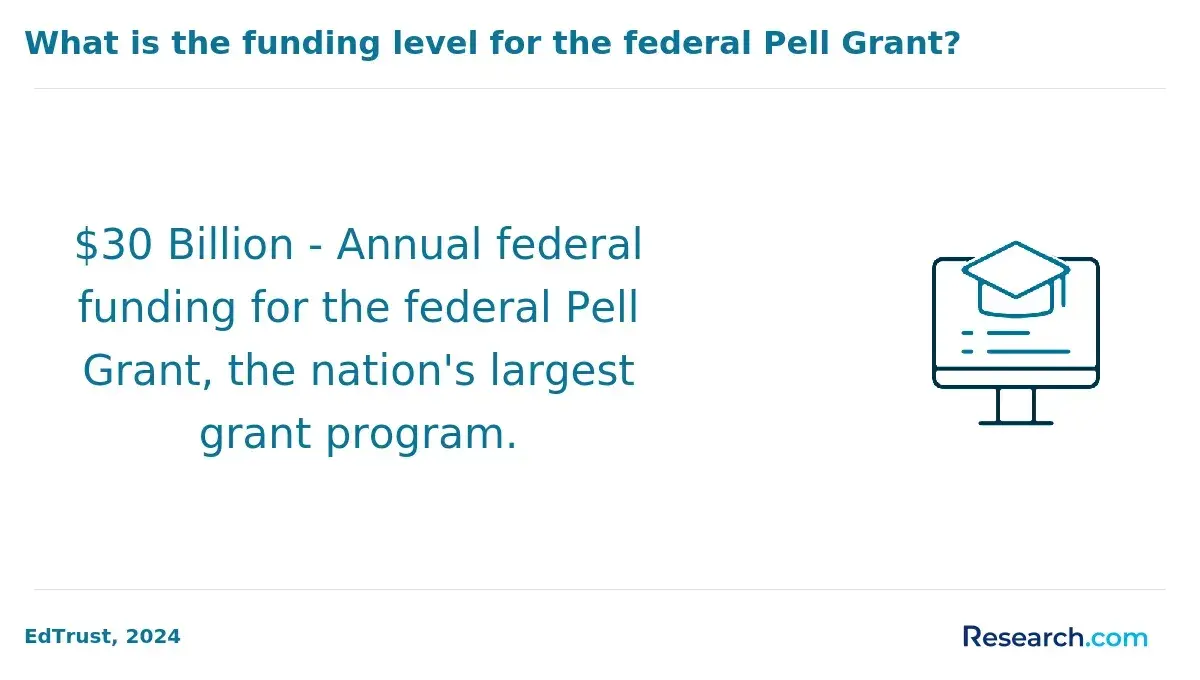
Federal Student Aid resources confirm that federal grants like the Pell Grant and subsidized or unsubsidized loans are available to students enrolled at any accredited institution, regardless of whether the school charges an application fee. This means students in online illustration bachelor's programs with no application fee remain fully eligible for federal financial aid.
Discipline-Specific Scholarships: Scholarships specifically targeting online illustration students come from various sources, including professional art organizations and institution-based grants. Utilizing third-party scholarship databases and searching with keywords such as "Illustration," "visual arts," or "digital art" helps identify relevant awards tailored to this field.
Employer Tuition Assistance: Many working adults pursuing online illustration degrees can benefit from employer tuition reimbursement programs. These often stack with institutional grants, making degree completion more affordable by significantly reducing out-of-pocket expenses for career changers and part-time students.
Early FAFSA Submission: Since financial aid availability is often first-come, first-served, submitting the FAFSA promptly is crucial. Early submission maximizes chances to secure federal grants and institutional scholarships, especially at no-fee illustration programs where funding may be limited for non-traditional students.
Contact Financial Aid Offices: Students are encouraged to reach out proactively to financial aid offices at their shortlisted no-fee online illustration programs. These offices provide updated information about institution-specific scholarships and new financial aid opportunities tailored for illustration majors.
Enrollment Trend: According to the National Center for Education Statistics, adults enrolling in online bachelor's degree programs have increased by 14% over the past five years, reflecting growing demand and the importance of accessible financial aid strategies for this population.
How Long Does It Take to Complete an Online Illustration Bachelor's Degree at a No-Application-Fee School?
Completing an online illustration bachelor's degree, typically requiring around 120 credit hours, varies in duration based on enrollment type and program design. Most students finish within four to six years at a traditional full-time pace, but no-application-fee schools often offer accelerated options that can shorten this timeline. For example, programs using year-round enrollment with trimesters or eight-week modules allow motivated students to finish in as little as two to three years.
- Standard Completion Time: Full-time students in semester-based programs generally take about four years. Part-time learners balancing work or family may extend studies to five or six years or more, depending on course loads each term.
- Accelerated and Flexible Scheduling: Many no-application-fee online illustration bachelor's programs utilize shorter terms and avoid long breaks, helping students progress faster through required credits.
- Asynchronous Course Delivery: The flexibility to access classes anytime empowers disciplined students to allocate study hours around their schedule, often enabling quicker degree completion.
- Credit Transfer and Prior Learning: Policies allowing transfer credits, competency-based education, and exams like CLEP can reduce total credits needed, making it easier for students to graduate sooner.
- Personalized Planning: Realistic timelines consider credit loads, program term length, and individual factors like work commitments and family obligations, which are crucial for managing progress toward graduation.
When exploring the average duration for no-application-fee online illustration bachelor's programs, it's important to evaluate program structure and your personal circumstances. Additionally, students interested in related fields might consider pathways such as an online masters in clinical psychology as part of broader career planning.
Can Transfer Students Apply for Online Illustration Bachelor's Degrees With No Application Fee?
Most online illustration bachelor's programs that waive application fees also welcome transfer students, offering a cost-efficient option for those with previous college experience. According to NC-SARA and NCES data, about 80% of institutions offering these programs have formal policies for evaluating transfer credits, which simplifies the path to degree completion for many learners.
- Transfer Credit Acceptance: Credits from community college courses, relevant prior bachelor's degrees, and military training often transfer smoothly. Highly specialized or outdated illustration coursework may not transfer due to curriculum differences.
- Evaluation Process: Schools typically assess official transcripts to determine how previous credits fit degree requirements. Prospective students should request a transfer credit evaluation early to clarify remaining courses and estimate tuition costs.
- Articulation Agreements: Many online illustration degree programs have established partnerships with community colleges that guarantee credit transfers. These agreements reduce uncertainty and expedite degree progress.
- Limitations on Credits: General education credits are usually the easiest to transfer, while specialized art courses require a close match with the institution's curriculum. Military training credits accepted usually have clear academic equivalencies.
Understanding these policies helps transfer students planning their education and finances, especially when exploring online illustration bachelor's degrees with no application fee transfer policies. Those seeking a more affordable route can also consider starting with 1 year associate degree programs online, which often build toward four-year illustration degrees. This strategic approach maximizes credit acceptance and keeps costs manageable.
Are Online Illustration Bachelor's Degrees With No Application Fee Recognized by Employers?
Employers increasingly value Illustration bachelor's degrees from regionally accredited institutions, regardless of whether they are earned online or on campus. Research from Georgetown CEW and employer surveys by SHRM show that accreditation status matters far more than delivery method when evaluating candidates. Degrees from unaccredited or lesser-known schools carry significantly less weight in hiring decisions.
In Illustration, specific program recognition and ties to professional groups such as the Society of Illustrators and the Association of Medical Illustrators can bolster a graduate's credibility. While no formal licensing exists, these affiliations signal quality and commitment to the field.
- Accreditation Matters: Employers prioritize regionally accredited degrees as benchmarks of educational quality and reliability, making this a crucial factor when choosing a program.
- Delivery Mode Less Relevant: SHRM data indicate the choice between online and in-person formats has minimal impact on employer perceptions if the school is properly accredited.
- Programmatic Recognition: Association memberships and program-specific reputations can further validate an Illustration degree beyond institutional accreditation.
- Presenting Your Degree: Clearly identify your accredited online Illustration degree on resumes and in interviews. Emphasize both institutional credibility and your portfolio to strengthen employer confidence.
What Technology Requirements and Online Learning Tools Are Used in No-Fee Online Illustration Bachelor's Programs?
- Stable Internet Connection: A dependable high-speed broadband is necessary to support streaming, live critiques, and timely uploads. Interruptions or slow speeds can hinder participation in synchronous classes and delay assignments.
- Modern Computer Hardware: Prospective students should use a current laptop or desktop with enough processing power and memory to efficiently run resource-intensive illustration software and handle multitasking with high-resolution files.
- Camera and Audio Equipment: A functional webcam and microphone are essential for virtual classroom engagement, enabling real-time communication with instructors and classmates in live sessions.
- Learning Management Platforms: Programs commonly utilize systems like Canvas, Blackboard, and D2L to organize course content, collect assignments, and facilitate communication. These platforms offer intuitive navigation to simplify access to materials, grades, and feedback.
- Illustration Software: Tools such as Adobe Creative Cloud (Photoshop, Illustrator), Corel Painter, or Procreate are typically required. Access may be included via cloud licenses in tuition or necessitate separate purchase, so students should plan accordingly.
- Virtual Labs and Simulations: Some online degrees provide digital studios or simulated art environments that may be cloud-based or downloadable. Availability and potential extra fees vary by institution.
- Budgeting for Technology: Aside from tuition, ongoing costs for software licenses, hardware upgrades, and virtual lab access can significantly influence overall affordability and should be factored into financial decisions.
What Graduates Say About Their Online Illustration Bachelor's Degree Programs With No Application Fee
- Noel: "Choosing an online illustration bachelor's degree program with no application fee was a game-changer for me because it removed the initial financial barrier, allowing me to explore my passion without stress. The affordable tuition made the entire experience even more accessible and manageable as I switched careers. Since graduating, I've landed a role at a major creative agency, and I genuinely feel this degree paved the way."
- Forest: "Reflecting on my journey, the no application fee policy was a subtle but important factor that encouraged me to apply without hesitation. The cost-effectiveness of the online illustration bachelor's degree helped me balance work and study without incurring heavy debt. Professionally, it's been rewarding to deepen my skill set and gain credibility in a new industry, which has opened unexpected opportunities."
- Leo: "I was drawn to the online illustration bachelor's program primarily because it was structured to fit around my busy schedule as a working professional. Not having to pay an application fee was a refreshing relief that showed the program's accessibility. Completing the degree has not only boosted my confidence but also significantly expanded my network and project portfolio, accelerating my career shift successfully."
Other Things You Should Know About Illustration Degrees
No-application-fee online illustration programs often use the waived fee as part of a broader strategy to reduce barriers to enrollment. By eliminating this upfront cost, these programs attract a wider range of students, including those who may hesitate due to financial constraints. Many also offer dedicated advising, tutoring, and peer networking opportunities tailored to illustration students, which improves engagement and helps maintain retention throughout the program.
When comparing programs that do not charge an application fee, students should focus on factors beyond cost savings. Key considerations include the program's accreditation status, faculty expertise in illustration, curriculum depth including software training and portfolio development, transfer credit policies, and availability of financial aid. Additionally, understanding the program's flexibility, student support services, and career placement resources is critical to making an informed choice.
Students should prioritize factors like accreditation, curriculum quality, faculty expertise, and student support services. It's also vital to read reviews and compare the transfer credit policies and cost per credit hour, ensuring the program aligns with career ambitions and learning preferences.
References
- MA Illustration (Online) https://aub.ac.uk/graduate-courses/ma-illustration-online
- Impact Bachelor of Science Tomorrow University https://www.tomorrow.university/impact-bachelor-of-science
- World's Largest platform as University Common Application https://www.planstudyabroad.uniagents.com/course-details.php
- Should you do an (online, part time) MA in Illustration? – Ottilia Scribbles https://ottiliastephens.com/2019/11/28/should-you-do-an-online-part-time-ma-in-illustration/
- Maximizing Your Educational Opportunities with Online Courses and Low Application Fees https://www.flomaxio.com/learning/maximizing-your-educational-opportunities-with-online-courses-and-low-application-fees
- How to Apply | ECU https://ecuad.ca/degree-programs/undergraduate/apply/
- 12 Digital Illustration Courses in 2025 for Beginners | Blog | Domestika https://www.domestika.org/en/blog/3749-12-digital-illustration-courses-in-2025-for-beginners
- affordable online illustration degree: Learn & Grow https://www.accio.com/biz-cheap/affordable-online-illustration-degree
- Illustration Bachelor’s Program https://www.risd.edu/academics/illustration/bachelors-program
- Online Illustration Degree | Rocky Mountain College of Art + Design https://www.rmcad.edu/academics/program/online/illustration/