2027 Regional vs National Accreditation for Online Illustration Bachelor's Degrees

Co-Founder and Chief Data Scientist
Considering an online illustration bachelor's degree, a prospective student weighs the benefits of choosing a regionally accredited program versus a nationally accredited one. The student worries whether credits earned will transfer smoothly to a graduate program or a different institution if needed. Employer recognition also factors heavily into the decision, alongside concerns about the academic rigor of each accreditation type. Nearly 40% of online illustration graduates report challenges in transferring credits, highlighting the importance of accreditation in long-term educational planning. This article explores the distinctions between regional and national accreditation, focusing on how these differences affect academic standards, transferability, and career prospects for illustration students.
Key Benefits of Regional vs National Accreditation for Online Illustration Bachelor's Degrees
- Regional accreditation offers broader recognition and higher perceived credibility, enhancing job prospects in creative industries compared to many nationally accredited online Illustration programs.
- Credits from regionally accredited schools are more widely transferable, and their degrees better support admission into competitive graduate Illustration programs.
- National accreditation may suit career-focused students seeking quicker entry into specific Illustration fields, while regional accreditation better supports long-term academic and professional advancement.
What Is the Difference Between Regional and National Accreditation for an Online Illustration Bachelor's Degree?
Regional and national accreditation represent two distinct frameworks for evaluating colleges and universities offering online illustration bachelor's degrees. Regional accreditation is granted by agencies overseeing institutions within specific U.S. geographic areas and emphasizes rigorous academic standards, comprehensive institutional review, and a strong focus on traditional educational quality. In contrast, national accreditation typically applies to institutions operating on a nationwide level, often concentrating on career-oriented, vocational, or technical programs with more flexible standards. This distinction influences the overall academic scope and institutional focus of the programs offered. Notably, about 38% of postsecondary students enroll in online courses, which highlights the growing importance of understanding the differences between regional and national accreditation in illustration programs.
The practical impact of accreditation type largely affects recognition of degrees, transferability of credits, and acceptance by employers or graduate schools. Regionally accredited institutions generally enjoy broader recognition and smoother credit transfer, crucial for students planning to continue their education or switch schools. Nationally accredited schools, while valid, usually prioritize workforce readiness and may face limitations in academic credit acceptance and employer prestige. This difference is significant for those seeking a degree that offers flexibility in academic and professional advancement. For adults exploring their educational options, finding reputable online classes for adults with appropriate accreditation ensures alignment with long-term goals in illustration fields.
Which Agencies Provide Regional Accreditation for Online Illustration Bachelor's Degrees?
Regional accreditation in the United States is granted by a limited number of recognized accrediting bodies that evaluate colleges and universities to ensure they meet high academic quality and institutional standards. Around 60% of U.S. higher education institutions hold regional accreditation, considered the gold standard for academic quality. This form of accreditation significantly impacts credit transfer, graduate school acceptance, and career opportunities for students pursuing online illustration bachelor's degrees.
The main regional accrediting agencies responsible for accrediting institutions offering online illustration bachelor's degrees include:
- Middle States Commission on Higher Education (MSCHE): Accrediting schools primarily in Delaware, the District of Columbia, Maryland, New Jersey, New York, Pennsylvania, and Puerto Rico, MSCHE emphasizes continuous academic excellence and institutional improvement.
- New England Commission of Higher Education (NECHE): Covering Connecticut, Maine, Massachusetts, New Hampshire, Rhode Island, and Vermont, NECHE focuses on educational effectiveness and institutional integrity for its accredited institutions.
- Higher Learning Commission (HLC): Serving the central U.S. states including Illinois, Indiana, Iowa, Michigan, Minnesota, Missouri, Nebraska, North Dakota, Ohio, South Dakota, and Wisconsin, HLC ensures rigorous quality assurance in higher education.
- Southern Association of Colleges and Schools Commission on Colleges (SACSCOC): Overseeing accreditation in Alabama, Florida, Georgia, Kentucky, Louisiana, Mississippi, North Carolina, South Carolina, Tennessee, Texas, and Virginia, SACSCOC stresses institutional mission and student achievement.
- Western Association of Schools and Colleges Senior College and University Commission (WSCUC): Accrediting institutions in California, Hawaii, and Pacific territories, WSCUC maintains high educational standards suitable for bachelor's degree programs.
- Northwest Commission on Colleges and Universities (NWCCU): Covering Alaska, Idaho, Montana, Nevada, Oregon, Utah, and Washington, NWCCU supports academic quality and mission fulfillment across schools in its region.
Each of these bodies provides regional accreditation for online programs, including illustration bachelor's degrees, in their respective areas. Students evaluating online illustration options should confirm that the institution's accrediting agency is regionally recognized to ensure their degree meets rigorous academic criteria trusted nationwide. For those comparing costs, exploring resources on online executive MBA cost and accreditation can be helpful when making informed decisions about their education.
Regional accrediting agencies for online illustration bachelor's degrees in the United States continue to set the standards for academic quality and institutional credibility, particularly for art and design programs seeking national recognition and transferability of credits.
What Are the Main National Accrediting Bodies for Online Illustration Bachelor's Degree Programs?
National accreditation is typically awarded by agencies overseeing career-focused, technical, or specialized institutions across the U.S. These accreditors often serve schools aimed at non-traditional students and those seeking direct career entry. According to the Council for Higher Education Accreditation (CHEA), nationally accredited institutions represent a substantial segment of American postsecondary education, particularly in practical fields like illustration.
The primary national accrediting agencies relevant to online illustration bachelor's degree programs include:
- The Accrediting Commission of Career Schools and Colleges (ACCSC): Accredits career-oriented schools offering specialized programs, including art and design, with an emphasis on practical skills for workforce readiness.
- The Distance Education Accrediting Commission (DEAC): Focuses on accrediting distance education providers, ensuring quality and accessibility for online learning programs such as illustration.
- The Council on Occupational Education (COE): Accredits occupational institutions offering career and technical training, including applied arts curricula designed to equip students with immediate job skills.
- The National Association of Schools of Art and Design (NASAD): While primarily a specialized accreditor, NASAD's standards are widely recognized by national accrediting bodies for maintaining quality in art and design education.
These national accrediting organizations guarantee that schools meet essential educational standards, especially in hands-on and career-centered programs like online illustration degrees.
How Do Admission Requirements Vary by Accreditation Type for an Online Illustration Bachelor's Degree?
Admission standards for regionally accredited online illustration bachelor's programs often require applicants to present a high school diploma or equivalent and submit transcripts demonstrating strong academic performance in relevant subjects. Candidates are usually asked to provide standardized test scores, letters of recommendation, a personal statement, and an artistic portfolio that highlights their skills. These programs are generally selective, attracting students who meet elevated academic criteria. For instance, data show that around 65% of enrollees at regionally accredited schools nationwide meet or exceed average GPA expectations, reflecting the competitiveness of the admission process. This level of rigor ensures that students are academically prepared for the program's demands.
In contrast, nationally accredited institutions typically offer more inclusive admission policies designed to accommodate a broader range of applicants. These programs prioritize accessibility and flexibility, often requiring only proof of high school completion or a GED. Standardized tests and extensive application materials may not be necessary, and portfolios, when requested, are evaluated with more leniency. This openness allows students who may have nontraditional educational backgrounds or need a less stringent entry process to pursue an online illustration degree with fewer obstacles, expanding educational opportunities for diverse learners.
When asked about how admission requirements affected her experience, a graduate from an online illustration bachelor's program shared that she initially felt overwhelmed by the application demands at her regionally accredited school, especially the pressure of assembling a polished portfolio. However, she appreciated the clear expectations and felt that meeting them boosted her confidence. Reflecting positively, she said, "Navigating the process taught me discipline and gave me an early sense of professional standards." This experience contrasted with friends who enrolled in nationally accredited programs, where a more straightforward application helped them start sooner but required more self-motivation to handle the coursework independently.
How Does Online Illustration Bachelor's Degree Tuition Differ by Accreditation Type?
Tuition costs for online illustration bachelor's degree programs fluctuate based on accreditation type, institutional structure, and program design. Nationally accredited programs often have lower sticker prices, while regionally accredited institutions typically charge more, reflecting distinct funding models. For example, average annual tuition for public four-year regional schools is about $10,900 for in-state students. This pricing difference impacts what students might expect to pay overall for their education.
- Pricing Models: Regionally accredited programs usually charge tuition by semester and may include fees for technology or labs, while nationally accredited schools often use per-credit pricing with fewer included services.
- Cost Ranges: Total tuition for regionally accredited illustration degrees generally falls between $20,000 and $40,000, whereas nationally accredited programs tend to range from $15,000 to $30,000.
- Included Services: Regional programs often bundle academic advising and library access in tuition costs, whereas national programs may charge extra for course materials or support.
- Value Considerations: Although national programs may appear more affordable, students should consider credit transferability and employer recognition, which are typically stronger with regional accreditation.
- Comparison Insight: When evaluating costs, prospective students might also look at fields like the online cybersecurity degree market, which similarly reflects tuition disparities linked to accreditation.
Can I Get Financial Aid for Both Types of Accredited Online Illustration Bachelor's Degrees?
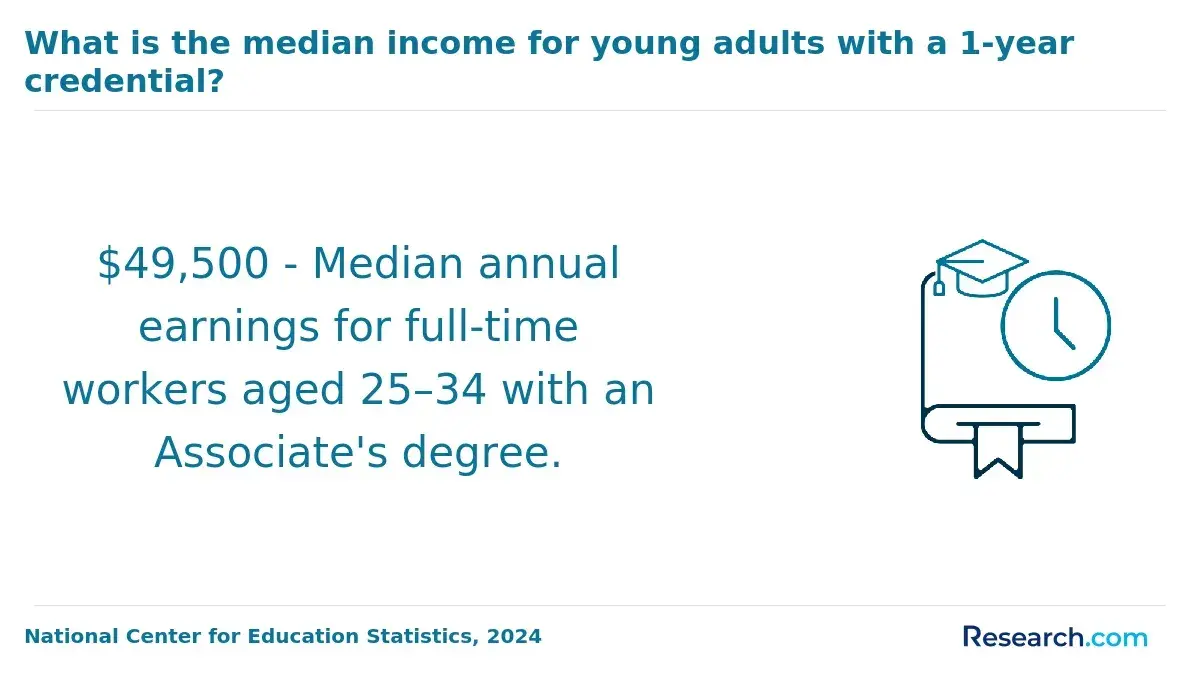
Financial aid options for online illustration bachelor's degrees differ based on whether a school holds regional or national accreditation and on the institution's participation in federal and state aid programs. Nearly 85% of full-time undergraduates benefit from some form of financial assistance, reflecting its importance in higher education access. These differences shape the types and amounts of aid students can receive.
- Pell Grants: These grants are predominantly accessible to students attending regionally accredited institutions or nationally accredited ones approved by the U.S. Department of Education. Students enrolled in nationally accredited schools without this approval typically cannot receive Pell Grants.
- Federal Student Loans: Federal loans are readily available to those in regionally accredited programs, while nationally accredited programs must be Title IV eligible to qualify. This restricts loan access for some nationally accredited online illustration students.
- Work-Study Programs: Work-study options are mainly offered through regionally accredited institutions because federal funding guidelines often limit participation to these schools. Students in nationally accredited programs may have fewer opportunities for this type of aid.
- State Aid and Scholarships: State-specific financial aid frequently prioritizes regionally accredited schools, although some states extend support to nationally accredited schools that meet local requirements. Private scholarships vary in their criteria but often favor regionally accredited enrollment.
Can I Transfer Credits From a Nationally Accredited to a Regionally Accredited Online Illustration Bachelor's Degree?
Transferring credits from a nationally accredited to a regionally accredited online illustration bachelor's degree can be difficult but not entirely impossible. Transferability largely depends on institutional policies, course equivalency, and the recognition of accreditation standards, with regionally accredited schools often applying stricter criteria. Schools typically review course content, grades, and the accreditation status of the previous institution, and they assess whether the coursework matches their academic rigor and curriculum requirements. A common trend is that regionally accredited institutions accept fewer credits from nationally accredited programs, sometimes requiring students to retake courses to meet their standards. Though challenging, some schools may consider professional experience or portfolio assessments on a case-by-case basis to determine credit acceptance.
When I asked a student currently enrolled in an online illustration bachelor's degree about transferring credits from a nationally accredited program, he described the process as "frustrating and slow." He explained that his registrar's office required detailed course descriptions and syllabi, and he often found himself uncertain whether a credit would transfer until given formal approval. "It felt like starting over for some classes, even though I had covered similar material," he said, emphasizing the emotional toll and extra effort required to navigate the credit evaluation process. His experience highlights how persistence and careful documentation can be crucial when attempting such transfers.
Does Accreditation Type Affect Job Opportunities After an Online Illustration Bachelor's Degree?
Accreditation type can influence how employers view online illustration bachelor's degrees, though its impact varies across industries and hiring practices. Research indicates that approximately 85% of employers prefer candidates holding degrees from regionally accredited institutions, seeing it as evidence of rigorous academic standards. This trend plays a role in hiring filters and industry expectations for candidates with illustration credentials.
- Employer Perception: Regional accreditation is often viewed as more comprehensive, which can enhance how graduates are perceived, especially in competitive creative roles. National accreditation may be seen as less rigorous by some employers, affecting initial resume screenings.
- Industry Expectations: Fields that emphasize artistic skill coupled with foundational training tend to value degrees from regionally accredited programs more highly. However, some vocational-focused employers accept nationally accredited degrees as sufficient for practical illustration work.
- Hiring Filters: Automated screening systems and HR policies often prioritize regional accreditation, narrowing candidate pools early. This can influence opportunities for those with nationally accredited online illustration degrees, particularly in larger organizations.
- Role-Specific Requirements: Contract or education-related illustration positions may require certain accreditation types to meet eligibility standards. Still, a strong professional portfolio frequently weighs heavily and can sometimes outweigh accreditation concerns.
- Career Opportunities: Considering the impact of regional vs national accreditation on illustration job prospects helps prospective students choose programs aligned with their goals. Building practical skills alongside formal credentials remains essential to succeed.
Students exploring career opportunities with online illustration bachelor's degree accreditation should also evaluate pathways for advance study or accelerated learning options. For example, pursuing a masters degree in 6 months can be a strategic next step for strengthening qualifications and improving job market competitiveness.
Will Accreditation Affect Eligibility for Advanced Degrees After an Online Illustration Bachelor's Degree?
Accreditation type significantly impacts eligibility and admissions considerations for advanced degree programs after completing an online illustration bachelor's degree. Approximately 90% of U.S. graduate schools prefer applicants with degrees from regionally accredited institutions due to their recognized academic rigor. This widespread preference influences both admissions decisions and credit transfer policies when pursuing graduate education.
- Admissions Recognition: Regional accreditation is broadly accepted, making it easier for students with an illustration bachelor's degree from such colleges to gain admission to master's or doctoral programs. Conversely, many graduate schools have restrictive policies regarding degrees from nationally accredited institutions, which may limit or complicate admission options.
- Credit Evaluation: Graduate programs often scrutinize credits from nationally accredited schools more critically, sometimes denying transfer credits for prerequisite or foundational courses. This can extend the time needed to complete advanced degrees compared to credits earned through regionally accredited programs.
- Institutional Policies: Some graduate schools allow admission from nationally accredited institutions but require additional coursework to address perceived gaps in academic preparation. This reflects the focus of national accreditation on vocational or technical training rather than comprehensive academic standards.
- Variability Among Schools: Policies vary widely; certain graduate programs independently assess the quality of undergraduate programs beyond accreditation type. Therefore, outcomes for students with nationally accredited degrees can differ substantially depending on the institution.
Students considering an online illustration bachelor's degree should carefully weigh the differences between national and regional accreditation, especially if planning to pursue most worthwhile masters degrees or doctoral programs. Understanding the impact of national vs regional accreditation on advanced degree eligibility can help ensure a smoother academic and professional pathway.
How Do I Choose Between Regional vs National Accreditation for an Online Illustration Bachelor's Degree?
When comparing regional and national accreditation for an online illustration bachelor's degree, students should weigh several important factors. Regional accreditation is widely recognized by most universities and tends to facilitate credit transfer and acceptance into graduate programs, making it a preferred option for those planning further academic pursuits. National accreditation often targets career-oriented or vocational schools and may offer specialized programs but is less commonly accepted by traditional institutions. Considering the program's flexibility and relevance to current industry practices is also vital, as illustration blends creative skills with theoretical knowledge. Notably, research indicates that nearly 40% of prospective college students are unaware of differences between accreditation types, underscoring the need for careful evaluation.
To choose wisely, students should start by verifying a school's accreditation through official government or accreditation body databases, ensuring the agency is recognized. It's crucial to review the institution's credit transfer policies since regionally accredited programs typically support smoother credit mobility, beneficial for those who might switch schools or pursue graduate studies later. Students should also align their choice with long-term goals, assessing whether a program's accreditation status supports their academic or professional plans. Taking these steps equips students to make informed decisions about the best educational path for an online illustration degree.
What Graduates Say About Regional vs National Accreditation for Online Illustration Bachelor's Degrees
- Lennon: "Choosing a regionally accredited online illustration bachelor's program was essential for me because I wanted credentials widely recognized by employers and graduate schools. The flexibility of the online format allowed me to balance work and study, although it required strong self-discipline. Completing an accredited program ultimately gave me confidence and credibility in my freelance illustration career."
- Forest: "Reflecting on my experience, the national accreditation of my online illustration bachelor's degree provided a solid foundation, but I often wondered about the recognition compared to regional accreditation. The program's virtual studio environment was a unique challenge, encouraging me to develop digital collaboration skills. In the end, the degree opened doors to a creative agency role that values practical skills backed by accredited education."
- Leo: "Pursuing a regionally accredited online illustration bachelor's degree was a deliberate choice to ensure my education met rigorous academic standards. Although the distance format initially felt isolating, the curriculum's structure and expert faculty support helped me stay engaged. This degree has been a crucial asset in securing a teaching position at an art school and advancing my professional portfolio."
Other Things You Should Know About Illustration Degrees
In 2027, accreditation type significantly influences the perceived quality of online illustration bachelor's degrees. Regionally accredited programs are often considered more prestigious, focusing on academic rigor. They also tend to have more favorable credit transfer policies compared to nationally accredited programs, which may be viewed as more career-focused and less academically intensive.
Yes, attending a regionally accredited online illustration bachelor's degree program often makes students eligible for a wider range of professional certifications and memberships in industry organizations. Many certification bodies prefer candidates with degrees from regionally accredited institutions, as these schools typically meet more rigorous academic standards.
Pursuing graduate studies with a nationally accredited online illustration degree can be challenging because many graduate programs prefer applicants from regionally accredited schools. Students with nationally accredited degrees may need to provide additional documentation or take extra prerequisite courses to meet graduate admission requirements.
References
- What Global Employers Really Think About Online Degrees https://edutech.global/global-employer-view-on-online-degrees/
- Accreditation: National vs Regional Comparison | Online Learning https://uoflonline.com/2015/04/accreditation-national-vs-regional-comparison/
- Digital Illustration Program | Bachelor Degree of Digital Art https://www.cgspectrum.com/courses/digital-illustration-program
- Accredited Institutions - National Association of Schools of Art and Design https://nasad.arts-accredit.org/directory-lists/accredited-institutions/
- The Safest Way to Finance an Online Bachelor’s Degree in 2026 https://www.collegetransitions.com/blog/how-to-finance-an-online-bachelors-degree/
- Online Illustration Degree | Rocky Mountain College of Art + Design https://www.rmcad.edu/academics/program/online/illustration/
- BA Hons Illustration Enrolment Form https://www.oca.ac.uk/courses/ba-illustration/
- Unlocking the Benefits of Regional Accreditation for Online Universities https://www.continents.us/benefits-of-regional-accreditation-for-online-universities/
- If you want a graphics design degree is it better to go to a nationally or regionally accredited school? - Answers https://www.answers.com/Q/Is_it_best_for_a_school_to_be_regionally_or_nationally_accredited
- Regional Vs. National Accreditation - There's A Huge Difference - EDsmart https://www.edsmart.org/regional-vs-national-accreditation/