2027 Online Illustration Bachelor's Degree Programs Under $10,000

Co-Founder and Chief Data Scientist
Many aspiring artists face the challenge of obtaining a bachelor's degree in illustration without incurring overwhelming debt. Traditional programs often exceed $30,000 annually, making affordable options scarce. However, budget-conscious students who need flexible schedules can find accredited online illustration bachelor's degrees under $10,000 that combine quality education with cost efficiency. According to recent data, nearly 40% of students seeking online art degrees prioritize affordability and flexibility as their top factors.
This article explores these affordable online illustration degree programs and offers guidance on selecting the best fit, helping readers acquire relevant skills while managing expenses effectively.
Key Things to Know About Online Illustration Bachelor's Degree Programs Under $10,000
- Online illustration bachelor's degrees under $10,000 significantly reduce student debt, allowing for faster financial recovery post-graduation and less reliance on loans.
- These programs often provide strong return on investment by balancing affordable tuition with industry-relevant skills that enhance graduate employability and earning potential.
- Flexible scheduling, credit transfer options, and recognition of prior learning support working adults and military learners, accommodating diverse needs without prolonging time to degree completion.
What Are the Most Affordable Accredited Online Illustration Bachelor's Degree Programs Under $10,000?
Online bachelor's degree programs listed as "under $10,000 total" typically indicate the entire tuition needed to complete the degree is less than $10,000, excluding extra costs like fees, books, and supplies. This figure is usually derived by multiplying the per-credit rate by the credit hours required, often around 120 to 130 credits for a bachelor's degree. For working adults and first-generation college students seeking affordable options, accreditation is a vital consideration. It ensures the program meets quality standards in curriculum and student support, affects eligibility for federal aid, and influences credit transferability.
Regional accreditors such as the Higher Learning Commission (HLC), Southern Association of Colleges and Schools Commission on Colleges (SACSCOC), and Middle States Commission on Higher Education (MSCHE) endorse many budget-friendly online programs, while programmatic accreditation specific to Illustration is less common at this price point.
Institutions offering fully accredited online bachelor's degrees in illustration or related visual arts under $10,000 total include:
- Western Governors University: NWCCU-accredited; competency-based model; tuition about $3,920 annually; around 120 credits with transfer credit options.
- Fort Hays State University: HLC-accredited; Bachelor of Arts in Visual Arts focusing on illustration; roughly $230 per credit for 120 credits, totaling near $8,700.
- East Central University: SACSCOC-accredited; Bachelor of Fine Arts emphasizing illustration; approximately $190 per credit hour with 124 credits required.
- Delta State University: SACSCOC-accredited; online arts degree featuring illustration; tuition about $228 per credit for roughly 120 credits.
- Columbia College: MSCHE-accredited; Bachelor of Arts in Graphic Design with illustration coursework; tuition around $252 per credit for 120 credits, totaling close to $8,000.
- Minot State University: HLC-accredited; Bachelor of Arts in Art with illustration options; in-state tuition roughly $85 per credit, keeping total under $10,000.
- University of the People: DEAC-accredited; tuition-free but charges per assessment fees; total costs under $5,000; limited illustration-specific courses but virtual arts study available.
The best value online illustration bachelor's degrees with flexible transfer credit options can significantly reduce time and cost to degree completion, making them attractive for budget-conscious learners. Compared to mid-range priced programs, these ultra-low-cost degrees generally offer fewer specialized resources, smaller faculty-to-student ratios, and less access to industry technology and networking. However, graduates can still achieve strong career outcomes by leveraging transfer credits and prior learning assessments. For those seeking more information on affordable accredited online options, exploring online schools that accept fafsa is a valuable next step.
How Do Tuition Costs for Online Illustration Bachelor's Programs Under $10,000 Compare Across Public and Private Universities?
When comparing tuition costs for online illustration bachelor's programs costing under $10,000, public and private nonprofit universities exhibit distinct pricing patterns shaped by several factors. These differences significantly affect affordability and program accessibility for students seeking affordable illustration bachelor's programs at public and private universities.
- Tuition Rates: Public universities benefit from state funding, allowing them to offer lower per-credit tuition, sometimes as low as $150 for in-state students. Conversely, private nonprofits typically charge between $200 and $350 per credit but may still keep total costs below $10,000 through program efficiency.
- Total Program Cost: Private nonprofits often design faster completion tracks or require fewer credits, balancing their higher per-credit charges. This approach can narrow the cost gap with public institutions despite less state financial support.
- State Subsidies: Public universities rely on state budgets to maintain favorable pricing for residents. Private nonprofits don't have this advantage, instead using tuition revenue and endowments to fund competitive online-specific program models.
- Enrollment Size and Economies of Scale: Larger public universities enroll more online students, spreading operational expenses and allowing lower tuition. Smaller private nonprofits face higher per-student costs, offsetting this through targeted funding and specialized curricula.
- Program Delivery Format: Both sectors leverage online platforms to reduce campus costs. Private nonprofits may invest more in personalized learning experiences and digital tools that justify tuition rates yet remain affordable by limiting credit hours.
- Financial Aid and Transfer Policies: Private nonprofits often provide robust financial aid and accept more transfer credits or prior learning assessments, reducing time-to-degree and overall cost. Public programs vary by state, sometimes offering in-state tuition advantages unavailable at private nonprofits.
- Accreditation and Quality Assurance: Both types of institutions maintain accreditation, ensuring credible program standards. Prospective students should verify accreditation status when evaluating cost differences to ensure long-term value.
Students exploring online illustration bachelor's degree tuition comparison may also consider related fields and financing options. For instance, exploring marriage and family therapy master's programs can provide insights into financial aid and transfer policies applicable across online degrees.
What Is the Typical Duration of an Online Illustration Bachelor's Degree Under $10,000, and How Can Students Graduate Faster?
Most online illustration bachelor's degree programs require around 120 credit hours, usually completed over four years of full-time study. This period follows traditional academic structures, blending general education with core illustration courses. In contrast, highly affordable programs priced below $10,000 often use alternative calendars and teaching models to lower costs while enabling quicker completion.
- Credit Requirements: Accredited programs maintain the 120-credit standard to ensure students receive thorough training in illustration principles and electives that prepare them for the workforce.
- Accelerated Terms: Budget-friendly schools frequently implement eight-week terms instead of conventional 15-week semesters, allowing students to enroll in more courses annually and shorten their program duration.
- Year-Round Enrollment: Continuous sessions-including summer and winter terms-help learners maintain steady progress without extended breaks, reducing overall study time and tuition expenses.
- Competency-Based Learning: Some institutions let students advance by proving skill mastery rather than time spent in class, a flexible option that suits self-motivated adults aiming to finish faster.
- School Examples: Western Governors University and Liberty University offer online illustration-related degrees under $10,000, with average time-to-completion often near three years due to these accelerated formats and adaptable credit policies.
- Transfer and Prior Credits: Applying previous college credits or passing prior learning assessments can cut down the required coursework and speed up graduation.
- Cost Efficiency: Completing the degree sooner lowers tuition paid and minimizes time away from work, making these options ideal for adult learners balancing multiple commitments.
A professional who enrolled in an online illustration bachelor's program costing less than $10,000 shared how completing the degree quickly was essential after his military service. He described the challenge of adjusting to academic life but appreciated the structured eight-week courses, which kept his motivation high. "The year-round sessions really made a difference," he noted, explaining that continuous enrollment helped him avoid losing momentum during traditional school breaks. Leveraging prior learning assessments also trimmed his course load, allowing him to focus on new skills and graduate ahead of schedule. His journey highlighted that a flexible, accelerated program not only eased financial strain but also supported his transition into a new creative career.
Which Online Illustration Bachelor's Programs Under $10,000 Offer the Best Earning Potential After Graduation?
Online illustration bachelor's degrees under $10,000 offer various concentrations that impact earning potential considerably. According to the Bureau of Labor Statistics (BLS), job roles linked to illustration degrees show median salaries depending on specialization and region. Data from PayScale and several institutions' career outcomes support these findings, emphasizing that focusing on certain tracks within affordable programs can maximize income prospects.
- Graphic Design: This track provides extensive job opportunities with a BLS median wage near $53,000. Graduates proficient in digital tools and branding commonly work in advertising agencies, corporate teams, or as freelancers, enabling flexible career paths and earning growth.
- Animation and Motion Graphics: Specialists often start above $60,000, especially in the film, gaming, and digital media industries. Programs integrating current animation software and narrative techniques improve graduate appeal to employers.
- Children's Book Illustration: While less prevalent, this niche can lead to strong earnings for top illustrators, some surpassing $70,000 annually. Success depends heavily on marketing skills and portfolio strength.
- UX/UI Design: Combining artistic and technical skills produces median salaries above $77,000, according to BLS. Graduates typically find rewarding roles within tech firms and startups that value this dual expertise.
When assessing sub-$10,000 programs, candidates should review accreditation status, transfer credit flexibility, and prior learning assessment options, which can reduce time and expenses. Transparency around graduate salary outcomes and career placement rates is also crucial for determining program value. Those balancing limited budgets might compare these factors alongside tuition, similar to examining the cost of accounting degree, to ensure the best online illustration bachelor's degrees for high salary and overall return on investment.
What Financial Aid and Scholarship Opportunities Can Reduce an Online Illustration Bachelor's Degree Cost Below $10,000?
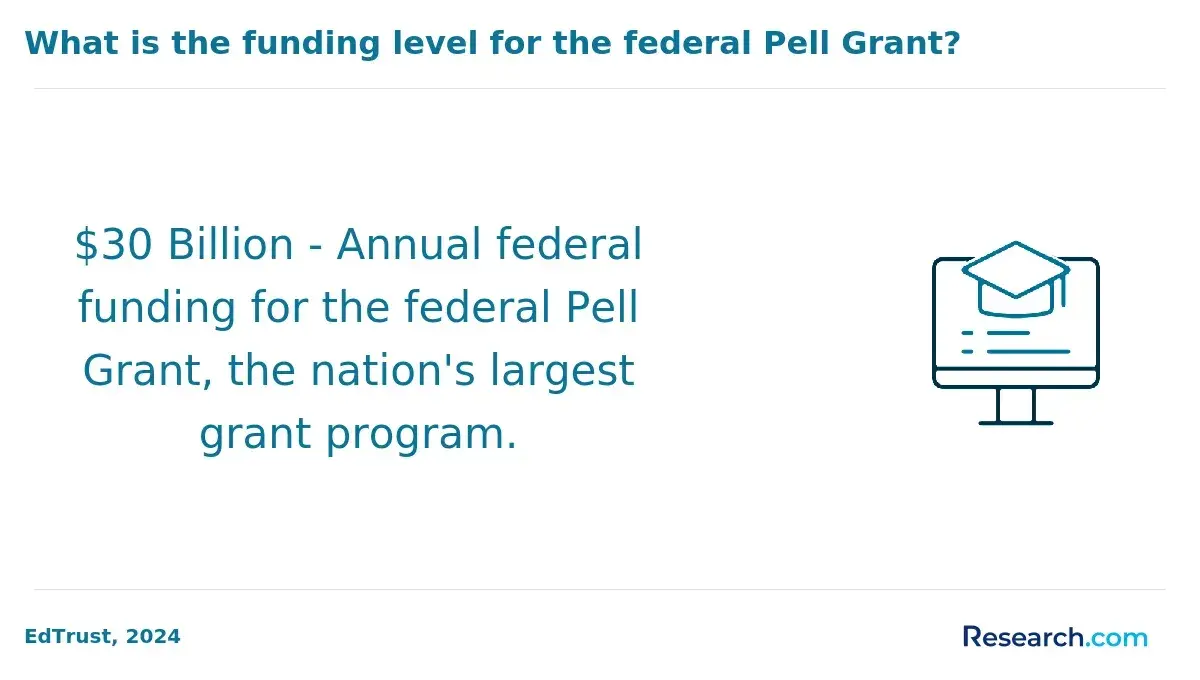
Federal Pell Grants: These grants offer need-based financial support to undergraduate students who demonstrate significant financial need through FAFSA. Award amounts typically exceed $6,000 per year, substantially reducing tuition costs before loans are considered.
Subsidized Federal Loans: Offering low-interest options, these loans have the government covering interest while the student remains enrolled. They provide manageable repayment plans and help cover tuition gaps after applying grants and scholarships.
State-Based Grants: Many states allocate grants to residents attending eligible in-state online programs. Applicants usually must submit separate forms, and these grants can provide several thousand dollars in additional aid.
Institutional Scholarships: Online colleges frequently grant merit- or need-based scholarships tailored to illustration students, rewarding artistic talent or financial need within their programs.
Professional Association Scholarships: Organizations like the Society of Illustrators and other art-related nonprofits sometimes award scholarships targeting illustration students, recognizing outstanding promise and skill in the field.
Stacking multiple aid sources-starting with FAFSA completion, then applying for institutional and external scholarships-can lower net tuition costs well below $10,000. This combination optimizes access to free money and reduces reliance on borrowing.
One professional who completed an online illustration bachelor's program under $10,000 recalled the process as both challenging and rewarding. She emphasized the importance of early FAFSA submission and proactive scholarship searching, noting, "Navigating the different applications felt overwhelming at times, but the financial relief from grants and scholarships was undeniable." Her experience highlights how combining various aid streams not only made education affordable but also allowed her to focus fully on developing her artistic career without financial stress.
How Many Transfer Credits Do Online Illustration Bachelor's Programs Under $10,000 Accept, and How Does This Reduce Total Cost?
Programs with lenient transfer credit policies offer one of the most effective ways to reduce costs in online illustration bachelor's degrees priced under $10,000. Allowing students to transfer a substantial number of credits-sometimes up to 90-can drastically lower tuition expenses and shorten the time to graduation. For instance, a 120-credit program that accepts 60 transfer credits cuts the required coursework in half. If tuition runs about $200 per credit, this policy reduces fees from $24,000 to roughly $12,000.
Many schools also grant credits for prior learning assessments such as CLEP and DSST exams or acknowledge military training, which can further decrease the course load and overall cost. These flexible policies make earning a degree more affordable and efficient.
Institutions known for accommodating transfer credits include:
- Western Governors University: Accepts up to 90 transfer credits, including credit-by-exam options like CLEP and DSST, as well as military experience evaluations.
- Fort Hays State University: Emphasizes generous credit transfer limits and prior learning assessments to help reduce degree costs significantly.
- Thomas Edison State University: Recognizes a wide variety of credit sources, including ACE-evaluated courses, military training, and various exams, enabling sizable tuition savings.
Candidates should carefully review all previously earned credits before applying. Gathering transcripts, documenting completed CLEP or DSST exams, and compiling records of military training can reveal how many credits each program might accept. This due diligence often uncovers opportunities to drop program costs well below the $10,000 mark and accelerate degree completion.
What Accreditation Should an Online Illustration Bachelor's Program Under $10,000 Have to Ensure Quality and Employer Recognition?
Accreditation plays a crucial role in determining the value and recognition of online illustration bachelor's degree programs priced under $10,000. Regional accreditation stands as the highest standard, ensuring rigorous academic quality and better credit transfer options. Employers and graduate schools in the illustration field show a strong preference for degrees from regionally accredited institutions because these accreditors evaluate an entire institution's quality comprehensively.
Key regional accrediting bodies include:
- Higher Learning Commission (HLC): Covers institutions primarily in the central United States.
- Southern Association of Colleges and Schools Commission on Colleges (SACSCOC): Accredits schools in southern states.
- New England Commission of Higher Education (NECHE): Oversees colleges in the northeastern U.S.
Many affordable illustration programs also hold programmatic accreditation from specialized organizations like the National Association of Schools of Art and Design (NASAD). Such accreditation assures students of curriculum quality tailored to the art and design field, which can strengthen career readiness.
Students should be cautious about nationally accredited or non-accredited programs, as these often face limited recognition. This can affect transferring credits to other schools and negatively influence employer perception-risks even more significant when budget constraints are involved. Checking accreditation status before enrollment via the U.S. Department of Education's database is essential to confirm legitimacy.
Recent research indicates that nearly 70% of employers prefer candidates with degrees from regionally accredited institutions, underscoring the importance of choosing the right accreditation for career advancement in creative industries.
What Are the Admission Requirements for Online Illustration Bachelor's Programs Priced Under $10,000?
Admission requirements for online illustration bachelor's degree programs priced under $10,000 typically emphasize foundational academic readiness while supporting a diverse range of student backgrounds. Most programs require either a high school diploma or GED to confirm basic educational preparation essential for college-level work. Many schools set minimum GPA thresholds between 2.0 and 2.5 on a 4.0 scale, but these can vary. Increasingly, standardized test scores such as the SAT or ACT are optional or waived altogether in affordable online programs to enhance accessibility.
For illustration-specific criteria, applicants often submit portfolios that showcase their artistic skills and creative potential, allowing admissions committees to evaluate readiness beyond academics. Some programs also ask for prerequisite courses in art fundamentals or design. Many affordable programs offer open-admission or rolling-admission policies that favor non-traditional and returning adult students. Open admissions lower barriers and improve accessibility, though selective programs with higher GPA standards and stronger portfolio expectations may provide greater academic support and better employer perception.
If you do not meet a program's minimum criteria, you can strengthen your application by completing relevant community college coursework, building an impressive illustration portfolio, or earning certifications in digital art tools. Personal statements showing motivation and consistency also aid in compensating for academic gaps. Working adults and first-generation students should consider these strategies carefully when exploring eligibility criteria for affordable online illustration degrees.
When deciding among programs, also review financial aid options, transfer credit policies, and accreditation standing to ensure full alignment with your career goals. For related fields, consider a project management degree to complement creative skills with organizational expertise.
- High School Diploma or GED: Required for most programs to confirm basic educational preparation necessary for college-level work.
- Minimum GPA Requirements: Usually set between 2.0 and 2.5, but some schools have open admission policies that bypass this threshold.
- Standardized Test Policies: Often optional or waived in low-cost online programs to improve access for diverse applicants.
- Portfolio Submission: Common requirement to assess artistic skills and creative readiness specific to illustration studies.
- Open vs. Selective Admission: Open admissions favor accessibility and flexibility, while selective programs focus on academic preparedness and may provide stronger student support.
- Application Strengthening: Taking relevant coursework, enhancing portfolios, and demonstrating motivation can compensate for missing academic criteria.
How Do Online Illustration Bachelor's Programs Under $10,000 Support Student Success Through Advising and Career Services?
Online illustration bachelor's degree advising services are essential in affordable programs under $10,000, often playing a crucial role in keeping students on track to graduate on time and avoid unnecessary costs. Comprehensive academic advising is a key feature-students receive tailored support with course planning, degree requirements, and transfer credit evaluation, helping to streamline their academic journey.
- Comprehensive Academic Advising: Low-cost programs typically offer dedicated advisors who assist students with course planning, degree requirements, and transfer credit evaluation. This targeted guidance helps students avoid extra semesters, reducing overall costs and keeping them on track for graduation.
- Tutoring and Mentorship Opportunities: Many programs provide access to tutoring in fundamental skills such as drawing, digital tools, and art theory. Faculty mentorship initiatives further support students by connecting them with experienced professionals who can offer personalized feedback and industry insights.
- Mental Health and Well-being Resources: Recognizing the challenges of balancing studies with personal and work life, affordable online illustration degrees often include counseling services or partnerships with external mental health providers. This support fosters resilience and academic focus.
- Career Services and Internship Coordination: Even budget-friendly programs frequently organize internship placements or collaborate with local art organizations. They maintain active job boards and cultivate alumni networks, enhancing graduates' prospects in competitive creative industries.
- Career Coaching and Job Placement Support: Career counseling geared toward illustration-specific career paths-including portfolio development and interview preparation-is a hallmark of programs that rank highly in student satisfaction surveys, such as those reported by NSSE. Effective career services correlate strongly with higher employment rates post-graduation.
Programs that emphasize these support services demonstrate a positive impact on student persistence and timely graduation, factors that directly influence the total cost of earning an illustration degree. Working adults, first-generation students, and career changers benefit significantly from such comprehensive support structures within affordable degree options. For those researching affordable pathways, it is also useful to consider flexible prior learning assessment policies and accreditation standing to maximize credit transfer and minimize costs.
Prospective students seeking further information on online degree options might explore resources like the associates degree online section on research.com, which provides valuable insights into affordable program structures relevant to illustration and other creative fields.
What Concentrations or Specializations Are Available Within Online Illustration Bachelor's Programs Under $10,000?
Digital Illustration: Focuses on mastering tools like Adobe Illustrator and Photoshop to prepare for careers in animation, video games, and web content. The Bureau of Labor Statistics (BLS) projects about 4% job growth through 2032, with median annual earnings near $60,000.
Children's Book Illustration: Emphasizes storytelling and narrative art, ideal for those aiming to work in publishing or educational media. While freelance work is common, the demand for quality children's content supports steady opportunities. No extra certifications are generally needed, keeping costs below $10,000.
Medical and Scientific Illustration: Bridges art and science, requiring knowledge of biology or anatomy. This field benefits from above-average employment growth due to increased need for health-related educational materials. Certain jobs may require certification from organizations like the Board of Certification of Medical Illustrators, which can add costs beyond tuition.
Concept Art and Character Design: Tailored for entertainment sectors such as gaming and advertising, this track stresses rapid visual development and prototyping skills. Its graduates often earn median salaries around $65,000, reflecting strong industry demand.
Freelance and Commercial Illustration: Combines artistic skill with business management, equipping students to handle clients and contracts. Freelancers face income variability but benefit from expanding online platforms. No additional licensing is typically required.
Choosing a specialization should balance personal passion with realistic job prospects and cost factors, ensuring the program fits both career and financial goals.
What Technology and Learning Platforms Do Online Illustration Bachelor's Programs Under $10,000 Use?
Learning management systems (LMS) like Canvas, Blackboard, and Moodle are essential in delivering cost-effective online illustration bachelor's degree programs under $10,000. These platforms organize coursework, facilitate communication, and provide access to assignments and learning materials, creating a structured yet affordable environment for students. The usability and responsiveness of an LMS significantly impact student satisfaction; intuitive systems reduce technical difficulties and encourage engagement, especially when integrated with creative tools and peer feedback functions.
Illustration students can expect to use specialized software such as Adobe Creative Cloud products including Photoshop and Illustrator. While some programs bundle these tools in tuition, others charge separately, which may raise total costs beyond the $10,000 threshold. Digital drawing tablets and virtual studios simulate hands-on illustration practice remotely-offering practical experience through immersive environments.
Accessibility is a priority in many online programs. Features like offline content availability and mobile device compatibility support students with slower internet or older computers. To keep pace with coursework and software demands, students should have a computer with at least 8GB of RAM, updated graphics hardware, and internet speeds of 5 Mbps or higher for smooth operation and participation.
- Learning Management Systems: Platforms such as Canvas, Blackboard, or Moodle provide centralized access to course content, assignments, and communication tools necessary for a seamless online learning experience.
- Field-Specific Software: Adobe Creative Cloud applications are frequently required; while sometimes included in tuition, they can add extra costs to the program's total price.
- Simulation and Virtual Labs: Tools like digital drawing tablets and virtual studios replicate in-person illustration practice for skill development.
- Accessibility Features: Offline access and mobile compatibility help learners with limited internet or older devices stay connected and engaged.
- Technical Requirements: A reliable computer with 8GB RAM, modern graphics capability, and stable internet (5 Mbps minimum) is vital for running graphics software and attending online sessions.
What Graduates Say About Their Online Illustration Bachelor's Degree Programs Under $10,000
- Lennox: "Choosing the online illustration bachelor's degree program under $10,000 was a game-changer for me because it offered flexibility without breaking the bank. The affordability meant I could pursue my passion without accruing overwhelming debt-something I truly appreciate now. This program gave me not only solid skills but also a portfolio that helped me land my first freelance gigs quickly."
- Floyd: "Reflecting on my experience, the most valuable aspect of the illustration program under $10,000 was how it balanced cost with quality education. I didn't have to compromise on learning due to budget constraints, and the online format allowed me to work and study simultaneously. The skills I gained helped me transition into a creative role at a design agency, which has been vital for my career growth."
- Leo: "Professionally, enrolling in the online illustration bachelor's degree program under $10,000 was one of the smartest decisions I made. The cost efficiency of the program allowed me to focus more on the coursework and less on financial stress. This program provided me with industry-relevant knowledge and confidence-key factors that opened doors to new job opportunities in the creative field."
Other Things You Should Know About Illustration Degrees
Yes, some online illustration bachelor's programs under $10,000 do not charge additional out-of-state tuition fees. These programs typically offer flat rates for all online students regardless of residency, which is beneficial for students living outside the school's state. It is important to verify this aspect before enrolling to ensure the total cost remains under $10,000.
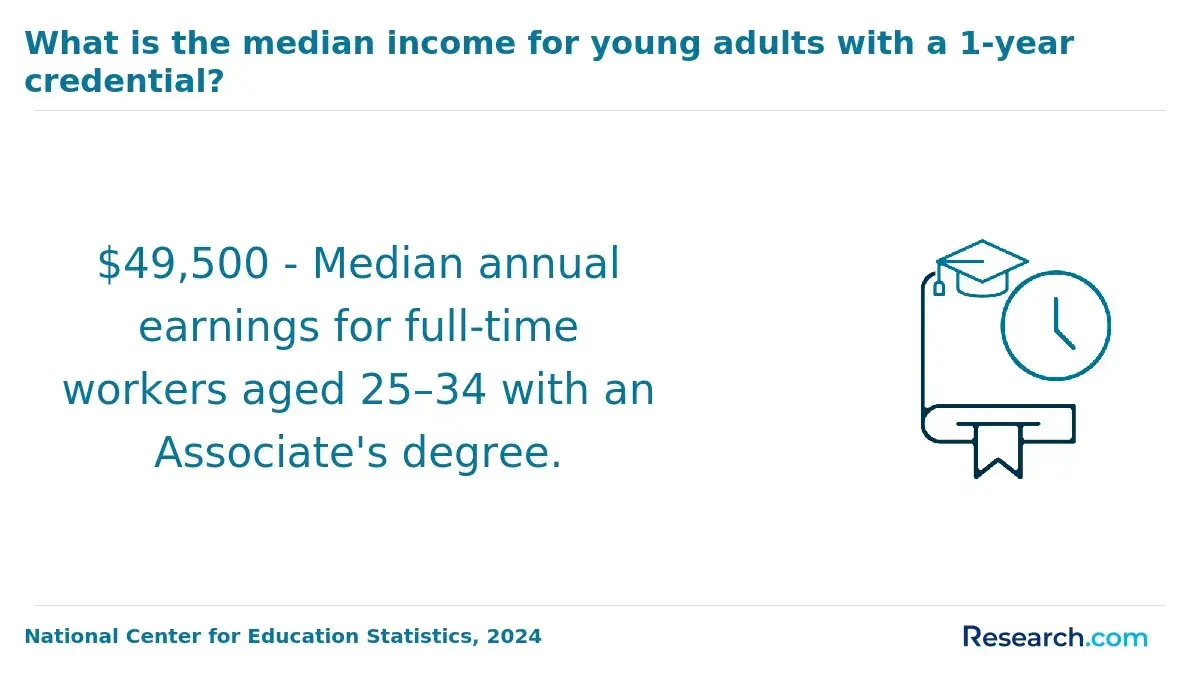
Graduates of affordable online illustration programs often experience a positive return on investment by entering the workforce with minimal debt. Many illustration graduates secure positions in graphic design, advertising, and publishing, where entry-level salaries range from $40,000 to $50,000 annually. This stable income helps students repay their educational expenses quickly and gain career advancement opportunities.
Yes, many affordable online illustration programs accept credit earned through CLEP, DSST, and prior learning assessments. These options allow students to bypass certain general education or introductory requirements, reducing the number of tuition-bearing credits. This strategy is an effective way to lower the overall cost and complete the degree faster while maintaining program quality.
References
- 10 affordable online creative learning platforms https://creativelivesinprogress.com/articles/12-affordable-creative-learning-platforms
- 8 Online Platforms for Artists Who Want to Learn New Art Business Skills | Artwork Archive https://www.artworkarchive.com/blog/8-online-platforms-for-artists-who-want-to-learn-new-art-business-skills
- Online Illustration Degree | Rocky Mountain College of Art + Design https://www.rmcad.edu/academics/program/online/illustration/
- 100 Great Affordable Art Schools for an Undergraduate Degree https://www.greatvaluecolleges.net/affordable/art-music/
- Why Art School Accreditation is Important | All Art Schools https://www.allartschools.com/art-school-accreditation/
- Cost of Online College vs. In-Person | Touro University Worldwide https://www.tuw.edu/school-news/cost-of-online-college-vs-in-person/
- Find The Best Online Art Schools | Accredited Schools Online https://www.accreditedschoolsonline.org/liberal-arts/art-schools/online/
- Gaining Accreditation for Your Online Course | LearnDash https://www.learndash.com/blog/gaining-accreditation-for-your-online-course-2/
- The 9 Best Online Learning Platforms in 2026 https://www.ispring.com/knowledge-hub/best-online-learning-platforms
- Understanding Accreditation And Why It Matters In Online Education https://elearningindustry.com/understanding-accreditation-and-why-it-matters-in-online-education