2027 Return on Investment of an Online Illustration Bachelor's Degree: Salary vs Cost

Co-Founder and Chief Data Scientist
Consider a working professional with a non-creative bachelor's degree seeking to enter the illustration industry without disrupting their career.
The key concern is whether the cost of an online illustration bachelor's degree justifies the potential salary increase. Currently, median annual wages for illustrators in the U.S. hover around $60,000, but graduates from accredited programs can expect up to a 20% higher starting salary.
This article examines the true return on investment of such degrees—analyzing tuition costs against anticipated earnings—to help readers make informed decisions about pursuing online illustration education.
Key Things to Know About the Return on Investment of an Online Illustration Bachelor's Degree
- Average tuition for online illustration bachelor's degrees ranges from $15,000 to $40,000, significantly lower than traditional on-campus programs-enhancing affordability for budget-conscious students.
- Graduates report median salaries around $50,000 annually, with 8% job growth projected through 2030, supporting moderate financial returns relative to program costs.
- Non-financial benefits include improved job security, opportunities for creative leadership roles, and access to professional networks that foster long-term career advancement.
What Is the True Cost of Earning an Online Illustration Bachelor's Degree From Enrollment to Graduation?
Direct and indirect expenses combine to determine the actual cost of earning an online Illustration bachelor's degree. Tuition and Fees vary widely, with sticker prices ranging from $20,000 to $60,000 for the entire program.
After financial aid and scholarships, the net price paid by many students falls between $15,000 and $40,000. Additional technology and administrative fees, often several hundred dollars per semester, are not always included in published tuition.
- Course Materials: Essential supplies such as textbooks, art tools, and specialized software can add between $1,000 and $2,500 to the total cost. Some programs may include software licenses within tuition, but this is not universal.
- Proctoring and Exam Fees: Online students typically pay $30 to $100 per remote proctored exam, with costs varying by institution and testing schedule.
- Indirect Costs: Students should consider expenses like a reliable computer, high-speed internet, and potential income loss if studying full-time. For working professionals, online program flexibility may lessen income loss but requires investment in a conducive home study environment.
- Sticker vs Net Price: Published tuition does not always reflect real costs; use net price calculators and data from IPEDS and the National Center for Education Statistics to get clear estimates tailored to individual circumstances.
Given these factors, the average time and expenses to complete an online Illustration degree generally amount to a total cost between $17,000 and $45,000 after aid. This realistic baseline helps prospective students evaluate the return on investment by comparing tuition costs against verified salary outcomes, career advancement opportunities, and long-term job security.
For those exploring programs on a budget, considering a cheap doctorate degree online portfolio might offer insights into affordable learning pathways and savings strategies within higher education.
How Does the Starting Salary for Illustration Bachelor's Degree Graduates Compare to the Total Cost of the Degree?
The starting salary after an online Illustration bachelor's degree varies by the career path graduates choose, with Bureau of Labor Statistics (BLS) data providing median wages for common entry-level roles. Graphic designers, a frequent role for illustration graduates, earn a median annual salary near $48,000, while multimedia artists and animators start closer to $55,000.
The total tuition cost for online illustration degree programs ranges significantly, from about $20,000 at economical schools to upwards of $60,000 for more comprehensive programs. Understanding total tuition cost versus salary for Illustration graduates helps prospective students evaluate their return on investment.
The comparison of tuition costs against starting salaries reveals that it typically takes between 5 and 15 months of an entry-level salary to recoup degree expenses.
In the best cases, low tuition combined with substantial financial aid enables graduates to break even in under six months, while high tuition with limited aid may extend that period to over a year. Students seeking affordable options might consider resources like cheapest CACREP-accredited programs online to reduce costs.
Starting salary is only part of the financial return. As illustration professionals gain experience, salaries grow significantly. Mid-career graphic designers and multimedia artists often earn $70,000 to $90,000, improving long-term financial stability and return on investment. This progression underscores the value of an illustration degree beyond just the initial salary phase.
What Is the Average Return on Investment (ROI) for an Online Illustration Bachelor's Degree Over a 10-Year Career?
Return on investment (ROI) in higher education measures the financial gain a degree holder receives relative to the total cost of their education. Specifically, for an online illustration bachelor's degree, ROI is calculated by subtracting the total expenses of the program from the extra earnings a graduate accumulates over 10 years compared to someone with a high school diploma or associate degree in the same field.
Research from the Georgetown University Center on Education and the Workforce consistently shows that bachelor's degree holders earn significantly more over their careers than non-degree holders.
Data from the Bureau of Labor Statistics indicates that the median annual salary for illustrators is about $65,000. Assuming salaries increase by an average of 3% per year, total gross earnings over a decade would reach roughly $720,000. Compared to an estimated $40,000 average cost for an online illustration degree-including tuition, fees, and materials-this suggests a substantial positive return.
Meanwhile, someone without a bachelor's degree in creative fields might start at about $40,000 annually, resulting in roughly $440,000 over ten years. The salary difference of $280,000, minus the degree cost, leaves an approximate net benefit of $240,000 from holding the online illustration degree. This figure excludes taxes and other living expenses but offers a clear preliminary evaluation of the financial rewards.
One professional who pursued the online illustration bachelor's degree shared that making the financial decision was not straightforward. "I spent weeks analyzing costs, salaries, and long-term prospects," he recalls. Balancing work while studying added pressure but allowed him to manage expenses carefully.
"Seeing the numbers aligned with my career goals gave me confidence," he explains. Now established in his field, he emphasizes how the degree enabled him to move into higher-paying roles and develop a professional network. He reflects that despite initial doubts, the investment proved worthwhile both financially and personally, granting a sense of accomplishment and opportunity beyond the classroom.
How Do Online Illustration Program Tuition Rates Compare Across Public, Private, and For-Profit Institutions?
- Public Institutions: These universities generally provide the most affordable online illustration program tuition comparison, especially for in-state students. Many offer flat-rate tuition models, allowing better financial planning. Annual costs for these programs range from about $7,000 to $15,000 for residents, while non-residents typically pay higher fees. Public schools often maintain strong accreditation and recognized reputations, which can enhance job market prospects post-graduation.
- Private Nonprofit Institutions: Tuition at private nonprofit schools is significantly higher, usually between $20,000 and $40,000 annually. While more expensive, these programs often come with enhanced career support and professional networking, potentially leading to better salary outcomes. Students should carefully consider whether the higher upfront expense aligns with their career objectives and budget constraints.
- For-Profit Colleges: These programs tend to offer lower tuition than private nonprofits and sometimes compete with public in-state rates, attracting working adults with flexible schedules. However, graduation rates are frequently lower, and employer perceptions may be skeptical regarding degree quality. This skepticism can hinder access to higher-paying illustration roles, impacting the long-term return on investment despite lower initial costs.
Choosing an online illustration program involves balancing tuition costs against factors like graduation rates, accreditation, and employer reputation to maximize career growth and job security. For those exploring affordable options, comparing tuition rates for public private illustration degrees with verified career outcomes is essential.
Additionally, investigating related opportunities such as data science programs can provide alternative paths in creative and technical fields.
What Long-Term Salary Growth Can Illustration Bachelor's Degree Holders Expect Over a 20- to 30-Year Career?
- Early Career: In the first five years, illustrators with a bachelor's degree often accept modest starting wages while focusing on building portfolios and gaining trust from clients or employers. This phase includes transitioning from freelance or assistant roles to more secure positions, with gradual but essential salary increases establishing a foundation for future growth.
- Mid-Career Growth: Between five and ten years, illustrators typically see a notable rise in earnings, fueled by developing a distinct artistic style, expanding their client base, and winning more lucrative contracts. Mid-career professionals generally earn 25% to 40% more than they did entering the field, a reflection of increased demand and proven reliability.
- Established Professionals: At the 10- to 15-year mark, many illustrators progress to senior creative positions, including art direction or specialized digital storytelling roles. Salary growth accelerates here, supported by leadership duties and often union or agency representation that enhances pay and benefits.
- Late Career: Over 15 to 30 years, seasoned illustrators with strong reputations and diversified skills maintain steady income growth, adapting to new media trends. Earnings often stabilize but may be supplemented through mentoring, teaching, or consulting roles.
- Cumulative Earnings Premium: Studies from the American Community Survey and PayScale indicate that illustrators holding a bachelor's degree earn about 20% to 35% more cumulatively over their careers compared to non-degree professionals. This advantage stems from higher starting salaries, faster career advancement, and more consistent job opportunities.Over three decades, the lifetime earnings premium often outweighs the initial investment in education.
A professional who built her career after completing an online illustration bachelor's program shared that the journey was both challenging and rewarding. Early on, juggling freelance projects and coursework tested her resolve, but the structured learning and mentorship helped her sharpen her skills and confidence.
She recalls, "Breaking into steady work wasn't easy. I had to continuously adapt my style and market myself." Over time, the degree opened doors to leadership roles and specialized projects, validating her investment in education. Reflecting on her experience, she emphasizes how the program's flexibility allowed her to balance work and study, ultimately accelerating her career progress beyond what she initially imagined.
How Does the ROI of an Online Illustration Bachelor's Degree Compare to an Associate Degree or a Professional Certificate?
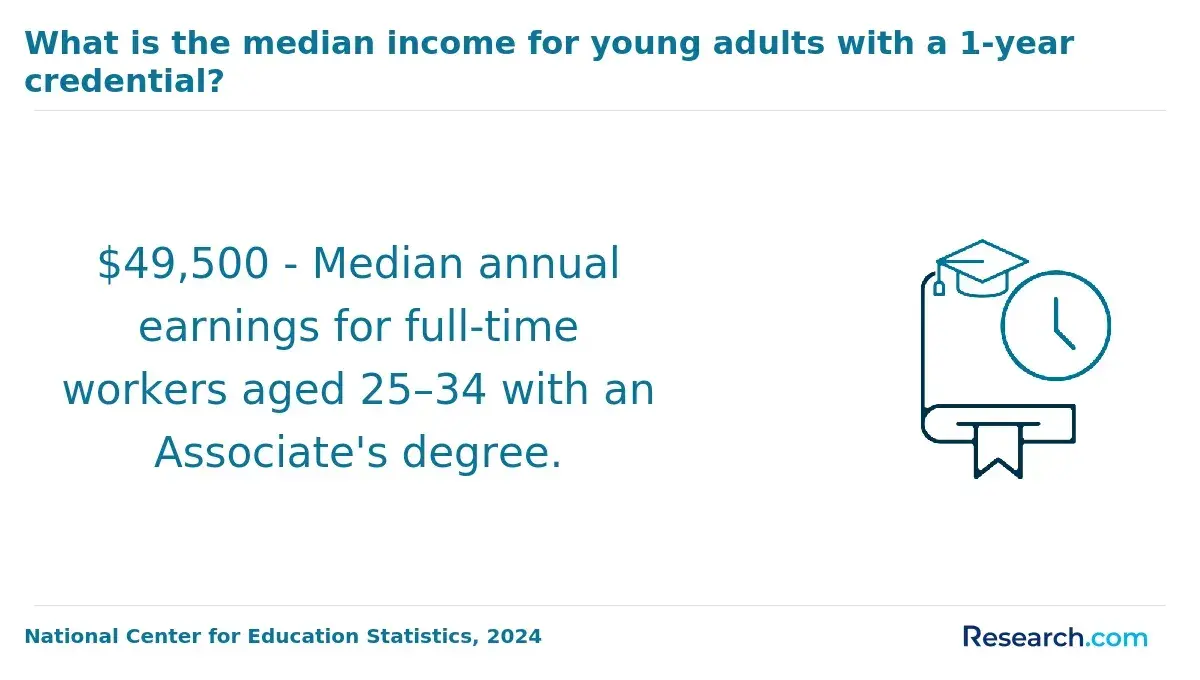
The financial commitment for an online illustration bachelor's degree generally falls between $20,000 and $40,000 in tuition, substantially higher than an associate degree which typically costs $7,000 to $15,000 for two years. Professional certificates often represent the most affordable path, usually under $5,000, allowing faster entry into the workforce.
- Median Salary: Data from the Bureau of Labor Statistics indicates that holders of a bachelor's degree in arts-related fields like illustration earn roughly 20% more annually than those with an associate degree. Certificate holders tend to have the lowest median wages but benefit from quicker employment opportunities.
- Short-Term ROI: For individuals seeking rapid employment or facing budget constraints, certificates and associate degrees can be more practical. They typically require less time and financial investment, reducing debt exposure and providing essential skills relevant to freelance or entry-level positions in illustration.
- Long-Term ROI: The bachelor's degree often offers enhanced lifetime earnings, improved access to leadership roles, and greater job stability. The comprehensive curriculum and critical thinking skills developed during a bachelor's program can lead to career advancement and broader opportunities in competitive creative industries.
- Non-Financial Benefits: Beyond salary, a bachelor's degree may provide richer networking opportunities, exposure to diverse artistic techniques, and eligibility for advanced certifications or academic positions. Certificates and associate degrees generally offer more limited professional development and industry recognition.
- Decision Framework: If immediate job entry is essential, certificates or associate degrees present a faster, more affordable route. For those aiming for leadership and sustained career growth, a bachelor's degree offers greater long-term value. Evaluate the balance between upfront costs, potential debt, and projected salary increases to find the best personal fit.
Which Online Illustration Specializations or Concentrations Yield the Highest Earning Potential After Graduation?
Specializing within an online illustration bachelor's degree can significantly affect earning potential compared to a general illustration path, according to Bureau of Labor Statistics (BLS) data. Graduates focusing on technical or commercial fields typically command higher salaries and improved job prospects.
- Medical Illustration: Combining art with medical science, this specialization offers salaries ranging from $75,000 to $95,000 annually. It often requires certifications such as board certification from the Association of Medical Illustrators. While these credentials add to upfront costs, they enhance job security and career advancement.
- Technical Illustration: Focused on creating precise diagrams for industries like aerospace and automotive, median salaries fall between $65,000 and $80,000. This track benefits from steady demand in engineering and manufacturing sectors.
- Animation and Digital Media: Specializing in animation and character design yields starting salaries near $55,000 to $75,000. Growth potential is strong as professionals build portfolios, with continuing education and software certifications offering cost-effective boosts to career prospects.
- Advertising and Commercial Illustration: This broader category typically offers salaries from $50,000 to $65,000. It requires less formal licensure but emphasizes networking and client management skills, which are critical for success.
Choosing the right specialization depends on individual background and goals-prior experience in biology may favor medical illustration, while a technology foundation aligns well with technical illustration.
Some tracks require ongoing education, increasing overall investment, but often shorten time-to-ROI by unlocking higher salary brackets and career growth. For working professionals and career changers, weighing these factors is essential to maximize both financial and non-financial returns from an online illustration degree.
How Do Employer Tuition Reimbursement and Financial Aid Reduce the Net Cost of an Online Illustration Bachelor's Degree?
The net cost of an online illustration bachelor's degree can be significantly lowered through employer tuition reimbursement programs and financial aid. Many U.S. employers provide tuition assistance to attract and retain talent, with about 60% offering some form of tuition reimbursement, according to the Society for Human Resource Management (SHRM).
Under IRS Section 127, employees can receive up to $5,250 annually in tax-free tuition benefits, which reduces their taxable income while attending school. This employer support often covers partial or full tuition costs, allowing students to pursue their degree without immediate out-of-pocket payments-a crucial option for those navigating employer tuition reimbursement programs for illustration degrees.
Federal and institutional financial aid further impacts the net cost by offering grants, scholarships, and subsidized loans. These aid sources can cumulatively cut tuition by thousands annually, minimizing reliance on high-interest borrowing.
When combined with employer reimbursement, the total fees a student incurs may drop to a fraction of the original sticker price, making education more accessible and financially manageable. For example, a student in an online illustration bachelor's program with an annual tuition of $15,000 might receive $5,250 from employer reimbursement, a $4,000 grant, and $3,000 in subsidized loans.
Their actual out-of-pocket tuition could be as low as $2,750 per year. Over four years, this dramatically decreases the financial burden, supporting degree completion even on a limited budget or for working professionals seeking advancement.
For those exploring related creative fields, programs in UI UX design bachelor's degree online also offer similarly structured financial aid options worth considering.
What Hidden Costs Should Students Factor Into the Total Investment of an Online Illustration Bachelor's Degree?
When considering the true financial commitment of an online illustration bachelor's degree, students must carefully evaluate the hidden expenses that extend well beyond base tuition. These additional costs include technology fees, proctoring services, graduation charges, course-specific software licenses, and professional organization memberships.
According to College Board data and institutional disclosures, these supplementary fees typically add between $500 and $1,500 annually, depending on program specifics, affecting the overall return on investment by lengthening the break-even timeline before increased earnings offset the costs.
Technology and platform fees support the maintenance of online learning environments and IT infrastructure; these mandatory charges often range into the hundreds of dollars each year. Proctoring and exam expenses average $30 to $50 per test, which can accumulate significantly across multiple courses.
Many illustration programs require specialized design software essential for coursework, with licensing costs usually around $200 or more annually if not provided by the institution. Graduation application and diploma processing fees also impact budgets, typically costing between $100 and $200.
Finally, professional memberships in industry organizations help expand networking and career resources but come with approximately $100 yearly fees. Accounting for these often-overlooked costs is critical, especially for students managing tighter budgets or those seeking to understand the full financial picture before enrolling.
Prospective students should always request a full cost-of-attendance breakdown, including all hidden expenses, from admissions or financial aid offices to accurately assess the ROI of an online illustration degree.
For those also interested in career outlooks related to this field, reviewing what jobs can you get with an environmental science degree may provide useful comparative insights.
How Does the Accreditation Status of an Online Illustration Program Affect Graduate Salary and Employability?
Regional accreditation evaluates the overall quality and standards of a college or university, while programmatic accreditation focuses specifically on individual academic programs, such as illustration. Employers typically value regional accreditation more because it reflects broader institutional rigor and quality.
According to surveys by the National Association of Colleges and Employers (NACE), nearly 75% of hiring managers prefer candidates with degrees from regionally accredited schools, associating these credentials with better preparedness and professional skills.
Students who graduate from institutions lacking proper accreditation or holding only national accreditation often face obstacles in securing jobs and negotiating competitive salaries. Many employers limit their hiring to applicants from recognized accredited programs due to concerns over academic standards.
Additionally, attending a non-accredited school can bar access to essential licensure exams, graduate programs, and careers in sectors like government and healthcare that require accredited degrees.
Before enrolling in any online illustration program, it's important to verify its accreditation status through trusted sources like the U.S. Department of Education's accreditation database or the Council for Higher Education Accreditation (CHEA). This step can protect your financial investment and career prospects.
What Entry-Level Job Titles and Salary Ranges Are Available to Graduates of Online Illustration Bachelor's Programs?
Graduates with online illustration bachelor's degrees often start in roles that impact their financial returns differently depending on industry demand and experience. Entry-level positions span multiple sectors, each with distinct salary ranges and growth potential.
- Graphic Designer: Median starting pay is generally $40,000 to $50,000. Technology and marketing sectors typically offer higher entry wages due to high demand for digital visuals.
- Junior Illustrator: Salaries fall between $35,000 and $45,000. Publishing and entertainment industries vary in compensation but provide creative opportunities.
- Concept Artist: Starting salaries usually range from $45,000 to $55,000, especially within video game and film industries that value innovative design.
- Visual Designer: Entry pay typically hits between $42,000 and $52,000, with tech firms and advertising agencies leading in compensation.
- Storyboard Artist: Compensation spans $38,000 to $48,000. Animation and film studios pay more for candidates demonstrating strong portfolios and internships.
- Art Production Assistant: Starting around $33,000 to $42,000, these roles are common in media and publishing settings.
- Freelance Illustrator: Income varies widely, though beginners usually earn $25,000 to $40,000 depending on network and client base.
- Exhibit Designer: Salaries range from $40,000 to $50,000, with museums, education, and government sectors offering stable employment.
Holding internships, obtaining certifications like Adobe Creative Suite, or focusing on specializations such as animation can boost starting salaries by 10 to 20 percent. Fields like technology and entertainment tend to accelerate salary growth, helping graduates recoup tuition investments faster.
Evaluating these roles alongside personal career goals enables a strategic approach to selecting an online illustration program that maximizes both professional opportunities and financial returns.
What Graduates Say About the Return on Investment of Their Online Illustration Bachelor's Degree
- Lenka: "Choosing the online Illustration bachelor's degree was a strategic decision for me after evaluating the cost against potential career growth. The program offered flexibility that allowed me to continue working while upgrading my skills, making the financial investment worthwhile. Beyond monetary returns, the degree opened doors to freelance opportunities and expanded my professional network, enriching my creative journey in ways I hadn't anticipated."
- Faith: "Reflecting on my experience, the ROI of the online Illustration degree went far beyond the tuition fees. It provided a solid foundation that boosted my job security in a competitive market and gave me confidence to negotiate better contracts. The program's comprehensive curriculum and community support proved invaluable, serving as a launching pad for my advancement into leadership roles within the art world."
- Leo: "Professionally, the online Illustration bachelor's degree has been transformative-I chose it specifically because it balanced affordability with quality education. The non-financial returns, especially the access to industry mentors and portfolio development, have been crucial for my career trajectory. This degree didn't just educate me; it empowered me to elevate my work and significantly increase my earning potential."
Other Things You Should Know About Illustration Degrees
Typically, graduates of an online illustration bachelor's degree program begin to recover their tuition investment within five to seven years after entering the workforce. This timeframe depends on factors such as starting salaries, job placement rates, and the program's total cost. Higher initial earnings in sectors like advertising or digital media can accelerate payback, while lower entry-level wages in freelance or fine arts may extend it.
Salary outcomes for illustration graduates vary widely by geographic location and industry. Urban areas with strong creative industries-such as New York, Los Angeles, and Chicago-generally offer higher salaries due to demand and cost of living. Graduates working in advertising, publishing, or video game design often earn more than those in nonprofit, education, or independent contracting roles, which can affect overall return on investment.
Prospective students can utilize online calculators and cost-benefit analysis tools to compare tuition, fees, and estimated post-graduation earnings for various programs. These tools consider factors like financial aid, program length, and potential salary increases to provide a clearer picture of net return. Using these resources helps students align their educational choices with their career goals and financial situations more effectively.
References
- The ROI of Online Education: Is It Worth the Investment? - Paris American International University https://parisamerican.org/the-roi-of-online-education-is-it-worth-the-investment/
- The Hidden Cost of Online Education https://www.accessmba.com/articles/view/the-hidden-cost-of-online-education
- Online college courses are popular, why do they still cost so much? https://hechingerreport.org/as-online-higher-education-hits-a-milestone-why-does-it-still-cost-so-much/
- How does a college degree improve graduates’ employment and earnings potential? - APLU https://www.aplu.org/our-work/4-policy-and-advocacy/publicuvalues/employment-earnings/
- Certificate vs. Degree: Pros, Cons, and Career Outcomes | National University https://www.nu.edu/blog/certificate-vs-degree/
- Online Art Degree & Program Guide | Online Schools Center https://www.onlineschoolscenter.com/degrees/online-art-degrees/
- Featured Reports https://pnpi.org/can-online-learning-bend-the-cost-curve-of-higher-education/