2027 Animal Science Degree Completion Time Report: How Long Students Actually Take to Graduate

Co-Founder and Chief Data Scientist
Many students pursuing animal science degrees encounter unpredictable delays that extend their time in school beyond nominal program lengths. Factors such as seasonal animal care commitments, internship scheduling, and the availability of specialized courses directly affect how rapidly students advance. In 2024, data from the National Center for Education Statistics highlights a growing trend of part-time enrollment among agriculture-related majors, which correlates with longer graduation timelines.
Transfer credits, work obligations, and program-specific experiential requirements further complicate progression patterns. Understanding these realities offers deeper insight than catalog-based estimates into how long completion actually takes. This article examines typical duration patterns, influencing elements, and considerations vital for students planning their educational journey in animal science.
Key Things To Know About Animal Science Degree Completion Time
- Animal Science completion time can vary depending on whether students pursue pre-vet tracks, research components, or hands-on fieldwork/internships — knowing the realistic timeline helps students project when they'll actually enter the workforce (or grad/vet school) and start earning, since pre-vet students often need extra prerequisite coursework.
- Animal Science programs often require lab-intensive courses, livestock/farm practicums, or seasonal fieldwork that can't always be rescheduled — completion time data helps students and advisors plan course sequences that account for these fixed-schedule requirements without adding unnecessary semesters.
- Comparing completion time against job placement rates and starting salaries (in areas like veterinary support, animal nutrition, agribusiness, or research) can reveal whether students who take extra time for internships or specialized coursework land stronger job offers — helping future students weigh a faster degree against deeper hands-on experience employers value.
- What Is the Average Graduation Time for Animal Science Students? Average Graduation Timeline
- What Factors Have the Biggest Impact on Graduation Speed? Graduation Timeline Factors
- How Does Full-Time Versus Part-Time Enrollment Affect Graduation Timelines? Full-Time vs. Part-Time Graduation Timeline
- Do Online Animal Science Students Graduate Faster Than Campus-Based Students? Online vs. On-Campus Graduation Time
- How Many Months or Years Can Transfer Credits Save? Transfer Credits
- Do Accelerated Animal Science Programs Significantly Reduce Completion Time? Accelerated Program Timeline
- Which Animal Science Program Requirements Most Often Extend Graduation Timelines? Factors Extending Graduation Timeline
- Does Taking Longer to Graduate Increase the Cost of a Animal Science Degree? Impact on Program Cost
- Does Graduating Faster Improve Career Prospects? Impact on Career Prospects
- Which Scheduling Mistakes Commonly Delay Graduation? Mistakes to Avoid
What Is the Average Graduation Time for Animal Science Students?
The typical timeline for completing an animal science degree generally aligns with a four-year period for full-time students, reflecting common expectations within U.S. bachelor's degree frameworks. However, students enrolled part-time often extend their studies beyond this mark, sometimes taking six years or more, particularly when balancing education with employment or family commitments.
Statistical data from the National Center for Education Statistics in 2024 indicate that between 40% and 50% of animal science students exceed the four-year norm, illustrating significant variation around average graduation time for animal science students. This variation underscores how completion timelines often deviate from initial projections based on enrollment intensity or personal circumstances.
Variability in graduation timings stems largely from differences in program designs, credit transfer policies for students switching institutions, and the inclusion of practical experiences such as internships or cooperative education placements. These experiential components, while beneficial to employability and skills development, frequently extend program length by a semester or two.
Additionally, academic pacing is influenced by students' course loads, major changes within animal science, and access to advising resources. The decision between online or traditional campus enrollment formats can also affect progression speed due to differences in curriculum delivery and scheduling flexibility. Prospective students aiming to understand their likely completion window should weigh these factors alongside the typical animal science degree completion timeline when planning their studies.
Graduation timing has broader implications beyond academic progression; it directly impacts financial planning and entry into the workforce. Delays can increase educational costs and postpone income generation, which is a critical consideration for working adults and transfer students. Given labor market dynamics, students frequently evaluate the time invested in their degree against career entry benefits, especially in fields with growing demand where timing can affect employability.
Those reflecting on degree choices may also consider how a more extended academic timeline interacts with the pursuit of a highest paying degree trajectory and long-term return on investment in animal science education.
What Factors Have the Biggest Impact on Graduation Speed?
Graduation speed for animal science degrees is shaped by a complex interplay of academic planning, program delivery format, and individual circumstances rather than any single factor. Students' enrollment choices, credit transfer behavior, and curriculum demands collectively influence how quickly they can complete their studies.
Recognizing these dynamics helps prospective and current students make strategic decisions about course loads, enrollment status, and program pathways that better align with their personal and professional commitments.
- Enrollment Status and Program Delivery Format: Full-time enrollment typically accelerates degree completion because students can take a full course load each term, reducing overall semesters needed. Part-time students, who often balance work or family responsibilities, tend to extend their timelines; a 2024 NCES report highlights that only about 40% of part-time undergraduates complete their degrees within six years, compared to nearly 60% of full-time peers. Additionally, program formats offering flexible scheduling or hybrid options can either facilitate faster progression or introduce challenges in consistent pacing.
- Transfer Credits and Academic Requirements Impact on Graduation Speed: Students transferring credits from community colleges or other institutions face the risk that not all previously earned credits will count toward their animal science degree. This misalignment can delay graduation by requiring additional courses to meet core requirements. Research indicates around 32% of animal science degree recipients in 2024 had transfer experience, often taking 4.5 to 6 years to graduate compared to a typical four-year track for direct entrants due to credit articulation challenges.
- Curriculum Complexity and Institutional Policies: Animal science programs often integrate rigorous theoretical courses alongside mandatory labs, internships, or practicum experiences that can limit scheduling flexibility. Bottleneck courses with limited seats or inflexible sequencing slow students' progress, effectively elongating time to degree. Institutions' policies on course availability, retakes, and prerequisite enforcement further influence whether students experience smooth or interrupted academic journeys.
- Financial Constraints and Employment Demands: Many students juggle financial pressures by limiting credit loads per semester or working while enrolled, which extends the time needed for degree completion. Unlike programs with multiple pacing options, animal science curricula often require a balance between extensive coursework and fieldwork, making prolonged part-time enrollment common among working adults. This interplay between work commitments and academic requirements often dictates a slower graduation timeline.
- Individual Motivation, Preparation, and Support Systems: Students with strong academic preparation and access to advising or career support services tend to navigate course selection and program requirements more efficiently. Institutions that emphasize robust advising can help mitigate delays by guiding students through complex enrollment decisions and ensuring timely fulfillment of prerequisites. Conversely, lack of support or unclear program structures may result in extended enrollment and lower graduation rates.
These factors collectively demonstrate why graduation timelines in animal science vary widely, reflecting not just academic challenges but also how students' enrollment behaviors interact with institutional structures amidst real-world obligations. Such variability underscores the importance of strategic planning and informed enrollment decisions throughout the degree journey.
Students interested in related fields with different curricular structures might explore marriage and family therapy master's programs as another example where program design and delivery formats intimately affect time to degree completion.
How Does Full-Time Versus Part-Time Enrollment Affect Graduation Timelines?
Students enrolled full-time in animal science programs typically complete their degrees within the traditional four-year window, reflecting a heavier semester course load that often ranges from 12 to 18 credit hours. This consistent and concentrated academic engagement aligns well with the sequential and laboratory-intensive nature of animal science curricula, allowing students to progress without delaying prerequisites.
Conversely, part-time students, who usually take fewer than 12 credits per term, experience extended timelines to graduation, sometimes adding several years beyond the standard timeframe, as confirmed by national educational research data from 2024. These variations underscore how enrollment intensity directly shapes the velocity of degree completion in this field.
The interplay of program structure, course availability, and personal obligations largely dictates how enrollment status affects graduation pacing. Animal science programs frequently require strict sequencing of courses, which limits flexibility in when classes can be taken and can disproportionately impact part-time learners who may face limited semester options or scheduling conflicts.
Additionally, part-time students often juggle employment, family duties, or other responsibilities that fragment their academic focus, slowing progression but enabling simultaneous work experience. Institutional policies on transfer credits and program delivery formats—such as online versus in-person labs—also factor into how quickly students can fulfill degree requirements while managing their external commitments.
Choosing between full-time and part-time enrollment in animal science also carries nuanced implications for long-term outcomes. Full-time students generally confront greater immediate academic and financial demands but benefit from earlier entry into their careers, which many employers view as a marker of dedication and discipline.
Meanwhile, part-time students trade a prolonged academic timeline for financial flexibility and on-the-job experience that can enhance employability, although national data highlights lower on-time graduation rates for this group. Ultimately, enrollment decisions in animal science reflect a balance between optimizing credential completion speed and accommodating real-world constraints, shaping both educational trajectory and workforce readiness.
Do Online Animal Science Students Graduate Faster Than Campus-Based Students?
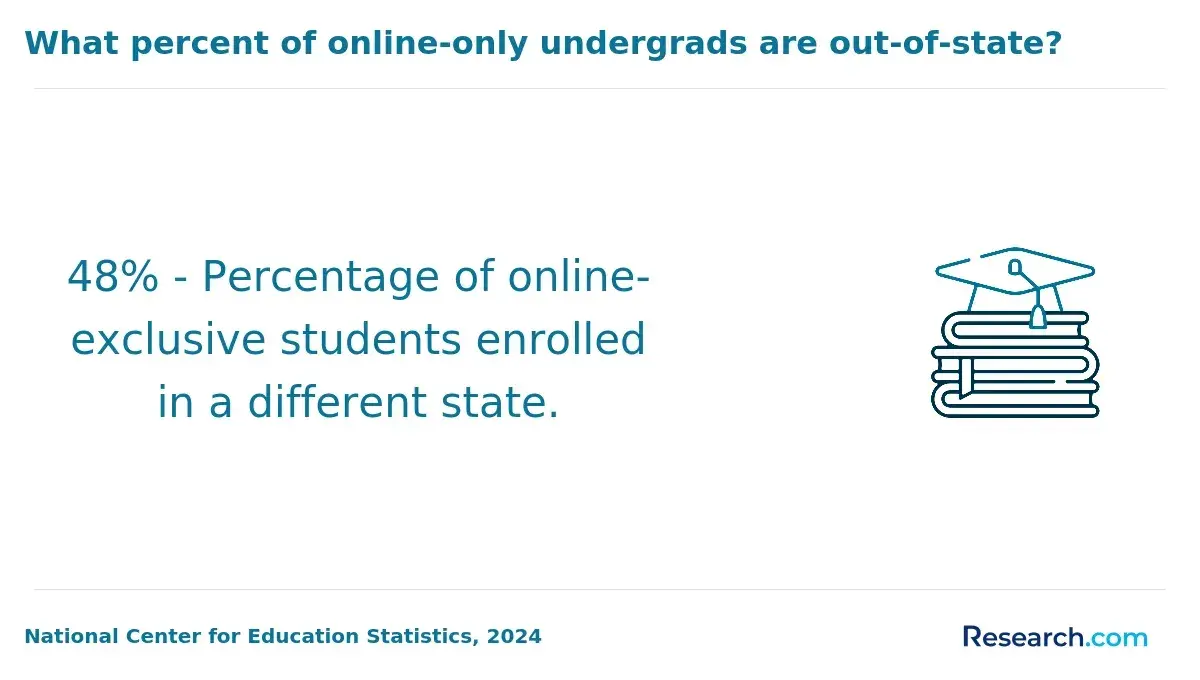
There is a common assumption that online animal science students might complete their degrees faster due to flexible scheduling and self-paced coursework. However, recent data from the 2024 National Center for Education Statistics reveals that online learners, on average, take slightly longer—about 4.6 years—to graduate compared to 4.4 years for their campus-based peers.
This challenges the notion that online formats always accelerate degree completion, highlighting that variability in individual circumstances strongly influences actual outcomes. The expectation of speedier graduation depends less on delivery mode alone and more on how students manage their studies within program parameters.
Graduation timelines hinge on several key factors. Online programs often accommodate part-time enrollment and allow students to juggle work or family commitments, which can extend the time to degree. Conversely, campus students more frequently engage in structured schedules, summer courses, and in-person labs, facilitating a more consistent pace.
Practical requirements such as hands-on labs can complicate progression for online students, sometimes necessitating on-site visits that lengthen their academic path. These elements, combined with how each student balances workload and uses institutional resources, ultimately shape the speed of degree completion more than modality alone.
The choice between online and campus formats influences not only scheduling flexibility but also time management demands and readiness for career entry. Online learners benefit from adjusting their pace but may face challenges maintaining momentum without direct supervision or peer interaction.
Meanwhile, campus students often experience tighter academic timelines, which may help them enter the workforce sooner but can be difficult to sustain alongside external responsibilities. Thus, prospective students should weigh these operational tradeoffs in relation to their personal and professional goals rather than assuming one mode guarantees quicker completion.
Reflecting this complexity, one recent graduate recalled their own admissions experience where rolling application decisions created pressure to commit quickly amid uncertainty. They initially hesitated to finalize their enrollment choice, weighing the convenience of online study against the potential for faster on-campus completion. The timing and clarity of admission notifications played a critical role in shaping their path, illustrating how administrative processes can also influence when and how students begin and ultimately finish their animal science degrees.
How Many Months or Years Can Transfer Credits Save?
Transfer credits can significantly reduce the total months or years required to complete an animal science degree, but the actual time saved varies considerably. While some students may shave off only a few months, others can shorten their degree path by over a year, depending largely on how many credits transfer and how well their previous coursework aligns with degree requirements.
According to data from accredited institutions, transfer students often cut completion time by 12 to 24 months compared to those starting fresh, illustrating the potential impact of strategic credit transfer. However, realizing these savings depends heavily on the policies of each institution and the specific nature of the courses previously completed in relation to the animal science curriculum.
Key factors influencing the impact of transfer credits include accreditation compatibility between sending and receiving schools, detailed course equivalency evaluations, program residency rules, and caps on the total number of transferable credits. Many institutions limit transfers to general education or foundational courses, which can limit how much time is actually reduced since specialized animal science classes may not transfer.
This means that transfer credits do not uniformly accelerate degree completion; some students face extended timelines if credits are only partially accepted or if requirements demand retaking crucial courses. This dynamic underscores the importance of institutions' transfer evaluation mechanisms and clearly communicated policies in shaping the credit transfer's effect on student progression in animal science programs.
These complexities also affect academic planning, financial considerations, and the sequencing of remaining course requirements. Students leveraging transfer credits must work closely with advisors to optimize their course pathways, avoiding delays caused by sequencing issues or delayed credit evaluations. Effective transfer credit use can reduce tuition and opportunity costs by allowing students to enter advanced or major-specific courses earlier, but misalignment or restrictive policies may negate these benefits.
For students exploring cross-disciplinary options, such as transitioning to fields with growing demand as seen in some online data science programs, understanding how transfer credits influence time to degree is essential for realistic academic and career planning.
Do Accelerated Animal Science Programs Significantly Reduce Completion Time?
Accelerated animal science programs aim to shorten the traditional four-year degree timeline by condensing coursework through increased credit loads per semester or continuous year-round classes. These programs are structured to enable students to complete required courses more rapidly by reducing breaks and sometimes integrating multiple subjects within fewer terms. The intent is to allow students to enter the workforce earlier without fundamentally altering the core curriculum or required experiential components such as internships or research projects.
Whether accelerated formats truly reduce completion time hinges on several factors. The increased intensity of course loads can necessitate a fast-paced, demanding schedule that is not uniformly manageable for all students, particularly those juggling external responsibilities. Additionally, prerequisite sequences and capstone requirements often remain constant, limiting flexibility in pacing despite a heavier credit burden.
Programs that do not adjust rotation of hands-on placements or research commitments may offer limited net time savings, as students must still fulfill comprehensive competency milestones before graduating.
These structural elements create trade-offs between speed and depth; the compressed timeframe can heighten stress and reduce opportunities for part-time work, internships, or supplemental learning experiences that foster employability. The rigorous pacing may also restrict scheduling flexibility, posing challenges for transfer students or individuals balancing family or employment demands.
Ultimately, accelerated animal science tracks provide variable time reductions primarily influenced by how tightly curriculum sequencing and practical experiences are integrated alongside increased credit intensity.
One accelerated animal science graduate recalled a cautious admission process shaped by rolling decisions. Initially uncertain whether summer enrollment would be possible, the student delayed submitting final documents, weighing options between a traditional start or an accelerated pathway. This hesitation prolonged the timeline despite intentions to graduate early; only once the program confirmed seat availability and flexible course options did the student confidently commit.
The experience highlighted how timing in admissions and program logistics can impact the actual time saved, sometimes offsetting the designed acceleration benefits.
Which Animal Science Program Requirements Most Often Extend Graduation Timelines?
Lengthened graduation timelines in animal science programs often stem less from total credit loads and more from specific curricular components embedded to ensure practical competence and professional readiness. These requirements typically reflect the program's rigor and alignment with industry demands yet impose scheduling constraints and sequenced pacing that slow student progression.
Understanding which elements most influence time-to-degree helps students and planners anticipate delays and strategize around them.
- Capstone or Senior Research Projects: These projects demand designing experiments, data collection, and presentation of results, which require substantial independent effort and faculty mentorship. The limited availability of lab space and advising capacity can create bottlenecks, forcing some students to delay completion until resources free up, despite fulfilling credit hours elsewhere.
- Internships and Cooperative Education: Practical work placements are crucial for employability but often extend time to graduation by an average of 0.7 semesters, according to a 2024 Lightcast employment pathways report. Balancing full-time coursework with the demands of hands-on experience pushes many students to spread credits over additional terms.
- Specialized Elective Credits: Programs increasingly mandate electives in fields like animal genetics, nutrition, or biotechnology to tailor student expertise. Switching focus areas or pursuing concurrent minors or certificates can stretch degree timelines beyond typical expectations due to extra coursework and administrative approvals.
- Transfer Credit Evaluation and Course Alignment: Transfer students frequently face extended degree durations, averaging 5.2 years compared to 4.5 for direct entrants, as reported by the U.S. Bureau of Labor Statistics. Variability in curricula across institutions leads to repeated coursework or delayed credit recognition, disrupting planned sequencing and lengthening time to graduation.
- Sequential Lab Course Prerequisites: Many animal science lab courses require prerequisites completed in strict order, limiting scheduling flexibility. Students balancing employment or personal obligations may find these rigid sequences increase their overall program length, as missing a single term can push multiple dependent courses into subsequent semesters.
Does Taking Longer to Graduate Increase the Cost of a Animal Science Degree?
Taking longer to complete an animal science degree often leads to higher total tuition and associated costs, especially when students are billed per semester or credit hour. Each additional term beyond the standard four-year program accumulates tuition and fees, which can increase total expenses by 20-30%, as reflected in NCES data. This financial impact intensifies when students lose eligibility for certain forms of financial aid, scholarships, or employer tuition assistance that have time limits or credit thresholds.
Beyond tuition, extended timelines typically lead to more spending on housing, textbooks, and other living expenses, directly raising the average cost of extended animal science degree programs. These cumulative costs reflect how enrollment patterns and pacing decisions play a critical role in shaping the financial burden of delayed graduation.
However, the financial impact of delayed graduation can vary depending on institutional pricing models and students' enrollment choices. Flat-rate tuition structures or programs designed for part-time enrollment may reduce the marginal cost of extra semesters, mitigating the overall increase in expenses.
Employer tuition assistance and flexible degree plans may also offset costs if students can spread coursework without incurring additional fees or losing funding eligibility. Additionally, working adults often navigate a balance between slower academic pacing and steady income, which can influence the tradeoff between time to degree and total cost.
Students considering online degrees for remote jobs should weigh these financial nuances along with employment opportunities. Understanding the interaction of tuition structures, financial aid policies, and academic pacing helps clarify the financial stakes involved with prolonged timelines in animal science programs.
Does Graduating Faster Improve Career Prospects?
Graduating faster from an animal science program can offer an advantage in entering the workforce sooner, allowing candidates to start job searches and build professional experience earlier than peers. However, the impact of degree completion speed on animal science careers is not straightforward, as employers generally do not assess speed of graduation in isolation. Instead, they focus on the overall qualifications presented, including relevant hands-on experience and demonstrated skills.
Completing a program quickly may reduce carrying costs and respond to immediate labor market timing, but these factors alone rarely guarantee stronger employment outcomes.
Whether faster graduation translates into meaningful career benefits depends heavily on the quality and relevance of experiences gained during the program. Employers prioritize competencies gained through internships, participation in research, and industry networking—elements that build a robust professional portfolio in animal science. The career benefits of faster graduation in animal science often hinge on candidates having cultivated practical skills and industry connections alongside timely degree completion. Without these, a shorter time to graduate may have limited influence on hiring competitiveness or long-term advancement.
Students face important trade-offs between accelerating their education and engaging deeply with coursework, internships, and certification opportunities that foster career readiness. Comprehensive experience tends to signal higher capability and adaptability in evolving sectors like biotechnology and sustainable agriculture, which increasingly shape animal science fields. Weighing the potential savings in time and tuition against the opportunity to develop a broad skill set is key for informed decision-making.
For those interested in alternate pacing strategies, examining options such as the shortest online MBA programs may offer insights into how accelerated timelines affect career trajectories in related disciplines.
Which Scheduling Mistakes Commonly Delay Graduation?
Delays in graduation for animal science students often stem not from academic difficulty alone but from avoidable scheduling and planning mistakes made during enrollment and course selection. These errors interfere with academic progression across all program levels and formats, whether full-time, part-time, or transfer pathways.
Understanding common pitfalls in curriculum sequencing and enrollment patterns is essential for maintaining consistent progress and meeting credit requirements within intended timelines.
- Ignoring Prerequisite Chains: Animal science programs typically have tightly linked course sequences, especially in biology and chemistry prerequisites. Overlooking these chains early forces students to defer key classes, creating bottlenecks in later semesters and extending program duration.
- Inconsistent Enrollment Patterns: Part-time attendance or semester breaks disrupt the continuity needed for labs and hands-on courses, which often require consecutive enrollment. This intermittent progression undermines timely completion and signals to employers potential inconsistencies in commitment.
- Imbalanced Credit Loads: Taking too many or too few credits per term, without realistic assessment of one's capacity, leads either to academic burnout or unnecessary stretching of the degree timeline. Balanced loading aligned with personal circumstances is critical to avoid repeats or prolongation.
- Poor Transfer Credit Evaluation: Transfer students face risks of credit mismatches due to articulation breakdowns, resulting in repeated courses or additional electives. This misalignment frequently adds semesters unless addressed through thorough pre-admission advising.
A 2024 National Center for Education Statistics report links nearly 35% of degree completion delays in science-heavy fields to scheduling conflicts, highlighting the systemic nature of these challenges in animal science education.
Other Things You Should Know About Animal Science
Hands-on experiences like internships and research can extend the time to graduate but often increase job market readiness substantially. These opportunities frequently require additional hours outside of regular coursework, potentially adding a semester or more. Prioritizing these experiences is advisable for students focused on careers in research or specialized animal health fields, as employers often value practical skills gained through these programs over purely theoretical knowledge.
Course scheduling unpredictability can cause significant delays in completion, especially for specialized or required classes that fill quickly or are offered infrequently. Students should actively monitor and register for critical courses as early as possible to avoid bottlenecks. Advisors can help plan contingencies; without this strategic approach, students risk extending their studies by multiple semesters, impacting overall time and cost.
In 2027, students opting for a research-focused animal science degree may take longer to graduate due to extensive project commitments. Conversely, practice-oriented programs may allow for quicker completion due to their structured, application-based curricula.
Students juggling employment alongside their animal science degree often face extended timelines, as work hours reduce the time available for study and laboratory requirements. While managing this balance can provide financial benefits and practical exposure, it may necessitate part-time enrollment, which statistically slows degree completion. Careful workload management and prioritization of core degree requirements are essential to minimize delays without sacrificing academic performance.