2027 Animal Science Degree Enrollment Trends by Age Group: Traditional Students vs Adult Learners

Co-Founder and Chief Data Scientist
Licensing and hands-on practicum requirements uniquely shape enrollment patterns in animal science degree programs. Traditional-age students, typically aged 18 to 24, dominate enrollment due to direct pipeline transitions from secondary education combined with structured curricula emphasizing clinical experiences.
In contrast, adult learners enroll more sporadically, influenced by career changes and workforce shortages in agriculture and veterinary sectors. Notably, employment projections indicate a 16% growth in animal science-related jobs over the next decade, intensifying demand for credentialed professionals. The age distribution in these programs suggests evolving educational accessibility challenges and highlights shifting workforce dynamics demanding diverse pathways into the field.
Key Things to Know About Animal Science Degree Enrollment Trends by Age Group
- Enrollment among traditional-aged students in animal science often correlates with full-time study and internship availability, enhancing early workforce entry but limiting flexibility for those balancing work or family obligations.
- Employers increasingly favor candidates with practical experience; adult learners tend to face challenges gaining internships, which may deepen skill gaps despite their diverse backgrounds.
- Adult learners typically encounter higher out-of-pocket costs due to part-time enrollment and fewer scholarship options, influencing the timing of degree completion and requiring longer-term financial planning.
- Key Things to Know About Animal Science Degree Enrollment Trends by Age Group Key Things to Know About Animal Science Degree Enrollment Trends by Age Group
- Which Age Groups Represent the Largest Share of Animal Science Students? Students by Age Group
- Why Do Traditional Students Choose Animal Science Degree Programs? Traditional Students
- Why Do Adult Learners Return to School for a Animal Science Degree? Adult Learners
- How Do Academic Goals Vary Between Younger and Older Animal Science Students? Academic Goals by Age Group
- How Do Financial Concerns Differ Between Traditional Students and Adult Learners? Financial Concerns by Age Group
- What Challenges Do Adult Learners and Traditional Students Face While Earning a Animal Science Degree? Student Challenges by Age Group
- How Does Age Affect Animal Science Degree Student Retention? Age and Student Retention
- Which Animal Science Specializations Are Most Popular Among Adult Learners? Top Specializations for Adult Learners
- How Does Age Affect Job Opportunities for Animal Science Graduates? Impact of Age in Job Opportunities
- What Do Current Animal Science Enrollment Trends Reveal About Future Demand? What Do Current Animal Science Enrollment Trends Reveal About Future Demand?
Which Age Groups Represent the Largest Share of Animal Science Students?
Animal science programs attract students at varied stages of life, yet enrollment patterns show a clear concentration within certain age groups. These trends are shaped less by academic preference and more by career timing, economic readiness, and the structure of educational pathways.
Age distribution often mirrors broader workforce dynamics and higher education access, highlighting how practical considerations influence who enters these programs and when.
- Ages 18-24: This traditional college-age group holds the largest share of animal science students. Many enter directly from high school, motivated by structured curricula that offer foundational skills and direct routes to early-career roles in agriculture, veterinary support, or research. The relatively fewer external responsibilities and employer expectations for recent graduates reinforce this dominant enrollment pattern.
- Ages 25-34: Adult learners in this bracket are increasing in number but still represent a smaller portion of enrollment compared to traditional students. Their participation often aligns with career shifts, upskilling needs, or specialization goals after gaining practical experience. Financial commitments and work-life balance concerns can limit program accessibility despite growing demand for flexible formats like online or part-time study.
- Ages 35 and older: This cohort accounts for the smallest share of animal science students, constrained by scheduling challenges and the hands-on nature of many programs, which require lab and fieldwork less feasible for those balancing complex personal or professional obligations. Nonetheless, evolving workforce needs relating to sustainable agriculture and biosecurity are prompting some institutions to adopt modular coursework and competency-based assessments to better accommodate this group.
These enrollment trends in animal science programs reflect broader higher education data reported by sources such as the National Center for Education Statistics, where traditional students remain predominant in undergraduate enrollment. Adult learners' preferences for flexible delivery modes often clash with the discipline's practical training demands, affecting age-based participation rates.
Prospective students assessing educational pathways should weigh these operational realities and employer expectations. Timely workforce entry favors younger students able to commit fully to academic schedules, while adult learners must balance career transitions alongside educational pursuits. Some may explore alternatives such as PhD online programs that provide more adaptable pacing and delivery but may not offer the same immediacy for workforce entry.
Why Do Traditional Students Choose Animal Science Degree Programs?
Traditional-age students often choose animal science degree programs driven by a combination of academic interests and pragmatic career considerations. Their enrollment decisions are frequently shaped by the perceived signaling value of the degree as a direct pathway into specialized fields such as veterinary medicine, agricultural management, and environmental sustainability.
Early career exploration plays a pivotal role, with many students aiming to acquire practical skills and applied scientific knowledge that align with labor market demands in agriculture and animal welfare. According to the National Center for Education Statistics (2024), around 42% of students pursuing agricultural sciences emphasize clear vocational outcomes and skills development as primary motivations, illustrating how academic goals of young animal science undergraduates are closely linked to anticipated employment opportunities.
Deeper influences on these enrollment patterns include structured university recruitment efforts, the guidance of secondary education counselors, and exposure to animal science concepts before or during early college coursework. Schools with active outreach in rural and agricultural areas, where animal science holds economic relevance, often funnel interested students into these programs, reinforcing labor market expectations of stability and growth in related sectors.
The decision pathway is also shaped by peer networks and institutional pathways that support internships and cooperative education, which integrate academic learning with workforce readiness. These factors contribute to why traditional students articulate interests that extend beyond curiosity, forming calculated choices embedded in local economic contexts and professional trajectories, distinct from varied motivations seen in non-traditional learners.
Those seeking alternative specialized education may also consider options such as online masters in marriage and family therapy, illustrating the diverse educational routes available to address evolving career goals.
Why Do Adult Learners Return to School for a Animal Science Degree?
Adult learners returning to pursue a Animal Science degree typically do so to navigate career transitions, unlock wage growth, or access supervisory roles that require formal credentials. Unlike younger students who view college as an initial step, these individuals often seek to realign their work history with the evolving demands of the agriculture and animal care sectors.
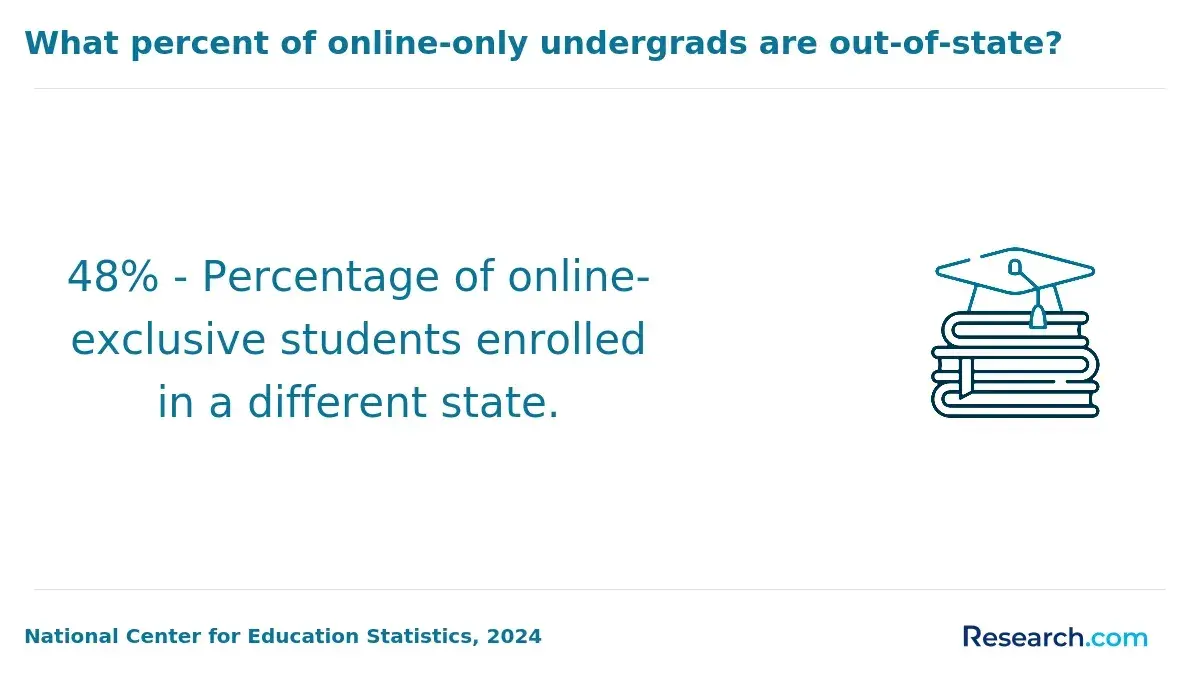
A 2024 report from the National Center for Education Statistics underscores that nearly half of adult learners prioritize education that enhances their job market position or enables advancement into specialized or managerial tracks.
Additional factors shaping this decision include expanded employer tuition assistance programs and the proliferation of flexible, hybrid, or fully online Animal Science curricula designed to accommodate work and family responsibilities. Industry shifts toward stricter regulatory compliance, biotechnology integration, and sustainable practices have heightened the need for updated, validated technical skills beyond hands-on experience.
Adult learners weigh the effort of academic reengagement against the imperative to maintain relevancy and competitiveness in rapidly modernizing agricultural fields.
How Do Academic Goals Vary Between Younger and Older Animal Science Students?
Younger animal science students often engage with their academic programs as a phase of broad exploration, seeking foundational competencies that can open multiple entry points into the agricultural sector, veterinary careers, or research support roles. Their objectives typically emphasize gaining a wide-ranging skill set through coursework designed to facilitate hands-on internships and foundational research experiences, helping them clarify long-term vocational interests.
This exploratory approach is partly enabled by fewer external obligations, allowing younger students to invest time in extracurricular activities and academic experimentation that build both practical skills and competitive resumes. According to data from the National Center for Education Statistics in 2024, these students prioritize programs that provide diverse pathways rather than immediate job placement.
In contrast, adult learners returning to or entering animal science programs generally exhibit a distinctly pragmatic orientation, shaped by established career trajectories and immediate employment concerns. They concentrate on developing targeted skills or obtaining credentials that directly influence job security, salary increases, or transitions into specialized roles such as livestock management or regulatory compliance. Flexibility in scheduling and relevance to current or desired workplaces are paramount, reflecting the need to balance education with existing professional and personal responsibilities.
The Council for Adult and Experiential Learning reported in 2024 that 62% of adult learners in similar fields pursued education primarily to enhance their employment prospects or pivot careers, highlighting a strategic, outcome-driven engagement with their studies.
An adult learner recounted the challenges faced during their decision to enroll in an animal science program amid rolling admissions. Initially hesitant due to uncertainty about timing and how previous work experience would factor into acceptance, they delayed application completion. When a job opportunity arose contingent on completing the degree, they expedited their submission and navigated administrative requirements amid personal and professional obligations. This experience underscored the tension adult students often face between seizing timely educational opportunities and coordinating their commitments to attain credentials that align with career advancements.
How Do Financial Concerns Differ Between Traditional Students and Adult Learners?
Traditional students pursuing an animal science degree generally rely on a combination of family support, scholarships, and federal student loans to finance their education. Their financial concerns often revolve around managing tuition costs and long-term debt obligations, with decisions influenced by their limited income status and dependency on external funding sources. About 65% of traditional undergraduates use some form of financial aid, highlighting how tuition affordability and future loan repayment shape their enrollment and academic choices.
This dynamic distinctly affects their educational pathways, as they balance immediate expenses against anticipated workforce entry and debt servicing in the long run while considering differences in tuition funding for traditional students and adult learners.
Adult learners, meanwhile, confront a different set of financial pressures rooted in their complex life stages. With many balancing family responsibilities, existing debts, and work commitments, the opportunity cost of returning to school includes lost wages and restricted work hours during study periods. Around 58% of adult learners fund their education through personal savings or employment income, often taking advantage of employer tuition assistance when possible.
Their approach to financing education prioritizes minimizing new debt and maintaining steady earnings, which shapes both their degree program choices and pace of completion. These financial realities influence preferences toward flexible scheduling or programs that align closely with occupational goals.
These divergent financial behaviors and priorities directly impact enrollment trends and program accessibility within animal science, necessitating tailored support models that address each group's specific constraints. Adult learners may favor online or part-time study options, reflecting a pragmatic calculation of return on investment that incorporates ongoing employment and family costs. Traditional students often seek more immersive, campus-based experiences that leverage institutional resources despite potential financial strain.
Understanding these nuanced differences is critical for prospective students as they evaluate pathways, including fields related to operations management degree programs, where financial decision-making intersects with practical career advancement strategies.
What Challenges Do Adult Learners and Traditional Students Face While Earning a Animal Science Degree?
Traditional students pursuing an Animal Science degree often face challenges rooted in their transition to intensive academic environments where mastering foundational scientific concepts and laboratory skills is imperative. The structured pacing of coursework and significant STEM content require effective time management, as these students balance demanding classes alongside social integration and extracurricular expectations that support professional networking.
Nearly 40% of traditional undergraduates report difficulty managing heavy STEM course loads, which can hinder persistence and delay degree completion. Furthermore, financial pressures manifest as concerns over student loans and the urgency to enter the workforce promptly, creating added stress that influences both academic performance and long-term career decisions.
Adult learners encounter a distinct set of obstacles shaped by their dual roles outside the classroom. Returning to education after workforce or caregiving commitments, they must reacquire contemporary technical competencies and adapt to evolving scientific methodologies different from their prior experiences. The challenge of balancing coursework with employment and family responsibilities often compresses available study time, complicating consistent academic engagement.
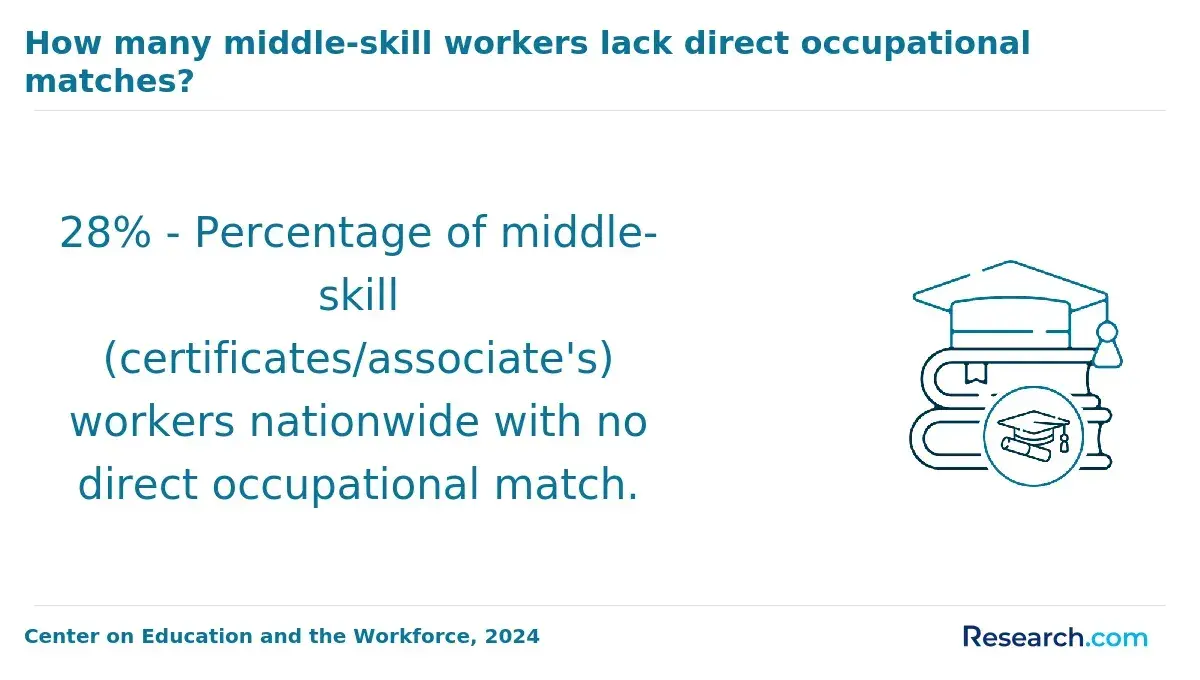
According to a 2024 report by the U.S. Department of Education, over half of adult students in agricultural sciences face difficulties with technological tools and lab techniques, while financial burdens tend to be more acute due to limited scholarship access and higher out-of-pocket expenses compared to younger peers, thereby affecting retention and completion rates.
How Does Age Affect Animal Science Degree Student Retention?
Retention challenges for younger animal science students often stem from adjusting to the academic rigor and social environment of college. These students typically face hurdles related to motivation and engagement during the initial years, when identity development and campus involvement heavily influence persistence. According to the National Student Clearinghouse (2024), traditional students aged 18 to 24 maintain a retention rate around 68% through their second year, reflecting how critical early academic integration and supportive peer networks are to sustaining enrollment.
Their retention is closely tied to structured campus support and opportunities to establish professional connections through internships and extracurricular activities.
Older animal science students encounter retention differently, driven by clearer career goals but constrained by substantial outside obligations such as jobs and family care. Their motivation is often linked to professional advancement or career changes, making their persistence behavior more deliberate yet vulnerable to time and financial pressures. Retention rates for adult learners, those 25 and older, tend to be lower-around 54%-due to these competing demands and less access to on-campus resources traditionally designed for younger students.
Flexible scheduling, online courses, and institutional adaptations play a vital role in supporting this group's continuation, highlighting how retention strategies must address varied life circumstances to be effective.
One animal science graduate recalled the difficulty navigating admissions as an older student balancing work commitments. Faced with rolling admission deadlines, she hesitated to submit her application promptly, uncertain if she could arrange leave from her job while waiting for acceptance.
This delay nearly jeopardized her enrollment until closer to the deadline, when she coordinated with admissions for a late submission. Her experience underscored the importance of clear communication and flexible timing in admissions processes, especially for adult learners managing complex schedules and business obligations alongside educational goals.
Which Animal Science Specializations Are Most Popular Among Adult Learners?
Adult learners in animal science programs typically concentrate on specializations that offer direct pathways to employment and practical skill application, reflecting their need for efficient career transitions and upskilling. These preferences are shaped by prior industry experience, existing responsibilities, and a focus on disciplines that facilitate salary advancement and workforce reintegration.
Recent data from the National Center for Education Statistics indicates that approximately 42% of adult enrollments focus on applied specializations such as animal nutrition and veterinary technology, outpacing traditional students substantially. This trend highlights adult learner preferences in animal science career paths that emphasize credentials with immediate vocational value.
- Animal Nutrition: Often selected by those with industry backgrounds in agriculture or food production, this specialization supports workers aiming to deepen expertise in dietary management and improve livestock health, directly impacting profitability and farm operations.
- Veterinary Technology: Popular among adult learners seeking clear licensure and certification pathways, this specialization aligns with growing demand across healthcare systems for skilled veterinary technicians and provides a structured route to stable employment.
- Livestock Management: Suited for individuals with prior farm or agribusiness experience, this area offers practical knowledge that enhances operational leadership and business efficiency in animal production environments.
- Animal Welfare and Food Safety: This specialization attracts those wanting to integrate regulatory compliance and ethical considerations into production, reflecting evolving industry standards and consumer expectations.
- Equine Science: Appeals to learners focused on specialized animal industries with niche market opportunities, combining passion with professional advancement in equine care and management.
These fields correspond directly to labor market demands and adult learner motivation toward pragmatic, career-oriented studies rather than purely academic routes. Balancing work, family, and education, many adult learners emphasize programs that offer flexible delivery and recognized certifications that translate quickly into workforce advantages.
In contrast, traditional students tend to select broader biological sciences or research-centric animal science specializations which prepare them for graduate studies or academia rather than immediate employment.
Employers increasingly seek candidates with these targeted skills because regulatory changes and production innovations require precise technical knowledge. Adult learners pursuing these specializations often achieve greater job stability and salary growth, although they may encounter limits in opportunities that focus on scientific research or higher education.
For adult learners weighing different educational paths, understanding these enrollment patterns offers valuable insight into specialization selection influenced by prior experience and career reinvention needs. Prospective students may also compare these trends against available options for affordable online masters in history programs when considering the balance between cost, flexibility, and career goals.
How Does Age Affect Job Opportunities for Animal Science Graduates?
Younger animal science graduates, typically entering the workforce between ages 18 and 24, often benefit from streamlined access to entry-level roles and internship pipelines that emphasize adaptability and physical stamina. These traditional students generally face fewer personal constraints, allowing greater geographic mobility and flexible schedules attractive to employers. According to the U.S. Bureau of Labor Statistics (2024), younger graduates tend to secure positions more quickly due to perceived longer-term career potential and openness to frontline roles, reflecting clear labor market segmentation.
This demographic also leverages early networking opportunities that can accelerate employment within specialized fields, an important factor when considering how age influences job prospects for animal science graduates in different career stages.
In contrast, adult learners entering animal science programs beyond age 25 may encounter distinct hiring dynamics shaped by prior work experience and transferability of skills. While employers sometimes harbor implicit biases related to age, concerns about mobility, or long-term commitment for entry-level roles, many adult graduates offset these perceptions with targeted career focus and relevant histories, translating into opportunities in management, extension services, or specialized technical positions.
This segmentation influences not only immediate hiring outcomes but also longer-term advancement prospects, especially for those balancing educational objectives with career transitions. Adult learners' ability to align educational pathways with clear professional goals often enhances their trajectory, underscoring the importance of understanding career advancement opportunities for adult learners in animal science fields. For those evaluating flexible study options, programs offering an instructional design degree online may provide useful models for accessibility and career-focused education.
What Do Current Animal Science Enrollment Trends Reveal About Future Demand?
Shifts in enrollment patterns for animal science programs reflect evolving perceptions of the field's career relevance and evolving student demographics. While traditional college-age students continue to represent the majority, a notable increase in adult learners pursuing these degrees signals recognition of practical, career-adaptive skills among mid-career professionals. Enrollment growth among students aged 25 and older has risen approximately 15% in related agricultural and biological science disciplines, demonstrating an expanding interest beyond conventional education pathways.
This diversification in student profiles indicates broader demand for flexible, applied learning formats and interdisciplinary competencies within animal science curricula.
These enrollment trends correlate closely with labor market dynamics where employers increasingly prioritize candidates possessing both foundational scientific knowledge and hands-on experience relevant to animal health, technology, and sustainable agriculture. The rising number of adult learners aligns with industry demands for specialized certifications and adaptable skills to address technological advancements and regulatory shifts.
Consequently, animal science programs are likely to see continued expansion and specialization, driven by workforce shortages and industry growth signaling sustained future demand across related sectors.
References
- BSAS https://www.bisas.org.uk/undergraduates-and-early-career/ec-education
- Jobs Working with Animals: Career Growth for Professionals https://www.mackinnon-bruce.com/insights-hub/blog/jobs-working-with-animals--career-growth-for-professionals/
- Traditional Vs. Non-Traditional Students in Higher Education https://moderncampus.com/blog/traditional-vs-non-traditional-students-in-higher-education.html
- How Higher Education Institutions Can Address the Needs of Adult Learners https://www.higheredtoday.org/2022/04/18/how-higher-education-institutions-can-address-the-needs-of-adult-learners/
- Meeting the Needs of Adult Students | Insight Into Academia https://insightintoacademia.com/meeting-the-needs-of-adult-students/
- Jobs & Careers for Animal Science Graduates https://www.agrirs.co.uk/blog/2021/08/jobs-and-careers-in-animal-science
- 11 Reasons to Consider Returning to College as an Adult https://www.georgefox.edu/bruin-blog/posts/2021/02/adp-11-reasons/index.html
- 5 Reasons to Return to Education as an Adult https://ucr.rotherham.ac.uk/blog/5-reasons-to-return-to-education-as-an-adult/
- The benefits of a degree in Zoology and Animal Science at University of Chester: Beyond the Classroom https://chester.ac.uk/about/news/articles/the-benefits-of-a-degree-in-zoology-and-animal-science/
- Adult Postsecondary Learners: Reviewing the Data and Evidence https://www.jff.org/idea/adult-learners/
Other Things You Should Know About Animal Science
In 2027, completion rates in animal science programs vary by age group. Traditional students often complete programs faster due to fewer outside commitments. Adult learners may face challenges balancing education with work and family, potentially extending their program duration. However, many institutions offer flexible schedules to accommodate adult learners' needs.
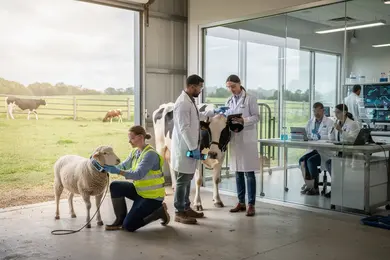
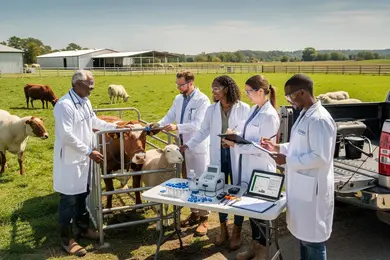
Animal science degrees require substantial hands-on experience in labs, farms, or internships, which can be a logistical barrier for adult learners with less free time or mobility constraints. Traditional students often live near campus and can access these opportunities more readily. Adult learners must consider whether their chosen program offers accessible experiential learning or alternatives that fit their lifestyle, as inadequate practical training can weaken employer perceptions of readiness.
Employers typically prioritize demonstrated competence and practical experience over age, but older graduates may face implicit biases about adaptability or technological fluency, especially in rapidly evolving subfields like animal biotechnology. Traditional students might be perceived as more up-to-date with current practices, while adult learners should carefully highlight relevant work experience and continuous skill development to mitigate such biases and enhance employability.
Traditional students often benefit from longer, comprehensive bachelor's programs that allow for deeper specialization and networking. In contrast, adult learners seeking career shifts or advancement might prioritize shorter certificates or associate degrees that offer targeted skills with quicker entry back into the workforce. Making this choice depends on balancing immediate employment needs against long-term career aspirations, with adult learners encouraged to select credentials that maximize return on their investment of time and resources.