2027 Animal Science Tuition Inflation Report: How Fast Are Program Costs Rising?

Co-Founder and Chief Data Scientist
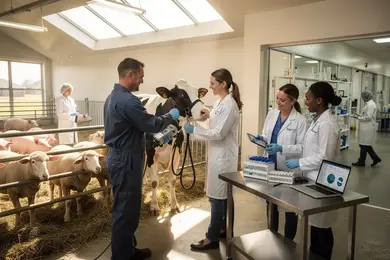
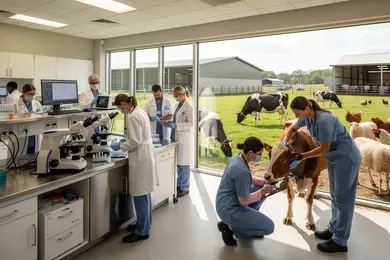
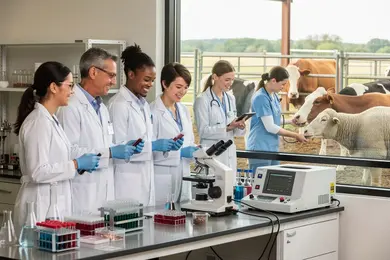
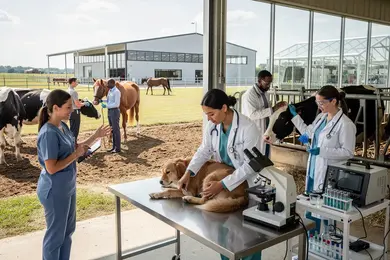
Tuition inflation in animal science programs reflects distinctive operational and educational pressures unseen in many other disciplines. Increased investment in specialized laboratory equipment, such as genomic sequencing tools and precision livestock monitoring systems, drives program costs upward. Additionally, growing accreditation standards demand enhanced clinical and field-based training, requiring smaller student-to-faculty ratios and expanded faculty expertise.
The U. S. Bureau of Labor Statistics projects a 13% employment growth in animal science-related fields through 2032, prompting institutions to scale program resources accordingly. Enrollment shifts show rising participation from non-traditional students, suggesting evolving workforce demands and accessible education pathways within this domain.
Key Things to Know About Animal Science Tuition Inflation
- Annual tuition inflation for animal science programs rose by 5.4% in 2024, outpacing general college inflation rates, which forces students to balance higher costs against longer time-to-degree tradeoffs carefully.
- Employers increasingly expect practical experience combined with degrees; rising tuition may pressure students to seek internships alongside coursework, complicating workload and financial planning.
- Accelerated increases in animal science program costs limit access for lower-income students, potentially reducing diversity and future workforce innovation in specialized agricultural and biotech sectors.
- Key Things to Know About Animal Science Tuition Inflation Key Things to Know About Animal Science Tuition Inflation
- How Much Has Animal Science Tuition Increased Over the Past Decade? How Much Has Animal Science Tuition Increased Over the Past Decade?
- How Does Animal Science Tuition Inflation Compare to Overall Inflation? How Does Animal Science Tuition Inflation Compare to Overall Inflation?
- Which Types of Schools Have Experienced the Fastest Animal Science Tuition Growth? Tuition Growth by School Type
- What Factors Are Driving Rising Costs in Animal Science Degree Programs? Tuition Cost Drivers
- How Does Animal Science Tuition Growth Vary by State and Region? Tuition Growth by State
- Are Online Animal Science Programs Becoming More Affordable Than Campus-Based Programs? Online Program Affordability
- How Have Financial Aid and Scholarships Changed as Animal Science Tuition Has Increased? Impact on Financial Aid and Scholarships
- How Does Rising Animal Science Tuition Affect Student Debt After Graduation? Impact on Student Debt
- Do Higher-Cost Animal Science Programs Deliver Better Career Outcomes or Earnings? Impact on Career Outcomes
- What Do Current Tuition Trends Suggest About the Future Cost of a Animal Science Degree? What Do Current Tuition Trends Suggest About the Future Cost of a Animal Science Degree?
How Much Has Animal Science Tuition Increased Over the Past Decade?
Tuition for animal science degree programs at public four-year institutions has risen roughly 40% to 50% over the last decade according to recent data from the National Center for Education Statistics and the U.S. Department of Education College Scorecard. Private colleges have seen tuition increases surpassing 60% in many cases, reflecting a steeper climb than general inflation or other sectors of higher education. This sustained growth highlights a key trend in animal science tuition increase over the past decade in the United States, significantly elevating the upfront costs students must bear to obtain these specialized degrees. Such data points underscore regional and institutional disparities but confirm a pervasive rise in financial barriers for students pursuing animal science nationally.
Several factors are driving these tuition hikes beyond basic inflation. Declines in state funding for public universities have shifted greater financial responsibility to students, while growing investments in technology and facilities aimed at enhancing experiential learning in animal science contribute to rising institutional expenses. Additionally, increasing demand for specialized skills and credentials in the agricultural workforce encourages schools to expand program offerings and support services, which can further inflate costs. These funding shifts and institutional spending priorities reveal a dynamic but costly higher education environment, with tuition surging amid broader shifts in enrollment and workforce expectations.
For prospective students and families, these trends complicate affordability and underscore the necessity of carefully assessing the long-term value of an animal science degree. The sharp tuition increase intensifies reliance on loans and financial aid, fueling concerns about debt burdens relative to wages in agriculture and related industries. Given these challenges, exploring alternative pathways such as community colleges, extension programs, or combining work-study options may better balance costs with employability demands. Ultimately, understanding this evolving landscape can help students make more informed choices and evaluate their return on investment when considering the best bachelor degrees to meet both educational and career goals.
How Does Animal Science Tuition Inflation Compare to Overall Inflation?
Tuition inflation for animal science degree programs has consistently outpaced the general rise in consumer prices tracked by the Consumer Price Index, with recent data from the U.S. Bureau of Labor Statistics and the College Board indicating annual increases between 3% and 5%, compared to a typical CPI growth of 2% to 3%. This trend shows that animal science tuition inflation compared to overall inflation rates in the US is significant and sustained, surpassing broader economic inflation even as general higher education costs escalate regionally and nationally. Such deviations highlight that animal science programs are subject to cost pressures beyond those affecting everyday consumer goods and services.
The structural drivers behind this tuition gap include diminished state funding for public institutions, compelling universities to raise tuition to offset budget shortfalls. Additionally, administrative expenses have grown, reflecting expanded campus services and compliance burdens. Investments in laboratory technologies, animal care facilities, and faculty specialization further contribute to rising operational costs. These factors, combined with an increased emphasis on integrating data-driven approaches and sustainability into curricula, place upward pressure on program costs, creating a distinct divergence from broader inflation trends seen in other educational or consumer sectors.
For students, this widening gap between animal science tuition and overall inflation amplifies affordability challenges, often necessitating greater reliance on loans and financial aid. This dynamic influences decisions around selecting programs and assessing long-term return on investment, as rising costs may outpace anticipated career earnings or sector demand. Prospective learners planning their educational paths should consider not only tuition trajectories but also emerging support structures and alternative options, such as more cost-effective online programs like a game design degree online, which might reflect similar inflationary pressures in specialized fields but with different cost drivers.
Which Types of Schools Have Experienced the Fastest Animal Science Tuition Growth?
Tuition inflation for animal science programs reflects a complex interplay of institutional financing, market demand, and program-specific cost drivers. Variations in funding mechanisms, enrollment pressures, and the intensity of research or technical resources lead to distinct pricing trajectories across different school types. Recognizing these structural influences is crucial for assessing both short-term affordability and longer-term educational value within animal science education.
- Public Land-Grant Universities: These institutions benefit from state appropriations and often have mandates to support agricultural and animal science outreach. As a result, their tuition increases tend to be moderate, around 2.5% annually, reflecting stable subsidization but constrained state budgets that limit steep hikes despite enrollment growth.
- Private Nonprofit Universities: With less reliance on public funding, these schools frequently offset rising operational and faculty costs through higher tuition increases, averaging about 4.2% yearly in animal science. Investment in specialized facilities and niche program expansion contributes to accelerated cost growth.
- For-Profit Institutions: Typically focused on flexible delivery models, such as online or accelerated formats, these schools often set competitive yet volatile pricing. Dependency on tuition revenue and marketing expenses can cause uneven tuition inflation, sometimes outpacing traditional nonprofit counterparts.
- Research-Intensive Universities: High costs of advanced laboratories, biotech equipment, and faculty research drive tuition beyond general institutional trends. Although some costs are covered by grants, the resource-intensive nature of animal science programs here translates into above-average tuition growth to sustain cutting-edge offerings.
- Regional Colleges and Community Colleges: Primarily serving local populations with limited research infrastructure, these institutions maintain the slowest tuition growth, often under 2% annually. They attract adult learners seeking affordable foundational coursework or credits transferable toward bachelor's degrees, relying heavily on state and local funding.
According to data from the National Center for Education Statistics and the College Board in 2024, public institutions' more modest tuition increases contrast sharply with the faster growth seen in private nonprofit settings, underscoring how institutional financial models and program specialization materially affect cost trajectories in animal science education.
What Factors Are Driving Rising Costs in Animal Science Degree Programs?
Rising costs in animal science degree programs stem from a complex interplay of institutional priorities, market forces, and broader economic trends rather than a single dominant factor. These programs increasingly incur expenses linked to maintaining advanced research facilities, specialized laboratory environments, and practical training operations that replicate real-world agricultural contexts. At the same time, growing expectations for faculty qualifications-often requiring advanced research credentials-drive up salary and benefit demands. The resulting financial pressure is compounded by expanded administrative layers and enhanced student-centered support services, which although improving educational quality, contribute additional operational overhead. This multifaceted cost structure reflects the evolving nature of animal science education as an investment not only in instruction but also in infrastructure and compliance with heightened regulatory mandates.
Among the most influential drivers are diminishing public funding streams, particularly for public universities, which, according to recent findings from the State Higher Education Executive Officers Association, have seen state appropriations decline by approximately 3.5% annually since 2020. This reduction forces institutions to rely more heavily on tuition revenues, directly affecting student expenses. Concurrently, faculty compensation in agricultural and biological sciences has risen by an average of 4.2% each year over the last three years, reflecting competitive labor market dynamics and the demand for highly qualified educators. Investments in digital technology, biosecurity compliance, and experiential learning environments further elevate costs. Schools balancing these diverse financial pressures often pass them on through increased tuition, making the cost trajectory in animal science programs a reflection of shifting institutional economics and resource allocation rather than isolated budgetary decisions.
One recent animal science graduate recalled the challenges posed by timing during the admissions cycle: "Because the program used rolling admissions, I couldn't finalize my application deadlines early enough to secure funding options promptly. It created a lot of uncertainty, and I had to weigh the cost increases against waiting for a later decision round. There was this tension between locking in a place quickly with higher costs or risking delays hoping for additional financial support. It was only after several inquiries and detailed financial planning that I felt confident committing, despite the rising prices." This experience illustrates the practical complexities students face as institutional cost structures intersect with admission timing and personal financial strategy.
How Does Animal Science Tuition Growth Vary by State and Region?
Tuition growth for animal science programs across the United States is highly uneven, shaped by a complex interaction of state funding priorities, institutional structures, and regional economic conditions. States allocate varying levels of public appropriations to higher education, directly influencing how much reliance institutions have on tuition revenues. Land-grant universities with a mandate to support agricultural education often maintain more stable tuition increases, while regions with expensive metropolitan centers and research-intensive private schools generally see sharper tuition escalations. This variation in funding, combined with local cost-of-living differences and state higher education policies, drives distinct regional patterns in animal science tuition increases by state.
Key factors behind this divergence include the size and volatility of state appropriations, with some states closing funding gaps by transferring costs directly to students. Areas with strong agricultural economies, such as the Midwest and parts of the Southeast, tend to moderate tuition growth to maintain accessibility, consistent with workforce demands for animal husbandry and agricultural research roles. In contrast, states hosting major research universities or private institutions, particularly on the West Coast and Northeast, face pressures to raise tuition due to higher operational costs and competitive academic markets. Regional labor market demand also affects pricing strategies; institutions in fast-growing metropolitan areas may justify steeper tuition hikes anticipating greater family incomes and more robust financial aid, influencing the affordability and perceived value of animal science programs.
These regional disparities in tuition growth have significant consequences for prospective and current students. Differences in affordability affect mobility decisions and program selection, as rising tuition can undercut the return on investment, especially where graduate employability in veterinary support or agricultural innovation does not keep pace with costs. Students must assess these trends carefully alongside labor market realities to avoid disproportionate debt burdens. Understanding how animal science tuition growth varies by state and region is essential for navigating educational options effectively, balancing cost with career outcomes. For those considering related leadership pathways, exploring opportunities such as an online masters in leadership can complement agricultural science knowledge with critical skills for managing evolving workforce demands.
Are Online Animal Science Programs Becoming More Affordable Than Campus-Based Programs?
Tuition trends for online Animal Science programs show a slower increase compared to their campus-based counterparts, reflecting distinct pricing strategies shaped by delivery method and institutional priorities. Campus programs often raise fees by roughly 4.8% annually, driven by costs tied to maintaining physical infrastructure, hands-on labs, and student services on site. In contrast, online programs average around a 2.1% yearly tuition increase, influenced by different cost dynamics and scaling opportunities within digital education models. These divergent trajectories suggest that online Animal Science degrees are gradually becoming more cost-competitive on a nominal basis, though pricing variability across institutions means this is not uniform.
The affordability gap arises primarily because universities reduce expenditures on physical facilities and on-campus support when expanding online offerings, but must balance this with significant investments in digital platforms, instructional design, and faculty training suited to remote delivery. Technology infrastructure and user experience enhancements represent fixed costs that grow with scale, yet require upfront institutional commitment. Meanwhile, student support services such as advising and career counseling persist but often shift to virtual modalities, impacting budget allocations differently. These financial factors combine with market considerations, including demand for flexible learning and employer recognition of digital credentials, to shape how sustainably universities price online Animal Science curricula.
One online Animal Science graduate recounted facing uncertainty during the rolling admissions cycle, unsure when acceptance might arrive amid competing deadlines. The candidate hesitated to commit financially without full clarity, reflecting how timing and responsiveness can influence perceived affordability beyond sticker price. The flexibility of the online program helped the student balance ongoing work without immediate relocation costs, but the delayed admissions decision required strategic adjustments to their enrollment plans. This experience underscores how economic considerations in online program affordability also intersect with procedural and operational realities unique to digital learning pathways.
How Have Financial Aid and Scholarships Changed as Animal Science Tuition Has Increased?
As tuition costs for Animal Science programs have risen by approximately 5% annually, financial aid and scholarship structures have struggled to match pace with these increases. Although some institutions have expanded need-based aid and introduced targeted packages for underrepresented students in STEM-agriculture fields, overall growth in need-based assistance has lagged behind tuition inflation. Meanwhile, merit-based and industry-specific scholarships have grown selectively, often aimed at attracting high-achieving students or those pursuing specialized career tracks within the field. This shifting emphasis in aid allocation reflects institutional strategies prioritizing differentiation to compete for top applicants amid rising program expenses.
Several factors drive the evolving aid landscape. Increased competition among Animal Science programs has encouraged greater tuition discounting through merit scholarships, as schools seek to bolster enrollment and prestige by awarding financial incentives to academically competitive candidates. Federal aid adjustments, such as modest Pell Grant increases, provide limited relief but do not fully offset rising tuition, leaving many students reliant on loans to fill funding gaps. Furthermore, the uneven distribution of institutional funds across departments constrains need-based aid expansions, forcing schools to balance resources across diverse priorities. These dynamics complicate affordability for students without strong academic profiles or direct industry connections, reinforcing stratified access within Animal Science education.
These trends have meaningful implications for net price and debt outcomes among Animal Science students. While targeted scholarships can reduce costs for niche groups, the general student population often faces rising out-of-pocket expenses and increased borrowing. Consequently, the total financial burden-including living costs and foregone earnings-may erode the perceived return on investment of Animal Science degrees, particularly for those lacking extensive external support. Understanding the interplay between tuition inflation and evolving aid offerings is crucial for prospective students assessing program accessibility and long-term career viability in this competitive, resource-intensive field.
How Does Rising Animal Science Tuition Affect Student Debt After Graduation?
Rising animal science tuition directly increases the amount students must borrow to finance their education, pushing many toward larger federal and private loans. This increased borrowing burden particularly affects traditional college-age students who often rely on fixed repayment structures, amplifying post-graduation debt levels. For adult learners balancing work and family, higher tuition can force longer enrollment periods or greater reliance on debt despite employer tuition assistance, altering financial trajectories and repayment timelines. The dynamic of growing program costs closely ties to borrowing behavior, as students weigh immediate educational expenses against long-term affordability, solidifying the link between how rising animal science tuition influences graduate student debt levels and subsequent financial challenges.
Several factors intensify this debt accumulation. A widening gap between escalating tuition fees and available financial aid means a larger share of educational expenses must be covered by loans, especially in private institutions where costs rise faster compared to public schools. Interest accrual during extended periods of study and deferment increases loan principal, further inflating repayment amounts. Meanwhile, post-graduation salaries in animal science fields often lag behind these growing debts, complicating repayment and undermining expected return on investment. This mismatch pressures students to plan carefully for their futures, balancing passion with realistic financial outcomes. Many prospective students also compare these costs and outcomes to degrees in related areas-such as data science-where affordability options might differ; for example, a data science degree can show different financing and career return structures.
The broader implications include increased financial stress that can influence career choices, pushing some graduates toward higher-paying but less fulfilling roles to manage loan repayment. Income-driven repayment plans and loan forgiveness programs offer some relief, but rising tuition escalates pressures on both borrowers and the higher education system. The intersection of growing animal science program costs and post-graduation debt levels not only shapes individual financial stability but also impacts program selection and perceptions of degree value within the field. Addressing these challenges requires transparent debt counseling and accessible financial aid tailored to evolving economic realities faced by students in animal science education.
Do Higher-Cost Animal Science Programs Deliver Better Career Outcomes or Earnings?
The question of whether higher-cost animal science programs deliver better career outcomes or earnings is complex and cannot be answered by tuition price alone. Recent data from the U.S. Department of Education's College Scorecard (2024) indicates that more expensive programs do not consistently yield significantly higher starting salaries or stronger long-term earnings for graduates. While some higher-tuition institutions may provide slightly improved initial employment rates, the wage premiums are generally modest and often range between 5% and 10% compared to lower-cost public or regional schools. This suggests that expenditure on tuition is not a direct predictor of improved financial returns in animal science degree earnings and return on investment analysis.
Several factors beyond program cost are more predictive of career success. Institutional reputation, well-established internship pipelines, strong employer partnerships, availability of specialization options within the animal science curriculum, geographic location, and active alumni networks frequently exert a more substantial influence on graduate outcomes. Many employers in agriculture and related industries emphasize hands-on experience and industry engagement over perceived prestige tied to tuition levels. Consequently, programs offering robust career support and connections to relevant sectors often provide better practical value irrespective of their pricing. Considering these dimensions helps contextualize why higher tuition does not guarantee superior employment or earnings outcomes in this field.
For those comparing options, weighing the return on investment requires careful attention to factors such as total student debt, career support infrastructure, and direct industry relationships rather than focusing solely on tuition fees. Prospective students may benefit from examining data on program outcomes alongside foundational costs, including reviewing resources such as the ms in digital marketing degree cost tuition fees for understanding evolving pricing dynamics across disciplines. Ultimately, assessing the operational tradeoffs between price and practical career benefits is critical when selecting an animal science program within the United States.
What Do Current Tuition Trends Suggest About the Future Cost of a Animal Science Degree?
Current tuition trends indicate that the cost of obtaining an animal science degree is rising faster than both general inflation and average college tuition increases. Data from the National Center for Education Statistics released in early 2024 shows an average annual tuition growth of 4.8% over the past five years for agricultural sciences, including animal science programs. This persistent increase, exceeding the consumer price index, reflects structural pressures on higher education pricing that suggest future costs will continue to outpace inflation unless significant policy or funding changes occur.
Several factors underlie these tuition trajectories. State funding for agricultural education often faces competing budget priorities, constraining subsidies that traditionally kept tuition lower. Meanwhile, demand for specialized skills in animal science drives program growth and institutional investment in technology-enhanced instruction, such as online delivery models, which carry their own cost implications. The expansion of flexible learning options may provide some cost mitigation for adult learners balancing external commitments, but the underlying upward cost trend largely reflects systemic funding and operational shifts rather than simple market fluctuations.
This rising cost environment presents affordability challenges, particularly for traditional students who risk accumulating greater debt or extending degree timelines due to financial strain. Adult learners also face tradeoffs as they weigh program accessibility against overall expenses. Prospective students should interpret tuition projections with caution, factoring in how institutional funding dynamics, program demand, and broader economic conditions intersect to shape the real cost of an animal science degree over time.
References
- Warsaw University of Life Sciences - Study fees https://www.sggw.edu.pl/en/studies/study-fees/
- Yes, Aid Fuels Tuition Inflation | Cato at Liberty Blog https://www.cato.org/blog/yes-aid-fuels-tuition-inflation
- Tracking College Tuition Growth https://www.richmondfed.org/publications/research/economic_brief/2024/eb_24-23
- Average Cost of College Over Time: Yearly Tuition Since 1970 https://educationdata.org/average-cost-of-college-by-year
- How college tuition inflation has impacted college costs https://finance.yahoo.com/news/college-tuition-inflation-cost-college-221647962.html
- How Much Has College Tuition Outpaced Inflation? | SoFi https://www.sofi.com/learn/content/college-tuition-inflation/
- BSAS https://www.bisas.org.uk/blog/the-future-of-animal-science-in-higher-education/
- Fact check/Does research show that federal student aid increases tuition https://ballotpedia.org/Fact_check/Does_research_show_that_federal_student_aid_increases_tuition
- Inflation Has Yet to Affect Tuition, but Students Still Feel the Rising Costs | Insight Into Academia https://insightintoacademia.com/inflation-has-yet-to-affect-tuition-but-students-still-feel-the-pain-of-rising-costs/
- The High Cost of Education for Veterinarians - Veterinarian & Dental Business Insurance Brokerage | Dallas, TX https://www.loyallgroup.com/the-high-cost-of-education-for-veterinarians/
Other Things You Should Know About Animal Science
Rising tuition costs make program length and workload critical factors for evaluating overall affordability. Longer programs or those requiring extensive internships and lab work increase indirect costs like housing and time out of the workforce. Students should prioritize programs with a balanced curriculum that offers efficient credit completion without compromising hands-on experience, as excessive length combined with high tuition rapidly inflates total educational expenses and delays entry into the job market.
Programs with higher tuition often provide more specialized labs, advanced technologies, and industry connections that can enhance employability. Conversely, lower-cost programs may lack these experiential learning opportunities, affecting skills development crucial for competitive entry-level roles. Prospective students must assess whether the premium cost translates into distinctive, relevant training or if they would gain comparable outcomes through more affordable programs supplemented by internships or external certifications.
Part-time enrollment can mitigate immediate tuition expenses by spreading costs over a longer period but prolongs program completion and delays workforce entry, which may increase overall costs when accounting for living expenses and lost earnings. Full-time enrollment accelerates graduation but requires more upfront financial resources amid rising tuition inflation. Students with limited budgets should weigh short-term affordability against long-term career timing, potentially prioritizing full-time study financed through strategic aid or employment.
Students should compare potential long-term earnings against program costs. Full-time enrollment might expedite graduation, leading to quicker employment, while part-time permits work alongside study, potentially reducing debt. Rising tuition trends necessitate a thorough cost-benefit analysis to match personal financial circumstances.