2027 Animal Science Degree Growth by State: Where Interest Is Rising the Fastest

Co-Founder and Chief Data Scientist
States experiencing rapid growth in animal science degree enrollment reveal deeper economic and institutional shifts shaping the field's future. Regions with expanding agricultural sectors, evolving regulatory frameworks, or increasing investment in agritech attract more students pursuing advanced study. Concurrently, the rise of flexible learning options enables adult learners and career changers to enter these programs, reflecting a broader 17% increase in graduate enrollment nationwide reported by the National Center for Education Statistics in 2024. This influx signals changing workforce demands and licensing prerequisites that influence where and how prospective students strategize their education and career mobility within animal science.
Key Things to Know About the State Where Animal Science Degree Interest Is Rising the Fastest
- States like Texas show enrollment spikes driven by expanding agribusiness sectors, but regulatory complexities in livestock management pose employer hesitancy, highlighting a mismatch between workforce supply and specific skill demands.
- Florida's diverse demographic growth and rising non-traditional student populations benefit from increased online animal science options, albeit with a tradeoff in hands-on experiential learning critical for advanced career roles.
- Midwestern states' slower degree growth reflects constrained public funding and tighter licensure requirements, elongating time-to-practice and emphasizing the importance of strategic timing for prospective students evaluating cost and career mobility.
- Which States Are Seeing the Fastest Growth in Animal Science Degree Enrollment? States Seeing the Fastest Growth in Enrollment
- What Does Enrollment Growth in Animal Science Programs Actually Tell Prospective Students? Interpreting Enrollment Growth
- How Do Regional Job Market Conditions Drive Animal Science Degree Demand by State? Role of Regional Job Market Conditions
- Which States Have Added the Most New Animal Science Degree Programs in the Last Five Years? States That Have Added the Most Programs
- How Has the Rise of Online Education Changed Which States Lead in Animal Science Program Interest? Role of Online Education in Increased Program Interest
- What Demographic Trends Are Fueling Animal Science Degree Growth in Specific States? Demographic Trends Fueling Growth
- How Do State Funding Levels for Animal Science Services Influence Degree Program Growth? Role of State Funding Levels
- Which States Are Emerging as Unexpected Leaders in Animal Science Degree Interest? States Emerging as Unexpected Leaders in Growth
- How Does State Population Size Affect the Interpretation of Animal Science Degree Growth Data? Role of State Population Size
- What Role Do State Licensing Requirements Play in Driving or Suppressing Animal Science Enrollment? Role of State Licensing Requirements
Which States Are Seeing the Fastest Growth in Animal Science Degree Enrollment?
Enrollment growth in animal science degree programs reflects shifting regional labor market demands and institutional focus rather than uniform national expansion. While undergraduate and graduate programs are expanding broadly, the fastest growth concentrates in select states where economic conditions, industry presence, and research investments create tangible career pathways. This uneven pattern underscores how prospective students must weigh where programs are evolving quickly against local workforce absorption capacity and regulatory environments impacting licensure and employment.
- Iowa: As a cornerstone of U.S. animal agriculture, Iowa offers immersive connections between academia and industry, facilitating practical research and internships. This integration supports graduates' job readiness but may limit geographic mobility if students rely solely on region-specific ag-centric networks.
- North Carolina: Doubling graduate enrollment reflects the state's biotech-driven evolution, demanding higher technical proficiency and interdisciplinary skills. Students targeting innovation-intensive roles benefit from programs here but face tradeoffs in broader livestock production experience compared to more traditional programs.
- California: Enrollment growth centers on sustainable and ethical production, mirroring regulatory pressures and consumer expectations. Graduates often pursue niche sectors requiring specialized knowledge, which can be an advantage in emerging markets yet may constrain opportunities in conventional production systems.
- Texas: The state's scale and economic diversity push demand for animal health professionals, aligning education with veterinary sector growth. However, the broad agricultural scope means students must choose whether to specialize narrowly or maintain versatility to navigate a competitive labor market.
- Wisconsin: Emphasizing nutrition and genetics research, Wisconsin's programs expand with demand for cutting-edge expertise in dairy science. This focus eases entry into specialized roles but may present challenges for those seeking generalist credentials or work outside dairy-intensive regions.
These five states illustrate distinct economic and academic drivers shaping enrollment patterns in animal science degree programs. Recognizing these trends helps students evaluate which programs align with their career goals amid geographic and industry-specific constraints. Subsequent sections will unpack the economic, regulatory, and institutional factors behind these enrollment shifts and explain why tracking enrollment momentum is crucial when assessing program quality and long-term employability. For those also considering alternative fields or faster paths to credentials, resources addressing the accelerated psychology degree online market offer a useful comparison in understanding how program length and focus affect career trajectories.
What Does Enrollment Growth in Animal Science Programs Actually Tell Prospective Students?
Enrollment growth often signals shifting demand yet can mask critical challenges in program quality and graduate outcomes. For example, a rapidly expanding animal science program may attract students to a region only to find limited job placement support, forcing career compromises or geographic relocation.
Raw enrollment numbers are a useful indicator of interest but do not convey the full picture of a program's effectiveness or alignment with labor market realities. Prospective students should assess multiple performance metrics to interpret growth meaningfully and avoid decisions driven solely by popularity or volume. Programs sustaining growth through strong retention, timely graduation, effective job placement, and licensure success generally reflect resilient academic and professional support systems.
Contrast this with programs where growth stems primarily from relaxed admissions or aggressive recruitment, which risks diluting educational rigor and employer confidence in graduates' readiness. Distinguishing between these scenarios requires nuanced evaluation beyond headline enrollment figures.
Growth data must be contextualized by regional economic conditions, regulatory environments, and institutional reputation since local factors heavily influence workforce demand and hiring practices. Direct outreach to current students and alumni adds indispensable qualitative insights into campus culture, faculty engagement, and career services that raw data cannot capture.
- Retention Rates: High enrollment paired with low retention often signals academic or support gaps that can delay graduation and impede career entry.
- Graduation Rates: Steady or improving graduation rates amid growth suggest maintained or enhanced academic quality.
- Job Placement Outcomes: Effective connections to internships and employers indicate that enrollment expansion aligns with real labor market needs.
- Licensure Pass Rates: Certification and licensure success rates reveal the program's effectiveness in preparing graduates for professional standards.
- Recruitment Versus Quality: Rapid expansion driven by marketing or lax admissions may erode program rigor and graduate competitiveness.
- Contextual Factors: Economic conditions, state policies, and regional demand profoundly affect program growth relevance and graduate employability.
- Direct Outreach: Engaging with current students and alumni supplies crucial firsthand perspectives on program strengths and weaknesses.
How Do Regional Job Market Conditions Drive Animal Science Degree Demand by State?
Demand for animal science degree programs by state is directly influenced by localized labor market dynamics, which dictate not only job availability but also the types of roles graduates can expect. For instance, states experiencing growth in public healthcare and agriculture sectors often see corresponding increases in animal science degree demand in regional job markets. This is because expanding services in veterinary healthcare, agricultural research, and public animal welfare drive employers to seek professionals with relevant credentials. Consequently, these workforce trends affecting animal science enrollment mean students must weigh regional opportunities carefully, as stronger local job markets typically improve practicum placements and enhance negotiating power during salary discussions.
- Texas: Expanding veterinary and livestock industries, fueled by heightened public investment in agricultural research, are a primary reason for surging demand for animal science graduates.
- Florida: The state's focus on wildlife conservation and public health initiatives promotes increased hiring in animal welfare and veterinary public health roles.
- California: Large-scale agriculture and incentive programs targeting sustainable livestock farming contribute to steady job growth for specialized animal scientists.
- Iowa: Significant funding in animal health research and biosecurity within the public sector creates a stable pipeline of employment opportunities, influencing enrollment in graduate programs.
- North Carolina: Growth in educational institutions and school districts recruiting agriculture educators increases the need for advanced credentials in animal science.
Prospective students and career changers must analyze specific state labor market data, including Bureau of Labor Statistics and state workforce agency projections, to align their graduate education with local demand patterns. Furthermore, those considering flexibility in location should recognize how a thriving regional job market enhances access to quality internships and collaborative research opportunities. Such conditions ultimately impact the practical value of animal science degrees and long-term career trajectories. For professionals balancing multiple priorities, exploring options like an executive online MBA alongside technical credentials may also influence career versatility within shifting labor markets.
Which States Have Added the Most New Animal Science Degree Programs in the Last Five Years?
States that have expanded accredited animal science degree programs recently reveal distinct patterns in how economic priorities, workforce needs, and institutional strategies intersect. Rather than uniform growth, variations in program types-new launches, online additions, or capacity increases-reflect regionally specific demands and funding environments. For prospective students, these differences affect access, cost competitiveness, and specialization opportunities which require careful evaluation beyond geographic preference.
- Texas: The state's expansion is driven by aggressive enrollments at multiple institutions empowered by state-backed agricultural grants responding to regional livestock labor shortages. This fosters both heightened tuition competition and broader scholarship availability, an important factor for students balancing financial constraints with a rigorous degree.
- North Carolina: Growth focuses on augmenting established programs through increased enrollment capacities and introducing specialized fields like animal biotechnology, aligning with the state's push for innovation in animal health. Students entering these programs face heightened academic competition but benefit from curricula that mirror evolving industry standards.
- California: Emphasis on new accredited programs and online degree tracks reflects efforts to serve working professionals statewide, influenced by environmental policy shifts and a dynamic animal nutrition sector. The resulting program diversity demands that students navigate complex financial aid systems and choose specializations responsive to both regional and national labor markets.
- Iowa: Expansion primarily through increasing seats at flagship agricultural universities reflects workforce shortage policies funneling targeted grants to education. Locally focused industry partnerships result in scholarships linked to practical employment outcomes, though competition among peer institutions can be intense.
- Florida: New programs correspond with growing veterinary and animal welfare career demand driven by demographic changes and public funding contests for accreditation-driven expansions. This dynamic generates more specialized tracks but also amplified competition for financial aid, requiring strategic selection based on long-term career fit.
Evaluating these states' program growth reveals how institutional ambitions are inseparable from labor market exigencies and regulatory landscapes. Students choosing among multiple programs within a state should weigh not only institutional reputation but also nuances like the types of specialization offered, scholarship competitiveness, and potential employment networks. A state with multiple expanding programs signals richer options but can mean tougher financial aid battles and complex decision tradeoffs.
One recent graduate recalled navigating this landscape firsthand. Applying just as a new online track launched in Texas, they delayed committing while weighing in-state and out-of-state affordability and timing of rolling admissions. The extended wait for scholarship news was nerve-wracking, forcing tactical decisions about fallback programs. Ultimately, the interplay of program availability, financial aid timing, and workforce alignment shaped their decision to enroll, illustrating that growth in program numbers can both create opportunity and introduce uncertainty requiring deliberate planning.
How Has the Rise of Online Education Changed Which States Lead in Animal Science Program Interest?
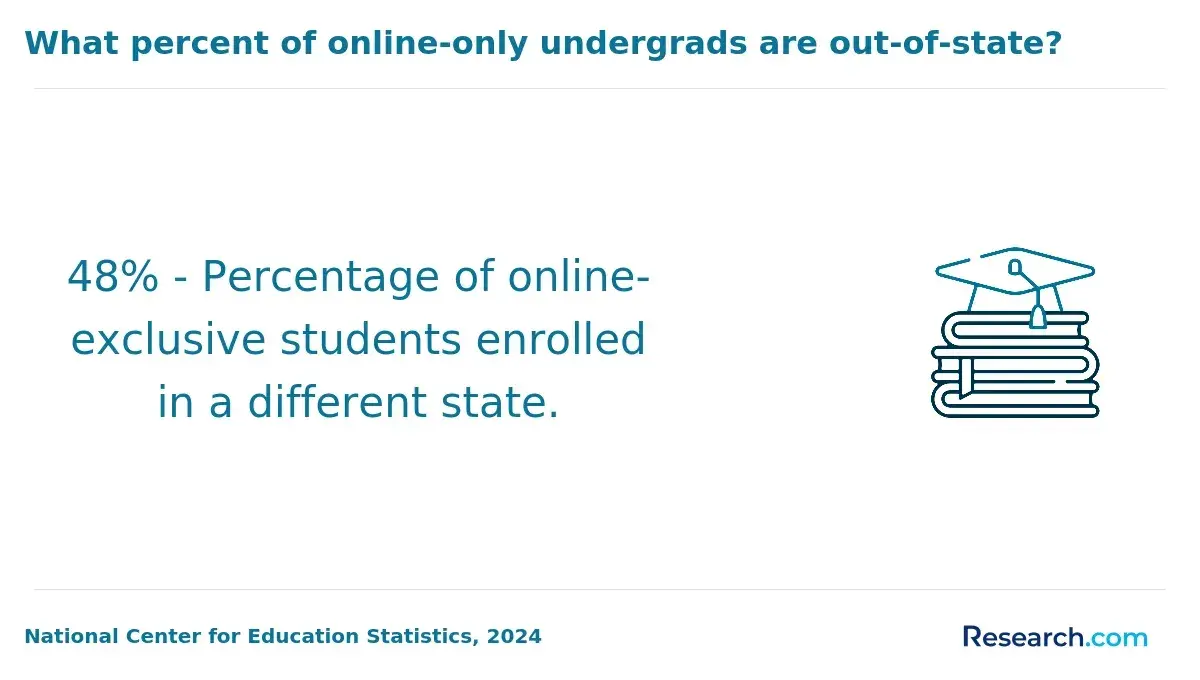
The emergence of fully online animal science graduate programs has fundamentally altered which states dominate enrollment, shifting influence away from traditional geographic constraints. Previously, students chose programs largely based on proximity or willingness to relocate, restricting their options. Today, states with reputable, accredited online programs attract large out-of-state student populations, driven by program quality, competitive tuition structures, and recognized credentials rather than location alone. This shift creates new dynamics for prospective students and institutions alike.
- Access: Remote delivery breaks down regional barriers, allowing candidates from states lacking robust on-campus options to pursue advanced degrees without relocation, expanding educational equity but also raising questions about hands-on training quality.
- Program Influence: States hosting flagship public universities or land-grant institutions offering leading online animal science programs become de facto national hubs, shaping curricula standards and workforce pipelines beyond their borders.
- Regulatory Considerations: Students must navigate complex state-specific licensure and certification rules which often prioritize local credentials and practical experience, potentially limiting the portability of out-of-state online degrees in certain animal science careers.
- Employer Expectations: While employer acceptance of accredited online degrees is growing, tangible experiential learning remains a critical differentiator impacting hireability, emphasizing careful program selection aligning with workforce demands.
- Market Impact: Enrollment growth skews toward states offering flexible and cost-effective online options, influencing regional educational funding models and affecting agricultural labor markets reliant on traditional campus-based training.
What Demographic Trends Are Fueling Animal Science Degree Growth in Specific States?
The growth of animal science degree programs in specific states is being driven by several important demographic trends. One major factor is population growth in states with strong agricultural and livestock industries, such as Texas, Kansas, North Carolina, and California. As these states expand, the demand for professionals in animal production, nutrition, health, and management also increases, encouraging more students to pursue animal science degrees. At the same time, the field has experienced a significant rise in female enrollment, with women now making up the majority of animal science students. Many of these students are attracted to animal science as a pathway to careers in veterinary medicine, animal welfare, and research.
Another key trend is the increasing participation of students from urban and suburban backgrounds. Unlike previous generations, many animal science students today do not come from farming families. Instead, they are drawn to careers involving companion animals, equine science, wildlife conservation, and veterinary services. This shift has been particularly noticeable in highly populated states such as California, Florida, North Carolina, and Texas. Additionally, growing racial and ethnic diversity in many agricultural states has contributed to broader participation in agricultural education. Universities are actively recruiting students from underrepresented groups to meet changing workforce needs and better reflect state demographics.
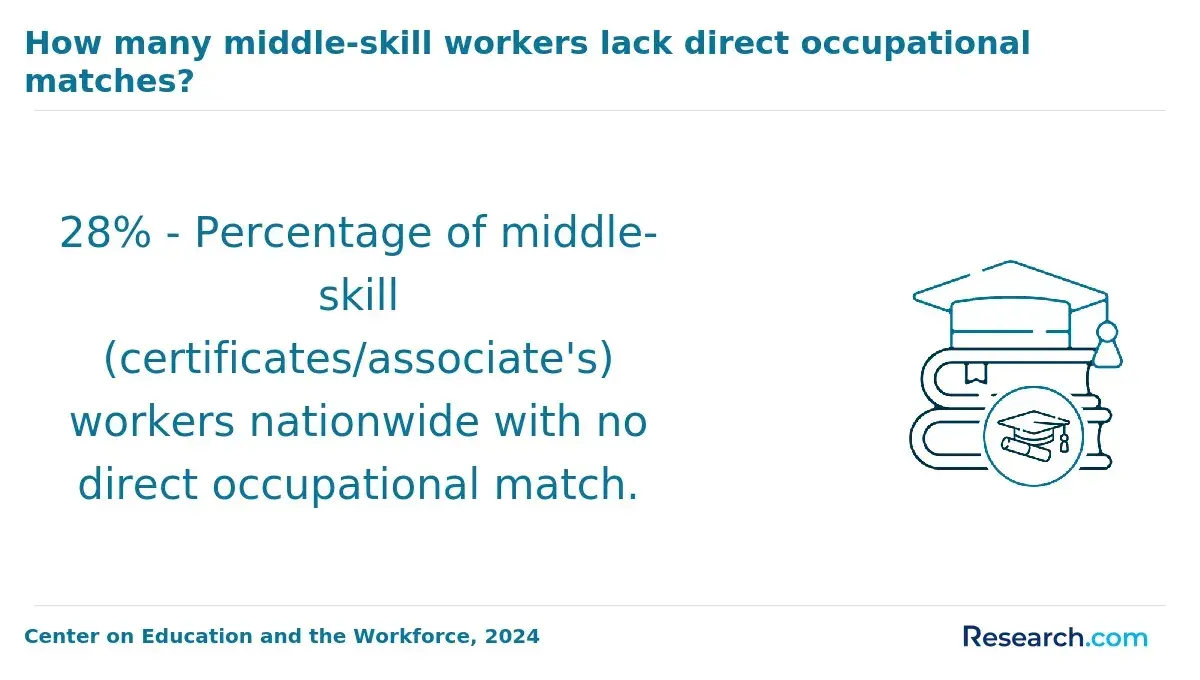
Workforce demand is also fueling enrollment growth. Many sectors of the animal agriculture industry face shortages of qualified professionals as older workers retire, creating opportunities for graduates in livestock production, animal health, food systems, and agricultural business. As a result, states with large livestock industries, including Texas, Nebraska, Kansas, and North Carolina, continue to see strong interest in animal science programs. Overall, the expansion of animal science degrees is being driven by a combination of population growth, increasing diversity, greater female participation, urban student interest, and strong employment opportunities within the animal and agricultural sectors.
How Do State Funding Levels for Animal Science Services Influence Degree Program Growth?
State funding for animal science services directly shapes the dynamic growth of degree programs by influencing job availability and institutional investment. States that commit public resources-including Medicaid reimbursements, block grants, school-based mental health funding, and support for community health centers linked to animal health-build more resilient local employment markets. This reliability encourages schools to expand programs and draws students seeking sustainable career paths. Conversely, limited or inconsistent state funding creates unstable employer demand, pushing graduates to relocate, which undermines program viability and deters new enrollees.
- Investment: Strong public funding correlates with predictable job openings, reassuring students about workplace relevancy and encouraging degree completion within their state.
- Retention: Well-supported states benefit from higher graduate retention in local roles, which sustains community expertise and reduces economic leakage.
- Underfunding: Insufficient financial backing leads to shrinking programs and drives graduates toward out-of-state markets, weakening the regional educational ecosystem.
- Career Environment: Monitoring state legislative trends on animal science funding offers valuable foresight on long-term career prospects and sector health.
- Program Outcomes: Prospective students should request data on alumni employment rates within the state five years post-graduation to assess real-world impacts of funding on job stability.
A recent animal science graduate shared how the interplay of state funding influenced their admissions timeline. Initially hesitant due to ambiguous job prospects in their home state, they closely tracked legislative funding news while navigating rolling admissions. This uncertainty delayed their application submission as they weighed the strategic risk of committing to a program with unstable local employment potential. Eventually, growing investment signals prompted a decisive application, reinforcing how fiscal policy shifts tangibly affect student decision-making beyond academic factors alone.
Which States Are Emerging as Unexpected Leaders in Animal Science Degree Interest?
States traditionally outside the core animal science education hubs are now emerging as significant players in graduate enrollment growth, reflecting shifts in regional economic and policy environments that reshape workforce development. For prospective students, choosing these emerging markets entails weighing tangible benefits like lower tuition and less competitive admissions against risks tied to the durability of funding and local industry stability. An illustrative example: Nebraska's growth comes not from transient appropriations but from sustained interstate educational agreements that reduce nonresident tuition barriers, enhancing program accessibility for a broader student base. This kind of structural investment offers a more reliable path for workforce alignment compared to states relying heavily on temporary grants.
- Arkansas: Once overshadowed by larger agricultural states, Arkansas has increased enrollment through state initiatives targeting livestock health and rural workforce training. Recent launches of accredited graduate programs in public universities pinpoint a regional demand for applied skills in sustainable animal husbandry, supported by pandemic relief funds but positioning for continuity beyond that.
- Nebraska: Its expansion stems from membership in an interstate compact facilitating student mobility and lowering out-of-state tuition hurdles, allowing graduates to access more diverse program options. This membership signals legislative commitment rather than temporary funding, suggesting a structurally sustainable growth model in the fastest growing animal science degree programs by state.
- West Virginia: Investments focused on food safety and livestock biosecurity resonate with Appalachian agricultural needs, spurring increased enrollment. However, much of this uptick ties to short-term grants, warranting careful evaluation of program longevity before committing.
- Nevada: Partnerships between universities and regional cattle operations promote enrollment growth through workforce incentives and affordable tuition, though geographic isolation may cap scalability. Effective program outcomes will depend on sustaining these industry links and expanding employment channels.
These states illustrate how shifting economic and regulatory contexts shape the states with rising interest in animal science degrees, offering less conventional but potentially advantageous paths for students aligned with regional job markets. However, the varied stability of growth drivers means not all emerging hubs present equal long-term promise. Decision-makers should consider not only admissions and cost factors but also the broader workforce integration landscape.
Those exploring graduate options would benefit from considering competency based masters degrees that align more directly with workforce demands and career-ready skills, especially when evaluating programs in these evolving markets.
How Does State Population Size Affect the Interpretation of Animal Science Degree Growth Data?
Interpreting animal science degree growth data without adjusting for state population size leads to misleading conclusions about market strength and career prospects. For example, a large state adding 2,000 new animal science graduates annually may seem to show robust demand, but a smaller state adding only 300 graduates can have a much higher per-capita growth rate and reveal a less saturated, more promising labor market. Absolute growth figures obscure the relative pace of expansion and don't capture workforce capacity or professional saturation levels, which are crucial for understanding genuine program and job market opportunities.
Per-capita growth-measuring new graduates relative to population-alongside workforce saturation metrics that compare licensed animal science professionals to residents offers a clearer picture of where demand genuinely outpaces supply. Graduates evaluating multiple states should prioritize those where the ratio of credentialed professionals to the population is below the national average, as these underserved areas typically present stronger early-career hiring prospects and less competition. This approach integrates population context and regional demographic influence on animal science program enrollment, avoiding pitfalls tied to raw enrollment growth interpretations.
- Population Context: Raw enrollment data can mislead without normalizing to state population size for accurate demand signals.
- Per-Capita Growth: Percent growth or graduates per 100,000 residents yields more meaningful assessments of genuine program expansion.
- Workforce Saturation: States with fewer licensed professionals relative to population size often indicate stronger labor market entry conditions.
- Regulatory Environment: Complex licensure or acceptance criteria in certain states may slow workforce growth despite rising enrollment.
- Economic Factors: Local industry presence and funding impact both program appeal and graduate employment prospects.
For career changers and geographically mobile students with flexible plans, understanding these nuances is critical. Students comfortable with expedited pathways might explore 1 year MPA programs to align career transitions efficiently, though such programs' availability varies regionally in line with local regulatory and economic conditions affecting animal science programs.
What Role Do State Licensing Requirements Play in Driving or Suppressing Animal Science Enrollment?
The complexity and transparency of state licensing requirements significantly drive or suppress enrollment in animal science graduate programs. States that maintain clear, consistent, and accessible licensure pathways lower barriers for students, enabling them to anticipate the timeline and costs associated with entering the profession. For example, in states where licensure renewal involves minimal fees and straightforward testing, enrollment tends to rise as students view the post-degree process as manageable. Conversely, states that impose opaque rules or frequently alter licensure criteria often see dampened interest, as potential students weigh uncertainties against salary prospects that typically range between $50,000 and $70,000 annually for entry-level roles, according to recent labor data. This careful evaluation shapes decisions particularly for career changers and geographically flexible graduates who compare regulatory stringency alongside program reputations and cost.
Licensing boards influence enrollment indirectly by setting the expectations employers respond to: in states with robust licensure frameworks, hiring managers increasingly prioritize licensed candidates, effectively raising the threshold for program applicants. This employer demand fosters a feedback loop-programs aligned with licensure standards attract more students, building institutional and advocacy capacity that pushes for further regulatory clarity and infrastructure improvements. Practically, this dynamic alters workforce composition and hires more qualified professionals, which cannot be ignored when selecting graduate programs.
Prospective students must study the full licensure pathway beyond academic requirements. Comparing the ease or complexity of post-graduation steps across states is critical for aligning educational investments with realistic career entry timelines and mobility considerations.
- Transparency: States with clearly outlined licensure criteria enable students to plan realistically for credentials, supporting higher enrollment.
- Stringency: Excessive or unpredictable requirements can deter interest by extending time and cost to professional practice.
- Employer Influence: Licensing boards indirectly shape enrollment as employers prioritize licensed professionals, aligning student incentives with market demand.
- Feedback Loop: Strong licensure infrastructure encourages program growth, which bolsters advocacy for further regulatory refinement.
- Comparative Evaluation: Students with geographic flexibility benefit by comparing licensure demands across states when selecting graduate programs.
References:
- Career Avenues in Animal Science https://www.ffa.org/career-success/career-avenues-in-animal-science/
- Animal activity licensing process: statutory guidance for local authorities https://www.gov.uk/government/publications/animal-activities-licensing-guidance-for-local-authorities/animal-activity-licensing-process-statutory-guidance-for-local-authorities
- Agriculture Animal Science AS-T Degree | Shasta College https://www.shastacollege.edu/academics/programs/agriculture/agriculture-animal-science-as-t-degree/
- â Editorial â Guidelines for experimental design and statistical analyses in animal studies submitted for publication in the Asian-Australasian Journal of Animal Sciences https://www.animbiosci.org/journal/view.php
- Animal Science Bachelor’s Degree (B.S.) https://delval.edu/programs/undergraduate-majors/animal-science-degree
- Understanding Population Dynamics Models https://veteriankey.com/understanding-population-dynamics-models/
- USDA APHIS Animal Care Finalizes Revised Licensing Regulations https://www.cov.com/en/news-and-insights/insights/2020/05/usda-aphis-animal-care-finalizes-revised-licensing-regulations
- How Online Learning Has Changed Education | ACE Blog https://ace.edu/blog/how-online-learning-has-changed-education/
- Animal Science - Warsaw University of Life Sciences https://www.sggw.edu.pl/en/kierunki-sggw/animal-science/
- Is Online Learning Here to Stay? Trends & Insights for 2026 https://www.calmu.edu/is-online-learning-here-to-stay-trends-insights-for-2026
Other Things You Should Know About Animal Science
Employers in states with rapidly growing animal science programs tend to prioritize candidates who combine technical expertise with adaptability to diverse agricultural practices, reflecting the evolving industry landscape. These states often have expanding sectors like biotechnology, sustainable farming, and livestock management, which require graduates to have cross-disciplinary skills beyond traditional animal husbandry. Consequently, program applicants should scrutinize curriculum focus and employer partnerships in these states, as alignment with local industry needs significantly improves job placement prospects.
States with higher tuition and living costs typically see slower enrollment growth despite robust demand, because these expenses directly impact prospective students' ability to finance graduate education. This dynamic means that even if the local job market is favorable, the upfront financial burden may deter potential candidates, especially those returning from the workforce or switching careers. Students should weigh total education costs against expected starting salaries in the state to avoid situations where debt outweighs early career earnings, prioritizing programs offering strong financial aid or experiential learning opportunities that boost employability.
Enrollment growth data signals rising interest but doesn't always guarantee stronger job markets or better academic experiences. Prospective students must consider whether growth reflects genuine labor demand, institutional investment, or simply demographic shifts. Prioritizing states where growth is supported by stable or expanding industry infrastructure-and where programs have demonstrated successful graduate employment-can help avoid pitfalls associated with overcrowded programs or saturated job markets. Using growth data as one factor among accreditation, faculty expertise, and employer ties leads to more strategic decisions.
Rural and underserved states are increasingly expanding animal science programs to tackle workforce shortages, leading to a notable rise in degree interest. By enhancing programs and offering incentives, these states are attracting more students, thereby boosting their animal science sectors in 2027.