2027 Online Illustration Bachelor's Degree Programs With No Prerequisites

Co-Founder and Chief Data Scientist
Many individuals with unrelated undergraduate degrees seek to break into the illustration industry but hesitate due to lacking prior art experience. This barrier can delay career shifts and limit access to accredited programs requiring portfolios or foundational courses. Online illustration bachelor's degree programs with no prerequisites address this challenge by providing flexible entry pathways. According to the National Center for Education Statistics, over 35% of students enrolled in online art-related programs had no previous art coursework. This article explores such programs, outlining options that enable career changers to build skills and credentials efficiently without initial art prerequisites.
Key Benefits of Online Illustration Bachelor's Degree Programs With No Prerequisites
- Online illustration bachelor's programs with no prerequisites offer flexibility for working adults, allowing study around job schedules and personal commitments without prior academic barriers.
- These programs enable accelerated skill development through focused, practical coursework that builds both foundational and advanced illustration techniques.
- Students can earn valuable credentials on their own timeline and budget, supported by financial aid options and transfer credit policies that ease progression and affordability.
What Does 'No Prerequisites' Mean for Online Illustration Bachelor's Degree Programs, and Who Benefits Most?
The term "no prerequisites" in online illustration bachelor's degree programs means students can enroll without completing specific prior coursework, such as foundational art classes or general education credits. This is distinct from open admission policies, which may still require placement tests or basic qualifications, and low-barrier enrollment, which reduces application materials or prior academic achievements needed. Essentially, no prerequisites ease access by removing traditional academic requirements that often limit who can start a bachelor's degree in illustration.
This approach particularly benefits career changers seeking to shift into creative fields, working adults balancing job and family responsibilities, returning learners resuming education after a break, and first-generation college students who face systemic barriers or lack preparatory education. According to data from the National Center for Education Statistics (NCES), non-traditional students account for nearly 75% of undergraduate enrollment nationwide, underscoring the increasing demand for accessible programs like these.
For those exploring online illustration bachelor's degree no prerequisites programs, understanding key elements helps in making informed decisions. This article covers:
- Admission Accessibility: How no-prerequisite policies eliminate common barriers and who benefits most from improved entry options.
- Program Quality and Accreditation: Ensuring students receive a reputable education despite simplified admission requirements.
- Student Support Services: Resources such as tutoring, advising, and technical assistance that help diverse learners succeed.
- Financial Aid and Affordability: Available funding options designed to support students entering through no-prerequisite programs.
- Credit Transfer Opportunities: How prior learning can be recognized to shorten time to degree completion.
- Career Outcomes: Employment pathways and industry readiness for graduates of these accessible illustration degrees.
Choosing an illustration program that removes entry barriers can open new career possibilities while maintaining standards proven by accreditation and student support. Prospective students should also consider exploring the best degrees for the future to align their education with evolving industry demands.
Which Accredited Online Illustration Bachelor's Programs Accept Students With No Prior College Coursework?
Several regionally accredited institutions offer online illustration bachelor's degrees with open admission policies that waive prerequisite college coursework, providing accessible pathways for working adults, first-generation students, and career changers. These accredited online illustration degrees with no prerequisite courses combine flexibility with quality education, frequently including foundational or bridge courses to build essential skills if needed.
- University of Florida: This public university's online Bachelor of Fine Arts in Graphic Design includes illustration coursework and accepts applicants holding a high school diploma or GED without requiring prior college credits. Bridge courses may be offered to develop foundational art skills. With over 50,000 students enrolled, UF boasts robust online infrastructure and support services.
- Academy of Art University: Known for its art and design focus, this regionally accredited institution offers a fully online Bachelor of Fine Arts in Illustration with an open admissions policy that waives prerequisite courses. They provide comprehensive student support, including tutoring and career placement, and serve roughly 18,000 students.
- Full Sail University: The online Bachelor of Science in Media Design emphasizes illustration skills such as concept art. No prior college coursework is required, but preparatory modules cover foundational topics. Full Sail enrolls over 20,000 students and offers flexible financial aid and career resources.
- Southern New Hampshire University (SNHU): SNHU's Bachelor of Fine Arts with an illustration focus requires no prerequisites for admission. Its extensive online platform supports mentoring and transfer credit evaluation. SNHU's enrollment tops 135,000 students, reflecting significant institutional capacity.
- Liberty University: This regionally accredited university offers a Bachelor of Fine Arts in Graphic Design with an illustration emphasis, admitting students without prior college coursework. Foundational classes are available online. Liberty has a large online student body of over 100,000 and strong financial aid programs.
These online illustration bachelor's programs commonly share regional accreditation, open or low-barrier admissions, and strong student support. Prospective students should verify whether prerequisites are fully waived or replaced by bridge courses and evaluate options for financial aid, transfer credits, and career guidance. Selecting a program balancing accessibility with quality is critical to a successful academic and professional outcome. For those researching costs and options, exploring online EMBA financing strategies can offer useful insights even outside art disciplines.
2026 Update: Technology Readiness for No-Prerequisite Online Illustration Students
This 2026 update adds a practical technology-readiness check for students entering online illustration bachelor’s programs without prior art coursework, since “no prerequisites” does not always mean “no tools needed.”
- Whether the program requires a drawing tablet, stylus, scanner, webcam, or specific computer specifications.
- Which illustration, design, or image-editing software students are expected to use in first-year courses.
- Whether software licenses are included in tuition, discounted, or purchased separately.
- How digital file submissions, critiques, and portfolio reviews are handled in the online classroom.
- Whether beginners receive tutorials on digital drawing workflows before advanced studio assignments.
- What backup options exist if a student’s device, software, or internet access fails during a project deadline.
Checking these details before enrolling helps students budget realistically, avoid early technical setbacks, and start building illustration skills with the right setup from the first course.
How Do Open-Admission Policies in Online Illustration Programs Differ From Traditional Selective Admissions?
Open-admission policies in online illustration bachelor's degree programs allow students to enroll without meeting standard requirements like minimum GPA, portfolio submissions, or prerequisite courses. This approach contrasts with selective admissions, where applicants must demonstrate specific academic or artistic achievements. For example, the University of Florida's College of the Arts openly shares its open-admission standards on their admissions website, and their enrollment figures align with IPEDS data confirming this flexible policy.
- Admission Flexibility: These programs welcome students from diverse backgrounds, requiring no prior art classes or portfolios, which is especially beneficial for adults returning to education or making a career shift.
- Academic Preparation Variation: Because students join with varying skill levels, many need foundational classes, tutoring, or orientations to build essential knowledge before tackling advanced illustration work.
- Institutional Examples: Community colleges generally apply open-admission policies, while specialized art schools may use rolling or conditional admissions requiring specific qualifications. National data show community colleges maintain nearly 100% open admission rates compared to more selective bachelor's degree art programs.
- Support Services: To bridge varied preparation levels, programs often offer academic advising, portfolio workshops, and career counseling to enhance student success and align goals with industry demands.
- Career and Academic Goals: Prospective students should carefully assess whether open-admission illustration programs provide the academic challenge and career support necessary to meet their ambitions.
- Recent Trend: According to the National Center for Education Statistics, enrollment in open-admission online arts programs grew by about 15% over five years, reflecting increasing demand for accessible creative degrees among nontraditional learners.
A professional who enrolled in an online illustration bachelor's program with no prerequisites shared that the lack of initial barriers eased his decision to return to school after years in a different field. He described feeling uncertain about his art skills at first but appreciated the access to foundational courses and supportive advising, which made the transition manageable. "It wasn't just about getting in," he explained, "it was about having the resources to grow once I started." Despite challenges balancing work and study, he valued the program's flexibility and saw it as a crucial step toward establishing his new career.
What Are the Typical Enrollment Requirements for No-Prerequisite Online Illustration Bachelor's Programs?
Proof of High School Completion: Most no prerequisite online illustration degree admission requirements still ask for evidence of finishing secondary education, usually a high school diploma or GED. This baseline helps verify readiness for college-level work even in programs with open enrollment policies for online illustration bachelor programs.
- Minimum Age: Applicants typically must be at least 17 or 18 years old to comply with institutional rules. Younger students often explore dual-enrollment pathways through local colleges as an alternative route into higher education.
- English Language Proficiency: Since instruction is in English, non-native speakers need to provide proof of language skills via exams like TOEFL or IELTS or other assessments to meet program standards and engage fully with coursework.
- Application Documentation: Regardless of waived coursework prerequisites, candidates should prepare a formal application, personal statement, and sometimes an art portfolio. Thoughtful submissions can enhance admission likelihood.
- Alternative Enrollment Paths: Students missing standard credentials may pursue GED certification or dual-enrollment programs offered mainly by public institutions. Private nonprofits may require additional verification or testing to approve entry.
Prospective students considering low-barrier enrollment options should ensure their programs meet quality and accreditation standards. For those seeking related advanced study, exploring data science degrees can provide complementary skills and career opportunities.
Are No-Prerequisite Online Illustration Bachelor's Programs Available at Regionally Accredited Universities?
Regional accreditation remains a critical measure for online illustration programs without prerequisite requirements. It conveys that the institution adheres to rigorous academic standards recognized nationwide, enhancing credit transfer prospects and employer acceptance. This accreditation type ensures smoother transitions if students wish to pursue further education or switch institutions. In contrast to national accreditation, often associated with vocational training, regional accreditation is widely favored by employers and other universities, bolstering degree credibility.
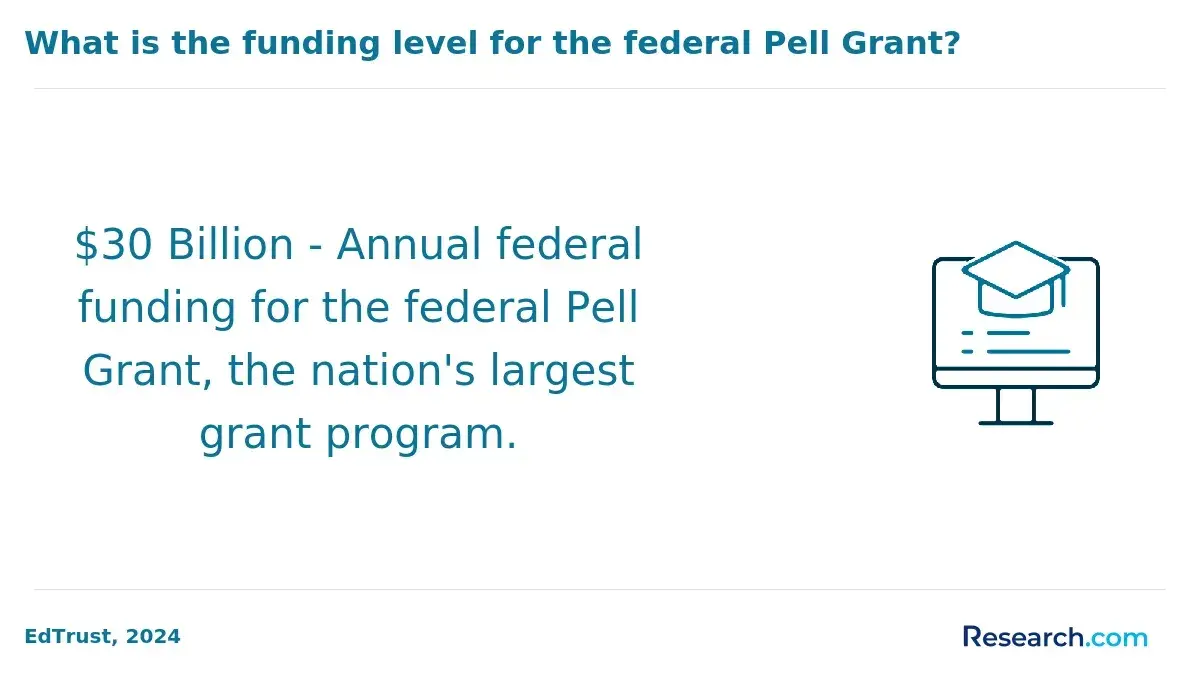
Students relying on federal financial aid must attend regionally accredited schools, as most aid programs mandate this status. This access to grants, loans, and work-study opportunities makes higher education more affordable for many learners. Prospective students should consult the U.S. Department of Education's accreditation database and the Council for Higher Education Accreditation's (CHEA) directory to confirm accreditation status before applying, especially when seeking open-admission or low-barrier illustration programs online.
- Verify Accreditation Type: Ensure the institution is regionally accredited to guarantee broader credit transfer and employer recognition.
- Check Official Sources: Use the U.S. Department of Education or CHEA directories to get real-time validation of accreditation status.
- Review Transfer Policies: Confirm credits can move to other schools, preserving your educational flexibility and future options.
- Confirm Financial Aid Eligibility: Validate that the program qualifies for federal financial aid to support your studies financially.
A professional who launched a successful career after completing an online illustration bachelor's program shared her experience. She recalled navigating doubts about the program's legitimacy due to its no-prerequisite policy but was reassured by its regional accreditation. "It was challenging at first to trust an open-admission program," she admitted, "but knowing it was regionally accredited made a huge difference-it helped me secure financial aid and land my first job." Her journey underscores how accessible programs with strong accreditation can empower students entering or reentering the workforce with confidence.
How Do Students Without Academic Prerequisites Catch Up in Online Illustration Bachelor's Courses?
Students entering online illustration bachelor's programs without prior art experience often encounter challenges in foundational skills like drawing, color theory, and software use. Many well-established programs respond by providing comprehensive academic supports designed to help learners build competence and confidence alongside peers with more formal backgrounds.
- Developmental Courses: Accredited institutions frequently include beginner-level courses that introduce core artistic principles and digital tools gradually. This approach allows students to develop essential skills in a structured way before advancing to complex projects.
- Tutoring Services: Personalized tutoring-both individual and group-is widely available to clarify concepts and resolve technical difficulties. For example, Southern New Hampshire University and Academy of Art University offer virtual tutoring tailored specifically for illustration and creative arts students.
- Peer Mentoring: Collaborative learning thrives through peer-led mentoring programs and workshops, encouraging students without formal prerequisites to exchange feedback and grow within a supportive community.
- Bridge Programs: Certain universities, like Arizona State University Online, provide specialized bridge modules that combine artistic fundamentals with academic preparation. These programs smooth the transition for nontraditional or underprepared students into degree-level coursework.
- Readiness Self-Assessment: Prospective students are encouraged to honestly evaluate their skills through online quizzes or sample assignments offered by many schools. This proactive step helps identify areas needing improvement and directs learners to appropriate support resources early on.
- Correlation With Success: Data from the National Survey of Student Engagement (NSSE) highlights that students utilizing tutoring and mentoring services in online illustration programs have notably higher retention and graduation rates-over 65% complete degrees within six years in well-supported cohorts.
Recent trends show a 20% increase in the availability of student support services in open-admission online illustration programs over the past five years, reflecting a growing institutional commitment to accessibility and positive student outcomes.
What Support Services Help No-Prerequisite Students Succeed in Online Illustration Bachelor's Programs?
Online illustration bachelor's degree programs with no prerequisites often provide comprehensive student success services that help adult learners navigate the demands of family, work, and study. These services are vital for reducing dropout rates and supporting degree completion, especially for students balancing multiple responsibilities.
- Academic Advising: Personalized virtual advising helps students design degree plans aligned with career goals and manage course selections effectively. Flexible scheduling allows progress to be monitored continuously through online platforms.
- Mental Health Resources: Telehealth counseling and wellness programs offer confidential support for students managing stress or anxiety related to academic and personal challenges. Licensed professionals provide convenient access to care that helps maintain student wellbeing.
- Disability Accommodations: Accredited programs comply with ADA standards by offering tailored tools like screen readers and extended testing times. These services are fully accessible online, ensuring equitable learning experiences for all students.
- Career Counseling: Dedicated centers provide guidance in portfolio building, internship placement, and job search strategies, essential for illustration graduates entering competitive creative industries.
- Asynchronous and Virtual Support: Online discussion boards, recorded workshops, and 24/7 tutoring services cater to diverse schedules, enabling students to engage flexibly without compromising work or family time.
Data from U.S. News Best Online Bachelor's Programs highlight that students utilizing these support services have a 33% higher likelihood of on-time graduation. This emphasizes the value of investing in programs with strong infrastructures that foster academic persistence and success.
Can Transfer Credits or Prior Learning Assessments Replace Prerequisites in Online Illustration Programs?
Transfer credits and Prior Learning Assessments (PLAs) can replace prerequisite coursework in many online illustration bachelor's degree programs, offering flexible pathways for students with varied backgrounds. Programs increasingly accept standardized exams such as CLEP (College-Level Examination Program) and DSST (DANTES Subject Standardized Tests), allowing students to demonstrate college-level knowledge in foundation art and design without retaking courses. This approach reduces both time and tuition costs.
The American Council on Education (ACE) plays a key role by evaluating and recommending credit for diverse learning experiences, including workplace training, military service, and professional certifications related to illustration. These ACE-recommended credits can fulfill prerequisite requirements, benefiting those with practical or professional experience. To maximize transfer credits or PLA advantages, students should compile comprehensive documentation-portfolios, transcripts, certificates, and detailed summaries of their prior learning-when submitting for evaluation. This documentation is crucial in receiving prerequisite waivers in online illustration bachelor's degrees.
- Flexible Credit Policies: Some schools allow transfer of up to 90 credits and accept CLEP, DSST, and assessed workplace training to help accelerate degree completion.
- ACE Recommendations: The ACE credit framework facilitates credit recognition for non-traditional learning such as military service and professional art certifications, equating these to prerequisite courses.
- Documentation Importance: Students must provide organized evidence of prior learning-portfolios, certificates, and transcripts-to successfully waive prerequisites.
- Institution Examples: Thomas Edison State University and Excelsior College are recognized for generous transfer credit limits and robust PLA programs tailored for adult learners.
- Cost and Time Savings: Leveraging PLAs and transfer credits significantly lowers tuition expenses and shortens time to degree completion.
- Enrollment Trends: Approximately 65% of adult learners in online creative fields report using PLAs or transfer credits to bypass prerequisite coursework, reflecting growing institutional support.
Working adults pursuing flexible study options, including a masters degree in counseling online, can benefit from understanding these credit policies as they plan their educational paths alongside career changes or family commitments.
What Is the Average Time to Completion for No-Prerequisite Online Illustration Bachelor's Degree Programs?
The average time to complete online illustration bachelor's degree programs without prerequisites generally follows the standard 120-credit-hour framework typical of bachelor's degrees in the United States. However, the time to completion varies considerably depending on factors like enrollment pace, term length, and any prior credits earned through transfer or testing.
- Credit Hour Framework: Most no-prerequisite online illustration bachelor's degree programs require about 120 semester credit hours to graduate. A student starting fresh can expect to complete these credits in around four years if enrolled full-time, aligning with the typical duration for no-prerequisite online illustration bachelor's degrees.
- Enrollment Pace: Time to degree depends heavily on whether a student opts for full-time or part-time enrollment. Full-time enrollment usually leads to graduation in about four years, while part-time students might take six years or longer, influenced by balancing education with other life responsibilities.
- Term Length and Scheduling: Some accredited programs provide accelerated eight-week terms and year-round enrollment, enabling students to progress faster than traditional 16-week semesters. Competency-based models, such as those at Western Governor's University, allow learners to demonstrate mastery of material at their own pace-significantly shortening time to graduation.
- Institutional Differences: According to IPEDS data, open-admission online programs often have longer average completion times compared to selective-admission schools. This difference is linked to higher part-time enrollment and the varied challenges students face in low-barrier programs.
- Cost Impact: The length of study directly affects total tuition and opportunity costs like lost wages. Accelerated and competency-based pathways can reduce these expenses by facilitating quicker degree completion.
Students weighing their options may also consider pathways such as 2 year online degrees to build foundational credits before transferring into bachelor's programs, further influencing overall time to completion and affordability.
How Does Tuition Compare Between No-Prerequisite and Standard Online Illustration Bachelor's Programs?
Tuition for no-prerequisite online illustration bachelor's programs often differs notably from standard-admission degrees, shaped by factors like institutional type and program design.
- Tuition Rates: Open-admission programs typically offer lower per-credit-hour prices compared to selective institutions. Public community colleges and state universities with open enrollment frequently set more affordable rates to broaden access.
- Additional Fees: Some no-prerequisite programs require extra charges for developmental or remedial classes, which selective programs generally do not impose. These fees can significantly increase the overall cost despite a lower base tuition.
- Institutional Model: Selective illustration degrees often operate within private or research universities, resulting in higher tuition to fund smaller class sizes, expert faculty, and specialized resources. Open-admission programs tend to benefit from state support and economies of scale, helping maintain lower costs.
- Program Format: While both types are mainly online, selective programs may include hybrid components or capstone projects that add to total expenses through specialized fees or materials.
- Cost Outlook: Prospective students should assess the full financial commitment-including tuition, fees, and possible additional coursework-rather than focusing solely on per-credit rates. This comprehensive view ensures a more accurate comparison between different online illustration bachelor's options.
Which Online Illustration Bachelor's Programs Allow Students To Start Without A High School Diploma Or GED?
Several accredited online illustration bachelor's programs welcome applicants holding a GED or HiSET instead of a traditional high school diploma, facilitating access for working adults, career changers, and first-generation students. These institutions often adopt open admissions models that simplify entry while maintaining academic standards and accreditation.
- Open Admissions: Numerous public universities and community colleges accept high school equivalency credentials, reducing enrollment barriers and accelerating program access without compromising quality.
- Conditional Enrollment: Some schools require GED holders to complete placement exams or remedial courses to verify readiness, ensuring essential skills before advancing to intensive illustration studies.
- International Education: Applicants educated outside the U.S. must typically submit an equivalency evaluation from recognized credential agencies to confirm that their secondary education aligns with U.S. standards, a prerequisite for online illustration program eligibility.
- Application Requirements: Alongside GED documentation, institutions may request identification proof, transcripts of prior postsecondary coursework, and occasionally recommendation letters or personal statements to assess applicant motivation.
- Financial Aid and Support: Accredited programs usually offer federal aid eligibility to GED graduates, plus access to tutoring, career services, and counseling designed to support illustration students' academic and professional growth.
What Graduates Say About Their Online Illustration Bachelor's Degree Program With No Prerequisites
- Lennon: "I chose the online illustration bachelor's degree program with no prerequisites because I wanted a flexible start without worrying about prior credits. The affordability was a huge plus-it allowed me to invest in my education without breaking the bank. Since graduating, the skills I gained have directly opened doors to freelance projects and agency work, which has completely transformed my career path."
- Forest: "Reflecting on my journey, the no prerequisites requirement was a deciding factor-it made the program accessible and welcoming for someone like me with a non-art background. The cost was reasonable compared to traditional options, making it easier to commit fully without financial strain. Professionally, this degree has been a game changer, elevating my portfolio and boosting my confidence when pitching to clients."
- Leo: "From a professional standpoint, enrolling in an online illustration bachelor's program with no prerequisites was the smartest way to enter the creative industry fast. The cost-effectiveness let me balance work and study without overwhelming debt. After completing the program, I noticed a clear impact: increased job opportunities and recognition in the illustration community that I hadn't experienced before."
Other Things You Should Know About Illustration Degrees
Most programs require 10–20 original images that show drawing skill, composition, and creative range. Many schools also ask for 2–3 sketchbook pages, a short artist statement, and digital files in PDF or JPG format. Some accept beginner portfolios if the student completes a foundation course first.
2027 online illustration programs often teach software skills like Adobe Illustrator, Photoshop, and CorelDRAW. Students learn to create digital illustrations, manipulate images, and understand graphic design principles through practical, hands-on projects using these industry-standard tools.
References
- Is Online College More Affordable? | UT San Antonio Online https://online.utsa.edu/blog-content/cost-of-an-online-degree-vs-traditional-education/
- World's Largest platform as University Common Application https://www.planstudyabroad.uniagents.com/course-details.php
- How Long to Get a Degree Online? | ValidGrad https://validgrad.com/blog/how-long-does-it-take-to-get-a-degree-online/
- Online Art and Illustration https://classesandcareers.com/online-programs/art_and_illustration
- Digital Illustration Program | Bachelor Degree of Digital Art https://www.cgspectrum.com/courses/digital-illustration-program
- Enhancing Your Distance Learning Experience with Top-Notch Online Student Support https://lakewood.edu/enhancing-your-distance-learning-experience-with-top-notch-online-student-support/
- Support in the learning process - SWPS University https://english.swps.pl/academics/968-accessible-university/32968-support-in-the-learning-process
- Online College Tuition Comparison: Online vs. In-Person https://www.uagrantham.edu/blog/online-college-tuition-comparison-online-vs-in-person/
- What are the benefits of pursuing an e-learning art degree for undergraduates? https://m.umu.com/ask/a11122301573853885787
- Should you do an (online, part time) MA in Illustration? – Ottilia Scribbles https://ottiliastephens.com/2019/11/28/should-you-do-an-online-part-time-ma-in-illustration/