2027 Different Types of Industrial Organizational Psychology Degrees and Their Salaries

Co-Founder and Chief Data Scientist
The demand for skilled professionals in industrial organizational psychology is rising steadily as businesses increasingly recognize the value of optimizing workforce performance and organizational culture. According to recent labor statistics, employment in this field is projected to grow notably faster than the average for all occupations over the next decade. Choosing the right educational path is crucial for those aiming to capitalize on this trend and secure competitive positions. This article provides a comprehensive guide to the various types of industrial organizational psychology degrees and outlines the potential earnings graduates can expect in each area, offering clarity for those planning their academic and professional futures.
Key Points About Different Types of Industrial Organizational Psychology Degrees and Their Salaries
- Graduates with a bachelor's degree in industrial organizational psychology typically start in entry-level human resource or organizational development roles, earning an average salary around $55,000 per year, but career advancement often requires further education.
- A master's degree in industrial organizational psychology significantly boosts earning potential with median salaries ranging from $70,000 to $90,000 annually, reflecting the demand for specialized skills in talent management, employee relations, and organizational consulting.
- While associate degrees are less common in industrial organizational psychology, individuals holding them generally find limited opportunities in administrative support roles with salaries below $40,000, making a bachelor's or higher degree essential for long-term growth and leadership positions.
What are the different types of industrial organizational psychology degrees available?
Understanding the different industrial organizational psychology degree types and levels is crucial for students before selecting a program, as each degree aligns with distinct educational backgrounds and career goals. Choosing the right path ensures your academic experience and professional development are tailored to your interests and aspirations.
Below is an overview of the main types of industrial organizational psychology degrees and what makes each unique, helping you navigate your options effectively.
- Bachelor's degree in industrial organizational psychology: Provides foundational knowledge in general and applied psychology, with coursework covering research methods, statistics, social psychology, and organizational behavior. Programs often include electives on leadership, workplace diversity, and occupational health.
- Master's degree (MA or MS) in industrial organizational psychology: Focuses on advanced workplace concepts like employee selection, performance management, and organizational development. Coursework emphasizes research design, psychometrics, motivation, and training methods to apply psychological principles in real-world business contexts.
- Doctor of Philosophy (PhD) in industrial organizational psychology: Concentrates on research and generating new knowledge in the field through extensive courses in statistics, experimental design, and organizational theory. Students conduct original dissertation research aimed at workplace issues and often pursue academic or high-level consulting roles.
- Doctor of Psychology (PsyD) in industrial organizational psychology: Emphasizes practical application over original research, with programs focusing on applied training and real-world experience. This degree prepares graduates to implement evidence-based solutions in government or industry environments.
Professionals with a master's degree in industrial organizational psychology can expect a median annual salary of approximately $92,880, while those holding a doctoral degree, such as a PhD or PsyD, may earn $125,000 or more depending on their role and industry. For students exploring quick degrees that fit their schedules, there are quick degrees available to accelerate their educational journey in this field.
What specializations are available in industrial organizational psychology degrees?
Specialization is a key factor when choosing an industrial organizational psychology degree because it allows students to tailor their education to match specific career goals and industry demands. Aligning your studies with a particular focus can enhance your expertise and improve job prospects in competitive fields. Below is an overview of some common Industrial Organizational Psychology specializations that illustrate various career paths and skill sets.
These specializations offer distinct knowledge areas and practical skills designed to prepare students for targeted roles in the workplace.
- Industrial Organizational Psychology: Human Resource Management: Focuses on recruitment, selection, performance appraisal, and compensation. Students develop skills in interviewing, employee assessment, and organizational development, leading to careers as HR managers, talent acquisition specialists, or compensation analysts.
- Industrial Organizational Psychology: Organizational Development and Change: Emphasizes managing organizational change, culture, and team dynamics. Core skills include change management, conflict resolution, and leadership coaching, preparing graduates for roles such as organizational development consultants and change management specialists.
- Industrial Organizational Psychology: Occupational Health Psychology: Centers on employee well-being, workplace safety, and stress management. Students learn risk assessment and wellness program design, often pursuing careers as occupational health psychologists, safety consultants, or wellness program managers.
- Industrial Organizational Psychology: Executive Coaching and Leadership Development: Involves coaching leaders and teams to improve performance and culture. Key skills are assessment, feedback, and strategic leadership development, preparing students for roles like executive coach or training manager.
- Industrial Organizational Psychology: Human Factors and Ergonomics: Focuses on optimizing workplace design for safety and efficiency. Skills include human-machine interaction analysis and usability testing, leading to careers in ergonomics consulting, systems analysis, or workplace safety engineering.
When deciding on a specialization, prospective students should consider career aspirations and salary opportunities. Exploring options through an online college enrollment can provide flexible pathways to developing your expertise in these areas.
How long does it take to complete each type of industrial organizational psychology degree?
Understanding the length of time required to complete an industrial organizational psychology degree is crucial for students to effectively plan their education and career paths. Knowing the typical duration of each program helps align expectations with personal goals and life circumstances. Below is an overview of the main industrial organizational psychology degree types and their usual completion times.
- Associate Degree in Industrial Organizational Psychology: Typically takes about 2 years to complete when attending full-time. Part-time study can extend this to 3 or more years. Some programs offer online courses or flexible scheduling, which may accelerate completion for motivated students.
- Bachelor's Degree in Industrial Organizational Psychology: Usually requires 4 years of full-time study. Transfer credits from community colleges or prior coursework can shorten this timeframe. Many universities provide online or evening classes to accommodate working students.
- Master's Degree in Industrial Organizational Psychology: Generally completed in 1.5 to 3 years depending on part-time or full-time enrollment. Accelerated programs exist that allow completion in around 12 to 18 months, often through intensive or online coursework.
- Doctoral Degree (PhD or PsyD) in Industrial Organizational Psychology: This advanced degree often requires 4 to 7 years, combining coursework, research, and dissertation work. Time can vary significantly based on individual progress, program structure, and whether the study is full- or part-time.
Yes, accelerated industrial organizational psychology degree programs are indeed available in the United States, designed to help students complete both undergraduate and graduate degrees in a shorter time frame compared to traditional pathways. These programs typically shorten completion time through several key methods.
First, condensed courses allow students to engage in streamlined coursework, often counting certain classes toward both undergraduate and graduate degree requirements simultaneously. Second, year-round academic terms-including fall, spring, summer, and sometimes January sessions-enable students to maintain continuous progress without conventional long breaks.
Lastly, some programs incorporate transfer credits and stackable graduate certificates that can be earned concurrently, further reducing the overall duration and cost. Common formats like "4+1" or five-year tracks are popular, allowing qualified undergraduates to begin graduate coursework in their senior year and ultimately earn both degrees within five years instead of the usual six or more.
While accelerated programs offer clear time savings, prospective students should carefully consider important factors before enrolling. The workload intensity tends to be significantly higher compared to standard programs, with heavier course loads and less flexibility to accommodate other commitments, requiring strong time-management and academic skills.
Eligibility requirements are often rigorous, including minimum GPA thresholds (such as a 3.0), prerequisite completion with high grades, and sometimes formal application processes as early as junior year. Understanding these demands is critical, as successful candidates emerge well-prepared for careers in talent management, consulting, and analytics, with competitive salaries reflecting the specialized nature of the field.
When I spoke with a graduate of an accelerated industrial organizational psychology degree program about his experience, he described it as a challenging yet deeply rewarding journey. He explained, "Balancing the heavier course loads with part-time work was tough, especially during the summer terms when most peers were off. But the integrated curriculum made every class feel purposeful, knowing it contributed directly toward both my bachelor's and master's degrees."
He recalled moments of doubt but emphasized the importance of disciplined planning and support from advisors. "It wasn't easy juggling everything, but finishing a full master's along with my undergraduate degree in five years gave me a real sense of accomplishment and a faster start in my career." His positive reflection reinforces that accelerated industrial organizational psychology programs, while demanding, provide a practical path for motivated students seeking an efficient yet comprehensive education in this field.
Both traditional and online industrial organizational psychology degree programs maintain high academic standards by requiring similar core coursework, supervised internships, and research projects. Accredited online master's programs typically combine psychology, business, and behavioral science, ensuring quality through regional accreditation and, in some cases, shared faculty with on-campus courses.
For example, institutions like Colorado State University and Kansas State University offer online degrees taught by the same professors as their campus programs, sometimes incorporating in-person components such as summer intensives to enhance practical skills.
However, online programs often demand more independent study and strong self-discipline from students. Despite these strengths, some concerns remain regarding online faculty engagement and fewer networking opportunities compared to traditional programs.
Employer acceptance of online industrial organizational psychology degrees has been gradually improving, although biases persist. Studies from 2012 indicate that applicants with online degrees occasionally faced lower evaluations and starting salaries, especially in traditional consulting firms.
Nevertheless, the growing number of online graduates entering the field, along with increased online program offerings and membership growth in the Society for Industrial and Organizational Psychology (SIOP), signal shifting perceptions.
Ultimately, the credibility of an industrial organizational psychology degree depends more on the institution's reputation and accreditation than on whether the program is online or in person. Employers increasingly prioritize rigorous curricula and reputable faculty, regardless of the learning format.
Understanding the tuition differences across industrial organizational psychology degree levels is essential for effective budgeting and long-term financial planning. Tuition costs vary widely depending on the degree type, institution, and delivery format, making it important to evaluate these factors carefully.
The following list outlines the typical tuition ranges for each type of Industrial Organizational Psychology degree to help prospective students make informed choices.
- Bachelor's Degree in Industrial Organizational Psychology: Average tuition for an online bachelor's program typically ranges from $15,000 to $60,000 for the full degree. Public universities often offer lower tuition rates, while private institutions tend to charge more. Financial aid options like federal grants, scholarships, and transfer credits can significantly reduce expenses.
- Master's in Industrial Organizational Psychology: Tuition usually falls between $12,000 and $33,000, varying by school and program format. Accelerated and online programs may offer more affordable options and faster completion times. Students frequently rely on federal loans, employer tuition support, and scholarships to manage costs.
- PhD in Industrial Organizational Psychology: Doctoral programs are generally the most expensive, often exceeding $50,000 to $100,000 at private universities. Many PhD candidates reduce their costs through stipends, teaching or research assistantships, and tuition waivers, especially in public or research-focused institutions, though these often require work commitments.
When speaking with a graduate of an industrial organizational psychology degree program about tuition costs, she reflected that managing expenses was a multi-faceted challenge but ultimately rewarding. While she initially worried about the price tag, she found that carefully applying for scholarships and leveraging an employer tuition reimbursement plan eased much of her financial burden.
She noted, "It wasn't just about the tuition itself, but also about understanding the full picture-fees, books, and how to maximize aid available." Today, she credits that investment for opening doors in her career, emphasizing that informed financial planning made the pursuit of her degree both feasible and worthwhile.
The level of an industrial organizational psychology degree significantly influences the range of career opportunities and the complexity of roles graduates can pursue. Higher degrees generally qualify individuals for more specialized and higher-responsibility positions, while entry-level degrees open doors to foundational roles. Below is an overview of common jobs associated with each type of industrial organizational psychology degree to help guide your educational and career planning.
Here are typical jobs for each industrial organizational psychology degree level:
- Bachelor's degree in industrial organizational psychology: Graduates with a bachelor's degree often qualify for entry-level roles such as human resources assistant, training coordinator, or administrative support positions in recruitment and employee relations. These roles involve supporting hiring processes, assisting with employee training, and managing fundamental HR tasks in business, healthcare, or public sector settings. Although less common than advanced degree roles, some organizations hire bachelor's holders for roles in data analysis and HR support, making this degree a practical choice among best paying bachelor degrees.
- Master's degree in industrial organizational psychology: This degree is the most common entry point for professional careers, including jobs like human resources specialist, organizational development consultant, and training or performance management specialist. Graduates develop and implement employee training programs, consult on workplace policies, and conduct performance evaluations. According to labor statistics, those holding a master's degree in this field earned a median annual salary of around $139,280 in recent years.
- Doctoral degree (PhD or PsyD) in industrial organizational psychology: Doctoral graduates are qualified for senior and specialized roles such as lead researcher, university professor, executive coach, or high-level consultant. Responsibilities typically include conducting advanced organizational research, teaching at the college level, advising corporate strategy, and leading organizational change initiatives. Those with a doctorate often work in government or private research institutions and can command salaries exceeding $200,000 annually depending on the role and industry.
Degree level in industrial organizational psychology often influences earning potential, with advanced degrees typically leading to higher salaries over time. Understanding these differences can help students make informed educational and career decisions. Below is a summary outlining typical salary ranges for each degree type in industrial organizational psychology.
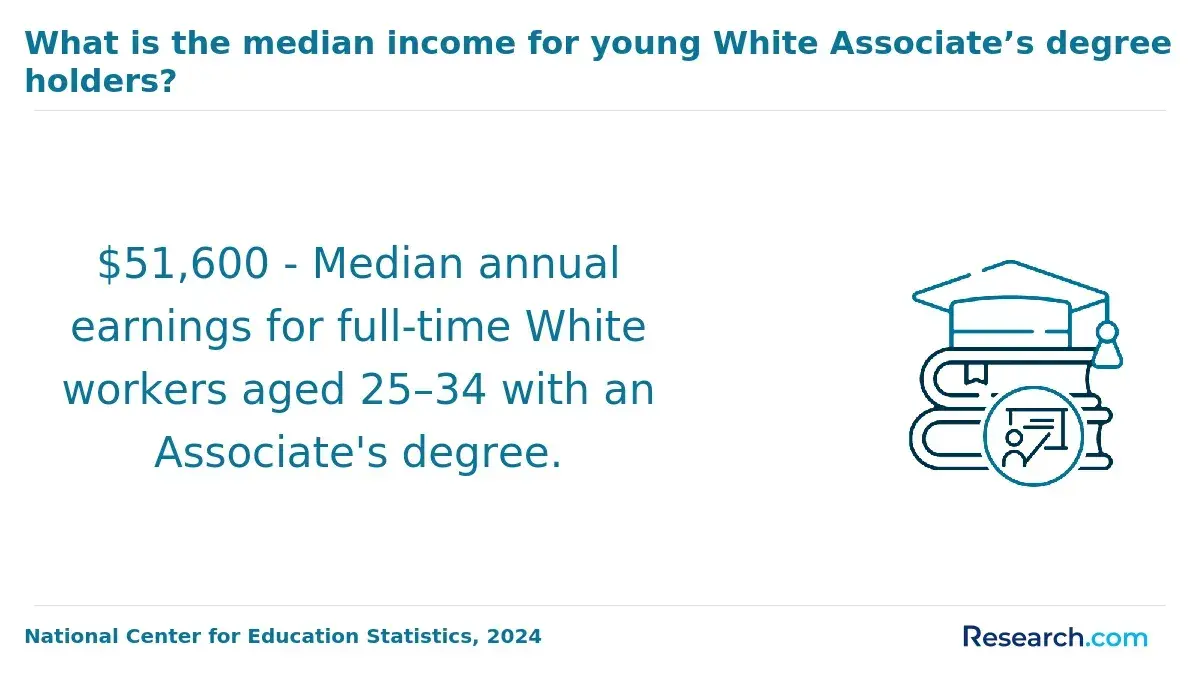
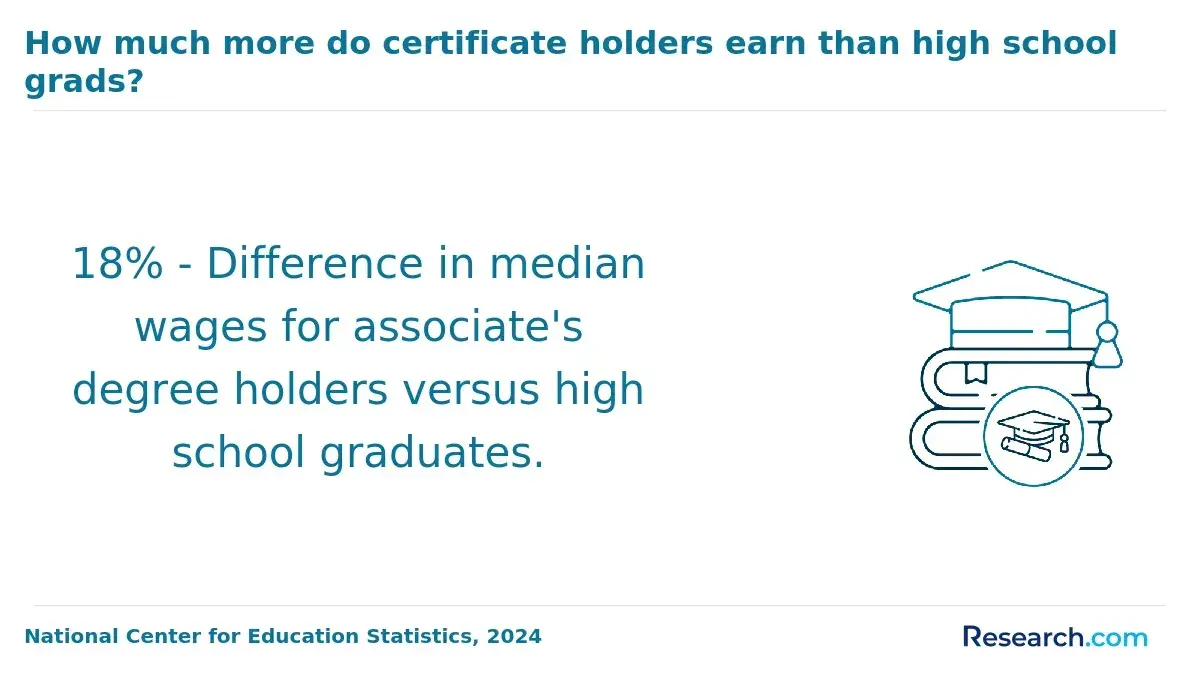
- Associate Degree in Industrial Organizational Psychology: This entry-level degree is uncommon in the field and rarely leads directly to psychologist roles. Graduates may qualify for support or technician positions, generally earning starting salaries below $40,000 depending on location and employer. Pursuing further education is often necessary for advancement.
- Bachelor's Degree in Industrial Organizational Psychology: Entry-level jobs for bachelor's holders offer median starting salaries around $42,740, with median salaries rising to about $58,429 as professionals gain experience. Pay is influenced by factors such as location and employer type, and higher-paying roles usually require graduate education.
- Master's Degree in Industrial Organizational Psychology: Master's graduates start with median salaries near $58,000, increasing to about $76,405 with experience. Long-term earnings can reach $120,000, especially in private industry or consulting roles. Holding a master's degree opens doors to many practitioner and specialist positions.
- Doctoral Degree (PhD or PsyD) in Industrial Organizational Psychology: Doctoral graduates command the highest salaries, with a national median annual wage around $147,420. Top earners in executive consulting, research, or academia may exceed $200,000. Salaries vary widely based on geography, experience, and employer type, with locations like California and Texas offering some of the highest wages.
Prospective students interested in advancing in industrial organizational psychology may find helpful information about accredited online schools with waived application fees when exploring educational pathways that align with their career and salary goals.
The demand for industrial organizational psychology degree holders is influenced by several key factors shaping the modern workforce. Emerging technologies such as advanced data analytics and artificial intelligence are increasingly integrated into talent management, requiring I/O psychologists to possess strong quantitative and technological skills. These professionals play a crucial role in optimizing employee engagement, improving organizational culture, and supporting diversity, equity, and inclusion initiatives, all of which are growing priorities for employers.
Additionally, the shift towards remote and hybrid work environments has introduced new challenges in workforce dynamics that require specialized expertise in virtual team management and remote employee assessment. Regional differences also impact demand, with larger metropolitan areas and regions housing numerous corporate headquarters or consulting firms offering more job opportunities compared to rural areas.
For students exploring career options, industrial organizational psychology offers a data-driven and meaningful path with competitive salaries. Those with graduate degrees and specialized skills in leadership development or DEI consulting tend to have the strongest job prospects and salaries. Entry-level roles might include positions as HR specialists, consultants, or talent assessors, while doctorate holders often pursue academic or high-level consulting careers.
While competition remains robust, especially at prestigious firms, I/O psychology degree holders who align their expertise with evolving workforce trends are well-positioned for success. For individuals interested in great careers for introverts, industrial organizational psychology represents a compelling profession that balances analytical work with positive organizational impact. To explore other fields suited for similar personality traits, visit great careers for introverts.
Choosing the right degree level in industrial organizational psychology is a critical decision that directly affects your career path and aligns your education with your professional and personal needs. Selecting the appropriate program helps ensure that your time, financial investment, and goals are well matched to the opportunities available in the field.
Consider these key factors when evaluating the best degree option for you:
- Career Goals: Your long-term aspirations influence the degree you should pursue. Doctoral degrees, such as PhD or PsyD, are generally required for academic or research positions, while a master's degree can suffice for many entry-level roles within business and industry.
- Time Commitment: The duration of study varies significantly: bachelor's degrees usually take four years, master's degrees about two years, and doctoral degrees four to five years. Some combined programs offer time and cost savings, so it's important to assess how the length of study fits your life and career timeline.
- Financial Investment: Alongside time, consider tuition, fees, and other expenses. Advanced degrees often mean higher costs but can lead to greater earning potential. Balancing affordability with your career goals is key to selecting the right program.
- Employment Opportunities: Different degree levels open different job markets. Master's degree holders frequently find roles in the business sector, while doctoral graduates may access specialized research or academic positions, so research employer preferences in your target field.
- Research Versus Applied Focus: PhD programs emphasize original research and dissertations, suited for those interested in theory, whereas PsyD programs focus on practical application and may allow experience-based alternatives to dissertations. Understanding your preferred emphasis helps align your degree choice with your career objectives.
What Industrial Organizational Psychology Graduates Say About Their Degree and Salary
- Kaiya: "Completing my master's degree in industrial organizational psychology opened doors I never imagined possible. The blend of theoretical knowledge and practical experience prepared me to confidently lead workplace assessments and design employee development programs that truly make a difference. I especially appreciate how the program emphasized evidence-based strategies for improving organizational climate, which helped me drive real change at my current job. This degree has not only elevated my career but also deepened my passion for fostering healthy, productive work environments."
- Carlos: "Starting my career with a doctorate in industrial organizational psychology gave me a distinct edge in the competitive consulting world. The rigorous research training sharpened my analytical skills and allowed me to tailor interventions for diverse corporate clients effectively. What's most rewarding is knowing my work enhances employee satisfaction and organizational effectiveness simultaneously. Reflecting on this journey, I feel proud to contribute meaningfully while continuously expanding my professional horizons."
- Amira: "As someone who earned a bachelor's degree in industrial organizational psychology, I was pleasantly surprised by the wide range of opportunities that became accessible right after graduation. The program's focus on both individual and group dynamics prepared me for roles that emphasize teamwork and leadership development in various sectors. Beyond the career benefits, I've grown personally through engaging with peers and mentors who share my commitment to improving workplace well-being. This foundation empowered me to advocate for inclusive work cultures that uplift every employee."
Other Things You Should Know About Industrial Organizational Psychology Degree Programs & Salaries
Yes, several institutions offer online industrial-organizational psychology degree programs in 2027. These programs typically provide flexibility for working professionals and cover topics such as employee behavior and workplace productivity. Ensure the program is accredited by recognized bodies like the APA to ensure quality education.
Enrolling in a master's program in industrial-organizational psychology in 2027 generally requires a bachelor's degree in psychology or a related field, letters of recommendation, a statement of purpose, and sometimes GRE scores. Some programs may also require relevant work experience.
- I-O Career Paths - Society for Industrial and Organizational Psychology https://www.siop.org/education/for-students/i-o-career-paths/
- Is a Career in Industrial-Organizational Psychology Right for You? https://www.verywellmind.com/industrial-organizational-psychology-careers-2795653
- Choosing Your Industrial-Organizational Psychology Career - Paul Spector https://paulspector.com/choosing-your-industrial-organizational-psychology-career/
- Careers in Industrial-Organizational Psychology | TUW https://www.tuw.edu/school-news/careers-in-industrial-organizational-psychology/
- How To Become An Industrial Organizational Psychologist | Psychology.org https://www.psychology.org/careers/industrial-organizational-psychologist/
- Accelerated BA/MS in Organizational Psychology https://www.hartford.edu/academics/schools-colleges/arts-sciences/academics/departments-and-centers/psychology/accelerated-ba-ms-in-organizational-psychology.aspx
- Industrial-Organizational Psychology Median Salary 2025 https://www.allpsychologyschools.com/organizational-psychology/salary/
- Grad School: Should I Get a Traditional or Online I/O Master's/Ph.D.? - NeoAcademic https://neoacademic.com/2012/05/09/grad-school-online-or-brick-and-mortar-io/
- Industrial Organizational Psychology Master's Degree | Elmhurst University https://www.elmhurst.edu/academics/departments/psychology/programs/industrial-organizational-psychology/
- Industrial and Organizational Psychology https://www.apa.org/ed/graduate/specialize/industrial