2027 Best PsyD Programs in Tennessee: APA Accredited Online & Campus

Co-Founder and Chief Data Scientist
If your goal is to become a licensed psychologist in Tennessee, the most important PsyD question is not “Which program looks convenient?” It is “Will this doctoral program actually support Tennessee licensure, accredited internship access, and long-term clinical practice?” That distinction matters because psychology doctoral programs vary widely in accreditation status, clinical training structure, internship support, and portability across state licensing boards.
This 2026 guide explains the Tennessee PsyD landscape clearly: as of November 2025, Tennessee has no APA-accredited PsyD programs. That means students should compare APA-accredited PhD options in Tennessee, emerging non-accredited PsyD programs, and out-of-state or hybrid PsyD pathways with extreme care. You will learn how accreditation affects licensure, what admissions committees typically expect, how internships work, what career paths may follow a PsyD, and how to avoid choosing a program that limits your professional options.
Quick Answer: Are There APA-Accredited PsyD Programs in Tennessee?
No. As of November 2025, Tennessee does not have an APA-accredited PsyD program in campus, online, or hybrid format. Students who want APA-accredited doctoral psychology training in Tennessee should look at APA-accredited PhD programs instead, such as the University of Tennessee Knoxville's Clinical Psychology PhD, Tennessee State University's Counseling Psychology PhD, and University of Memphis's Clinical Psychology PhD.
Students who prefer the PsyD model may need to consider programs outside Tennessee or newer programs that are not yet APA-accredited. However, before enrolling in any non-APA-accredited PsyD, applicants should confirm Tennessee licensure rules, internship eligibility, supervised experience requirements, and whether graduates can sit for licensing exams.
- APA accreditation is a major licensure factor. Many licensing boards use APA accreditation as evidence that doctoral training meets national professional standards.
- Online flexibility does not replace clinical training. Even hybrid or online doctoral psychology programs generally require in-person practica, internships, supervision, and residency-style experiences.
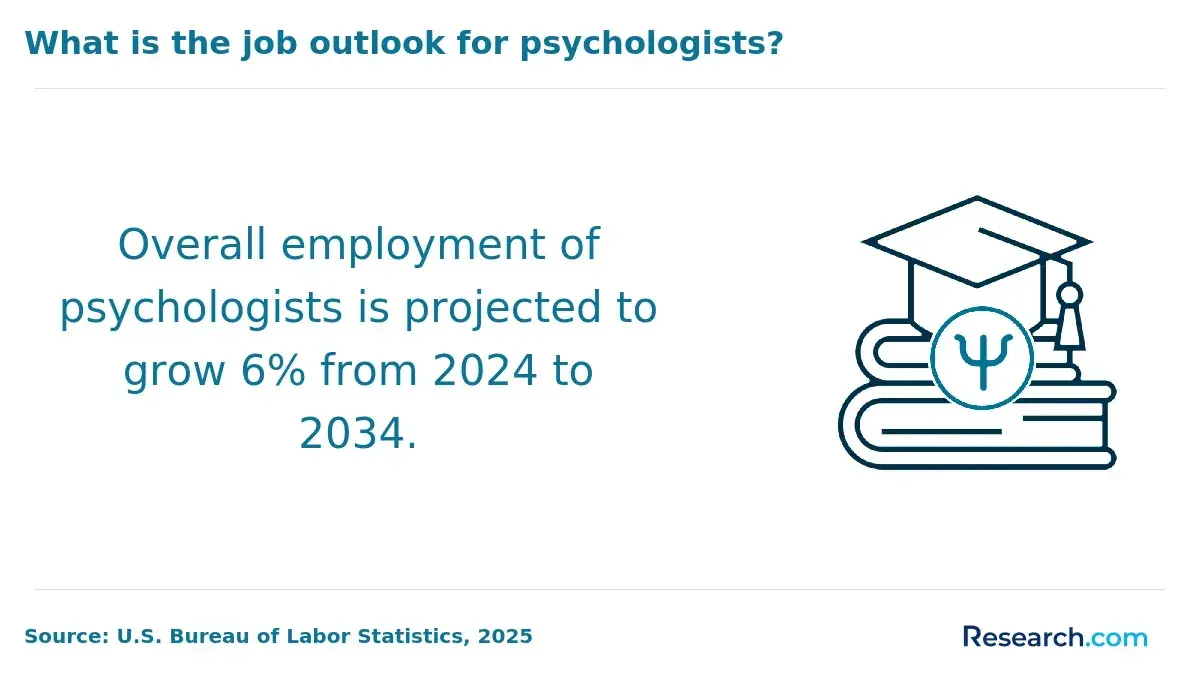
- Tennessee demand is part of the decision. Tennessee is projected to see 19% growth in clinical psychology jobs by 2030, but job growth does not guarantee that every doctoral program will meet licensure or employment requirements.
- Program format matters less than accreditation and outcomes. Employers and licensing boards typically care more about accreditation, supervised clinical hours, internship quality, and licensure status than whether some coursework was online.
- How many APA accredited PsyD programs are available in Tennessee?
- What are the best APA accredited PsyD programs in Tennessee?
- Who is eligible to apply to APA accredited PsyD programs in Tennessee?
- What are the requirements to get into an APA accredited PsyD program in Tennessee?
- What PsyD specializations are available in Tennessee?
- What courses are typically included in APA accredited PsyD programs in Tennessee?
- How do PsyD students find internships in Tennessee?
- What are the pros and cons of online and campus PsyD programs in Tennessee?
- What jobs can you get with a PsyD in Tennessee?
- What is the average salary of PsyD graduates in Tennessee?
How many APA accredited PsyD programs are available in Tennessee?
As of November 2025, Tennessee has no APA-accredited PsyD programs. That includes fully online, hybrid, and campus-based PsyD options. This is the key fact prospective students should verify before comparing tuition, schedules, concentrations, or admissions requirements.
APA accreditation matters because the American Psychological Association evaluates doctoral psychology programs for curriculum quality, faculty qualifications, clinical training, student outcomes, and alignment with professional standards. For students who intend to become licensed psychologists, accreditation can affect internship access, licensure eligibility, employer confidence, and mobility if they later move to another state.
Tennessee students still have doctoral psychology options. The strongest in-state alternatives are APA-accredited PhD programs, including the University of Tennessee Knoxville's Clinical Psychology PhD, Tennessee State University's Counseling Psychology PhD, and University of Memphis's Clinical Psychology PhD. These are not PsyD programs, but they may serve the same licensure goal for students who are open to a scientist-practitioner or research-informed training model.
Austin Peay State University's new PsyD in Counseling Psychology is another program to monitor, but it is not yet accredited. Students considering a developing program should ask direct questions about APA accreditation timelines, contingency plans if accreditation is delayed, internship eligibility, and how the program documents licensure preparation.
| Option for Tennessee Students | APA Accreditation Status Stated in Source | Best Fit | Main Caution |
| APA-accredited PhD programs in Tennessee | Available through selected Tennessee universities | Students who want an in-state doctoral route that supports licensure preparation | More research-intensive than many PsyD programs |
| PsyD programs in Tennessee | No APA-accredited PsyD programs as of November 2025 | Students willing to monitor emerging programs carefully | Licensure and internship implications must be checked before enrollment |
| Out-of-state or hybrid PsyD programs | Varies by institution and program | Students committed to the PsyD model who can travel for required clinical components | Tennessee licensure eligibility is not automatic |
| Non-licensed psychology or behavioral health pathways | Depends on credential and role | Students who want human services, behavioral support, or research roles without psychologist licensure | Scope of practice is more limited than licensed psychologist roles |
What are the best APA accredited PsyD programs in Tennessee?
There are no “best APA-accredited PsyD programs in Tennessee” because none are APA-accredited as of November 2025. A more useful question is: Which doctoral psychology programs or alternatives best match your licensure goal, preferred training model, and tolerance for accreditation risk?
The programs below should not be read as a ranking of Tennessee APA-accredited PsyD programs. Instead, they represent the types of options students often compare when searching for PsyD or doctoral psychology training connected to Tennessee.
| Program or Institution Mentioned | Degree Type or Format | What Students Should Know | Decision Point |
| Tennessee State University (TSU) - Counseling Psychology (PhD) | PhD | Accredited for 10 years as of 2018, with an emphasis on multiculturalism, social justice, practitioner-scholar development, and community engagement in Nashville. | Consider this if you want an APA-accredited in-state doctoral psychology route and are open to a PhD rather than a PsyD. |
| University of Tennessee, Knoxville - Clinical Psychology (PhD) | PhD | APA-accredited since 1949, with a research-intensive structure, clinical placements, and preparation for licensure and competitive internships. | Consider this if you want strong research training along with clinical preparation. |
| University of Memphis's Clinical Psychology PhD | PhD | Named as one of the established APA-accredited doctoral psychology alternatives in Tennessee. | Consider this if you want an in-state doctoral pathway and should verify current admissions, faculty fit, and clinical placement outcomes. |
| Austin Peay State University's new PsyD in Counseling Psychology | PsyD | Described as new but not yet accredited. | Consider only after asking how the program handles accreditation progress, internship placement, and licensure documentation. |
| Liberty University - PsyD in Clinical Psychology (Online/Hybrid) | Online/hybrid PsyD | Designed for working professionals with online coursework and in-person clinical training components. | Confirm APA status, Tennessee licensure fit, residency requirements, and internship outcomes before applying. |
| National University - PsyD in Clinical Psychology (Online/Hybrid) | Online/hybrid PsyD | Offers full-time or part-time flexibility with applied clinical training and some in-person requirements. | Ask whether the program meets Tennessee licensing expectations and how clinical placements are arranged. |
| CalSouthern University - Online Doctor of Psychology (PsyD) | Online PsyD | May fit adult learners seeking non-licensed roles or licensure where recognized. | Verify Tennessee licensure eligibility directly before treating it as a psychologist licensure pathway. |
Students comparing psychology careers may also look at applied behavior analysis credentials. ABA can support certain behavioral health roles, but it is not a substitute for psychologist licensure. If you are comparing credentials, Research.com’s guide to ABA certification levels and career value can help clarify the difference.
Who is eligible to apply to APA accredited PsyD programs in Tennessee?
Because Tennessee does not currently have APA-accredited PsyD programs, eligibility should be understood in two ways: eligibility for APA-accredited doctoral psychology programs in Tennessee, and eligibility for PsyD programs outside the state or in developing accreditation status. In both cases, competitive applicants usually show strong academic preparation, relevant psychology coursework, clear professional goals, and readiness for intensive clinical training.
Recent college graduates may be eligible if they have completed a bachelor’s degree with strong psychology preparation and can demonstrate research, clinical, volunteer, or human services experience. Career changers may also be considered, but they often need prerequisite psychology courses before applying. Students with master’s-level mental health experience may have an advantage, although doctoral programs differ in whether they accept transfer credits or advanced standing.
Online or hybrid PsyD applicants need an additional layer of readiness. They must be able to manage independent coursework, travel for required in-person experiences, secure approved clinical placements, and maintain reliable communication with supervisors. Flexibility is useful, but doctoral psychology training is not a low-touch online credential.
| Applicant Profile | Potential Strength | What to Check Before Applying |
| Recent psychology graduate | Fresh academic preparation and faculty recommenders | Whether the applicant has enough research, clinical exposure, and prerequisite coursework |
| Career changer | Professional maturity and transferable interpersonal skills | Whether additional psychology courses are required before admission |
| Master’s-level counselor or behavioral health worker | Relevant client-facing experience | Whether credits transfer and whether prior clinical hours count toward any requirements |
| Working professional seeking online or hybrid study | Need for schedule flexibility and practical field experience | Residency expectations, practicum location rules, and Tennessee licensure compatibility |
| Student focused on behavior analysis | Interest in assessment, intervention, and behavioral support | Whether a PsyD is necessary or whether ABA credentials better match the career goal |
If your long-term goal is behavior analysis rather than licensed psychologist practice, compare doctoral psychology training with ABA-focused careers. Research.com’s overview of behavior analyst salary and career paths can help you decide whether a PsyD is the right level of training.
What are the requirements to get into an APA accredited PsyD program in Tennessee?
There are no Tennessee APA-accredited PsyD admissions requirements because no such programs are available as of November 2025. However, students applying to APA-accredited doctoral psychology programs in Tennessee or PsyD programs elsewhere should expect rigorous admissions review. Programs typically evaluate academic readiness, clinical maturity, writing ability, ethical judgment, and fit with faculty or program training goals.
| Requirement | Typical Expectation Stated in Source | How to Strengthen Your Application |
| Educational background | A bachelor's degree from a regionally accredited institution, often in psychology or a related field; non-psychology majors may need at least 18 semester hours of psychology coursework. | Complete missing prerequisites before applying and document all psychology coursework clearly. |
| GPA | Many programs expect at least a 3.0 undergraduate GPA overall and in psychology courses, though some schools may set higher standards. | If your GPA is weaker, use recent graduate coursework, strong recommendations, and relevant experience to show readiness. |
| Prerequisite courses | Common prerequisites include general psychology, statistics or research methods, human development, and abnormal psychology. | Prioritize statistics and research methods because doctoral programs rely heavily on evidence-based practice. |
| Experience | Research, clinical, human services, or volunteer experience can improve competitiveness. | Seek supervised roles in mental health, crisis support, assessment assistance, research labs, or community agencies. |
| Standardized testing | Many programs have moved away from requiring the GRE, but applicants must verify each program’s current policy. | Do not assume test-optional means less competitive; strengthen the rest of the file. |
| Letters of recommendation | Programs often request three letters from faculty or supervisors who can speak to academic and clinical potential. | Choose recommenders who can provide specific examples, not generic praise. |
| Personal statement | Applicants explain professional goals, clinical interests, research background, and reasons for pursuing doctoral training. | Connect your goals to the program’s model, faculty strengths, and training opportunities. |
| Interview or assessment | Finalists may be evaluated for interpersonal skills, ethical reasoning, professionalism, and fit. | Prepare to discuss clinical boundaries, cultural humility, supervision, and why the degree is necessary for your goals. |
Questions to ask admissions offices before you apply
- Is the program currently APA-accredited, seeking accreditation, or not pursuing APA accreditation?
- Does the program meet Tennessee psychologist licensure requirements?
- What percentage of students match with accredited internships?
- How are practicum and internship placements approved and supervised?
- Are online students required to travel for residency, assessment labs, or clinical skills training?
- What are the program’s attrition, time-to-completion, and licensure outcomes?
- Does the program accept transfer credit, and if so, does it shorten time to degree?
What PsyD specializations are available in Tennessee?
Since Tennessee does not currently offer APA-accredited PsyD programs, specialization planning should begin with the broader doctoral psychology pathways available to you. Specializations influence where you train, what populations you serve, which internships you pursue, and what employers may consider you qualified to do after licensure.
Students should avoid choosing a specialization only because it sounds interesting. A better approach is to connect the specialty to clinical placements, supervisor expertise, licensure goals, and local workforce demand.
| Specialization | Primary Focus | Common Settings | Best Fit for Students Who Want To... |
| Clinical Psychology | Assessment, diagnosis, and treatment of mental, emotional, and behavioral disorders. | Hospitals, private practices, community mental health centers, integrated care settings. | Provide therapy, conduct psychological testing, and work with complex clinical cases. |
| Counseling Psychology | Well-being, adjustment, crisis support, multicultural counseling, and life transitions. | University counseling centers, VA hospitals, rehabilitation programs, community agencies. | Work with diverse clients on mental health, identity, career, and coping concerns. |
| Child and Adolescent Psychology | Developmental, behavioral, emotional, and learning challenges in youth. | Pediatric hospitals, schools, youth clinics, family-focused treatment settings. | Support children, teens, parents, and school-based teams. |
| Health Psychology or Clinical Health Psychology | Psychological factors in physical health, chronic illness, adherence, pain, and behavior change. | Medical centers, rehabilitation facilities, primary care, specialty clinics. | Work in interdisciplinary health teams and connect mental health with medical care. |
| Forensic Psychology | Clinical work connected to courts, corrections, competency, risk, and legal questions. | Courts, correctional facilities, forensic hospitals, private forensic practice. | Apply psychological assessment and treatment skills in legal contexts. |
| School Psychology | Academic, emotional, behavioral, and psychoeducational assessment in K-12 environments. | Schools, districts, educational agencies, child-focused clinics. | Work with students, educators, and families on learning and mental health needs. |
| Industrial-Organizational Psychology | Workplace behavior, personnel assessment, employee well-being, and organizational effectiveness. | Consulting firms, corporations, human resources, leadership development teams. | Apply psychology to organizations rather than traditional clinical practice. |
Students comparing PsyD specializations with behavior analysis should understand that BCBA and ABA roles follow a different credentialing path and scope of practice. Research.com’s guide to BCBA and ABA salary by state can help you compare behavioral careers with licensed psychology pathways.
What courses are typically included in APA accredited PsyD programs in Tennessee?
Because Tennessee has no APA-accredited PsyD programs as of November 2025, students should use the curriculum below as a general guide to what APA-aligned PsyD or doctoral clinical psychology training commonly includes. A credible doctoral psychology curriculum should connect scientific foundations, assessment, intervention, ethics, diversity, supervision, and direct clinical practice.
| Course or Training Area | What Students Learn | Why It Matters for Practice |
| Professional Issues in Clinical Psychology | Ethics, professional identity, legal responsibilities, boundaries, and standards of care. | Psychologists make high-stakes decisions that require sound ethical judgment and documentation. |
| Diagnostic Interviewing | How to conduct structured and semi-structured interviews, gather history, and form initial impressions. | Accurate diagnosis and treatment planning begin with skilled interviewing. |
| Psychological Assessment for Adults and Children | Test selection, administration, scoring, interpretation, and report writing. | Assessment is a core psychologist skill and often distinguishes psychologists from many other mental health providers. |
| Diversity and Multicultural Issues | Cultural humility, identity, bias, systems of oppression, and culturally responsive care. | Clinical decisions must account for culture, context, language, and lived experience. |
| Research Methods and Statistics | How to evaluate evidence, interpret data, and apply research to clinical practice. | Evidence-based care depends on understanding research quality and limitations. |
| Psychotherapy Theories and Interventions | Major treatment models, case conceptualization, treatment planning, and therapeutic skills. | Students learn how to match interventions to client needs and clinical evidence. |
| Practicum and Clinical Supervision | Supervised direct service, feedback, documentation, assessment, and therapy practice. | Hands-on training is essential for internship readiness and later licensure. |
Prospective students should ask whether assessment courses include in-person skills labs, whether therapy courses involve recorded practice or live supervision, and how early clinical work begins. A program that is convenient but weak in supervised clinical training may create serious licensure and employment problems later.
How do PsyD students find internships in Tennessee?
Doctoral psychology internships are one of the most important parts of the path to licensure. They allow students to move from classroom and practicum learning into full-time, supervised professional practice. For Tennessee students, internship planning should begin early because placements can be competitive and because APA-accredited internships may be important for licensure portability and employer confidence.
Students in APA-accredited doctoral psychology programs, whether PsyD or PhD, typically rely on a combination of faculty advising, practicum records, national matching systems, and professional networks. Online or hybrid students must be especially proactive because they may need to secure approved clinical experiences near their home communities while still satisfying program and licensure standards.
- Build a strong practicum record early. Internship sites look for evidence that students can assess, treat, document, consult, and respond to supervision professionally.
- Use university partnerships and consortia. Tennessee training networks such as the University of Tennessee Professional Psychology Internship Consortium can connect students with supervised placements across clinical environments.
- Prepare for the APPIC Match System. The Association of Psychology Postdoctoral and Internship Centers operates a centralized match process where students rank internship preferences and compete nationally.
- Research Tennessee sites directly. Students may explore opportunities connected to Vanderbilt University, Cherokee Health Systems, Metropolitan Nashville Public Schools, and other clinical or educational settings.
- Work closely with faculty advisors. Advisors can help students choose realistic sites, refine essays, prepare for interviews, and avoid placements that do not match training goals.
- Network through professional organizations. Groups such as the Tennessee Psychological Association can help students learn about training expectations, supervision opportunities, and professional contacts.
- Keep licensure documentation organized. Track supervised hours, assessment experiences, populations served, supervisor credentials, and evaluation records from the beginning of training.
Common internship mistakes to avoid
- Waiting until the final year to think about internship competitiveness.
- Assuming any clinical placement will satisfy APA, program, or Tennessee licensure expectations.
- Choosing a program without asking for internship match outcomes.
- Ignoring assessment training, which can be central to many doctoral-level placements.
- Relying only on online coursework without building strong supervised in-person experience.
What are the pros and cons of online and campus PsyD programs in Tennessee?
The online-versus-campus decision is important, but in Tennessee it comes after a more important question: Is the PsyD program APA-accredited and compatible with Tennessee licensure? As of November 2025, Tennessee has no fully online, hybrid, or campus-based APA-accredited PsyD programs, so students should be cautious about any program marketed as a simple in-state online route to psychologist licensure.
That said, many students compare online, hybrid, and campus training models because of work schedules, family responsibilities, location, and cost. The right choice depends on how much structure you need, whether you can travel, and how the program handles in-person clinical development.
| Format | Potential Advantages | Potential Drawbacks | Best Fit |
| Online PsyD coursework | Greater schedule flexibility, fewer commuting demands, and broader access for students outside major cities. | Tennessee currently lacks fully online APA-accredited PsyD paths, and clinical training still requires in-person supervision. | Self-directed students who verify licensure compatibility before enrolling. |
| Hybrid PsyD format | Combines remote coursework with residencies, labs, practica, or other face-to-face requirements. | Travel, scheduling, and local placement coordination can be difficult for working adults. | Students who need flexibility but understand that clinical psychology cannot be trained entirely online. |
| Campus-based doctoral psychology program | More direct faculty access, stronger peer networks, structured clinical skills training, and easier access to university resources. | May require relocation, commuting, fixed schedules, and higher living or campus-related costs. | Students who want immersive training and can attend in person. |
| APA-accredited PhD in Tennessee | Available through established in-state doctoral psychology programs and may support licensure preparation. | Often includes a heavier research expectation than many PsyD students initially expect. | Students who prioritize accreditation and licensure preparation over the PsyD title. |
Current trends affecting PsyD decisions
- Telehealth is changing training expectations. The telehealth market grew by 154% from 2019 to 2022, making digital competence increasingly relevant for future psychologists.
- Working adults need flexible doctoral options. Online and hybrid formats appeal to professionals balancing school with employment, especially as 68% of psychology professionals pursue continued education while employed.
- In-person clinical training remains difficult to replace. On-campus programs can provide closer mentorship and richer clinical exposure, with job placement success rates reported as up to 25% higher than online-only formats.
- Accreditation scrutiny is increasing. Students are becoming more aware that a doctoral title alone may not be enough for licensure, internship competitiveness, or insurance-based practice.
What jobs can you get with a PsyD in Tennessee?
A PsyD can prepare graduates for advanced clinical, counseling, assessment, and consulting roles, but job eligibility depends heavily on licensure. In Tennessee, graduates who want to diagnose, treat, conduct psychological assessments independently, or bill for services as psychologists must meet state licensing requirements. The degree alone is not the license.
| Role | Typical Responsibilities | Common Tennessee Settings | Licensure Consideration |
| Clinical Psychologist | Diagnose and treat mental health disorders, provide psychotherapy, conduct psychological assessments, and collaborate with healthcare teams. | Hospitals, private practices, community mental health centers, integrated health systems. | Requires appropriate psychologist licensure for independent clinical practice. |
| Pediatric or Health Psychologist | Support children, families, or patients managing chronic illness, behavioral concerns, treatment adherence, or medical stress. | Pediatric hospitals, specialty clinics, rehabilitation programs, medical centers such as Le Bonheur Children's Hospital. | Clinical licensure and specialized supervised experience are typically important. |
| Counseling Psychologist | Provide therapy, crisis support, career counseling, outreach, and wellness programming. | University counseling centers, rehabilitation facilities, community agencies, VA-related environments. | Licensure affects scope of practice and independent service delivery. |
| Forensic or Correctional Psychologist | Conduct competency-related evaluations, risk assessments, treatment planning, and consultation in legal or correctional systems. | Courts, correctional facilities, forensic programs, private forensic practices. | Specialized training, supervision, and licensure are especially important. |
| Academic Faculty or Researcher | Teach, supervise trainees, conduct applied research, evaluate programs, or contribute to professional education. | Colleges, universities, research centers, healthcare organizations. | Licensure may not be required for all academic roles, but it can strengthen clinical teaching credibility. |
If you are still exploring undergraduate or master’s-level psychology pathways before doctoral study, Research.com’s guide to the best online behavioral psychology degree programs can help you compare earlier-stage options.
What is the average salary of PsyD graduates in Tennessee?
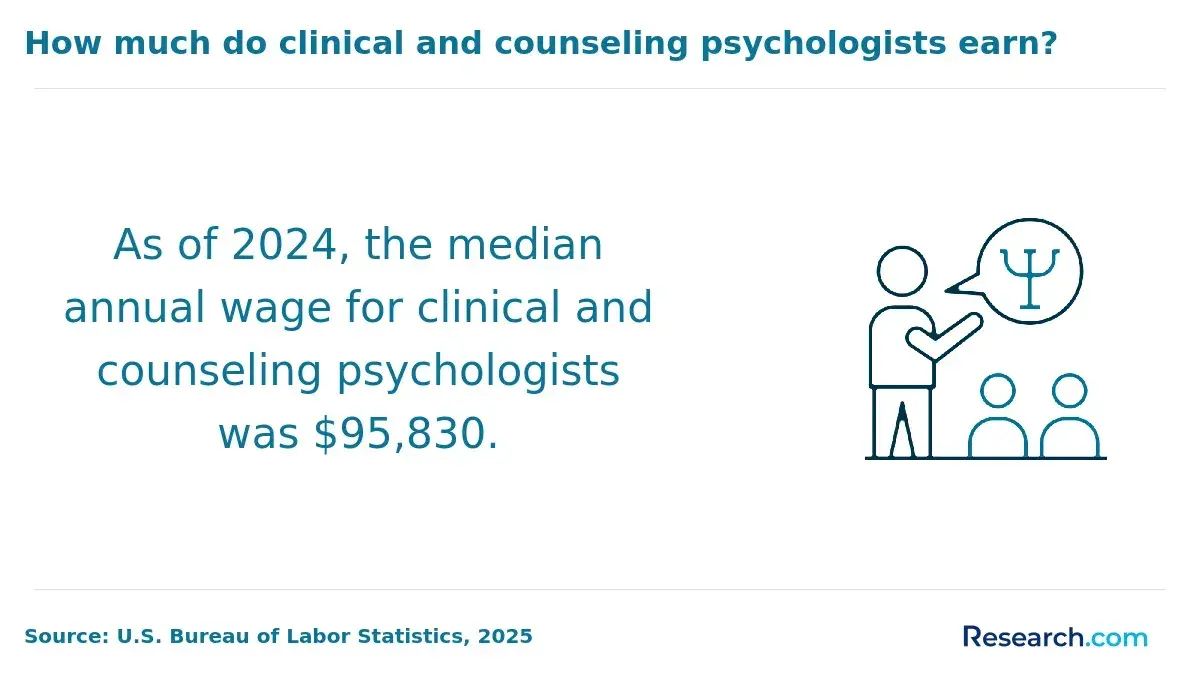
The average annual salary for PsyD-trained psychologists in Tennessee ranges from around $85,000 for entry-level positions to $121,781 for experienced clinical and counseling psychologists. Clinical psychologists typically earn between $98,000 and $121,781, while counseling and school psychologists make an average of $91,000-$114,400.
Program format alone does not determine earnings. Graduates of online and on-campus APA-accredited PsyD programs can have comparable earning potential when they achieve licensure and build strong clinical experience. In practice, salary is shaped by licensure status, specialization, employer type, region, experience, and whether the psychologist works in private practice, healthcare, education, government, or community mental health.
| Salary Factor | How It Can Affect Earnings |
| Licensure status | Licensed psychologists can access roles, independent practice authority, and reimbursement pathways that are not available to unlicensed graduates. |
| Years of experience | Newer professionals may earn $85,000-$95,000, while experienced psychologists can move above $120,000. |
| Specialization | Fields such as neuropsychology or forensic psychology may offer higher pay when paired with strong training and market demand. |
| Employer type | Private practice may offer higher upside, while hospitals and institutions may provide steadier pay, benefits, and structured caseloads. |
| Location | Urban areas such as Nashville and Knoxville may provide stronger earning potential, while rural areas may use incentives such as loan repayment to attract providers. |
Students comparing psychology with behavior analysis should also consider total education cost, licensure requirements, and role expectations. If affordability is a major concern, Research.com’s guide to the most affordable online BCBA programs may be useful for comparing a different behavioral health pathway.
How to Choose the Right Tennessee Doctoral Psychology Path
Because Tennessee does not currently have APA-accredited PsyD programs, the best decision is not simply choosing the closest or most flexible school. The best decision is choosing the pathway that protects your licensure options, gives you high-quality supervised clinical training, and fits your career goal.
Use this decision process
- Start with your end goal. Decide whether you want to become a licensed psychologist, work in behavioral health without psychologist licensure, pursue academia, or enter a related field such as ABA.
- Verify APA accreditation directly. Use official accreditation information and do not rely only on marketing language such as “designed for licensure” or “aligned with professional standards.”
- Check Tennessee licensure compatibility. Ask the Tennessee licensing board or program officials how the degree, internship, and supervised experience meet state rules.
- Compare internship outcomes. Strong programs should be transparent about match rates, internship types, and student support.
- Review clinical training depth. Look for supervised assessment, therapy, practicum sequencing, diversity training, crisis preparation, and documentation practice.
- Calculate total cost, not just tuition. Include fees, travel, relocation, lost wages, internship expenses, licensing exams, and postdoctoral supervision if required.
- Ask what happens if accreditation changes. This is especially important for new or developing PsyD programs.
Common mistakes when choosing a PsyD or doctoral psychology program
- Assuming Tennessee has APA-accredited PsyD options. As of November 2025, it does not.
- Confusing institutional accreditation with APA accreditation. A university can be legitimate while a specific psychology doctoral program is not APA-accredited.
- Choosing based only on online convenience. Doctoral clinical training requires supervised, in-person skill development.
- Ignoring internship data. Internship match outcomes can reveal whether students are competitive for professional training sites.
- Overlooking licensure portability. If you may move states, APA accreditation and internship quality can matter even more.
- Relying only on rankings or testimonials. Rankings cannot replace accreditation verification, licensure checks, and outcome data.
- Underestimating debt and opportunity cost. A doctoral program can take years, and salary outcomes are never guaranteed.
Key Insights
- Tennessee has no APA-accredited PsyD programs as of November 2025. Students who want in-state APA-accredited doctoral psychology training should compare PhD options first.
- APA accreditation is central to licensure planning. Before enrolling, confirm whether the program supports Tennessee psychologist licensure, accredited internship access, and future mobility.
- A PsyD is not automatically better than a PhD for clinical practice. In Tennessee, an APA-accredited PhD may be the safer in-state route for students whose priority is licensure readiness.
- Online and hybrid formats can be useful but require caution. Flexibility helps working adults, but students still need approved in-person practica, internships, supervision, and assessment training.
- Salary depends on licensure and role, not just the degree name. Tennessee PsyD-trained psychologists may see salaries from around $85,000 to $121,781 depending on experience, specialization, employer, and location.
- The best program is the one that preserves your options. Choose based on accreditation, licensure fit, internship outcomes, supervised training quality, cost, and career alignment—not marketing language alone.
Related Articles for Nearby States
- 2027 Best PsyD Programs in Kentucky: APA Accredited Online & Campus
- 2027 Best PsyD Programs in Mississippi: APA Accredited Online & Campus
- 2027 Best PsyD Programs in Alabama: APA Accredited Online & Campus
- 2027 Best PsyD Programs in Georgia: APA Accredited Online & Campus
- 2027 Best PsyD Programs in North Carolina: APA Accredited Online & Campus
- 2027 Best PsyD Programs in Missouri: APA Accredited Online & Campus
- 2027 Best PsyD Programs in Arkansas: APA Accredited Online & Campus
- 2027 Best PsyD Programs in Virginia: APA Accredited Online & Campus
- 2027 Best PsyD Programs in Indiana: APA Accredited Online & Campus
- 2027 Best PsyD Programs in South Carolina: APA Accredited Online & Campus
References:
- Clinical Psychologist Salary by State (Median Annual Pay) https://www.allpsychologyschools.com/clinical-psychology/salary/
- Graduate Programs Psychology https://www.etsu.edu/cas/psychology/academic_programs/grad_programs.php
- Professional Psychology Internship Consortium https://www.uthsc.edu/psychiatry/internships/index.php
- PsyD Salary Guide 2025: Earnings by Specialization ($67K-$169K) https://psydprograms.org/salary-outlook-psyd-degree/
- Doctoral Psychology Interns https://www.stjude.org/education-training/predoctoral-training/internships/doctoral-psychology-training.html
- Inside a PsyD Curriculum: Courses, Practicum, and What to Expect - Psych Degree Starter https://psychdegreestarter.com/resources/psyd-curriculum/
- Clinical Psychologist - Nashville TN @ Mrg Exams https://www.tealhq.com/job/clinical-psychologist-nashville-tn_5ef94c5f-f813-454c-8bd2-17f3b7c48754
- APA-Accredited Programs https://accreditation.apa.org/accredited-programs
- PsyD No Dissertation vs Traditional PsyD: Key Differences Explained https://campuscybercafe.com/blog/post/psyd-no-dissertation-vs-traditional-psyd-key-differences/
- Welcome to the Doctor of Psychology (PsyD) in Counseling Psychology Program! https://www.apsu.edu/psychology/psyd/
Other Things You Need to Know About PsyD Programs in Tennessee
Most Tennessee PsyD programs require an applied doctoral project, not a traditional research dissertation. Students usually complete a clinical dissertation, capstone, or practice-focused portfolio, along with supervised practicum and internship hours approved by the program and, when applicable, the APA.
To enroll in an APA-accredited online PsyD program in Tennessee in 2027, applicants must hold a bachelor's degree in psychology or related field, submit GRE scores, and complete pre-requisite coursework. Specific requirements may vary slightly by program, so check with the institution.