
2027 Best PsyD Programs in Kansas: APA Accredited Online & Campus

Co-Founder and Chief Data Scientist
Kansas students who want to become licensed psychologists have a narrow but important choice to make: pursue the state’s only APA-accredited PsyD option, consider an APA-accredited psychology PhD, or look outside Kansas while protecting future licensure eligibility. The decision matters because doctoral psychology training is expensive, lengthy, and closely tied to accreditation, supervised clinical hours, internship placement, and state licensing rules.
This guide explains what APA-accredited PsyD study looks like in Kansas, how many programs are available, what applicants should check before enrolling, how online and campus formats compare, and what career and salary outcomes may look like after graduation. It is written for psychology majors, master’s-level mental health professionals, career changers, and Kansas residents comparing doctoral psychology pathways.
Quick Answer: APA Accredited PsyD Programs in Kansas
As of November 2025, Kansas has one APA-accredited PsyD program: Kansas City University’s campus-based PsyD in Clinical Psychology. It holds “accredited on contingency” status through April 2026. Kansas does not currently have an APA-accredited fully online or hybrid PsyD program. Students who need more options should compare APA-accredited PhD programs in psychology, out-of-state PsyD programs, and whether any program they consider meets Kansas psychologist licensure requirements.
- Best fit for most Kansas PsyD seekers: Students who want practitioner-focused clinical psychology training and can attend a campus-based program in Kansas.
- Best alternative: APA-accredited psychology PhD programs, especially for students interested in research, academic work, or funded doctoral study.
- Biggest mistake to avoid: Assuming that an online PsyD is APA-accredited or automatically accepted for Kansas licensure.
- How many APA accredited PsyD programs are available in Kansas?
- What are the best APA accredited PsyD programs in Kansas?
- Who is eligible to apply to APA accredited PsyD programs in Kansas?
- What are the requirements to get into an APA accredited PsyD program in Kansas?
- What PsyD specializations are available in Kansas?
- What courses are typically included in APA accredited PsyD programs in Kansas?
- How do PsyD students find internships in Kansas?
- What are the pros and cons of online and campus PsyD programs in Kansas?
- What jobs can you get with a PsyD in Kansas?
- What is the average salary of PsyD graduates in Kansas?
How many APA accredited PsyD programs are available in Kansas?
Kansas currently has one APA-accredited PsyD program. As of November 2025, that program is Kansas City University’s PsyD in Clinical Psychology, offered on campus. Its APA status is “accredited on contingency,” which means the program has met core APA standards but must continue submitting outcome data before it can move to full accreditation.
No APA-accredited online or hybrid PsyD programs are available in Kansas at this time. This is a critical point for applicants because APA accreditation can affect internship competitiveness, licensure portability, and employer confidence. In Kansas, as in many states, students should verify that their doctoral program meets state psychologist licensing requirements before enrolling.
Students who are open to a PhD rather than a PsyD have additional APA-accredited doctoral psychology options in the region. The University of Kansas offers APA-accredited PhD programs in Clinical Child Psychology and Clinical Psychology, and the University of Missouri-Kansas City offers an APA-accredited PhD in Clinical Psychology. These programs are more research-oriented than most PsyD programs but can still prepare graduates for clinical licensure when all training and supervised practice requirements are met.
The limited number of Kansas PsyD options matters because over 15% of Kansas residents face mental health challenges, increasing the need for well-trained psychologists. At the same time, students should not rush into a program based only on convenience. Accreditation status, internship outcomes, licensure alignment, and supervised clinical training are more important than whether a program appears flexible or nearby.
| Doctoral psychology option | Availability in Kansas | Best for | Important caution |
| APA-accredited PsyD | One campus-based option at Kansas City University | Students focused on clinical practice and licensure preparation | Check the program’s current APA status and outcome data |
| APA-accredited PhD in psychology | Available through Kansas and nearby regional universities | Students interested in research, teaching, clinical science, or funded doctoral study | PhD programs may be more research-intensive than PsyD programs |
| Online or hybrid PsyD | No APA-accredited online or hybrid PsyD option in Kansas | Students needing flexibility, if they are willing to verify accreditation and licensure fit carefully | Do not assume online doctoral psychology programs meet Kansas licensure rules |
What are the best APA accredited PsyD programs in Kansas?
The best APA-accredited PsyD program in Kansas is the one that meets accreditation standards, supports Kansas licensure preparation, provides strong supervised clinical training, and fits the student’s career goals. Because Kansas has only one APA-accredited PsyD program, applicants should evaluate it carefully rather than comparing a long in-state list that does not exist.
- Kansas City University - PsyD in Clinical Psychology: This is the primary Kansas option for students specifically seeking an APA-accredited PsyD. The program is campus-based in Kansas City and holds APA “accredited on contingency” status through April 2026. It is also regionally accredited by the Higher Learning Commission.
- University of Kansas - PhD in Clinical Psychology: This is not a PsyD, but it is a major APA-accredited doctoral psychology option for Kansas students. Its APA accreditation dates to 1949, and it is a strong fit for applicants who want clinical training with a substantial research foundation.
- University of Kansas - PhD in Clinical Child Psychology: This option may appeal to students interested in children, adolescents, families, pediatric psychology, schools, or developmental concerns.
- University of Missouri-Kansas City - PhD in Clinical Psychology: For students near the Kansas City metro area, this nearby APA-accredited PhD program may be worth comparing with Kansas-based options.
Some Kansas students also search for flexible doctoral psychology programs from institutions such as The Chicago School of Professional Psychology, National University, and Liberty University Online. Before treating any online or hybrid PsyD as a licensure pathway, confirm its current APA accreditation status directly with the APA and ask the Kansas licensing board whether the program satisfies psychologist licensure requirements. Program marketing language is not enough.
Students considering behavioral health careers outside licensed psychologist practice may also want to compare psychology doctoral training with behavior analysis credentials. For example, Research.com’s guide to the differences between board certified behavior analyst and registered behavior technician can help clarify how BCBA and RBT roles differ from doctoral-level clinical psychology.
| Program or pathway | PsyD or PhD? | Delivery format | How to use this option |
| Kansas City University | PsyD in Clinical Psychology | Campus-based | Primary in-state PsyD option for Kansas applicants |
| University of Kansas | PhD in Clinical Psychology | Campus-based | Strong alternative for students who want research and clinical science training |
| University of Kansas | PhD in Clinical Child Psychology | Campus-based | Relevant for students focused on children, adolescents, and families |
| University of Missouri-Kansas City | PhD in Clinical Psychology | Campus-based | Regional option for Kansas City-area students comparing APA-accredited programs |
| Online or hybrid PsyD programs outside Kansas | Varies | Online, hybrid, or low-residency | Only consider after verifying APA accreditation, internship requirements, and Kansas licensure fit |
Who is eligible to apply to APA accredited PsyD programs in Kansas?
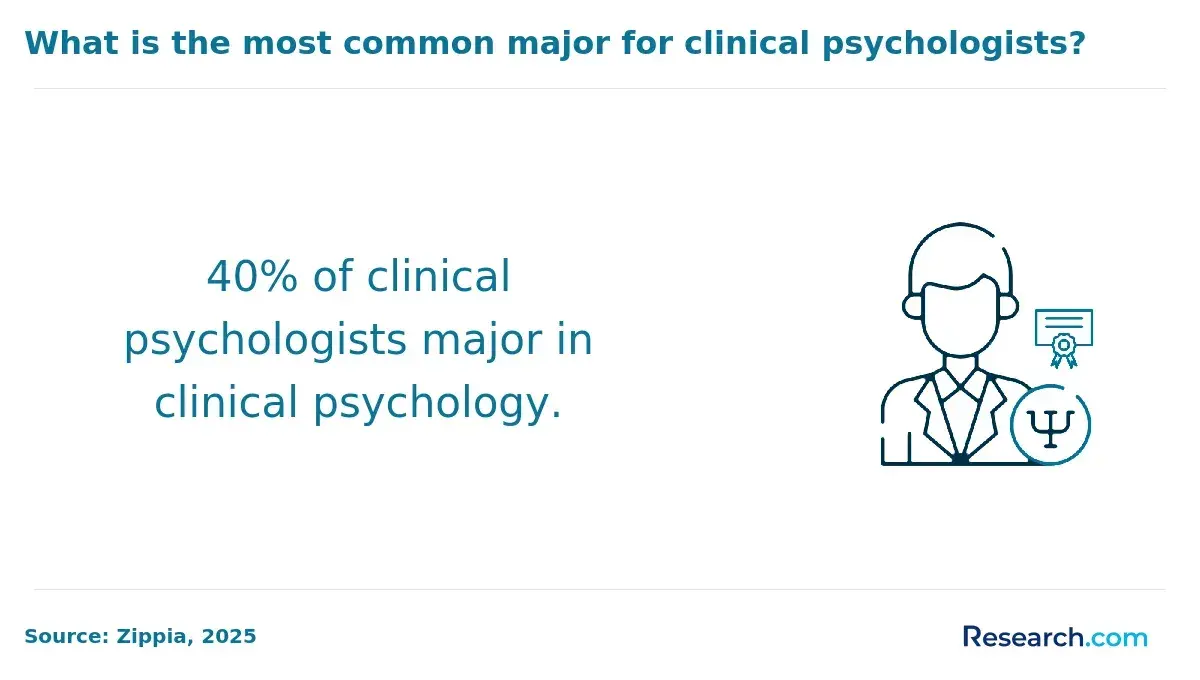
Applicants to APA-accredited PsyD programs in Kansas are typically students with a strong undergraduate record, psychology coursework, research or clinical exposure, and a clear reason for pursuing doctoral-level clinical practice. A bachelor’s degree is usually sufficient for entry, although students with a master’s degree in psychology, counseling, social work, or a related field may also apply if the program permits it.
A PsyD is most appropriate for students who want to assess, diagnose, and treat mental health conditions as licensed psychologists. It is less ideal for applicants whose main goal is counseling practice that could be reached through a master’s degree, or for students who want organizational consulting, school counseling, or behavior analysis without the time and cost of a doctorate.
Campus-based applicants should be prepared for intensive in-person training, practicum placements, supervision, and peer interaction. Students who live far from Kansas City or who cannot attend daytime clinical training should ask whether the program’s schedule is realistic before applying.
Students exploring adjacent behavioral health careers should also review non-PsyD pathways. For example, those interested in autism services, behavior intervention, and applied learning settings may benefit from understanding board certified behavior analyst salary and credential expectations before committing to a clinical psychology doctorate.
| You may be a strong PsyD applicant if... | You may want another path if... |
| You want to become a licensed psychologist | You mainly want a master’s-level counseling license |
| You are ready for years of coursework, practicum, internship, and supervised practice | You need the fastest possible route into mental health employment |
| You value direct clinical supervision and assessment training | You prefer a fully online program and cannot attend required in-person training |
| You can explain your clinical interests and career goals clearly | You are unsure whether you want clinical practice, research, education, or business consulting |
What are the requirements to get into an APA accredited PsyD program in Kansas?
Admission to an APA-accredited PsyD program in Kansas is selective because doctoral clinical psychology training requires academic strength, ethical maturity, interpersonal skill, and readiness for supervised practice. Requirements vary by program, so applicants should always confirm details with the admissions office before applying.
- Accredited bachelor’s degree: Applicants generally need a bachelor’s degree from a regionally accredited institution.
- Psychology coursework: Many programs expect 15-18 credit hours in psychology, often including statistics and research methods.
- Minimum GPA: A 3.0 undergraduate GPA is commonly expected, although a stronger GPA can improve competitiveness.
- Prerequisite courses: Programs may look for general psychology, abnormal psychology, developmental psychology, research methods, and statistics.
- Clinical, research, or volunteer experience: Work in labs, hospitals, schools, crisis lines, community agencies, or behavioral health settings can strengthen the application.
- GRE scores: Some programs require or recommend GRE scores, including the psychology subject test, while others may not.
- Recommendation letters: Three letters from faculty members, supervisors, or clinical professionals are often requested.
- Personal statement: Applicants should explain why they want a PsyD, what populations they hope to serve, and how their background fits the program.
- Resume or CV: A current document should show education, research, work experience, volunteer service, publications, presentations, and relevant training.
- Interview: Programs may use in-person or virtual interviews to evaluate communication skills, professionalism, ethical judgment, and fit.
Before applying, compare the PsyD route with related degrees. Students interested in behavior intervention, autism services, or data-driven behavior support may also want to review the applied behavior analysis degree benefits and career outcomes.
| Application component | What admissions committees look for | How to strengthen it |
| Academic record | Evidence that you can handle doctoral-level science and clinical coursework | Earn strong grades in psychology, statistics, and research methods |
| Experience | Exposure to helping roles, research, assessment, or mental health settings | Seek supervised volunteer, research assistant, case management, or behavioral health roles |
| Personal statement | Clear goals and a realistic understanding of clinical psychology | Connect your interests to the program’s training model and faculty expertise |
| Recommendations | Evidence of maturity, writing ability, ethics, and clinical potential | Ask recommenders who know your work well and can give specific examples |
| Interview | Professionalism, self-awareness, interpersonal skill, and program fit | Practice discussing ethical scenarios, clinical interests, and your readiness for doctoral training |
What PsyD specializations are available in Kansas?
PsyD specialization options in Kansas are limited by the small number of in-state programs. Applicants should distinguish between a formal concentration, a sequence of electives, a practicum emphasis, and a faculty-guided area of interest. These are not always the same thing, and they may not appear on a transcript in the same way.
Common clinical psychology emphasis areas include the following:
- Clinical Psychology: The broadest and most common PsyD focus. Students train in assessment, diagnosis, psychotherapy, consultation, ethics, and evidence-based intervention across multiple populations.
- Child and Adolescent Psychology: This area focuses on developmental concerns, family systems, school-related problems, behavioral disorders, and interventions for children and teens.
- Forensic Psychology: Students interested in courts, correctional settings, competency questions, risk assessment, and legal decision-making may seek forensic electives or practicum sites.
- Health Psychology: This emphasis connects psychology with physical health, chronic illness, pain, adherence to medical treatment, and integrated care.
- Neuropsychology: Students interested in brain-behavior relationships, cognitive testing, traumatic brain injury, dementia, and rehabilitation generally need substantial assessment training and specialized supervision.
- Industrial-Organizational Psychology: This is usually not a traditional clinical PsyD specialization. Students interested in workplace behavior, assessment, leadership, and employee well-being may find better fit in I-O psychology graduate programs rather than licensure-focused clinical psychology programs.
| Specialization interest | Typical training focus | Best practicum settings to look for |
| Adult clinical practice | Assessment, diagnosis, psychotherapy, crisis care | Community mental health centers, hospitals, outpatient clinics |
| Child and adolescent psychology | Development, family systems, child assessment, school collaboration | Schools, pediatric clinics, child guidance centers |
| Forensic psychology | Legal systems, evaluations, correctional mental health | Courts, correctional facilities, forensic hospitals |
| Health psychology | Behavioral medicine, chronic illness, pain, integrated care | Hospitals, primary care clinics, federally qualified health centers |
| Neuropsychology | Cognitive assessment, brain injury, rehabilitation | Medical centers, rehabilitation hospitals, neuropsychology clinics |
What courses are typically included in APA accredited PsyD programs in Kansas?
APA-accredited PsyD programs combine psychological science, clinical practice, ethics, assessment, intervention, and supervised field training. The goal is not only to teach theory, but to prepare students to make defensible clinical decisions with real clients under supervision.
- Behavioral Psychology: Covers learning theory, behavior change, reinforcement, assessment of observable behavior, and intervention planning.
- Cognitive Psychology: Examines memory, attention, decision-making, problem-solving, and cognitive processes relevant to assessment and treatment.
- Clinical Assessment and Diagnosis: Builds competence in interviewing, psychological testing, differential diagnosis, report writing, and case formulation.
- Research Methods and Statistics: Trains students to evaluate evidence, design studies, interpret data, and complete doctoral research or dissertation requirements.
- Ethics in Psychology: Focuses on APA ethical standards, confidentiality, informed consent, mandated reporting, boundaries, cultural responsiveness, and legal responsibilities.
- Practicum and Internship: Provides supervised clinical training in real service settings. Even programs with online coursework typically require in-person clinical experiences.
| Curriculum area | Why it matters for practice | Questions to ask the program |
| Assessment | Psychologists often conduct testing and diagnostic evaluations that other mental health providers may not perform | How many assessment reports do students complete before internship? |
| Therapy and intervention | Students need supervised experience with evidence-based treatment models | Which therapy approaches are emphasized in coursework and practicum? |
| Research and statistics | Clinical decisions should be grounded in evidence, not habit or personal preference | What dissertation or doctoral project model does the program use? |
| Ethics and law | Psychologists handle high-risk decisions involving confidentiality, safety, records, and scope of practice | How does the curriculum prepare students for Kansas legal and ethical requirements? |
| Field training | Licensure preparation depends heavily on supervised clinical hours and internship quality | Where do students complete practica and internships? |
How do PsyD students find internships in Kansas?
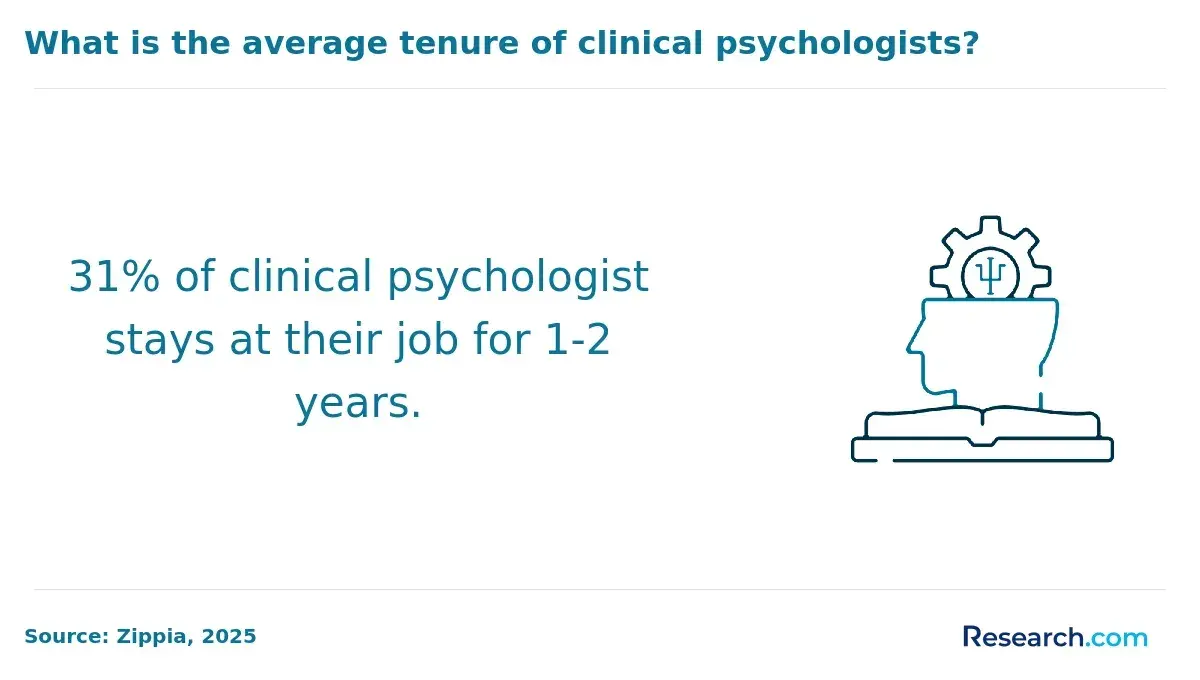
PsyD students usually secure internships through a structured process that includes faculty advising, practicum performance, application preparation, and participation in the APPIC Match System. Internship is one of the most important parts of doctoral psychology training because it connects coursework and practicum experience to full-time supervised clinical work.
- Use the APPIC Match System: Many doctoral psychology students apply through APPIC, rank preferred internship sites, and are matched through a national process.
- Prioritize APA-accredited internships when possible: APA-accredited internship sites can improve licensure portability and may be preferred by employers, postdoctoral programs, and some licensing boards.
- Research Kansas training sites early: Students may explore settings such as the University of Kansas Medical Center and Larned State Hospital, along with hospitals, community mental health centers, correctional settings, and integrated care clinics.
- Use faculty and training office support: Strong programs help students build competitive applications, prepare essays, practice interviews, and identify sites that match their clinical goals.
- Build a coherent practicum record: Internship directors look for readiness. Students should seek supervised experiences that show growth in assessment, therapy, ethics, documentation, and work with diverse populations.
- Consider telehealth exposure carefully: Some sites include telehealth or virtual supervision components, which can be useful, but students should still confirm that the training meets program, APPIC, APA, and licensure expectations.
- Network through professional organizations: State and regional psychology associations can help students learn about training settings, supervisors, and workforce needs.
| Internship preparation step | When to start | Why it matters |
| Track clinical hours and assessment experience | First practicum year | Accurate records are essential for applications and later licensure documentation |
| Meet regularly with faculty advisors | Throughout the program | Advisors can help align practicum choices with internship goals |
| Review APPIC requirements | At least one year before applying | The process is detailed and deadlines are strict |
| Prepare essays and CV | Before application season | Competitive applications require clear clinical identity and strong documentation |
| Practice interviews | Before match interviews | Applicants must discuss cases, ethics, supervision, and fit with confidence |
What are the pros and cons of online and campus PsyD programs in Kansas?
The biggest difference is not simply convenience. For PsyD students, the central issue is whether the program provides accredited doctoral training, supervised clinical placements, internship support, and licensure preparation. Online coursework may be convenient, but clinical psychology training still depends heavily on in-person supervision and direct client work.
Online or hybrid PsyD programs: potential advantages
- More flexibility: Students may be able to complete didactic coursework around work or family responsibilities.
- Less relocation pressure: Rural Kansas students may avoid moving if local practicum placements are approved.
- Lower commuting costs: Online courses can reduce travel and housing expenses, although tuition and residency fees may still be substantial.
- Technology-supported learning: Recorded lectures, digital simulations, virtual case discussions, and telehealth training can support skill development. Some projections describe a telehealth-driven workforce expected to grow 28% by 2030.
Online or hybrid PsyD programs: major risks
- Accreditation confusion: Kansas has no APA-accredited online or hybrid PsyD program, and applicants must verify any out-of-state option carefully.
- Practicum placement challenges: Students may be responsible for finding approved local sites, which can be difficult in underserved areas.
- Residency requirements: Some programs advertised as online still require campus visits, intensive labs, or in-person assessment training.
- Licensure uncertainty: A program that is convenient may not satisfy Kansas psychologist licensure requirements.
Campus PsyD programs: potential advantages
- Direct supervision: Students interact closely with faculty, supervisors, and peers during clinical skill development.
- Structured training environment: Campus programs often make it easier to coordinate coursework, practicum, research, and professional development.
- Local professional network: Students may build relationships with Kansas supervisors, clinics, hospitals, and community agencies.
- Assessment training access: In-person programs may provide easier access to testing materials, observation, supervision, and feedback.
Campus PsyD programs: possible disadvantages
- Less schedule flexibility: Required class times, practicum hours, and campus activities may limit outside employment.
- Location constraints: Students outside commuting distance may need to relocate.
- Additional living costs: Housing, transportation, parking, and lost work time can affect total program cost.
| Factor | Campus PsyD in Kansas | Online or hybrid PsyD outside Kansas |
| APA-accredited in Kansas? | Yes, one campus-based option | No Kansas-based APA-accredited online or hybrid option |
| Flexibility | Lower | Potentially higher |
| Clinical placement support | Often more local and structured | May depend on the program and student location |
| Licensure clarity | Usually easier to evaluate for Kansas | Requires careful verification with the Kansas licensing board |
| Best for | Students who can attend in person and want structured clinical training | Students needing flexibility who are willing to verify accreditation and training requirements carefully |
What jobs can you get with a PsyD in Kansas?
A PsyD can prepare graduates for psychologist roles involving assessment, diagnosis, psychotherapy, consultation, supervision, and program leadership. Actual job eligibility depends on licensure status, supervised experience, specialization, employer requirements, and whether the doctoral program meets state standards.
- Licensed Clinical Psychologist: Provides therapy, psychological assessment, diagnosis, crisis intervention, and treatment planning in private practice, hospitals, clinics, and community mental health settings.
- School Psychologist or Educational Consultant: Works with students, families, teachers, and administrators on learning, behavior, assessment, mental health, and special education needs. Some roles may require separate school psychology credentials.
- Forensic or Correctional Psychologist: Serves courts, correctional facilities, juvenile justice programs, or forensic hospitals through evaluations, treatment, risk assessment, and consultation.
- Health Psychologist or Behavioral Health Consultant: Works in medical settings, integrated primary care, hospitals, pain clinics, or chronic disease programs to address behavior, coping, adherence, and mental health.
- Faculty, Supervisor, or Training Director: Teaches, supervises trainees, develops clinical training programs, or leads practicum and internship education in academic or healthcare settings.
Students who want a shorter or more specialized behavioral health pathway can compare doctoral psychology with applied behavior analysis. Research.com’s guide to the fastest masters in applied behavior analysis online may be useful for readers focused on ABA-related roles rather than licensed psychologist practice.
| Career path | Common work settings | Licensure or credential notes |
| Licensed Clinical Psychologist | Private practice, hospitals, outpatient clinics, community mental health centers | Requires psychologist licensure |
| School Psychology or Educational Consulting | K-12 schools, special education cooperatives, educational service centers | May require school-specific credentials depending on role |
| Forensic or Correctional Psychology | Courts, prisons, juvenile detention, forensic hospitals | Usually requires licensure for independent clinical work |
| Health Psychology | Hospitals, primary care clinics, rehabilitation centers, federally qualified health centers | Licensure and supervised health-focused experience are important |
| Academic or Clinical Training Leadership | Universities, internship programs, hospitals, training clinics | Often requires licensure, teaching experience, supervision experience, or research record |
What is the average salary of PsyD graduates in Kansas?
PsyD-trained psychologists in Kansas earn between $83,000 and $137,000 annually, with clinical psychologists averaging about $113,971 and counseling psychologists earning similar salaries. National benchmarks from the APA and Bureau of Labor Statistics place the median annual salary for these professionals around $106,600, which suggests Kansas compensation can be competitive but may sit slightly below the national median.
Salary outcomes are not guaranteed. Pay depends on licensure, setting, specialization, geography, years of experience, workload, insurance panel participation, and whether the psychologist works in private practice, healthcare, schools, government, or academia. There is no significant salary difference between graduates of APA-accredited online and traditional on-campus PsyD programs in the state; employers are more likely to focus on licensure, accredited training, internship quality, and relevant experience.
- Licensure status: Licensed psychologists generally have access to higher-paying independent clinical roles than unlicensed graduates.
- Experience level: Entry-level professionals may start around $65,000, while those with over 10 years of experience may exceed $96,000.
- Specialization: Neuropsychology and forensic psychology can pay more, often between $120,000 and $150,000.
- Employer type: Private practices, hospitals, and government agencies may offer higher compensation than some school or community mental health roles.
- Location: Kansas City and Wichita may offer stronger compensation than smaller markets because of demand, employer mix, and cost-of-living differences.
Readers comparing doctoral psychology with ABA-related graduate study can also review masters in applied behavior analysis requirements to understand how education level, credentialing, and scope of practice differ.
| Salary factor | How it can affect earnings | What to check before choosing a program |
| Accreditation | Can affect internship, licensure, and employer confidence | Confirm current APA status directly |
| Licensure preparation | Independent practice usually requires licensure | Ask how graduates perform on licensing requirements |
| Specialization | Some specialties may command higher pay | Ask whether the program has faculty and practicum sites in your area of interest |
| Internship quality | Strong internships can improve postdoctoral and employment options | Review APPIC and APA-accredited internship placement outcomes |
| Geographic market | Urban and rural demand can differ substantially | Research Kansas job postings and employer needs before enrolling |
What should you ask PsyD graduates before enrolling?
Graduate testimonials can be useful, but applicants should rely on verifiable outcomes rather than anonymous quotes or promotional claims. Before enrolling in any PsyD program, ask current students, alumni, faculty, and admissions staff direct questions about training quality, debt, licensure preparation, internship competitiveness, and career outcomes.
- Accreditation: What is the program’s current APA status, and when is the next review?
- Licensure: Does the program meet Kansas psychologist licensure requirements, and how does the school document that?
- Internship placement: What percentage of students match to APA-accredited internships?
- Clinical training: Where do students complete practica, and how are supervisors evaluated?
- Assessment experience: How many integrated psychological reports do students typically complete?
- Debt and funding: What is the total cost of attendance, not just tuition?
- Attrition: How many students leave the program before graduating, and why?
- Time to completion: How long do students typically take to finish coursework, dissertation or doctoral project requirements, internship, and postdoctoral supervision?
- Career outcomes: Where do graduates work after licensure?
Applicants should also ask whether published outcomes separate PsyD students from other psychology students. Clear data is more useful than broad claims about flexibility, student support, or career success.
Common Mistakes to Avoid When Choosing a PsyD Program in Kansas
- Assuming every doctoral psychology program leads to psychologist licensure: Licensure depends on degree type, accreditation, supervised hours, internship, exams, and state rules.
- Confusing regional accreditation with APA accreditation: Regional accreditation applies to the institution, while APA accreditation applies to psychology training programs.
- Choosing based only on online convenience: Flexible coursework does not replace supervised clinical training, assessment practice, or internship readiness.
- Ignoring total cost: Tuition is only one part of the financial picture. Fees, housing, relocation, commuting, books, lost wages, internship travel, and postdoctoral supervision can all matter.
- Not checking internship outcomes: A program’s internship match history is one of the strongest indicators of how well it prepares students for the next stage.
- Waiting too long to plan specialization: Students interested in neuropsychology, forensic psychology, or child psychology should seek relevant practica and supervision early.
- Relying only on rankings: A highly visible school may not be the best fit if it lacks the faculty, placements, licensure alignment, or financial structure you need.
How to Choose the Right APA Accredited PsyD Program or Alternative
- Confirm your end goal: Decide whether you need psychologist licensure or whether a master’s-level counseling, social work, school psychology, or ABA pathway could meet your goals faster.
- Verify APA accreditation: Check the program directly through APA resources and confirm whether the status is full accreditation, accredited on contingency, or something else.
- Check Kansas licensure alignment: Contact the Kansas licensing board or review its requirements before enrolling, especially if considering an out-of-state or online program.
- Compare internship outcomes: Ask for recent APPIC match data, APA-accredited internship placements, and unmatched student support practices.
- Review practicum sites: Make sure the program can support training in your area of interest, such as child assessment, integrated care, forensic work, or neuropsychology.
- Calculate total cost: Include tuition, fees, living expenses, relocation, commuting, unpaid training time, and likely debt after graduation.
- Ask about faculty fit: Look for faculty whose clinical, research, or supervision interests align with yours.
- Compare PsyD and PhD options: A PsyD may be more practice-oriented, while a PhD may offer stronger research training and sometimes different funding structures.
- Talk with current students and alumni: Ask specific questions about workload, supervision quality, culture, debt, and career preparation.
Related Articles for Nearby States
- 2027 Best PsyD Programs in Nebraska: APA Accredited Online & Campus
- 2027 Best PsyD Programs in Oklahoma: APA Accredited Online & Campus
- 2027 Best PsyD Programs in Missouri: APA Accredited Online & Campus
- 2027 Best PsyD Programs in Colorado: APA Accredited Online & Campus
- 2027 Best PsyD Programs in Iowa: APA Accredited Online & Campus
- 2027 Best PsyD Programs in Arkansas: APA Accredited Online & Campus
- 2027 Best PsyD Programs in Texas: APA Accredited Online & Campus
- 2027 Best PsyD Programs in South Dakota: APA Accredited Online & Campus
- 2027 Best PsyD Programs in Wyoming: APA Accredited Online & Campus
- 2027 Best PsyD Programs in Minnesota: APA Accredited Online & Campus
References:
- Doctor of Psychology (PsyD) in Clinical Psychology with Health Emphasis https://shs.touro.edu/programs/doctor-of-psychology/
- Is a PsyD Degree Worth It? Insights into Psychology Careers | Meridian University https://meridianuniversity.edu/content/is-a-psyd-degree-worth-it-insights-into-psychology-careers
- How to Become a Psychologist in Kansas 2025 https://careersinpsychology.org/how-to-become-a-psychologist-in-kansas/
- Online PsyD Degree Programs - Campus Explorer https://www.campusexplorer.com/doctorate-degree/online-psyd-programs/
- Clinical Psychologist Salary by State (Median Annual Pay) https://www.allpsychologyschools.com/clinical-psychology/salary/
- Information for Applicants https://kumc.info/school-of-medicine/academics/departments/psychiatry-and-behavioral-sciences/psychology/doctoral-internship-program/information-for-applicants.html
- PsyD Programs and Graduate Schools in Kansas 2025+ https://www.gradschools.com/doctorate/psychology
- PsyD Accreditation https://www.kansascity.edu/programs/college-of-biosciences/psychology/psyd-accreditation
- Kansas Labor Information Center (KLIC) - Job Seeker Services - Job Search Results https://klic.dol.ks.gov/vosnet/jobbanks/joblist.aspx
- Kansas Psychology Doctorate Programs: 2025 PsyD & PhD Guide https://psydprograms.org/kansas-psychology-doctorate/
Key Insights
- Kansas has one APA-accredited PsyD program as of November 2025: the campus-based PsyD in Clinical Psychology at Kansas City University.
- No APA-accredited online or hybrid PsyD program is currently available within Kansas, so online options require extra scrutiny for accreditation and licensure fit.
- APA accreditation matters because it can affect internship placement, licensure portability, employer confidence, and long-term career flexibility.
- Students who want more in-state or regional options should compare APA-accredited PhD programs, including those at the University of Kansas and the University of Missouri-Kansas City.
- PsyD-trained psychologists in Kansas earn between $83,000 and $137,000 annually, but salary depends heavily on licensure, specialization, experience, employer type, and location.
- The smartest program choice is not necessarily the most convenient one. Verify accreditation, internship outcomes, Kansas licensure alignment, practicum quality, total cost, and graduate outcomes before enrolling.
Other Things You Need to Know About PsyD Programs in Kansas
Most Kansas PsyD programs require a practicum followed by a full-time predoctoral internship. APA-accredited internships are typically 2,000 hours, and many programs expect about 1,000 to 1,500 practicum hours before internship. Students should confirm the school’s exact sequence and placement rules.
PsyD graduates in Kansas must pass the Examination for Professional Practice in Psychology (EPPP) and the Kansas jurisprudence exam to obtain licensure in 2027. These exams assess their psychological knowledge and understanding of Kansas' specific legal guidelines for practicing psychologists.
PsyD students in Kansas in 2027 can access financial aid options such as federal loans, the Kansas Comprehensive Grant, and institutional scholarships. Eligibility criteria vary, so students should check individual program offerings and complete the FAFSA by the recommended deadlines.


