
2027 Highest-Paying Jobs with a Computer Science Master's Degree

Co-Founder and Chief Data Scientist
A computer science master’s degree can improve access to senior technical, research, data, cybersecurity, and leadership roles—but the payoff is not automatic. Mid-career professionals in particular need to know which paths justify the time, tuition, and opportunity cost of graduate study. The difference between a high-ROI degree and a disappointing one often comes down to specialization, industry choice, location, prior experience, and the ability to move from technical execution into higher-impact work.
The earnings gap can be significant. Although demand for advanced computing talent remains strong, only 27% of computer science master’s graduates land roles with top-tier salaries within their first two years post-graduation. That means the degree can help, but it must be paired with the right career strategy.
This guide explains which jobs, industries, states, specializations, and skills are most closely associated with higher salaries for computer science master’s graduates. It also covers starting pay, online versus on-campus outcomes, executive career potential, ROI, and long-term job outlook so readers can make a more practical decision about whether this degree fits their goals.
Key Benefits of the Highest-Paying Jobs with a Computer Science Master's Degree
- Graduates with a master's in computer science often secure starting salaries 20% higher than those with only a bachelor's, maximizing immediate earning potential.
- Advanced degrees accelerate promotion to executive roles, where compensation packages frequently surpass $200,000 annually.
- In a market with projected 15% job growth through 2030, master's holders enjoy greater job security and sustained financial stability.
What are the highest-paying jobs with a computer science master's degree?
The highest-paying jobs for computer science master’s graduates are usually roles that combine advanced technical judgment with business impact. Employers tend to pay more for professionals who can design scalable systems, turn complex data into revenue-driving decisions, reduce organizational risk, or lead technical teams. According to data from the U.S. Bureau of Labor Statistics, professionals with a graduate degree in this field typically earn around 20% more than those holding only a bachelor's degree.
For mid-career professionals, the best-paying path is rarely “any tech job.” The stronger strategy is to target roles where graduate-level expertise is directly tied to product performance, infrastructure reliability, automation, cybersecurity, or executive decision-making.
- Data Scientist: Data scientists use statistics, programming, machine learning, and domain knowledge to identify patterns in large datasets. Higher-paying roles typically require the ability to translate models into business decisions, not just run analyses. Candidates with strong communication skills, product sense, and experience with real-world data pipelines are more competitive.
- Software Architect: Software architects design the structure of complex applications and platforms. They make decisions about system reliability, scalability, integration, security, and long-term maintainability. This role pays well because poor architecture can create costly technical debt, outages, and product delays.
- Machine Learning Engineer: Machine learning engineers build, deploy, test, and improve AI systems used for prediction, automation, personalization, and optimization. The highest-paying positions often require strong software engineering skills in addition to knowledge of algorithms, model evaluation, and data infrastructure.
- IT Director: IT directors oversee technology strategy, infrastructure, budgets, vendors, security priorities, and staff. A computer science master’s degree can be useful when the role requires both technical credibility and the ability to align technology investments with organizational goals.
- Cybersecurity Manager: Cybersecurity managers lead teams responsible for protecting systems, networks, applications, and sensitive data. Their compensation reflects the high stakes of breaches, compliance failures, incident response, and business continuity planning.
These roles differ in day-to-day work. Data scientists and machine learning engineers often focus on models and experimentation. Software architects focus on system design and engineering trade-offs. Cybersecurity managers and IT directors spend more time on governance, risk, budgets, people, and cross-functional leadership. Professionals who want to move beyond technical individual contributor roles may also consider business training; an online MBA can complement advanced computing expertise for management-focused careers.
Which industries offer the highest salaries for computer science master's graduates?
Computer science master’s graduates often earn the most in industries where software, data, automation, security, and infrastructure directly affect revenue or risk. Recent data shows that advanced degree holders in this field often earn median salaries exceeding $120,000 annually in leading sectors. However, salary alone should not be the only factor. Bonus structure, equity, workload, job stability, remote flexibility, and cost of living can all change the real value of an offer.
The following industries are commonly associated with stronger compensation for computer science master’s degree holders:
- Technology: Technology companies often pay premium salaries because software and platforms are the core product. Advanced computer science graduates may work in distributed systems, AI, cloud infrastructure, cybersecurity, developer tools, or large-scale applications. Compensation can be especially strong when the role contributes directly to product growth or platform reliability.
- Finance: Financial institutions rely on secure systems, analytics, automation, risk modeling, algorithmic trading, fraud detection, and real-time data processing. Because errors and outages can be expensive, employers often compete for candidates who can build dependable, high-performance systems.
- Healthcare: Healthcare organizations increasingly use computing for medical records, diagnostics, imaging, biotechnology, population health analytics, and operational efficiency. Salaries may be strongest for graduates who understand both technical systems and regulatory or data privacy constraints.
- Consulting: Consulting firms pay for technical specialists who can solve complex client problems across industries. Computer science master’s graduates may be hired for cloud migration, data strategy, cybersecurity, software modernization, AI implementation, or enterprise architecture projects.
Industry choice affects more than base pay. Technology and finance may offer higher upside, but they can also involve demanding performance expectations. Healthcare may offer mission-driven work but can require patience with regulatory systems and slower procurement cycles. Consulting can accelerate experience across sectors, but travel, client deadlines, and utilization targets can be challenging. Professionals who are comparing fast graduate pathways may also review short masters programs when weighing time commitment against career return.
What is the starting salary with a computer science master's degree?
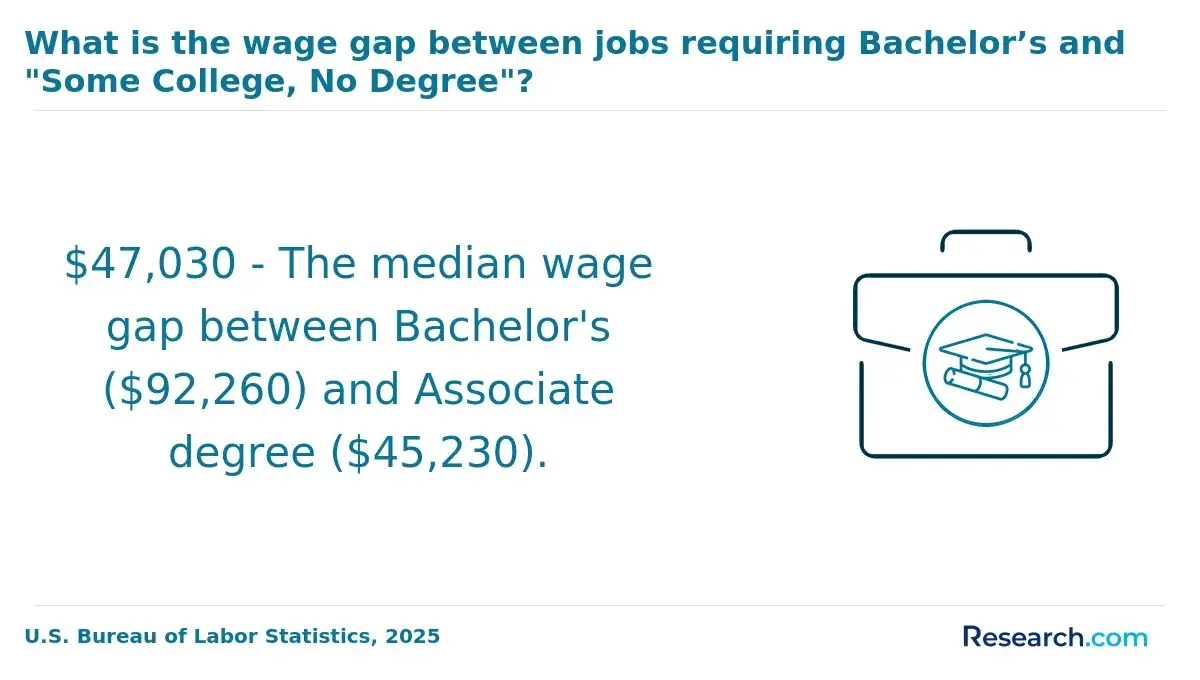
The starting salary with a computer science master’s degree depends on the role, employer, location, prior work experience, and specialization. Recent data shows the average entry-level computer science master's salary in the US is around $95,000 annually. Graduates with prior professional experience, strong internships, research experience, or high-demand technical skills may be better positioned than candidates who complete the degree without applied projects or workplace exposure.
Several factors have the strongest influence on early salary offers:
- Role and specialization: Entry-level software engineering, data science, machine learning, and cybersecurity roles often pay differently from general IT, support, or analyst positions. A specialized master’s track can help when it maps clearly to a role employers are actively hiring for.
- Previous experience: Employers usually value evidence that a candidate can apply graduate-level knowledge in practical settings. Internships, research assistantships, open-source contributions, capstone projects, and part-time technical work can strengthen salary negotiations.
- Market demand: Graduates entering talent-constrained fields may receive stronger offers. Demand can shift quickly, so candidates should monitor job postings, required skills, and compensation ranges before choosing electives or specializations.
- Technical skills mastery: Advanced coursework is most valuable when paired with demonstrable skills in areas such as machine learning, cloud platforms, software engineering, data engineering, security, and widely used programming languages.
- Networking and negotiation: Salary offers are often shaped by referrals, recruiter relationships, competing offers, and a candidate’s ability to discuss market rates professionally. Graduates should research compensation before interviews rather than waiting until an offer arrives.
A common mistake is assuming the degree alone will set compensation. Employers typically pay for evidence of impact: shipped software, reliable systems, clean code, deployed models, secure environments, and the ability to collaborate with product, business, and engineering teams. Students comparing graduate paths outside computing may also examine options such as the cheapest online LPC programs when evaluating cost, flexibility, and career fit across fields.
Which states pay the highest salaries for computer science master's degree holders?
State-level salary differences for computer science master’s degree holders are shaped by employer concentration, labor demand, local industry mix, taxes, remote-work policies, and cost of living. Recent analyses reveal that certain states offer salary premiums surpassing 20% above the national average for individuals with this advanced degree. Still, a higher salary in an expensive market may not always produce a higher standard of living.
The following states are commonly associated with strong earning potential for computer science master’s graduates:
- California: California remains closely linked to major technology employers, startup ecosystems, AI labs, venture-backed companies, and high-value software markets. Competition for advanced technical talent can drive compensation upward, especially in roles connected to product development, infrastructure, AI, and data.
- Washington: Washington benefits from a major technology presence, particularly around the Seattle metropolitan area. Employers such as Microsoft and Amazon contribute to strong demand for software engineers, cloud specialists, data professionals, and technical leaders.
- Massachusetts: Massachusetts combines software, research, biotechnology, healthcare innovation, robotics, and higher education. Graduates with expertise at the intersection of computing and scientific or medical applications may find strong opportunities.
- New York: New York offers high-paying opportunities in finance, technology, media, analytics, cybersecurity, and enterprise software. Compensation can be strong, but candidates should compare offers against housing costs, taxes, commute patterns, and bonus potential.
- Texas: Texas has growing technology markets in cities such as Austin, along with corporate, cloud, cybersecurity, and software opportunities. Its relatively affordable cost of living in some areas can make total compensation more attractive than the salary number alone suggests.
When evaluating states, compare total compensation rather than base salary only. Equity, bonuses, relocation support, remote-work eligibility, healthcare costs, taxes, and promotion timelines can change the practical value of an offer.
When I spoke with a graduate of a computer science master's program about where their degree had the greatest impact, they highlighted the challenge of balancing salary expectations with quality of life. "I had offers from multiple regions," they explained, "but navigating differences in cost of living alongside projected raises was tougher than anticipated."
This graduate emphasized that beyond initial pay, factors such as company culture, advancement potential, and local industry stability were critical considerations. "It's not just about the number on the paycheck," they said, "but how it fits into your long-term career pathway and personal well-being."
Which computer science master's specializations lead to the highest salaries?
The highest-paying computer science master’s specializations usually address difficult business or technical problems that few professionals can solve well. Specializing within a computer science master's program can significantly enhance earning potential, with data showing that professionals in focused fields often receive salary premiums between 15% and 30% compared to generalist roles.
These specializations are often linked to stronger salary outcomes:
- Artificial Intelligence and Machine Learning: AI and machine learning specializations prepare graduates to build systems that learn from data, automate decisions, generate predictions, or improve product personalization. The highest-value roles often require both modeling knowledge and production engineering ability.
- Cybersecurity: Cybersecurity specialists are in demand because organizations face financial, legal, and operational risks from breaches and system compromise. Higher-paying paths may include security architecture, cloud security, incident response leadership, application security, and governance.
- Data Science and Big Data Analytics: Data-focused specializations can lead to high-paying roles when graduates can move beyond dashboards and help organizations make better strategic decisions. Strong candidates understand statistics, data engineering, experimentation, and business context.
- Software Engineering: Software engineering remains a strong salary path because organizations need reliable, maintainable, scalable applications. Graduate-level preparation is most valuable when it strengthens systems design, architecture, testing, performance, and engineering leadership.
- Cloud Computing: Cloud computing specializations are valuable because modern companies depend on scalable infrastructure, distributed systems, automation, security, and cost management. Graduates who understand both architecture and operations may qualify for higher-responsibility roles.
The best specialization depends on career goals. AI and data science may suit professionals who enjoy math, modeling, and experimentation. Cybersecurity may fit those who like risk analysis and adversarial problem-solving. Software engineering and cloud computing are strong options for candidates who want to build and scale systems. Students should choose based on job-market demand, personal strengths, and the type of work they want to do daily—not just the salary headline.
What skills can increase the salary of a computer science master's degree graduate?
A computer science master’s degree can raise earning potential, but employers reward skills that solve high-value problems. Industry data shows that professionals with expertise in cutting-edge areas such as machine learning or cloud computing can earn between 15% to 30% more than their peers lacking these proficiencies. The most valuable graduates are not only technically strong; they can also explain trade-offs, collaborate across teams, and connect technical work to business outcomes.
The following skills can strengthen salary potential:
- Machine Learning and Artificial Intelligence: These skills help graduates build predictive models, recommendation systems, automation tools, and intelligent applications. Salary potential improves when candidates can deploy and monitor models in production, not just train them in academic settings.
- Cloud Computing: Cloud expertise is valuable because companies need scalable, secure, and cost-efficient infrastructure. Skills in architecture, automation, observability, reliability, and cloud security can support higher-level engineering and platform roles.
- Data Engineering and Big Data Analytics: Organizations need professionals who can collect, clean, structure, process, and analyze large volumes of data. Data engineering skills are especially valuable because analytics and AI depend on reliable data pipelines.
- Software Architecture and Systems Design: Graduates who can design resilient systems, evaluate trade-offs, reduce technical debt, and plan for scale often move into senior engineering or architect roles. These skills are central to higher compensation because architectural decisions affect long-term product and infrastructure costs.
- Leadership and Project Management: Technical leadership becomes increasingly important as professionals advance. Employers pay more for people who can guide teams, manage ambiguity, communicate with stakeholders, and deliver complex projects on schedule.
When asked about what skills can boost salary potential, a working professional currently enrolled in a computer science master's program reflected on her journey. She noted that balancing rigorous coursework with a full-time job challenged her time management and adaptability, skills that are undervalued but crucial in the tech field.
"The real eye-opener was realizing how much leadership and communication skills matter when you move beyond individual contributor roles," she explained. Her program emphasized collaborative projects, which helped her grow confidence in steering technical teams-a factor she believes will open doors to more lucrative positions. This blend of technical knowledge and interpersonal skills has reshaped her career outlook and salary expectations positively.
Is there a salary difference between online and on-campus computer science master's graduates?
For most computer science master’s graduates, the program format—online or on-campus—is usually less important than the school’s reputation, curriculum quality, accreditation status, career support, employer relationships, and the student’s prior experience. Studies reveal that graduates with master's degrees typically earn about 20% more than those holding only a bachelor's degree. However, that wage premium is not automatically tied to whether courses were completed online or in person.
Employer acceptance of online graduate degrees has improved as respected institutions have expanded fully online computer science programs. In many technology hiring processes, employers focus on skills, portfolio evidence, work experience, technical interviews, and the institution behind the degree. A diploma from a credible online program may carry similar value when the curriculum is rigorous and the graduate can demonstrate practical ability.
That said, format can affect opportunity in indirect ways. On-campus programs may offer easier access to research labs, teaching assistantships, career fairs, faculty relationships, and local employer pipelines. Online programs may be better for working adults who want to keep earning while studying, avoid relocation, and apply coursework immediately at work.
Prospective students should compare formats using practical questions: Can I complete substantial projects? Will I receive career support? Are faculty accessible? Does the program connect to employers in my target field? Can I balance the workload with my job? For many mid-career professionals, the best choice is the format that allows them to finish the degree, build marketable skills, and maintain career momentum.
Are computer science master's graduates more competitive for executive positions?
Computer science master’s graduates can be more competitive for executive positions when the degree helps them move from technical problem-solving into strategic leadership. The credential alone does not make someone an executive candidate, but it can strengthen credibility for roles such as director of engineering, chief technology officer, chief information officer, vice president of technology, head of data, or security leader when paired with management experience.
The degree can support executive competitiveness in several ways:
- Leadership Preparation: Graduate programs often require group projects, technical presentations, research planning, and cross-functional collaboration. These experiences can help students practice leading technical work, though formal management experience remains essential for executive advancement.
- Strategic Capability: Advanced computer science study can improve systems thinking. Executives must understand how architecture, security, data, staffing, timelines, and budgets interact across an organization.
- Decision-Making Authority: Master’s graduates may be better equipped to evaluate complex technical options and explain the risks of each path. This ability matters in leadership roles where decisions affect customers, revenue, compliance, and long-term infrastructure.
- Organizational Impact: Technical executives must align engineering decisions with business goals. A computer science master’s degree can help leaders understand which technologies are worth investing in and which create unnecessary complexity.
- Professional Credibility: An advanced degree can signal commitment and expertise, especially in research-heavy, AI-driven, cybersecurity-focused, or highly technical organizations. It is strongest when supported by a record of measurable results.
Graduates aiming for executive roles should not rely on the degree alone. They should build experience managing teams, owning budgets, presenting to nontechnical stakeholders, hiring talent, negotiating priorities, and making trade-offs under uncertainty. Career changers comparing leadership-oriented graduate paths may also explore MFT masters programs as an example of how different fields develop management, communication, and people-centered decision-making skills.
What is the ROI of a computer science master's degree?
The ROI of a computer science master’s degree depends on how much the program costs, how long it takes, whether the student keeps working, and whether the degree leads to a higher-paying or more stable role. On average, professionals with a master's degree in computer science earn about 20% to 30% more over their lifetimes compared to those with only a bachelor's degree. Still, individual results vary widely.
To estimate ROI realistically, prospective students should look beyond tuition and compare total cost with likely career outcomes. The cost of a computer science degree can vary by institution and format, so affordability should be evaluated alongside curriculum quality, employer recognition, and career support.
- Tuition Costs: Higher tuition can delay financial payoff, especially for students who borrow heavily. Lower-cost programs may improve ROI, but only if they still provide rigorous training, credible credentials, and relevant career pathways.
- Salary Growth: ROI improves when the degree helps graduates move into higher-paying specializations, senior technical roles, or management positions. Students should compare expected salary growth in their target role before enrolling.
- Opportunity Cost: Full-time study can mean lost wages and delayed promotions. Part-time or online study may reduce this cost for working professionals, though it can extend the timeline to graduation.
- Career Mobility: A master’s degree may help professionals pivot into AI, data science, cybersecurity, research, cloud computing, or leadership roles. The value is highest when the program supports a clear career move rather than a vague hope of advancement.
- Networking Value: Faculty, classmates, alumni, recruiters, and project partners can influence job opportunities. Programs with strong employer connections may offer stronger ROI than programs with limited career infrastructure.
For mid-career professionals assessing the return on investment for a computer science master's degree in the US, the best approach is to calculate total program cost, expected salary lift, time to completion, and risk. Many working adults also compare nationally accredited online colleges when looking for flexible programs that can fit around employment.
What is the job outlook for computer science master's degree holders?
The job outlook for computer science master’s degree holders is strong, particularly for graduates with advanced skills in AI, data science, cybersecurity, software engineering, cloud systems, and research. The U.S. Bureau of Labor Statistics projects a 22% employment increase for computer and information research scientists from 2022 to 2032, far outpacing the average across all fields.
Several forces support this outlook:
- Long-Term Demand Trends: Organizations continue to digitize operations, products, customer experiences, and internal systems. This creates ongoing demand for professionals who can build, secure, maintain, and improve complex computing environments.
- Evolving Skill Needs: Employers need workers who can adapt as tools and platforms change. Graduates who specialize in areas such as artificial intelligence, cybersecurity, data science, and cloud computing may have stronger prospects than those with only broad technical knowledge.
- Technological Change: Innovations in cloud computing, machine learning, and quantum technologies generate new roles that favor individuals with graduate-level training. The strongest candidates will be those who can learn continuously rather than rely only on coursework completed during the degree.
- Leadership Pipelines: Master’s holders may move into senior engineering, architecture, product-adjacent, research, data, security, or management roles. Leadership potential can improve long-term job stability, especially when paired with communication and business skills.
- Economic Resilience: Technology roles are not immune to layoffs or market cycles, but computing remains central to business operations in many sectors. Graduates with adaptable skills and industry-relevant experience are better positioned during periods of uncertainty.
The most competitive graduates will be those who leave the program with more than a credential. Strong portfolios, applied projects, internships or work experience, research output, technical interview preparation, and professional networks can all improve job prospects.
What Graduates Say About the Highest-Paying Jobs with a Computer Science Master's Degree
- Diane: "Choosing to pursue a master's degree in computer science was a turning point in my career. The specialized knowledge I gained opened doors to high-paying roles in AI and cybersecurity that I hadn't considered before. Despite the upfront cost, the return on investment has been remarkable and well worth it."
- Lori: "Looking back, the decision to enroll in a computer science master's program was driven by a desire for career growth and financial stability. The cost was significant, but flexible payment options made it manageable. Today, I enjoy a lucrative position in software development that has dramatically improved my financial situation."
- Tanya: "As a professional, I appreciate how my computer science master's degree enhanced both my skills and salary prospects. The program's cost was a challenge, but it paid off through opportunities in data science and cloud engineering. It's satisfying to see how this qualification has positively impacted my career trajectory."
Other Things You Should Know About Computer Science Degrees
In 2027, top-paying roles for those with a master's in computer science include Machine Learning Engineer, Data Scientist, and Software Development Manager. These positions are highly lucrative due to the complex technical skills they require and the high demand from employers across industries.
In 2027, tech giants in the software development, cybersecurity, and artificial intelligence industries are known to offer the highest salaries for computer science master's degree holders. These sectors often provide compensation packages surpassing other fields, reflecting their demand for advanced technical expertise.
References
- 10 High-Income Skills To Start Learning in 2025 https://www.imd.org/blog/learning-and-development/high-income-skills/
- High-Paying Skills Every MCA Graduate Should Know - Skills Matrix Academy https://skillsmatrixacademy.com/high-paying-skills-every-mca-graduate-should-know/
- Is a Computer Science Degree Worth It? 2026 ROI Analysis https://www.computerdegreesonline.org/computer-science-degree-worth-it/
- Why earning a master's in computer science is a smart move https://www.cmich.edu/blog/all-things-higher-ed/why-earning-a-master-s-in-computer-science-is-a-smart-move
- Available Programmes https://bwbsedu.com/blog_details&blog=top-11-highest-paying-computer-science-jobs-2025
- The Future of Work: The Importance of Computer Science Skills | Gisma https://www.gisma.com/blog/the-future-of-work-the-importance-of-computer-science-skills
- Computer Science Masters in USA: Average Salary, Jobs & More https://www.global-opportunities.net/blogs/computer-science-masters-in-usa-average-salary-jobs-career-scope/
- Computer science salary | academics.com https://www.academics.com/guide/computer-science-salaries
- Benefits of a master's in computer science | edX https://www.edx.org/resources/is-a-computer-science-masters-degree-worth-it
- The advantages of pursuing a computer science master's degree online https://technology.online.city.ac.uk/blogs/the-advantages-of-pursuing-a-computer-science-master-s-degree-online/


