
2027 Computer Science Degree Master's Programs Accepting Students Now

Co-Founder and Chief Data Scientist
A computer science master’s degree can be a practical route into software, data, cybersecurity, artificial intelligence, and technical leadership roles—even for applicants who did not major in computer science as undergraduates. The decision is rarely simple: you need to compare admissions expectations, prerequisite gaps, online versus campus formats, cost, accreditation, timelines, and likely career value before committing.
This guide is for career changers, recent graduates, working professionals, and international applicants evaluating computer science master’s programs that may be accepting students now. Nearly 40% of master's students in computer science started with a non-CS undergraduate degree, which shows that many programs now serve applicants from math, engineering, business, science, humanities, and other backgrounds. Below, you will learn how these programs work, what admissions committees look for, how long the degree may take, how to estimate total cost, and how to judge whether a program is credible and worth the investment.
Key Things to Know About Computer Science Degree Master's Program Accepting Students Now
- Many computer science master's programs offer evening, weekend, and online courses, allowing working professionals to balance education with full-time employment effectively.
- Accelerated tracks enable students to gain specialized skills in 12 to 18 months, meeting growing industry demands for expertise in AI, cybersecurity, and data science.
- Programs provide access to global alumni networks and industry partnerships, enhancing opportunities for collaboration, internships, and international career advancement.
What Are Computer Science Master's Programs, and Who Are They Designed For?
Computer science master’s programs are graduate degrees that develop advanced skills in computing theory, software systems, algorithms, data, security, and emerging technical fields. They are more specialized than a bachelor’s degree and usually more career-focused than a doctoral program, although thesis-based options can also prepare students for research or a future PhD.
Most programs take one to two years for full-time students, with longer timelines for part-time learners. Delivery formats vary: some programs are campus-based, some are fully online, and others combine online coursework with limited in-person requirements. This flexibility makes the degree relevant for recent graduates, employed professionals, military learners, international students, and adults changing careers.
Who these programs usually serve
- Recent graduates: Students who want deeper technical preparation before entering the job market or applying for research-oriented positions.
- Working professionals: Employees in technology, analytics, engineering, finance, healthcare, or operations who need stronger computing credentials for advancement.
- Career changers: Applicants from non-CS backgrounds who are willing to complete prerequisites or bridge coursework before moving into graduate-level computing.
- Specialization seekers: Students targeting areas such as machine learning, cybersecurity, software engineering, data systems, or artificial intelligence. Applicants focused on AI may also compare a dedicated artificial intelligence degree online with a broader computer science master’s program.
How a master’s differs from other degree levels
| Degree Type | Main Purpose | Best Fit |
| Bachelor’s in Computer Science | Builds broad undergraduate foundations in programming, math, systems, and theory. | Students starting their first computing degree. |
| Master’s in Computer Science | Develops advanced technical depth, specialization, and applied problem-solving. | Professionals seeking stronger credentials, career changers, and students pursuing advanced roles. |
| Doctorate in Computer Science | Focuses on original research and scholarly contribution. | Students aiming for research, university teaching, or highly specialized R&D work. |
The U.S. Bureau of Labor Statistics projects a 15% growth in computer and information technology jobs through 2031, which helps explain why advanced computing credentials remain attractive. Still, a master’s degree is not automatically the right choice for everyone. Applicants should weigh the program’s rigor, cost, prerequisites, employer recognition, and alignment with their target role before enrolling.
Which Computer Science Master's Programs Are Currently Accepting Applications?
Computer science master’s programs may accept applications during fixed fall, spring, or summer cycles, while others use rolling admissions or multiple start dates. “Accepting students now” does not mean every applicant can begin immediately; it may mean the school is reviewing applications for the next available term. Always confirm deadlines, start dates, visa timelines, prerequisite review policies, and document requirements directly with the university.
Applicants should also verify whether the open program is thesis-based, professional, accelerated, part-time, online, hybrid, or campus-based. These formats can lead to very different student experiences even when the degree title is the same.
Common program types currently offered
| Program Type | How It Works | Best For |
| Thesis-Based Programs | Students complete advanced coursework and a research thesis under faculty supervision. | Applicants considering a PhD, research roles, or technical R&D positions. |
| Professional Master’s Tracks | Programs emphasize applied coursework, capstone projects, internships, or industry-facing assignments instead of a thesis. | Working professionals and students targeting software, data, cybersecurity, or engineering roles. |
| Accelerated Master’s Programs | Coursework is compressed into a shorter schedule, sometimes under two years, and may include joint bachelor’s/master’s options. | Students who can handle an intensive pace and want to enter the workforce faster. |
| Part-Time and Evening Programs | Courses are scheduled for students balancing employment, family responsibilities, or other commitments. | Professionals who cannot pause their careers for full-time study. |
| Interdisciplinary Master’s Degrees | Programs combine computer science with areas such as data science, information technology, analytics, or domain-specific applications. | Students who want computing skills tied to a specific industry or function. |
When comparing open programs, review the admissions calendar and the academic structure together. A school with rolling admissions may still require prerequisite coursework before full enrollment, while a fixed-deadline program may offer stronger research funding or assistantship opportunities. Students planning long-term academic study can also compare affordable doctoral programs after identifying master’s programs that match their goals.
What Are the Admission Requirements for a Computer Science Master's Program?
Admission requirements vary by university, but most computer science master’s programs evaluate whether applicants can succeed in graduate-level computing. A bachelor’s degree is typically required, but it does not always need to be in computer science. Applicants without a CS background may need to prove readiness through prerequisite courses, professional experience, coding projects, certifications, or bridge coursework.
Admissions committees usually review academic history, quantitative preparation, programming experience, recommendations, career goals, and evidence of persistence. International applicants may also need English-language test scores, credential evaluations, financial documentation, and visa-related materials depending on the institution.
Common application materials
- Undergraduate transcripts: Schools use transcripts to evaluate degree completion, GPA, math preparation, and prior coursework in programming, data structures, algorithms, statistics, discrete mathematics, or related subjects.
- Letters of recommendation: Strong letters come from professors, supervisors, technical leads, or managers who can discuss your analytical ability, work ethic, and readiness for graduate study.
- Statement of purpose: This essay should explain why you want the degree, what technical area interests you, how your background prepared you, and how the program supports your career plan.
- Resume or CV: A clear resume should list education, work experience, technical tools, projects, research, publications, certifications, and relevant leadership experience.
- Standardized tests: Some programs still ask for GRE or GMAT scores, while many have waived standardized testing requirements since the pandemic. Check each program’s current policy before spending time or money on testing.
- Prerequisites or portfolio: Programs may ask for evidence of programming ability, completed projects, professional certifications, or prior coursework in algorithms and data structures.
How non-CS applicants can strengthen their file
If your undergraduate degree is outside computing, do not rely on motivation alone. Admissions committees need evidence that you can handle technical coursework. A stronger application may include recent graded coursework, a GitHub-style project portfolio, employer-backed technical experience, or a concise explanation of how you addressed gaps in programming, math, and algorithms.
One online computer science master’s student described the process as both exciting and overwhelming: “I had to gather transcripts from several institutions and reach out to former managers for recommendations, which took longer than expected.” Preparing the statement of purpose helped him clarify why he wanted to change careers. Although some programs waived the GRE during his application cycle, he submitted scores to keep more options open. His biggest challenge was building a portfolio, but it gave him a way to show practical ability beyond transcripts.
What Is the Minimum GPA Requirement for a Computer Science Master's Program?
Most computer science master’s programs use a minimum GPA requirement of about 3.0 on a 4.0 scale. That threshold is usually a screening standard, not a guarantee of admission. Competitive programs may expect GPAs closer to 3.3 or even 3.5, especially when applicant pools are strong or when the program has limited seats.
According to a 2023 survey, approximately 65% of computer science graduate programs maintain a minimum GPA requirement of 3.0, while 30% prefer higher. Applicants below or near the cutoff may still be considered if the rest of the application shows readiness for graduate study.
What can offset a lower GPA?
- Upward academic trend: A weak early record may matter less if later semesters show stronger performance, especially in technical or quantitative courses.
- Relevant professional experience: Software development, data analysis, cybersecurity, systems administration, technical product work, or engineering experience can demonstrate applied readiness.
- Strong recommendations: Detailed letters can help explain your ability, maturity, and growth beyond the transcript.
- Recent prerequisite coursework: Completing programming, math, or algorithms courses with strong grades can reassure admissions committees.
- GRE or GMAT scores where accepted: If a program allows optional scores, a strong result may help some applicants, but it will not replace missing prerequisites.
- Conditional admission: Some universities admit students on probationary or conditional terms and require them to earn satisfactory grades in initial graduate courses.
If your GPA is close to the minimum, contact admissions before applying. Ask whether the program reviews the last 60 credits, considers post-baccalaureate coursework, offers bridge admission, or allows conditional enrollment. For students still completing undergraduate requirements while planning graduate study, flexible options such as accelerated programs online may help them move toward eligibility while balancing work and study.
How Long Does It Take to Complete a Computer Science Master's Program?
A computer science master’s degree usually takes one to two years for full-time students. Part-time students often take between two and four years, depending on course load, employer demands, family responsibilities, and whether prerequisites must be completed first. Accelerated tracks may take about 12 months, while combined bachelor’s/master’s programs, sometimes called 4+1 pathways, allow eligible undergraduates to begin graduate coursework early.
The fastest option is not always the best option. A compressed program can be efficient for students with strong preparation and time to study intensively, but it may be difficult for career changers who need more practice with programming, systems, and theory. A part-time program may take longer but can reduce financial pressure by allowing students to keep working.
Factors that affect completion time
- Enrollment status: Full-time study shortens the timeline, while part-time study improves flexibility.
- Prerequisite requirements: Applicants without a CS background may need bridge or foundation courses before starting advanced classes.
- Thesis versus non-thesis track: Thesis programs can take longer because they require research planning, faculty supervision, writing, and revisions.
- Capstone or internship: Applied experiences can add time but may improve job readiness and employer connections.
- Transfer credits: Some universities accept prior graduate credits, which may reduce the required course load.
- Course availability: Not every course is offered every term, so sequencing matters, especially for specializations.
A graduate who completed an online computer science master’s while working full time described the schedule as “challenging but rewarding.” Recorded lectures and supportive instructors helped her stay on track, but project deadlines still created demanding weeks. Her experience reflects a common reality: online flexibility helps, but it does not make graduate computer science easy. Students should plan weekly study time before enrolling, not after classes begin.
What Is the Cost of a Computer Science Master's Program, and How Is It Calculated?
The cost of a computer science master’s program depends on tuition rate, credit requirements, university type, residency status, delivery format, and fees. Tuition is often charged per credit, and programs commonly require roughly 30 to 40 credit hours. Public universities may charge different rates for in-state and out-of-state students, while many online programs use a flat tuition rate regardless of location.
National data suggests that the total cost for earning a computer science master’s degree typically falls between $20,000 and $70,000. That range can be misleading if you only compare published tuition. The actual amount you pay may change after scholarships, assistantships, employer reimbursement, tuition discounts, or federal loans are applied.
Costs to include in your estimate
- Tuition: Multiply the per-credit rate by the total number of required credits, then confirm whether prerequisite credits cost extra.
- Program and technology fees: Online platform charges, lab fees, software access, graduation fees, and student services fees can add to the bill.
- Books, software, and equipment: Some programs require specific computing tools, cloud credits, textbooks, or hardware.
- Residency-related costs: Campus students should budget for housing, food, commuting, parking, and relocation if needed.
- Opportunity cost: Full-time study may reduce income, while part-time study may extend the number of terms paid.
- Net cost after aid: Compare final out-of-pocket cost, not just the advertised price.
If affordability is your main constraint, compare total credits, fees, and aid policies side by side rather than assuming the lowest tuition rate is the cheapest path. Students focused specifically on cost may also review a cheap computer science degree online to understand how lower-priced online options are structured.
What Financial Aid Options Are Available for Computer Science Master's Students?
Financial aid for computer science master’s students usually relies more on loans, assistantships, employer benefits, and competitive awards than on need-based grants. The first step for federal aid is completing the Free Application for Federal Student Aid (FAFSA), which determines eligibility for federal loans and may support access to some state or institutional aid.
Graduate funding is often competitive, so timing matters. Apply early, ask each program about departmental awards, and confirm whether online students qualify for the same aid as campus students. Some funding sources are available only to full-time students, thesis students, U.S. citizens or eligible noncitizens, or students in specific research areas.
Main funding options
- Federal loans via FAFSA: Federal loans are a common funding source for master’s students and may offer fixed interest rates and repayment options.
- Institutional grants and fellowships: Universities may award tuition support or stipends based on academic merit, research fit, financial need, or strategic enrollment priorities.
- Graduate assistantships: Teaching or research assistantships can provide tuition remission and a stipend in exchange for work, though availability may be more limited for online students.
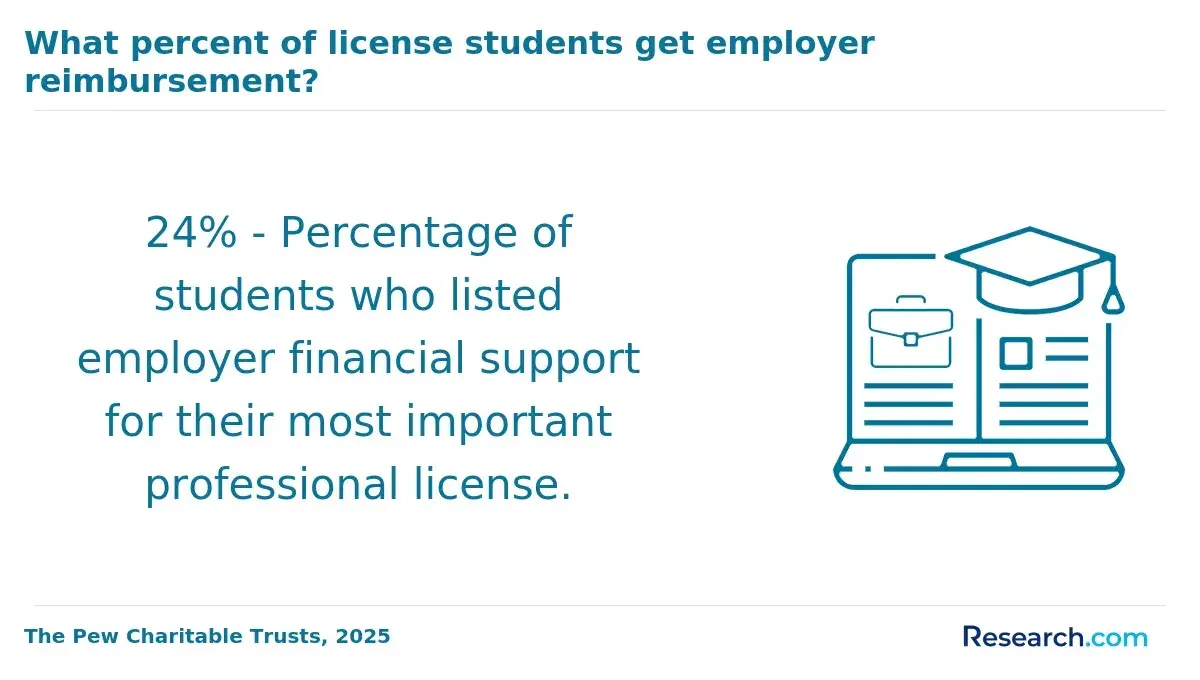
- Employer tuition benefits: Working professionals should check whether their employer offers tuition reimbursement, direct billing, professional development funds, or service commitments after graduation.
- Private and state scholarships: Professional associations, foundations, state agencies, and workforce initiatives may offer awards for graduate students in computing or STEM fields.
Before accepting admission, ask for a written estimate of tuition and fees and a clear explanation of your aid package. If you plan to use employer funding, confirm annual caps, grade requirements, eligible institutions, repayment obligations if you leave the company, and whether reimbursement is paid before or after the course is completed.
Are There Scholarships Specifically for Computer Science Master's Students?
Yes. Computer science master’s students may qualify for scholarships from universities, academic departments, professional associations, foundations, nonprofits, and government programs. These awards may be based on merit, financial need, research interests, career goals, residency, enrollment status, or support for underrepresented groups in technology.
According to recent data, nearly 48% of graduate students in STEM fields, including computer science, receive some form of financial aid or scholarships, highlighting the increasing availability of support. Still, scholarships are rarely automatic. Applicants should search early, track deadlines carefully, and prepare reusable materials such as a resume, statement of purpose, project summary, and recommendation letters.
Where to look for scholarships
- University and department awards: Start with the graduate school, computer science department, and financial aid office at each target institution. Some awards are available only to admitted students.
- Professional organizations: Groups such as the Association for Computing Machinery (ACM), Computing Research Association (CRA), and the National Science Foundation (NSF) frequently offer competitive scholarships or fellowships.
- Scholarship databases: Aggregator databases and federal search tools like scholarships.gov can help identify external awards, but students should verify deadlines and legitimacy.
- Employer and industry programs: Technology companies, defense contractors, healthcare systems, financial institutions, and consulting firms may fund employees pursuing advanced computing skills.
- State and regional programs: Some states support graduate STEM education tied to workforce needs, public service, or local residency.
Review each award’s eligibility rules before applying. Pay close attention to whether the scholarship is open to master’s students, online learners, part-time students, international students, or students in professional rather than thesis tracks. Renewable awards can be especially valuable because they may reduce costs across multiple terms. Students comparing affordability across graduate fields may also look at how aid is discussed for programs such as an online master's degree in marriage and family therapy, but computer science applicants should prioritize funding sources tied to computing, STEM, and workforce demand.
What Are the Best Online Computer Science Master's Programs Available Today?
The best online computer science master’s program is not simply the highest-ranked option. It is the accredited program that matches your academic background, target specialization, budget, schedule, and career goals. A strong program should combine rigorous coursework, qualified faculty, reliable online delivery, useful student support, and credible employer recognition.
Online programs can be especially valuable for working adults because many offer asynchronous courses, recorded lectures, remote advising, and flexible pacing. The trade-off is that students may need to be more intentional about networking, internships, research relationships, and career visibility than they would be on campus.
How to evaluate online programs
- Accreditation: Confirm that the institution is properly accredited and that any relevant programmatic accreditation is recognized.
- Curriculum depth: Review required courses, electives, prerequisites, and specialization options in areas such as software engineering, artificial intelligence, cybersecurity, data science, systems, or theory.
- Faculty credentials: Look for faculty with advanced degrees, research expertise, and practical industry experience aligned with your interests.
- Student support: Online students should have access to advising, tutoring, library resources, technical support, disability services, and career counseling.
- Flexibility: Check whether courses are asynchronous, synchronous, cohort-based, self-paced, full-time, part-time, or tied to specific term schedules.
- Career outcomes: Ask for job placement information, employer partnerships, alumni outcomes, internship access, and career coaching details.
- Networking opportunities: Favor programs that offer virtual events, project teams, alumni connections, faculty office hours, or optional campus experiences.
Prospective students should independently verify accreditation and avoid unrecognized providers that may offer convenience without real labor-market value. For comparison across online degree structures and affordability considerations, resources such as construction degrees can show how other professional online programs present cost, support, and program quality factors.
How Do Accreditation Standards Affect the Value of a Computer Science Master's Degree?
Accreditation affects whether a computer science master’s degree is recognized as legitimate by employers, universities, and financial aid agencies. It is one of the first quality checks applicants should make before applying, especially for online programs and unfamiliar institutions.
Regional accreditation evaluates the institution as a whole, including academic standards, governance, faculty qualifications, student services, and financial stability. Programmatic accreditation evaluates a specific academic program or discipline. For computer science degrees, ABET is a leading accrediting organization that sets high standards specific to computing disciplines.
Why accreditation matters
- Employer confidence: Employers are more likely to trust degrees from accredited institutions because they have been reviewed against recognized standards.
- Federal financial aid eligibility: Students generally need to attend an accredited institution to qualify for federal loans and grants.
- Credit transfer and future study: Accredited coursework is more likely to be considered by other universities if you later pursue another graduate degree.
- Academic quality control: Accreditation reviews curriculum, faculty, institutional processes, and student support systems.
- Risk reduction: Accreditation helps applicants avoid programs that may be expensive but poorly recognized.
Do not rely only on marketing language from a school’s website. Prospective students should verify accreditation status independently by consulting the U.S. Department of Education's Database of Accredited Postsecondary Institutions and Programs to ensure that the institution’s status is legitimate and current. If a program claims programmatic accreditation, verify that separately with the accrediting organization.
What Career Outcomes Can Computer Science Master's Graduates Expect?
Computer science master’s graduates can pursue roles in software engineering, cybersecurity, data analysis, systems architecture, artificial intelligence, cloud computing, technical leadership, and research-oriented positions. Outcomes depend on prior experience, specialization, location, portfolio quality, internships, networking, and the reputation of the program.
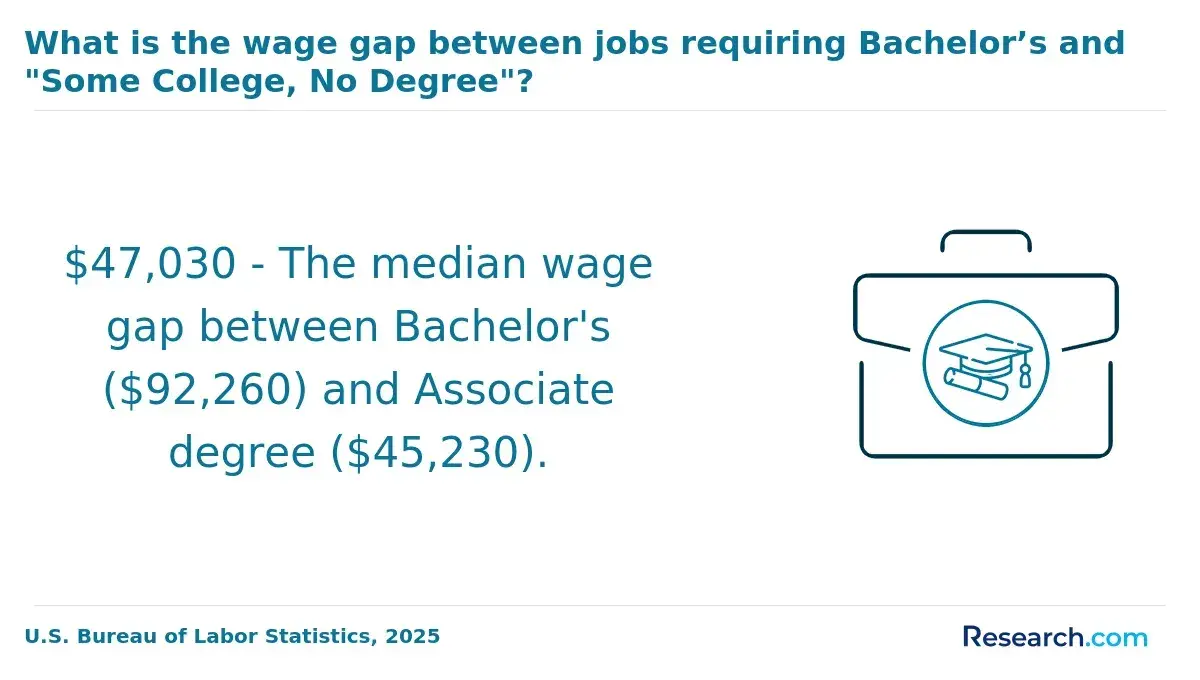
The Bureau of Labor Statistics reported a median annual salary of $97,430 for computer and information technology positions in 2023, with employment expected to grow 15% through 2032-much faster than the average for all fields. A master's degree typically provides a 20% to 30% salary advantage over a bachelor's degree, in addition to improving access to leadership and specialized roles. These figures are useful benchmarks, but they are not guaranteed outcomes for every graduate.
Common career paths
- Software engineering: Designing, building, testing, and maintaining applications, platforms, and distributed systems.
- Cybersecurity: Protecting systems, networks, data, and infrastructure from threats and vulnerabilities.
- Data and analytics: Building tools, models, pipelines, and systems that support data-driven decisions.
- Artificial intelligence and machine learning: Developing models, algorithms, and applied AI systems for business, research, or product use.
- Systems architecture: Designing technical infrastructure, cloud environments, databases, and enterprise systems.
- Technical leadership: Moving into senior engineering, project leadership, technical management, or strategy roles.
Students who enter a master’s program without prior computing experience may need internships, portfolio projects, open-source contributions, or employer-sponsored projects to compete for technical roles. Career services, alumni networks, faculty mentorship, and industry partnerships can make a meaningful difference, especially for online students who must build professional connections more deliberately.
What Graduates Say About Their Computer Science Degree Master's Program
-
: "I chose the computer science master's degree because I wanted a solid foundation to pivot my career toward software development. The program was surprisingly affordable compared to other options, which made it accessible without sacrificing quality. Since graduating, the advanced skills I gained have opened doors to leadership roles that I never thought possible.
Benny"
-
: "Reflecting on my decision to pursue a computer science master's degree, the affordability and practical curriculum were key factors for me. It wasn't just about learning theory but applying it to real-world problems, which significantly boosted my confidence in the tech industry. This degree truly transformed how I approach challenges in my career, setting me apart from my peers.
Greyson"
-
: "The professional growth I experienced after completing my computer science master's degree has been remarkable. I initially sought the degree to ensure job security and career advancement, and the program's cost felt like a worthwhile investment given the return I've seen. It equipped me with both technical expertise and strategic thinking to excel in a competitive field.
Cooper"
Other Things You Should Know About Computer Science Degrees
Choosing the right computer science master's program depends on your career objectives, previous education, and preferred learning style. Consider programs that offer specializations aligned with your interests, such as artificial intelligence, cybersecurity, or software engineering. Also, evaluate factors like program accreditation, faculty expertise, flexibility of course delivery, and opportunities for internships or research.
The application process typically involves submitting transcripts, standardized test scores (if required), letters of recommendation, and a statement of purpose. Many programs also request a resume or CV to assess your background. Some schools may require prerequisite coursework or proof of programming proficiency, especially for students coming from non-computer science backgrounds.
For 2027, several computer science master's programs offer rolling admissions, allowing flexibility for prospective students. Examples include the University of Michigan and Northeastern University, where applicants can submit their documents throughout the year until programs reach capacity.
References
- Does accreditation matter in Computer Science (UK)? https://academia.stackexchange.com/questions/212087/does-accreditation-matter-in-computer-science-uk
- The Ultimate Guide to Accreditation for Master’s Students https://www.onlinemastersdegrees.org/student-resources/graduate-school-accreditation/
- Paying for a Computer Science Degree | Scholarships, Grants, Loans https://www.computerscience.org/resources/how-to-pay-for-a-degree/
- 32 master Scholarships in computer science in poland https://www.applykite.com/search/scholarships/master/poland/computer-science
- Computer Science MSc https://www.ucl.ac.uk/prospective-students/graduate/taught-degrees/computer-science-msc
- 10 Exciting Computer Science Career Paths to Explore https://www.ucumberlands.edu/blog/career-choices-with-a-masters-in-computer-science
- How Long Does it Take to Earn an MS in Computer Science? https://www.onlineengineeringprograms.com/faq/how-long-to-earn-masters-in-cs
- Criteria for Accrediting Computing Programs, 2025 - 2026 - ABET https://www.abet.org/accreditation/accreditation-criteria/criteria-for-accrediting-computing-programs-2025-2026/
- How Long Does It Take to Get a Master's in Computer Science? https://www.snhu.edu/about-us/newsroom/stem/how-long-to-get-a-masters-in-computer-science
- What to consider when pursuing a master’s in computer science - Graduate Programs https://gradprograms.mines.edu/blog/what-to-consider-when-pursuing-a-masters-in-computer-science/


