2027 Cheapest Online Media Communication Master's Degrees That Pay Well: Tuition, Duration, and Earnings

Co-Founder and Chief Data Scientist
Prospective students often hesitate to pursue an online media communication master's degree due to concerns about high tuition and uncertain career returns. For example, an aspiring professional might delay enrollment fearing that lengthy programs will delay income growth, especially since the average program duration ranges between 18 to 24 months. Currently, the Bureau of Labor Statistics projects a 10% growth in communication specialist roles over the next decade, reflecting rising demand. This article will examine affordable tuition rates, program lengths, and anticipated salary outcomes to help cost-conscious learners choose online media communication master's degrees that optimize return on investment.
Key Things to Know About the Cheapest Online Media Communication Master's Degrees That Pay Well
- Online media communication master's degrees often feature tuition rates significantly lower than traditional programs, averaging $10,000 to $20,000, making advanced education more financially accessible.
- Most programs can be completed in 18 to 24 months, allowing students to enter or advance in the workforce quickly without extended time commitments.
- Graduates typically see median salaries between $60,000 and $80,000 annually, reflecting strong demand for digital communication skills across industries such as marketing and public relations.
How Much Does an Online Media Communication Master's Degree Cost?
Knowing the average cost of an online media communication master's degree helps prospective students find programs offering the best balance of tuition and career value. Graduate tuition for online programs in communication fields typically ranges from about $12,000 to $30,000 annually. This wide range reflects variations across institutions and delivery modes, so researching affordable options is key. Students looking for the cheapest online media communication master's degree tuition costs will benefit from understanding these pricing patterns before enrolling.
Tuition differences largely depend on residency and institution type. In-state students at public universities often pay significantly less-sometimes 30-50% lower-than out-of-state students, making public schools the most affordable choice for local residents. Private universities tend to charge uniform tuition fees regardless of residency status, usually at a higher price point. For those seeking affordable online media communication master's programs in the US, comparing these factors is critical, and resources like the BCBA degree guide can provide valuable insights.
What Fees Are Included in the Total Cost of an Online Media Communication Master's Program?
Evaluating the total cost of an online media communication master's degree requires more than just looking at tuition. Additional fees can notably affect the overall financial commitment, helping students create a realistic budget. Below is a breakdown of common fees included in the total cost of an online media communication master's program.
- Technology Fees: These fees cover access to essential online learning platforms, digital libraries, and technical support services, ensuring students have the necessary tools to succeed in a virtual environment.
- Course Fees: Some courses require specialized materials or software, and these fees are applied to cover those extra resources specific to certain classes.
- Registration Fees: Charged each semester, registration fees handle administrative tasks related to enrollment and the maintenance of student academic records throughout the program.
- Graduation Fees: When students apply for their degrees, these fees cover the administrative processing costs involved in credentialing and awarding diplomas.
- Library and Resource Fees: Supporting access to research databases and academic materials, these fees help maintain high-quality scholarly resources available to students.
Having a clear understanding of the breakdown of tuition and additional fees for online media communication degrees enables prospective students to make informed financial decisions. For those interested in exploring the easiest masters degree to get options, carefully considering these fees alongside tuition can highlight programs that deliver both affordability and value.
How Long Does It Take to Complete an Online Media Communication Master's Degree?
Grasping the length of an online media communication master's program helps prospective students effectively manage finances and time, especially when balancing work or personal life. On average, most online graduate degrees take around two years to complete. Several important factors can influence this timeline, outlined below.
- Enrollment Status: Students enrolled full time typically finish their degree faster by taking a heavier course load each term. Part-time students may extend their studies to better juggle employment or family commitments.
- Accelerated Tracks: Some programs offer intensive formats that shorten the time to graduation by condensing coursework into shorter sessions. These require strong time management but help speed up completion.
- Class Scheduling: Program length can depend on how flexible class offerings are, such as availability of evening, weekend, or asynchronous courses. More flexible options allow students to tailor their pace.
- Prior Experience: Students with professional background or related academic credits may waive certain requirements, reducing the overall duration needed to earn the degree.
When I spoke with a graduate of an online media communication master's program, he described the experience as "a balancing act between deadlines, family, and work." He shared that despite careful planning, unexpected job demands sometimes forced him to reduce his course load, extending his expected timeline. "It wasn't just about managing assignments but also adjusting to life's unpredictability," he noted. Yet, he emphasized that the program's flexibility and supportive instructors made it manageable. Reflecting on how long it took to finish, he simply said, "It wasn't quick, but it was definitely worth the time invested."
Knowing the credit requirements for a media communication master's degree helps students plan their studies to balance cost, time, and career benefits. Several key factors influence how many credits you'll need to complete an online media communication master's program, as outlined below.
- Program Specialization: Different concentrations such as digital media or corporate communication often include unique core courses and electives. This specialization affects total credits since some focus areas require more extensive coursework than others.
- Core vs. Electives: The ratio of mandatory classes to optional ones can change the credit load substantially. Programs with more electives allow customization but may increase the overall number of credits needed.
- Capstone or Thesis: A thesis or final project usually demands additional credits focused on research and writing. Selecting a program with this requirement can extend the time and credits needed for graduation.
- Practical Experience: Internships or practicum components often carry credit value. Including these experiences may raise the total credit count but add valuable hands-on learning.
Most programs require between 30 and 48 credits, but students aiming for a quick and affordable path might prefer fewer credits with flexible electives. Those pursuing deeper expertise should consider how these options align with their goals and schedules. For those interested in cost-effective bachelor level options, it's useful to explore the least expensive online bachelor's degree pathways as well.
Prospective students often question if accelerated online media communication master's programs come with higher tuition or extra fees due to their condensed format. This concern is common among those aiming to minimize both cost and time spent in graduate education.
Several factors influence whether accelerated programs are more expensive than traditional-paced options:
- Tuition Structure: Many schools charge tuition by credit hour rather than by semester, meaning that a shorter program length doesn't always translate into lower total costs. Students should compare per-credit rates rather than assume acceleration reduces expenses.
- Credit Load Intensity: Accelerated programs often require heavier course loads per term. This can result in overload fees or limit financial aid eligibility, ultimately affecting out-of-pocket costs for students.
- School Type and Prestige: Private or highly specialized institutions generally have higher tuition regardless of program pace. Public universities tend to be more affordable options whether the program is accelerated or traditional.
- Additional Technology Fees: Online courses may include supplemental charges for software, platforms, or digital resources. These fees vary by school and can impact overall affordability.
Evaluating accelerated versus standard master's programs requires careful consideration of these elements instead of assuming all accelerated options automatically cost more.
Many students pursuing an online media communication master's degree rely on financial aid to balance tuition expenses with program length and career goals. Recent statistics show that about 58% of graduate students access some form of financial support, highlighting the importance of exploring available options. Below are several key types of aid commonly utilized by online media communication students.
- Federal Loans and Grants: These include Direct Unsubsidized Loans that offer manageable interest rates and flexible repayment terms. Graduate students generally qualify based on enrollment status and financial need, while grants for graduate programs are less frequent but occasionally provided through specific initiatives.
- Scholarships: Various academic institutions and media-related organizations award scholarships aimed at students in media communication programs. These often consider academic achievement, professional background, or demographic factors to help lower tuition costs significantly.
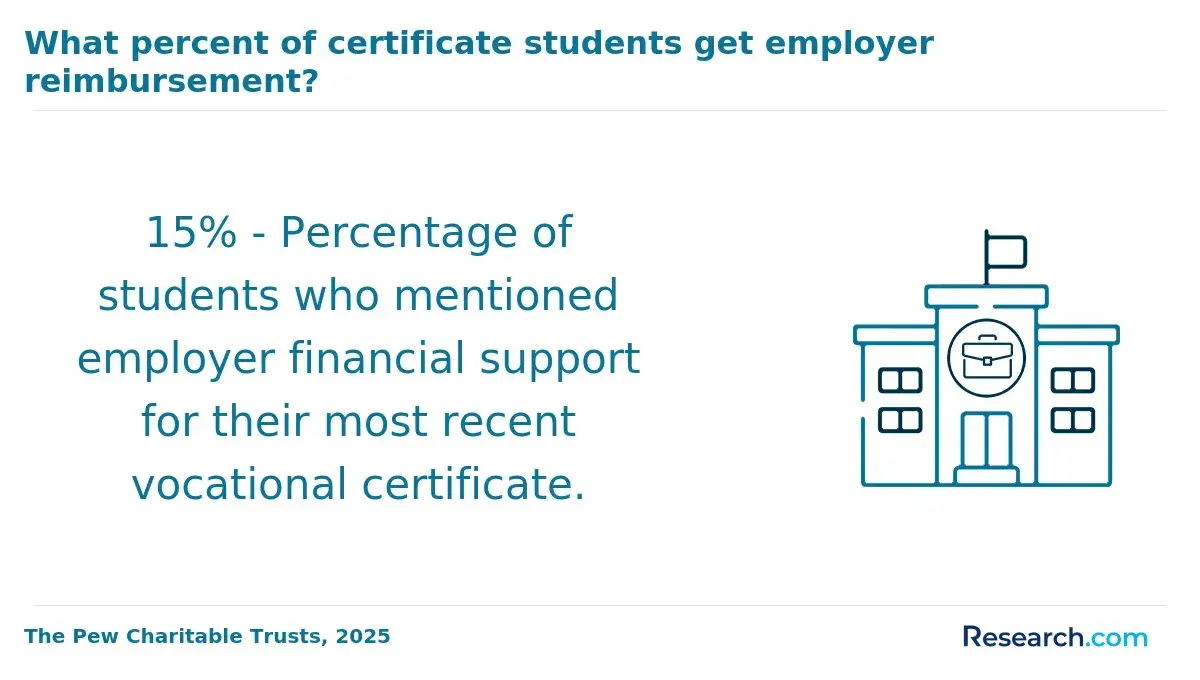
- Employer Tuition Assistance: Many employers support continuing education by reimbursing tuition or contributing to degree expenses for employees studying fields connected to their jobs. The availability and extent of this aid depend on company policies but can substantially reduce out-of-pocket payments.
- Private Loans: When federal aid falls short, private lenders offer additional financing options. Terms depend on credit history and lender requirements, so comparing conditions carefully is crucial to avoid high-interest obligations.
A professional with an online media communication master's degree shared that navigating financial aid was initially overwhelming but became manageable with strategic planning. She explained, "Understanding which programs fit my needs and applying early made a huge difference." Her employer's tuition assistance was a game-changer, covering nearly half the costs, removing much of the financial stress she expected. She appreciated scholarships targeted toward media professionals, describing them as "critical boosts" that opened doors she hadn't anticipated. Reflecting on her experience, she encourages prospective students to research thoroughly and leverage multiple aid sources to balance affordability with academic progress effectively.
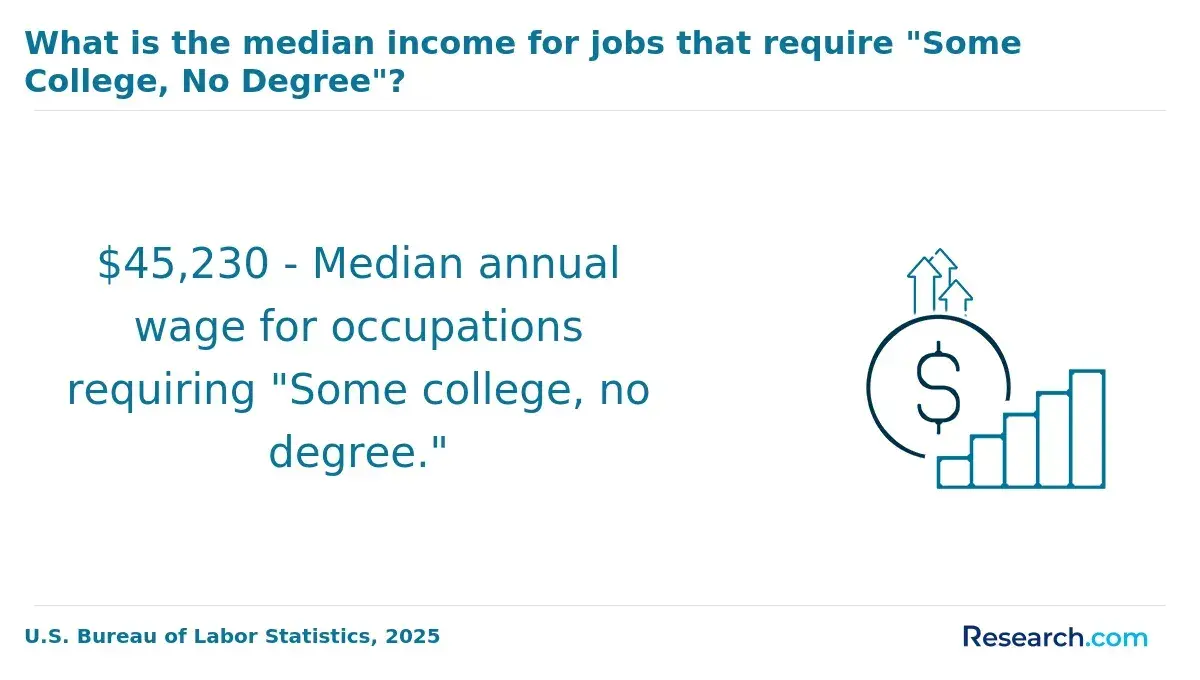
Salary expectations play a crucial role for students weighing the decision to pursue an online media communication master's degree because they help in evaluating the return on investment in education. Prospective students benefit from understanding that earnings reflect long-term outcomes influenced by individual effort, economic conditions, and shifting industry demands rather than guaranteed immediate income following graduation. A realistic perspective on income potential can guide decisions related to tuition affordability, program length, and career planning. For those curious about broader academic options, programs such as a library science degree online also offer different financial trajectories worth exploring.
Average salaries for graduates with an online media communication master's degree in the United States typically cover a broad range, influenced by factors such as experience level, career advancement, and employer standards. Early-career professionals often begin with more modest earnings, but income tends to increase significantly as they gain expertise and assume more responsibilities. Reports highlight that median salaries for these graduates can vary widely, underscoring how salary growth over time is a common trend supported by this degree. This emphasizes the importance for students to view salary figures as starting points on a path of financial development and career progression.
Salary outcomes are critical for prospective media communication master's students because they influence return on investment and long-term career sustainability. To guide educational focus, here are some of the highest-paying jobs for media communication master's graduates in the United States:
- Public Relations Director: Responsible for devising communication strategies and managing an organization's public image, these directors often command six-figure salaries due to their essential role in reputation management.
- Marketing Manager: Leads campaigns that boost sales and brand visibility. Media communication graduates excel in this role, with compensation reflecting their impact on marketing success and growth.
- Media Planner: Plans and negotiates advertising across various platforms, directly influencing campaign effectiveness and budgets, resulting in competitive pay.
- Corporate Communications Manager: Oversees internal and external messaging to ensure organizational clarity and consistency, a role that commands salaries tied to business stability.
- Digital Content Strategist: Develops and manages engaging online content. High demand in the digital arena makes this an increasingly lucrative career path.
These top media communication careers with the best salary growth potential often require a mix of creativity and analytical skills. Typical earnings range from mid-five figures to well over $100,000 annually, varying by experience and location. Choosing programs that balance affordable tuition and efficient program length enhances career return, especially for those considering options like a 2 year construction management degree online for comparison in accelerated learning pathways.
An online media communication master's degree offers versatile skills that apply across various industries due to the rising need for strategic messaging, digital content creation, and audience engagement. Employment in media and communication fields is expected to grow by 8% over the next decade, underscoring strong demand for professionals with advanced expertise. Below are key industries that frequently hire graduates with this degree.
- Advertising and Public Relations: These industries rely on graduates to design targeted campaigns and manage public perception effectively. Typical roles include communication strategists, media planners, and PR managers who shape brand narratives.
- Corporate Communications: Large companies recruit media communication experts to align internal and external messaging, ensuring consistent brand identity. Common positions are communication directors and content specialists.
- Digital Media and Entertainment: As digital storytelling and multimedia grow, this sector needs professionals skilled in content creation, social media management, and media analysis to engage diverse audiences.
- Government and Nonprofits: These organizations utilize media communication specialists to drive public awareness, policy messaging, and community outreach initiatives.
- Education and Training: Institutions depend on such professionals to develop educational content and communication strategies tailored for a variety of learners and stakeholders.
Graduates are valued for their ability to analyze audiences, craft persuasive messages, and leverage emerging media technologies, making a well-timed, affordable online master's program a smart investment for career advancement.
A media communication master's degree can be a sound financial investment, particularly when considering tuition costs, program length, and career outcomes. Affordable online options often range from $10,000 to $20,000, with flexible schedules allowing completion in one to two years, which reduces time away from work. Graduates typically see a salary boost of 15-25% compared to bachelor's degree holders, reflecting solid earning potential. This degree also enhances access to jobs in digital media, public relations, and strategic communication-fields known for steady growth.
Return on investment is influenced by steady salary increases as graduates move into leadership or specialized roles. Job security remains strong due to ongoing demand for skilled communicators across many sectors. Earning a master's degree also elevates professional credibility and expands networking, which often leads to higher wages and improved career stability. Selecting programs with competitive tuition and accelerated pacing can maximize financial benefits, providing valuable flexibility for those balancing career changes or advancement.
What Graduates Say About Their Cheapest Online Media Communication Master's Degrees That Pay Well
- Rey: "I was pleasantly surprised by how affordable the tuition was for my online media communication master's degree, especially compared to traditional programs. The flexible schedule allowed me to balance work and study without stress, which was crucial for me as a full-time professional. Since graduating, I've seen a significant increase in my salary, giving me much greater financial stability than before. "
- Yaz: "The duration of the online media communication master's program was perfect for me - rigorous enough to gain real skills but not so long that I lost momentum. Investing in this degree felt worth every penny as it opened doors to higher-paying roles in digital marketing and corporate communications. Looking back, the financial and professional growth I've experienced highlights the immense value of this flexible, well-priced education. "
- Luis: "Choosing an online media communication master's degree was a strategic decision for my career advancement. The cost was reasonable, and completing the program within two years helped me jump into better job opportunities faster. Professionally, the impact has been remarkable: my earning potential has increased noticeably, and I enjoy a robust financial cushion thanks to the knowledge and credentials I gained. "
Other Things You Should Know About Media Communication Degrees
Yes, online media communication master's programs often offer specializations, such as digital marketing, public relations, or media management, which can impact earnings. For instance, specializing in digital marketing may lead to higher salaries due to growing demand in that field.
Admission requirements typically include a bachelor's degree, relevant work experience, and a minimum GPA of 3.0. Some programs may also require GRE scores and letters of recommendation. Exact criteria vary, so review each program's requirements carefully before applying.
- Is a master's in communication worth it | edX https://www.edx.org/resources/is-a-masters-in-communication-worth-it
- Most Affordable Online Masters in Media https://www.bestcollegesonline.org/most-affordable/online-masters-media/
- MA in Strategic Communication, Online and On Campus | School of Communication | American University, Washington, DC https://www.american.edu/soc/communication/ma/ma-strategic-communication-online-on-campus.cfm
- The 10 Most Affordable Online Master's in Communications Degree Programs - Best Marketing Degrees https://www.bestmarketingdegrees.org/the-most-affordable-online-masters-in-communications-degree-programs/
- Online Master’s in Applied Communication, Social Media, MS https://www.fitchburgstate.edu/academics/programs/online-masters-applied-communication-social-media-ms
- 2025 Most Affordable Online Master's in Communications https://www.onlineu.com/most-affordable-colleges/communications-masters-degrees
- 25 Most Affordable Master's in Media Communications Online - Fast Online Master's https://www.fastonlinemasters.com/affordable/media-communications/
- Curriculum | Online MS in Interactive Media and Communications https://grad.qu.edu/programs/online-masters-degree/interactive-media-and-communications/curriculum/
- Cheapest Online Master's Degree Programs https://www.affordablecollegesonline.org/degrees/masters-programs/
- 10 Most Affordable Master’s In Media Communications Online - GradSchoolHub.com https://www.gradschoolhub.com/affordable/online/masters/media-communications/