2027 How Fast Can You Get an Engineering Degree Online?

Co-Founder and Chief Data Scientist
Choosing an online engineering degree is usually a trade-off between speed, credibility, cost, and workload. Fast-track programs can help working adults, transfer students, military learners, and career changers finish sooner, but engineering is still a demanding field with strict sequencing in math, science, labs, and design courses.
The fastest path is not always the best path. A program that looks short on paper may require year-round enrollment, heavy weekly study time, synchronous labs, or limited transfer credit. For students who may need Professional Engineer (PE) licensure, accreditation and curriculum quality matter as much as completion time.
This guide explains how long online engineering degrees typically take, what can shorten the timeline, how accelerated and competency-based formats work, and what to check before enrolling. It is designed to help you compare programs realistically and choose a route that gets you to graduation faster without weakening the value of the degree.
What are the benefits of pursuing a degree in Engineering online?
- Fast-track online engineering degrees allow completion in as little as two years, significantly accelerating entry into a high-demand job market projected to grow 8% through 2031.
- Flexible scheduling supports working adults and caregivers, enabling learning during evenings or weekends without sacrificing income or family responsibilities.
- Practical, self-paced coursework combined with interactive labs and simulations enhances skills retention while accommodating diverse learning speeds and professional backgrounds.
How long does it typically take to earn a degree in Engineering?
The time required to earn an online engineering degree depends mainly on the degree level, enrollment pace, transfer credits, course sequencing, and whether the program offers accelerated terms. Engineering programs are usually less flexible than many other online majors because advanced courses often require prerequisites in calculus, physics, programming, mechanics, circuits, or design.
For a bachelor's degree in engineering, students should generally expect about three to four years of coursework in an online format. Traditional bachelor's programs require over 120 credit hours and generally take four to five years. Accelerated options can shorten that timeline, but completing a bachelor's in less than three years usually requires substantial transfer credit, continuous year-round enrollment, or both.
Master's degrees in engineering are often faster because they usually need 30 to 36 credit hours. Full-time students commonly finish in 18 to 24 months, while some fast-track formats allow completion within 12 to 18 months. These shorter formats are more realistic for students who already have the right undergraduate preparation and can handle an intensive course load.
Part-time enrollment extends the timeline. Master's students who study part time may take up to 40 months, especially if they take one course at a time while working. Some online programs allow students to alternate between full-time and part-time semesters, which can be useful for professionals with changing work demands.
Students should also distinguish between finishing a degree and becoming licensed. A Professional Engineer (PE) license requires additional steps beyond the degree, including relevant work experience and passing licensing exams. If licensure is part of your career plan, review state board requirements before choosing a program.
Typical timeline by pathway
- Online bachelor's degree: About three to four years in many accelerated online formats; traditional programs generally take four to five years.
- Online master's degree: Often 18 to 24 months full time; some accelerated programs can be completed within 12 to 18 months.
- Part-time master's study: May take up to 40 months depending on course load and program structure.
- Licensure path: Requires additional time for work experience and exams after meeting educational requirements.
Are there accelerated Engineering online programs?
Yes. Accelerated online engineering programs exist, although they are more common at the master's level than at the bachelor's level. These programs shorten completion time through condensed terms, year-round course availability, flexible scheduling, transfer-friendly policies, or self-paced formats. The trade-off is that students usually face a heavier workload and less recovery time between courses.
Before enrolling, confirm whether the program is designed for engineering or engineering technology, whether it meets your career goals, and whether it has the accreditation needed for employment, graduate study, or licensure. Speed is valuable only if the credential remains useful after graduation.
Examples of accelerated Engineering online programs include:
- National University: National University offers a 100% online Bachelor of Science in Electrical and Computer Engineering. The curriculum includes foundational mathematics, hardware and software design, and embedded systems. With a self-paced format requiring 180 quarter units, students may be able to move faster than in a traditional term-based structure. Applicants should verify the program's ABET accreditation status if they need the degree for licensure, employer recognition, or graduate study.
- ECPI University: ECPI University provides an ABET-accredited online Bachelor's in Mechanical Engineering Technology. Designed for motivated full-time students, the program can be finished in as little as 2.5 years. It emphasizes applied engineering skills for entry-level roles, making it a practical option for students who want a faster, career-focused route.
- University of Arizona: The University of Arizona offers online master's degrees in engineering that are often completed within 12 to 18 months. These programs may suit working professionals who already have an engineering background and want a faster path to advancement.
When comparing accelerated online engineering degree programs, look beyond the advertised timeline. Review course frequency, lab requirements, transfer rules, prerequisite expectations, tuition structure, and academic support. A short program may still take longer if required courses are offered only in certain terms.
Students who want to build career value quickly but are not ready for a full degree can also compare shorter credentials. For example, researching the highest paying certifications without degree may help identify alternatives or supplements to an engineering degree.
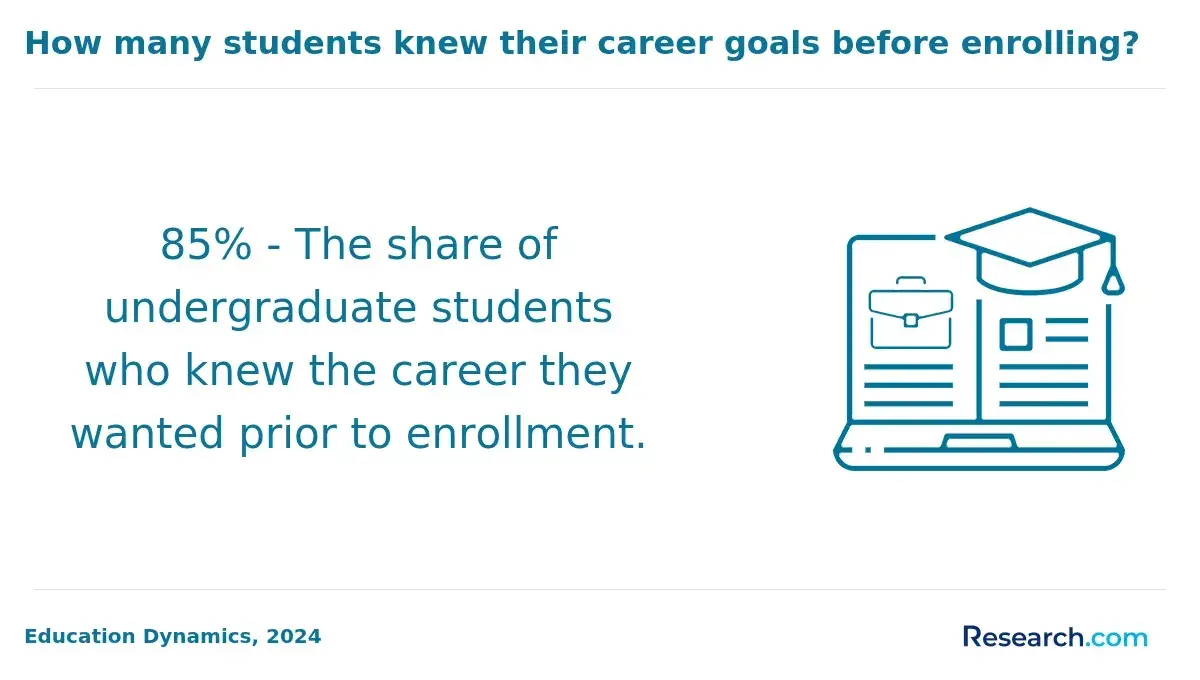
How do accelerated Engineering online programs compare with traditional ones?
Accelerated online engineering programs and traditional programs can lead to similar academic outcomes when they are properly accredited and academically rigorous. The main difference is not necessarily what students learn, but how quickly they must learn it and how much independent structure they need to succeed.
Accelerated formats are best for students who can commit consistent weekly study time, already have strong math and science preparation, and are comfortable learning online. Traditional formats may be better for students who need more time to absorb technical material, want more in-person lab exposure, or prefer a campus-based learning environment.
- Program duration: Accelerated programs may allow students to finish bachelor's degrees in two to three years and master's degrees in as little as 12 to 18 months. Traditional programs typically require four to five years for bachelor's degrees and one to two years for master's degrees.
- Pacing and workload: Accelerated programs compress learning into shorter terms or year-round schedules. This can reduce total calendar time but increases weekly demands.
- Flexibility: Online accelerated programs often allow students to study from any location and may include asynchronous coursework. However, some labs, exams, group projects, or presentations may still require scheduled participation.
- Course structure: Both formats may include project-based learning, applied assignments, and design work. Accelerated online programs must be especially well organized so students can keep pace without frequent in-person support.
- Accreditation and outcomes: Quality programs should meet the same academic expectations regardless of delivery format. Accreditation remains one of the most important signals of credibility.
- Student experience: Traditional programs may offer more campus networking and hands-on facilities. Online accelerated programs may offer better access for working adults, parents, military students, and learners who cannot relocate.
A Fast Track Engineering Degrees Online Comparison should focus on fit, not just speed. Ask whether you can realistically manage the workload, whether the program supports remote labs or simulations effectively, and whether graduates qualify for the next step you want, such as employment, promotion, graduate study, or licensure.
Students considering related skill-building options may also review online courses for jobs that pay well as a shorter way to strengthen a resume while deciding whether to pursue a full engineering degree.
Competency-based Engineering programs can affect completion time because they measure progress by demonstrated mastery rather than by seat time alone. Instead of moving through every course on a fixed semester schedule, students advance after proving they understand the required skills and concepts.
This model can help experienced learners move faster. Students with relevant work experience, prior technical training, or strong academic preparation may complete familiar material more quickly. In some competency-based structures, students pay tuition per term and can complete as many competency units as they are able to master within that period.
Completion speed still depends on program design and student discipline. Some students in fields like mechanical engineering may finish in as little as two years, but that outcome requires sustained effort, strong preparation, and a program that allows meaningful acceleration. Engineering courses with labs, design projects, or strict prerequisites may still limit how quickly students can progress.
Who may benefit most from competency-based Engineering programs?
- Experienced technical professionals who can document or demonstrate existing knowledge.
- Self-directed learners who do not need frequent live instruction to stay on track.
- Students with strong math and science foundations who can move quickly through prerequisite material.
- Working adults who want flexibility but can maintain a consistent study schedule.
Students should ask how competencies are assessed, whether projects and labs are included, how faculty support works, and whether the credential is accepted for their intended career path. A competency-based program can shorten the timeline, but it should not remove the engineering depth employers and licensing pathways expect.
Yes, some students work full time while completing fast-track online engineering programs, but it is difficult and requires careful planning. Engineering coursework is cumulative, so falling behind in one course can affect performance in the next. The challenge is greater in accelerated programs because assignments, labs, exams, and group projects arrive quickly.
Balancing full-time employment with an accelerated online engineering degree is possible in 2025, especially when programs offer asynchronous coursework and flexible access to lectures, readings, and assignments. Still, flexibility does not mean the program is light. Students may need to reserve regular study blocks for problem sets, simulations, lab reports, coding assignments, technical writing, and exam preparation.
Most learners find that enrolling in one or two classes per term is more manageable while working full time. A heavier course load may be possible for students with predictable work schedules, strong academic preparation, and supportive employers, but it increases the risk of burnout.
Questions to ask before working full time in a fast-track program
- Are courses asynchronous, synchronous, or mixed? Live sessions may conflict with work hours.
- Are labs virtual, remote, in person, or scheduled at fixed times? Lab format can affect weekly flexibility.
- How many hours per week should students expect per course? Engineering classes often require substantial independent practice.
- Are exams proctored? Proctored exams may require advance scheduling.
- Can students slow down temporarily? A program that allows part-time terms can help during busy work periods.
- Does your employer offer schedule flexibility or tuition support? Employer support can make a demanding program more realistic.
Students who plan to work full time should choose a program with strong advising, clear course calendars, responsive instructors, and technical support. The best schedule is one that is fast enough to keep momentum but realistic enough to finish well.
Prior learning assessments (PLAs) can shorten an online Engineering degree timeline by awarding credit for college-level learning gained outside a traditional classroom. This may include professional experience, military training, certifications, independent study, or employer-sponsored technical training. The value of PLA depends heavily on institutional policy and how closely the prior learning matches degree requirements.
Common PLA methods include credit-by-exam options such as CLEP or DSST, portfolio reviews, and evaluations of industry credentials. Students may need to submit documentation, complete exams, or provide evidence that their learning meets college-level standards.
Most Engineering programs cap PLA credits at about 25-30% of total degree requirements, often allowing 30-40 credits for a 120-credit bachelor's. However, these credits are more likely to apply to general education, electives, or introductory requirements than to advanced engineering coursework.
Core engineering courses, labs, and design sequences usually must be completed through the degree-granting institution or through approved transfer coursework. This is especially important for programs that must meet accreditation expectations or support licensure preparation.
How to use PLA strategically
- Ask for the PLA policy before applying. Credit limits, fees, and eligible subjects vary widely.
- Submit documentation early. Waiting until after enrollment can delay degree planning.
- Confirm where credits apply. Elective credit may not shorten the degree if you still need required engineering courses.
- Check accreditation implications. Programs may restrict PLA for technical core courses to protect academic standards.
PLAs can reduce cost and time, but they rarely replace the most advanced parts of an engineering curriculum. Students should view PLA as one tool for acceleration, not as a shortcut around essential technical preparation.
Yes. Prior college credits are one of the most effective ways to finish an online engineering degree sooner, especially for students who have completed general education courses, calculus, physics, chemistry, computer science, or introductory engineering coursework. Transfer credit can reduce the number of courses remaining and may make an accelerated timeline more realistic.
The biggest issue is not whether credits transfer, but how they transfer. A course may be accepted as elective credit but not satisfy a required engineering prerequisite. STEM courses may receive closer review because engineering curricula depend on specific content, lab experience, and sequencing.
To evaluate transfer credit for an accelerated engineering degree with prior credits, take these steps:
- Check transfer policies: Review how many credits the school accepts. Typically, 60 to 90 credits can transfer toward a 120-credit bachelor's degree.
- Confirm required grades: Identify the minimum grade or GPA needed for transfer. Requirements usually range from C to B or a 2.0 to 3.0 GPA.
- Request a preliminary evaluation: Send transcripts and, when requested, course syllabi to admissions or the registrar before committing.
- Verify course equivalency: Confirm whether math, physics, lab science, programming, and engineering courses satisfy specific program requirements.
- Review course age limits: Some programs may scrutinize older technical coursework, especially in fast-changing subjects.
- Check accreditation: Confirm the program is ABET-accredited if that matters for your career path, employer expectations, or licensure planning.
Transfer policies vary widely, so do not rely only on a general credit estimate. Ask for a degree plan showing exactly which requirements remain and how long they will take to complete. This is especially important if upper-division engineering courses are offered in a fixed sequence.
Students starting with fewer credits may consider completing lower-cost coursework first. Pursuing the cheapest online associate's degree may provide a foundation for transfer if the courses align with the engineering bachelor's program. Overall, transferring prior college credits to online engineering degree programs can be a highly efficient way to shorten the path to graduation.
Work or military experience can sometimes count toward credits in an Engineering degree, but usually in limited ways. Schools may award credit when the experience demonstrates college-level learning that matches course outcomes. However, advanced engineering theory, labs, and design requirements are rarely waived solely because a student has job experience.
Military training is often evaluated through American Council on Education (ACE) recommendations. Schools may also use prior learning assessments, portfolio reviews, CLEP, DSST, or internal faculty review to determine whether experience is creditworthy. Students with technical, maintenance, electronics, programming, drafting, or systems experience may have relevant documentation, but the final decision belongs to the institution.
Credits from work or military experience typically apply to general education, electives, or introductory technical areas. Core engineering courses often remain required because programs must maintain academic integrity, accreditation alignment, and, in some cases, licensure preparation.
How to improve your chances of receiving credit
- Gather official records: Military transcripts, training certificates, job descriptions, licenses, and supervisor documentation can support your request.
- Map experience to course outcomes: Show how your experience matches specific college-level learning objectives.
- Ask where credits will apply: Elective credit may be useful, but required-course credit has a greater effect on graduation time.
- Confirm limits early: Some schools cap nontraditional credit or exclude it from engineering major requirements.
Students should treat experience-based credit as a potential time saver, not a guaranteed degree shortcut. The best approach is to request an official evaluation before enrolling and then build a realistic completion plan around the credits actually awarded.
Choosing an accelerated online engineering program requires more scrutiny than choosing a standard-paced program. A fast timeline can be valuable, but only if the program is accredited, well supported, academically rigorous, and aligned with your career goals. The right program should help you finish sooner without creating problems for employment, licensure, or graduate study.
Use the following Accelerated Online Engineering Programs Criteria when comparing options:
- Accreditation: Prioritize regionally accredited universities. For engineering, ABET accreditation is especially important because it signals that the curriculum meets recognized industry standards and may affect licensure options.
- Program type: Confirm whether the degree is in engineering or engineering technology. Both can be valuable, but they may lead to different roles and licensure considerations.
- School reputation: A respected institution can strengthen employer confidence, especially when the program is online or accelerated.
- Faculty qualifications: Instructors should have strong academic preparation and relevant industry experience. This matters in fast-moving engineering fields where outdated instruction can weaken career preparation.
- Course delivery format: Compare self-paced, asynchronous, synchronous, and hybrid structures. Accelerated four- or eight-week courses can shorten completion time but may increase weekly workload.
- Lab and project requirements: Ask how virtual labs, simulations, design projects, and group work are handled online. Engineering programs should provide meaningful applied experience.
- Student support services: Look for advising, tutoring, career services, library access, technical support, and faculty availability. Support is especially important in accelerated programs.
- Credit transfer policies: A generous and transparent transfer policy can shorten the degree, especially for students with prior college coursework or military training.
- Graduation rates and employer partnerships: Strong completion outcomes and employer connections may indicate that students are supported and that the curriculum aligns with workforce needs.
- Total cost and aid eligibility: Compare tuition, fees, technology costs, course materials, and financial aid options. A shorter program is not always cheaper if per-credit costs or fees are high.
Prospective students should also compare affordability and aid access. Reviewing options at the most affordable online universities that accept financial aid can help identify programs that balance cost, credibility, and flexibility.
Accelerated online Engineering degrees can be respected by employers when they come from credible, accredited institutions and require rigorous technical coursework. Employers are usually less concerned with whether a degree was completed online or faster than average and more concerned with whether graduates can solve problems, apply engineering principles, use relevant tools, communicate clearly, and contribute to projects.
Employer perception of accelerated engineering degrees depends on several factors: institutional reputation, accreditation, curriculum quality, faculty expertise, project experience, and the graduate's ability to explain what they learned. A degree from a regionally accredited university generally carries more credibility than one from an unknown or poorly documented provider.
ABET accreditation can be especially important in engineering because it may affect licensure pathways and employer confidence. Students should verify accreditation directly rather than relying only on marketing language.
Some employers may view accelerated graduates positively because completing a demanding program quickly can signal discipline, motivation, and time-management ability. However, that advantage only helps if the student can demonstrate real competence through projects, internships, work experience, portfolios, certifications, or strong interviews.
Students comparing affordability and credibility may also explore a cheap bachelor degree online, but cost should not be the only deciding factor. For engineering, the better question is whether the program is recognized, rigorous, and appropriate for the student's intended career path.
What Engineering Graduates Say About Their Online Degree
- Alfredo: "The accelerated online Engineering program completely transformed my career trajectory. Not only did I complete my degree faster than I ever imagined possible, but the practical skills I gained directly enhanced my performance at work. Considering the average cost of attendance was reasonable, this program was a smart investment in my future."
- James: "Pursuing my Engineering degree online allowed me to balance full-time work and study with surprising ease. The well-structured curriculum and engaging instructors made complex concepts accessible, even through remote learning. Reflecting now, the depth of knowledge I acquired prepares me confidently for advanced roles in the industry."
- Christian: "Completing the Engineering degree at an accelerated pace pushed me to stay motivated and manage my time efficiently. The comprehensive content and practical assignments helped me apply theory to real-world challenges quickly. This degree has been instrumental in opening doors to leadership opportunities I hadn't anticipated."
Other Things to Know About Accelerating Your Online Degree in Engineering
In 2027, online engineering programs manage practical components through virtual simulations, remote lab kits, and collaborative projects. These methods allow students to gain hands-on experience in a controlled environment, while some programs may also offer optional short-term, on-campus labs to enrich learning.
Prerequisites for an online engineering degree in 2027 typically include a high school diploma with strong performance in math and science courses. Some programs may also require standardized test scores or completion of specific subjects like calculus and physics.
- Competency-Based Education | East Texas A&M https://www.etamu.edu/competency-based-education/
- Fastest Online Engineering Degree Programs of 2025 - Intelligent https://www.intelligent.com/best-online-engineering-degree-programs/fastest/
- How a Prior Learning Assessment Could Help You Advance in Your Career https://aic-builds.org/prior-learning-assessment/
- How Many Years is a Bachelor's Degree? Guide https://www.londondeinternational.com/blog/how-many-years-bachelor-degree/
- Studying engineering and working full-time https://www.physicsforums.com/threads/studying-engineering-and-working-full-time.703059/
- Two Year Accelerated Degree in Engineering UK https://www.acadfly.com/blogs/uk-accelerated-engineering-degrees
- Mechanika i Budowa Maszyn I stopnia | ATA Warszawa https://uczelnia.akademiata.pl/en/mechanical-engineering-bachelor-program/
- HBCUs and Prior Learning Assessments https://www.wiche.edu/key-initiatives/recognition-of-learning/pla-hbcus/
- Competency-Based Education Courses in Mechanical Engineering Technology https://www.tamucc.edu/mcet/
- Fast-Track or Part-Time? How Long a Master’s in Engineering Really Takes https://engineeringmanagement.org/how-long-does-it-take-to-get-an-mem/