2027 Best Accredited Online Digital Photography Degree Programs: Compare Tuition, Admissions, and Career Outcomes

Co-Founder and Chief Data Scientist
Choosing an online digital photography degree is really a cost, portfolio, and career-fit decision. The U.S. Bureau of Labor Statistics' 2024 occupational profile reports a median annual wage of $40,760 for photographers, which means students need to weigh tuition carefully against realistic earnings, freelance opportunities, and creative goals.
This guide is for working adults, transfer students, and first-time college students comparing accredited online photography programs. You'll learn how to compare value, admissions, formats, aid, and outcomes so you can choose a program that supports your schedule and long-term plans.
Key Things You Should Know
- Best value usually comes from accredited programs with lower per-credit tuition, generous transfer credit, portfolio-building coursework, and clear career support rather than from the most recognizable art-school brand alone.
- Online undergraduate photography tuition can vary widely, from about $330 per credit at some broad-access online universities to more than $1,000 per credit at some private art schools before fees, equipment, and software.
- The BLS 2024 occupational profile lists photographer median pay at $40,760, so students should compare total program cost with target roles such as portrait photographer, product photographer, photo editor, content creator, or studio owner.
Which Accredited Online Digital Photography Degree Programs Offer the Best Overall Value?
The best accredited online digital photography degree program is the one that produces a strong portfolio at a total cost you can justify. Because photography careers often depend on portfolio quality, client development, technical range, and business skills, "best overall value" does not always mean the cheapest program.
For most students, value comes from balancing four factors: institutional accreditation, total net price after aid, online flexibility, and career-relevant coursework. Students comparing creative online degrees may also want to review adjacent fields such as online colleges for game design, especially if they are interested in visual storytelling, digital media, or interactive content careers.
The table below compares common accredited online options and program types. Tuition and availability can change, so students should confirm the current catalog, per-credit rate, and online delivery format before applying.
| Institution or Program Type | Typical Online Photography Path | Accreditation to Verify | Value Strength | Best Fit |
| Southern New Hampshire University | BA in Digital Photography | Institutional accreditation through NECHE | Lower online undergraduate tuition and high transfer-credit flexibility. | Working adults, transfer students, and students seeking a broad online degree. |
| Arizona State University Online | Online art or digital photography-related bachelor's pathway | Institutional accreditation through HLC | Large public research university brand and structured online support. | Students who want a university-based creative degree with broad elective options. |
| Academy of Art University | Online photography or fine arts photography degree options | Institutional accreditation through WSCUC | Specialized art-school environment and portfolio-centered curriculum. | Students prioritizing studio critique, creative specialization, and art-school identity. |
| Savannah College of Art and Design | Online photography-related degree options where available | Institutional accreditation through SACSCOC | Recognized creative arts brand and professional portfolio culture. | Students seeking a premium art-school experience and willing to compare net price carefully. |
| Rocky Mountain College of Art + Design | Online BFA-style photography or visual arts pathway where available | Institutional accreditation through HLC; specialized art accreditation where applicable | Creative-school format with online studio coursework. | Students who want a visual arts community but need remote study. |
| Community college plus transfer pathway | Associate degree or certificate in photography, then bachelor's transfer | Regional institutional accreditation at both schools | Often lower first-two-year cost. | Cost-sensitive students who can confirm transfer alignment before enrolling. |
A lower-cost online bachelor's can make sense if you already have equipment, want to freelance while studying, or plan to use the degree for content, marketing, design, or media production roles. A higher-cost art-school option may be worth considering if it offers stronger critique, faculty access, industry-facing portfolio review, and a network that matches your niche.
The main red flag is choosing based only on the program name. Before enrolling, ask whether the curriculum includes lighting, digital editing, color management, visual storytelling, business practices, copyright, portfolio development, and professional critique. A photography degree without structured portfolio feedback may be less useful than a less expensive program with stronger applied assignments.
What Accreditation Should Students Look for in an Online Digital Photography Degree Program?
Accreditation confirms that a college meets recognized academic and administrative standards. For online digital photography students, institutional accreditation is the most important baseline because it affects federal financial aid eligibility, transfer credit, graduate school recognition, and employer trust.
Students should distinguish institutional accreditation from programmatic accreditation. Institutional accreditation applies to the college or university as a whole. Programmatic accreditation may apply to specific art, design, or media programs, but it is not always required for photography careers.
Use this checklist when verifying accreditation because similar-sounding schools can have very different recognition, aid eligibility, and transfer outcomes:
- Confirm that the institution is accredited by a recognized accreditor such as NECHE, HLC, SACSCOC, WSCUC, MSCHE, NWCCU, or ACCJC.
- Check whether the online photography degree appears in the official academic catalog, not only on a marketing page.
- Ask whether online students graduate with the same credential as campus students if the school offers both formats.
- Verify whether credits are semester credits, quarter credits, or competency-based units because this affects transfer.
- If a school advertises art or design accreditation, confirm whether it applies to the specific department or program you are considering.
Accreditation does not guarantee a strong career outcome, but lack of recognized accreditation is a serious warning sign. It can limit financial aid access, make transfer harder, and reduce the value of the credential if you later pursue a graduate degree, teaching credential, or employer tuition reimbursement.
How Do Tuition Costs Compare Across Accredited Online Digital Photography Degree Programs?
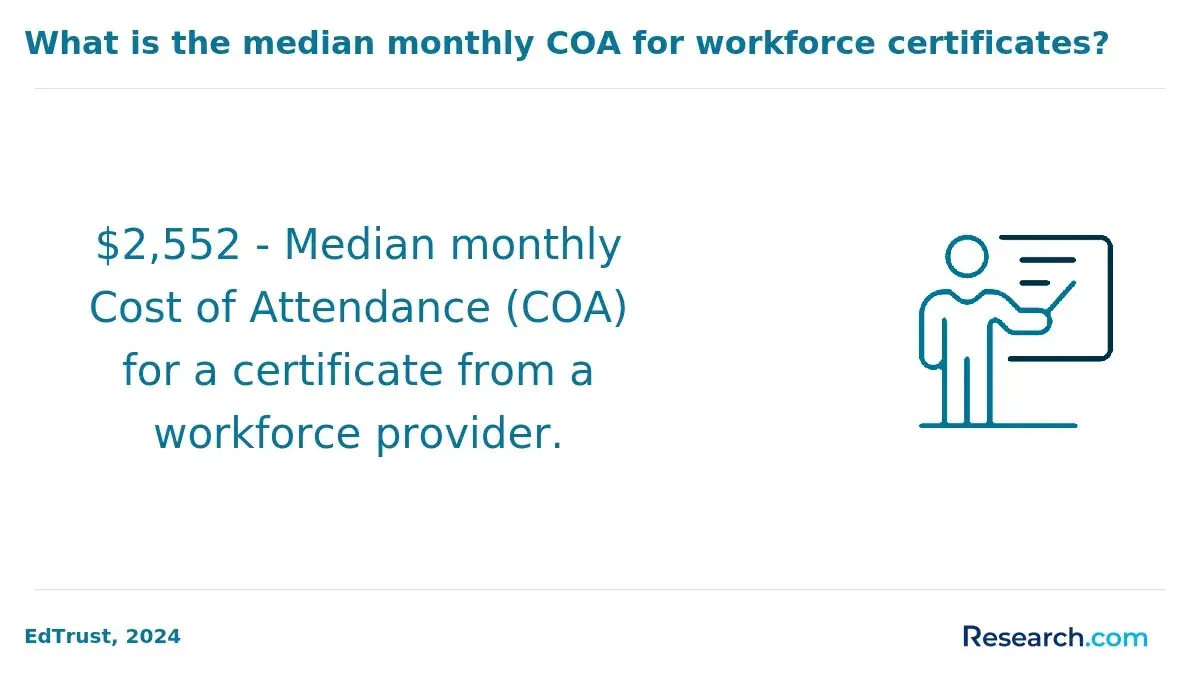
Tuition for accredited online digital photography degree programs varies because schools price online credits differently and because art programs may add software, equipment, portfolio, studio, or course-material expenses. The College Board's 2024 pricing report lists average published tuition and fees of $11,610 for in-state public four-year students and $43,350 for private nonprofit four-year students, which is a useful benchmark when judging whether an online photography program is priced competitively.
Photography students should compare total cost rather than tuition alone. If you are considering several online degree paths and want a broader sense of how online tuition varies by field, comparing creative programs with options like affordable online MBA programs can help clarify how pricing, transfer credits, and employer return on investment differ across disciplines.
The table below shows how cost drivers usually compare across common online photography pathways. It is meant to help you identify where the final bill may rise beyond the advertised tuition rate.
| Cost Category | Lower-Cost Online University | Public University Online Program | Private Art School Online Program | Why It Matters |
| Tuition structure | Often charged per credit, sometimes around the lower end of online undergraduate pricing. | Usually charged per credit with possible nonresident online pricing. | Often higher per credit or based on full-time art-school tuition. | Small per-credit differences compound across 120 credits. |
| Transfer credit | May accept a high number of prior credits. | Varies by major, general education, and residency rules. | May evaluate studio and portfolio courses more selectively. | Transfer acceptance can reduce both cost and time to graduation. |
| Equipment | Student often supplies camera, lenses, lighting, storage, and computer. | Similar requirements, with possible course-specific kits. | May require more specialized tools for advanced studio work. | Photography costs are not limited to tuition. |
| Software | May require Adobe Creative Cloud or similar tools. | May include discounts through the university. | May require industry-standard creative suites. | Software subscriptions add recurring costs. |
| Fees | Technology or graduation fees may apply. | Online, technology, and student service fees may apply. | Studio, portfolio, or course fees may apply. | Fees can change the true net price. |
A common mistake is assuming a lower per-credit rate automatically creates the lowest total cost. A school that accepts more transfer credits, offers stronger institutional aid, or lets you finish faster may be cheaper overall even if its listed tuition is higher.
Before choosing a program, request a written cost estimate that includes remaining credits, fees, equipment, software, books, and expected aid. If the school cannot provide a clear degree plan showing exactly how your prior credits apply, treat the projected cost as incomplete.
Admission competitiveness varies significantly across accredited online digital photography programs. Some online universities use broad-access admissions and focus on high school completion or transfer eligibility, while selective art schools may evaluate creative potential, academic preparation, or portfolio strength.
The most important question is not simply "Can I get in?" It is "Will the admissions process place me in a program where I can succeed?" A flexible admissions policy can benefit working adults and career changers, but students should still look for academic advising, writing support, and structured feedback.
The table below summarizes typical admissions patterns so applicants can match their preparation level with the right kind of program.
| Program Type | Common Admissions Requirements | Portfolio Requirement | Competitiveness | Best Applicant Profile |
| Broad-access online university | Application, high school diploma or equivalent, transcripts, transfer review. | Often not required for admission | Usually less selective | Working adults, first-generation students, and transfer students. |
| Public university online art program | University admission, transcripts, GPA review, possible major-specific requirements. | May be required for advanced standing or studio placement | Moderate, depending on the university and major | Students with solid academic preparation and interest in a university-based art curriculum. |
| Private art school | Application, transcripts, statement, creative materials, and possible interview. | May be required or strongly recommended | Varies by school and program | Students with a developing portfolio and strong commitment to creative practice. |
| Community college transfer pathway | Open or broad-access admission, placement, transcripts. | Usually not required at entry | Generally accessible | Cost-conscious students building foundational credits before a bachelor's degree. |
Students with limited photography experience should not avoid a degree program automatically. Many bachelor's programs begin with foundations in composition, camera control, lighting, digital workflow, and visual communication. However, applicants who already have a strong portfolio may want a program with advanced critique, faculty specialization, and opportunities to refine a professional niche.
Admissions red flags include vague portfolio standards, unclear transfer rules, pressure to enroll immediately, or promises that a creative degree will produce a specific income. A reputable admissions team should be able to explain requirements, credit transfer, program outcomes, and costs without using urgency as the main sales tactic.
Flexibility is one of the biggest reasons students choose an online digital photography degree. However, "online" can mean several different things: asynchronous courses, scheduled live critiques, hybrid residencies, accelerated terms, or project-based studio work completed at home.
The most flexible program is usually asynchronous, transfer-friendly, and available year-round. The strongest creative learning experience, however, may include live critique sessions or scheduled collaboration. Students should decide whether they need maximum scheduling control or more real-time faculty and peer interaction.
The table below compares online learning formats by flexibility and creative trade-offs.
| Format | How It Works | Flexibility Level | Creative Strength | Possible Drawback |
| Asynchronous online | Students complete weekly assignments without required live class meetings. | High | Good for independent shooting, editing, and portfolio work. | Less real-time critique unless the course is well designed. |
| Synchronous online | Students attend live virtual lectures, critiques, or studio discussions. | Moderate | Stronger peer interaction and immediate feedback. | Harder for shift workers or students in different time zones. |
| Hybrid or low-residency | Most coursework is online, with occasional campus or workshop requirements. | Moderate to low | Useful for studio lighting, exhibits, and hands-on critique. | Travel costs and time away from work may be required. |
| Accelerated online terms | Courses run in shorter sessions, often allowing faster progression. | High for motivated students | Can speed degree completion for transfer students. | Studio projects may feel compressed. |
Students who work full time should ask how often assignments require daylight shooting, model coordination, location access, or equipment rentals. Even asynchronous photography classes can be time-intensive because students must shoot, edit, submit, revise, and document their process.
AI tools are also changing the learning format conversation. Programs that teach ethical image editing, AI-assisted workflows, authenticity, copyright, and disclosure practices may better prepare students for a market where clients increasingly ask creators to combine photography, retouching, and digital content production.
Student support matters because online photography students need more than access to recorded lectures. They need technical help, critique, advising, portfolio review, career guidance, and sometimes support for balancing creative work with employment or family responsibilities.
The strongest support services are tied directly to student success and employability. Look for services that help you complete projects, improve your portfolio, and connect your visual work to real professional opportunities.
- Dedicated academic advising that maps remaining credits, transfer courses, prerequisites, and graduation timeline.
- Online tutoring or writing support for art history, visual analysis, business, and general education courses.
- Technology support for learning platforms, image uploads, file formats, color management, and software access.
- Faculty critique and peer review built into courses, not treated as optional discussion-board activity.
- Career services that understand freelance work, portfolios, creative resumes, client proposals, and digital branding.
- Disability services and accessibility support for students who need accommodations in online coursework.
- Library access to image databases, copyright resources, visual culture research, and citation tools.
A common mistake is focusing only on whether the school has "career services." Photography students should ask what those services actually do for creative majors. A resume template alone is not enough; stronger programs help students build a portfolio website, prepare client-facing materials, understand usage rights, and develop a niche.
Students should also ask whether online learners can participate in exhibitions, portfolio reviews, student organizations, internship advising, or alumni networking. These experiences can help replace some of the informal networking that campus students get through studios and galleries.
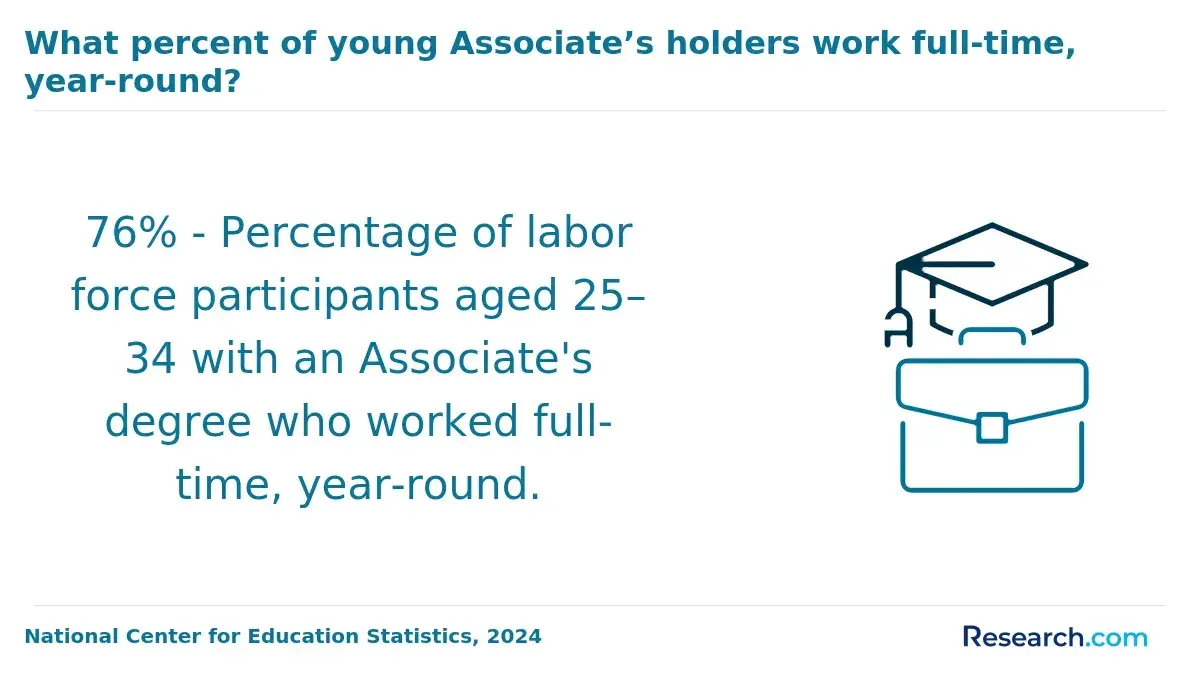
Accredited online digital photography degree students may qualify for federal, state, institutional, and private financial aid, but eligibility depends on the school, enrollment intensity, degree level, and student circumstances. The maximum Federal Pell Grant for the 2024-25 award year is $7,395, which can substantially reduce net cost for eligible undergraduate students but may not cover the full cost of a private art-school program.
Financial aid should be compared by net price, not by the size of the award letter alone. Students who are uncertain about committing to a full bachelor's degree may also compare shorter career-oriented credentials, such as a bookkeeper certification, to understand how time, tuition, and employment goals differ across education options.
The list below shows the main aid options photography students should investigate and the questions to ask about each one.
- Federal Pell Grants: Ask whether your program is Title IV eligible and how enrollment status affects the amount you can receive.
- Federal Direct Loans: Review annual undergraduate loan limits and borrow only after comparing expected monthly payments with realistic photography income.
- State grants: Check whether online enrollment, residency, or attending an out-of-state school affects eligibility.
- Institutional scholarships: Ask whether creative portfolio scholarships are available to online students and whether awards renew automatically.
- Transfer scholarships: If you have community college credits, ask whether the school offers transfer-specific awards.
- Employer tuition assistance: If you work in marketing, media, retail, education, or communications, ask whether your employer supports creative or digital media degrees.
- Veterans benefits: Confirm whether the online program is approved for GI Bill or other veterans education benefits.
- Private scholarships: Look for awards tied to visual arts, journalism, community storytelling, entrepreneurship, or underrepresented creative professionals.
One financial aid red flag is a school that emphasizes monthly payment size without clearly explaining total debt. A lower monthly payment can still lead to a high total cost if the program is expensive or if credits do not transfer efficiently.
Before accepting aid, compare at least two award letters side by side. Focus on grants and scholarships first, then federal loans, and treat private loans as a last-resort option because they may have less flexible repayment protections.
Accredited online digital photography degree programs can support careers in photography, content creation, visual media, marketing, editing, and creative entrepreneurship. However, photography is a portfolio-driven field, so the degree is usually most valuable when paired with strong work samples, business skills, editing fluency, and client experience.
The BLS 2024 occupational profile reports a median annual wage of $40,760 for photographers. That figure should be used as a salary context point, not a guarantee, because income varies widely by specialization, market, freelance activity, region, and whether the role is salaried or self-employed. Students comparing creative career paths may also find it useful to review majors that make money and are fun to understand how creative interests can intersect with earnings potential.
The table below connects common photography-related outcomes with the skills students should look for in an online degree curriculum.
| Career Direction | Typical Work | Relevant Degree Skills | Portfolio Evidence to Build |
| Portrait or wedding photographer | Client sessions, event coverage, editing, print or album delivery. | Lighting, posing, client communication, digital workflow, business practices. | Consistent portraits, event storytelling, before-and-after edits, client-ready galleries. |
| Commercial or product photographer | Images for brands, catalogs, e-commerce, advertising, and social media. | Studio lighting, product styling, color accuracy, retouching, file delivery standards. | Product sets, lighting diagrams, campaign images, polished detail shots. |
| Photo editor or retoucher | Image selection, correction, compositing, retouching, and brand consistency. | Editing software, visual judgment, color correction, ethical manipulation. | Retouching samples, editing sequences, consistent visual style. |
| Media or content specialist | Photography, short-form video, social content, and visual assets for organizations. | Digital storytelling, multimedia production, brand strategy, file management. | Social campaigns, website visuals, short visual narratives, analytics-informed projects. |
| Fine art photographer | Exhibitions, grants, artist statements, collections, and print production. | Concept development, critique, art history, printing, exhibition preparation. | Cohesive body of work, artist statement, exhibition-ready sequence. |
Students should not assume that a degree alone will create employment. The strongest outcomes usually come from combining coursework with freelance projects, internships, assistantships, campus or online exhibitions, professional association involvement, and a public portfolio website.
Photography students should also prepare for a market influenced by AI-generated imagery and automation. Technical camera skill still matters, but employers and clients increasingly value creators who can manage a full visual workflow: planning, shooting, editing, asset delivery, licensing, and ethical disclosure.
Online and campus-based digital photography degrees can both be legitimate if they are accredited and academically rigorous. The better choice depends on your schedule, access to equipment, need for in-person studio space, and learning style.
Online programs are often better for students who are working, parenting, relocating, or building a freelance practice in their local market. Campus programs may be stronger for students who need studio access, darkroom facilities, face-to-face critique, gallery culture, or intensive equipment checkout.
The table below compares the two formats in practical terms.
| Comparison Area | Online Digital Photography Degree | Campus-Based Digital Photography Degree | Decision Point |
| Schedule | Often asynchronous or partly asynchronous | Class meetings occur at set times | Online is better for students with work or caregiving constraints. |
| Studio access | Student often creates a home or local shooting setup | School may provide studios, lighting labs, and equipment checkout | Campus may be better for students without equipment access. |
| Critique | Delivered through uploads, video, discussion boards, or live sessions | Often conducted in person with physical prints or studio review | Students needing immediate feedback may prefer campus or synchronous online options. |
| Networking | Depends on virtual events, alumni groups, and local freelancing | More informal peer and faculty interaction | Online students must be more intentional about networking. |
| Cost | May reduce relocation and commuting expenses | May add housing, transportation, and campus fees | Total net price matters more than format label. |
The biggest advantage of online study is that students can photograph real subjects, locations, and clients in their own communities. This can be especially valuable for students building a local freelance business while earning the degree.
The biggest drawback is that online students must be self-directed. If you need hands-on demonstrations, structured studio time, or immediate troubleshooting, choose a program with live critique, strong technical support, or optional campus intensives.
How Should Students Choose the Best Accredited Online Digital Photography Degree Program?
Students should choose an accredited online digital photography degree by starting with career goals, then comparing accreditation, cost, curriculum, flexibility, and outcomes. A program is not "best" in the abstract; it is best if it helps you build the portfolio, skills, and credential you need at a manageable cost.
If your real goal is a broader career change rather than creative practice, compare photography with other structured online pathways before committing. For example, fields such as healthcare, business, technology, and human services may have clearer credential ladders; students exploring counseling careers might compare photography with an accelerated masters in counseling to see how timelines, licensure, and outcomes differ.
Use the following step-by-step process before applying because it forces you to compare programs on fit rather than marketing language:
- Define your target outcome: freelance business, commercial photography, content creation, photo editing, fine art, teaching preparation, or transfer to graduate study.
- Verify institutional accreditation through the school's accreditor and official catalog.
- Request a degree audit showing how prior credits apply, how many credits remain, and the expected graduation date.
- Compare total net price, including tuition, fees, camera equipment, lenses, lighting, software, storage, and printing.
- Review the curriculum for lighting, editing, visual storytelling, business practices, copyright, portfolio development, and critique.
- Ask whether online students receive portfolio reviews, career coaching, internship support, and access to exhibitions or showcases.
- Check the learning format, including live meeting requirements, course length, workload, and technology expectations.
- Compare financial aid offers using grants, scholarships, loans, and out-of-pocket cost rather than the advertised tuition rate.
- Review student outcomes carefully, including graduation rates, retention, alumni examples, and career-service support for creative majors.
- Speak with current students or alumni if possible, especially those studying online while working.
Prioritize affordability if you plan to freelance, already have a portfolio, or want to avoid high debt in a field with variable income. Prioritize program reputation, critique culture, and faculty access if you are aiming for competitive commercial, editorial, or fine-art opportunities where mentorship and portfolio refinement matter more.
The best final choice is usually the program that gives you a clear path to completion, a stronger portfolio, manageable debt, and support that matches your learning style. Avoid any program that cannot clearly explain accreditation, transfer credits, total cost, online requirements, or how students build career-ready work.
Other Things You Should Know About Digital Photography
Not always. Many programs require a digital camera with manual controls, but the exact model varies by course. Ask for the equipment list before enrolling so you do not buy gear that will not meet program standards.
Usually, yes. Online courses often allow students to shoot in their own communities. Rural students should confirm whether assignments require studio access, specific lighting setups, models, or locations that may be harder to arrange locally.
Sometimes. Many programs now include multimedia, short-form video, digital storytelling, or content production electives, but a photography degree is not the same as a film or cinematography degree. Review the course list if video skills are important to your goals.
Yes, and doing so can strengthen your portfolio. Just make sure client work does not conflict with class deadlines, copyright rules, model releases, or assignment requirements.
- Online Photography Degree and Certificate Programs | Sessions College https://www.sessions.edu/digital-photography-info/
- Online Photography Degrees | Photography Programs & Courses https://www.onlinecolleges.net/degrees/photography/
- What can you do with a Photography degree? https://www.falmouth.ac.uk/study/undergraduate/what-can-you-do-photography-degree
- Photography Course Toronto: Online Training vs In-Person School Comparison https://www.canadianphotographyschool.ca/blog/photography-course-toronto-online-vs-inperson-comparison/
- Online Course v College: Best Value for Money for Photographers? https://www.iphotography.com/blog/online-course-college-degree/
- Best Online Photography Degrees https://www.onlineu.com/degrees/photography
- The Photography Institute https://www.thephotographyinstitute.com/us/en/accreditations
- Photography School, Degree, and Career Guide | All Art Schools https://www.allartschools.com/photography/
- Current Issue https://www.thehighereducationreview.com/jobs-and-careers/news/best-online-photography-schools-nid-1203.html
- Digital Photography Course Online | Learn Camera Skills https://www.australianphotographyschool.com.au/blog/digital-photography-course-master-modern-camera-skills-from-home/