2027 Is a 2-Year Gerontology Degree Worth It: Accelerated Bachelor's ROI & Time Trade-Offs

Co-Founder and Chief Data Scientist
Many prospective students face uncertainty about committing to a 2-year gerontology degree, questioning if the accelerated path justifies the time and financial investment. The U. S. Bureau of Labor Statistics projects a 23% growth in healthcare and social assistance jobs for older adults through 2031, emphasizing demand for gerontology professionals.
This article analyzes the return on investment of accelerated gerontology degrees by examining typical costs, time trade-offs, and career outcomes, helping readers make informed decisions aligned with their professional and financial objectives.
Key Benefits of a 2-Year Gerontology Degree
- Accelerated 2-year gerontology degrees offer faster entry into the workforce, increasing potential lifetime earnings by reducing educational time and related costs.
- Graduates benefit from growing demand in aging populations, with jobs expected to grow 18% by 2030, improving job security and salary prospects.
- Lower tuition and shorter programs mean a stronger return on investment compared to longer degrees, balancing education expenses with quicker career progression.
How Do 2-Year Gerontology Programs Work?
Two-year gerontology programs offer an accelerated pathway for students to earn foundational credentials in gerontology efficiently, usually within 24 months. Understanding the 2 year gerontology degree structure is important for those seeking a fast yet comprehensive educational experience.
These programs use unique scheduling and course designs that differ markedly from traditional four-year degrees. Here is a closer look at how these programs function.
- Accelerated pacing: Coursework is compressed into shorter terms, allowing students to complete more credits in less time while maintaining steady progress.
- Year-round enrollment: Students engage in continuous study across fall, spring, summer, and often winter sessions to avoid extended breaks and accelerate completion.
- Condensed course terms: Courses are offered in intensive formats, which demand strong time management and academic focus.
- Credit load expectations: Students often take 15 to 18 credits per semester, sometimes more, to meet program requirements within two years.
- Instructional format: Programs typically blend in-person, online, and hybrid classes, accommodating working adults and non-traditional students.
- Assessment methods: Evaluation includes quizzes, midterms, final exams, research projects, and practical experiences such as internships.
- Curriculum progression: Students move sequentially from foundational coursework to specialized electives, building both theoretical knowledge and practical skills.
According to the National Center for Education Statistics, such programs can save 1 to 2 years compared to standard degrees, reducing tuition costs and time invested. The U.S. Bureau of Labor Statistics forecasts a 17% growth in gerontology-related jobs from 2022 to 2032, highlighting strong occupational demand.
Students interested in fast-tracking their education may also explore related options such as DNP online programs that emphasize accelerated routes in healthcare fields.
What Are the Admission Requirements for a 2-Year Gerontology Degree?
Choosing to pursue an accelerated bachelor's in gerontology involves assessing admission requirements carefully to ensure preparedness and alignment with career goals.
Here is a breakdown of the typical eligibility criteria for accelerated gerontology programs that students should consider before applying:
- Prior Education: Applicants generally must hold a high school diploma or an equivalent credential. Some programs emphasize a minimum GPA, often around 2.0 to 2.5 on a 4.0 scale, to demonstrate adequate academic readiness.
- Standardized Tests: Most community colleges and accelerated pathways do not require SAT or ACT scores, although a few programs may request them. This flexibility can ease entry for students focusing on gerontology.
- Prerequisite Courses: Certain programs may require completion of foundational courses in biology, psychology, or health sciences. These prerequisites ensure that students have essential knowledge to succeed in advanced coursework.
- Relevant Experience: While not always mandatory, prior work in healthcare or social services can strengthen an application by showcasing practical understanding of aging-related issues.
- Documentation: Candidates are typically asked to submit application forms, official transcripts, and occasionally a personal statement explaining their motivation to study gerontology.
For those evaluating healthcare-related educational paths, some may also explore options like online dnp programs without dissertation as alternative advanced degrees tailored to different professional goals.
What Does a Typical Week Look Like in a 2-Year Gerontology Program?
Grasping the weekly schedule and workload is essential for anyone weighing the demands of a 2-year accelerated gerontology degree. This understanding helps students plan their time and set realistic expectations for balancing coursework with personal commitments.
What follows is a detailed look at the typical components shaping each week in such an intensive program.
- Class sessions: Students attend multiple lectures, discussions, and sometimes workshops each week. These sessions, lasting from one to three hours, cover core subjects like aging theories, healthcare systems, and social policy to build a solid knowledge base.
- Assignments and assessments: Frequent coursework includes essays, research projects, and case studies designed to encourage critical thinking. Periodic quizzes or tests serve as benchmarks, ensuring students stay on track with the material.
- Group collaboration: Team projects are common and promote peer interaction, mimicking professional environments. Working with classmates hones communication and problem-solving skills vital to gerontology roles.
- Independent study: Outside of class, students spend significant time reading academic materials, reviewing lectures, and preparing presentations. This self-directed learning solidifies understanding and develops research abilities.
- Instructor support: Availability through office hours or online forums offers valuable guidance. Regular interaction helps clarify content and navigate challenges in the accelerated learning setting.
- Time management: Managing a demanding pace requires discipline to juggle coursework, study, and deadlines efficiently. Prioritizing tasks and avoiding procrastination are key to maintaining consistent progress.
When asked about his experience in completing a bachelor's in gerontology within two years, a recent graduate shared that the most difficult part was "keeping up with the nonstop flow of assignments while trying to digest complex concepts quickly."
He recalled nights spent "reworking papers after late discussions with professors" and moments of doubt about sustaining the pace.
Yet, he also emphasized that the intensity pushed him to develop "strong habits in organizing time and prioritizing work," and that by the end, he felt not only academically prepared but also confident in handling the real-world challenges gerontology professionals face.
Delivery format heavily influences the experience of pursuing an accelerated 2-year gerontology degree, particularly regarding flexibility and time management. Online availability expands access for working adults and those balancing other commitments.
Understanding the distinctions between program types and support structures can help students choose the best fit for their needs.
- Fully online vs. hybrid formats: Programs may be fully online, allowing complete remote study, or hybrid, which combines online coursework with scheduled in-person or live virtual sessions to foster interaction.
- Asynchronous and synchronous learning: Fully online courses often provide asynchronous content, enabling students to progress at their own pace, while hybrid models typically include synchronous meetings that promote real-time engagement.
- Technology requirements: Students need reliable internet access, compatible devices, and sometimes specific platforms or conferencing software to participate effectively in online learning environments.
- Student support services: Online programs usually offer academic advising, tutoring, and technical assistance, all essential for maintaining momentum in accelerated timelines.
- Pacing and engagement: Online delivery supports flexible scheduling and multiple start dates to help students finish faster, though some may struggle with reduced face-to-face interaction, which can impact motivation.
Evaluating the total cost of a 2-year gerontology degree is essential for determining the return on investment (ROI) of an accelerated program. These programs condense learning into a shorter timeframe, which affects both direct and indirect expenses.
A clear understanding of cost components can help prospective students align their financial and career goals more effectively. Key cost factors include:
- Tuition structure: Accelerated gerontology programs often charge tuition per credit hour, with slightly higher rates possible due to intensive curricula, but require fewer credits overall, impacting the average tuition for accelerated gerontology programs.
- Mandatory fees: Additional costs such as registration, technology, and lab fees vary by institution and delivery format, adding to the total expenses beyond tuition.
- Textbooks and learning materials: Concentrated course schedules typically require purchasing more materials upfront per term, increasing short-term costs associated with textbooks and other resources.
- Technology and lab costs: Programs delivered online or remotely often necessitate specific hardware or software, which can incur extra expenses for students.
- Accelerated pacing benefits: Completing a degree in 1.5 to 2 years instead of four reduces living expenses and opportunity costs, enabling quicker workforce entry and faster earning potential as supported by statistics from the National Center for Education Statistics.
For prospective students exploring health-related degrees, also consider options like the easiest nursing programs to get into for pathways with varying timeframes and costs.
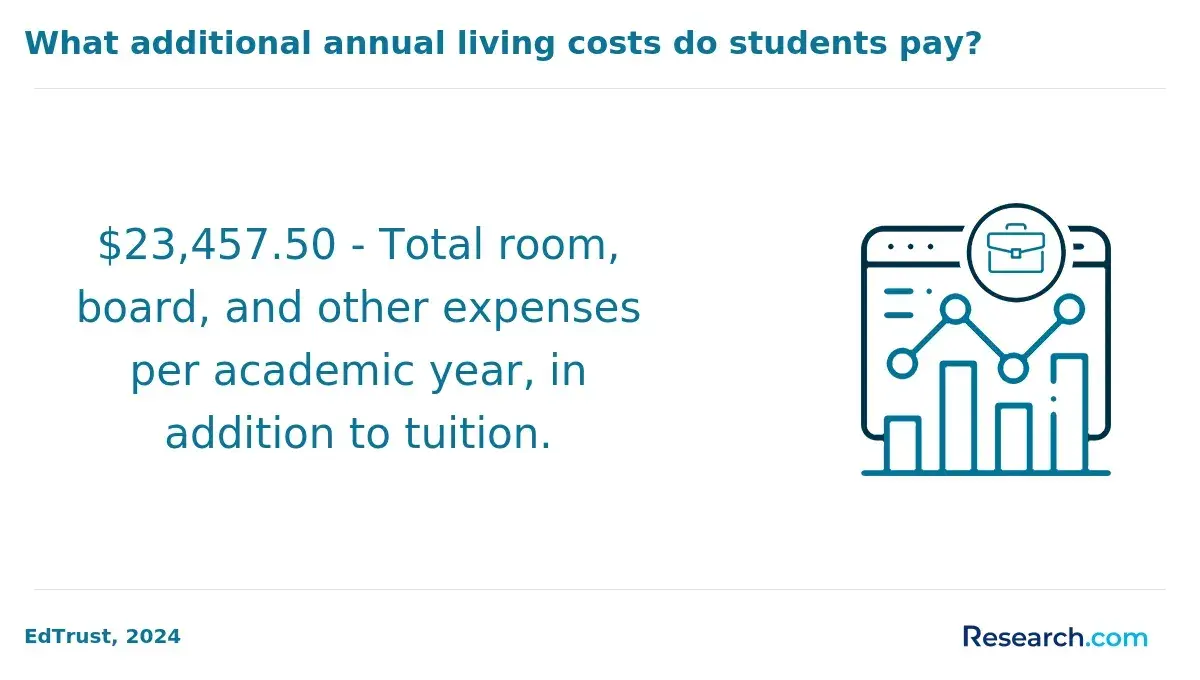
When considering an accelerated 2-year gerontology degree, evaluating financial aid options is crucial to managing costs and planning effectively. Financial assistance can significantly impact a student's ability to balance education expenses with living costs, especially given the program's accelerated timeline.
The following points explain common aid opportunities and how program structure influences availability and distribution.
- Federal Student Aid Eligibility: Accredited gerontology programs that participate in Title IV allow students to apply for Pell Grants and Direct Loans. Due to the compressed schedule, financial aid disbursements may be delivered in fewer but larger installments to match the shortened terms.
- Scholarships and Grants: Various scholarships target gerontology or healthcare students, but competition can be strong and offerings differ by state and private entities. These funds often require maintaining specific academic standards and commitment to the field.
- Employer Tuition Assistance: Many working adults benefit from tuition reimbursement programs, especially those employed in healthcare settings that value gerontology skills. This employer support helps reduce out-of-pocket costs while balancing work and study.
- Flexible Payment Plans: Some programs provide payment arrangements that allow tuition to be spread over the accelerated period. However, certain grants may require minimum enrollment times, which the faster pace could affect.
Reflecting on the experience of a professional who completed an accelerated bachelor's degree in gerontology, the financial aid process was both a challenge and a relief.
She described navigating federal aid as initially confusing due to the different payment schedules, but once sorted, it provided crucial support. Employer tuition assistance played a key role, enabling her to remain employed while finishing her degree.
She found that careful coordination of scholarship deadlines and aid applications was essential, emphasizing, "It felt overwhelming at first, but having those resources made completing the program in two years feasible."
Her story illustrates that while financial aid for accelerated gerontology programs may require more proactive management, it is accessible and can make a significant difference in achieving degree goals efficiently.
Breakdown of All 4-Year Online Title IV Institutions

When considering an accelerated bachelor's in gerontology, understanding potential career outcomes is essential to evaluate the degree's time commitment and return on investment.
Below is a detailed overview of common jobs and industries accessible with a 2-year gerontology degree and how the accelerated degree helps prepare for advancement.
- Care Coordinator: Graduates often take on roles coordinating care plans for older adults in healthcare or community settings, balancing direct client interaction with administrative duties. These entry level gerontology jobs focus on ensuring seamless support and services for seniors.
- Elder Care Specialist: Positions in senior living communities or social service organizations commonly involve assisting with daily living activities, health monitoring, and emotional support to improve quality of life for elderly clients.
- Community Outreach Worker: Many graduates work within public health or nonprofit sectors, helping develop and implement programs that address the needs of aging populations through education and resource connection.
- Health Program Support: Entry roles in public health programs targeting seniors include organizing activities and tracking health outcomes, reflecting a growing demand projected to increase by about 14% in healthcare support occupations through 2032.
- Pathway to Advanced Roles: While many begin with support or technician-level titles, the 2-year degree is a stepping stone for those pursuing bachelor's completion programs, which open doors to supervisory and specialized positions.
An accelerated bachelor's program builds on these career foundations by compressing study time while covering key areas like aging physiology, psychology, and social policy.
For individuals interested in related health fields, exploring affordable online nursing programs can also be a valuable option alongside careers with a 2 year gerontology degree.
Salary outcomes are a key consideration when evaluating the return on investment (ROI) of accelerated versus traditional degree paths in gerontology. Understanding how early earning potential and long-term salary growth compare can help students determine which educational route aligns best with their financial and career goals.
The following comparison explores these differences in detail.
- Early-career earnings: Graduates with a 2-year gerontology degree typically start with median salaries between $35,000 and $45,000 annually, while those holding a traditional bachelor's degree in gerontology or related health sciences often begin around $50,000 to $60,000. These figures reflect industry averages reported by the U.S. Bureau of Labor Statistics.
- Long-term earning potential: Lifetime earnings tend to be higher for bachelor's degree holders, with median lifetime income about 20% to 30% greater than associate degree holders in comparable fields. This difference arises from advanced qualifications that open doors to management and research positions in gerontology.
- Employer perception and career growth: Employers generally prefer bachelor's degrees for roles requiring analytical skills and leadership. Career advancement opportunities are more robust for bachelor's graduates, supporting sustained salary increases over time.
- Accelerated workforce entry: The 2-year degree offers faster entry into the workforce, saving 1.5 to 2 years compared to the 4-year route. This can result in earlier income generation, which partially offsets the initial salary gap and may improve lifetime earnings for some individuals.
- Job market trends: Employment growth in gerontology fields is projected at 18% through 2030, with a preference toward candidates holding advanced credentials.
For those considering earnings with accelerated gerontology bachelor's degrees, exploring options like cheap RN to BSN online programs might offer pathways to further credentials without excessive delay.
When deciding on an accelerated gerontology degree, evaluating return on investment (ROI) is essential to ensure the program aligns with financial and career objectives. ROI helps prospective students weigh the benefits of completing a degree faster against costs and future earnings potential.
Several key factors play a pivotal role in determining this value proposition.
- Time-to-completion: Accelerated programs typically shorten degree length from four years to two or three, reducing both tuition payments and living expenses. This faster pathway allows students to enter the workforce sooner, enhancing overall financial efficiency.
- Tuition and total cost: Although these programs may charge higher rates per credit, the condensed timeframe often results in lower aggregate expenses. The reduced duration offsets premiums, making accelerated options potentially more cost-effective than traditional degrees.
- Opportunity cost savings: Graduating earlier means starting a career-and earning income-sooner, which can compensate for educational costs and accelerate salary growth over time. This factor is significant in comparing accelerated versus standard programs.
- Employment outcomes: Careers linked to gerontology are expected to grow at a rate above the national average, indicating strong demand. This projected expansion supports better job security and opportunities for advancement post-graduation.
- Salary growth: Graduates with bachelor's degrees in gerontology often achieve higher wages compared to those with associate degrees or certificates, increasing the long-term financial return on their education investment.
- Industry demand: The need for professionals in aging services and related fields is rising, offering graduates more robust prospects in a growing job market. This trend strengthens the economic value of accelerated credentials.
- Transferability of skills: Skills developed through these programs apply across healthcare management, social work, and community services. This versatility enhances employability and adaptability, helping graduates navigate evolving career landscapes.
Choosing a 2-year gerontology degree depends on your personal learning preferences, schedule, and career priorities. These programs demand strong time management and discipline, as the accelerated pace covers material quickly.
If you juggle work or family responsibilities, the shorter duration-typically 1 to 2 years less than a bachelor's-may fit better.
Consider whether you need to enter the workforce immediately or can invest more time for future advancement. Being prepared for an intensive study environment is essential to succeed in these condensed programs.
Financially, shorter programs often lower tuition and living costs, improving affordability. While associate degree holders in health services earn median annual wages near $41,000, those with bachelor's degrees tend to see higher long-term income and greater job prospects.
Many employers prefer bachelor's degrees for roles in gerontology that involve clinical or administrative duties.
Evaluating how the degree aligns with your career trajectory and educational goals is key, as flexible options may be necessary for further specialization or advancement down the line.
What Graduates Say About Their 2-Year Gerontology Degree
- Ilyana: "Choosing a 2-year accelerated gerontology program was the best decision I made to quickly enter the workforce without the typical time commitment. Balancing work and study was challenging, but the program's structure allowed me to stay on track. The degree significantly boosted my career opportunities in elder care management, making the average cost of attendance feel like a great investment."
- Rosa: "I opted for a 2-year gerontology degree to avoid accumulating debt and jumpstart my professional journey sooner. The intensive schedule required discipline, but I managed by prioritizing and staying organized. Now, I reflect proudly on how this degree elevated my expertise and opened doors to leadership roles in aging services."
- Rowena: "The accelerated 2-year gerontology program fit perfectly with my goal to advance rapidly in healthcare administration. Although the pace was demanding, I appreciated the focused curriculum and support from faculty. The practical skills gained have proven invaluable, and despite the cost, the degree has been a worthwhile catalyst for my career growth."
Other Things You Should Know About Gerontology Degrees
The typical starting salary for graduates with a 2-year gerontology degree in 2027 ranges from $40,000 to $50,000 annually, depending on the specific role and geographic location. Positions such as geriatric care managers or aging services coordinators often offer opportunities for salary growth with experience.
In 2027, many institutions allow credit transfers from a 2-year gerontology degree to a bachelor's program. The process often requires a review of your coursework to ensure compatibility and relevance with the bachelor's degree requirements, maximizing educational continuity and saving time.
To enroll in a 2-year gerontology degree in 2027, applicants typically need a high school diploma or equivalent. Some programs may require prerequisite coursework in biology or health sciences, and admissions often require letters of recommendation and a personal statement.
- Clinical Geriatrics (MSc) (part time distance learning) (2 years) - Study - Cardiff University https://www.cardiff.ac.uk/study/postgraduate/taught/courses/course/clinical-geriatrics-msc-part-time-distance-learning-2-years
- 11 Types of Healthcare Degrees You Can Earn in 2 Years or Less https://www.herzing.edu/types/healthcare-degrees
- Two-year degrees https://www.buckingham.ac.uk/study/undergraduate/two-year-degrees/
- Gerontology - Aging Services Professional https://www.northwoodtech.edu/academic-programs/degree-programs-and-certificates/gerontology-aging-services-professional
- How to Become a Gerontologist: Degrees & Salary 2025 https://careersinpsychology.org/degree/gerontology/
- What Can You Do With a Master's in Gerontology? | National University https://www.nu.edu/blog/what-can-you-do-with-a-masters-in-gerontology/
- Accelerated degrees: pros, cons and Student Finance - Save the Student https://www.savethestudent.org/student-finance/accelerated-degrees.html
- Gerontology Careers: Outlook, Opportunities, and Salary https://online.maryville.edu/online-bachelors-degrees/general-studies-healthcare/careers/gerontology-careers/
- PGCert Gerontology 9342 (1 year) | University of Southampton https://www.southampton.ac.uk/courses/gerontology-pgcert