2027 AI Bachelor's Degree Careers in Cybersecurity

Co-Founder and Chief Data Scientist
In 2027, cybersecurity threats evolve faster than ever, creating a critical need for skilled professionals who understand both cybersecurity and artificial intelligence. Many professionals with unrelated bachelor's degrees find it challenging to enter this dynamic field without relevant credentials. This gap leaves organizations vulnerable and the workforce undersupplied. A bachelor's degree in artificial intelligence with a cybersecurity focus offers a strategic pathway to bridge this divide, equipping learners with cutting-edge skills demanded by employers. This article explores key career opportunities for graduates of AI bachelor's programs in cybersecurity and guides readers toward making informed educational and professional decisions.
Key Things You Should Know
- AI bachelor's degrees in cybersecurity combine machine learning and security protocols to address rising cyber threats, with demand for such professionals projected to grow 35% through 2031.
- Graduates gain skills in threat detection, data encryption, and ethical hacking, often commanding starting salaries above $85,000 annually in U.S. tech hubs.
- Industry partnerships and internships integrated into curricula enhance real-world experience, helping students adapt to evolving AI-driven cybersecurity technologies and regulations.
What is the relationship between artificial intelligence and cybersecurity career specialization?
The relationship between artificial intelligence and cybersecurity specialization is increasingly integral as AI powers advanced security systems. Cybersecurity professionals today are expected to leverage AI applications in cybersecurity career paths, automating threat detection, analyzing vast datasets, and predicting vulnerabilities before breaches occur. Those earning AI bachelor's degrees focused on cybersecurity must develop skills in both protecting systems and designing AI-driven defense algorithms.
AI excels at identifying patterns and anomalies in network traffic faster than traditional approaches. For instance, AI-powered intrusion detection can identify unusual behaviors in real time, facilitating immediate action. Cybersecurity specialists need to master machine learning, natural language processing, and data analytics to maximize these AI tools. Ethical and privacy considerations around AI use in security also require careful attention.
The financial impact of AI integration within cybersecurity is substantial, with AI-driven solutions expected to reach a $133.8 billion market valuation by 2030, growing at over 23% annually. This growth opens diverse opportunities for professionals skilled in the synergy of AI and cybersecurity. Careers such as AI security analyst, threat intelligence specialist, and penetration tester often demand knowledge of AI models and cybersecurity protocols.
Students should focus on coursework in machine learning, cybersecurity frameworks, and risk management while gaining hands-on experience with AI tools. Staying updated on emerging threats like adversarial machine learning is critical. Employers seek candidates able to develop AI defense systems and anticipate AI-powered cyberattacks. Prospective students interested in this evolving field may benefit from exploring accelerated computer science programs that integrate these competencies.
What are the core job roles and responsibilities for AI professionals working in cybersecurity?
Professionals in AI cybersecurity analyst roles and responsibilities focus on building systems to detect, prevent, and respond to cyber threats. They design machine learning models that identify unusual network behavior and vulnerabilities, creating algorithms to analyze massive datasets in real time. These systems flag attacks such as phishing, malware, or insider threats while aiming to reduce false positives and improve accuracy.
In addition to threat detection, these experts automate incident responses by deploying intelligent bots that can isolate compromised devices or block suspicious traffic autonomously. Collaboration with cybersecurity analysts is crucial to interpret AI-driven insights and prioritize alerts based on severity and context. Compliance with data privacy laws, including GDPR and HIPAA, also falls under managing artificial intelligence risk in cybersecurity.
Continual retraining of AI models is essential to keep pace with evolving threats like new ransomware strains or zero-day exploits. This requires solid skills in data engineering, software development, and threat intelligence integration. Organizations increasingly rely on AI for threat response, highlighting the importance of strong communication skills to translate complex AI outputs into actionable security measures for nontechnical stakeholders.
Prospective students aiming for careers in this field should be ready to engage with advanced analytics, natural language processing, computer vision, and automation. Those interested in enhancing their technical qualifications may explore options such as a mechanical engineering degree online to strengthen their engineering foundation and analytical skills.
What degree level and educational pathway is required to work in AI-focused cybersecurity careers?
To pursue AI cybersecurity degree requirements for careers in this field, candidates typically need at least a bachelor's degree. About 63% of cybersecurity jobs require this minimum education, with 18% expecting advanced degrees or equivalent experience. Bachelor's programs in cybersecurity, computer science, or related STEM fields cover essential topics like programming, network security, cryptography, and introductory artificial intelligence concepts critical for threat detection and response.
Educational pathways for AI cybersecurity careers are expanding as specialized degrees that combine AI and cybersecurity grow more common. These programs often include machine learning, data science, and cybersecurity, preparing students for tasks such as anomaly detection and automated defense systems. For example, some curricula integrate neural networks coursework with network intrusion prevention for practical skills.
Advanced degrees like master's or doctorates focus on research, AI algorithm development, and leadership roles in threat intelligence or cybersecurity policy. Professionals with extensive hands-on experience and certifications such as CISSP may sometimes substitute for formal advanced education. Pathways also include internships and industry certifications, which complement academic training and build practical skills in AI frameworks and cybersecurity protocols. Experience with tools like TensorFlow improves employability.
Some students might explore specialized fields such as an online game design degree to broaden their technical expertise. Combining such interdisciplinary knowledge can offer unique advantages when entering AI cybersecurity roles.
What is the typical curriculum and coursework in an AI bachelor's degree with cybersecurity specialization?
Typical curriculums for an AI bachelor's degree with cybersecurity specialization combine foundational computer science courses with advanced AI and security topics. Early coursework generally includes programming, data structures, and discrete mathematics to build essential technical skills. Core AI subjects emphasize machine learning, neural networks, natural language processing, and data mining, focusing on algorithms that power intelligent systems. This AI cybersecurity degree curriculum overview highlights the balance between technical rigor and applied knowledge.
Security-specific courses cover cryptography, network security, cyber threat analysis, and ethical hacking. These classes teach methods to detect and prevent cyberattacks using automated tools enhanced by AI techniques. Students also learn to develop AI-driven intrusion detection systems and utilize behavioral analytics for identifying network anomalies. Cybersecurity specialization coursework in AI bachelor's programs integrates risk management, security policies, and compliance frameworks like NIST and GDPR to prepare students for real-world challenges.
Many programs include hands-on labs using real datasets, simulation tools, and cybersecurity environments, providing practical experience. Electives may involve computer vision applications in security or reinforcement learning for adaptive defense strategies. Often, a senior capstone project or internship helps students create portfolios focused on AI-enhanced cybersecurity solutions. With machine learning and AI specializations representing a growing share of cybersecurity degrees, prospective students interested in this field might also research the cheapest online data science masters to expand their expertise and career prospects.
What are the admission requirements and prerequisites for AI bachelor's programs with cybersecurity focus?
Admission to bachelor's programs focusing on artificial intelligence and cybersecurity often requires strong academic performance, with competitive programs seeking GPAs between 3.5 and 3.8. Core math skills are essential; approximately 89% of these programs mandate calculus, while 76% require linear algebra. These foundational courses support critical AI and cybersecurity topics such as algorithms, cryptography, and data analysis.
High school students should complete advanced math classes including calculus and linear algebra to meet entry criteria. Having background in computer science or programming, especially with languages like Python or Java, provides a competitive advantage. Although some universities still request SAT or ACT scores, test requirements are increasingly optional.
Transfer applicants must submit transcripts demonstrating relevant coursework in AI and cybersecurity fundamentals. Letters of recommendation that highlight analytical and problem-solving skills strengthen applications. Personal essays should express clear interest in the interdisciplinary nature of AI cybersecurity fields and readiness for related challenges.
International students often must prove English proficiency through tests such as TOEFL or IELTS in addition to academic prerequisites. Ultimately, prospective students need a solid math and computing foundation to be prepared for the technical rigor of artificial intelligence cybersecurity degrees.
How do online and campus-based AI bachelor's degree programs compare for cybersecurity specialization?
Online and campus-based AI bachelor's degree programs in cybersecurity show distinct differences in accessibility, flexibility, and hands-on learning. Recent data from the Babson Survey Research Center highlights a 42% enrollment growth for online programs, far outpacing the 8% increase seen in campus-based options. This growth is fueled by working professionals and remote learners who seek flexible scheduling and the ability to balance education with other life commitments.
Campus programs offer direct interaction with physical security labs, face-to-face collaboration, and immediate access to campus resources-features valuable for students pursuing team-based projects and in-person mentorship. Controlled exercises in areas like penetration testing or ethical hacking remain more common in these settings.
To bridge this gap, online cybersecurity degrees integrate advanced virtual labs, cloud-based simulations, and synchronous or asynchronous learning platforms. Many utilize AI-driven tutoring and adaptive assessments to personalize training, allowing students to practice exploiting vulnerabilities or managing AI-powered threat detection remotely.
Cost and location are important factors; online programs often reduce expenses related to commuting and housing while expanding access to specialized AI cybersecurity content not available locally. However, success in these programs requires strong self-motivation and tech proficiency.
Both formats meet industry standards, but the rapid rise in online enrollment suggests expanding accessibility without sacrificing technical rigor. Students should carefully consider their learning preferences, career goals, and available resources when selecting a program.
What professional certifications and credentials complement an AI cybersecurity bachelor's degree?
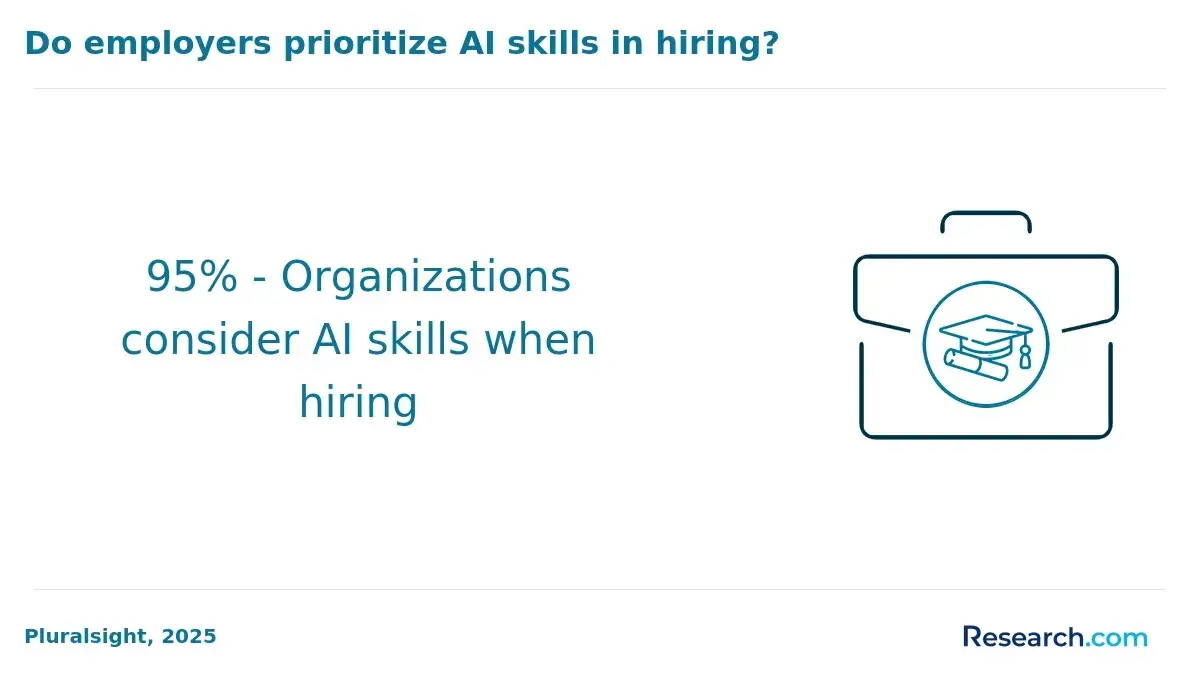
Professional certifications significantly boost the value of an AI cybersecurity bachelor's degree by validating crucial skills and expertise. Credentials such as Certified Information Systems Security Professional (CISSP) and Certified Ethical Hacker (CEH) demonstrate proficiency in core cybersecurity concepts and offensive security. For AI-specific roles, certifications like Google Cloud AI Engineer and AWS Certified Machine Learning - Specialty offer hands-on experience in securely deploying AI models within cloud environments, a growing priority in cybersecurity careers.
According to PayScale 2024 data, cybersecurity professionals holding both a bachelor's degree and AI-related certifications earn approximately 31% more than those with a degree alone. This reflects strong employer demand for a blend of cybersecurity and AI competencies.
Additional certifications like CompTIA Security+ and Certified Cloud Security Professional (CCSP) broaden expertise in network and cloud security. For leadership roles, the Certified Information Security Manager (CISM) credential focuses on risk management and strategic security planning.
Experience with industry frameworks such as the NIST Cybersecurity Framework or MITRE ATT&CK enhances practical skills that employers seek. Selecting certifications aligned with specific career goals-whether in threat detection, AI algorithm auditing, or cloud security administration-is key to success.
Acquiring multiple certifications diversifies knowledge and supports adaptability in the evolving AI-driven cybersecurity landscape, ensuring professionals remain competitive and effective.
What is the job outlook and hiring demand for AI cybersecurity professionals in the United States?
The job outlook for AI cybersecurity specialists in the United States is exceptionally strong, with cybersecurity analyst positions projected to grow 33% from 2023 to 2033-much faster than the average for all occupations. This growth is largely due to rapid advances in artificial intelligence, which now drive about 67% of new openings in cybersecurity roles (Bureau of Labor Statistics, 2024). Employers seek professionals skilled in integrating AI tools to detect, prevent, and counter increasingly complex cyber threats.
High demand exists in industries like finance, healthcare, and government, where protecting sensitive data is critical. AI cybersecurity experts develop machine learning models to identify anomalies and automate threat analysis. Candidates with strong AI programming and cybersecurity knowledge often qualify for roles in threat intelligence, security automation, and incident response.
Graduates with an AI bachelor's degree focusing on cybersecurity should be prepared to work with real-time data analytics and evolving attack methods. Certifications such as Certified Information Systems Security Professional (CISSP), combined with AI skills, increase employability. Professionals who continuously update their technical abilities to accommodate AI-driven security innovations fare best in the job market.
Entry-level salaries and mid-career earnings in AI cybersecurity reflect this high demand, with experts commanding premium compensation. Pursuing specialized AI cybersecurity education provides a direct pathway to a secure, expanding career supported by authoritative federal labor data.
What is the average salary range and earning potential for AI-focused cybersecurity career positions?
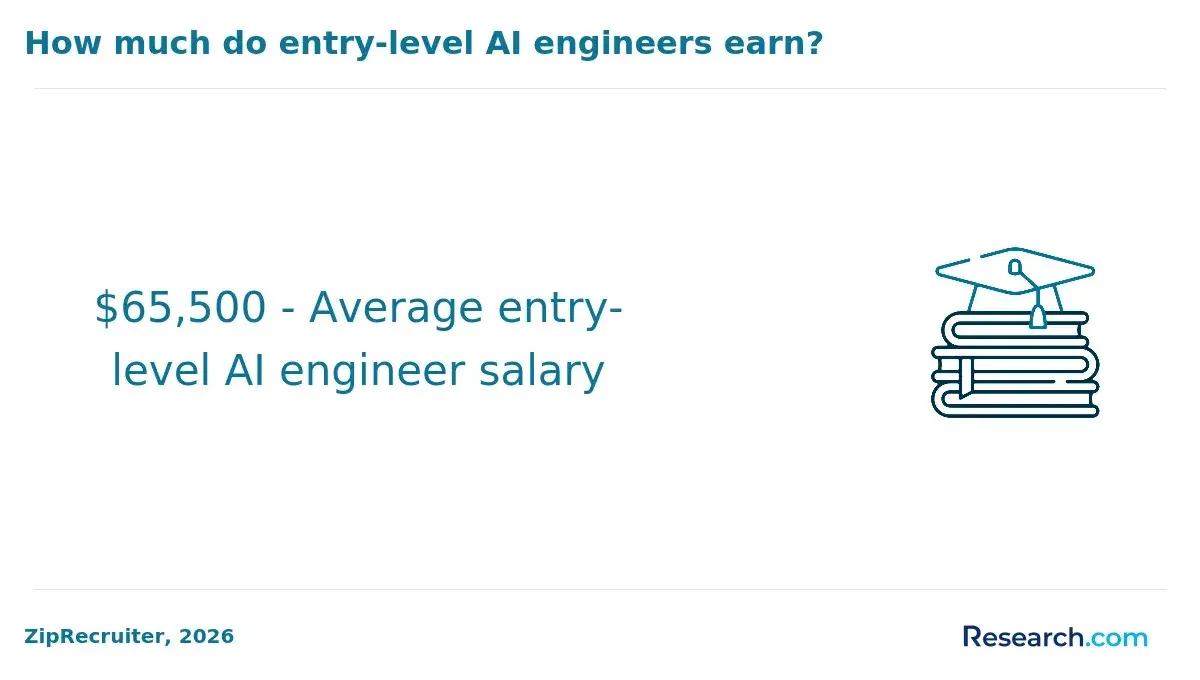
AI-focused cybersecurity professionals start with an average salary of $72,500, which can rise to about $145,000 mid-career, representing a 100% increase over a decade (Salary.com, 2024). Entry-level positions such as AI security analyst or junior machine learning security engineer emphasize skills in threat detection and AI model integrity.
Mid-career roles include AI cybersecurity architect, AI penetration tester, and machine learning security consultant. These advanced positions require developing secure AI systems, defending against adversarial attacks, and integrating AI into comprehensive cybersecurity strategies. Factors such as location, employer size, industry, and specialized technical skills like AI-driven anomaly detection influence salary levels.
Professionals holding certifications such as Certified Information Systems Security Professional (CISSP) or Offensive Security Certified Professional (OSCP), combined with AI expertise, command higher salaries. Sectors like finance, healthcare, and government offer premium wages due to the vital importance of safeguarding sensitive information using AI technologies.
Building a portfolio of practical projects, internships, and specialization in AI threat mitigation boosts employability and speeds progression from starting roles to leadership or expert positions with substantial compensation benefits.
How should prospective students evaluate accredited AI bachelor's programs for cybersecurity specialization?
Prospective students focusing on cybersecurity with an AI specialization should prioritize programs accredited by ABET, as only 23% of such bachelor's degrees have this accreditation. ABET accreditation validates a program's quality by ensuring rigorous standards in curriculum, faculty expertise, and resources. It's essential to confirm that both cybersecurity and AI components are covered under ABET's evaluation.
Curriculum relevance is crucial. A strong program integrates AI applications into cybersecurity areas like threat detection, automated responses, and ethical hacking. Hands-on labs, internships, or projects involving real-world data better prepare students for careers by offering practical experience.
Faculty qualifications significantly influence learning. Students should seek programs with instructors experienced in AI and cybersecurity research or industry work. Partnerships with tech companies or government agencies enhance research opportunities and job placements, reflecting up-to-date course content and professional networks.
Flexible learning options such as part-time, online, or hybrid formats benefit working professionals. Additional support services like career counseling, mentorship, and AI-focused cybersecurity student organizations further aid student success.
Finally, verify graduate outcomes by examining the percentage of alumni working in AI cybersecurity roles and their starting salaries. Reliable employment data demonstrate how effectively programs prepare students for the evolving AI cybersecurity job market.
Other Things You Should Know About Artificial Intelligence
Most programs expect algebra, pre-calculus, and basic programming before enrollment. Competitive applicants often have Python or Java experience plus familiarity with logic and statistics. For 2027 entry, many universities require a high school diploma, official transcripts, and minimum GPA standards, often around 2.5 to 3.0.
Admission requirements typically include a high school diploma or equivalent with a strong foundation in mathematics and computer science. Some programs might require standardized test scores or prerequisite courses, and applications for the 2027 academic year should be submitted by December 2026.
An AI-focused cybersecurity degree in 2027 develops critical skills, including proficiency in machine learning, data analysis, and programming, as well as cybersecurity fundamentals like threat detection and risk management. Graduates gain practical experience through lab work and internships to tackle modern cybersecurity challenges.
References
- Guide to Cybersecurity Bachelor's Degrees | Cyberdegrees.org https://www.cyberdegrees.org/listings/bachelors-degrees/
- Cybersecurity Job Demand: Current Trends and Future Outlook https://destcert.com/resources/cybersecurity-job-demand/
- What do you learn in a bachelor's in artificial intelligence? | edX https://www.edx.org/resources/what-do-you-learn-in-a-bachelors-in-artificial-intelligence
- Cybersecurity Career Paths: Which Is the Right One for You? https://www.aiuniv.edu/degrees/information-technology/articles/cyber-security-careers
- How Artificial Intelligence Is Reshaping Cybersecurity Careers https://www.secureworld.io/industry-news/how-ai-reshaping-cybersecurity-careers
- "Cybersecurity Ai Specialist Job Description Template - 2026 Guide" https://resources.rework.com/libraries/job-description-templates/cybersecurity-ai-specialist
- AI Drives Digital Skills Demand as U.S. Tech Hiring Outlook Shows Resilience | ManpowerGroup Inc. https://investor.manpowergroup.com/news-releases/news-release-details/ai-drives-digital-skills-demand-us-tech-hiring-outlook-shows
- Bachelorâs Degree in Applied Cybersecurity (BACS) https://www.sans.edu/cyber-security-programs/bachelors-degree/
- BBA (MCI) specialisation in AI & Cyber Security https://www.wittenborg.eu/bba-specialisation-in-A-and-cyber-security-mci-pathway.htm
- Cybersecurity with Artificial Intelligence BSc (Hons) https://chester.ac.uk/study/course-search/cybersecurity-with-artificial-intelligence-bsc-hons/