2027 AI Master's Degrees for Consultants

Co-Founder and Chief Data Scientist
Consultants from non-technical backgrounds often face challenges when seeking formal education that bridges their current expertise with artificial intelligence skills. Traditional graduate programs may require extensive prerequisites or offer inflexible schedules incompatible with professional commitments. This gap makes it difficult to transition into AI-focused roles despite growing industry demand.
Flexible, accredited AI master's degrees designed for working professionals provide a viable solution. This article explores these master's programs, highlighting options that accommodate diverse academic histories and busy schedules, helping consultants pivot effectively into the artificial intelligence industry with relevant, practical credentials.
Key Things You Should Know
- AI master's degrees for consultants in 2026 increasingly integrate business strategy, with 65% of programs emphasizing real-world applications across industries.
- Average program duration is 18 months, balancing technical deep dives in machine learning and ethical AI with leadership skills tailored to consultancy roles.
- Graduates see a 40% salary uplift post-degree, reflecting high demand for consultants skilled in AI-driven digital transformation and data-driven decision-making.
What is an AI master's degree for management consulting and strategy roles?
An AI master's degree designed for management consulting and strategic roles in AI and management consulting combines technical skills with business insights necessary to harness AI in corporate decision-making. This interdisciplinary curriculum integrates machine learning, data analytics, and AI ethics with modules on economic modeling, strategic management, and organizational behavior. Graduates develop the ability to translate AI capabilities into actionable business strategies that enhance efficiency and competitive advantage.
According to PwC, AI is projected to contribute up to $15.7 trillion to the global economy by 2030, boosting demand for consultants skilled in AI's strategic applications. These programs address challenges like AI-driven market disruption, ethical considerations, and the transformation of business models through automation.
Program focuses vary and often include:
- Combining AI engineering with business intelligence to implement AI solutions alongside strategic planning.
- Specializing in AI governance and risk management for consulting firms guiding clients on compliance and ethics.
- Case-based learning that simulates consulting projects assessing AI's impact on industries such as healthcare, finance, and manufacturing.
Prospective students should seek a curriculum balanced between AI technical foundations and management strategy. Hands-on experience with AI tools like Python or TensorFlow combined with business case analysis improves prospects for roles like AI strategy consultants, digital transformation leads, or operations advisors. Explore more on artificial intelligence career paths to understand potential opportunities.
Which accredited AI master's programs best prepare consultants for client-facing work?
Programs accredited by the Association to Advance Collegiate Schools of Business (AACSB) best prepare consultants for client-facing roles in AI. Since fewer than 6% of business schools worldwide hold AACSB accreditation, selecting accredited artificial intelligence master's programs for consultants ensures rigorous academic standards and business relevance.
Top AI master's degrees for client-facing consultant skills integrate data science, machine learning, and strategic decision-making within business contexts. They emphasize client communication, ethical AI use, and teamwork. Programs with practicum projects involving real clients allow students to build hands-on consulting experience.
Consultants need both technical AI skills and business application expertise. Curricula often include:
- AI algorithm design alongside business analytics
- Case studies focused on industry-specific challenges
- Courses on AI governance, compliance, and ethics
- Training on data storytelling and client presentations
Beyond coursework, networking opportunities with industry professionals and consulting firms are crucial. Executive-style programs combining AI with leadership training support career growth in consulting. Prestigious AACSB-accredited schools like Carnegie Mellon University's Tepper School of Business and the University of Southern California's Marshall School exemplify this approach.
Prospective students should verify accreditation status and program relevance. For those balancing budget and education, exploring the cheapest online master's mechanical engineering options can also inform financial decisions when considering advanced technical degrees.
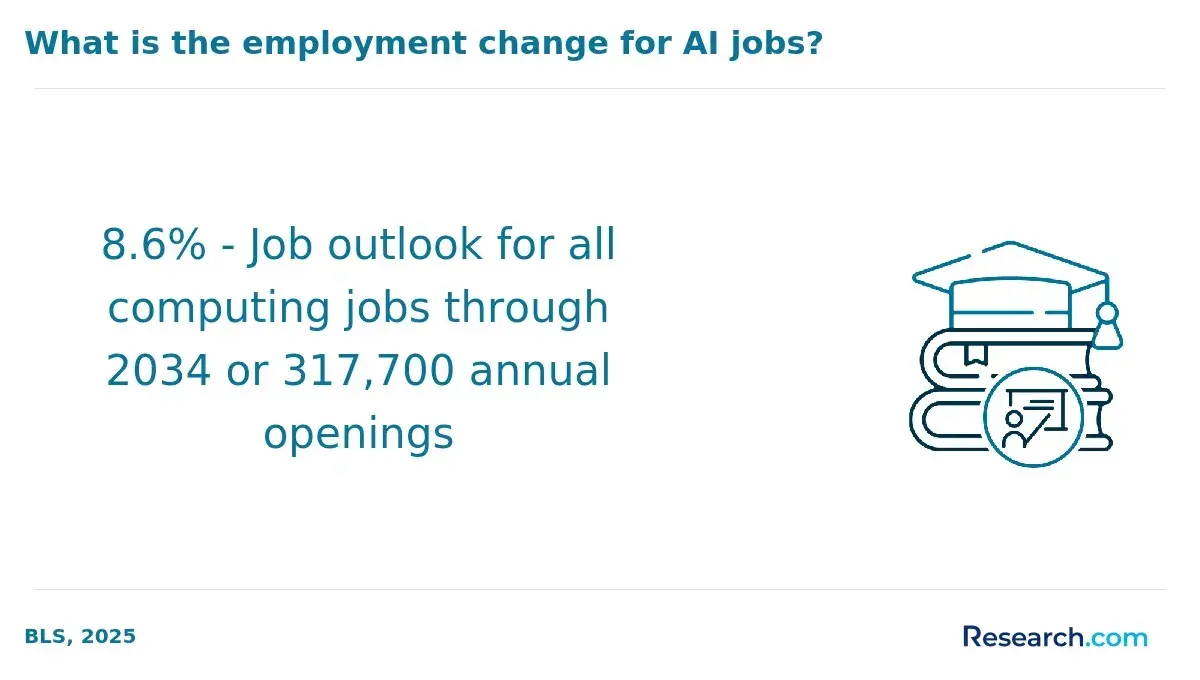
Should consultants choose an online or on-campus AI master's program?
Consultants weighing online ai master's programs vs on-campus options for consultants must consider career goals, time constraints, and preferred learning styles. Online programs provide unmatched flexibility, especially valuable for professionals managing client work alongside studies. With 60% of prospective business master's students favoring flexible or hybrid formats, the demand for adaptable learning models is clear.
Such online degrees allow consultants to keep full-time jobs and tailor coursework around unpredictable schedules, often through asynchronous lessons and modular content. However, these programs may limit direct interaction with faculty and networking opportunities, which are crucial for some learners.
On-campus formats offer immersive, face-to-face collaboration, mentorship, and hands-on access to research labs and career services. This setup is ideal for those pursuing consulting roles requiring deep technical expertise or leadership in AI innovation. The trade-off is less scheduling flexibility and the need for consistent local presence, which can challenge consultants balancing client projects.
Hybrid models blend remote learning with periodic in-person sessions, appealing to consultants wanting practical engagement without sacrificing too much flexibility. When selecting the best learning format for consultants pursuing ai master's degrees, factors to consider include:
- Ability to attend on-campus sessions amid client projects
- Need for hands-on AI tools and collaborative workshops
- Preference for networking with faculty and peers
- Suitability of self-paced versus structured schedules
Those exploring options might also review resources on engineering degrees online for further guidance on affordable and flexible programs aligning with their professional ambitions.
What prerequisites and admissions requirements are typical for AI master's programs?
Typical prerequisites for AI master's programs admissions include a strong foundation in computer science, mathematics, and programming. Most applicants need a bachelor's degree in computer science, engineering, mathematics, or a related field. Essential coursework usually includes data structures, algorithms, linear algebra, probability, statistics, and calculus. Proficiency in languages like Python is often expected because of their importance in AI development.
Common admissions requirements for AI graduate degrees involve GRE scores, transcripts, letters of recommendation, and a statement of purpose that highlights motivation and relevant experience. Although some programs have made GRE optional, the quantitative section remains an important benchmark. According to ETS (GRE Program), the average GRE Quantitative score is about 159, reflecting the quantitative skills needed to compete effectively.
Many universities also look for practical experience such as internships, research projects, or work related to AI, machine learning, or data analytics. Applicants with non-technical backgrounds might need to complete prerequisite courses before full admission to ensure proper preparation for advanced AI coursework.
International candidates must demonstrate English proficiency through TOEFL or IELTS and submit academic records translated and evaluated per university requirements. Admissions committees emphasize analytical skills, math aptitude, and programming ability. Candidates often strengthen their applications by explaining how their background prepares them for AI challenges.
For those interested in cybersecurity, exploring cyber security schools online can provide additional pathways in related technology fields.
What core courses and consulting-relevant skills are covered in AI master's curricula?
Master's programs in artificial intelligence for consultants emphasize building expertise in machine learning, statistical analysis, and business problem-solving frameworks. Students often engage in applied machine learning, developing predictive models and mastering algorithm optimization applicable to real datasets. Courses in probability and statistics provide the foundation needed to interpret data patterns and assess model accuracy.
Business-focused coursework trains consultants to convert complex AI outputs into actionable strategic insights. This includes decision analytics, operations research, and risk management, which help frame AI-driven solutions around measurable business goals.
Technical skills are reinforced with programming in Python or R, along with training in data engineering and cloud computing to optimize AI workflows. Many programs integrate capstone projects or internships simulating consulting challenges to enhance teamwork, client communication, and problem decomposition skills.
Ethical AI use, regulatory compliance, and explainability are key components, fostering stakeholder trust through transparency. Electives tailored to industries such as finance, healthcare, or supply chain analytics allow students to customize their expertise.
According to projections by IBM, demand for data scientists will grow about 35% through 2032, highlighting the importance of programs that combine rigorous technical training with practical business insight. Prospective students should prioritize curricula enabling them to both create advanced models and clearly communicate their value in consulting roles.
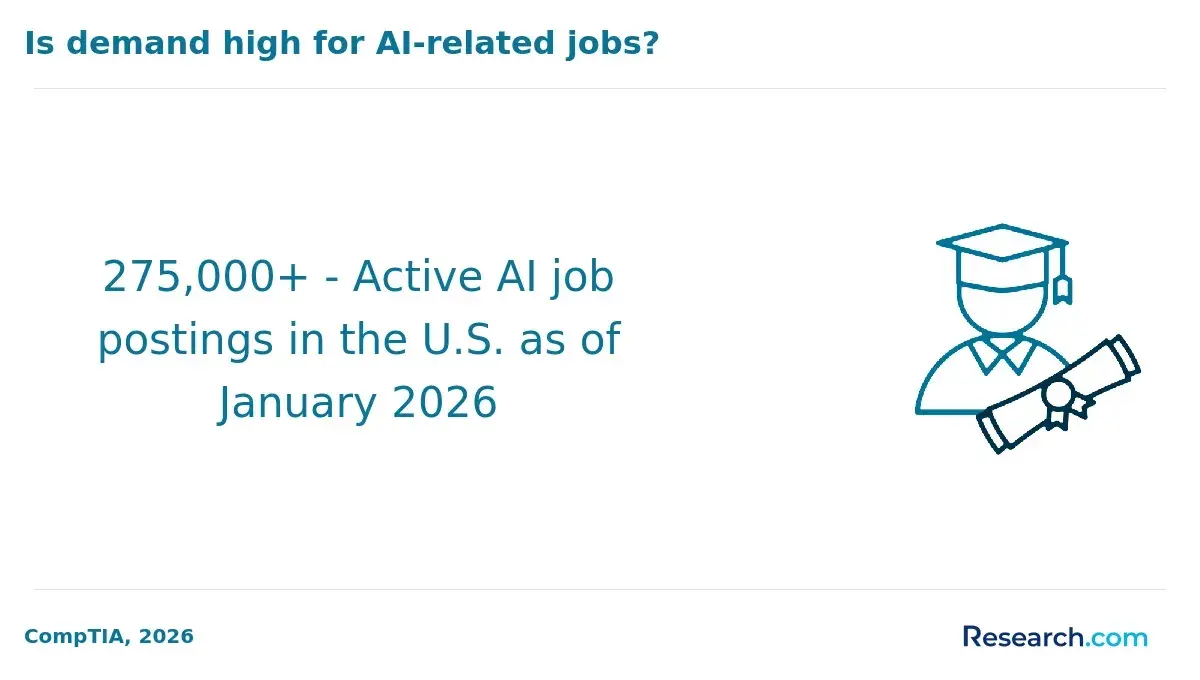
How long do AI master's programs take, and what do they cost?
Master's programs in artificial intelligence typically require one to two years of full-time study. Flexible options such as part-time and online formats can extend the duration to three or four years, depending on individual schedules. Accelerated tracks, leveraging increased course loads or prior graduate credits, allow completion in 12 to 18 months. Program length often varies by focus-whether on research, practical applications, or interdisciplinary areas like computer science, data science, or robotics.
Tuition costs vary significantly. Public institutions charge about $12,600 annually for in-state graduate tuition and fees according to the National Center for Education Statistics (NCES). Private and out-of-state fees can be two to three times higher, with some private universities charging $30,000 or more per year for AI master's programs. Additional expenses include textbooks, software licenses, technology fees, and sometimes enrollment in specialized labs or project-based courses.
Financial aid, scholarships, and employer tuition reimbursement help offset these costs. Prospective students should consider total expenses, including living costs and potential lost income during full-time study. Calculating the overall investment over the program's duration is essential to make informed decisions about pursuing a master's degree in artificial intelligence.
What concentrations align with consulting, such as analytics, NLP, or MLOps?
Master's degrees with concentrations tailored for consulting in artificial intelligence commonly include analytics, natural language processing (NLP), and MLOps, each addressing specific industry needs. Analytics equips consultants to analyze large datasets and inform strategic business decisions through skills in statistics, machine learning, and data visualization.
NLP and generative AI have become essential as enterprises increasingly adopt generative AI and genAI-enabled applications. Consultants proficient in these areas support projects like customer service automation, sentiment analysis, and conversational agents. Graduate programs focusing on transformer models and generative AI frameworks prepare students to design and implement advanced language technologies.
MLOps focuses on deploying and maintaining machine learning models in production. This concentration is critical for consulting engagements that require system automation, monitoring, continuous integration, and compliance management. Consultants with MLOps expertise help ensure AI solutions are scalable, maintainable, and secure in real-world business environments.
Additional concentrations include computer vision, relevant to sectors such as manufacturing and retail, and AI ethics, which addresses responsible AI adoption. Effective consultants blend technical skills with business knowledge and communication abilities to translate AI innovations into client value.
- Analytics enables insight-driven strategies and performance enhancements
- NLP/genAI specialization supports developing intelligent language applications
- MLOps ensures scalable, reliable AI deployments in client settings
What careers and job titles can consultants pursue after an AI master's?
Consultants holding a master's degree in artificial intelligence can pursue a variety of high-demand, specialized roles. Common career paths include AI and machine learning specialists, data scientists, and AI product managers, who focus on designing algorithms, deploying AI systems, or leading AI projects in sectors like healthcare, finance, and technology.
Other notable roles include:
- Machine learning engineer, building models that analyze complex data
- AI strategy consultant, guiding companies on AI integration
- Business intelligence analyst, leveraging AI tools for strategic decisions
- Automation architect, creating intelligent workflows to boost efficiency
- AI ethics officer, ensuring ethical standards in AI use
Many professionals evolve into leadership positions such as Chief Data Officer or Director of AI Innovation, combining technical expertise with executive responsibilities. Specialized roles in natural language processing or computer vision also attract consultants depending on their focus.
The World Economic Forum's Future of Jobs Report 2025 highlights AI and machine learning specialists as among the fastest-growing global roles through 2030, confirming strong job prospects. Practical experience with tools like Python and TensorFlow alongside a master's degree is crucial for employability. Building a professional network in AI-centered industries can further enhance job opportunities.
What salary ranges can AI-trained consultants expect across industries and seniority?
Salaries for AI-trained consultants in the U.S. vary widely based on experience, industry, and location. Entry-level consultants with a master's degree typically earn between $85,000 and $110,000 annually, which aligns with U.S. Bureau of Labor Statistics data reporting a median pay of $108,020 for data scientists, a comparable role.
Mid-level consultants with three to seven years of experience usually make between $110,000 and $150,000. Those working in finance, healthcare IT, and advanced technology sectors often reach the top of this range due to specialized domain knowledge and the blend of business strategy with AI model deployment.
Senior consultants and managers can command salaries from $150,000 up to $220,000 or more, especially in firms servicing Fortune 500 clients or prominent technology companies. Their expertise typically includes AI strategy and measurable business impact.
Additional compensation methods include performance bonuses, project pay, and profit sharing, often adding 10-25% to base salaries. Location also impacts pay; consultants in Silicon Valley and New York City may earn 15-30% more due to higher costs of living.
When choosing AI master's programs, prioritize those with strong industry connections and hands-on AI experience to boost employability and salary potential.
Which AI certifications and professional standards complement an AI master's for consultants?
AI master's degrees gain significant value when combined with key certifications that emphasize security, ethics, and practical skills. Critical credentials include Certified Information Systems Security Professional (CISSP), Certified Ethical Hacker (CEH), and Certified Information Security Manager (CISM), which strengthen expertise in cybersecurity-a vital concern given the global shortage of nearly 4 million cybersecurity professionals according to the ISC2 Cybersecurity Workforce Study 2024.
Specialized certifications such as the Google Professional Machine Learning Engineer and Microsoft Certified: Azure AI Engineer Associate demonstrate proficiency in designing and deploying AI solutions on cloud platforms. These credentials address common consulting requirements and enhance a professional's appeal to employers.
Adherence to standards like ISO/IEC 27001 for information security management and the IEEE Global Initiative on Ethics of AI and Autonomous Systems emphasizes commitment to responsible and ethical AI use. These frameworks guide risk mitigation, compliance, and ethical deployment-key factors for clients assessing consultant qualifications.
Consultants should also consider certifications focused on governance, including Certified in Risk and Information Systems Control (CRISC), to effectively address data privacy, regulatory compliance, and AI robustness concerns. Combining a master's degree with these credentials builds a strong foundation trusted by firms seeking secure, ethical, and compliant AI solutions.
Other Things You Should Know About Artificial Intelligence
Prior programming experience significantly strengthens an applicant's profile because most AI master's programs require proficiency in languages like Python, R, or Java. Although some programs offer foundational courses for beginners, having coding skills helps students grasp complex algorithms and frameworks more quickly and effectively. Consultants with programming knowledge can also better apply AI tools in practical scenarios, enhancing their consulting capabilities.
Yes, many AI master's programs include coursework on AI ethics, bias mitigation, and governance frameworks. These topics equip students to address the ethical challenges of deploying AI solutions in business contexts. For consultants, understanding these issues is crucial when advising clients on responsible AI adoption and compliance with evolving regulatory standards.
Practical projects and internships are vital components of AI education as they provide hands-on experience with real-world data and AI systems. Such opportunities allow students to apply theoretical knowledge, develop problem-solving skills, and build a professional portfolio. For consultants, this experience enhances credibility and readiness to implement AI-driven solutions for clients.
In 2027, AI master's degrees offer consultants advanced analytics skills, insights into AI-driven business strategies, and enhanced decision-making capabilities. These programs also provide networking opportunities with industry leaders. Check out a detailed comparison of AI degrees like a financial AI master’s degree for more sector-specific benefits.
References
- AI Consultant Salary Guide 2026 | Cereer, Trends & Earning https://passitexams.com/salaries/ai-consultant-salary/
- AI Master Course Guide | Careers, Curriculum & Benefits https://futurense.com/blog/ai-master-course
- qa.com | Top 10 Must Have AI Certifications in 2026 https://www.qa.com/browse/certifications/ai-certifications/
- Executive Master in AI & Digital Business Transformation https://www.imd.org/digital-transformation/executive-master/ai-digital-business-transformation/
- Top 10 Careers You Can Pursue With an Online Master’s in AI https://www.ucumberlands.edu/blog/careers-you-can-pursue-with-an-online-masters-in-ai
- Blogs https://www.leoglobaloverseas.com/blogdetails/ai-career-pathways-from-msc-to-industry-roles
- 16 Artificial Intelligence Career Paths https://www.calmu.edu/news/artificial-intelligence-career-paths
- Top AI Certifications: The Best Programs to Master AI in 2026 https://www.sprintzeal.com/blog/top-ai-certifications
- AI Consultant Salary Ranges & Salary Enhancement Tactics https://www.sorenkaplan.com/artificial-intelligence-ai-consultant-salary-ranges-and-strategies-for-increasing-salary/
- 13 Artificial Intelligence Masters Programs for 2024 https://www.10xconsultant.ai/blog/artificial-intelligence-masters-programs/