2027 AI Bachelor's Degree Programs That Include Responsible Data Use

Co-Founder and Chief Data Scientist
Many students entering the field of Artificial Intelligence face challenges in understanding the ethical implications of data use. Missteps in responsible data handling can lead to serious legal, social, and professional consequences. These risks grow as AI applications expand across industries, relying heavily on sensitive information.
Finding programs that integrate responsible data use with technical training becomes essential for preparing graduates to meet real-world demands. This article explores bachelor's degree programs that blend core AI knowledge with ethics and data responsibility, aiming to guide prospective students toward education paths that emphasize both innovation and accountability in AI development.
Key Things You Should Know
- In 2026, over 40% of AI bachelor's degree programs in the U.S. integrate responsible data use, emphasizing ethics, privacy, and bias mitigation in AI systems.
- Accredited programs increasingly require coursework on regulatory compliance and ethical frameworks, reflecting growing industry and legislative demand for accountable AI development.
- Graduates with expertise in responsible data use report 15% higher placement rates in tech roles focused on AI governance, compliance, and data stewardship.
What is an AI bachelor's degree with responsible data use training?
An AI bachelor's degree program with responsible data use integrates essential AI techniques with training on ethical, legal, and societal implications of data handling. Students gain expertise to design and deploy AI systems that adhere to privacy laws, bias mitigation strategies, and accountability frameworks. This education ensures graduates understand transparency and governance practices vital to responsible AI development.
Such programs emphasize practical skills, including:
- Data anonymization and secure storage methods
- Techniques to identify and reduce algorithmic bias in datasets and AI models
- Maintaining audit trails and thorough documentation of AI decision-making
- Compliance with privacy regulations such as GDPR and various U.S. state laws
With rapid policy growth, 31 U.S. states enacted AI-related laws recently. Universities embed responsible data use training in artificial intelligence degrees to prepare students for this evolving legal environment. Graduates are better equipped for roles in sectors requiring strict compliance, like healthcare, finance, and government.
Degree variations often include ethics-focused courses or minors in data privacy, interdisciplinary studies combining AI with law or public policy, and capstone projects concentrating on ethical AI deployment in real-world settings. For those considering these degrees, exploring artificial intelligence degree jobs can clarify potential career paths and industry expectations.
Which accredited colleges offer AI bachelor's programs emphasizing ethical data practices?
Several accredited U.S. colleges offer AI bachelor's programs that emphasize ethical data practices, addressing critical issues like privacy concerns and algorithmic bias. Since 2024, ABET has included artificial intelligence and machine learning in its computing accreditation criteria, setting quality benchmarks for these programs and highlighting responsible data education.
Notable universities such as the University of California, Berkeley, Carnegie Mellon University, and the University of Michigan provide AI tracks within their computer science degrees that focus on responsible data management as an integral part of the curriculum. These programs cover bias mitigation, transparent algorithm design, and data governance frameworks rather than treating ethics as a separate topic.
- ABET accreditation specifically for AI or computing disciplines
- Hands-on projects using real-world data aligned with GDPR and CCPA compliance
- Interdisciplinary instruction linking technology with regulatory policy
- Faculty research on AI fairness and transparent data usage
Other institutions like Northeastern University and the University of Washington require ethics courses as part of their AI bachelor's degrees, preparing graduates to handle complex issues, including data provenance and algorithmic impact assessment. Prospective students should consult ABET's directory for accredited programs that embed robust ethical data use components.
Choosing an ABET-accredited program is vital to ensure adherence to recognized standards that promote accountability and responsible data handling in AI education. This prepares graduates to meet industry demands for ethical AI expertise and regulatory compliance. For those interested in graduate studies, the data science master's program ranking offers valuable insights into affordable advanced degree options.
How do AI bachelor's programs teach privacy, security, and responsible data governance?
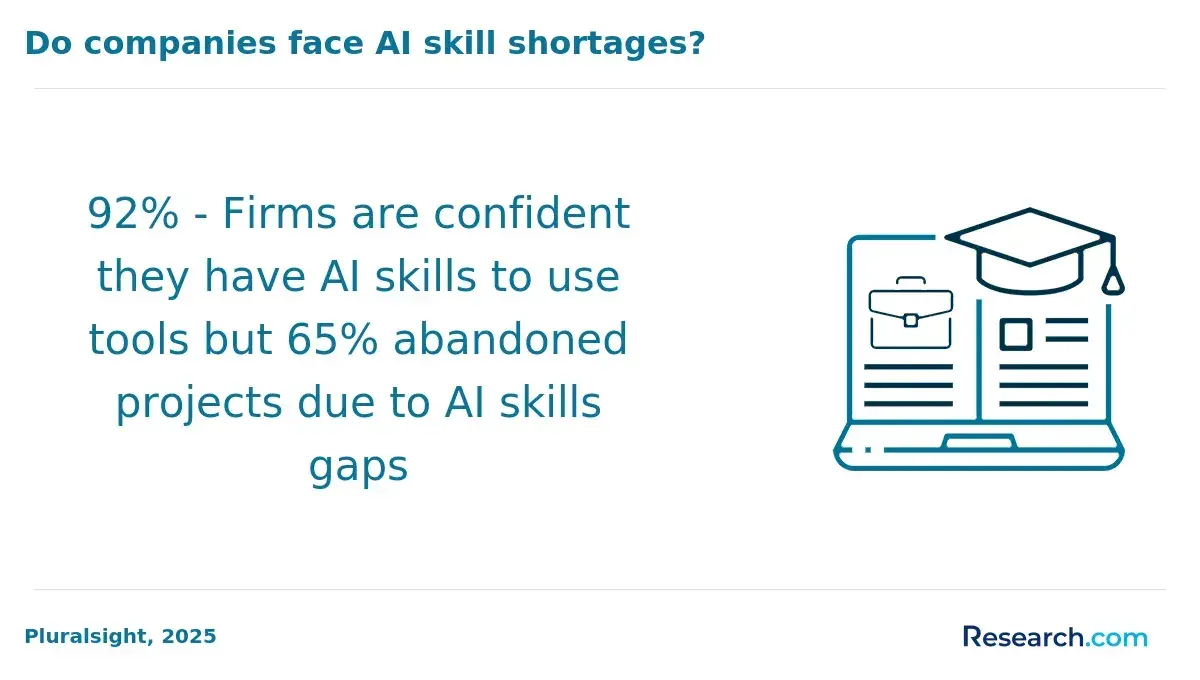
AI bachelor's programs emphasize data privacy education by integrating privacy, security, and responsible data governance throughout the curriculum. Students explore topics such as data ethics, legal regulations like GDPR and CCPA, and cybersecurity principles specifically designed for AI systems. These courses teach risk assessment, threat modeling, and secure data handling needed to prevent breaches.
Hands-on labs recreate data breach scenarios to practice encryption, anonymization, and access control. This practical training helps students safeguard sensitive information during AI model creation and deployment. Such programs often include case studies highlighting issues like the $4.88 million average global cost of data breaches from IBM's Cost of a Data Breach Report.
Collaborations with legal, ethical, and business departments expand understanding beyond technical aspects, encouraging ethical AI system design that meets privacy standards and promotes fairness and transparency. This responsible data governance in AI degrees prepares students for real-world complexities.
Curriculums may offer:
- Training in secure coding and threat detection for AI pipelines
- Frameworks for responsible data sourcing and consent management
- Techniques for auditing AI outputs to prevent bias and data misuse
Prospective students seeking programs aligned with these principles can find options through resources like the online AI degree listings. This comprehensive approach ensures graduates are ready to lead in AI data stewardship ethically and confidently.
What core courses and labs are common in responsible AI undergraduate curricula?
Core courses in responsible AI ethics and data use bachelor's programs provide foundational knowledge in ethics, data privacy, and algorithmic fairness. Students typically study machine learning fundamentals alongside specialized topics such as bias mitigation, transparency, and accountability. Quantitative skills in statistics, probability, and data management prepare students for effective handling of datasets and critical evaluation of AI model outputs.
Laboratory modules for responsible data management in AI programs emphasize practical skills essential to ethical AI development. Common activities include model evaluation exercises to detect bias or errors, red-teaming sessions aimed at finding vulnerabilities, and safety testing environments that simulate adversarial conditions.
According to Stanford HAI's 2025 AI Index, large language models were involved in numerous documented AI incidents. This has prompted greater integration of failure analysis labs and real-world incident prevention case studies into curricula, often drawing from the AI Incident Database to demonstrate deployment risks.
Additional coursework covers regulatory frameworks like GDPR, data governance, and human-centered design. Students engage in projects requiring explicit fairness constraints and mechanisms ensuring user consent, aligning with ethical legal compliance. Core responsible AI curricula balance theory and practice to prepare graduates for roles demanding transparent, equitable, and safe AI systems.
Those interested in advancing their careers can explore affordable paths such as an online master's data science program, which often integrates responsible AI principles.
What admissions requirements and prerequisites do AI bachelor's programs typically require?
AI bachelor's degree programs typically require a solid foundation in mathematics and science. Prospective students should demonstrate competency in algebra, calculus, statistics, and sometimes physics. Many programs expect completion of high school courses such as precalculus or calculus and introductory programming experience in languages like Python or Java.
Standardized test scores like the SAT or ACT are often required, with emphasis on math and science sections. According to ACT's 2024 Condition of College & Career Readiness report, only 22% of ACT-tested graduates met the STEM College Readiness Benchmark, highlighting the importance of strong math preparation for AI program admission.
Common additional requirements include:
- Minimum GPA ranging from 3.0 to 3.5 on a 4.0 scale
- A personal essay outlining interest in AI and responsible data use
- Letters of recommendation from math or science teachers
- Foundational computer science courses as prerequisites in some programs
Applicants strengthen their profile with relevant extracurriculars, such as coding clubs or STEM competitions. Transfer students commonly need college credits in calculus, linear algebra, or introductory computer science. International students must demonstrate English proficiency and meet similar math and science criteria.
How long do AI bachelor's programs take, and what do they cost?
Bachelor's degree programs in artificial intelligence typically require four years of full-time study. Some schools offer accelerated tracks or combined bachelor's and master's programs, reducing the timeline to three years for highly motivated students. Part-time learners or those balancing jobs may take five to six years to complete their degree.
Tuition costs vary widely by institution type. According to the College Board's Trends in College Pricing 2024, average published tuition and fees are approximately $11,610 annually for in-state students at public universities and $43,350 at private nonprofit four-year colleges. Beyond tuition, students should budget for books, technology fees, living expenses, and specialized software or hardware required for AI coursework.
Financial aid, scholarships, and assistantships are common resources to reduce overall costs. Establishing in-state residency can also significantly lower expenses at public institutions. Many programs also offer certifications or minors focused on responsible data use, complementing the bachelor's degree without extending time or cost significantly.
Students investing in a bachelor's in artificial intelligence should prepare for roughly $46,440 in tuition at public universities or $173,400 at private nonprofit colleges over four years. These figures provide a framework for planning education and career investments in this growing field.
How do online AI bachelor's programs compare with on-campus options for outcomes?
Online AI bachelor's programs often deliver outcomes similar to traditional on-campus options, with graduation rates close to the 64% six-year benchmark reported by the National Center for Education Statistics (NCES) for first-time, full-time students at four-year institutions. Success in these online programs frequently depends on factors such as self-discipline, effective time management, and active engagement with faculty and peers.
Career prospects for online AI graduates have improved thanks to the growth of remote internships and virtual collaboration tools. Employers value online degrees that include hands-on projects, capstone experiences, or industry partnerships. For instance, programs incorporating supervised AI ethics projects or data privacy compliance modules help graduates build practical skills that enhance employability.
- Online students might miss spontaneous networking and access to campus labs and resources.
- On-campus programs often provide easier access to mentorship, internships, and involvement in cutting-edge AI research groups.
- Some employers still prefer traditional degrees, although this preference is diminishing.
Prospective students should prioritize program accreditation, career support services, and applied learning opportunities over delivery format alone. The quality of the curriculum and student dedication remain critical for success in AI education, regardless of whether the program is online or face-to-face.
What experiential learning options support responsible AI skills in bachelor's programs?
Experiential learning in bachelor's programs is vital for developing responsible AI skills by immersing students in real-world ethical challenges. Many programs include project-based courses that utilize the NIST AI Risk Management Framework (AI RMF 1.0), which is updated through 2024 to help students practice systematic risk assessment, testing, and governance.
Common hands-on experiences offered in these programs include:
- Capstone projects centered on ethical AI system design, requiring detailed risk mitigation documentation aligned with AI RMF guidelines
- Internships with industry or research partners where students assess AI tools for bias detection and data privacy compliance
- Simulated governance exercises where students act as compliance officers, managing AI regulatory risks and stakeholder concerns
- Collaborative interdisciplinary labs combining ai development with social science methods to study societal and ethical impacts
These activities help students address practical challenges such as detecting biased datasets and ensuring rigorous model auditing. Many programs supplement experiential work with workshops on ethical data sourcing and legal frameworks. Engaging with AI RMF-based deliverables equips students with skills sought after in AI governance, compliance, and product management roles focused on AI ethics.
What jobs can you get with a responsible AI-focused bachelor's degree?
A responsible AI-focused bachelor's degree equips graduates to handle ethical data practices and ensure algorithmic transparency. Job opportunities include AI ethics analyst, data governance specialist, machine learning engineer with compliance responsibilities, and AI policy advisor. These roles demand technical AI knowledge along with expertise in data privacy laws, bias mitigation, and ethical model deployment.
Employers increasingly value professionals who guarantee fairness and security in AI systems. Lightcast's 2024 generative AI labor-market/postings analysis shows a marked surge in U.S. job postings requiring generative AI skills, underscoring strong demand for entry-level candidates skilled in responsible data use.
Examples of relevant roles include:
- Data privacy officer ensuring AI data collection complies with GDPR and CCPA
- Responsible AI software developer embedding fairness constraints in machine learning workflows
- AI compliance consultant assessing algorithms for ethical risks and transparency
- Research assistant focused on explainable AI in academic or corporate environments
Graduates should build competencies in data ethics frameworks, bias detection, and transparent model interpretation. Proficiency with AI auditing tools can distinguish candidates. Entry-level roles are available in healthcare AI, financial sectors, government, and technology firms committed to sustainable AI deployment.
Engaging in internships or projects centered on ethical AI challenges enhances practical experience. Highlighting responsible AI coursework and data stewardship on resumes aligns with employer priorities and boosts employability.
What salaries and job outlook can AI bachelor's graduates expect in the U.S.?
Graduates with a bachelor's degree in artificial intelligence can expect competitive salaries and strong job prospects across the U.S. The U.S. Bureau of Labor Statistics (BLS) reports the median annual wage for data scientists was $108,020 as of May 2024, reflecting the earning potential in AI-adjacent roles that demand similar analytical and technical expertise.
Entry-level salaries for AI bachelor's graduates working as data analysts, machine learning engineers, or AI specialists typically range from $70,000 to $90,000, varying by location and industry. Experienced professionals often earn more than $120,000, especially in major technology hubs such as San Francisco, Seattle, and Boston.
The field's outlook is strong, with employment projected to grow 35% through 2032, driven by increasing demand for responsible data handling, bias mitigation, and ethical AI practices. Graduates who master programming, algorithm design, and transparency improve their chances in sectors including healthcare, finance, automotive, and government.
Other AI-related roles include research assistants, robotics engineers, and software developers focusing on intelligent systems. These positions often meet or exceed data scientist salaries due to their specialized nature, with opportunities expanding as privacy and security concerns rise.
Other Things You Should Know About Artificial Intelligence
Students in AI bachelor's programs should develop strong programming abilities, particularly in languages like Python and Java. Critical thinking and problem-solving skills are essential for designing and evaluating algorithms. Additionally, understanding data ethics, statistics, and machine learning principles is crucial for responsible AI development.
Many AI bachelor's programs integrate courses from fields such as computer science, mathematics, ethics, and cognitive science. This approach equips students with a broad understanding of how AI systems interact with society and human behavior. Interdisciplinary learning helps prepare graduates to address complex real-world challenges responsibly.
Responsible data use is central to AI research projects in bachelor's programs, emphasizing transparency, privacy, and fairness. Students learn to source data ethically and apply techniques that minimize bias and ensure compliance with data protection laws. This focus prepares them to contribute positively to the development of trustworthy AI systems.
Graduates can pursue roles like AI ethics specialists, data policy advisors, and machine learning engineers. These opportunities emphasize ethical considerations and data privacy. For those interested in further specialization, pursuing a master’s degree in healthcare artificial intelligence can be beneficial.
References
- Online AI Degrees vs On-Campus: Which Is Right for You in 2026? https://aidegreeonline.com/online-ai-degrees-vs-on-campus-which-is-right-for-you-in-2026/
- Visible https://www.datacamp.com/courses/responsible-ai-data-management
- COMMENTARY: Experiential learning is an antidote to artificial intelligence https://edsource.org/2025/experiential-learning-uc-santa-barbara/740233
- Data Governance, Privacy & Integrity in Artificial Intel... https://oxford-management.com/course/data-governance-and-privacy-in-ai-systems
- AI and experiential learning, the ideal match - Skillable https://www.skillable.com/resources/hands-on-learning/ai-and-experiential-learning-the-ideal-match/
- What Are the Career Paths After a Bachelor of Science in AI https://tetr.com/blog/what-are-the-career-paths-after-a-bachelor-of-science-in-ai
- What do you learn in a bachelor's in artificial intelligence? | edX https://www.edx.org/resources/what-do-you-learn-in-a-bachelors-in-artificial-intelligence
- Artificial Intelligence Degree Requirements: What Do You Need to Apply? https://aifwd.com/education/artificial-intelligence-degree-requirements/
- B.Sc. in Artificial Intelligence https://www.studyinpoland.pl/en/programme
- How to Understand Online vs. On-Campus Student Preferences https://www.userintuition.ai/reference-guides/online-vs-on-campus-student-preference/