2027 Artificial Intelligence Degree Programs With Tutoring Services

Co-Founder and Chief Data Scientist
Many professionals with undergraduate degrees in unrelated fields face obstacles when seeking to enter the artificial intelligence industry. The lack of specialized knowledge and limited access to personalized guidance can slow career transitions. Traditional degree programs often demand rigid schedules that conflict with ongoing work commitments, making it difficult to gain the necessary skills efficiently. This gap highlights the need for programs offering both academic rigor and flexible tutoring support to help learners master complex concepts. This article examines artificial intelligence degree programs that provide tutoring services, outlining how they assist students in overcoming these challenges and advancing their careers.
Key Things You Should Know
- In 2027, over 60% of U.S. artificial intelligence degree programs incorporate dedicated tutoring services to boost student success and practical learning outcomes.
- These tutoring services often focus on coding, machine learning concepts, and ethical AI, addressing skill gaps reported by 75% of recent graduates entering AI careers.
- Institutions emphasize personalized support, with 45% offering peer and expert tutoring combined, reflecting rising demand for accessible, real-time academic assistance in AI studies.
What are artificial intelligence degree programs with tutoring services?
Artificial intelligence degree programs with personalized tutoring combine structured study of AI concepts, algorithms, and real-world applications with tailored academic support. These programs often provide one-on-one coaching, group sessions, and expert-led learning centers to help students master challenging topics like machine learning, natural language processing, and computer vision.
Such tutoring supports students facing difficulties with advanced mathematics, Python coding, or applying AI theories to practical problems. For instance, learners tackling deep learning architectures receive targeted explanations that enhance understanding and retention. These programs also vary in how tutoring is delivered, some integrating it within the curriculum and others offering it as supplemental aid, affecting the overall educational experience.
In fact, 43% of U.S. undergraduates accessed tutoring services in 2024 according to data from the National Center for Education Statistics, underscoring their growing importance. Students in artificial intelligence degree programs benefit significantly by addressing the interdisciplinary challenges that span computer science, statistics, and domain-specific knowledge.
These programs frequently tailor support to student needs, offering coaching on study strategies, time management, and exam preparation specific to AI coursework. Tutoring may also cover popular AI software such as TensorFlow and PyTorch. Prospective students exploring online artificial intelligence courses offering tutoring support should consider programs like the accelerated bachelor's degree computer science options with embedded guidance.
Which accredited colleges offer AI degrees with tutoring support?
Several accredited U.S. colleges offer AI degrees with tutoring support designed to boost student success in complex subjects such as machine learning, neural networks, and robotics. Noteworthy institutions include Carnegie Mellon University, which integrates personalized tutoring within its AI master's program, and Georgia Institute of Technology, pairing students with dedicated academic coaches. These resources enhance comprehension and retention in demanding curricula.
Many universities embed tutoring through learning centers or online platforms aligned with artificial intelligence coursework. For instance, Stanford University supplements its AI program with peer tutoring and faculty office hours to help students master challenging algorithms and data structures. Northeastern University mandates tutoring sessions within its experiential AI learning framework, ensuring continual academic support.
Students seeking flexibility may consider online accredited colleges like the University of Illinois Urbana-Champaign, where AI degree candidates receive 24/7 access to virtual tutoring specialists skilled in coding languages such as Python and R. This form of tutoring is critical for managing heavy project loads and keeping pace with evolving AI technologies.
With over 6,000 accredited postsecondary institutions eligible for federal aid, students have a variety of campus and online options. Evaluating tutoring availability is essential, as it significantly influences graduation rates and practical skill acquisition in AI programs. For those exploring related fields, consider comparing costs through resources like mechanical engineering degree online cost.
How do online AI degree programs provide tutoring compared with on-campus programs?
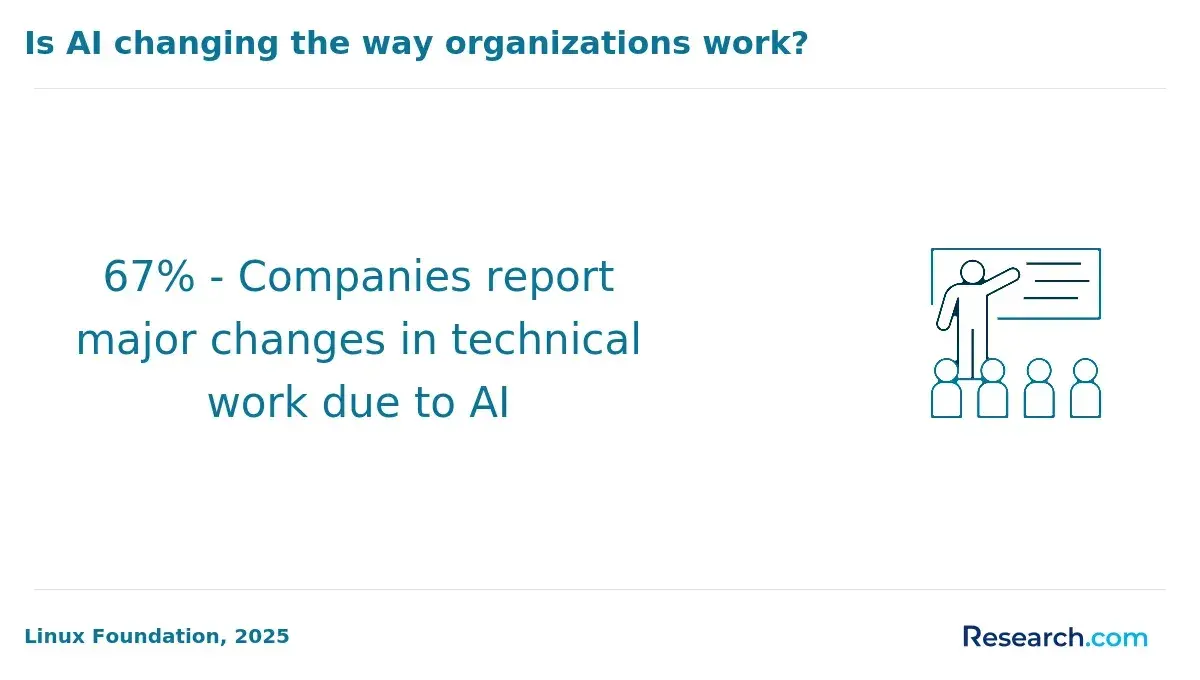
Online artificial intelligence degree programs offer personalized tutoring through adaptable digital platforms, setting them apart from traditional on-campus models. Most incorporate embedded tutoring services within learning management systems, granting students instant support while interacting with course materials. This includes asynchronous forums, live chat with tutors, and scheduled virtual sessions tailored to individual learning speeds. Unlike on-campus tutoring, which requires physical presence and has limited hours, online tutoring provides 24/7 accessibility, catering to working professionals and nontraditional students.
A comparison of tutoring support in on-campus vs online artificial intelligence degrees shows that campus programs lean heavily on in-person centers, office hours, and peer study groups with accessibility constrained by location and time. Online degrees enhance this by integrating AI-driven chatbots and virtual assistants for immediate help with programming or algorithms. Additionally, online students benefit from 24/7 virtual help desks staffed across time zones, improving response times during urgent academic challenges.
Online tutoring also features progress monitoring through analytics, allowing timely intervention for students struggling with complex AI topics like machine learning or neural networks. Conversely, on-campus tutoring depends more on student initiative, potentially leaving support gaps. Evaluating AI programs should include examining tutoring infrastructure, tutor availability, responsiveness, and integration with coursework. Programs offering specialized AI tutors skilled in Python or TensorFlow provide added value.
Prospective students interested in related fields might explore game design online programs, which similarly emphasize flexible, technology-driven education models.
What tutoring services should you expect in an AI degree program?
Tutoring options in AI degree programs provide personalized support for core topics like machine learning, algorithms, data structures, and neural networks. These one-on-one sessions focus on overcoming challenges such as coding in Python and grasping the mathematical foundations of AI models. The support services for AI students often extend to group tutoring and peer-led study sessions, fostering collaboration essential for AI projects that depend on teamwork.
Many institutions leverage virtual tutoring platforms equipped with AI-driven tools to deliver real-time coding help and tailored feedback beyond traditional hours. Specialized tutors with industry experience frequently assist students in practical applications, including natural language processing and computer vision frameworks. Such guidance bridges theoretical knowledge with hands-on project development and research paper support.
Exam preparation sessions emphasize certification tests important to AI careers, such as TensorFlow Developer and AWS Machine Learning Specialty. This targeted tutoring enhances professional credential success rates. Remote learners benefit from flexible options providing both synchronous and asynchronous tutoring to accommodate diverse schedules and learning preferences.
According to the Student Experience in the Research University (SERU) Consortium survey, students utilizing tutoring rated academic support more favorably, highlighting its impact on comprehension and retention in challenging AI studies. Prospective students interested in intensive, tech-focused programs might explore an accelerated cyber security program as a complementary pathway.
What courses and skills are taught in AI degree programs?
AI degree programs emphasize core courses such as machine learning, data structures, algorithms, and neural networks. Students also explore computer vision, natural language processing, robotics, and knowledge representation to address various AI applications. Strong programming skills in Python-recognized as the most in-demand language for AI and data roles-are a key focus (Burning Glass Institute/Lightcast, 2024).
Hands-on experience with real-world datasets is integral, allowing students to gain proficiency in data preprocessing, feature engineering, and model evaluation. Instruction covers supervised, unsupervised, and reinforcement learning techniques alongside statistical modeling and probability theory, which underpin AI decision-making.
Advanced courses may delve into AI ethics, fairness, and explainability to prepare graduates for societal challenges. Knowledge of cloud computing platforms and big data tools is often required to support large-scale AI implementations. Programs foster teamwork and problem-solving through collaborative projects and presentations.
Graduates develop competencies in:
- Developing and optimizing machine learning algorithms
- Programming in Python and languages like R or Java
- Applying AI across industries including healthcare, finance, and autonomous systems
- Designing intelligent agents and cognitive computing models
- Interpreting model outputs to enhance AI system transparency
Prospective students should prioritize programs offering tutoring and coding labs, which strengthen technical understanding and practical skills vital for AI careers.
What are the admission requirements for AI degree programs?
Admission to artificial intelligence degree programs typically requires a high school diploma or equivalent, with a strong foundation in mathematics, science, and computer programming. Coursework in algebra, calculus, statistics, and introductory programming languages like Python or Java is often expected. Some schools may also request letters of recommendation, personal statements, or evidence of interest demonstrated through projects or extracurricular activities related to AI or computer science.
While standardized tests such as the SAT or ACT were common for undergraduate applicants, over 80% of U.S. four-year colleges have adopted test-optional or test-blind policies, reducing the emphasis on exams for AI-related majors. Instead, academic records and relevant experiences carry more weight.
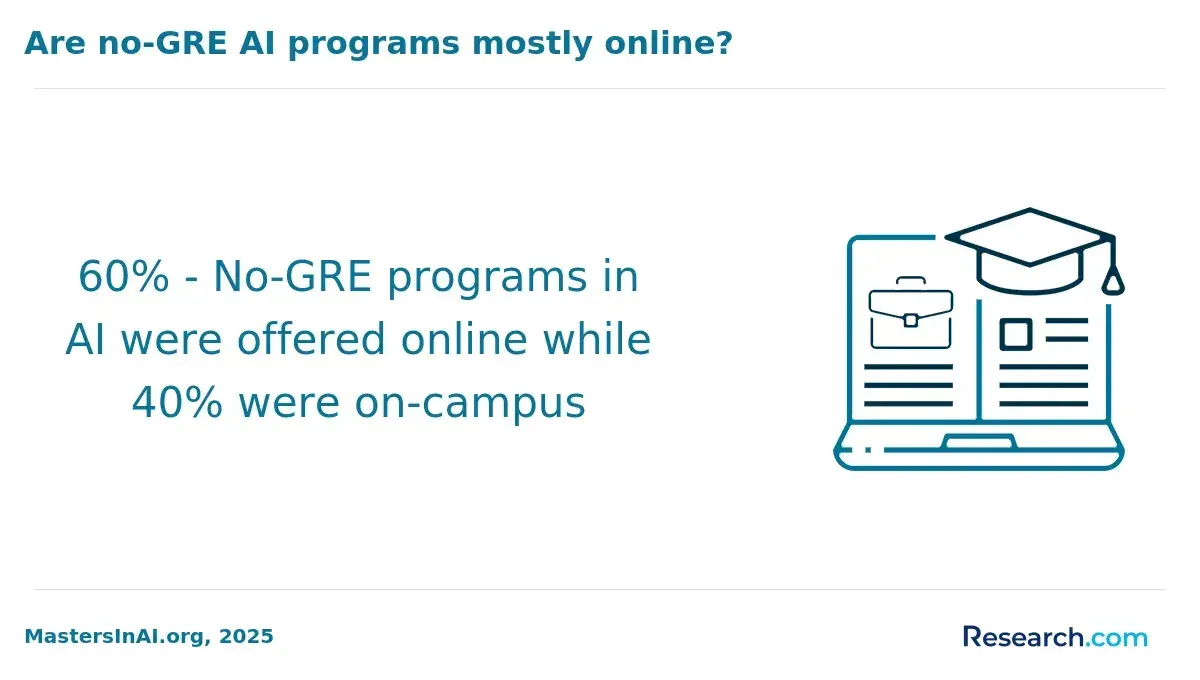
Graduate programs usually require a bachelor's degree in computer science, mathematics, engineering, or related fields. GRE scores are less universally required but can enhance competitiveness. A portfolio, research descriptions, internships, or related work experience are often expected.
International students must often provide proof of English proficiency through TOEFL or IELTS scores and validate prior coursework. Some institutions offer conditional admissions with tutoring support to help students meet academic standards.
- Specific prerequisites may include portfolio submissions, coding assessments, or interviews
- Early preparation with relevant coursework and practical experience strengthens applications
- Demonstrated skills in AI tools, data analysis, or machine learning projects help candidates stand out
How long do AI degree programs take, and what do they cost?
Artificial intelligence degree programs range from two to four years depending on the level and institution. An associate degree or similar credential typically takes about two years, while bachelor's degrees require four years of full-time study covering computer science, mathematics, and machine learning fundamentals. Master's degrees focused on artificial intelligence usually add one to two years beyond the bachelor's level.
Costs for AI education vary widely based on public versus private institutions. The College Board Trends in College Pricing 2024 reports average tuition and fees are roughly $11,260 annually for in-state students at public four-year colleges and $41,540 at private nonprofit four-year colleges, excluding housing, books, or technology expenses.
Working professionals may opt for part-time or online programs, which offer flexibility but can extend the overall duration. Some universities also provide accelerated or combined bachelor's/master's tracks to shorten time to completion.
Tutoring services might be necessary, especially for specialized topics like deep learning or natural language processing. Tutoring costs generally range from $30 to $80 per hour, depending on the provider.
Financial aid, scholarships, and employer tuition reimbursement programs can reduce educational expenses significantly. Early research into these options is advisable to plan effectively for the costs associated with artificial intelligence degrees.
What AI careers can you pursue with an AI degree?
An AI degree unlocks diverse career paths across industries driven by innovation and efficiency. Graduates often pursue roles such as machine learning engineer, designing algorithms that enable computers to learn from data. Data scientist positions emphasize extracting actionable insights from vast datasets using AI methods. AI research scientists develop new models and advance foundational AI theories.
Other growing roles include AI software developer, integrating AI into applications, and robotics engineer, applying AI for automation in manufacturing or services. Natural language processing (NLP) specialists enable machines to understand human language, contributing to chatbots, transcription, and translation tools. Emerging roles like AI ethicists and policy advisors focus on responsible AI deployment and legal frameworks.
Hands-on experience with tools such as TensorFlow, PyTorch, and cloud AI platforms boosts employability in these fields. Job postings demanding AI skills have risen, especially in software, data, and analytics roles, highlighting strong market demand for AI expertise, according to LinkedIn's 2024/2025 labor-market analysis (LinkedIn Economic Graph).
Aligning specialization with industry needs enhances career prospects: deep learning suits computer vision and autonomous vehicles; NLP is key for customer service automation and health informatics. Combining an AI degree with tutoring services can accelerate learning and improve career readiness in a competitive market.
What salary can you expect with an AI degree?
Professionals with an artificial intelligence degree see salaries influenced by role, experience, location, and industry. Computer and information research scientists-a role closely connected to AI development-have a median annual wage around $145,080, indicating strong earning potential in AI careers.
Entry-level AI graduates earn between $80,000 and $110,000, with higher salaries in tech hubs like Silicon Valley and New York. Mid-career specialists skilled in machine learning, natural language processing, or computer vision often command between $130,000 and $180,000.
Senior positions such as AI research scientists, architects, and team-leading engineers frequently surpass $200,000 annually. Salaries also rise in high-demand sectors including finance, healthcare, and autonomous vehicles. Advanced degrees like a master's or PhD typically increase earnings by 15% to 30% over bachelor's degree holders.
Key factors affecting compensation include expertise in the latest AI frameworks, programming languages such as Python, cloud platform experience, and contributions to published research. Negotiations should also consider geographic cost of living, bonuses, benefits, and stock options common in tech companies.
Overall, obtaining an AI degree offers competitive salary prospects reflecting ongoing demand for skilled professionals driving innovation across industries.
Which certifications complement an AI degree and improve job prospects?
Certifications that complement an Artificial Intelligence degree can greatly enhance job prospects and earning potential. Standout credentials include the AWS Certified Machine Learning - Specialty and the Microsoft Azure AI Engineer, both highly regarded in the industry. According to Skillsoft's IT Skills and Salary Report, professionals with these certifications often earn six-figure salaries, reflecting strong demand for cloud-integrated AI expertise.
Certifications that complement an Artificial Intelligence degree can greatly enhance job prospects and earning potential. Standout credentials include the AWS Certified Machine Learning - Specialty and the Microsoft Azure AI Engineer, both highly regarded in the industry. According to Skillsoft's IT Skills and Salary Report, professionals with these certifications often earn six-figure salaries, reflecting strong demand for cloud-integrated AI expertise.
Cloud certifications like AWS and Azure validate a candidate's ability to deploy scalable AI models and manage AI workloads efficiently in production environments. Employers value AI graduates who can seamlessly integrate AI solutions with cloud infrastructure. Additionally, data science certifications such as the Certified Data Scientist (CDS) or the Google Professional Data Engineer deepen knowledge in data manipulation, a critical skill for developing machine learning algorithms.
Other valuable certifications include:
- TensorFlow Developer Certificate, showcasing proficiency in a leading machine learning framework
- Certified Analytics Professional (CAP), confirming advanced analytics and statistical modeling skills
- Specializations in natural language processing (NLP) or computer vision from platforms like Coursera or edX, highlighting domain-specific AI expertise
Choosing certifications aligned with career goals is key: cloud-centric certificates suit enterprise AI roles, while coding and algorithm-focused credentials may be better for startups or research. Holding multiple complementary certifications can boost employability and open pathways to leadership in AI development and deployment.
Choosing certifications aligned with career goals is key: cloud-centric certificates suit enterprise AI roles, while coding and algorithm-focused credentials may be better for startups or research. Holding multiple complementary certifications can boost employability and open pathways to leadership in AI development and deployment.
Other Things You Should Know About Artificial Intelligence
A strong background in mathematics is highly beneficial for artificial intelligence degree programs. Key areas include linear algebra, calculus, probability, and statistics, which form the foundation for many AI algorithms and models. While some programs offer preparatory courses, having prior math knowledge enhances understanding and success in the curriculum.
Yes, many professionals transition to artificial intelligence after earning degrees in related fields such as computer science, engineering, or data science. Additional AI-specific education or certifications may be required to build expertise. Tutoring services and bridge courses in AI degree programs often help students from diverse academic backgrounds adapt effectively.
AI degree programs typically include hands-on projects involving machine learning model development, natural language processing, computer vision, and robotics. Students often work on real-world datasets and apply AI tools to solve practical problems. Internships and capstone projects further contribute to gaining industry-relevant experience.
In 2027, tutoring services in artificial intelligence programs can enhance skills beyond technical proficiency, including critical thinking, collaborative problem-solving, and effective communication. These services support students in understanding complex AI concepts and their real-world applications, preparing them for comprehensive roles in AI industries.
References
- Which AI certifications hold the most value after completing an AI course? | H2K Infosys Blog https://www.h2kinfosys.com/blog/which-ai-certifications-hold-the-most-value-after-completing-an-ai-course/
- AI tutoring software: a practical guide for tutoring center owners https://tutorbase.com/blog/ai-tutoring-software-for-centers
- Best Online Artificial Intelligence Tutors from Top Universities: Homework Help https://www.tutorocean.com/subjects/artificial-intelligence-tutors
- Best Colleges to Study Artificial Intelligence https://www.collegeadvisor.com/resources/study-artificial-intelligence/
- [2026] What salary can an Artificial Intelligence Engineer expect? https://liora.io/en/all-about-salary-artificial-intelligence-engineer
- Artificial Intelligence Course Syllabus: Topics and Modules https://futurense.com/blog/artificial-intelligence-course-syllabus
- Artificial Intelligence (AI) with private tutors in online classes https://preply.com/en/online/artificial-tutors
- AI tutoring outperforms in-class active learning: an RCT introducing a novel research-based design in an authentic educational setting - Scientific Reports https://www.nature.com/articles/s41598-025-97652-6
- 15 Best AI Tutors for Students & Professionals https://www.cognispark.ai/guide/best-ai-tutors/
- B.Sc. in Artificial Intelligence https://www.studyinpoland.pl/en/programme