2027 Highest-Paying Jobs You Can Get With an AI Associate Degree

Co-Founder and Chief Data Scientist
Many professionals with undergraduate degrees outside STEM face hurdles entering the artificial intelligence field due to time, cost, and prerequisite knowledge. This bottleneck limits access to high-paying roles in a rapidly expanding industry. An AI associate degree offers a flexible, accredited pathway that balances affordability and foundational expertise. This article explores the highest-paying jobs available in 2026 for those equipped with an AI associate degree, providing clear guidance on career opportunities and how to leverage this credential to successfully pivot into the artificial intelligence sector.
Key Things You Should Know
- Associate degrees in artificial intelligence can lead to roles in data analysis, machine learning support, and AI system maintenance, with median salaries ranging from $60,000 to $85,000 as of 2025.
- Job growth for AI-related positions requiring associate degrees is projected at about 15% through 2028, outpacing the average for all occupations.
- Key skills include programming, data management, and AI ethics, which are critical due to the increasing demand for ethical AI deployment and explainability in AI models.
What are the highest-paying jobs available to graduates with an AI associate degree?
Graduates with an AI associate degree can pursue some of the highest-paying jobs for AI associate degree graduates, including roles as machine learning engineers. These professionals design, build, and deploy machine learning models, earning a median salary of $136,000 annually, making it one of the best-compensated entry-level AI career paths.
Other top career opportunities with an associate degree in artificial intelligence include AI data analysts and software developers. Data analysts apply AI tools to interpret complex datasets across sectors such as healthcare, finance, and marketing. AI software developers create applications integrating AI algorithms and can earn salaries reaching $90,000 or more with practical experience.
AI support specialists play a key role in maintaining AI systems and managing technical issues, with pay typically ranging from $60,000 to $85,000 based on factors like location and company size. Roles such as AI hardware technicians offer steady compensation and valuable hands-on involvement with AI technology's physical components.
To boost employability and salary potential, graduates are advised to gain experience with AI frameworks, coding languages like Python, and cloud platforms. While some employers prefer bachelor's degree in AI, associate degree holders who focus on certifications and internships in machine learning, data analysis, and AI programming can secure well-paying jobs.
What is the average salary range for AI associate degree holders across different roles and industries?
AI and machine learning specialists with associate degrees earn an average salary range for AI associate degree graduates from $85,000 to $125,000 annually, depending on role and industry. According to the LinkedIn Salary Report 2025, professionals in technology and finance sectors receive about 23% higher pay than the overall average, often surpassing $125,000. Entry-level positions such as AI technician, data analyst, or junior machine learning engineer generally start close to $85,000.
With experience or employment in high-paying industries like finance or software development, associate degree holders can expect to earn nearer to or above $110,000. Jobs in healthcare or manufacturing, where AI applications are expanding but compensation remains moderate, tend to fall in the lower to mid-range of this spectrum. Industries with rapid AI adoption provide the greatest salary potential for associate degree holders.
Finance firms leverage AI for risk modeling and fraud detection, often offering premium wages, while tech companies apply machine learning for innovation and automation, leading to similar pay advantages. Conversely, sectors with limited AI integration usually offer lower salaries reflecting reduced demand for specialized skills. For those exploring career options, considering mechanical engineering online degrees as an alternative path might be worthwhile depending on interests.
AI associate degree job salaries across industries vary significantly, so graduates should focus on sectors where AI expertise directly influences business outcomes. Staying current with technical skills through certifications or hands-on projects is essential to achieve top salaries in this growing field.
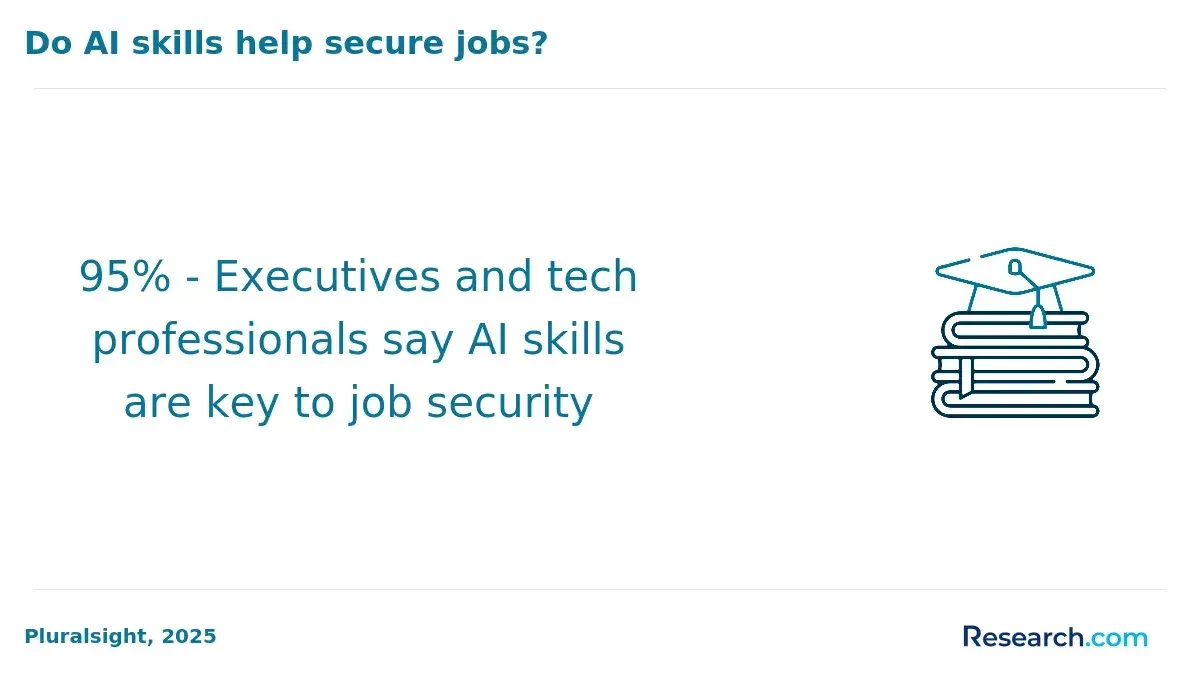
What are the job outlook and employment growth projections for AI-related positions through 2032?
Employment in AI-related positions is projected to expand significantly through 2032, fueled by growing applications across industries like healthcare, finance, manufacturing, and cybersecurity. The U.S. Bureau of Labor Statistics forecasts that computer and information technology roles will grow 15% from 2023 to 2032, well above the average for all occupations. This strong demand highlights opportunities for AI programming specialists, machine learning technicians, and data analysts with AI expertise.
Individuals with an AI associate degree can access jobs supporting AI system maintenance and data processing, where skilled technicians are increasingly needed. Employment trends for AI-related jobs in the United States show varied growth rates, with areas like AI support specialists and robotic process automation technicians expanding rapidly as companies automate complex workflows.
Graduates and aspiring professionals should be prepared for continuous learning to keep up with evolving technologies. Competitive salaries accompany this growth, but candidates must demonstrate proficiency in programming languages such as Python and familiarity with AI frameworks. Gaining practical experience through internships or projects is essential to enhance employability in this field.
Access to growing job markets often centers around metropolitan regions with strong tech sectors. For those exploring educational options, consider reviewing online AI degree programs to support career goals. The positive job outlook and growth projections for AI careers reinforce the value of an AI associate degree.
What coursework and technical skills are typically included in an accredited AI associate degree program?
An accredited AI associate degree curriculum typically involves coursework in programming, data structures, and machine learning fundamentals. Students gain extensive experience in Python and libraries like TensorFlow to develop, train, and evaluate ai models. The curriculum also includes essential math subjects such as statistics, linear algebra, and data analysis, providing the foundation for ai algorithms. Practical training often covers projects in natural language processing, computer vision, and introductory robotics to build applied technical skills development.
Many programs teach cloud platforms like AWS and Microsoft Azure, which are critical for deploying ai applications in professional environments. Training also covers databases and data engineering to manage and preprocess large datasets. Ethical issues and ai safety protocols are usually addressed to prepare students for the societal implications of AI technologies. Employers stress the importance of hands-on experience; the Coursera Skills Gap Report shows graduates lacking practical proficiency in Python, TensorFlow, and cloud tools fill only 34% of junior ai roles, highlighting a skills gap.
Students should look for programs emphasizing project-based learning with industry tools, internships, or cooperative education to boost employability. Familiarity with version control systems like Git is another common component of accredited AI programs. For those interested in related fields, exploring an accelerated cyber security degree online can also complement technical expertise in AI.
What are the admission requirements and prerequisites for enrolling in an AI associate degree program?
Admission criteria for AI associate degree programs vary but typically require a high school diploma or equivalent. Many programs no longer require standardized test scores like the SAT or ACT, instead emphasizing academic background and interest in technology. Around 68% of accredited programs do not require prior programming experience, allowing both recent graduates and career changers to enroll directly.
Some colleges may require placement tests in math or English to assess preparedness for college courses. Basic algebra proficiency is often suggested, as many AI topics build on this foundation. Certain technical programs might require introductory courses in computer science or programming, although remedial options are frequently available.
Applicants with previous computer science experience from AP courses or bootcamps may qualify for advanced standing or class waivers, accelerating their degree path. International students usually need to prove English proficiency via TOEFL or IELTS. Selective programs may also request letters of recommendation or personal statements.
Specialization areas such as data analytics, robotics, or machine learning can influence admission requirements. Early contact with admissions counselors is advisable to clarify these. Reviewing specific program eligibility and prerequisites helps applicants plan effectively to complete an associate degree in AI.
How do online AI associate degree programs compare to campus-based options in terms of quality and outcomes?
Graduates of online AI associate degree programs achieve employment rates comparable to traditional campus programs, with 89% employed within six months, according to the National Student Clearinghouse Research Center. Notably, 72% find jobs directly related to their field, showing that employers increasingly recognize online credentials as equal to campus degrees.
Online programs offer the same rigorous curriculum taught by qualified instructors who often teach on campus as well. Core subjects like machine learning, data analysis, and programming are covered thoroughly. Many courses incorporate live virtual labs and group projects to replicate on-campus interaction and learning experiences.
The flexibility of online study supports working professionals and those balancing other responsibilities, though some may miss face-to-face networking and on-site career resources. Prospective students should ensure programs provide strong virtual career support and internship options. Accreditation is another critical factor, confirming program quality and employer recognition.
While some competitive tech employers might still prefer campus experience, the gap is closing as remote education advances. Students focused on practical skills and convenient learning can trust accredited online AI associate degrees to deliver equivalent career prospects and training.
How long does it take to complete an AI associate degree, and what is the typical cost?
An AI associate degree typically takes about two years of full-time study, though students may accelerate completion by taking extra courses during summer or winter sessions. Part-time learners might extend their program to three or four years depending on course load and curriculum structure. Many programs combine general education classes with specialized AI technical subjects.
Tuition costs generally range from $12,000 to $18,000. Public community colleges tend to offer more affordable rates, especially for in-state residents, while private or specialized technical institutions may charge higher tuition due to advanced AI labs and faculty expertise.
Financially, an AI associate degree represents a strong investment. Research from the College Board indicates graduates see a four-year return on investment of about 340% compared to lifetime earnings of high school graduates, illustrating the degree's potential for boosting earning power over time.
Additional expenses to consider include textbooks, software licenses, and potential certification exams in AI-related tools. Internships during the program can provide valuable experience but may prolong completion if done part-time.
Overall, expect to commit two years and roughly $12,000 to $18,000 to earn an AI associate degree, gaining skills and credentials that prepare you for the growing AI job market.
What professional certifications or industry credentials complement an AI associate degree?
Certifications from leading cloud providers like Google Cloud Professional Data Engineer, AWS Certified Machine Learning - Specialty, and Microsoft Certified: Azure AI Engineer Associate play a crucial role in enhancing the value of an AI associate degree. These credentials validate expertise in deploying AI solutions on scalable platforms and can boost earning potential by up to 31%, according to the Stack Overflow Developer Survey (2024).
Programming language certifications, such as Python Institute's PCAP, demonstrate essential skills in Python, a fundamental language for AI development. Data management credentials like Certified Data Management Professional (CDMP) are valuable for handling the sizable datasets required for effective AI training.
For professionals focused on AI operations and system integration, certifications like Certified Kubernetes Administrator (CKA) provide practical knowledge on managing AI production environments. Cybersecurity certifications, including CompTIA Security+ and Certified Information Systems Security Professional (CISSP), are important for ensuring data protection and ethical AI deployment.
Employers increasingly expect graduates to complement their theoretical knowledge with these certifications to meet industry standards and solve practical AI challenges. Pursuing recognized certifications alongside an associate degree sets candidates apart and signals readiness for the evolving demands of AI careers.
How do you evaluate and choose a reputable, accredited AI associate degree program?
When selecting an accredited AI associate degree program, confirming accreditation from recognized organizations such as ABET or regional bodies like the Higher Learning Commission is essential. Only about 42% of AI-focused associate degrees are ABET or regionally accredited, which significantly impacts transferability and employer recognition. Accreditation ensures the program's curriculum aligns with industry standards.
Evaluate the coursework for coverage of fundamental AI skills, including machine learning, data analysis, and programming languages like Python. Programs that offer hands-on projects or internships through partnerships with local employers enhance practical knowledge and job readiness. Review faculty credentials, prioritizing instructors active in AI research or industry, as they often provide current, relevant content and valuable networking opportunities.
Check graduation and job placement rates published by the institution to gauge program effectiveness. Students should also consider support services such as tutoring, career counseling, and transfer agreements with four-year colleges, which help with academic success and advancing toward bachelor's degrees.
Prospective students are encouraged to contact admissions offices for detailed information on financial aid and accreditation. Applying these criteria helps ensure you choose an AI associate degree that equips you with credible credentials and skills for competitive careers in this growing field.
What specific entry-level and mid-career job titles can you pursue with an AI associate degree?
With an AI associate degree, individuals can qualify for entry-level positions such as machine learning technician, AI data analyst, AI support specialist, and data technician. These roles involve hands-on activities like maintaining machine learning models, analyzing datasets to train algorithms, supporting AI system deployments, and managing data pipelines. Technical skills in programming languages like Python and familiarity with AI frameworks are essential and form core components of associate degree programs.
Mid-career roles often include AI solutions developer, junior AI engineer, and machine learning operations (MLOps) specialist. These jobs focus on designing AI modules, optimizing workflows, and collaborating with data scientists and software engineers to implement AI-driven products. Professionals in these roles benefit from both practical AI application experience and a deeper understanding of algorithm development.
Data from the Indeed Hiring Lab (2025) indicates a 47% year-over-year increase in job postings requiring only an associate degree for AI-related positions in 2024. Among these, machine learning technician and AI data analyst roles represent 58% of available jobs, highlighting strong demand and clear career pathways originating from an associate degree. Prospective students should prioritize relevant certifications and skills aligned with these roles to boost employability.
Entry-level tasks may include cleaning and labeling data, testing AI modules, and troubleshooting AI software issues. Mid-career professionals typically coordinate AI system integrations and monitor model performance in production.
Other Things You Should Know About Artificial Intelligence
While technical skills are crucial for AI roles, soft skills like creativity, problem-solving, communication, and teamwork are equally important. These skills can greatly enhance one's ability to collaborate effectively within interdisciplinary teams and develop innovative AI solutions.
Graduates with an AI associate degree often find opportunities in technology, healthcare, finance, manufacturing, and retail sectors. These industries apply AI skills to automate processes, analyze data, and improve operational efficiency, making associate degree holders valuable in support and implementation roles.
Yes, obtaining a bachelor's or master's degree in computer science, data science, or related fields can significantly broaden job opportunities and increase earning potential. Continuing education also allows for deeper specialization in areas like machine learning, natural language processing, or robotics.
In 2027, graduates with an AI associate degree may find entry-level roles such as data analyst, machine learning technician, or AI support specialist. These positions offer a foundation for advancement, potentially leading to more specialized roles after further studies, like an artificial intelligence governance master’s.
References
- The 10 highest-paying tech jobs in the AI and digital economy https://www.obsbusiness.school/en/blog/10-highest-paying-tech-jobs-ai-and-digital-economy-cp
- 16 Artificial Intelligence Career Paths https://www.calmu.edu/news/artificial-intelligence-career-paths
- What Skills Will You Gain from an Artificial Intelligence Certified Course? https://dev.to/alexa143/what-skills-will-you-gain-from-an-artificial-intelligence-certified-course-3dho
- Best AI Certifications to Boost Your Career in 2026 – Dataquest https://www.dataquest.io/blog/best-ai-certifications/
- AI Careers - Top AI Jobs with Education Requirements and Pay https://aidegreeprograms.org/ai-careers/
- The Prerequisites for Artificial Intelligence- IABAC - IABAC https://iabac.org/blog/what-are-the-prerequisites-for-artificial-intelligence-a-modern-approach
- Top 12 Highest-Paying AI Jobs in 2026 (SEO Edition) - Swiss School of Business and Management Geneva https://www.ssbm.ch/top-12-highest-paying-ai-jobs-in-2026-seo-edition/
- Artificial Intelligence Systems Technology (A.S.) https://www.fscj.edu/academics/associate-in-science/2159
- AI’s Impact on Job Growth | J.P. Morgan Global Research https://www.jpmorgan.com/insights/global-research/artificial-intelligence/ai-impact-job-growth
- AI Skills for Life and Work: Labour market and skills projections https://www.gov.uk/government/publications/ai-skills-for-life-and-work-labour-market-and-skills-projections/ai-skills-for-life-and-work-labour-market-and-skills-projections