2027 Best Cities for AI Degree Graduates

Co-Founder and Chief Data Scientist
Graduates with degrees in AI often face the challenge of selecting a city that offers ample career opportunities while supporting continued growth and specialization. The demand for skilled professionals varies widely across regions, making relocation decisions critical for long-term job security and professional development. Additionally, cost of living, networking potential, and industry presence influence the ideal location for launching or advancing an AI career. This article identifies top U. S. cities that combine strong AI job markets, educational partnerships, and innovation ecosystems to guide graduates in choosing the best environment for career success in Artificial Intelligence.
Key Things You Should Know
- Top cities like San Francisco, Boston, and Seattle offer over 40% of U.S. AI job openings, driven by strong industry presence and leading universities specializing in Artificial Intelligence research.
- Median salaries for AI degree graduates reach $120,000 annually in these hubs, 30% higher than the national average, reflecting high demand and cost-of-living adjustments.
- These cities provide access to robust professional networks and innovation ecosystems, with 75% of AI firms investing in graduate recruitment and continuous skill development programs.
Which U.S. cities offer the strongest ecosystems for AI degree graduates?
U.S. cities with the strongest ecosystems for artificial intelligence degree graduates offer a blend of leading tech industries, research institutions, and abundant employment options. San Francisco and the Bay Area are top choices, given their proximity to Silicon Valley and headquarters for major AI companies like Google, Meta, and OpenAI. This region provides access to cutting-edge projects and extensive networks vital for early-career growth.
Seattle also ranks highly with Amazon, Microsoft, and many startups driving AI innovation, providing diverse roles in machine learning and data science. Boston boasts a rich research environment fueled by universities such as MIT and Harvard, fostering collaboration between academia and biotech or healthcare firms integrating AI.
New York City offers varied opportunities in finance, media, and healthcare, with higher AI salaries adjusted for the cost of living. Emerging hubs like Austin and Atlanta attract investments due to growing tech scenes and lower living expenses, creating faster advancement paths in less saturated markets.
According to the Future of Jobs Report 2024 by the World Economic Forum, AI and machine learning specialist roles will grow by over 40% by 2027. Graduates should focus on cities with strong AI connectors-employers, universities, and networks-to tap into this growth effectively.
Prospective students can find more details on the top US colleges for data science to complement their career plans in these top American cities with strong AI ecosystems for graduates.
How do top cities for AI graduates compare in job availability and hiring demand?
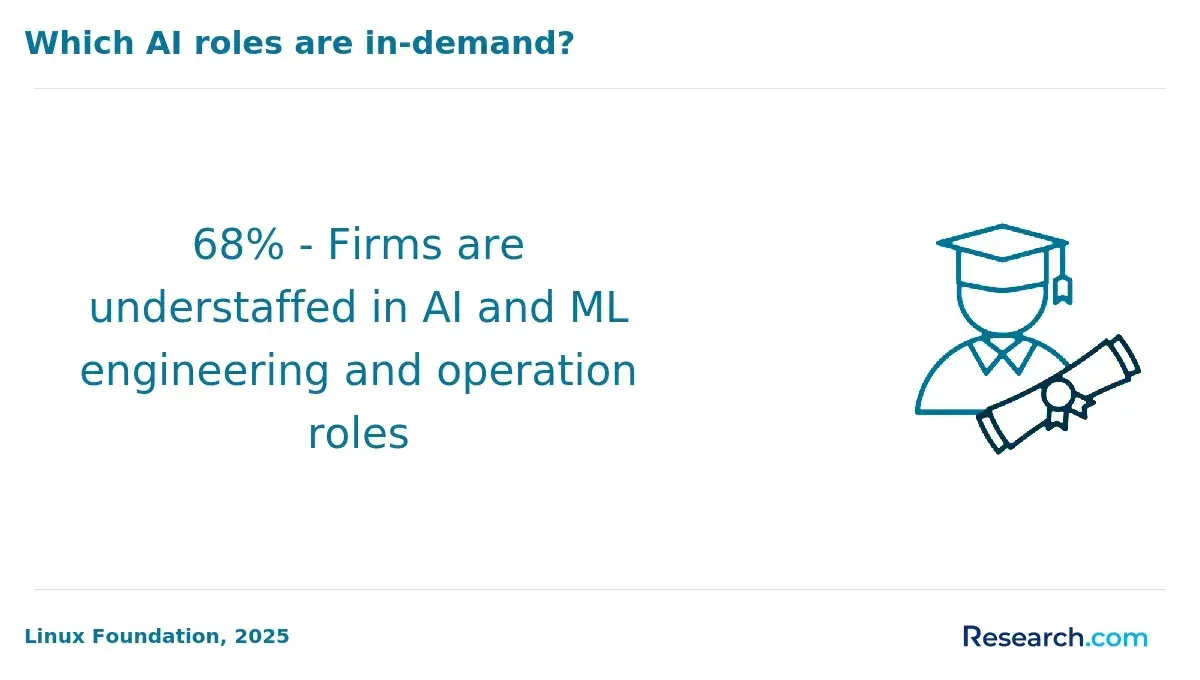
San Francisco stands out in the U.S. market for AI graduates due to its high job availability and salary premiums. Salaries range from $120,000 to $250,000, reflecting strong employer competition in sectors such as technology, finance, and healthcare. This city leads the top cities for AI graduates' job availability, offering the highest pay band among major hubs.
Other cities like Seattle, Boston, and Austin show different strengths. Seattle focuses on cloud computing and AI integration within enterprise software, with competitive salaries but generally lower than San Francisco's. Boston's AI hiring centers on research institutions and biotech, favoring advanced-degree holders with specialized skills. Austin is emerging as an attractive hub, combining expanding AI job growth with a lower cost of living.
Assessing hiring demand for AI graduates in leading cities reveals important factors beyond salary, including sector focus and career growth opportunities. Graduates should consider the balance between job volume, living expenses, and industry alignment to maximize their chances of long-term success.
For those considering education paths, exploring online AI degrees can offer flexible, cost-effective options that match career goals in these dynamic job markets.
Where do AI graduates earn the highest starting salaries and long-term pay?
AI graduates command the highest starting salaries and enjoy long-term salary growth for AI graduates by metropolitan area that combine strong industry demand with affordable living. Youngstown State University's 2025 analysis highlights Austin as the city with the top cost-adjusted earnings advantage for AI professionals. Despite higher nominal salaries in San Francisco and New York, Austin's adjusted AI salary reaches $252,000 due to its significantly lower expenses. This positions Austin as an ideal destination for those focused on maximizing real income rather than headline figures.
When evaluating initial offers, it's crucial to consider both nominal salaries and local costs such as housing, taxes, and transportation. For example, a $140,000 salary in San Francisco may offer less purchasing power than $120,000 in Austin. Over time, cities with growing tech sectors and reasonable living costs support AI specialists' ability to save, invest, and enhance their careers sustainably.
Other promising locations include Dallas and Raleigh, known for their competitive salaries balanced with affordable costs. These metropolitan areas attract startups and established AI firms seeking new talent, creating strong opportunities for early-career professionals.
For those interested in related fields, a game development online degree can also offer lucrative pathways in the tech industry.
What factors make a city attractive for launching an AI career after graduation?
Cities leading in AI job postings per capita, such as Oakland, San Francisco, Long Beach, San Jose, and Washington, DC, are pivotal for graduates seeking roles in the best US cities for artificial intelligence jobs. High job market density in these metros spans sectors from innovative tech startups to government research institutions, broadening opportunities for new professionals.
Key factors that make these top metropolitan areas for AI career growth include:
- Access to industry hubs: Being near headquarters and research centers of leading AI firms fosters networking and internship possibilities.
- AI-focused educational institutions: Local universities with advanced programs provide ongoing learning and connections to potential employers.
- Supportive infrastructure: Availability of coworking spaces, incubators, and AI conferences encourages collaboration and innovation.
- Cost of living: Balancing affordable housing with career opportunities impacts early professional sustainability.
Beyond these, graduates should consider local government support for AI research funding and ethical AI development initiatives, as these influence sustained industry growth. Additionally, those interested in further advancing their expertise may explore PhD data science online programs to complement their career development.
Which cities host leading universities and accredited programs in artificial intelligence?
San Jose, CA, ranks as a leading hub for artificial intelligence education and careers, thanks to its proximity to Silicon Valley and prestigious institutions like Stanford University and San Jose State University. These universities offer specialized programs in AI and machine learning, making the city a key destination for students. According to SignalHire's 2026 employer search data, San Jose is the hottest AI job market, with a median machine learning engineer salary of $152,600, reflecting strong career prospects.
Other cities known for accredited AI programs include Boston, Seattle, and Pittsburgh. Boston hosts MIT and Harvard, known for interdisciplinary AI initiatives linking computer science with healthcare and robotics. Seattle's University of Washington benefits from partnerships with Microsoft and Amazon, creating robust AI curricula. Pittsburgh's Carnegie Mellon University is a leader in AI and robotics education, offering numerous research opportunities.
- Look for programs accredited by ABET or regional bodies to ensure quality education.
- Choose curricula aligned with your AI interests, such as natural language processing or computer vision.
- Access to local AI industries accelerates internships and job placement.
Graduates from cities like San Jose have an advantage connecting with companies at the forefront of AI innovation, which supports both academic growth and higher salary benchmarks. Prospective students should consider universities that combine strong research with industry engagement to maximize future career potential.
How do major AI hubs differ in cost of living and quality of life for graduates?
Major U.S. AI hubs differ greatly in living costs and quality of life, influencing where AI degree graduates choose to work. Cities like San Francisco and New York have median rents over $3,000, which can challenge entry-level professionals despite plentiful job options. In contrast, Austin and Raleigh offer housing that is typically 30% to 50% more affordable than the Bay Area, allowing graduates to save more or invest in their careers.
Quality of life also plays a crucial role. San Francisco's strong innovation environment comes with congestion and high daily expenses. Austin is known for its excellent work-life balance, vibrant culture, and expanding tech scene with less urban stress. Raleigh boasts lower crime rates and access to quality healthcare and education, important for those seeking long-term stability.
Research on AI talent migration indicates the top 10 U.S. cities for AI jobs capture about 65% of national employer demand, concentrating opportunities but also increasing competition and living costs. Graduates should consider total compensation relative to local expenses for a clearer career outlook.
Other cities like Seattle and Boston also offer balanced living costs alongside leading AI research institutions and employers, making them attractive options for professional growth and financial well-being.
Which cities provide the best networking, mentorship, and professional communities in AI?
London is Europe's premier city for networking, mentorship, and professional communities in artificial intelligence. Hosting over 1,300 AI startups and attracting about 25% of all private AI investment in Europe, it stands as the continent's dominant hub for graduates seeking careers in startups or venture-backed companies. This ecosystem offers unmatched access to regular networking events, incubators, and accelerator programs that foster innovation.
Graduates benefit from numerous industry meetups and seminars organized by leading firms and academic institutions, which provide direct mentorship from experts in both technical and entrepreneurial fields. London also hosts diverse AI-focused conferences that encourage collaboration across sectors such as healthcare and fintech.
In the USA, cities like San Francisco and Boston maintain strong AI communities with close university-industry relationships supporting mentorship and job placement. Nonetheless, London's unique blend of venture capital presence and a broad startup ecosystem creates a particularly supportive environment for early-career AI professionals.
Key factors to consider when choosing a location include the presence of professional AI organizations, active user groups, and institutions offering advanced AI research programs with internship and collaboration opportunities. These elements are crucial for sustained skill development and career growth in artificial intelligence.
How do internship, co-op, and entry-level opportunities vary by city for AI students?
Internship, co-op, and entry-level opportunities in artificial intelligence vary widely across global cities due to differences in industry presence and ecosystem maturity. Major hubs like Bengaluru, Shenzhen, Berlin, Singapore, Toronto, and London are emerging beyond traditional U.S. tech centers, offering diverse pathways for AI students seeking hands-on experience.
Bengaluru and Shenzhen host fast-growing AI startups, providing internships that immerse students in innovative projects across fintech, healthcare, and manufacturing. Co-op programs in these cities focus on product deployment within emerging markets. Berlin and London connect interns with established tech companies and AI research institutions, offering structured mentorship and regulatory-focused development.
Singapore and Toronto combine dynamic startup environments with multinational firms working on AI ethics, data analytics, and automation in finance and public sectors. Co-op roles there encourage interdisciplinary collaboration and broad skill development.
Key distinctions important for U.S. students include:
- Bengaluru often offers unpaid or modestly paid internships with steep learning curves.
- London emphasizes paid internships with formal training programs.
- Toronto prioritizes diversity initiatives in entry-level AI recruitment.
Choosing a city depends on your priorities like industry focus, compensation, and networking opportunities. These non-U.S. centers now play a crucial role in providing meaningful early career experience aligned with global AI trends.
Which cities are growing fastest as emerging centers for AI research and innovation?
Atlanta, GA stands out as the fastest-growing emerging center for artificial intelligence research and innovation among major U.S. cities. CoworkingCafe's 2026 "Top Cities for Grads" study ranks Atlanta #1, based on graduate job availability, affordable living costs, and competitive salaries. This combination creates an ideal environment for AI graduates launching their careers.
The city's growing tech ecosystem attracts AI startups, established companies, and academic institutions. Proximity to leading universities with advanced AI programs ensures a steady talent pipeline. Key industries such as cybersecurity, healthcare analytics, and autonomous systems are driving strong demand for AI expertise in Atlanta.
Other notable AI hubs include Austin, TX, and Raleigh, NC. Austin offers diverse opportunities in machine learning and data science, supported by a robust venture capital presence. Raleigh focuses on interdisciplinary AI research linked to biomedicine and smart infrastructure, fueled by investments from local universities.
Prospective graduates evaluating these cities should consider:
- Job market growth: Atlanta's AI-related positions grow annually by over 12%.
- Cost of living: Housing and transportation costs in Atlanta are below the national average for tech centers.
- Salary competitiveness: Median AI salaries in Atlanta are within 5% of top-tier markets like San Francisco, with lower living expenses.
Focusing on locations that balance job opportunities, cost of living, and salary maximizes the return on an AI education investment. Atlanta's unique position makes it a top choice for emerging AI professionals.
How can AI degree seekers align city choice with long-term career specialization?
Choosing the right city for pursuing an Artificial Intelligence degree depends heavily on your targeted long-term career specialization. Fields like machine learning engineering, natural language processing, and computer vision each concentrate in different regions, affecting job availability and salary potential.
While Silicon Valley remains a major hub for AI research and product development, secondary markets are gaining prominence. For example, Seattle offers a median machine learning engineer salary near $197,400, rivaling traditional tech centers and reflecting its growing cloud computing and enterprise AI industries.
Prospective AI professionals should consider regional industry focuses:
- Finance and healthcare AI roles thrive in New York City and Boston.
- Autonomous vehicles and robotics AI are strong in Pittsburgh and Detroit.
- Seattle and Austin lead in cloud and enterprise AI ecosystems.
Employer type also influences city choice. Startups flourish where venture capital is active, while large tech corporations concentrate in established innovation centers. Networking through local conferences and research clusters enhances career growth, supported by academic partnerships that provide internships and collaboration.
Cost of living alongside salary is key. Seattle's competitive pay combined with moderate living expenses increases practical earnings versus pricier hubs. Aligning city, specialization, salary, and ecosystem is essential for maximizing long-term success in Artificial Intelligence careers.
Other Things You Should Know About Artificial Intelligence
In 2027, San Francisco, New York City, and London are top cities for networking among AI degree graduates. These cities have vibrant tech communities, frequent industry events, and numerous companies focused on artificial intelligence, offering excellent opportunities for graduates to connect and thrive in their careers.
Continuous learning is vital in artificial intelligence due to the fast pace of technological advancements. New models, frameworks, and research emerge regularly, making it essential for professionals to stay updated through courses, conferences, and peer-reviewed journals. Lifelong education keeps AI practitioners competitive and innovative in their roles.
AI graduates must understand the ethical implications of their work, including issues related to bias, privacy, and transparency. Designing AI systems that avoid reinforcing discrimination and protect user data is crucial. Awareness of regulatory frameworks and ethical guidelines helps ensure responsible AI deployment in society.
Interdisciplinary skills, such as knowledge of psychology, linguistics, or domain-specific expertise, greatly benefit AI professionals. These skills help in designing more effective and context-aware AI applications. Collaboration across fields fosters innovation and enables solutions that better address real-world problems.
References
- AI and graduate jobs: what students need to know https://www.bcu.ac.uk/student-info/university-courses-research/ai-and-graduate-jobs
- Community Partners - World Summit AI Amsterdam https://worldsummit.ai/community-partners/
- Best Networking Opportunities for AI Robotics Professionals https://www.outeredge.live/post/best-networking-opportunities-for-ai-robotics-professionals
- Top 10 Countries for Studying Artificial Intelligence in 2025 https://abroadin.com/blog/artificial-intelligence/
- The 3 best UK cities for AI jobs - UKTN https://www.uktech.news/partnership/best-uk-cities-ai-jobs-20221110
- Choose Europe | The New World of investment and talents https://www.chooseeurope.eu/update/
- Global Innovation Hubs Index 2025 https://en.ncsti.gov.cn/watchThis/index_1/gihi2025/
- Artificial Intelligence - Vistula University https://vistula.edu.pl/en/major/artificial-intelligence
- 8 Asian Cities Emerging as Global Innovation Hubs https://www.ceoinsightsasia.com/business-inside/8-asian-cities-emerging-as-global-innovation-hubs-nwid-14681.html
- AI job market insights: Growth and challenges https://www.eitdeeptechtalent.eu/news-and-events/news-archive/ai-job-market-insights-growth-and-challenges/