
2027 Nurse Anesthetist (CRNA) vs. Registered Nurse (RN): Explaining the Difference

Co-Founder and Chief Data Scientist
Choosing between registered nursing and nurse anesthesia is not just a salary decision. It is a decision about how much education you are willing to complete, what level of clinical responsibility you want, how you handle pressure, and whether you prefer broad patient care or a highly specialized advanced practice role.
Registered nurses (RNs) provide direct care across hospitals, clinics, long-term care, home health, and many specialty units. Certified registered nurse anesthetists (CRNAs) are advanced practice nurses who administer anesthesia, manage sedation, and monitor patients during procedures. Both careers start with nursing, but they lead to very different daily work, training timelines, autonomy, and earning potential.
This guide compares CRNAs and RNs across duties, skills, salary, job outlook, career progression, stress, challenges, and transition options. It is designed for students planning a nursing path, current RNs considering nurse anesthesia, and healthcare professionals weighing whether the additional education required for CRNA practice is worth the long-term return.
Key Points About Pursuing a Career as a Nurse Anesthetist (CRNA) vs a Registered Nurse (RN)
- CRNAs typically earn significantly higher salaries, with a median annual wage around $195,000, compared to RNs' median of about $77,000, reflecting advanced specialization and responsibilities.
- Job growth for CRNAs is projected at 17% through 2031, faster than the 6% for RNs, driven by demand in surgical and pain management settings.
- CRNAs have greater autonomy in clinical decision-making and anesthesia administration, whereas RNs often provide broader patient care under supervision.
What does a nurse anesthetist (CRNA) do?
A certified registered nurse anesthetist (CRNA) is an advanced practice registered nurse who provides anesthesia and related care before, during, and after medical procedures. CRNAs work closely with surgeons, anesthesiologists, dentists, obstetric teams, emergency clinicians, and other providers to keep patients safely sedated, pain-controlled, and physiologically stable.
The role is highly technical. A CRNA may evaluate a patient before surgery, review medical history and medications, select an anesthesia plan, administer anesthetic agents, monitor vital signs, adjust sedation in real time, respond to complications, and supervise recovery from anesthesia. Small changes in dosage, airway status, blood pressure, oxygenation, or patient response can require immediate action.
CRNAs practice in operating rooms, emergency departments, outpatient surgery centers, labor and delivery units, dental offices, pain management settings, and mobile or rural surgical environments. In some locations, they work with physician anesthesiologists; in others, depending on state law and facility policy, they may practice with substantial independence.
This career is best suited to nurses who want advanced clinical authority, can make high-stakes decisions under pressure, and are comfortable with pharmacology, physiology, airway management, and procedural care. The work can include predictable surgical schedules, but emergency coverage, nights, weekends, and on-call responsibilities are common in some settings.
What does a registered nurse (RN) do?
A registered nurse (RN) provides direct patient care, coordinates treatment plans, monitors changes in condition, administers medications, educates patients, and communicates with physicians and other healthcare professionals. RNs are often the main point of contact for patients and families during hospitalization, outpatient treatment, rehabilitation, or long-term care.
Daily responsibilities vary by setting, but they often include assessing symptoms, checking vital signs, documenting patient progress, starting and managing IV lines, caring for wounds, preparing patients for procedures, giving medications, responding to emergencies, and helping patients understand discharge instructions. RNs also advocate for patients when symptoms change, orders are unclear, or additional support is needed.
Unlike CRNAs, RNs usually have a broader but less specialized scope of practice. They may work in medical-surgical units, emergency departments, intensive care units, operating rooms, schools, public health departments, clinics, home health agencies, correctional facilities, government settings, and long-term care facilities. Specialties include pediatrics, oncology, geriatrics, rehabilitation, labor and delivery, psychiatric nursing, and critical care.
The average yearly salary is around $86,070, but RN compensation depends heavily on state, employer, shift differentials, union agreements, specialty, overtime, and experience. For many students, RN licensure is also the foundation for later advancement into nurse practitioner, nurse educator, nurse leader, or CRNA roles.
What skills do you need to become a nurse anesthetist (CRNA) vs. a registered nurse (RN)?
CRNAs and RNs share core nursing skills: clinical judgment, patient assessment, communication, ethics, documentation, and safety awareness. The difference is depth and focus. RNs need broad bedside and care coordination skills across many patient needs. CRNAs need advanced anesthesia expertise, rapid decision-making, and the ability to manage physiologic risk during procedures.
Skills a Nurse Anesthetist (CRNA) Needs
- Advanced clinical knowledge: CRNAs must understand anesthesia techniques, pharmacology, pathophysiology, airway management, pain control, and patient monitoring at an advanced level.
- Real-time critical thinking: A CRNA must recognize subtle changes in vital signs, ventilation, circulation, or medication response and adjust the anesthesia plan quickly.
- Precision and attention to detail: Medication dosing, equipment checks, airway management, and monitoring require exactness because errors can create immediate risk.
- Composure under pressure: Surgical and emergency environments can change quickly. CRNAs need to stay calm, communicate clearly, and act decisively.
- Interprofessional communication: CRNAs coordinate with surgeons, anesthesiologists, nurses, procedural teams, and recovery staff before, during, and after anesthesia care.
Skills a Registered Nurse (RN) Needs
- Comprehensive patient care: RNs assess patients, administer medications, perform wound care, manage IVs, monitor symptoms, and support daily treatment plans.
- Empathy and patient education: RNs often spend the most time with patients and families, explaining care instructions, easing anxiety, and supporting recovery.
- Time management: Many RN roles require balancing several patients, competing priorities, urgent changes, and detailed documentation during a single shift.
- Adaptability: RNs move between routine care, unexpected deterioration, family concerns, new orders, admissions, discharges, and emergencies.
- Teamwork and advocacy: RNs must communicate patient needs to physicians, therapists, pharmacists, social workers, and other nurses while protecting patient safety.
How to think about fit
If you enjoy broad patient interaction, education, and varied clinical responsibilities, RN practice may feel more natural. If you are drawn to pharmacology, procedures, autonomy, and high-acuity decision-making, CRNA practice may be a stronger long-term goal.
How much can you earn as a nurse anesthetist (CRNA) vs. a registered nurse (RN)?
CRNAs typically earn substantially more than RNs because the role requires advanced graduate education, specialized anesthesia training, certification, and a higher level of procedural responsibility. The pay gap is one of the clearest differences between the two careers, but it should be weighed against tuition, lost earnings during school, admissions competitiveness, and the intensity of the work.
A Certified Registered Nurse Anesthetist (CRNA) commands one of the highest salaries in nursing. As of 2025, the average CRNA salary ranges between $212,650 and $223,210 per year. Entry-level CRNAs typically earn around $155,000 annually, while experienced specialists can surpass $260,000, with some earning up to $300,000 in high-demand areas or through overtime and locum tenens work.
CRNA pay is shaped by location, practice setting, experience, call requirements, overtime, specialty area, and local demand. Urban hospitals, trauma centers, rural facilities with limited anesthesia coverage, and temporary or locum tenens assignments may offer higher compensation, but they may also come with heavier workloads or less predictable schedules. Students comparing graduate options should be cautious about choosing a program based only on speed; some readers also review online 1 year masters programs when thinking through broader graduate education timelines.
Registered nurses (RNs) earn a median annual salary of approximately $93,600 with an average salary just below $98,430 in 2025. Entry-level RNs usually start between $60,000 and $70,000, while seasoned RNs in supervisory or specialized roles may exceed $120,000 in top-paying regions.
RN salaries vary by state, employer, shift, specialty, union status, overtime, and degree level. ICU, emergency, operating room, travel, and supervisory roles may pay more than general bedside roles, but RN earnings rarely approach CRNA compensation without moving into advanced practice, management, travel assignments, or other specialized pathways.
Salary takeaway
CRNA compensation offers a stronger long-term financial ceiling, but it requires a longer and more expensive training path. RN compensation is lower on average, yet the pathway is faster, more flexible, and provides earlier workforce entry.
What is the job outlook for a nurse anesthetist (CRNA) vs. a registered nurse (RN)?
Both CRNAs and RNs have favorable employment prospects, but the drivers of demand differ. CRNA demand is tied to the need for anesthesia services, surgical and procedural volume, rural access issues, and shortages in anesthesia providers. RN demand is broader and reflects ongoing needs across hospitals, clinics, long-term care, community health, and specialty care.
Nurse Anesthetists are projected to experience a 10% employment growth from 2023 to 2033, according to data from the Bureau of Labor Statistics. This is stronger than the average for many occupations and reflects the continued need for anesthesia services in surgical centers, hospitals, obstetric care, pain management, and underserved communities.
CRNAs can be especially important in rural and resource-limited areas where anesthesia coverage may be difficult to staff. In these settings, state practice rules and facility policies can strongly influence how independently CRNAs work.
Registered Nurses are projected to see 6% growth over the same decade. RN demand is supported by population health needs, chronic disease management, aging patients, hospital turnover, outpatient care growth, and the need for nurses across many practice environments.
The article also notes that demand for CRNAs is projected to grow by 13% through 2031. When comparing projections, students should pay attention to the source, timeframe, and occupation grouping, because job outlook figures can vary depending on the years measured.
Job outlook takeaway
CRNA growth is faster and tied to a specialized workforce. RN growth is broad and creates more entry points across healthcare. If you want the widest range of job settings early in your career, RN practice offers flexibility. If you want a high-demand advanced practice specialty, CRNA is the more targeted path.
What is the career progression like for a nurse anesthetist (CRNA) vs. a registered nurse (RN)?
RN and CRNA careers progress differently. RN advancement is broad: nurses can move across specialties, leadership, education, case management, informatics, public health, or advanced practice. CRNA advancement is narrower but more specialized: progression centers on anesthesia expertise, independent practice opportunities, leadership, education, pain management, and high-acuity procedural care.
Typical Career Progression for a Nurse Anesthetist (CRNA)
- Education and certification: Earn a Bachelor of Science in Nursing (BSN), obtain RN licensure, gain at least one year of critical care experience as an RN, complete an accredited nurse anesthesia program, often at the doctoral level, and pass national certification requirements.
- Entry-level CRNA practice: Begin providing anesthesia care in hospitals, surgical centers, obstetric units, pain management settings, or other procedural environments under the policies and supervision model of the employer and state.
- Specialization: Build expertise in areas such as cardiac anesthesia, pediatric anesthesia, obstetric anesthesia, trauma, regional anesthesia, or pain management.
- Autonomous or expanded practice: In states and settings that allow greater CRNA independence, experienced providers may practice with more clinical authority, particularly in rural or underserved areas.
- Leadership, education, and administration: Move into anesthesia department leadership, clinical education, program faculty roles, healthcare administration, consulting, policy advocacy, or professional association leadership. Some pursue a Doctor of Nursing Practice (DNP), Doctor of Nurse Anesthesia Practice (DNAP), MBA, or related graduate training to support these roles.
Typical Career Progression for a Registered Nurse (RN)
- Entry-level nursing: Complete an associate or bachelor's degree, pass the NCLEX-RN exam, obtain licensure, and begin direct patient care.
- Specialty development: Gain experience in areas such as critical care, emergency nursing, oncology, pediatrics, perioperative nursing, psychiatric care, labor and delivery, or rehabilitation.
- Charge nurse or unit leadership: Progress into roles that coordinate staffing, patient flow, shift operations, and clinical problem-solving.
- Certification and further education: Earn specialty certifications or pursue additional degrees for roles in education, management, quality improvement, informatics, or public health.
- Advanced practice pathways: Move into nurse practitioner, clinical nurse specialist, nurse midwife, nurse educator, nurse administrator, or CRNA preparation, depending on interests and admission requirements.
CRNAs typically have greater clinical autonomy and a higher median annual salary exceeding $200,000 because of their specialized training. RNs have more flexible career mobility and can change specialties without necessarily completing another doctoral-level program.
Students returning to school later in life may want to compare flexible formats, transfer policies, and support services. Resources such as the top online degree programs for seniors can help adult learners think through program fit, although nursing and nurse anesthesia programs also require careful review of clinical and accreditation requirements.
Can you transition from being a nurse anesthetist (CRNA) to a registered nurse (RN) (and vice versa)?
Yes, but the two transitions are not equal. Moving from RN to CRNA requires major additional education, critical care experience, competitive admission, graduate-level clinical training, and certification. Moving from CRNA back into an RN role is usually simpler from an education standpoint because CRNAs are already advanced practice registered nurses, but it may involve scope, licensing, employer, and practice adjustment issues.
Transitioning from CRNA to RN
A CRNA can usually return to an RN role if they maintain the required RN license and meet state board and employer requirements. Because CRNAs already have advanced nursing education, additional formal nursing education is generally not the barrier. The bigger adjustment is practical: a CRNA returning to bedside or general nursing may need to refresh broader RN workflows, documentation expectations, medication administration policies, unit routines, and team-based bedside responsibilities.
This transition is less common because it often means moving away from a specialized, higher-paying advanced practice role. However, some CRNAs may choose RN roles for lifestyle reasons, reduced call burden, burnout recovery, family needs, teaching preparation, or a shift into a different healthcare setting.
Transitioning from RN to CRNA
The transition from RN to CRNA in 2027 requires a significant educational commitment. A typical pathway includes RN licensure, strong acute or critical care experience, competitive graduate admission, completion of a DNP or Doctor of Nurse Anesthesia Practice (DNAP) program, and national certification. Programs may also evaluate GPA, science preparation, ICU experience quality, references, interviews, certifications, and professional readiness.
This path is demanding, but it can lead to greater autonomy, more specialized clinical practice, and higher earning potential. RNs considering CRNA school should plan early by seeking high-acuity critical care experience, building strong pharmacology and physiology knowledge, shadowing CRNAs where possible, and confirming that target programs meet accreditation and certification requirements.
For nurses comparing the cost of advanced education, resources on an affordable PhD can provide a broader view of doctoral affordability. However, prospective CRNAs should verify the exact degree type and accreditation required for nurse anesthesia practice, because not every doctoral program qualifies a graduate for CRNA certification.
What are the common challenges that you can face as a nurse anesthetist (CRNA) vs. a registered nurse (RN)?
Both CRNAs and RNs work in high-pressure healthcare environments, but the challenges differ. CRNAs face concentrated risk during anesthesia and procedural care. RNs often face sustained workload pressure from multiple patients, long shifts, staffing shortages, documentation demands, and emotional labor.
Challenges for a Nurse Anesthetist (CRNA)
- High responsibility for patient safety: CRNAs manage airway, sedation, pain control, and physiologic stability during procedures where patient status can change quickly.
- Advanced knowledge requirements: They must stay current with anesthesia techniques, medications, equipment, monitoring standards, and changing practice rules.
- Legal and practice variation: Scope of practice and supervision requirements can vary by state and facility, which affects autonomy and job expectations.
- Education and debt pressure: The shift to mandatory doctoral-level education by 2025 adds academic, financial, and time demands for new entrants.
- Call and emergency coverage: Some CRNA jobs involve nights, weekends, trauma cases, obstetric emergencies, or unpredictable procedural schedules.
Challenges for a Registered Nurse (RN)
- Heavy patient loads: RNs may be responsible for several patients at once, each with medications, monitoring needs, documentation, family communication, and changing conditions.
- Physical strain: Long shifts, lifting, standing, repositioning patients, and responding to urgent situations can contribute to fatigue and injury risk.
- Burnout and emotional stress: RNs often support patients and families through pain, fear, decline, and end-of-life situations.
- Administrative burden: Documentation, policy changes, regulatory requirements, and electronic health record tasks can reduce time for direct care.
- Understaffing and safety concerns: Staffing shortages and workplace violence risks can increase stress and turnover.
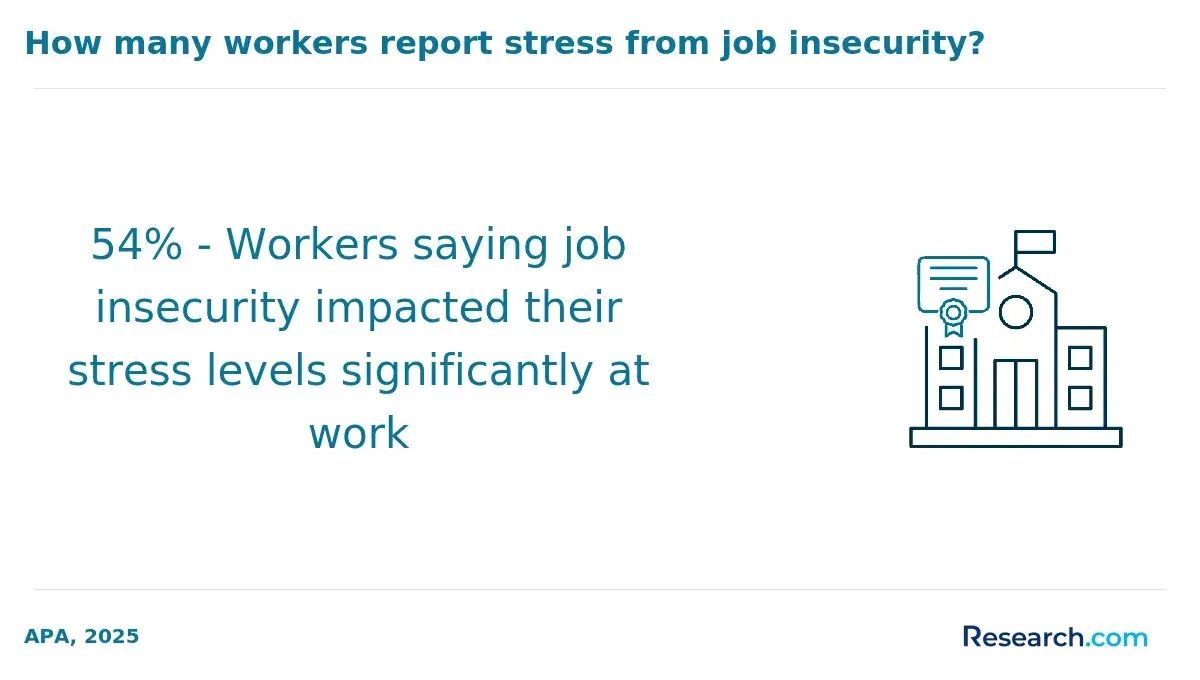
Nurse anesthetist vs registered nurse work stress comes from different sources. CRNAs carry acute responsibility for anesthesia decisions during procedures. RNs carry ongoing responsibility for continuous bedside care, competing patient needs, and coordination across the care team.
Salary and job satisfaction also differ. CRNAs report higher professional satisfaction due to greater autonomy and a median 2024 annual income exceeding $223,000, while many RNs feel undervalued because of comparatively lower pay and limited decision-making power.
Students concerned about educational cost should compare accredited programs carefully and avoid assuming that every online option meets nursing requirements. Resources such as the best accredited online schools with free application can help reduce application costs, but nursing students should still confirm accreditation, clinical placement rules, licensure eligibility, and state authorization.
Understanding these challenges before enrolling can help you choose a path that fits your risk tolerance, learning style, financial situation, and preferred work environment.
Is it more stressful to be a nurse anesthetist (CRNA) vs. a registered nurse (RN)?
Neither role is automatically “more stressful” for every person. CRNA stress is often intense, immediate, and tied to high-risk clinical decisions. RN stress is often cumulative, sustained, and tied to workload, patient volume, emotional demands, and shift length. The better question is which type of stress you handle better.
Why CRNA work can be stressful
CRNAs make rapid decisions that can directly affect patient safety during anesthesia. They must monitor subtle physiologic changes, manage airways, adjust medications, and respond to complications while coordinating with the surgical or procedural team. The work may also involve overtime, call coverage, emergency cases, and the financial pressure of advanced training debt.
Why RN work can be stressful
RNs often manage multiple patients during long shifts while handling medications, documentation, care coordination, family communication, admissions, discharges, and unexpected deterioration. The stress may be less concentrated in a single procedural moment, but it can build over time, especially in understaffed units or high-acuity settings.
How to compare stress realistically
If you prefer deep focus on one patient at a time in a procedural setting and can tolerate high-stakes moments, CRNA stress may be manageable. If you prefer broader patient interaction and can handle competing priorities across a shift, RN work may be a better fit. Shadowing both roles is one of the most useful ways to understand the difference before committing to a pathway.
How to Choose Between Becoming a Nurse Anesthetist (CRNA) vs. a Registered Nurse (RN)
Choose RN if you want a faster entry into nursing, broad career flexibility, and direct patient care across many settings. Choose CRNA if you are willing to complete advanced education, build critical care experience, and take on specialized responsibility for anesthesia and procedural patient safety.
- Education: CRNA requires a BSN, RN licensure, ICU experience, then a 2-3 year doctoral program; RN requires a 2-4 year degree and passing the NCLEX-RN.
- Strengths: CRNAs need technical precision, pharmacology knowledge, procedural confidence, and calm under pressure. RNs need broad clinical judgment, empathy, multitasking, education skills, and adaptability.
- Work environment: CRNAs often work in operating rooms, surgical centers, obstetric units, and procedural areas. RNs work across hospitals, clinics, long-term care, public health, home health, and specialty units.
- Lifestyle: CRNAs may have long shifts, on-call duties, emergency cases, or rural coverage needs. RN schedules vary widely and may include day, night, weekend, per diem, travel, or outpatient options.
- Compensation: CRNAs earn a median salary of $223,210 (May 2024) with high demand growth; RNs earn about $81,220 nationally but have greater entry-level opportunities.
- Long-term goals: CRNA is a strong fit for nurses who want advanced practice, anesthesia specialization, and higher earning potential. RN is a strong fit for those who value flexibility, earlier entry, and the ability to change specialties over time.
A practical decision rule
If you are early in your education and unsure, becoming an RN first keeps options open. You can work in different units, build clinical judgment, and later decide whether CRNA school is worth the additional commitment. If you already know you want anesthesia practice, focus on earning strong grades, gaining high-quality ICU experience, and researching accredited nurse anesthesia programs early.
For students combining nursing preparation with another academic interest, a list of colleges that allow double majors may help with broader planning. Nursing students should still confirm that any dual-degree plan leaves enough time for prerequisites, labs, clinical rotations, licensure requirements, and program sequencing.
What Professionals Say About Being a Nurse Anesthetist (CRNA) vs. a Registered Nurse (RN)
- Tobias: "Becoming a CRNA has truly transformed my career. The salary potential is unmatched, and the demand for nurse anesthetists continues to grow rapidly across various healthcare settings. I feel incredibly secure and valued in my role every day."
- Rex: "Working as a registered nurse has exposed me to a wide range of challenges and unique opportunities, from critical care units to community health programs. The hands-on experience and ongoing learning keep me motivated and eager to enhance my skills with every shift."
- Arthur: "The professional development opportunities for CRNAs are outstanding. From advanced certifications to leadership roles in diverse medical environments, I've seen my career evolve in exciting ways. It's both demanding and rewarding, requiring dedication but offering significant growth."
Other Things You Should Know About a Nurse Anesthetist (CRNA) & a Registered Nurse (RN)
A CRNA must pass the National Certification Examination administered by the National Board of Certification and Recertification for Nurse Anesthetists (NBCRNA). Candidates must graduate from an accredited nurse anesthesia program first; the exam is required for national certification before advanced practice licensure in most states.
To become a CRNA in 2027, candidates must complete a graduate degree from an accredited program, pass the National Certification Examination administered by the National Board of Certification and Recertification for Nurse Anesthetists, and maintain valid licensure through their state nursing board.
In 2027, becoming a CRNA requires a Bachelor's in Nursing, followed by at least one year of critical care experience and a Master's or Doctoral degree in Nurse Anesthesia. RNs typically need an Associate or Bachelor’s degree in Nursing and must pass the NCLEX-RN for licensure.
References
- How to Become a Certified Registered Nurse Anesthetist (CRNA) https://nurse.org/resources/nurse-anesthetist/
- Nurse Practitioner vs Nurse Anesthetist | Regis College Online https://online.regiscollege.edu/blog/comparing-career-tracks-nurse-practitioner-vs-nurse-anesthetist
- Registered Nurses https://www.bls.gov/ooh/healthcare/registered-nurses.htm
- Nurse Anesthetist (CRNA) https://nursing.jnj.com/specialty/nurse-anesthetist
- Nurse Anesthetist (CRNA) vs. Registered Nurse (RN) https://www.healthecareers.com/career-resources/career-opportunities/nurse-anesthetist-crna-vs-registered-nurse-rn
- HELP! Can an OR RN transition to a CRNA? - Student Registered Nurse Anesthetist https://allnurses.com/help-can-or-rn-transition-t607791/
- 11 Core Nursing Responsibilities for RNs | Goodwin University https://www.goodwin.edu/enews/nursing-responsibilities/
- Certified Registered Nurse Anesthetists’ Experiences of Nursing in Anesthesia Care: An Interview Study - Journal of PeriAnesthesia Nursing https://www.jopan.org/article/S1089-9472(24)00042-X/fulltext
- What is a Nurse Anesthetist? https://www.kumc.edu/school-of-health-professions/academics/departments/nurse-anesthesia-education/career-paths/what-is-a-nurse-anesthetist.html
- RN to CRNA: Your Complete Guide to Becoming a CRNA | Dannemiller https://www.dannemiller.com/news-details/rn-to-crna-your-complete-guide-to-becoming-a-crna


