2027 Capstone vs Thesis Requirements for Energy Policy Master's Programs

Co-Founder and Chief Data Scientist
The decision between pursuing a capstone or thesis profoundly shapes the experience of graduate students in energy policy master's programs, particularly for working professionals and career-changers. Capstone projects often demand applied skills using industry-standard tools like system dynamics modeling or geographic information systems, aligning with project delivery models common in energy consulting firms. In contrast, thesis tracks emphasize rigorous research methodologies, including econometric analysis and policy evaluation frameworks, often requiring a structured committee review and formal defense. Given that over 60% of graduate students in policy-related fields juggle full-time employment, as reported by the National Center for Education Statistics in 2024, understanding these differences is critical to managing workload and career progression. This article examines how each requirement influences time commitments, methodological training, and career alignment, helping readers determine which path best fits their professional and academic priorities.
Key Things to Know About Capstone vs Thesis Requirements for Energy Policy Master's Programs
- Capstone projects emphasize applied solutions, enabling working professionals to build concrete policy-analysis skills quickly, but may limit deep theoretical exploration valued in research roles. This affects career mobility based on employer expectations.
- Thesis requirements often extend time-to-degree by 6-12 months due to rigorous research demands, impacting adult learners balancing work and study, especially given that National Center for Education Statistics data shows a 15% rise in graduate enrollment among working adults since 2022.
- Choosing a capstone can improve accessibility through more structured timelines and less resource-intensive commitments, crucial as flexible program delivery expands; however, it may narrow opportunities where specialized policy research is prioritized.
What Is a Capstone Project in a Energy Policy Master's Program?
A capstone project in energy policy master's programs often represents a deliberate shift from traditional academic research toward actionable, applied problem-solving aligned with employer priorities. This culminating experience places students in scenarios where they must negotiate multifaceted policy challenges, integrating economic, environmental, and technological considerations to create tangible deliverables suitable for stakeholder use. Unlike a thesis, which demands original scholarly research, a capstone emphasizes practical outcomes, preparing students for immediate workforce expectations in energy policy roles.
- Professional Alignment: Capstones require students to address real-world policy problems that mirror challenges faced by government agencies, consultancies, or advocacy groups. This focus ensures graduates develop communication and analytical skills directly relevant to employer demands rather than purely academic inquiry.
- Project Workflow: Students typically produce comprehensive deliverables such as policy briefs or strategic plans based on case data or simulated stakeholder feedback. This iterative process demands integration of multiple disciplines and practical policymaking considerations, fostering skills that transcend disciplinary silos.
- Program Design Rationale: Energy Policy master's programs deploy capstones to accommodate working professionals and career changers by condensing project completion into a single semester. This approach balances rigor with efficiency, enabling timely graduation while promoting skill sets that are readily marketable.
- Contrast with Thesis: While theses emphasize hypothesis-driven research and extensive literature reviews, capstones substitute this depth with breadth and application. This tradeoff often limits opportunities for methodological mastery or academic publishing but enhances portfolio development aligned with practitioner priorities.
For students navigating capstone project requirements for energy policy master's programs, understanding these structural and professional nuances is crucial for selecting the pathway aligned with their career trajectory and time commitments. Those prioritizing fast, applied experience may find capstones more compatible, whereas prospective doctoral candidates or research-oriented learners might favor thesis options. Graduate students looking for examples of interdisciplinary applied capstone experience in energy policy graduate degrees can also explore programs that integrate industry partnerships or government collaborations to enrich their practical exposure.
Working professionals balancing job demands will appreciate how capstones leverage iterative engagement over a condensed timeline, providing a pragmatic compromise between depth and speed. For insight on related interdisciplinary graduate options, researching an online SLP program may illustrate parallels in applied project structures beneficial for adult learners and career changers.
What Is a Master's Thesis in Energy Policy Programs?
A master's thesis in energy policy programs represents more than a traditional research assignment; it is a rigorous exercise that demands intellectual independence and interdisciplinary analysis to address complex energy challenges. Choosing this path affects your timeline, workload, and potential career trajectory, particularly if you aim for roles in research, government, or doctoral study. In contrast to capstones, which emphasize applied outcomes and collaborative projects, the thesis requires a longer-term commitment to original investigation and scholarly rigor.
- Interdisciplinary Approach: The thesis integrates political science, economics, environmental studies, and technical energy system analysis, requiring candidates to navigate varied methodologies and policy frameworks that mirror real-world energy sector complexities.
- Focused Research Question: Students must develop a clear, policy-relevant question often rooted in current energy dilemmas like regulatory impacts or market dynamics, ensuring the study's practical relevance to contemporary decision-making.
- Methodological Rigor: Combining qualitative policy analysis with quantitative data demands a robust research design, guided closely by faculty to maintain scholarly standards and ensure findings withstand critical evaluation.
- Workload and Timeline: The thesis involves substantial literature review, hypothesis development, and evidence gathering, reflecting a significant workload that requires sustained intellectual commitment over several months to a year.
- Career Implications: Completing a thesis typically signals strong analytical and research capacities to employers and doctoral programs, but may delay degree completion compared to capstone tracks focused on immediate applied skills.
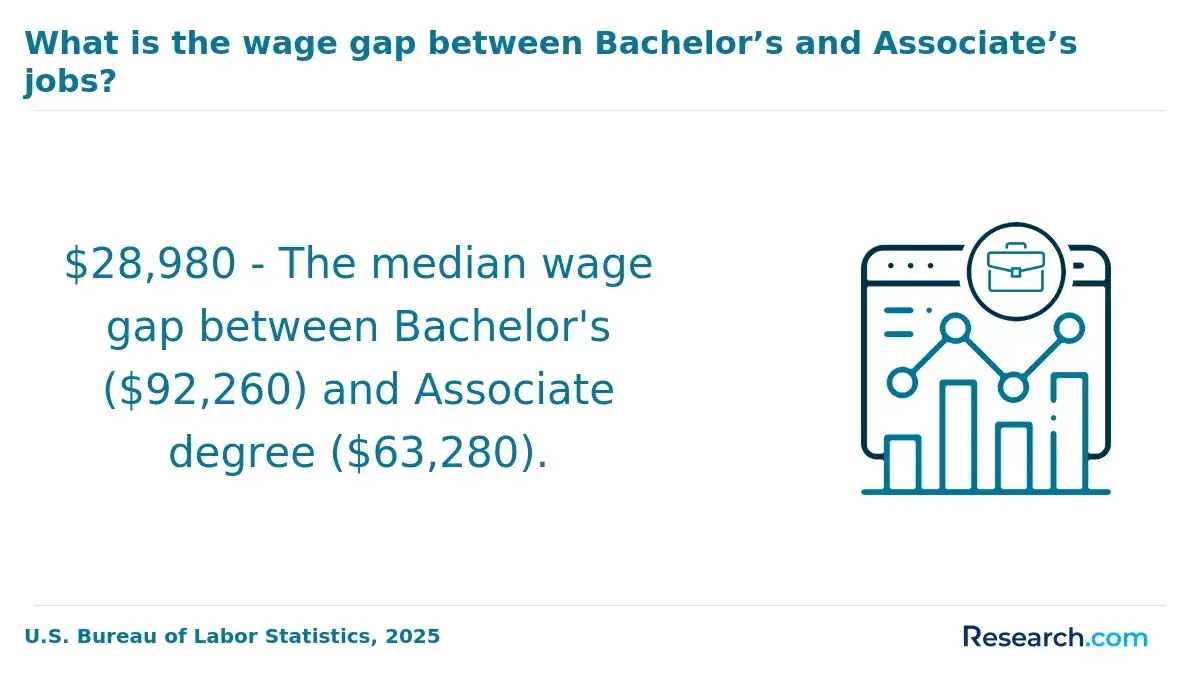
When Should You Choose a Capstone Over a Thesis in a Energy Policy Master's Program?
Choosing a capstone over a thesis in Energy Policy master's programs is strategically advisable when the priority lies in applied skills and workforce readiness rather than academic research depth. This option suits students aiming to swiftly enter or advance in policy roles focused on practical problem-solving and real-world impact. The capstone's emphasis on tangible projects aligns closely with employer expectations for graduates who can directly contribute to policy design, regulatory strategies, or implementation with minimal transition time.
- Workload and Supervision: Capstones demand less intensive faculty mentoring and allow more independent project management, which benefits students balancing jobs or tight schedules. In contrast, theses require sustained, focused research oversight and a significant commitment to original scholarship.
- Career Alignment: Students targeting consulting, policy analysis, or management roles within energy sectors gain from capstones that showcase applied outputs such as simulations or implementation plans, reflecting skills immediately valued by employers.
- Time Efficiency: Completing a capstone typically takes less time than a thesis, reducing opportunity costs for adult learners or career changers who need to limit their academic duration and financial burden.
- Practical Impact Over Theory: The capstone prioritizes concrete solutions and case-based work rather than deep theoretical inquiry, meeting the needs of organizations focused on actionable policy outcomes within fast-evolving energy landscapes.
A recent Energy Policy master's graduate recalled hesitating during the second semester when deciding between paths. With a full-time job in a regulatory agency and a project idea closely tied to ongoing reforms, they chose the capstone to capitalize on direct employer input and produce a usable policy plan. Mentorship was available but streamlined, allowing for time-efficient progress. Though initially concerned about missing the academic rigor of a thesis, the candidate found the practical nature of the capstone invaluable for immediate workplace relevance and satisfaction.
When Is a Thesis the Better Option for Energy Policy Students?
Choosing a thesis track instead of a capstone project in energy policy master's programs is essential for students targeting research-oriented careers or doctoral studies. This path demands substantial faculty mentorship and time investment to develop a rigorous methodology, conduct original data collection, and produce scholarly writing. The energy policy master's thesis advantages become evident when specialization and academic preparation must align closely with program resources and professional goals.
- Research Intensity: A thesis requires deep engagement with complex topics, often involving hypothesis-driven inquiry and comprehensive literature critiques, which surpasses the scope of capstone projects focused on applied solutions.
- Faculty Mentorship: Effective thesis supervision means access to experienced researchers aligned with the student's niche interests, facilitating critical feedback essential for mastering advanced analytical techniques.
- Doctoral Preparation: The thesis hones skills necessary for PhD admission and success, including designing studies that contribute original insights beyond policy summaries common in capstone alternatives.
- Career Differentiation: Producing a publishable work or defensible research project strengthens credentials for roles in think tanks, academia, or federal agencies that prioritize evidence-based policymaking.
For professionals prioritizing expediency or applied outputs, capstones often suffice. Students must weigh these tradeoffs carefully when deciding between thesis versus capstone in energy policy programs. For those emphasizing research credibility and long-term positioning, a thesis remains unmatched. Exploring options beyond degree requirements can also lead to better-aligned credentials, notably among cheap online universities that support diverse learner goals.
How Do Time, Workload, and Stress Compare Between Capstone And Thesis in a Energy Policy Master's Program?
Choosing between a capstone and a thesis in energy policy master's programs hinges on how students manage competing demands of professional life and academic depth. The two options impose distinct challenges that affect timelines, workload intensity, and stress sources, shaping who benefits most from each path.
- Time Commitment: Thesis routes often extend beyond the standard semester as they require extensive independent research, original data collection, and iterative revisions. This long horizon clashes with working professionals' schedules and can delay graduation if advisor availability falters. Capstones, by contrast, deliver a structured, deadline-driven project that fits tighter timelines aligned with professional pacing.
- Workload Nature: Thesis work demands deep analytical rigor and methodological proficiency, pushing students to engage in complex fieldwork or data analysis that may lack immediate, practical outputs. Capstones focus on applied projects with clearer milestones and team collaboration, translating theory into concrete policy recommendations, which can streamline task management.
- Stress Factors: Thesis students face stress from self-directed problem-solving, reliance on limited advisor feedback, and dealing with nebulous research challenges, often leading to uncertainty and isolation. Meanwhile, capstone participants must navigate interdependent teamwork dynamics and deliver results within fixed schedules, shifting stress toward coordination and meeting externally driven expectations.
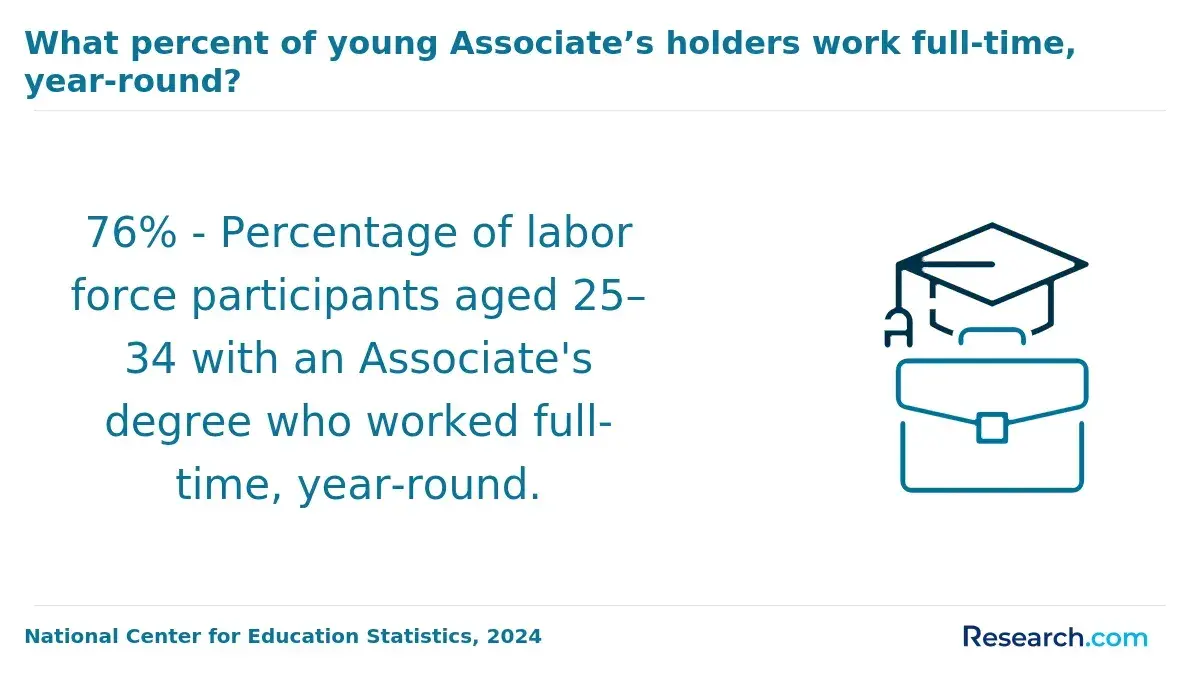
How Do Capstone and Thesis Choices Affect Career Outcomes in a Energy Policy Master's Program?
The choice between a capstone and a thesis within energy policy master's programs directly influences how graduates are perceived by employers and doctoral admissions committees, affecting career trajectories in tangible ways. In practical terms, this decision shapes the narrative around a candidate's skills, specialization, and readiness to enter distinct sectors of the energy policy workforce.
- Skill Signaling: Capstone projects typically demonstrate applied problem-solving and management of real-world energy policy challenges, signaling immediate workplace competence. In contrast, a thesis conveys strong research skills and theoretical depth, appealing more to academic and research-oriented roles.
- Industry Fit: Employers in consulting, regulatory agencies, and public sector bodies often value capstone experience as evidence of direct policy implementation ability, whereas research institutions and doctoral programs give greater weight to thesis work for its rigorous analytical foundation.
- Career Tradeoffs: Choosing a capstone may accelerate degree completion and practical employability, suiting professionals aiming to pivot or advance within industry. Conversely, investing time in a thesis may delay workforce entry but can unlock specialized licensing or doctoral pathways linked to environmental economics or energy modeling expertise.
- Portfolio Value: Capstones result in concrete deliverables or policy recommendations, creating tangible examples to showcase during job interviews, which can be especially effective for career changers. Thesis research builds scholarly credibility and faculty relationships that support applications for fellowships or academic positions.
This nuanced understanding of energy policy master's capstone vs thesis career impact helps students align their final project choice with both immediate employment goals and long-term professional development. More broadly, those weighing these options may also explore complementary opportunities such as accelerated pathways, similar to those outlined in accelerated MBA programs, which prioritize pragmatic skills alongside academic progress.
How Do Research-Based and Applied Learning Differ in a Energy Policy Master's Program?
Choosing between research-based and applied learning in energy policy graduate programs profoundly shapes both academic experience and career trajectory. Employers hiring for research-intensive or doctoral-track roles typically place a premium on the rigorous evidence generation and theoretical contribution demanded by thesis work. Conversely, capstone projects mirror real-world consulting or policy implementation tasks, emphasizing actionable results over academic discourse. These divergent paths not only impact students' daily workload but also their professional preparedness and network development.
- Career Alignment: Thesis work cultivates skills suited for research environments and further study, requiring extended time for literature review, hypothesis development, and formal defense. Capstones gear students toward immediate policy roles by focusing on practical solutions and stakeholder engagement, often within a single semester.
- Project Oversight: Thesis committees prioritize methodological rigor and originality, offering more academic supervision but less direct industry interaction. Capstone advisors often act as project managers, facilitating collaborations with external partners and emphasizing feasibility and implementation over theory.
- Evidence Type: Research theses mandate systematic data collection and statistical analysis as proof of conceptual advances. Capstones rely on case studies, field evaluations, or pilot outcomes to demonstrate real-world impact and program effectiveness.
- Time Commitment: Thesis tracks generally demand a longer timeframe, requiring sequential research phases and iterative feedback. Capstones condense effort into applied deliverables with clearer deadlines but less room for exploratory inquiry.
- Skill Development: Thesis students refine academic writing, theory-building, and critical analysis essential for scholarly pursuits. Capstone pathways enhance project management, cross-sector communication, and pragmatic problem-solving valued in practitioner roles.
One energy policy master's graduate recalled debating the choice in the fall semester of their final year. They found the thesis intimidating due to its open-ended scope and the demand for original data sets, which delayed access early on. After consulting faculty, they opted for the capstone, partnering with a regional energy nonprofit. This arrangement provided structured deadlines and immediate feedback, but narrowed their research depth. The experience offered robust exposure to policy stakeholders, though the graduate later noted the thesis route might have better prepared them for analytical roles at research institutions. Balancing practical impact with academic rigor was difficult but ultimately clarified their career focus.
How Does Advising and Mentorship Differ in a Energy Policy Master's Program?
Deciding between a thesis and capstone track in energy policy master's programs is fundamentally a choice about the nature of faculty involvement and the resulting impact on your professional development trajectory. The faculty's role in thesis advising centers on fostering independent research skills critical for academic or policy analysis careers, while capstone mentorship prioritizes applied project execution aligned with immediate workforce demands. This distinction affects how students manage time, engage with expertise, and translate their work into career outcomes.
- Advising Focus: Thesis directing is primarily scholarly, with faculty guiding students through hypothesis formulation, rigorous methodological design, and comprehensive theoretical frameworks, emphasizing original contribution. Capstone mentors act more as industry-aligned consultants, focusing on practical problem-solving and ensuring deliverables meet real-world policy standards.
- Feedback Dynamics: Thesis advising involves cyclical, often critical feedback aimed at refining academic rigor and deepening subject mastery. Capstones receive frequent, task-oriented feedback focused on meeting project milestones within constrained timelines.
- Faculty Roles: Thesis students usually work closely with a primary advisor and a committee providing specialized academic oversight. Capstone participants interact with mentors who integrate cross-sector insights, often in a more collaborative, facilitative capacity.
- Workload Implications: The thesis path demands sustained independent research effort with variable pacing, requiring advanced project planning and self-direction. Capstone tracks operate under predefined schedules with clearer deliverable deadlines, supporting students balancing professional obligations.
Understanding these advising and mentorship structures is essential for aligning your energy policy program choice with whether you prioritize scholarly depth or practical impact in your career-a decision that shapes your learning experience and employability in the policy workforce.
What Are the Typical Structures and Deliverables in a Energy Policy Master's Program?
Students choosing between a capstone and a thesis in energy policy master's programs face distinct academic demands that directly influence their professional readiness and time management. Real-world hiring preferences often lean toward candidates with applied project experience for operational roles, making the structural differences in typical capstone and thesis requirements crucial for working professionals weighing program outcomes. The typical structures of capstone and thesis in energy policy master's programs reveal contrasting approaches to skill development and final deliverables.
- Project Scope: Theses demand extensive original research, rigorous data collection-often primary or secondary-and a comprehensive literature review to underpin theoretical contributions. Capstones focus on identifying practical policy challenges and producing tangible solutions, such as briefs or implementation plans, prioritizing real-world applicability over exhaustive scholarly depth.
- Timeline and Intensity: Thesis work often spans multiple semesters due to its analytic complexity and preparatory stages, aligning with students aiming for doctoral studies or research careers. Capstones are designed to fit within a single academic year, accommodating professionals balancing work commitments who need concise, actionable outputs.
- Committee Involvement: Theses require formal defense before a faculty committee emphasizing scholarly originality and critical thinking, serving as a gatekeeper for academic rigor. Capstones involve faculty oversight but typically less formal review structures, focusing on feasibility and stakeholder relevance of proposed solutions.
- Deliverable Format: Thesis outcomes are lengthy, well-documented reports reflecting analytical proficiency, while capstones yield professional-grade products tailored to employer needs, such as policy presentations, that highlight practical expertise more immediately valuable in applied energy policy roles.
Choosing the right path depends on whether the student prioritizes long-term academic goals or immediate workforce integration. For professionals who want to understand what can you get with an environmental science degree, this decision shapes the depth of inquiry, skillsets developed, and how their degree maps into career trajectories.
Incorporating insights from typical structures of capstone and thesis in energy policy master's programs clarifies how these formats impact student workload, research depth, and targeted deliverables, providing essential guidance for graduate students planning their applied or academic futures.
How Flexible Are Program Policies in a Energy Policy Master's Program?
Flexibility in program policies significantly influences how graduate students choose between capstone and thesis tracks in energy policy master's programs, especially for working professionals balancing multiple obligations. Thesis requirements typically offer minimal flexibility because of the intense faculty supervision and rigorous research standards needed to maintain academic quality. In contrast, capstone options often provide practical adaptability, allowing students to tailor projects to current employment settings or emergent policy challenges, which can accelerate degree completion without sacrificing relevance.
- Policy Variation: Institutions differ in how much latitude they allow for substitutions or adjustments within culminating requirements, reflecting faculty capacity, accreditation mandates, and the program's orientation toward applied versus theoretical knowledge.
- Track Switching: Many programs enable switching from thesis to capstone mid-stream to accommodate shifting work demands, though the reverse change is rare due to increased research complexity and timeline complications.
- Defense Requirements: Thesis tracks often require formal defenses with stringent committee review, which can extend completion timeframes, whereas capstones usually involve practical deliverables assessed through project reports or presentations, offering more streamlined approval.
- Part-Time Considerations: Capstone flexibility benefits part-time and working students by permitting timeline extensions and project scopes tied to professional roles, easing the burden of juggling academic and career commitments.
These flexible culminating requirement options in energy policy graduate programs reflect the balance programs strike between maintaining scholarly rigor and accommodating diverse student needs. Given this, prospective students should assess how each program's policies align with their time constraints and career objectives to select a path that optimizes employability and degree efficiency. Those seeking affordable options aligned with flexible formats may explore resources like online general studies bachelor degree cheap, which sometimes correlate with adaptable graduate program models.
What Do Energy Policy Master's Graduates Say About Their Capstone Vs Thesis Experiences?
- Tony: "During my capstone, balancing a part-time job was a major constraint, so I chose a project focused on a local renewable integration plan that aligned with my work schedule. This decision paid off by allowing me to develop a portfolio piece that employers in energy consulting valued highly, and ultimately landed me an internship that transitioned into a full-time role."
- Denver: "I faced a tough choice between a lengthy thesis or a shorter applied project because of financial pressures to enter the workforce quickly. Opting for the applied route helped me acquire practical skills that directly led to multiple remote job offers, although I later realized that advancing in the field might require certifications beyond the program."
- Kai: "My workload was intense, and I debated whether to focus on the theoretical research or pivot to policy analysis with immediate relevance. I picked the policy track to enhance my resume for government roles, but found hiring managers often prioritized candidates with field experience or internships, forcing me to pursue additional hands-on opportunities post-graduation."
Other Things You Should Know About Energy Policy Degrees
In energy policy programs, a thesis often demands deeper engagement with original research that can contribute to academic debates, which may align with specialized career paths like policy analysis or doctoral studies. A capstone project, by contrast, usually emphasizes practical solutions to contemporary policy challenges, making it more directly applicable for those aiming to enter or advance in practitioner roles. Students prioritizing immediate policy impact might lean toward capstones, while those targeting long-term expertise and academic credentials should evaluate how the thesis can enhance their subject-matter authority.
Working professionals often face tighter schedules, and capstone projects generally have more predictable, shorter timelines with structured milestones, enabling clearer work-life balance planning. Theses can extend unpredictably, especially if data collection or committee reviews cause delays, which may conflict with professional obligations. For those balancing careers and studies, programs requiring capstones tend to offer more manageable pacing without sacrificing rigor, so prioritizing timeliness and flexibility is advisable.
A capstone's team-oriented structure and community-based projects often promote collaboration with practitioners, agencies, or nonprofits, offering immediate professional networking advantages. Theses tend to center on advisor relationships and scholarly communities, which may yield deeper academic contacts but fewer direct practitioner connections. Prospective students should weigh whether their career goals benefit more from hands-on professional networks or academic mentorships and make their choice accordingly to maximize relevant networking returns.
References
- Exploring factors that influence students’ career decision making at a South African University https://ajcd.africa/index.php/ajcd/article/view/99/467
- Environment, Resources and Energy Policy Graduate Programs | Colorado School of Mines https://gradprograms.mines.edu/program/environment-resources-and-energy-policy/
- What are Deliverables in Project Management? | Wrike https://www.wrike.com/project-management-guide/faq/what-is-a-deliverable-in-project-management/
- Work Breakdown Structure in Project Management: Short Guide https://productive.io/blog/work-breakdown-structure-in-project-management/
- Research-Based Learning: Characteristics https://colegiomirasur.com/en/blog/research-based-learning/
- Capstone Options in Master's in Communication Programs (Thesis vs Project) https://www.mastersincommunications.com/features/guide-to-graduate-communication-capstone-options
- Find Master's in Energy Policy Programs - EnergyDegrees.org https://www.energydegrees.org/programs/masters-in-energy-policy/
- How College Choices Affect Career Outcomes | Pharmacy Times https://www.pharmacytimes.com/view/how-college-choices-affect-career-outcomes
- Dissertation vs Thesis vs Capstone Project - Grad Coach https://gradcoach.com/dissertation-vs-thesis-whats-the-difference/
- Project Deliverables: Your Guide to Successful Project Outcomes - SixSigma.us https://www.6sigma.us/project-management/project-deliverables/