2027 Energy Policy Master's Degree vs Graduate Certificate: Which Is Better?

Co-Founder and Chief Data Scientist
Deciding between an energy policy master's degree and a graduate certificate often hinges on factors like cost, time commitment, and career goals. For many, the question is whether the extended study and higher expense of a master's degree translate into significantly better salary and job prospects. In 2024, professionals holding a master's in energy policy earn on average 20% more annually than those with only a graduate certificate, though certificates often require less than half the time to complete and have fewer admission barriers.
This article examines these differences in detail-focusing on salary impact, employer recognition, and practical career utility-to help readers make a well-informed choice.
Key Things to Know About Which Is Better: A Energy Policy Master's Degree or a Energy Policy Graduate Certificate
- An Energy Policy master's degree typically requires two years and higher tuition-averaging $30,000-while a graduate certificate often completes in 6-12 months at significantly lower cost.
- Admission to master's programs demands a bachelor's degree and often relevant experience; certificates are usually open to professionals without stringent prerequisites.
- Employers generally recognize master's degrees more broadly, correlating with a 15% higher salary increase than certificates, which offer focused but narrower career utility.
What Is the Difference Between a Energy Policy Master's Degree and a Energy Policy Graduate Certificate?
A master's degree in Energy Policy is an advanced graduate program typically requiring 30 to 45 credit hours completed over one to two years. This degree offers a broad interdisciplinary curriculum that includes energy economics, environmental regulation, technology innovation, and policy analysis. Students engage in rigorous coursework, research projects, and often complete a thesis or capstone experience aimed at preparing them for leadership roles in government, industry, and research institutions.
In contrast, a graduate certificate in Energy Policy involves a shorter, more focused study path of usually 12 to 18 credit hours completed within a few months to one year. Certificates concentrate on applied knowledge in specific areas such as regulatory frameworks or sustainable energy systems and are designed to upgrade or specialize existing skills rather than provide comprehensive expertise. They often appeal to working professionals looking for targeted skill enhancement without the time or financial commitment of a full master's degree.
- Academic Scope: The master's degree provides extensive theoretical depth across the interdisciplinary field, whereas the graduate certificate focuses on select applied topics.
- Credit Hours and Duration: Master's programs require two to three times the coursework of certificates and entail a longer time commitment.
- Academic Standing: A master's is a full graduate degree recognized as a major credential, while certificates are supplementary credentials often viewed as professional development tools.
- Intended Audiences: Master's programs serve individuals pursuing comprehensive expertise and career advancement; certificates are aimed at professionals seeking faster skill upgrades or introductions.
- Stackability: Many institutions allow certificate credits to count toward a future master's degree, making certificates potential stepping stones rather than mere shorter alternatives.
When evaluating energy policy master's degree vs graduate certificate differences, consider factors like cost, time-to-completion, admission requirements, employer recognition, salary impact, and career utility. This comparison helps recent undergraduates, working professionals, career-changers, and current certificate holders understand the career outcomes for energy policy graduate certificate and master's holders clearly. For those interested, exploring certificates online can reveal further pathways to enhance skills efficiently in this dynamic field.
What Are the Typical Admission Requirements for a Energy Policy Master's Program Compared to a Energy Policy Graduate Certificate?
Admission requirements for an energy policy master's program tend to be more rigorous compared to those for an energy policy graduate certificate-reflecting the greater depth and commitment expected of master's candidates. The standards differ across several crucial dimensions.
- GPA Thresholds: Master's programs usually require a minimum undergraduate GPA of around 3.0 on a 4.0 scale or higher, setting a higher academic bar. In contrast, graduate certificate programs often have more flexible or unspecified GPA criteria, broadening access for applicants from varied academic backgrounds.
- Prerequisite Coursework: A significant distinction lies in prerequisites-master's applicants generally must have completed foundational courses related to economics, environmental science, statistics, or political science. Certificates tend to require fewer or no prerequisite courses, welcoming students from diverse fields without extensive prior preparation.
- Standardized Test Scores: GRE scores are frequently a component of master's admissions, although some programs waive them for candidates with relevant experience or strong records. Graduate certificates typically do not require standardized tests, simplifying the application process.
- Letters of Recommendation: Master's applications often call for two to three letters to assess academic potential and professional readiness, while certificates may make these optional or omit them entirely.
- Personal Statements: Detailed personal statements are standard for master's applicants to articulate goals and fit. Certificates might require shorter essays or none at all.
These distinctions matter when evaluating admission criteria for energy policy master's program admission requirements versus graduate certificate requirements for energy policy studies. Graduate certificates serve as an academic on-ramp-ideal for career-changers or working professionals aiming to build relevant knowledge and strengthen their credentials before committing to a full master's degree. This pathway also allows focused skill development without the time and financial investment required for a master's.
For students considering broader graduate education options, exploring credentials beyond energy policy-including an online library science degree-can reveal similarly structured admission expectations and flexible alternatives across fields.
What Is the Minimum GPA Requirement for a Energy Policy Master's Program?
Minimum GPA criteria for master's programs in energy policy vary according to each school's selectiveness and program style. Accredited programs generally establish baseline GPA standards as indicators of academic readiness, though these requirements differ noticeably between institutions.
- Range: Typically, energy policy master's degrees expect a minimum GPA around 3.0 on a 4.0 scale, but more competitive schools may require 3.3 or above.
- Selective Programs: Top-tier universities prioritize candidates with GPAs well above the stated minimum, combined with relevant experience and standardized test results.
- Flexible Admissions: Professional or open-enrollment programs often allow slightly lower GPAs, valuing practical expertise and diverse educational backgrounds more heavily.
- Listed Minimums vs. Actual Averages: Formal minimum GPA thresholds are commonly lower than the typical GPA of admitted cohorts, reflecting strong applicant pools and program demand.
- Conditional Acceptance: Some institutions permit provisional admission to those slightly below GPA cutoffs, usually requiring remedial coursework or maintaining specified academic performance during early terms.
- Guidance: Prospective students should treat minimum GPA requirements as the absolute bottom line rather than a recommended target to better gauge their admission chances.
A professional who graduated from an energy policy master's program shared, "My undergraduate GPA was just on the threshold, and I worried it wouldn't be enough. Fortunately, the school offered conditional admission based on my work experience and a strong statement of purpose. The first semester was tough - I had to prove myself academically while juggling a job - but completing remedial courses helped bridge my knowledge gaps. Looking back, those challenges strengthened my commitment and prepared me well for the rest of the program."
How Long Does It Take to Complete a Energy Policy Master's Degree Versus a Energy Policy Graduate Certificate?
Energy policy master's degree completion time comparison shows these programs typically span 18 months to 3 years, contingent on full-time, part-time, or accelerated study formats. Graduate certificate programs, in contrast, generally finish within 6 to 12 months due to their streamlined design aimed at quick skill acquisition. The longer duration of master's programs reflects their extensive coursework and project demands.
Program Structure: The extended timeline for master's degrees stems from requirements such as completing 30 to 45 credit hours, undertaking a thesis or capstone project, and often passing comprehensive examinations. Graduate certificates focus on targeted learning with fewer credits-usually 12 to 18-and omit theses or wide-ranging exams, facilitating faster completion.
Enrollment Flexibility: Many master's programs accommodate part-time study to fit the schedules of working adults, which can stretch total completion time beyond three years. Although graduate certificates also allow part-time enrollment, their shorter curriculum rarely extends beyond a year, making them favorably suited for those balancing jobs and family obligations. Prospective students can compare these timelines to align with their current life responsibilities.
Career Urgency: Professionals needing to rapidly boost expertise or pivot into energy policy roles often select graduate certificates for their swifter turnaround. Conversely, those prioritizing comprehensive mastery or academic research opt for the master's track, acknowledging the greater time investment it requires.
Life Circumstances: Decisions between these credentials hinge on personal factors such as employment, familial duties, and financial resources. Candidates with limited bandwidth or budgets might lean toward certificates, while those pursuing broader academic advancement tend to embrace the master's duration. For individuals researching available paths, reviewing options like this online data science masters can offer perspective on balancing time, cost, and career goals.
How Much Does a Energy Policy Master's Degree Cost Compared to a Energy Policy Graduate Certificate?
Tuition for a energy policy master's degree varies widely depending on the institution. Public universities charge in-state students approximately $20,000 to $40,000 for the full program, while out-of-state attendees face higher rates-typically between $35,000 and $60,000. Private schools tend to be more expensive, with costs ranging from $50,000 up to $90,000. Graduate certificates in energy policy cost considerably less given their shorter duration and fewer credits; public certificates generally cost between $5,000 and $15,000, while private ones lie in the $10,000 to $25,000 range.
Cost Drivers: The higher expense for master's degrees results from multiple factors: they demand more credit hours-often 30 to 40 compared to the 10 to 15 required for certificates-and have longer program lengths extending from one to two years rather than just months. Additionally, master's programs incur greater institutional overhead, covering faculty salaries, facilities, and administrative resources, which are more substantial due to the program's complexity and scope.
Financial Aid: Master's students frequently have greater access to financial assistance such as teaching or research assistantships, fellowships, and employer tuition reimbursement programs. These opportunities can significantly reduce net tuition costs, sometimes covering large portions of fees. In contrast, certificate learners-who often enroll part-time or seek non-degree credentials-typically have limited access to such aid, making the stated tuition closer to their actual expense.
Hidden Costs: A master's degree involves opportunity costs beyond tuition, including foregone income due to longer study periods and postponed career advancements. This can weigh heavily especially on mid-career professionals. Certificates, with their shorter timeframe, allow students to return faster to the workforce, although they may carry less professional recognition and salary impact.
Net Cost and ROI: Prospective students benefit from evaluating net costs-including scholarships, aid, and employer support-rather than just tuition sticker prices. Utilizing free online ROI calculators can provide clarity on which credential offers the best value aligned with individual goals and financial situations.
Reflecting on her experience, a professional who built her career after completing a energy policy master's recalled confronting financial and time challenges early on. "Balancing work, studies, and family commitments stretched me thin," she said, emphasizing how securing an assistantship became essential to managing expenses. Despite the pressure, she found the extended program deepened her expertise and opened doors that a shorter certificate alone might not have. "It was an investment-not just in money, but in my future-and ultimately worth it," she shared, underscoring the nuanced cost considerations beyond tuition that shaped her journey.
How Does Earning a Energy Policy Master's Degree Affect Salary Compared to a Energy Policy Graduate Certificate?
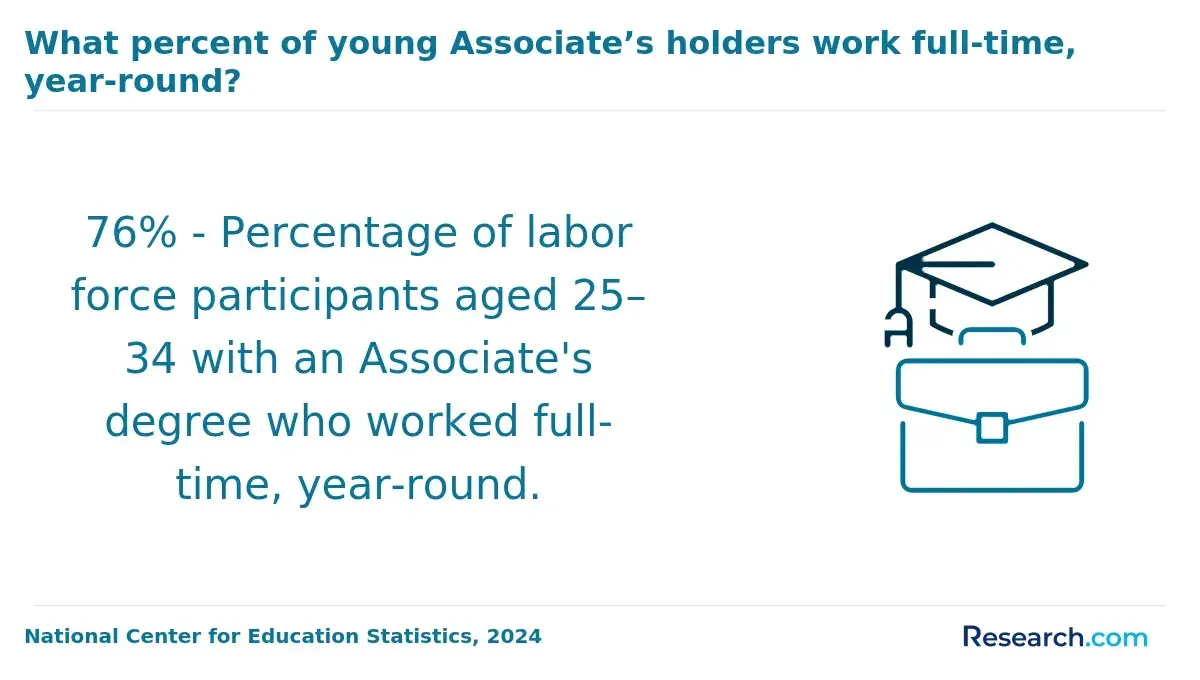
Professionals holding a master's degree in energy policy tend to earn roughly 15-25% more than those with only a graduate certificate, reflecting deeper expertise and broader responsibilities typically gained through master's programs. This wage premium is especially visible in government roles, major energy companies, and consulting firms where advanced analytical skills and strategic policy knowledge are essential.
- Industry Distribution: While the master's degree commands higher salaries in large-scale and policy-driven environments, certificate holders often see competitive pay in nonprofits and smaller utility organizations where practical skills and experience weigh heavily.
- Career Stage: Senior positions such as policy directors or energy program managers usually prefer or require a master's degree-leading to a greater pay gap-whereas entry-level roles like project coordinators may show less difference between credentials.
- Specialized Certifications: Targeted graduate certificates can open doors to niche roles in renewable energy project oversight or regulatory compliance, sometimes offering salaries on par with those of master's degree holders when paired with relevant experience.
- Return on Investment: Despite higher salary prospects, master's programs demand more time and financial commitment. Graduate certificates provide a faster, often more cost-effective pathway for professionals focused on immediate skill acquisition and quicker workforce reentry.
According to 2024 data from the Bureau of Labor Statistics, the energy sector continues to value advanced credentials, with an increasing trend toward specialized certifications that complement existing qualifications and enhance earning potential within focused career tracks.
Which Energy Policy Career Paths Favor a Master's Degree Over a Graduate Certificate?
Certain career trajectories in energy policy distinctly prioritize a master's degree over a graduate certificate due to the level of complexity, regulatory demands, and leadership responsibilities involved. These positions typically require a mastery of both theoretical frameworks and analytical skills that certificates do not fully provide.
- Leadership Roles: Senior management and policy director positions in government agencies or large corporations often mandate a master's degree. Employers seek candidates with in-depth expertise and strategic analytical capabilities honed through comprehensive, theory-driven study.
- Research-Intensive Positions: Roles at research institutions, think tanks, and advanced consulting firms demand rigorous training in methodology and policy analysis. The master's credential equips professionals with the advanced research skills necessary to lead and interpret complex projects-capabilities generally beyond what a certificate can offer.
- Licensed and Certified Professions: Certain licensure and certification standards for energy auditors or environmental compliance officers specify a master's degree as the minimum credential. This ensures practitioners have both the theoretical foundation and applied experience necessary to meet stringent industry standards.
- Promotion and Specialization: Many public sector and corporate career ladders use the master's degree as a formal criterion for advancement, enabling access to specialized or managerial tracks. Without this degree, progression may be structurally limited despite practical experience.
Data from the U.S. Bureau of Labor Statistics indicates that approximately 62% of energy policy-related managerial jobs prefer or require a master's degree, evidencing its critical role in career mobility. Prospective candidates should carefully assess these credential demands against their career goals, ensuring education plans align with the expectations of licensure boards, employers, and promotion standards.
Which Energy Policy Career Paths Favor a Graduate Certificate Over a Master's Degree?
Positions such as energy analysts, regulatory compliance specialists, and project managers often favor candidates with focused technical skills that a graduate certificate emphasizes. Employers in these roles prioritize practical, up-to-date expertise over broad academic backgrounds, making certificates a valuable asset. This focus aligns with the best career opportunities with an Energy Policy certificate, where demonstrated applied competency often outweighs academic breadth.
Rapid Skill Updates: Professionals already holding degrees in related fields-like environmental science or engineering-often choose graduate certificates to quickly gain targeted knowledge in emerging areas such as renewable energy regulations or carbon trading policies. This allows for a rapid, targeted skills upgrade without the time and expense required for a full master's program.
Career Changers: Individuals transitioning from different sectors may find that a graduate certificate provides an efficient pathway to acquire essential competencies needed for entry-level or mid-level Energy Policy roles. This approach enables them to demonstrate relevant skills to employers more swiftly than pursuing an entire master's degree.
Employer Preferences: Surveys and job market data from platforms like Lightcast and LinkedIn Workforce Insights show that some energy companies and government agencies treat graduate certificates as equivalent-or occasionally preferable-to master's degrees for applied policy positions. This is especially true where demonstrated competency in regulations and compliance processes takes precedence over extensive theoretical knowledge.
Cost and Time Efficiency: Graduate certificates typically require fewer credits and less time, making them attractive for working professionals balancing education with job responsibilities. This efficiency maximizes return on investment by narrowing the focus to high-demand competencies-important for those evaluating Energy Policy graduate certificate career advantages.
Supplement to Existing Credentials: For those already holding graduate degrees, a certificate can fill specific knowledge gaps in energy markets or policy frameworks without redundant degree coursework, offering an effective supplement rather than a full degree commitment.
Those exploring credential options may also find helpful resources on degrees for remote work relevant to their professional goals.
Is a Energy Policy Graduate Certificate Stackable Toward a Master's Degree?
Whether an energy policy graduate certificate is stackable toward a master's degree depends largely on institutional policies rather than a universal standard. Many accredited universities create pathways enabling coursework from a graduate certificate to count as credits toward a related master's degree-often in energy policy or environmental studies-though this transferability is not guaranteed.
- Institutional Policy: Each school determines stacking based on its own regulations. Some institutions explicitly publish guidelines identifying which certificates may apply toward a master's degree in the same or allied fields, while others treat certificates and degrees as separate credentials.
- Academic Requirements: Students usually must meet grade thresholds-commonly a minimum GPA of 3.0 in their certificate courses-and complete the graduate certificate within a set timeframe before enrolling in the master's program.
- Program Alignment: Credits generally must originate from the same institution or an accredited partner, and the certificate curriculum should align closely with the master's degree to ensure academic rigor and relevance, reflecting common stacking requirements for energy policy graduate certificate credits into a master's program.
- Lower-Risk Entry: Pursuing a graduate certificate first offers a way to evaluate content, cost, and academic environment without the full commitment to a master's degree, beneficial for career changers or those testing the waters in energy policy education.
- Verification: Policies vary widely; prospective students should confirm stackability and any deadlines or transfer limits directly with a program's admissions office before enrolling.
This approach parallels trends in other advanced credentials-such as those visible in structured online data science PhD pathways-where stacking certificates into degrees provides flexible educational routes.
How Do Employers in the Energy Policy Field Perceive a Master's Degree Versus a Graduate Certificate?
Employers in the energy policy sector show diverse opinions when comparing a master's degree with a graduate certificate for the same positions. Data from sources like the NACE Job Outlook Report and LinkedIn Talent Insights reveal significant variations based on industry and job function.
- Industry Variation: Tech and consulting companies generally value graduate certificates for their targeted, current skill sets that match the fast-paced nature of energy markets. In contrast, more regulated fields such as government and traditional utilities tend to prefer a master's degree, viewing it as a comprehensive credential that signals deeper expertise and commitment.
- Role Type: For policy analysis and research roles, especially within academic and regulatory organizations, a master's degree often remains the baseline qualification. Meanwhile, project management and technical advisory roles in consulting are more open to candidates with relevant certificates combined with hands-on experience.
- Institution Reputation: The prestige and accreditation of the issuing institution heavily influence employer perceptions. A graduate certificate from a highly regarded energy policy program can sometimes carry more weight than a master's from a less well-known school, affecting the credibility of the credential.
- Career Expectations: Recognizing how employers in your target sector assess these credentials enables more realistic career planning. Certificates may offer faster access to dynamic industries, while master's degrees often provide longer-term growth potential within more traditional or policy-driven environments.
Can a Energy Policy Graduate Certificate Help Someone Transition Into the Field From a Different Background?
Professionals shifting into the energy policy arena from unrelated fields often find graduate certificates to be a practical, streamlined alternative to master's degrees. Designed specifically for career-changers, these certificates provide a focused credential that establishes foundational expertise without the extensive time or financial demands of a full graduate program.
- Acceleration: These programs usually take less than a year, offering a faster entry point into energy policy careers.
- Cost-Effectiveness: Fewer courses and lower tuition reduce the upfront investment compared to master's degrees.
- Applied Learning: Curricula emphasize skill-building and real-world projects that help students develop relevant portfolios alongside their credential.
- Stackability: Many certificates can be counted toward future graduate study, allowing learners to build their qualifications progressively.
- Accessibility: Admission standards tend to be more flexible, enabling quicker enrollment for those without specialized academic backgrounds.
Still, certificates lack the depth and academic weight that employers expect for senior or niche roles-where master's degrees remain the standard for comprehensive training and professional recognition. Thus, certificates serve best as introductory credentials, to be supplemented by hands-on experience and skill demonstration.
To enhance employment prospects, certificate holders should actively develop portfolios, engage in projects, or volunteer within energy policy contexts. This practical evidence-paired with the credential-can significantly improve hiring opportunities and create a foundation for pursuing advanced graduate education if desired.
What Graduates Say About Which Is Better: A Energy Policy Master's Degree or a Energy Policy Graduate Certificate
- Tony: "Choosing between the energy policy master's and the graduate certificate really came down to cost and career utility for me. While the master's required a bigger investment upfront, I found that employers respect the degree more-leading to better job opportunities and a noticeable salary boost. If you're aiming for a long-term career impact, the master's degree is absolutely worth it."
- Denver: "I appreciated how quickly I could complete the energy policy certificate compared to the master's program-the shorter time-to-completion fit perfectly with my busy schedule. Admission requirements were less intense for the certificate, which made it easier to start right away. However, from a reflective standpoint, I believe the master's degree carries more weight with employers, so it depends on your career goals."
- Kylie: "Professionally speaking, the admission requirements for the energy policy master's degree were rigorous but worthwhile-they prepared me extensively for the challenges in the field. Although the graduate certificate was less demanding to get into and faster to finish, I noticed that salary impact and employer recognition generally favor those holding a master's. It all depends on how far you want to advance your career."
Other Things You Should Know About Energy Policy Degrees
Online Energy Policy master's programs generally offer a broader and deeper education-covering management, economics, and regulatory frameworks-while online graduate certificates focus on specific skills or topics within the field. Both can be well-recognized if they come from accredited institutions, but employers often value a master's degree more highly for advanced roles due to its comprehensive curriculum and longer time commitment.
Accreditation ensures that the program meets academic standards and enhances the credential's credibility. For both master's degrees and graduate certificates in Energy Policy, choosing an accredited program is essential to guarantee quality education, smooth credit transfer options, and acceptance by employers and licensing bodies. Lack of accreditation can limit career advancement opportunities regardless of the credential level.
In 2027, financial considerations for choosing between an Energy Policy master's and a graduate certificate include tuition costs, available financial aid, and potential salary increases post-completion. A master's typically costs more but might lead to higher-paying roles, while certificates are less expensive with quicker returns on investment.
The master's degree suits recent undergraduates seeking comprehensive training, professionals targeting leadership roles, and those planning doctoral studies. The graduate certificate is ideal for working professionals needing targeted skill upgrades or career changers who want a quicker, more affordable entry into Energy Policy. Current certificate holders may also pursue a master's to deepen expertise and improve salary prospects.
References
- Energy Policy Certificate https://gradschool.wwu.edu/energy-policy-certificate
- Master in Environmental Policy https://www.sciencespo.fr/psia/academics/masters/master-environmental-policy/
- Clean Energy Careers Guide - By Career Pathway | Clean Energy Council https://cleanenergycouncil.org.au/working-in-clean-energy/careers-guide/clean-energy-careers-by-career-pathway
- Top Energy Policy and Economics Course: Advance Your Career - Chartered Economics https://www.economicscourses.org/top-energy-economics-certification-in-india-advance-your-career/
- Environment, Resources and Energy Policy Graduate Programs | Colorado School of Mines https://gradprograms.mines.edu/program/environment-resources-and-energy-policy/
- How to prepare for a career in renewable energy? – Clean Energy 4 Africa https://cleanenergy4africa.org/how-to-prepare-for-a-career-in-renewable-energy/
- Transferable Skills in the Renewable Energy Sector - Multitask Personnel https://multitaskpersonnel.co.uk/transferable-skills-in-the-renewable-energy-sector/
- Professional Post-Graduate Certificate Management of Strategic Energy Transition - UBI Business School - QS Top 20 worldwide https://ubi.edu/programs/professional-post-graduate-certificate-management-of-strategic-energy-transition/