2027 Industry Demand for Energy Policy Master's Graduates: Job Outlook & Hiring Trends

Co-Founder and Chief Data Scientist
The landscape for energy policy master's graduates is shaped by increasingly specialized employer demands and credential expectations across public, private, and nonprofit sectors. Roles from policy analyst to compliance officer require technical expertise in regulatory frameworks, applied leadership skills, and often proficiency with data analytics and industry-standard tools. Working professionals and career changers prioritizing accredited online programs seek flexible study options aligned with clear pathways to certifications or licensure that enhance marketability without sacrificing income. According to NCES data, over 60% of graduate students now prefer distance learning models, reflecting a major shift toward accessible scheduling for adult learners balancing work and study.
This article examines hiring trends, role qualifications, and program features to guide readers in assessing how an energy policy master's degree fits their career, financial priorities, and sector-specific opportunities.
Key Things to Know About Industry Demand for Energy Policy Master's Graduates
- Specialized roles increasingly demand cross-sector knowledge, limiting graduates without direct policy analysis or regulatory experience, highlighting a tradeoff between broad curricula and targeted employability.
- Employers prioritize candidates with proven data interpretation skills and practical policy impact experience, signaling a workforce shift toward outcome-driven expertise over theoretical knowledge alone.
- Rising adult learner enrollment in accredited online programs, per National Center for Education Statistics 2024 data, reflects timing and cost constraints shaping enrollment choices amid evolving workforce responsibilities.
What is the Current Job Outlook for Energy Policy Master's Graduates?
The energy policy master's graduate job outlook in the United States highlights a labor market shaped by evolving sector priorities and emerging technical demands rather than uniform employment growth. Understanding hiring trends requires examining how industry shifts and credential expectations influence role availability, salary trajectories, and practical career mobility for graduates.
- Sector-Specific Hiring: Regions with aggressive renewable energy targets and climate regulations show stronger demand for energy policy master's degree holders. Public agencies and international organizations typically offer the most stable positions, while private sector opportunities fluctuate depending on market volatility and regulatory changes.
- Credential Synergy: Employers increasingly favor candidates who complement policy knowledge with quantitative analysis or environmental compliance skills. While certifications can enhance competitiveness, the master's degree remains the primary credential, with licensure playing a minimal role except in niche technical or legal intersections.
- Technology Integration: The rise of smart grid technologies, energy storage solutions, and decarbonization initiatives requires candidates who can bridge policy frameworks with technical innovation. Graduates lacking cross-disciplinary fluency may find entry and advancement challenging in organizations prioritizing integrated expertise.
- Geographic Variation: Job opportunities and salary potential often depend on location-specific energy portfolios and regional policy emphasis. Remote hiring is increasing but is generally constrained to roles in consulting and advisory capacities rather than frontline regulatory positions.
- Advancement Pathways: Progression commonly involves movement into senior advisory or project management roles blending operational and policy functions. These positions typically reward candidates with demonstrated leadership, practical experience, and familiarity with complex stakeholder environments.
- Workforce Gaps: Despite demand, a pronounced gap exists for professionals adept at interpreting regulatory complexities in evolving energy markets. Graduates who stay current with policy shifts and industry tools can leverage this gap to secure higher-value roles.
For career-oriented students and working professionals seeking flexible and affordable advanced training, aligning master's-level preparation with specific market needs enhances employability. Prospective candidates should consider programs that emphasize adaptable skill sets and practical credentials known to the target employers. This approach is essential for navigating the nuanced employment trends that characterize the energy policy master's graduate job outlook in the United States.
Those interested in budget-conscious paths may explore resources on FAFSA approved online colleges offering relevant programs to balance cost with career impact.
Which Industries Hire the Most Energy Policy Master's Graduates?
Graduate-level expertise in energy policy is sought primarily by industries that require nuanced understanding of regulatory dynamics, economic incentives, and technical system integration. Demand hinges on roles where policy interpretation intersects with practical implementation, economic analysis, or stakeholder coordination.
Such specialization is essential to navigating the evolving landscape shaped by decarbonization goals, technological innovation, and shifting market frameworks.
- Government Agencies: These employers value energy policy graduates for their ability to interpret and apply complex regulatory frameworks while managing public programs. Roles often entail compliance oversight, policy development, or program administration focused on renewable energy mandates and sustainability goals.
- Consulting Firms: Firms specializing in environmental and energy consulting recruit graduates for their capacity to integrate quantitative analysis with strategic policy advice. Positions tend to emphasize rapid project turnaround, impact assessment, and stakeholder engagement, requiring both technical fluency and analytic rigor.
- Utilities Sector: Energy policy experts within utilities bridge regulatory requirements with operational planning, helping organizations adapt to subsidies, emissions targets, and shifting customer demand. These roles combine policy interpretation with capital planning and long-term strategy, demanding a blend of technical knowledge and management skill.
- Nonprofit Organizations: Nonprofits focused on environmental advocacy and energy equity leverage graduates' expertise for policy research, public outreach, and advocacy. Success in these roles depends on translating technical data into accessible policy recommendations while demonstrating interdisciplinary competence and social commitment.
Across these sectors, employers favor candidates who supplement a master's degree with skills in data analytics, environmental science, or regulatory law. Variations in workload intensity, advancement potential, and role complexity reflect sector-specific mandates and organizational objectives.
For career changers and budget-conscious learners evaluating energy policy master's programs, understanding these distinct hiring contexts is crucial for aligning education choices with practical career outcomes.
What are the Most Common Job Titles for Energy Policy Master's Degree Holders?
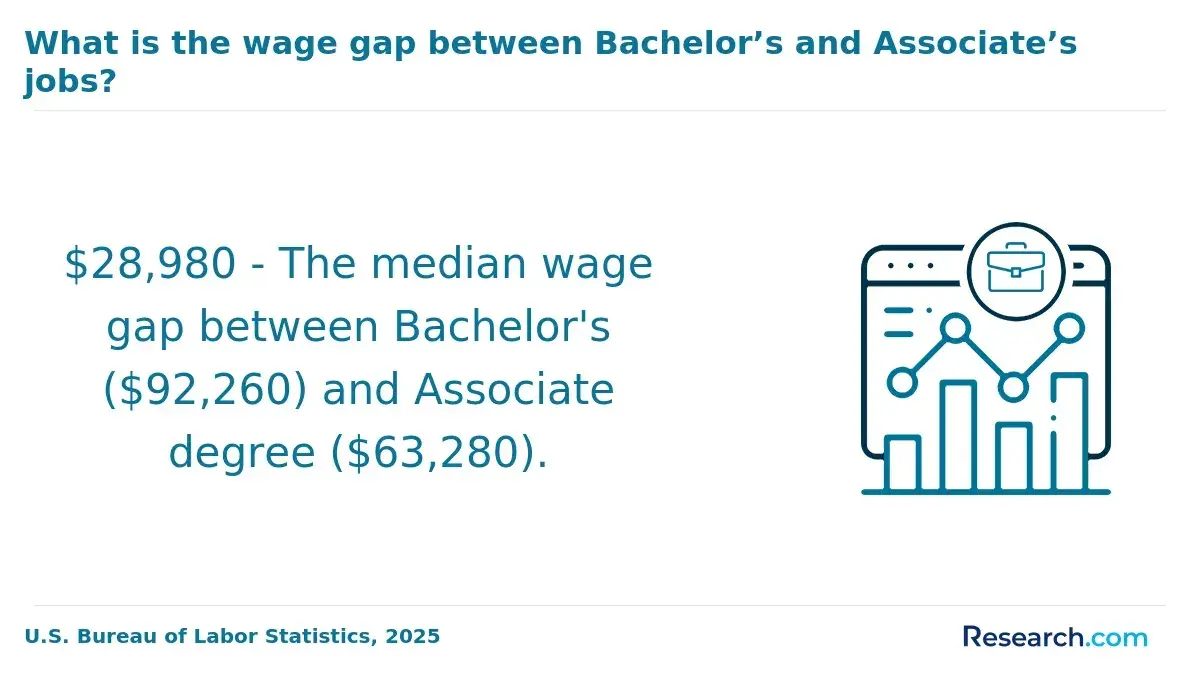
Job titles for Energy Policy master's graduates reflect how employers categorize skill levels and expectations, influencing hiring practices and career trajectories. Employers differentiate roles by technical proficiency, leadership potential, and specialized knowledge, which in turn shapes salary bands, remote work flexibility, and credential preferences.
- Entry-Level Analyst: Titles like Energy Analyst or Policy Analyst typically involve data analysis, regulatory review, and forecasting within structured teams. These roles prioritize foundational skills and often serve as stepping stones for gaining sector-specific expertise without requiring advanced certifications or leadership experience.
- Regulatory Specialist: Positions such as Regulatory Affairs Specialist focus on compliance with energy laws and standards. Employers expect strong technical knowledge of evolving regulations here, valuing candidates who can navigate legal frameworks even without extensive management duties.
- Mid-Level Manager: Roles like Energy Program Manager or Senior Policy Advisor combine technical acumen with project oversight and stakeholder communication. These jobs require graduates to balance detailed policy understanding with strategic leadership, marking a shift toward broader responsibility and influence.
- Sector Specialist: Jobs such as Renewable Energy Policy Specialist or Climate Policy Consultant demand deep expertise in niche areas and frequently require professional certifications. These positions reward focused skills and often come with higher expectations for independent decision-making.
- Executive Leadership: Titles including Director of Energy Policy or Chief Sustainability Officer represent the apex of the field, emphasizing cross-sector negotiation, interdisciplinary knowledge, and proven leadership. Candidates for these roles often need legal or advanced technical credentials alongside extensive prior experience.
A recent graduate shared their experience reviewing job postings while planning a career pivot. Initially drawn toward generic "policy analyst" listings, they noticed many employers preferred candidates with titles like "energy analyst" or "regulatory specialist," each with subtly different technical and compliance demands.
This insight led them to refine their resume to emphasize regulatory familiarity and seek certifications aligned with specialist roles. They also discovered adjacent titles such as "sustainability consultant" that matched their leadership aspirations more closely but required clearer evidence of project management ability. This targeted approach clarified realistic entry points into the field and highlighted the importance of translating academic skills into hiring language used across energy sectors.
How Does Salary for Energy Policy Master's Graduates Compare to Other Advanced Degrees?
Salary comparisons reveal that energy policy master's graduates often face tempered earning potential relative to holders of degrees in STEM or business-focused fields. This reflects how employers price expertise that combines policy knowledge with interdisciplinary skills but frequently centers on public sector or nonprofit roles rather than high-premium technical jobs.
For instance, a senior analyst in energy policy within a metropolitan area may out-earn entry-level roles but still typically falls short of starting salaries common to tech-driven graduate pathways.
- Industry Premium: Energy policy expertise commands moderate salary premiums in government and sustainability sectors but does not reach the levels seen in specialized engineering or business administration roles tied to corporate finance or technology innovation.
- Role Specialization: Positions occupied by energy policy graduates tend toward regulatory affairs, policy development, and environmental impact initiatives where direct financial incentives are less pronounced than in energy consulting or corporate sustainability consulting.
- Credential Signaling: Unlike technical degrees with clear licensure or certification paths, energy policy credentials offer less standardized signals, influencing employer willingness to assign higher salary tiers without supplementary technical skills or track records.
- Geographic Variation: Salaries fluctuate substantially by region, with locations hosting robust energy industries or climate policy efforts offering higher compensation and faster salary growth potential for these graduates.
- Advancement Ceiling: While energy policy master's graduates enjoy job stability and public sector benefits, their upward salary mobility often lags compared to tech or finance fields, affecting long-term return-on-investment evaluations.
Students analyzing energy policy master's programs against alternative credentials should weigh these salary dynamics alongside career goals. For budget-conscious learners or career changers prioritizing flexible schedules and employment in expanding green economy sectors, careful consideration of salary growth and specialization premiums for energy policy advanced degree holders remains essential.
Prospective candidates might also explore affordable online degree options such as cheap online degrees to balance cost with career trajectory.
What Hiring Trends are Shaping Demand for Energy Policy Master's Talent?
Hiring for energy policy master's graduates increasingly demands a blend of specialized technical expertise and adaptive leadership suited for dynamic energy markets and regulatory environments. Employers expect candidates to demonstrate proficiency in applying data analytics, environmental science, and economic modeling to complex policy challenges while effectively collaborating across sectors.
- Technical Specialization: Advanced skills in renewable energy technologies and grid modernization are essential as organizations pursue aggressive decarbonization goals; candidates who can translate these technologies into policy action are prioritized.
- Credential Signaling: Beyond degrees, industry-recognized certifications in energy management, sustainability, or regulatory compliance serve as critical indicators of job readiness and a commitment to sector-specific competencies.
- Regulatory Agility: The constantly evolving legal frameworks governing energy markets require professionals who can interpret and influence policy swiftly, ensuring organizations remain compliant and competitive.
- Interdisciplinary Collaboration: Master's graduates are valued for their capacity to mediate between technical experts, economists, policymakers, and community stakeholders, navigating competing priorities to implement effective solutions.
- Leadership Readiness: Success depends on the ability to communicate complex policy nuances to diverse audiences, manage cross-functional teams, and adapt strategies in response to shifting political and environmental contexts.
What Skills and Specializations are Most in Demand for Energy Policy Master's Roles?
Employers seeking graduates with a master's in energy policy increasingly expect candidates to demonstrate specialized capabilities that integrate technical knowledge with regulatory and economic insight. Hiring managers prioritize candidates who can translate complex policy frameworks into actionable strategies that address evolving energy challenges.
For example, a regional energy firm screening applicants may favor those who show expertise in regulatory compliance tied to local and international standards, as this reduces legal risks and expedites project approvals.
- Regulatory Expertise: Deep understanding of energy regulations at multiple jurisdictional levels is critical. Graduates with this specialization advise on permitting, compliance, and policy advocacy, supporting organizations in navigating legal complexities and minimizing operational risks.
- Economic Analysis: Skills in market design, pricing, and economic modeling enable graduates to influence investment decisions and public policy reforms. This competence is essential for consultancy roles where cost-benefit frameworks guide sustainable energy initiatives.
- Data Analytics: Proficiency in data tools and platforms for energy forecasting and simulations enhances decision-making capabilities. Familiarity with GIS, statistical software, and energy management systems differentiates candidates in competitive hiring pools focused on operational efficiency.
- Renewable Energy Focus: Specialized knowledge of solar, wind, and bioenergy technologies aligns with decarbonization goals. This expertise informs strategic roles in government agencies and private sector entities advancing sustainability policies.
- Stakeholder Engagement: Effective communication and negotiation skills facilitate collaboration across regulators, industry, and communities. These soft skills often separate technical experts from leaders driving policy implementation and consensus-building.
Within this context, graduates must weigh program options to develop relevant specializations that resonate with employer demands in energy policy master's graduates. Flexibility and accreditation are also vital factors for budget-conscious adult learners and career changers seeking strong ROI through affordable, accredited online programs.
For those exploring actionable academic paths, examining resources such as marriage and family therapy online programs accredited may offer useful models of program evaluation, even if outside energy policy, highlighting the importance of accreditation and flexibility in online education.
How Do Employers Describe the Value of Energy Policy Master's Graduates?
Employers often frame energy policy master's graduates as uniquely equipped to address the sector's nuanced challenges, especially where regulatory intricacies and stakeholder dynamics intersect. Their value is less about broad academic achievement and more tied to translating complex frameworks into actionable strategies that support sustainability and compliance goals.
This distinction influences screening and role assignment, notably in agencies and firms facing shifting policy landscapes.
- Technical Proficiency: Employers look for mastery in data integration and quantitative methods, expecting graduates to apply analytical tools directly to policy formulation and impact assessment. This expertise supports decisions under uncertainty inherent to energy markets and environmental regulations.
- Applied Problem-Solving: Practical experience such as internships or project involvement weighs heavily, signaling an ability to bridge theory and operational challenges. Employers favor candidates who demonstrate measurable contributions to program outcomes or regulatory adoption.
- Leadership Readiness: Hiring managers prioritize early management capability in areas like project coordination and stakeholder engagement, which lowers onboarding friction and accelerates independent role performance. This often differentiates master's candidates from bachelor's-level peers.
- Regulatory and Credential Fit: A master's is typically a baseline for specialized analyst positions, but additional credentials and field-specific experience can distinguish candidates. Familiarity with current energy laws and policy trends is essential, shaping employer confidence in candidate adaptability.
- Cross-Functional Communication: Ability to navigate multi-agency collaboration and negotiate competing interests is crucial. Graduates who demonstrate strategic insight beyond technical skills often better support organizational agility amid evolving regulatory demands.
One graduate recalled their final round with a government energy office during a late-2023 hiring cycle, where interviewers focused less on academic accolades and more on direct examples of influencing policy implementation. The hiring panel scrutinized a portfolio that included scenario analyses and stakeholder outreach plans, probing how the candidate balanced technical detail with practical constraints.
Although the graduate's master's training was valued, questions also targeted readiness for supervisory tasks and responsiveness to fast-changing legislation. Ultimately, they learned that employers treated their advanced degree not as a guarantee of expertise, but as a foundation that must be paired with demonstrated project impact and leadership adaptability to secure roles with strategic responsibility.
What ROI Do Energy Policy Master's Graduates Typically See from Their Degree Investment?
Return on investment (ROI) for energy policy master's graduates is best understood as a nuanced interaction between educational costs, career advancement potential, and evolving labor market realities rather than simple salary gains. Graduates entering fields shaped by regulatory shifts, environmental mandates, or clean energy initiatives must translate their degree into specific employer-valued expertise.
For example, professionals who leverage online program flexibility to maintain income while acquiring relevant certifications often recover costs faster and enhance practical career mobility.
- Tuition and Opportunity Cost: Energy policy master's programs vary widely in cost and time commitment. Students balancing work must weigh foregone earnings against potential salary gains, especially when study schedules allow continued employment.
- Salary Growth and Promotion Access: Wage increases often depend on sector demand and organizational recognition of the degree. Advancement is typically tied to demonstrated applied skills and relevant certifications rather than the credential alone.
- Career Transition Utility: For professionals pivoting into energy and environmental sectors, the master's degree can signal adaptable expertise, but degree holders frequently need complementary experience to secure roles with significant responsibility.
- Credential and Certification Relevance: Some roles require licensure or specialized certificates beyond the degree. Programs incorporating these elements can improve hiring prospects and shorten time to full ROI realization.
- Market Demand Alignment: Graduates connected to growing fields like renewable energy consulting or regulatory agencies see clearer job paths, as these sectors prioritize specialized policy knowledge.
- Flexible Program Formats and Employer Support: Affordable, accredited online degrees with employer tuition reimbursement opportunities reduce financial burden and opportunity costs, increasing ROI resilience amid fluctuating job markets.
What Job Search and Hiring Strategies Work Best for Energy Policy Master's Candidates?
Successful job search and hiring strategies for energy policy master's graduates align closely with how employers evaluate candidates in a specialized, evolving sector. Employers prioritize applicants who demonstrate not only academic grounding but also practical insight into regulatory frameworks, sustainability initiatives, and energy markets.
Targeted job search strategies for energy policy master's graduates must reflect these market realities to avoid getting filtered out early in hiring pipelines.
- Employer Targeting: Candidates should focus on organizations with established energy policy programs, such as government agencies, think tanks, consulting firms, and energy-centered nonprofits. Applying broadly without this focus can waste effort and reduce chances of success due to the sector's niche hiring practices.
- Timing Applications: Many employers in this field align hiring cycles with government budgets or grant cycles. Understanding and syncing applications with these periods can create a timing advantage when vacancies open.
- Credential Positioning: Emphasizing coursework or certifications in data analysis, environmental law, or renewable integration helps translate academic achievements into job-relevant skills. This framing distinguishes applicants from generalists lacking targeted policy expertise.
- Portfolio Evidence: Employers seek tangible proof such as policy briefs, case studies, or data visualization projects that demonstrate applied skills. These materials make candidates' analytical abilities and problem-solving approaches clear beyond resumes.
- Interview Preparation: Clear articulation of the multidimensional impact of policy decisions-including economic, environmental, and social factors-is essential. Candidates who convey this complexity effectively are more likely to be perceived as ready contributors.
Networking remains important but must be structured around specific industry forums and alumni connections to access unadvertised roles and bypass automated screenings. Effective hiring tactics for energy policy master's candidates in the job market also include framing transferable skills when pivoting from related fields.
For those seeking flexible, affordable options, combining these strategies with programs such as an online clinical psychology masters can demonstrate the value of targeted graduate education that balances theory and practice while accommodating working professionals' schedules.
How Will Future Trends Like AI And Automation Affect Hiring for Energy Policy Master's Graduates?
AI and automation are reshaping hiring demand for energy policy master's graduates by altering job design rather than simply eliminating roles. Employers increasingly seek candidates who combine technical fluency with the ability to interpret complex data and exercise nuanced policy judgment.
For example, a policy analyst may rely on automated data pipelines for preliminary reporting but must critically assess algorithmic outputs to guide equitable energy regulation.
- Technical Fluency: Mastery of digital tools and data analytics software is now foundational as energy sectors integrate AI-driven modeling and automated workflows into policy evaluation.
- Judgment-Driven Roles: Automation handles routine data processing, which elevates the importance of strategic interpretation, ethical oversight, and stakeholder engagement in graduate-level positions.
- Cross-Functional Collaboration: Employers prioritize interdisciplinary capabilities that bridge technology, economics, and regulatory frameworks to implement comprehensive energy solutions.
- Ethical Oversight: Managing AI's social and environmental impacts requires graduates to identify biases in data and ensure policy alignment with broader sustainability goals.
- Continuous Skill Adaptation: Rapid evolution in software and data systems demands graduates maintain agility through ongoing learning to remain relevant and productive.
These hiring patterns reflect a broader shift where employers screen not just for domain expertise but for automation-resistant skills that combine applied judgment with technical competence. Success in this evolving environment depends on integrating human insight with emerging technologies to shape resilient energy policies.
Candidates exploring credential options should consider programs that emphasize this balance and flexibility, particularly amid automation and hiring trends for energy policy masters graduates.
Budget-conscious learners may find value in accredited, flexible online pathways such as the best online EDS to EDD programs that accommodate working professionals.
What Do Graduates Say About Industry Demand for Energy Policy Master's Graduates?
- Tony: "Balancing a full-time job while pursuing my master's in energy policy was tough, but I chose the program because it offered flexible evening classes. I quickly realized that employers in this field highly value hands-on experience, so I interned during summers, which helped me build a practical portfolio. Ultimately, securing a role at a renewable energy startup was possible mainly because of that internship, even if my academic coursework was solid."
- Denver: "I had limited funds, so I had to be strategic about picking an energy policy program that offered a fast track to the workforce. The decision to focus on certifications alongside my degree paid off; many hiring managers prioritized my skills and certificates over formal licensure. Though the starting salary was modest, my ability to work remotely and quickly transition into a project analyst role allowed me to gain valuable industry exposure that's critical for future growth."
- Kai: "After completing my energy policy master's, I faced a crowded job market where competing for specialist roles was fierce. I chose to widen my scope by gaining interdisciplinary experience through a policy research internship, which delayed my full-time entry but gave me a competitive edge. In practice, I found employers cared less about licensure and more about demonstrated analysis skills and adaptability, influencing how I planned my career pivot afterward."
Other Things You Should Know About Energy Policy Degrees
Employers often seek candidates with a strong grasp of core policy frameworks combined with specialized knowledge in areas like renewable energy regulation or sustainability economics. Students aiming for broader curricula risk graduating with less depth in critical subfields, which may limit job prospects in niche roles. Prioritizing a program with targeted concentrations that match evolving market needs can enhance employability, as most mid-level roles increasingly reward expertise over generalized policy understanding.
Absolutely. Employers frequently prefer candidates who bring sector experience alongside advanced degrees, as this combination reduces onboarding time and signals practical competency. For applicants without relevant backgrounds, the master's degree alone may not suffice; they should seek programs emphasizing applied projects, internships, or partnerships with industry to build marketable experience. Therefore, those lacking direct work history should prioritize programs that actively facilitate experiential learning options.
While a prestigious or expensive program can open doors, energy policy master's graduates often find ROI is closely tied to work-integrated learning and professional networks rather than brand name alone. Budget-conscious students should look for affordable, accredited programs that balance solid curriculum design with meaningful industry connections and career support. Maximizing ROI means focusing on programs that facilitate immediate applicability of skills and provide clear pathways to employment, rather than simply chasing status or perceived prestige.
References
- 10 High-Demand Job Opportunities for Renewable Energy Engineering Graduates https://www.prasetiyamulya.ac.id/en/10-high-demand-job-opportunities-for-renewable-energy-engineering-graduates/
- Energy/Renewables Graduate Jobs | Gradcracker - Careers for STEM Students https://www.gradcracker.com/search/science/energy-renewables-graduate-jobs
- Master in International Energy Transitions https://www.sciencespo.fr/psia/academics/masters/master-international-energy/
- Where Is the Energy Talent in 2026? https://www.jonlee.co.uk/where-is-the-energy-talent-in-2026-trends-challenges-and-what-you-can-do-about-it/
- View of Artificial Intelligence And The Future Of Graduate Employment: Risks And Opportunities https://theaspd.com/index.php/ijes/article/view/5781/4183
- Jobs of the Future: The Growing Demand for Green Energy - The Renewable Energy Institute https://www.renewableinstitute.org/jobs-of-the-future-the-growing-demand-for-green-energy/
- Top jobs with a masters in environment and sustainability https://www.surrey.ac.uk/news/top-jobs-masters-environment-and-sustainability
- Energy Economics and Policy https://microcreds.ie/partners/university-of-limerick/offerings/energy-economics-and-stiu-9
- AI impacting energy jobs outlook, survey finds | Future Digital Twin https://futuredigitaltwin.com/ai-impacting-energy-jobs-outlook-survey-finds/
- Nearly half of master’s degrees have a negative ROI https://thehill.com/homenews/education/4659444-nearly-half-of-masters-degrees-have-a-negative-roi/