2027 Entry-Level Jobs With an Energy Policy Master's Degree

Co-Founder and Chief Data Scientist
Graduates with a master's in energy policy enter a job market shaped by evolving regulatory landscapes, technological advancements, and interdisciplinary employer demands. Early-career roles often require adaptability to varied functions such as data analysis, regulatory compliance, and stakeholder engagement, reflecting sector complexity. Hiring managers prioritize candidates with applied experience, policy literacy, and proficiency in emerging frameworks like climate-related financial disclosures.
Shifts toward integrated energy systems have increased demand for professionals able to navigate cross-sector collaboration and policy impact assessment. This article examines typical entry-level positions for energy policy graduates, highlighting the workforce structures and sector-specific dynamics influencing hiring and career development trajectories.
Key Benefits of Entry-Level Jobs With a Energy Policy Master's Degree
- Entry-level roles often emphasize regulatory analysis and policy modeling skills; the tradeoff is limited technical engineering exposure, which can delay cross-functional mobility in integrated energy firms.
- Employers increasingly value graduates familiar with 2024's climate compliance frameworks, signaling that mastery of evolving legislation directly enhances candidate competitiveness in government and consultancy sectors.
- The average program duration impacts opportunity cost, with many graduates postponing workforce entry; understanding this timing aids candidates weighing immediate employment against specialized credentialing benefits.
What Entry-Level Jobs Can You Get With a Energy Policy Master's Degree?
Entry-level roles for energy policy master's graduates often demand more than basic familiarity; many involve substantive responsibility, specialized expertise, and analytical decision-making right from the start. These jobs serve as critical stepping stones that leverage graduate-level training to address complex regulatory, technical, and sustainability challenges. Variations in entry-level opportunities reflect differences across industries, prior experiential backgrounds, and how a candidate's master's program focused on policy, economics, or technical energy systems.
- Energy Analyst: This role centers on interpreting and modeling data related to energy markets, technology adoption, and regulatory impacts. It requires translating detailed economic and environmental trends into actionable insights for policymakers or corporate strategists. Although considered entry-level, it builds foundational skills in technical analysis and forecasting critical for advancing into senior technical or advisory positions.
- Policy Analyst: Serving as a researcher and advisor, this position involves evaluating existing regulations and emerging legislation to recommend adjustments aligning with sustainability and compliance goals. Entry-level policy analysts gain exposure to stakeholder engagement and legal frameworks, which are essential for specialization in regulatory affairs or program management.
- Regulatory Affairs Specialist: Focused on ensuring organizational compliance with evolving energy regulations, this role demands understanding both technical specifications and legal requirements. Early career professionals develop negotiation and documentation skills that facilitate progression to senior regulatory or governmental liaison posts.
- Sustainability Coordinator: Often positioned within corporations or municipalities, this role implements sustainability initiatives aligned with energy policy objectives. Entry-level coordinators learn to balance internal operational goals with external regulatory demands, creating a pathway toward sustainability management or consultancy roles.
According to labor market analyses from sources including the U.S. Bureau of Labor Statistics and O*NET, these occupations typically show median salaries between $55,000 and $75,000 for new graduates, reflecting sectoral and geographic variability. Entry-level in this context reflects jobs that require a master's level of knowledge for foundational responsibilities rather than supervision of others, emphasizing technical depth over managerial scope initially. Progression usually involves leveraging a blend of technical acumen, policy writing, and stakeholder negotiation to move into specialized roles, management, or consultancy focused on areas like carbon markets, grid modernization, or climate adaptation strategies.
Graduates who actively engage with emerging energy trends and cultivate experience through internships or project work during their master's often accelerate early career growth and open doors in competitive sectors. The dynamic energy policy landscape rewards those who adapt by blending rigorous policy analysis with practical implementation skills, making initial entry-level roles a launching pad for long-term influence across government, industry, and nonprofit domains.
For candidates uncertain about their next steps, exploring online associate degree programs related to technical energy fields or data analysis can supplement their profile and increase employability in targeted subfields.
What Sectors Have the Strongest Demand for Graduate-Level Talent?
Employer demand for graduate-level talent with a master's degree in energy policy is shaped by broader structural shifts in the workforce and industry landscapes, not merely by degree enrollments. Sectors with steady demand often rely on specialized expertise to navigate complex regulatory frameworks, integrate advancing technologies, and lead strategic initiatives amid evolving policy environments. This creates sustained openings for individuals who can provide advanced analysis, policy interpretation, and stakeholder engagement at higher levels of responsibility.
- Government and Regulatory Agencies: Federal and state bodies remain central employers, driven by ongoing mandates to implement and enforce energy regulations connected to climate goals and infrastructure modernization. These agencies seek professionals skilled in policy evaluation, compliance oversight, and program design, reflecting a stable need for expertise that ensures alignment between legislative priorities and energy sector developments.
- Energy Utilities and Infrastructure Firms: Utilities face accelerating pressure to decarbonize and modernize grids, creating demand for analysts who can integrate renewables, optimize system reliability, and navigate increasingly complex regulatory landscapes. These roles commonly involve operational planning and policy advisory work that links technical and economic considerations, attracting graduates adept at handling interdisciplinary challenges.
- Consulting and Advisory Services: Consulting firms engage energy policy graduates to advise diverse clients on regulatory impacts, environmental risk management, and sustainability strategies. The project-driven nature of this sector rewards flexibility and communication skills, while providing exposure to multi-stakeholder environments and policy-driven decision-making processes.
- Nonprofit and Research Organizations: Advocacy groups and think tanks focused on climate and energy transition rely on policy graduates to conduct rigorous analysis and public outreach. Though pay may be lower initially, these roles foster professional growth through involvement with influential research and shaping emerging policy debates.
- Energy Finance and Investment: This emerging sector leverages graduates who combine policy insight with quantitative acumen to assess financial risks and opportunities arising from policy shifts. Demand here reflects the growing fusion of policy analysis with economic modeling, relevant for careers involving project financing, risk assessment, and investment strategy.
One recent graduate recounted the uncertainty they faced during the admission cycle, struggling with late application deadlines amid increasing competition. They had to balance careful program research against the risk of missing rolling admission windows, ultimately prioritizing applications to programs closely aligned with their sector interests. This pressured approach underscored the importance of flexible timing and thorough preparation in navigating early career pathways shaped by shifting sector demands.
Which Entry-Level Energy Policy Careers Have the Highest Starting Salaries?
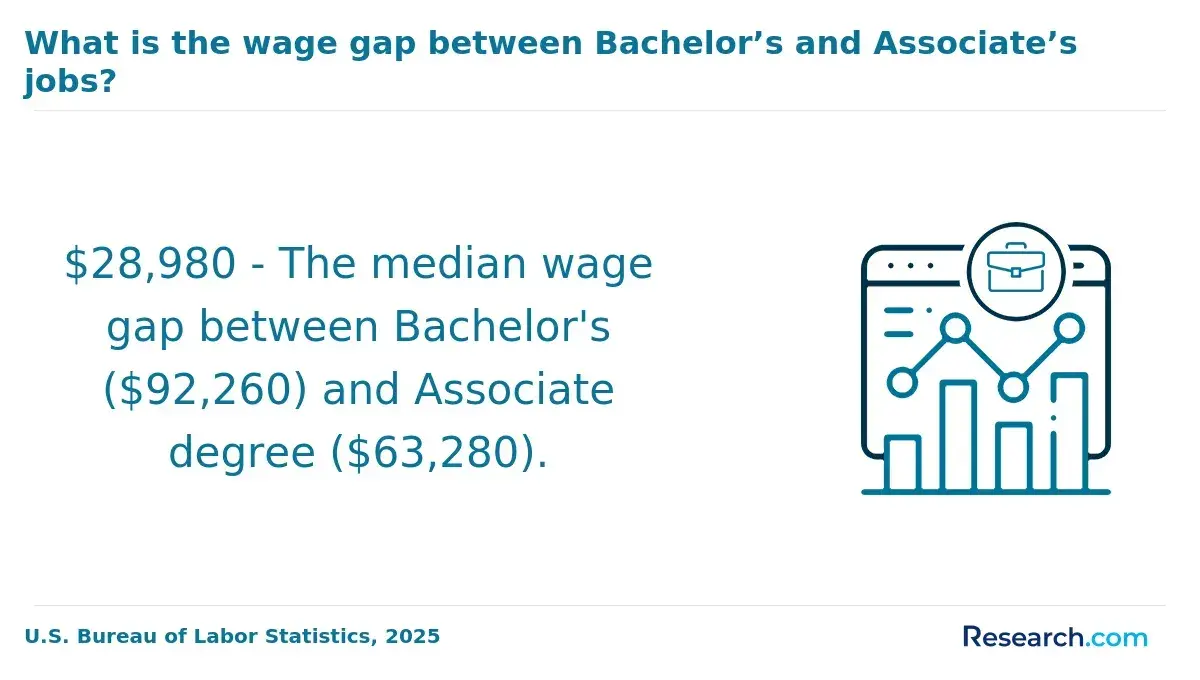
Starting salaries for entry-level roles in the energy policy sector reflect a combination of specialized skills, market demand, organizational complexity, and the strategic value of the position rather than degree credentials alone. Higher pay typically aligns with roles requiring advanced quantitative abilities, expertise in regulatory frameworks, or knowledge critical to navigating evolving energy markets. Positions commanding the strongest compensation often carry greater responsibility early on, engaging directly with technical analysis, compliance, or project execution in competitive or heavily regulated environments.
- Regulatory Affairs Specialist ($70,000-$90,000): This role demands nuanced understanding of energy regulations and compliance, a skill set scarce across utilities and government agencies. Starting salaries are elevated due to the need for technical proficiency combined with the ability to interpret and implement complex policies that impact operational risk and market participation, positioning graduates for swift advancement into senior advisory or managerial functions.
- Energy Analyst ($65,000-$85,000): Analysts command strong pay because they provide critical insights on market trends, policy shifts, and sustainability metrics that directly influence corporate decision-making. Their analytical rigor and ability to synthesize economic and regulatory data underpin strategic planning within energy firms or consultancies, often serving as a foundation for future roles in strategy or corporate sustainability leadership.
- Environmental Consultant ($60,000-$80,000): Compensation here reflects demand in environmental assessment and regulatory compliance, especially from private sector clients. The role requires balancing technical environmental knowledge with client communication and project management skills, preparing graduates for diverse career paths across consulting, policy, and corporate sustainability.
- Energy Project Coordinator ($60,000-$75,000): Entry-level coordinators involved in renewable projects typically earn slightly less, reflecting roles that emphasize operational support and grant management rather than policy analysis. While technical knowledge is essential, compensation corresponds to the administrative and logistical nature of the work, with growth tied to experience overseeing increasingly complex projects.
- Policy Analyst ($55,000-$75,000): These positions offer broader exposure to legislation and economic effects, often in think tanks or advocacy groups. Pay is modest relative to roles requiring tighter regulatory expertise, signalling a tradeoff between influence and immediate market value, although such roles can lead to influential positions over time in public policy or nonprofit sectors.
Which Industries Pay the Most for Entry-Level Energy Policy Master's Graduates?
Entry-level salaries for graduates holding a master's degree in energy policy are shaped largely by the economic models and regulatory environments of their industries rather than solely by individual qualifications. Sectors that command higher compensation typically operate in spaces marked by substantial regulatory scrutiny, high profit margins, or rapid technological change. In these contexts, specialized energy policy expertise is critical for navigating compliance, risk management, and strategic development, directly influencing organizational effectiveness and financial outcomes.
- Oil and Gas Industry: Despite growing emphasis on renewable transition, this sector remains lucrative at entry level due to complex regulatory frameworks and substantial capital investments. Energy policy graduates here focus on ensuring compliance with environmental laws and advancing sustainability goals, roles compensated well because lapses can lead to costly penalties or operational shutdowns. Recent labor market data highlight its persistent premium on policy-informed risk mitigation and strategic planning skills.
- Renewable Energy Sector: With expanding investments in solar, wind, and related technologies, demand for policy professionals who can harmonize regulatory challenges with project development is rising. Entry-level salaries reflect the sector's growth trajectory and the strategic importance of policy expertise in securing permits, financing, and community buy-in, which are crucial for scaling innovations under tightening government standards.
- Consulting Firms: Specialized consulting in energy and environmental policy pays well as clients-from private enterprises to government bodies-seek nuanced advisory services to comply with evolving regulations and align with sustainability targets. Entry-level roles require analytical rigor and sector knowledge, and compensation reflects the value placed on these skills in facilitating cost-effective decision-making and regulatory navigation.
- Government Agencies: Federal and state energy offices offer competitive salaries for policy analysts who manage regulatory implementation and program evaluation, balancing public interest with industry realities. Although often less lucrative than private sectors, these positions provide stability and direct influence on legislative processes, demanding proficiency in policy interpretation and interagency coordination.
Salary analysis from sources like the U.S. Bureau of Labor Statistics for 2024 indicates that entry-level energy policy jobs typically start in the $60,000 to $80,000 range, varying by geographic location and sector profitability. Understanding highest paying entry-level energy policy jobs requires recognizing how industries value policy skills in managing regulatory complexity and innovation risks. For a pragmatic career approach, assessing these factors alongside role expectations is necessary.
Professionals beginning their careers often act as policy analysts, regulatory specialists, or project coordinators, roles demanding a combination of legislative understanding and data-driven evaluation. Their capacity to apply energy policy knowledge strategically sets the foundation for future advancement and alignment with shifting market and environmental priorities.
Alternative academic routes or conditional admission programs may be suitable for applicants who do not meet traditional entry requirements, allowing them to build the core competencies necessary for success in these fields. Aspiring students should consider the real-world functionality of energy policy education as reflected in employer demand and salary benchmarks, rather than generic program benefits. For insights on optimizing degree choices in related and complementary fields, reviewing research on online business degrees may provide valuable cross-sector perspectives.
Which Skills Are Most Valuable in Entry-Level Positions?
Hiring for entry-level roles in energy policy increasingly centers on demonstrable skills rather than credentials alone. Employers look for candidates who can immediately contribute by applying technical expertise and domain knowledge to complex, real-world challenges. This focus reflects market demands for actionable insights, regulatory compliance, and collaborative problem-solving even in junior positions.
- Data Analysis and Interpretation: The ability to work with large, often messy datasets related to energy production and consumption is critical. Entry-level professionals skilled in quantitative analysis provide valuable support for decision-making and policy evaluation, which enhances their appeal to employers who prioritize data-driven insights for regulatory forecasting and strategic planning.
- Communication and Stakeholder Engagement: New graduates often serve as intermediaries between varied groups including technical teams, regulators, and private stakeholders. Strong communication skills enable clear translation of complex policies into actionable tasks, a trait hiring managers associate with higher productivity and fewer project delays.
- Regulatory Knowledge and Legislative Processes: Understanding the nuances of energy regulations and policy frameworks is foundational for entry-level roles focused on compliance and advisory functions. Candidates versed in these areas help organizations anticipate legal risks and contribute concrete input to policy formation, making them indispensable in operational teams.
- Geospatial and Environmental Impact Analysis: Practical skills in using geospatial tools and environmental assessment software position graduates to actively participate in infrastructure planning and sustainability evaluations. Employers value this expertise as it aligns with industry trends emphasizing environmental accountability and efficient resource management.
One recent graduate recalled the anxiety of waiting during rolling admissions, hesitating before submitting final materials due to uncertainty about timing and competitiveness. Their strategic decision to prioritize test preparation and finalize key projects before application demonstrated an understanding that tangibly relevant skills-rather than the mere timing of submission-would shape their candidacy. This pragmatic approach echoed their later realization in the workforce that employers value the proven capacity to contribute skills under real constraints more than formal deadlines or credentials alone.
Do Employers Hire Energy Policy Master's Graduates Without Professional Experience?
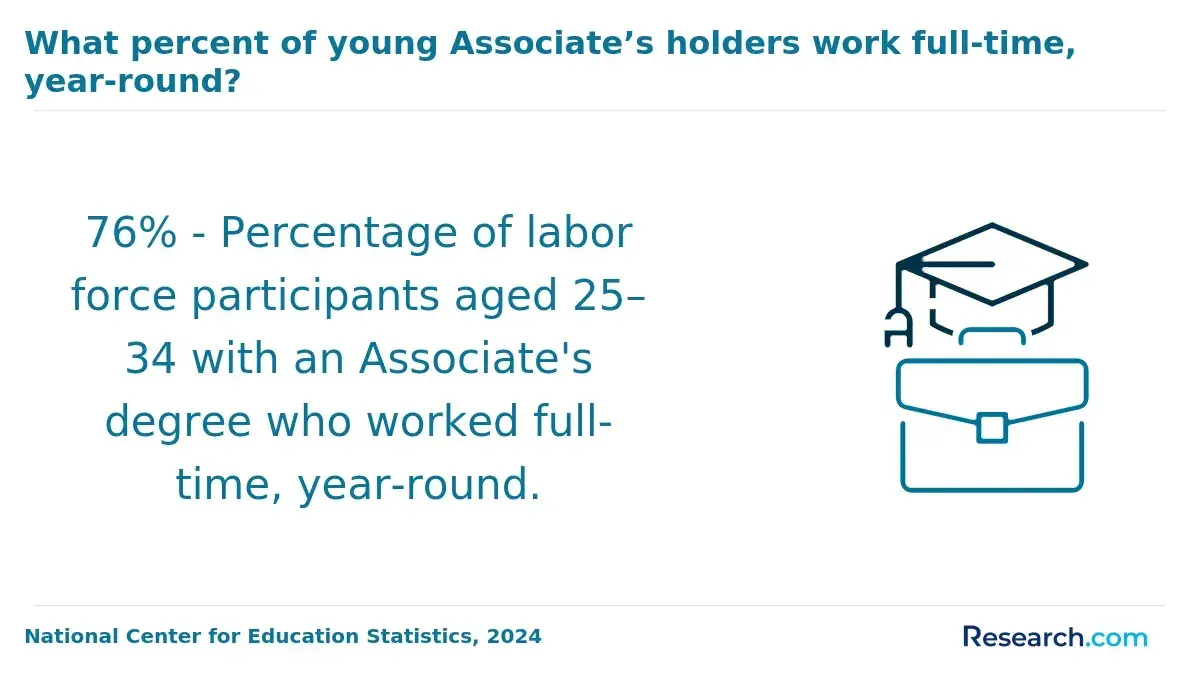
Many employers do hire energy policy master's graduates without prior professional experience, particularly for entry-level positions explicitly designed to develop early-career talent pipelines. These roles often exist within government agencies, nonprofit organizations, and certain private sector firms that anticipate onboarding graduates primarily on the basis of academic credentials and foundational knowledge. According to recent labor statistics, structured programs emphasizing internships and assistantship opportunities reflect employer intent to invest in practical skill development post-hiring rather than prerequisite years of work history. This dynamic is central to entry-level job opportunities for energy policy master's graduates without prior professional experience, allowing candidates to enter the workforce even when direct job experience is absent.
The feasibility of being hired without professional experience largely depends on a candidate's ability to demonstrate applied skills and relevant competencies acquired during their studies. Strong academic performance combined with hands-on exposure through internships, capstone projects, or field research helps compensate for the absence of formal employment history. Employers increasingly seek evidence of proficiency in regulatory frameworks, data analysis tools, and stakeholder engagement, rather than relying solely on traditional resumes.
Certifications or technical skill demonstrations can further validate readiness for work in policy-related positions, reflecting a broader shift toward competency-based hiring practices. This evolving landscape reinforces the importance of strategic experiential learning opportunities within graduate programs, often highlighted alongside traditional routes such as the data science master online degrees in interdisciplinary contexts.
Which Certifications Help Entry-Level Energy Policy Master's Graduates Get Hired?
Employers increasingly rely on professional certifications to verify practical skills that often extend beyond what a master's degree in energy policy can fully convey. While the degree provides essential theoretical grounding and policy analysis capabilities, certifications serve as tangible evidence of applied knowledge and readiness to navigate specific industry tools and regulatory frameworks. For entry-level candidates, these credentials help clarify competence in complex interdisciplinary tasks common in energy policy roles, bridging the gap between academic preparation and job-specific demands.
- Project Management Professional (PMP): Recognized broadly across sectors, PMP certification signals proficiency in managing projects, timelines, and stakeholder coordination-skills vital for implementing energy policies and programs. This credential strengthens employability by confirming an ability to oversee multifaceted initiatives, a frequent expectation in both government and private energy organizations.
- Certified Energy Manager (CEM): Offering credibility in both technical energy management and policy-related compliance, the CEM is valued for demonstrating competence in energy efficiency standards, monitoring, and reporting. Entry-level graduates benefit by aligning with industry-standard metrics and practical energy evaluation techniques sought by employers focused on sustainability and regulation.
- ISO 14001 Environmental Management Systems Certification: This certification indicates familiarity with international environmental management protocols, enhancing a candidate's ability to engage with regulatory processes and sustainability initiatives within agencies and consultancies. It signals applied knowledge of compliance and environmental impact assessment critical to energy planning roles.
- Renewable Energy Professional (REP): As clean energy sectors expand, the REP credential verifies expertise in renewable technologies and policy frameworks supporting their adoption. For new graduates, REP enhances their profile by validating an understanding of evolving regulatory environments and technical aspects relevant to renewable energy deployment.
Data from recent labor studies indicate candidates holding relevant certifications see an estimated 18% increase in job offer likelihood for technical and policy-aligned energy careers. Nevertheless, credential choices should be strategic: overlapping certifications or overly niche credentials may offer limited market value relative to time and cost invested. Targeting widely recognized and cross-functional certifications that complement a master's foundation typically yields the best return, particularly in early career stages where demonstrated practical skills and interdisciplinary adaptability are prioritized by employers.
What Remote Jobs Can You Get With a Energy Policy Master's Degree?
Remote opportunities for graduates with a master's degree in energy policy have expanded notably through advances in digital collaboration tools, cloud-based data management, and broader corporate acceptance of distributed teams. The suitability of a role for remote work depends heavily on the nature of deliverables-those that require quantifiable outputs, asynchronous communication, and limited reliance on physical presence adapt best. Employers increasingly value candidates who can navigate virtual workflows while maintaining clarity and precision in policy analysis, regulatory interpretation, and stakeholder communication.
- Policy Analyst for Renewable Energy Initiatives: This role involves analyzing regulatory impacts and drafting policy briefs remotely using digital platforms. The ability to process large datasets and synthesize technical information suits asynchronous collaboration, with performance measured by the accuracy and timeliness of policy insights delivered via cloud-based systems.
- Remote Research Associate Focusing on Energy Market Trends: Research associates remotely compile and evaluate market data, often leveraging specialized energy modeling software accessible via the cloud. The role demands rigorous data management and report writing, aligning well with outcome-based remote workflows and virtual team integration.
- Environmental Regulatory Compliance Specialist Working with Utilities: Specialists provide regulatory guidance and compliance assessments through virtual meetings and document sharing. The focus on precise adherence to evolving standards enables work that is highly document-centric and measurable, facilitating remote monitoring and accountability.
- Energy Program Coordinator in Nonprofit or Governmental Sectors: Coordinators manage project timelines and stakeholder communications primarily through digital tools like project management software and video conferencing. Their role emphasizes coordination in distributed teams, requiring strong organizational skills paired with adaptability to virtual stakeholder engagement.
- Data Analyst Supporting Sustainability Assessment Projects: Data analysts handle complex datasets remotely, using Excel and specialized software to generate actionable insights. Their deliverables, often reports and dashboards, support remote decision-making processes and are judged through clear, data-driven outcomes suited to virtual environments.
How Competitive Is the Entry-Level Job Market for Energy Policy Master's Graduates?
Entry-level competitiveness for graduates holding a master's degree in energy policy varies substantially by industry demand, geographic labor markets, and the degree of specialization within energy policy disciplines. Regions with strong policy activity and energy infrastructure, such as Washington, D.C., California, and Texas, often exhibit high hiring intensity but also attract large applicant pools, creating bottlenecks for new graduates. The U.S. Bureau of Labor Statistics projects an 8% growth rate in related environmental science roles through 2032, indicating steady demand; however, this growth is broadly distributed and can mask fierce competition in highly desirable subfields. As a result, graduates face differentiated market conditions depending on local energy sector dynamics and specific policy niches.
Employers increasingly expect entry-level candidates to supplement their academic credentials with practical technical skills, internships, certifications, and demonstrated proficiency in data analysis or regulatory frameworks. These expectations raise the competitive threshold, as many recent graduates possess interdisciplinary expertise encompassing energy systems and analytics. The hiring process thus favors individuals who can signal immediate value through applied project experience or specialized software knowledge. Although job titles such as policy analyst, energy consultant, or sustainability coordinator are common starting points, securing these roles often involves surpassing a crowded field of similarly qualified candidates, necessitating strategic preparation and early career focus.
For those navigating the entry-level job market trends for energy policy master's graduates, positioning oneself distinctively through targeted skills or niche subfields can mitigate competition. Areas adjacent to emerging energy technologies or underserved regulatory sectors may present relatively lower competition due to talent shortages. Moreover, engagement in practical initiatives and professional networking is critical to overcoming the high supply of interdisciplinary candidates. Students considering adjacent fields, such as data science, may also explore comparative advantages; for context, a data scientist degree remains a valuable option with overlapping skills that can broaden employment possibilities and market adaptability.
The entry-level job market for graduates holding a master's degree in energy policy is moderately competitive, shaped by several intersecting factors including industry demand, geographic location, and the evolving energy landscape. According to a 2024 report by the U.S. Bureau of Labor Statistics (BLS), the overall growth rate for environmental scientists and specialists-which includes many energy policy roles-is projected at 8% from 2022 to 2032, aligning closely with the average for all occupations. This suggests steady but not expansive growth in relevant job opportunities.
Employers typically seek candidates who complement their policy expertise with analytical skills, technical knowledge of energy systems, or experience in data interpretation. Those possessing internships, research experience, or familiarity with regulatory frameworks tend to have a competitive edge. Early career roles often include policy analyst, energy consultant, regulatory affairs specialist, and sustainability coordinator positions.
Salary expectations for entry-level energy policy graduates generally range from $55,000 to $75,000 annually, varying by employer type and region. Government agencies, NGOs, and consulting firms feature prominently as hiring organizations, though competition can be tight due to a steady supply of graduates from interdisciplinary backgrounds.
Careful attention to industry-specific skills and networking is crucial. Candidates who engage in practical projects, secure relevant certifications, or demonstrate domain-specific software proficiency often navigate the job market more successfully. Furthermore, geographic hubs like Washington, D.C., California, and Texas tend to present more abundant opportunities but also attract a larger pool of qualified applicants.
Which Entry-Level Roles Have the Strongest Long-Term Growth Potential?
Long-term career growth in energy policy jobs often depends less on the initial job title and more on the specific skills, responsibilities, and industry exposure the role affords. The strongest entry-level positions typically provide transferable skills, visibility into strategic decision-making, and opportunities to cultivate expertise valuable throughout evolving energy sectors. Selecting roles that encourage continual skill accumulation and leadership development influences sustained career advancement and salary growth potential.
- Energy Analyst: This role emphasizes data interpretation and policy impact assessment, providing a foundation in regulatory and market dynamics crucial for long-term specialization. Analysts often progress into senior advisory roles or management positions overseeing complex energy portfolios.
- Policy Advisor: Early career exposure to legislative processes and stakeholder engagement builds political acumen and negotiation skills. Career trajectories can lead to leadership in government agencies, think tanks, or corporate policy divisions.
- Sustainability Consultant: Consulting fosters adaptability across sectors and expertise in compliance and environmental impact, making this role a gateway to strategic positions in renewable energy finance or corporate sustainability leadership.
These entry-level roles align with labor market demand driven by the global energy transition and regulatory changes. Candidates who capitalize on internships, career services, and alumni networks linked to these positions enhance their employability and long-term earnings. Prospective students should evaluate programs not only for academic reputation but also for how well they support access to such roles. Conditional admission offers that facilitate early industry exposure can significantly improve early-career momentum, though they might impose extended timelines or extra requirements.
Balancing practical concerns, including financial resources and career timelines, remains essential since delays or increased debt from conditional admission might counteract eventual benefits. For individuals weighing options after completing a bachelor degree in project management, these labor market insights provide context for making informed educational and professional investments.
What Graduates Say About Entry-Level Jobs With a Energy Policy Master's Degree
- Tony: "After completing my master's in energy policy, I found that many employers placed greater emphasis on practical experience than on licensure. Internships and project portfolios were often the deciding factors in landing interviews. I made a deliberate choice to pursue remote consulting roles initially, which allowed me to build varied experience across different sectors. The transition helped me understand how flexible work arrangements are becoming standard in this field."
- Denver: "Graduating with an energy policy degree pushed me to rethink traditional career paths since many entry-level positions were fiercely competitive. I realized early on that certifications related to data analytics and regulatory compliance boosted my resume more than just credentials alone. Navigating this landscape meant accepting some trade-offs: salary growth in non-licensed roles tends to plateau faster, but the chance to work on meaningful policy projects offset this for me. It's a delicate balance between gaining experience and finding advancement opportunities."
- Kai: "My experience after finishing the energy policy program was a mix of challenge and adaptation. The reality is that some roles require significant on-the-ground work or certification beyond the degree, which I hadn't initially anticipated. Rather than waiting for the "perfect" position, I opted to pivot slightly towards environmental policy roles that valued cross-disciplinary skills. This approach allowed me to enter the workforce faster and build credentials relevant to my long-term goals, even if it meant a non-linear career start."
Other Things You Should Know About Energy Policy Degrees
In 2027, selecting a relevant specialization, such as renewable energy strategies or sustainable policy design, is increasingly important. It provides targeted expertise that aligns with industry demands, making graduates more competitive for entry-level positions in the dynamic energy sector.
Larger organizations generally provide more structured onboarding and clearer career ladders but may offer less immediate influence on policy decisions. Smaller firms or startups can expose entry-level professionals to diverse tasks and faster responsibility growth, though often with less guidance and greater unpredictability in workload. Graduates should weigh the tradeoff between institutional support and early autonomy; if foundational skill-building and mentorship are priorities, larger employers are advisable, whereas those seeking rapid experiential breadth might consider smaller entities.
Entry-level roles in energy policy commonly involve balancing multiple research, analysis, and coordination tasks under tight deadlines, especially in government or consultancy settings. While this workload can accelerate skill acquisition, it risks burnout if not managed or if expectations exceed realistic capacity. Understanding employer culture and negotiating manageable workloads is crucial; early-career professionals should seek positions where challenges foster growth without compromising long-term sustainability or job satisfaction.
In most cases, entering the workforce directly and gaining hands-on experience offers greater insight into which technical proficiencies are most relevant to your desired career path. Immediate upskilling without context can lead to misaligned effort and opportunity costs. However, if initial job searches highlight specific skill gaps that consistently block hiring, targeted short-term technical training-such as in energy data analytics or GIS-can improve employability. Prioritize workforce immersion first, then pursue training informed by real-world role requirements.
References
- Employment opportunities and demand for personnel in Renewable Energy https://www.renewableinstitute.org/employment-opportunities-and-the-increased-demand-for-trained-personnel/
- Why inexperienced workers can't get entry-level jobs https://www.bbc.com/worklife/article/20210916-why-inexperienced-workers-cant-get-entry-level-jobs
- Renewable energy jobs · Energy Policy — Rejobs.org https://rejobs.org/en/renewable-energy-jobs/energy-policy
- 4 Entry-Level Jobs in Renewable Energy https://insightglobal.com/blog/entry-level-jobs-renewable-energy/
- Clean Energy https://www.sustainabilitydegrees.com/careers/clean-energy/
- The 10 best paying jobs in energy: a deep dive into high-paying opportunities | illuminem https://illuminem.com/illuminemvoices/best-paying-jobs-in-energy
- Experts on the Future of Clean Energy Jobs | MDRC https://www.mdrc.org/work/publications/experts-future-clean-energy-jobs
- Renewable Energy Jobs in 2026: Global Market Growth, Skills Gap & Career Pathways (With Data + Forecasts) https://www.greenfueljournal.com/post/renewable-energy-jobs-in-2026-global-market-growth-skills-gap-career-pathways
- Top Certifications for Energy Transition Jobs - ABLEMKR https://ablemkr.com/energy-transition-certifications-jobs/
- Vacancies for "energy policy" | UNjobs https://unjobs.org/skills/energy-policy