2027 Job Placement Rates for Energy Policy Master's Graduates: Employment Outcomes

Co-Founder and Chief Data Scientist
Evaluating job placement rates for energy policy master's graduates reveals critical patterns shaped by industry sector and geographic location, highlighting where opportunities align with graduate skills. Graduates concentrating in renewable energy or regulatory frameworks often find faster placement in regions with strong green initiatives, whereas others targeting traditional utilities face different employment dynamics. According to a 2024 report by the U. S. Bureau of Labor Statistics, demand for policy experts in energy is growing unevenly across states, reflecting shifting employer priorities. Recognizing how internship experiences and employer perceptions influence hiring can clarify which programs enable quicker entry, competitive compensation, and long-term career sustainability.
Key Things to Know About the Job Placement Rates for Energy Policy Master's Graduates
- Graduates concentrating on renewable energy policy report higher job placement due to sector growth, yet sector volatility demands continuous skill updates, challenging long-term stability in fast-evolving markets.
- Geographic location strongly influences employment; metropolitan hubs offer greater demand but increased competition, forcing graduates to weigh cost-of-living rises against access to top employers.
- Internship experience significantly boosts employer perception, yet securing quality placements can delay graduation timelines, affecting adult learners balancing study cost and career momentum.
What Are the Typical Job Placement Rates for Energy Policy Master's Graduates?
Job placement rates for energy policy master's graduates are best understood as multifaceted metrics reflecting different graduate outcomes rather than a simple percentage. Distinguishing between graduates who secure full-time employment directly linked to energy policy, those who engage in any form of work-including part-time or unrelated roles-and those who continue their education is essential for interpreting reported figures accurately. For example, a graduate accepted into a doctoral program may be counted as "placed" in some reports, inflating employment figures but delaying immediate workforce entry. Recognizing these distinctions allows prospective students to weigh the practical implications of program outcomes on career trajectories amid varying labor market conditions across sectors and geographies.
Analysis of data from program-published outcomes, the National Center for Education Statistics (NCES), and the U.S. Bureau of Labor Statistics (BLS) reveals typical placement ranges but also highlights variability depending on methodology and context. Given that energy policy master's graduates enter diverse roles across government agencies, private industry, and nonprofit sectors, employment rates linked strictly to the field often fall below aggregate figures that include all labor market participation. This underscores the necessity for scrutinizing methodological notes accompanying program statistics, which clarify whether "employment" includes contract work, internships, or positions not aligned with the degree specialization, significantly impacting perceived workforce readiness and employer recognition.
When evaluating BCBA accredited programs online or similar credentials, applicants benefit from this analytical lens, especially when comparing programs that report placement rates for energy policy master's graduates in the United States. Understanding not just employment quantity but quality, alignment, and sustainability drives informed decision-making that matches educational investments with career ambitions across industry sectors.
How Does Energy Policy Master's Graduate Employment Compare to the National Average?
Graduates with a master's in energy policy generally secure employment at rates comparable to or slightly above the national average for all master's degree holders, but this aggregate view conceals important regional and sector-specific tradeoffs. For instance, a graduate concentrating in sustainability roles near active energy hubs can find placement notably faster than peers in less specialized or geographically disconnected areas.
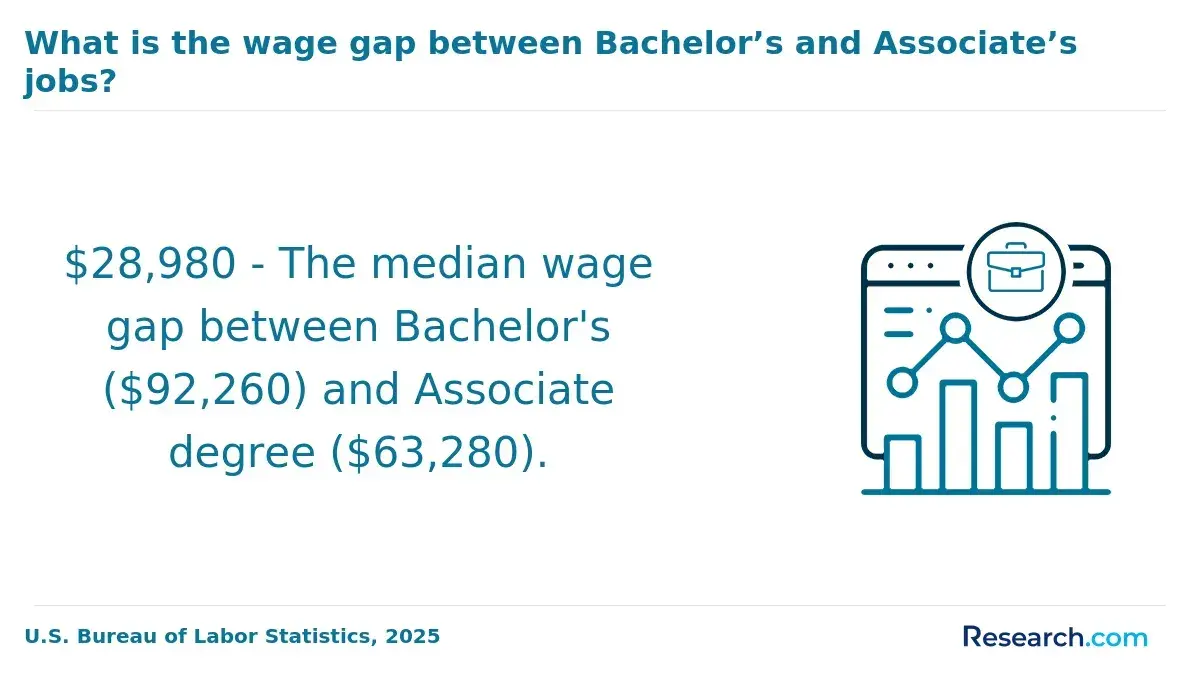
When compared to benchmark data from the Bureau of Labor Statistics and the National Center for Education Statistics, employment rates for energy policy master's graduates align closely with the general master's population, often within an 86%-90% range for employment within one year. However, the definitions used by BLS-focused on occupation-specific projections-and NCES-relying on self-reported employment status-necessitate careful interpretation before drawing simple conclusions.
Which Industries and Sectors Hire the Most Energy Policy Master's Graduates?
Energy policy master's graduates typically find employment spread across multiple sectors rather than concentrated in one or two dominant industries. This broad distribution reflects both the interdisciplinary training and the need for targeted experience to excel in specialized roles. For example, a graduate focusing on international energy economics may pursue a government role shaping trade regulations, while another concentrating on environmental law might align with nonprofit advocacy. Understanding this dispersion is essential for prospective students evaluating the tradeoff between career flexibility and sector-specific depth.
- Government: Federal, state, and local agencies are primary employers, valuing expertise in regulatory frameworks, sustainability policies, and legislative compliance. These roles often appeal to students interested in public policy impact and long-term regulatory careers.
- Private Consulting: Consulting firms engaged in energy markets analysis and strategic planning seek graduates for their analytical skills and sector familiarity. This sector offers competitive salaries but usually demands adaptability and strong client communication abilities.
- Nonprofit Organizations: Many energy policy graduates contribute to environmental advocacy and program development within nonprofits. While these positions may provide lower salary prospects, they align with socially motivated career goals and often require specialized knowledge in advocacy.
- Technology and Energy Companies: Roles in renewable energy firms, utilities, and cleantech are expanding but frequently require a blend of policy understanding and technical proficiency. Graduates here engage in project management and corporate sustainability initiatives.
- Education and Research: Academic institutions and think tanks employ graduates for policy research and data analysis, often favoring those with thesis experience or advanced specialization.
Sector demand dynamics also shift based on geographic market variations, program concentrations like environmental law or energy economics, and whether the graduate completed a thesis track. For instance, international policy concentrations tend to place more graduates in global nonprofits or federal agencies, whereas local market factors influence private consulting opportunities more heavily. These factors underscore the importance of aligning educational choices with labor market realities, as demonstrated in numerous IPEDS graduate outcome surveys and BLS data.
For those weighing program options, referencing lists such as the most popular online colleges can provide visibility into institutions with strong connections across these sectors, aiding informed decision-making about workforce placement prospects.
What Types of Job Titles Do Energy Policy Master's Graduates Most Commonly Hold?
Job titles attained by graduates of master's programs in energy policy reflect a bifurcation between those entering the workforce and those leveraging the degree for upward mobility within the sector. Entry-level roles typically emphasize analytical, research, or support functions, while mid-career professionals use the credential to transition into more strategic or managerial positions. This distinction is critical because aggregated placement data often blur the line between fresh graduates and experienced hires expanding their career scope. For prospective students, recognizing these titles as indicative of employer expectations helps align educational outcomes with job searches, providing a practical lens to evaluate the degree's market relevance.
- Energy Analyst: A common entry position focused on interpreting market data, regulatory frameworks, and energy trends. This role demands proficiency in both quantitative analysis and policy interpretation, leveraging core competencies developed during the master's program.
- Policy Associate: Generally found in government or research institutions, these associates support senior analysts by preparing briefs, monitoring legislative changes, and synthesizing policy impacts-skills acquired through practical coursework and internships.
- Consultant, Energy Sector: Often held by professionals with prior industry experience, this role involves advising clients on regulatory compliance, sustainability strategies, and infrastructure planning, reflecting a higher level of technical and strategic expertise.
- Program Manager: Reflecting advancement, this position entails overseeing project execution, budgeting, and coordinating multiple stakeholders across energy initiatives, requiring both leadership capabilities and sector knowledge.
- Energy Economist: Specialists in economic modeling and market forecasting who tend to use the master's degree as a tool for career pivoting or promotion, typically demanding strong analytical methods and policy integration.
One graduate, recalling the unpredictability of the rolling admissions process, described initial hesitation about applying amid uncertainty about program outcomes and timing. The candidate delayed submitting their application to gather more detailed information on program placement and job title relevance-a decision that felt risky since admission spots filled quickly. Despite this, receiving acceptance shortly before an industry conference provided relief and validated the strategic wait, as they were able to tailor their internship search to align with the common roles highlighted in program reports, ultimately smoothing the transition into a policy associate position.
How Soon After Graduation Do Energy Policy Master's Graduates Typically Find Employment?
Graduates of energy policy master's programs often face a nuanced timeline before securing employment, shaped by how programs define and report their outcomes. A critical distinction lies between time-to-offer, the interval until a grad accepts a formal job offer, and time-to-start, which can be delayed further by notice periods, relocation, or onboarding.
- Time-To-Offer: Many programs cite median acceptance windows around three to six months after graduation, but data can be skewed earlier when candidates receive and accept offers before completing their degrees.
- Pre-Graduation Job Search: Candidates actively seeking positions months before finishing tend to improve reported placement speed, complicating comparisons with programs that measure only post-graduation hiring.
- Measurement Windows: Whether placement rates are reported at three, six, or twelve months post-graduation materially shapes perceived outcomes, with shorter windows showing quicker but less complete employment and longer windows presenting fuller, but sometimes less optimistic, employment pictures.
- Sector and Location Variability: Hiring cycles differ by employer type; government and nonprofit roles often require longer processes than private sector or urban-based jobs, influencing how soon graduates begin full-time work.
Prospective students should probe how programs count their placement data and clarify the timing benchmarks to realistically align expectations, since reported outcomes can mask underlying delays or early job search advantages. Ultimately, the actual employment timeline hinges on multiple factors beyond program prestige, including industry dynamics, geographic flexibility, and prior work experience.
What Is the Average Salary for Energy Policy Master's Graduates in Their First Job?
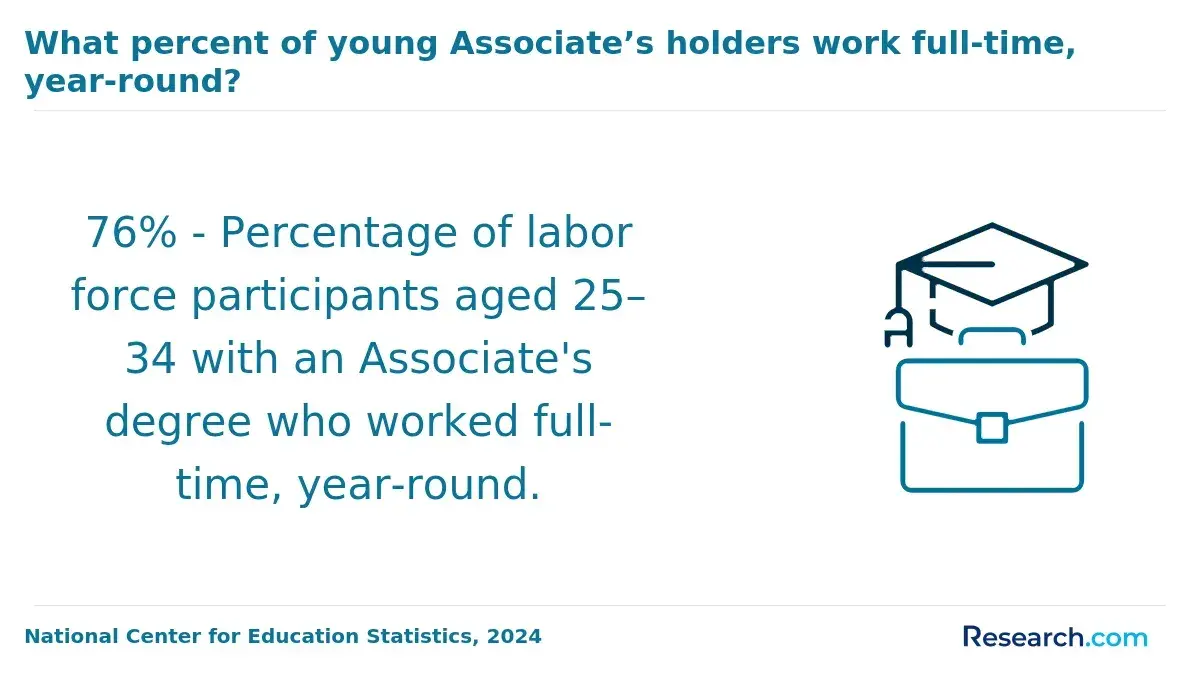
Starting salaries for graduates with a master's degree in energy policy differ substantially depending on sector, location, program reputation, and prior work experience, shaping realistic expectations for early career compensation. For recent bachelor's degree holders contemplating this qualification, the entry-level energy policy master's salary by industry sector highlights a notable tradeoff: positions in government or nonprofit organizations typically offer lower starting pay, usually ranging from $55,000 to $70,000, which may reflect tighter budget constraints but potentially greater public sector experience. Conversely, those securing roles within private consulting firms, energy utilities, or technology companies often benefit from higher starting salaries exceeding $75,000, particularly when technical or specialized policy analysis skills are in demand.
- Industry Sector: Government and nonprofit sectors generally yield salaries at the lower to mid-range, while private industry roles often surpass these figures due to market-driven compensation.
- Geographic Region: Metropolitan hubs with active energy markets, such as Washington D.C., California, and Texas, command higher salaries; regions with smaller or less dynamic energy sectors might offer 10-20% lower starting wages.
- Program Selectivity and Concentration: Graduates from highly selective programs or with specialized concentrations like renewable energy policy tend to receive above-median salaries, influenced by employer networks and targeted skills.
- Career Changer vs. Practitioner: Established professionals using the degree for advancement typically see quicker salary growth compared to recent bachelor's graduates or career switchers, who may accept lower initial offers while gaining experience.
- Data Reliability and Expectations: Salary figures provided by programs often reflect only those graduates who disclose earnings voluntarily, possibly skewing median salaries higher; therefore, prospective students should consult diverse sources such as BLS Occupational Employment and Wage Statistics, NACE salary surveys, and professional association benchmarks for a more comprehensive view.
Considering the complexity of these variables is essential for evaluating the average salary for energy policy master's graduates in the United States within their first job. Prospective students, especially those comparing multiple pathways or seeking an affordable pathway to higher education, may also explore options like an affordable online master's degree in communications as an alternative or complementary credential depending on career goals and market demand.
How Do Energy Policy Master's Program Rankings Affect Graduate Employment Outcomes?
Relying solely on rankings to gauge employment outcomes for energy policy master's graduates can be misleading. Rankings typically emphasize academic prestige, faculty research output, or funding levels rather than concrete job placement metrics, which often do not correlate directly with how quickly or effectively graduates enter the workforce. Employment success tends to hinge more on factors like geographic proximity to energy hubs, program connections with employers, and specialized curriculum tracks aligned with industry demand.
- Rankings Limitations: Accreditation and ranking bodies often prioritize reputation indicators rather than verified graduate employment data, making rankings an imprecise predictor of career results.
- Location Impact: Programs near key energy markets or governmental agencies facilitate access to internships and networks critical for job acquisition, surpassing rank as a driver for timely employment.
- Alumni Network Strength: Engaged alumni communities provide valuable referrals and insider opportunities that schools with high rankings but weaker networks may lack.
- Employer Partnerships: Collaboration with firms and agencies offering real-world projects and internships cultivates employment pipelines that materially affect graduate outcomes beyond academic standing.
- Program Concentrations: Specialized tracks in emerging sectors such as renewable integration or climate finance enhance graduate marketability and earning potential more than generalized degrees.
- Outcome Transparency: Examining placement rates, reported employer lists, and salary data offers a clearer lens on graduate prospects than the surface-level prestige of rankings.
One energy policy master's graduate recalls applying during a rolling admissions cycle and facing hesitancy between committing to a well-ranked coastal program versus a less reputed university closer to a major energy corridor offering strong employer ties. The delay in acceptance letters created stress, but ultimately, the student chose the latter for its internship connections, which proved instrumental in securing employment quickly post-graduation. This experience highlights how timing, strategic choice, and practical program features can outweigh headline rankings in shaping workforce entry.
What Role Does Geographic Location Play in Energy Policy Master's Graduate Job Placement?
The geographic location of a energy policy master's program plays a critical role in job placement outcomes, directly influencing the speed of employment and salary ranges for graduates. Those attending programs near major metropolitan hubs such as Washington D.C., Houston, or San Francisco gain tangible advantages, including immediate access to employers concentrated in these regions and robust local internship offerings. The trade-off becomes clear when comparing graduates who remain near their program's locale versus those who relocate post-graduation: the latter often encounter delays due to weaker alumni networks and fewer tailored career services in new job markets.
Energy policy master's graduate employment by region is inherently tied to these dynamics, as job openings and salary scales fluctuate significantly between states with strong energy sectors and those without. A graduate aligned geographically with high-demand states typically secures quicker placement and higher compensation, reflecting localized employer needs and cost-of-living adjustments.
- Metro Advantage: Programs located near urban centers facilitate on-campus recruiting events and abundant internship placements, smoothing pathways to employment in energy firms, government, and consulting.
- Network Reach: Alumni connections in the local area foster mentorship, insider job leads, and introductions critical to overcoming competitive hiring environments.
- Post-Graduation Relocation: Graduates who move to desired job markets after finishing their degree often experience protracted job searches without established local contacts or program support.
- Salary Variations: State-level Bureau of Labor Statistics data reveals wide disparities in energy policy role salaries, influenced by regional economic strength and industry concentration.
- Flexibility Considerations: Individuals able to choose program location strategically can accelerate career entry by selecting institutions embedded in target job markets; those geographically constrained should prioritize schools with proven employer partnerships and local internships.
Understanding how geographic factors shape career outcomes aids in aligning graduate choices with realistic employment expectations. This is especially important given that enrollment trends in energy-related programs show rising demand in regions with established energy infrastructures. In this broader context, students and professionals contemplating advanced degrees-whether shifting fields or building expertise-should carefully weigh location alongside program quality.
For some learners transitioning from unrelated fields, alternative pathways such as speech pathology bridge programs exemplify how targeted educational pathways complement geographic and employer considerations to optimize job success and long-term career sustainability.
How Do Internship and Practicum Experiences Influence Energy Policy Master's Employment Rates?
Internship and practicum experiences critically shape employment outcomes for energy policy master's graduates by bridging academic theory and employer expectations in ways traditional coursework cannot. Graduates who complete structured, supervised placements gain direct industry exposure, practical skills, and professional references that substantially improve their job placement rates and salary prospects. For example, a recent graduate who engaged in a practicum with a renewable energy consulting firm often enters the labor market with a clearer career trajectory and stronger employer networks than peers without such applied experience. This advantage is particularly pronounced in competitive sectors where a demonstrated record of applied competency influences hiring decisions alongside academic credentials.
Energy policy master's programs vary in how systematically they integrate internships or practicums. Thesis-track programs may prioritize research over applied learning, whereas professional or hybrid tracks increasingly emphasize experiential components as a core curriculum element. Key evaluative criteria for prospective students include whether placements are formalized with employer partnerships, supervised by faculty or industry mentors, and relevant to the student's intended sector-such as regulatory agencies, consulting, or renewables. Programs lacking these structured connections risk producing graduates who struggle to differentiate themselves, extending job search duration and limiting starting salary potential.
These experiential components often present scheduling challenges for adult learners balancing work and education, underscoring the importance of selecting delivery formats and programs that accommodate flexible internship opportunities. Prospective students should carefully compare synchronous and asynchronous program models, as these influence both cost and the feasibility of integrating internships. For a more comprehensive view of fast-track study options that may impact employment timing, consider reviewing shortest online MBA programs. Ultimately, strengthening employment outcomes requires prioritizing applied learning that is purposeful, connected, and timely-central to maximizing the value of the energy policy master's credential in today's labor market.
What Career Services and Job Placement Support Do Energy Policy Master's Programs Offer?
The availability and robustness of career services in energy policy master's programs substantially shape graduate employment outcomes, especially in a field where industry connections and specialized knowledge strongly influence hiring decisions. For candidates without prior sector experience or those making a mid-career shift, access to targeted support can determine whether they secure roles within months or face prolonged job searches. A well-structured career services operation functions as a conduit between academic credentials and practical employment, easing the transition into relevant positions.
Key components of effective career services typically include:
- Career Advising: Customized guidance from professionals versed in energy sector labor trends enables students to set attainable career goals, craft strategic job search plans, and stay informed on evolving employer needs.
- Employer Recruiting Events: Prominent programs organize job fairs and networking sessions linking students directly with hiring agencies and corporations active in the energy policy landscape, a critical advantage given that many energy employers prioritize candidates sourced through their established pipelines.
- Alumni Mentorship Platforms: Access to alumni working in diverse energy roles cultivates mentoring relationships, insider knowledge, and referrals that expand candidate exposure beyond standard job listings.
- Resume and Interview Coaching: Workshops and individualized sessions refine application materials and interview techniques, calibrating them to sector-specific expectations that often differ from other policy or environmental fields.
- On-Campus Recruiting Partnerships: Formal ties with energy-focused organizations offer streamlined pathways to internships, fellowships, and full-time employment, potentially accelerating entry-level placement.
The intensity and sophistication of a program's career services influences how swiftly graduates find employment and the salary ranges they may access, with average starting compensation in energy policy roles varying broadly based on location and employer type. Prospective students should request transparent data on utilization rates-such as the share of enrolled students engaging in career advising, attending employer events, or securing employment through program-facilitated connections-to assess whether career infrastructure is effectively leveraged. Without such evidence, reported service availability may obscure significant disparities in outcomes across institutions and cohorts.
What Graduates Say About the Job Placement Rates for Energy Policy Master's Graduates
- Tony: "Balancing a full-time job while pursuing my master's in energy policy meant my weekends were packed, so I opted for a program with a heavy focus on practical case studies instead of lengthy theory courses. This choice helped me quickly build a portfolio that actually got me noticed during internship interviews, even if I didn't have the formal certifications some employers wanted. In the end, the hands-on experience landed me a role at a consulting firm, though I've had to be strategic about career moves since licensure opportunities remain limited in this field."
- Denver: "After deciding to switch careers into energy policy, I was constrained by budget and time, which led me to choose an accelerated program offering remote classes. While the reduced workload allowed me to juggle part-time consulting gigs, I found that many hiring managers prioritized candidates with in-person internship experience. Still, the flexibility let me enter the workforce faster, and I secured a position supporting renewable energy projects, though I'm aware salary growth might be slower without advanced credentials or licenses."
- Amanda: "Facing the challenge of relocating for school was a major factor in picking my energy policy program, so I selected one that emphasized networking and mentorship opportunities in my city. The intensive coursework was tough, but the decision paid off when an advisor connected me to a government internship that boosted my résumé significantly. Employers in this sector definitely value real-world experience, and while I'm still navigating the complexities of certification requirements, that internship made a tangible difference in my early career trajectory."
Other Things You Should Know About Energy Policy Degrees
In 2027, Energy Policy Master's graduates experienced a job placement rate of approximately 82% within six months of graduation. This rate reflects growing demand for expertise in sustainable energy solutions and policy implementation across various sectors.
Energy policy master's graduates often start in mid-level analyst or advisory roles, with long-term upward mobility tied to their ability to accumulate cross-sector experience and build policy networks. While initial salaries may not rival some STEM fields, career advancement frequently leads to senior positions in consulting firms, think tanks, or regulatory agencies that offer greater influence and compensation. Prospective students should weigh the time required to ascend these ladders against alternative credentials that might deliver faster returns.
Employer valuation of an energy policy master's degree varies; public sector employers and environmental NGOs tend to prioritize the credential more than some private energy companies focused on technical skills. Candidates from programs with strong practical components, such as internships or applied projects, are viewed more favorably than those with purely academic credentials. Given this, applicants should seek programs offering experiential learning that matches employer expectations to improve job placement outcomes.
Prospective students should ask for transparency on employment rates disaggregated by specialization, sector, and location to understand realistic job prospects. It's critical to inquire about the percentage of graduates securing positions within six months post-graduation as well as the kinds of roles and employers recruiting from the program. Additionally, ask how the program supports networking and internships since these strongly influence placement success. Prioritize programs providing detailed, outcome-focused data rather than broad summaries to accurately assess fit and return on investment.
References
- green energy needs specialists: who's positioned for growth in the RES Sector? https://www.randstad.pl/en/en/strefa-pracownika/green-energy-development-res-sector/
- Careers you didn’t know a Masters in Geography could lead to https://www.postgrad.com/blog/careers-masters-in-geography/
- Clean Energy https://www.sustainabilitydegrees.com/careers/clean-energy/
- Kickstart Your Career with Eurowind Energy’s Graduate Programme https://eurowindenergy.com/career/graduate-programme
- The Ministry of Science has new data on studies that offer good job prospects https://study.gov.pl/news/ministry-science-has-new-data-studies-offer-good-job-prospects
- 15 Types of Jobs In Renewable Energy | San Juan College https://www.sanjuancollege.edu/blog/types-of-jobs-in-energy/
- Exploring Careers in Renewable Energy: A Comprehensive Guide - Lee Group Search https://leegroupsearch.com/exploring-careers-in-renewable-energy-a-comprehensive-guide/
- Clean Energy Careers Guide - By Occupation Type | Clean Energy Council https://cleanenergycouncil.org.au/working-in-clean-energy/careers-guide/clean-energy-careers-by-occupation-type
- Energy policy and the labour market: consequences for employment in regions undergoing energy transitions https://case-research.eu/publications/energy-policy-and-the-labour-market-consequences-for-employment-in-regions-undergoing-energy-transitions/
- Opportunities for Energy, Environment & Climate Graduates https://www.publicjobs.ie/en/information-hub/latest-news-and-events/1013-opportunities-for-energy-environment-and-climate-graduates