2027 AI Bachelor's Degrees for Students Interested in Smart Cities

Co-Founder and Chief Data Scientist
Urban areas are facing increasing pressure to become more efficient, sustainable, and connected. However, existing city infrastructures often lack the intelligent systems necessary to manage complex challenges like traffic congestion, energy consumption, and public safety. Students aiming to influence smart city development need specialized knowledge combining technology and urban planning.
This article explores AI bachelor's degrees designed for those interested in smart cities. It highlights flexible, accredited programs that prepare learners to leverage artificial intelligence technologies in creating innovative urban solutions, enabling career transitions into this dynamic and impactful field.
Key Things You Should Know
- AI bachelor's degrees in 2026 will increasingly integrate smart city technologies, focusing on urban data analytics, IoT, and sustainable infrastructure design to address growing urbanization challenges.
- Employment in smart city sectors is projected to grow 23% by 2030, with AI graduates skilled in machine learning and urban planning highly sought for innovative public service roles.
- Most U.S. programs offer interdisciplinary curricula combining AI, civil engineering, and environmental science, emphasizing practical experience through internships or city partnership projects.
What is a smart cities-focused AI bachelor's degree, and who is it for?
A smart cities focused AI bachelor's degree programs combine core AI principles such as machine learning, data analytics, and sensor networks with urban planning, civil engineering, and environmental science. Graduates develop AI-driven solutions to improve traffic management, energy efficiency, public safety, and infrastructure monitoring. This program suits individuals passionate about integrating technology within city systems to enhance urban living.
Who should pursue an AI degree for smart city development? Typical candidates often have strong quantitative skills and an interest in computer science and sustainable urban environments. Graduates frequently find careers in public sector agencies, smart infrastructure companies, or consultancies focused on digital city planning. For instance, they might work on AI models optimizing public transportation routes or deploying predictive maintenance for municipal utilities.
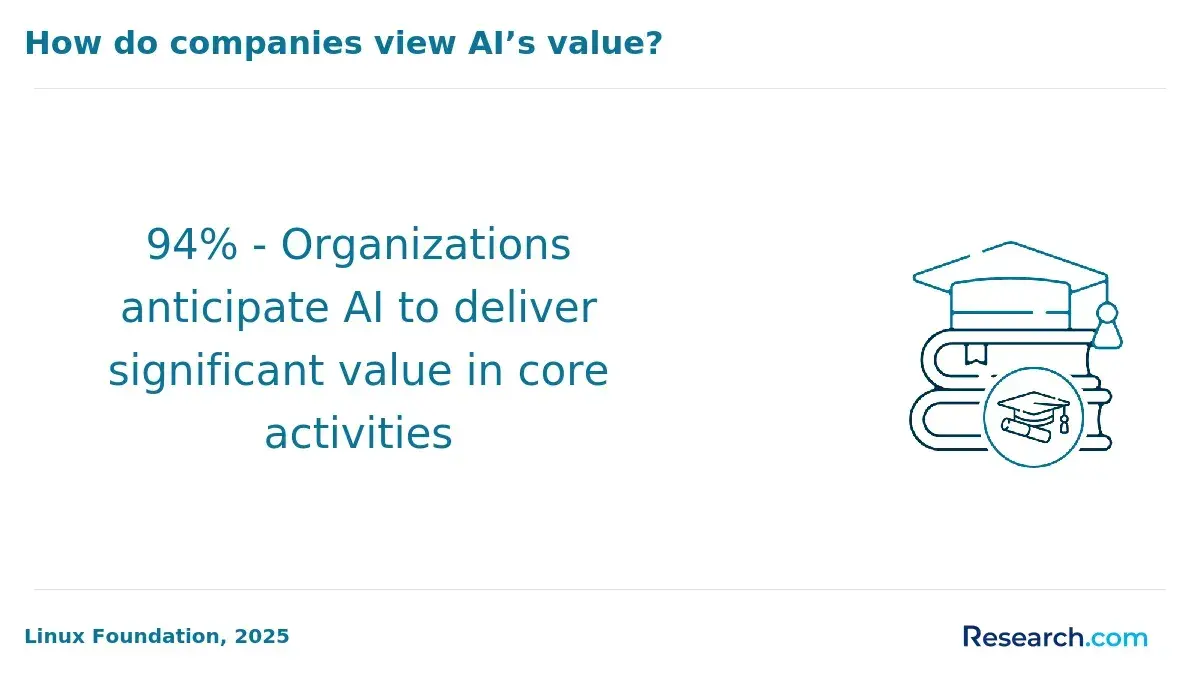
With worldwide spending on smart city projects expected to reach $251.2 billion in 2025, demand for professionals skilled in AI applications specific to urban contexts continues to grow. Students can expect courses covering AI algorithms, Internet of Things (IoT), geographic information systems (GIS), and ethics in data use alongside opportunities for internships with city governments or technology providers.
Those interested can explore more about career paths and opportunities in artificial intelligence at AI degrees.
Which accredited U.S. colleges offer bachelor's degrees in AI for smart cities?
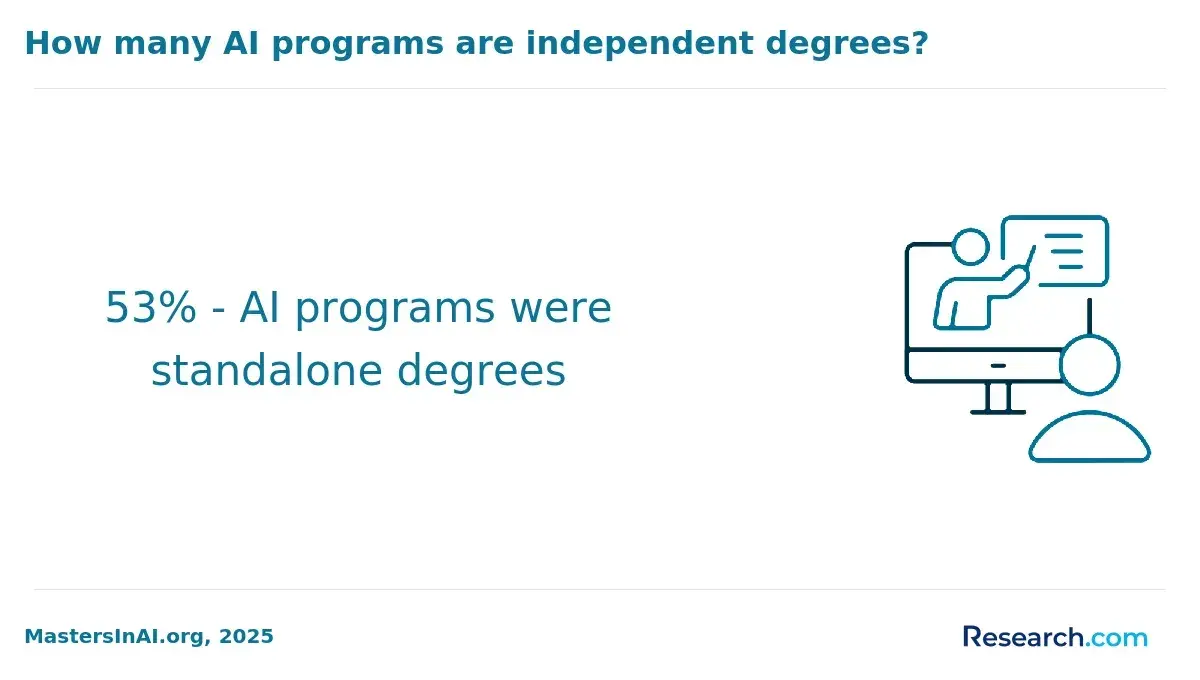
The number of accredited U.S. colleges offering bachelor's degrees in artificial intelligence for smart cities remains limited. According to the National Center for Education Statistics (NCES) IPEDS data, degree completions in artificial intelligence (CIP 11.0102) form a small niche compared to broader computer science fields. Prospective students seeking bachelor's degree programs in artificial intelligence focused on smart city development in the United States often discover dedicated programs only at a few institutions.
Notable universities with explicit bachelor's degrees in AI include:
- Carnegie Mellon University: It offers a Bachelor of Science in Artificial Intelligence that blends AI fundamentals with urban informatics.
- Stanford University: The school has AI coursework integrated into its computer science degree and research opportunities in smart infrastructure and urban systems.
- University of California, Berkeley: The institute provides AI concentrations within Electrical Engineering and Computer Science, focused on smart city challenges.
In addition to standalone AI degrees, some schools offer interdisciplinary programs combining AI, data science, and urban planning to address smart city problems. For example, the University of Southern California and Northeastern University emphasize AI applications in transportation, energy management, and public safety.
Graduates aiming for smart city careers should prioritize programs that emphasize practical AI deployment, sensor networks, and data analytics alongside urban policy. Gaining direct experience through smart city projects or internships is crucial, given the scarcity of dedicated AI degrees for these applications.
Students interested in related fields might also explore paths like an online mechanical engineering degree to complement AI skills in smart urban systems.
What careers can this degree lead to in smart city and urban tech roles?
Graduates holding a 2026 AI bachelor's degree can explore diverse careers in smart city development using artificial intelligence. Key roles include urban data scientists who analyze urban datasets to optimize infrastructure and traffic patterns. Machine learning engineers create algorithms for predictive maintenance of public utilities and real-time transit management.
Geospatial analysts apply AI to interpret location-based data, enhancing city planning and emergency response strategies. Lightcast reports a significant increase in job postings requiring geospatial and machine learning skills, highlighting strong demand for AI expertise in urban technology.
Urban technology roles for artificial intelligence bachelor's graduates also include smart transportation system architects, designing AI-driven solutions to reduce congestion and emissions. Environmental monitoring specialists use sensor data and AI models to detect air quality and water contamination issues.
AI integration consultants advise municipal governments on energy efficiency and public safety through proper AI deployment. Hands-on experience with geographic information systems (GIS), sensor networks, and urban simulation tools is essential. Employers value skills in Python, TensorFlow, and spatial analytics platforms.
Pursuing internships or research projects focused on urban challenges can strengthen a candidate's profile. Understanding AI's policy implications and ethical concerns is crucial, making roles like AI ethics analyst or regulatory compliance specialist increasingly important to ensure smart city projects meet privacy and security standards.
Students should combine AI fundamentals with domain-specific urban systems knowledge to meet employer demands effectively. For those considering costs, examining online engineering degree cost resources can help plan your education investment wisely.
What coursework and skills are covered in AI programs aligned with smart cities?
AI bachelor's degree programs aligned with smart city infrastructure integration develop the technical and analytical skills needed for urban infrastructure design and management. Coursework focuses on data engineering, machine learning (ML), and data analytics to process vast urban datasets. Students study sensor networks and Internet of Things (IoT) technologies vital for real-time data collection in public safety, transportation, and energy systems.
Programming languages such as Python, R, and SQL are emphasized, alongside cloud computing platforms for scalable data storage and processing. Courses often include optimization algorithms and predictive modeling to enhance traffic flow, energy distribution, and waste management efficiency. Additionally, students explore geospatial analysis and urban informatics, applying AI to spatial data for city planning and infrastructure upkeep.
Soft skills like systems thinking, project management, and ethical AI deployment receive attention, while cybersecurity fundamentals safeguard critical infrastructure. Regulatory frameworks and public policy topics prepare students for interdisciplinary collaboration. According to the World Economic Forum's Future of Jobs Report 2025, "AI and big data" are among the fastest-growing skills through 2030, highlighting the relevance of these programs.
Examples include developing ML models that predict traffic congestion or forecast energy usage, blending technical and practical challenges for city planners and engineers. For students exploring related fields, the cheapest online PhD in cybersecurity offers valuable cybersecurity education relevant to smart city systems.
How do online AI bachelor's programs compare with on-campus options for smart cities?
Online AI bachelor's programs offer unmatched flexibility, especially for working professionals or students juggling multiple commitments. Data from the National Center for Education Statistics shows a significant portion of U.S. undergraduates enroll in distance-education courses, highlighting the growing credibility of online formats for technical fields like AI.
Many online programs incorporate hybrid models, blending convenience with opportunities for interaction. On-campus programs excel in delivering hands-on labs, direct faculty interaction, and valuable networking. Those interested in smart cities benefit from specialized resources such as urban data centers and partnerships with city governments.
These programs often feature multidisciplinary teams combining expertise from urban planning and civil engineering faculties. In contrast, online students engage with virtual labs, simulations, and remote internships, requiring strong self-motivation and digital communication skills.
Differences in curriculum focus are notable: some online bachelor's degrees emphasize foundational algorithms and data management, while on-campus options tend to offer electives centered on smart infrastructure and IoT systems. Internship support varies; on-campus students gain from local industry connections, whereas online learners must actively pursue remote or community-based placements.
Evaluating personal learning preferences, career goals, and available resources is crucial when choosing an AI education format. Reliable sources such as the NCES provide essential insights into educational trends and outcomes.
What admissions requirements do AI bachelor's programs typically have?
Admission to AI bachelor's degree programs typically demands a solid foundation in mathematics and computer science. Applicants should have completed coursework in algebra, calculus, statistics, and programming, often including an advanced math class beyond Algebra II and introductory programming in languages like Python or Java.
Standardized test scores, such as SAT or ACT math, remain a helpful measure, although many institutions have adopted test-optional policies. Increasingly, programs seek applicants with demonstrated coding experience or participation in activities like robotics clubs and hackathons.
Letters of recommendation tend to focus on quantitative skills, problem-solving, and an interest in technology or urban systems. Personal statements should convey knowledge of AI's impact on smart infrastructure and sustainable urban planning.
According to the Common App 2024-2025 cycle, growing applicant numbers and rising selectivity make strong STEM credentials essential for admission. Applicants lacking formal computer science courses can improve competitiveness through online certifications, community college classes, portfolios, or internships in AI and smart technology fields.
How long does an AI bachelor's take, and what does it cost?
An AI bachelor's degree generally takes four years of full-time study. Coursework covers computer science, mathematics, and statistics foundations, along with specialized classes such as machine learning, data analytics, and smart city technologies. Some programs allow faster completion in three years by taking heavier course loads or attending summer sessions. Part-time and online options extend the timeline to five years or more.
Tuition costs vary significantly depending on the type of institution, residency status, and program design. Public four-year colleges average around $11,500 annually for in-state students, while private universities typically charge between $35,000 and $55,000 per year. Additional expenses include textbooks, software licenses, and lab fees, often adding $1,200 to $2,500 annually.
Financial aid and scholarships can substantially lower these costs. Prospective students should verify the AI program's accreditation, the quality of its curriculum, and opportunities for internships or research in smart city applications to maximize their return on investment.
- Typical completion time: 4 years full time, 3 years accelerated, 5+ years part-time
- Average in-state public college tuition: ~$11,500 annually
- Private college tuition range: $35,000-$55,000 annually
- Additional costs: $1,200-$2,500 per year for materials and fees
- Financial aid and scholarships: reduce out-of-pocket expenses
What salaries can graduates expect in smart city AI and data roles?
Graduates holding bachelor's degrees focused on AI for smart cities can expect salaries aligned with data science and AI roles. According to the U.S. Bureau of Labor Statistics (BLS), the median annual wage for data scientists exceeded $100,000, setting a strong benchmark for smart city positions. Entry-level salaries vary but tend to grow quickly with experience and skills specialization.
Salary depends on factors like location, employer type, and job complexity. For example:
- Smart city data analysts often start between $70,000 and $90,000.
- AI engineers focused on urban mobility and infrastructure optimization may begin near $80,000, increasing above $120,000 with expertise.
- Roles in major metropolitan areas or government entities managing city-wide AI projects can exceed $130,000 annually.
Specializations such as predictive analytics, machine learning deployment, or Internet of Things (IoT) integration enhance earning potential. Additional credentials like cloud computing, big data, or cybersecurity certifications prove advantageous. Cross-disciplinary knowledge in fields like urban planning and public policy also influences salary scales.
Choosing between startups and established tech firms requires research, as compensation and career growth can differ significantly. Overall, these figures reflect strong demand and rewarding career opportunities for AI and data graduates in smart city domains, grounded in rigorous data science skills validated by authoritative sources like the BLS.
What is the job outlook for AI professionals working on smart city systems?
Employment for AI professionals focused on smart city systems is projected to grow significantly faster than average, according to the U.S. Bureau of Labor Statistics (BLS). Demand is rising for experts who can develop data-driven solutions to optimize urban infrastructure, enhance public safety via predictive analytics, and improve traffic management through real-time data applications.
Career paths include urban data analysts, AI system architects, and IoT integration specialists. These roles require managing large datasets and designing machine learning models targeted at city challenges such as energy use, waste management, and emergency response. Skills in integrating AI with geographic information systems (GIS) and sensor networks are particularly valuable.
Practical experience with Python, R, and cloud computing platforms boosts employability. Proficiency in data cleaning, model training, and real-world deployments is essential. Additionally, understanding regulatory and ethical concerns related to urban data strengthens candidacy. Employers prefer candidates who marry advanced AI abilities with domain knowledge in transportation, sustainability, or public administration.
As smart cities generate increasing volumes of complex data, AI-driven solutions become critical. Graduates equipped with strong AI foundations and applied problem-solving skills will find extensive opportunities in this expanding field. The projected growth underscores AI professionals' integral role in creating sustainable and efficient urban environments.
What certifications can strengthen smart city AI careers alongside a bachelor's degree?
Certifications play a crucial role in advancing smart city AI careers by validating skills beyond a bachelor's degree. Microsoft's Azure AI certifications have seen significant growth, with Microsoft reporting strong increases in role-based Azure AI credential holders. This trend highlights growing employer demand for certified expertise in cloud and AI for smart-city initiatives.
Key certifications for professionals focus on cloud platforms, data analytics, and AI integration, including:
- Microsoft Certified: Azure AI Engineer Associate - validates skills to design and implement scalable AI solutions on Azure.
- Certified Data Professional (CDP) - emphasizes data management and analytics, essential for interpreting urban IoT and sensor data.
- Google Professional Machine Learning Engineer - centers on creating ML models for traffic optimization, resource allocation, and predictive maintenance.
- Certified IoT Professional - supports knowledge of connected devices crucial in smart city ecosystems.
These certifications demonstrate practical ability to deploy AI-powered cloud services, manage big data, and integrate IoT frameworks. Combining a bachelor's degree in AI with cloud-focused certifications, especially those on Azure, enhances job readiness by addressing the growing reliance on cloud infrastructure and role-based AI deployment.
Other Things You Should Know About Artificial Intelligence
Mathematics is fundamental in AI education, particularly in programs related to smart cities. Topics like linear algebra, calculus, probability, and statistics are essential because they enable students to understand machine learning algorithms and data modeling used for urban infrastructure and traffic systems. Strong math skills support effective problem-solving in real-world smart city applications.
Yes, many AI bachelor's degrees now incorporate courses on ethics, privacy, and responsible AI use, especially for smart city contexts where data sensitivity is high. Students learn to navigate ethical considerations such as data bias, surveillance implications, and equitable technology deployment. This specialization prepares graduates to develop AI solutions that balance innovation with social accountability.
Programs often integrate projects or internships involving real urban datasets, enabling students to apply AI tools to challenges like traffic management, energy efficiency, or public safety. This experiential learning deepens technical skills and familiarity with smart city infrastructure. Collaborations with city governments or tech companies are common to provide this practical exposure.
Programming proficiency is critical in AI bachelor's programs focused on smart cities. Languages such as Python, R, and Java are widely taught because they support building AI models, data analysis, and system integration. These skills enable students to create and test AI solutions for urban environments effectively.
References
- 9 Must-Have AI Certifications for Boosting Your Career | Cake https://www.cake.me/resources/career-development/ai-certifications
- These 14 colleges offer bachelor's degrees in AI—including one Ivy League school https://www.cnbc.com/2025/01/22/colleges-that-offer-bachelors-degrees-in-ai.html
- Artificial Intelligence (AI) for Smart City and Urban Sy... https://oxford-management.com/course/ai-for-smart-city-and-urban-systems
- Nces https://nces.ed.gov/
- Smart Cities and Urban Mobility - EIT Campus https://eit-campus.eu/learning-path/smart-cities-and-urban-mobility
- Artificial Intelligence - Vistula University https://vistula.edu.pl/en/major/artificial-intelligence
- AI In Smart Cities Market Growth Analysis - Size and Forecast 2025-2029 | Technavio https://www.technavio.com/report/ai-in-smart-cities-market-industry-analysis
- How Much Does an AI Course Really Cost? A Comprehensive Breakdown https://www.desireinfotech.biz/blog/how-much-does-an-ai-course-really-cost-a-comprehensive-breakdown/
- How Much is an AI Course? https://www.nobledesktop.com/learn/ai/how-much-is-a-ai-course
- USGBC https://www.usgbc.org/education/sessions/sustainable-smart-cities-and-ai-12861893