2027 AI Bachelor's Degrees for Parents and Caregivers

Co-Founder and Chief Data Scientist
Balancing family responsibilities while pursuing further education often feels overwhelming for parents and caregivers. Finding a flexible, accredited bachelor's degree that accommodates these demands can be challenging, especially for those aiming to enter the growing field of Artificial Intelligence. Time constraints and the need for a supportive learning environment frequently limit options and create barriers to career growth.
This article examines 2027 AI bachelor's degree programs designed with flexibility and accreditation that cater to parents and caregivers. It provides guidance to help readers identify suitable educational paths that enable a successful transition into the AI industry.
Key Things You Should Know
- AI bachelor's degrees incorporate interdisciplinary studies in computer science, data analytics, and ethics, with U.S. enrollment rising by 18% in 2024-2025, reflecting growing industry demand.
- Graduates often secure entry-level roles with median starting salaries around $85,000, highlighting the technology sector's competitive compensation.
- Flexible online and hybrid AI degree programs assist parents and caregivers by offering adaptable schedules and support services, improving access to quality education.
What is an AI bachelor's degree and what skills do graduates develop?
An AI bachelor's degree program curriculum is designed to build expertise in machine learning, natural language processing, robotics, computer vision, and data analysis. These programs blend computer science, mathematics, and statistics to prepare students for roles that require developing and managing AI technologies. Graduates gain skills in programming languages such as Python and R, algorithm design, neural networks, and handling complex datasets.
Students learn to create AI models, evaluate their accuracy, and optimize solutions for applications like predictive analytics and autonomous systems. Ethical considerations and policy implications are integrated to promote responsible AI development. Many programs offer specialization tracks or electives, enabling students to focus on areas like healthcare AI or cybersecurity, enhancing career versatility.
Hands-on projects and internships provide crucial practical experience, addressing employer demand for graduates who can apply AI knowledge effectively. The skills developed by artificial intelligence graduates are highly sought after, with strong industry demand underscored by forecasts that 71% of organizations plan to increase AI hiring. This demand highlights robust career prospects and growth potential.
For those exploring career options, the value of a degree in AI extends beyond technical ability, encompassing a deep understanding of both the technology and its societal impact.
What are the admission requirements and prerequisites for AI bachelor's programs?
Admission requirements for AI bachelor's degrees generally include a high school diploma or its equivalent with proficiency in mathematics, science, and English. Many programs expect completion of algebra, geometry, and calculus, as these foundational math skills are vital for success.
A minimum GPA around 3.0 on a 4.0 scale is often required, alongside standardized test scores like the SAT or ACT, although many institutions have adopted test-optional policies. Prerequisites for enrollment in artificial intelligence bachelor programs also commonly include introductory programming experience in languages such as Python or Java. Students without this background may need to complete bridge courses before full admission.
Transfer applicants usually must submit official transcripts verifying prior coursework in computer science or related fields. According to the National Association of System Heads, 45% of computer science program hopefuls encounter mathematics competency gaps, which can result in remedial classes extending degree completion by one to two semesters.
Applicants should honestly assess their math readiness and consider preparatory courses to avoid delays. Some universities require letters of recommendation, personal statements, or portfolios that showcase problem-solving and coding projects. Competitive programs may hold interviews or placement tests in math and logic.
Parents and caregivers are encouraged to help applicants explore specific admission criteria at target institutions, as requirements vary widely. Early preparation in quantitative subjects and programming can facilitate smoother entry into AI bachelor programs and reduce the need for remedial classes. Students interested in affordable pathways can consult the data science major ranking for valuable insights into program costs and options.
How do online and campus-based AI bachelor's programs compare for working adults?
Online and campus-based AI bachelor's programs offer different experiences for working adults. Online options provide flexibility essential for parents and caregivers, allowing study during evenings or weekends to accommodate family duties. Campus-based programs typically require fixed daytime attendance, which can be challenging for those balancing childcare and work. The Babson Survey Research Group reports a 28% increase in online computer science and AI degree enrollments, with 62% of online STEM learners being working adults, reflecting the demand for flexible AI bachelor's degree options for parents and caregivers.
Asynchronous online coursework lets students progress at their own pace, adapting to unpredictable schedules and emergencies. Many online programs include digital resources, recorded lectures, and virtual office hours that support learning without physical presence. In contrast, campus-based programs offer direct interaction with faculty and peers, which benefits hands-on learning, particularly in lab-intensive AI courses. However, commuting and strict schedules may hinder adults juggling work and caregiving. Hybrid models blend online theory with on-campus labs to address these needs.
Working adults should weigh the need for flexibility against immersive experiences while considering employer tuition assistance or childcare support. Those seeking to advance careers without sacrificing current responsibilities may find online degrees advantageous. Some students interested in specialized roles, such as a video game designer, might explore programs tailored to their goals within this landscape of online vs campus-based AI bachelor's programs for working adults.
What is the typical curriculum and coursework in an accredited AI bachelor's degree?
Accredited AI bachelor's degrees typically feature a structured curriculum combining core coursework for an accredited AI bachelor's program with specialized artificial intelligence topics. Foundational classes often include programming, data structures, algorithms, and linear algebra, which form the technical base for machine learning and data analysis techniques. Expect 40-50% of the coursework to cover numerical methods, statistics, and software engineering essential for AI development.
The most critical curriculum content in an accredited AI bachelor's degree centers on machine learning and deep learning, which are now mandatory in nearly 90% of programs, up from 61% according to ABET accreditation reviews. These courses introduce supervised and unsupervised models, neural networks, and deep reinforcement learning. Other key subjects often include natural language processing, robotics, and computer vision.
Students also explore ethics and fairness in AI, tackling issues like bias, privacy, and the social impact of automation. Many programs require capstone projects or internships that allow hands-on experience with real-world datasets, AI frameworks, and model deployment. Electives may offer advanced studies in areas such as generative AI, healthcare applications, or autonomous systems.
ABET's data underscores that this integrated approach meets current industry demands. Prospective students and their families should prioritize programs that combine updated AI courses with practical learning experiences to enhance graduate employability. For those interested in further specialization, exploring cybersecurity masters online is a valuable option to consider alongside core AI competencies.
How long does it take to complete an AI bachelor's degree and what are the typical costs?
Completing a bachelor's degree in artificial intelligence generally takes four years of full-time study, similar to other undergraduate programs in the U.S. Some students can graduate earlier by taking summer classes or heavier course loads, while part-time students-often working professionals-may stretch their studies beyond four years to accommodate work or family commitments.
Costs differ widely depending on the institution. Private colleges typically charge between $120,000 and $180,000 for the entire four-year program, including tuition, fees, room, and board. Public universities are more affordable, especially for in-state students, with total expenses usually ranging from $35,000 to $60,000. Additional costs such as textbooks, software licenses, and specialized hardware are common in AI programs and should be factored into financial planning.
Financial aid options like scholarships, federal aid, and work-study programs can significantly reduce the financial burden. Prospective students should check if a school offers merit-based scholarships specific to STEM or AI fields. Online and hybrid AI bachelor's programs may offer more flexible pacing and lower costs, but ensuring these programs provide adequate hands-on experience and proper accreditation is essential for quality education.
Which accreditation bodies and credentials matter for AI degree programs?
ABET and regional accrediting agencies recognized by the U.S. Department of Education play a vital role in assuring the quality of AI bachelor's degree programs. ABET accreditation focuses on computing programs, including AI, machine learning, and data science, evaluating curriculum rigor, faculty expertise, and student outcomes. The 2024 ABET Employer Survey found that 94% of employers prefer graduates from ABET-accredited programs, significantly higher than the 67% for those without such accreditation, which affects job prospects and salary potential.
Regional accreditation verifies that the overall institution meets academic standards and qualifies for federal financial aid, while ABET specifically certifies the technical and professional preparation of computing degrees. Programs with both accreditations offer strong assurance of academic quality and industry relevance.
Parents and students should confirm accreditation status using official ABET or regional accreditation websites before applying. Because AI bachelor's degrees vary-some emphasize theory, others software development or ethics-ABET accreditation guarantees these elements meet national standards. Certifications like Certified AI Practitioner (CAIP) can enhance credentials but do not replace degree accreditation.
In the competitive AI job market, accreditation is a reliable indicator of degree value and career readiness, ensuring graduates meet employer expectations and stand out to advanced academic programs.
What career roles and job titles are available to AI bachelor's degree graduates?
Graduates holding a bachelor's degree in artificial intelligence qualify for diverse career opportunities across several industries. Common roles include AI specialist, machine learning engineer, data scientist, AI software developer, and research analyst. Professionals in these positions design algorithms, develop AI models, and analyze complex datasets to solve real-world problems.
Job postings for AI specialists grew by 74% between 2023 and 2024, reflecting strong demand for skilled experts (LinkedIn Jobs Report 2024). Machine learning engineers earn median salaries around $165,000, highlighting their essential role in creating scalable AI systems and infrastructure.
Other career paths include computer vision engineer jobs, where professionals work on enabling machines to interpret images and videos, and natural language processing (NLP) analyst positions focused on human language data. Opportunities also exist in robotics, automation, and AI ethics and policy. Employers value candidates who can integrate AI into business workflows or develop accessible AI applications.
Entry-level roles such as AI research assistant or junior machine learning developer offer practical experience and a clear track toward specialization. Industries like healthcare, finance, automotive, and technology are rapidly adopting AI solutions, making these sectors particularly promising for graduates.
AI bachelor's programs typically balance foundational theory with hands-on programming projects, preparing students to meet employer expectations for immediate impact upon entering the workforce.
What is the job outlook and salary potential for AI bachelor's degree holders?
Job prospects for bachelor's degree holders in artificial intelligence remain exceptionally strong, with the U.S. Bureau of Labor Statistics projecting a 23% growth in computer and information research scientist roles through 2032. This growth rate notably surpasses the average 3% increase for all occupations, reflecting growing demand for AI expertise in industries such as technology, healthcare, finance, and defense.
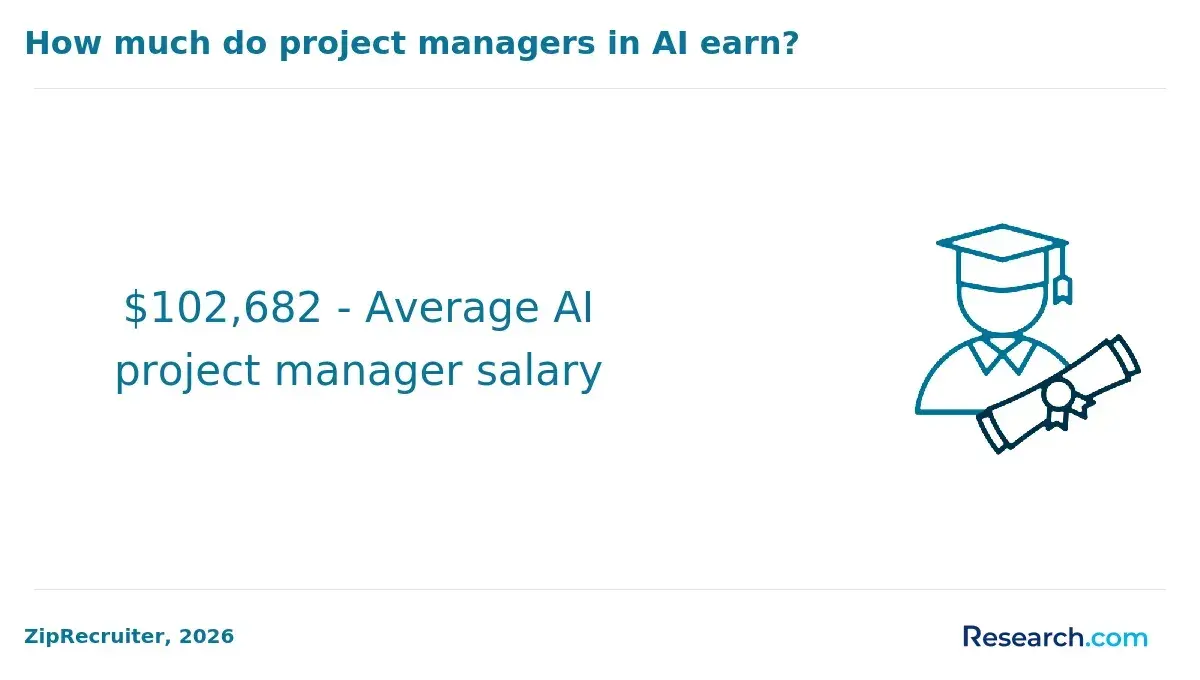
Salary potential varies by location, industry, and experience. Entry-level positions typically start between $70,000 and $90,000 annually. With specialized skills in machine learning, natural language processing, or robotics, graduates can expect salaries over $100,000 within a few years. AI software engineers often earn median incomes above $110,000, with top professionals surpassing $150,000.
Beyond research, AI graduates may pursue roles in product development, data analysis, and AI ethics consulting. Skill diversification in emerging AI subfields boosts employability and compensation. Geographic factors influence earnings, with tech hubs like San Francisco and Seattle offering higher wages but increased living costs.
Parents and caregivers should encourage students to seek internships or cooperative education programs to build relevant experience. Obtaining certifications in AI frameworks, and proficiency in programming languages like Python and TensorFlow, enhances marketability. Continuous learning is essential as AI technologies evolve rapidly.
Data from the Bureau of Labor Statistics and salary surveys confirm that an AI bachelor's degree offers robust job growth and above-average salaries.
How do you evaluate and choose a reputable AI bachelor's program?
When choosing a reputable AI bachelor's program, prioritize accreditation and faculty expertise. Confirm that the institution holds regional or national accreditation to ensure academic quality. Investigate faculty credentials, focusing on professors actively engaged in research, publishing, or industry work in artificial intelligence and related areas like machine learning and data science. Examine the curriculum carefully; it should include essential topics such as algorithms, neural networks, natural language processing, and ethical ai practices. Programs offering hands-on experience through labs, projects, and internships better prepare students for real-world challenges.
Employment outcomes are a vital indicator. According to the QS World University Rankings by Subject, graduates from top AI programs report a 92% employment rate within six months and average starting salaries 34% higher compared to non-ranked programs. This underscores the value of program reputation and industry ties. Assess career services and alumni networks for strong job placement and professional development support.
Consider class size and available student resources, as smaller classes often mean more personalized instruction and mentorship. Flexibility matters too; options like part-time, evening, or online courses can accommodate working students and caregivers. Also, seek programs with tech company partnerships that offer internships and career pipelines, crucial for launching a successful ai career.
Prioritize programs that combine rigorous curriculum, qualified faculty, and proven career support to maximize your return on investment in an ai degree.
What professional certifications or licenses complement an AI bachelor's degree?
Professional certifications that complement an AI bachelor's degree significantly enhance career prospects and salary potential. Industry-recognized credentials from cloud platforms like AWS, Google Cloud, and Azure boost salaries by 28-35% compared to degree-only holders, according to Coursera's 2024 Skills and Salary Report. These certifications validate expertise in scalable AI infrastructure, data management, and deployment, all essential for today's AI roles.
Beyond cloud certifications, credentials such as the Certified Artificial Intelligence Practitioner (CAIP) and those from the Association for Computing Machinery (ACM) showcase specialized knowledge in machine learning, ethical AI, and system optimization. For those targeting data science roles, certifications like Certified Data Scientist or proficiency in Python and R programming complement AI knowledge effectively.
Licenses such as professional engineering (PE) in software or computer engineering may benefit AI developers working on safety-critical systems. Additionally, certifications in Agile or PMP prepare candidates for leadership in AI project management.
Evaluating industry needs in your preferred sector is crucial. Employers increasingly expect AI degree holders to have relevant certifications proving hands-on skills and up-to-date knowledge. Combining an AI bachelor's degree with one or more targeted certifications is a strategic way to maximize employability and income potential in an evolving job market.
Other Things You Should Know About Artificial Intelligence
In 2027, AI bachelor's programs offer robust career support services, including internship placements, resume workshops, and job fairs. Dedicated career advisors provide personalized guidance, helping students secure roles in diverse AI fields. Programs also foster alumni networks, facilitating mentorship and industry connections crucial for career advancement.
While AI degrees often require some technical knowledge, students without a strong STEM background can succeed with dedicated effort. Many programs offer introductory courses in programming and math to build necessary skills. Success depends on willingness to engage with challenging technical content and seek support when needed.
Ethical issues are an integral part of many AI curricula, focusing on data privacy, bias in algorithms, and the societal impacts of AI technology. Students learn to evaluate the responsible design and deployment of AI systems. This training prepares graduates to handle the moral challenges inherent in AI development.
AI programs emphasize teamwork and communication skills to prepare students for working across fields like healthcare, finance, and engineering. Coursework often includes group projects that simulate real-world problems requiring diverse expertise. This interdisciplinary approach helps graduates contribute effectively in various professional settings.
References
- ARTiBA Accreditation Program | Elevate Your AI Education Standards https://www.artiba.org/artiba-accreditation-program
- Do AI Degree Programs Worth It?Cost,Time, Career Alternative https://agilefever.com/artificial-intelligence-degree-programs/
- How Long Does It Take to Complete an AI Course https://www.epw.com/blog/courses/how-long-is-ai-course
- Top 10 AI certifications and courses for 2025 https://www.techtarget.com/whatis/feature/10-top-artificial-intelligence-certifications-and-courses
- Top College Degrees That Will Land You the Highest-Paying AI Jobs in 2026 https://www.investopedia.com/top-college-degrees-that-will-land-you-the-highest-paying-ai-careers-in-2026-11923863
- Best AI Certifications in 2025 https://cpoclub.com/career/best-ai-certifications/
- What do you learn in a bachelor's in artificial intelligence? | edX https://www.edx.org/resources/what-do-you-learn-in-a-bachelors-in-artificial-intelligence
- International Board for AI Accreditation | Professional Accreditation Body https://www.aiaccreditationboard.org/
- How Long Does It Take to Learn AI? - MMC Learning https://mmclearning.com/ai-course/how-long-does-it-take-to-learn-ai/
- Microsoft Certified: AI Business Professional - Certifications https://learn.microsoft.com/en-us/credentials/certifications/ai-business-professional/