2027 Alaska Nursing License Requirements

Co-Founder and Chief Data Scientist
Getting a nursing license in Alaska is not just an administrative step. It determines whether you can legally provide nursing care in the state, what roles you can hold, and how quickly you can move from school or another state into paid clinical practice. The process can feel confusing because applicants must manage education requirements, NCLEX testing, background checks, license verification, renewal rules, and, in some cases, compact licensure or endorsement.
This guide explains how Alaska nursing licensure works for future RNs, LPNs, APRNs, nurses moving from other states, and professionals planning long-term career growth in Alaska healthcare. You will learn which license type fits your goals, what documents to prepare, how renewal works, what costs to expect, and which mistakes can slow down approval. It also highlights practical issues that matter in Alaska, including remote care, workforce mobility, continuing education, and specialized advancement options.
Quick answer: How do you become licensed as a nurse in Alaska?
To become licensed as a nurse in Alaska, you generally need to complete a Board-recognized nursing program, meet clinical training requirements, pass the appropriate NCLEX exam, submit an application through the Alaska licensing system, complete fingerprinting and a criminal background check, and pay the required fees. Nurses already licensed elsewhere may apply through endorsement or, when eligible, practice under Nurse Licensure Compact rules.
Key things you should know about Alaska nursing licenses
- Regulator: Nursing licenses in the state are overseen by the Alaska Board of Nursing, which operates under the state licensing framework and sets standards for safe nursing practice.
- Required exam: RN applicants must pass the NCLEX-RN, while practical nursing applicants must pass the NCLEX-PN.
- Education requirement: Applicants must graduate from an accredited or approved nursing program. RN pathways commonly include an Associate Degree in Nursing or a Bachelor of Science in Nursing.
- Application method: Applicants can submit licensure materials online through the Alaska Division of Corporations, Business, and Professional Licensing and must include required documentation and fees.
- Background screening: Fingerprinting and a criminal background check are required because nursing licensure is tied directly to patient safety and public trust.
- What is Alaska nursing license and why is it necessary?
- What types of nursing licenses are available in Alaska?
- What are the requirements for Alaska nursing license?
- How do you apply for a nursing license in Alaska?
- How often do you need to renew your nursing license in Alaska?
- Can a Compact nurse practice in Alaska?
- What are the career advancement opportunities for nurses in Alaska?
- What is the fastest way to become a nurse in Alaska?
- What future regulatory changes could impact nursing licensure in Alaska?
- What role does mentorship play in advancing your nursing career in Alaska?
- Can additional healthcare licenses boost your nursing career in Alaska?
- What specialized pathways can LPNs pursue in Alaska?
- How can complementary certifications enhance your healthcare career in Alaska?
- How can continuing education boost your nursing career in Alaska?
- How can nurse midwives navigate licensure requirements in Alaska?
- What are the specific steps to become an LVN in Alaska?
- How can nurses licensed in other states obtain a license in Alaska?
- What are the financial considerations for becoming a nurse in Alaska?
- What are the best educational institutions for nursing in Alaska?
- What are the common challenges faced by nurses in remote areas of Alaska?
- What tips and resources can help you through the licensing exam in Alaska?
What is Alaska nursing license and why is it necessary?
An Alaska nursing license is the state authorization that allows a person to practice nursing legally in Alaska. It confirms that the nurse has met education, examination, background screening, and professional conduct standards established for the role. Without the correct license, a person cannot lawfully work as an RN, LPN, APRN, or other regulated nursing professional in the state.
The Alaska Board of Nursing, within the Department of Commerce, Community, and Economic Development, is responsible for regulating nursing practice. Its work matters because nursing decisions affect medication safety, patient assessment, infection control, care planning, documentation, and emergency response.
An Alaska nursing license serves three core purposes:
- Protecting patients: Licensing screens applicants before they enter practice and helps ensure that nurses have completed the training needed to provide safe care.
- Defining professional standards: The license connects education, clinical training, exam performance, and scope of practice so nurses understand what they are authorized to do.
- Creating accountability: The Board can investigate complaints and take action when a nurse violates standards, acts unethically, or practices beyond the permitted scope.
Alaska separates nursing practice into license categories, including RN and LPN roles. Each category has its own education expectations, examination pathway, and scope of practice. Students who want a practical nursing route can start by learning how LPN licensure works before comparing Alaska-specific programs.
One Alaska nurse described receiving her license as the point when her education became a public responsibility. The credential was not merely proof that she passed an exam; it represented permission to care for patients who depended on her judgment, documentation, and clinical skill.
What types of nursing licenses are available in Alaska?
Alaska offers several nursing licensure pathways, and the right one depends on how much education you want to complete, what level of responsibility you want, and whether you plan to enter practice quickly or pursue advanced clinical authority.
| License type | Typical preparation | Common responsibilities | Best fit for |
| Licensed Practical Nurse | State-approved practical nursing program, generally lasting about one year | Basic patient care, routine procedures, support for RNs and providers, and supervised clinical tasks | Students who want a faster entry into nursing and may later bridge to RN education |
| Registered Nurse | Accredited nursing program, often an associate or bachelor’s degree | Patient assessment, medication administration, care planning, patient education, and coordination with healthcare teams | Students seeking broader clinical responsibility and more advancement options |
| Advanced Practice Registered Nurse | Master’s degree in nursing and advanced clinical preparation | Diagnosis, treatment, prescribing where authorized, and specialized care as a Nurse Practitioner, Clinical Nurse Specialist, Nurse Anesthetist, or Nurse Midwife | Experienced nurses who want advanced practice, leadership, or specialized clinical roles |
LPNs usually complete a shorter training route and work in settings such as long-term care facilities, clinics, and outpatient environments. The job outlook for licensed vocational nurses is projected to grow 5% from 2022 to 2032, with an estimated 689,900 positions by 2032.
RNs have a wider practice role and are employed in hospitals, community clinics, public health settings, long-term care, and rural healthcare facilities. APRNs pursue graduate-level preparation and may consider options such as online FNP programs if they plan to move into advanced primary care or specialized practice.
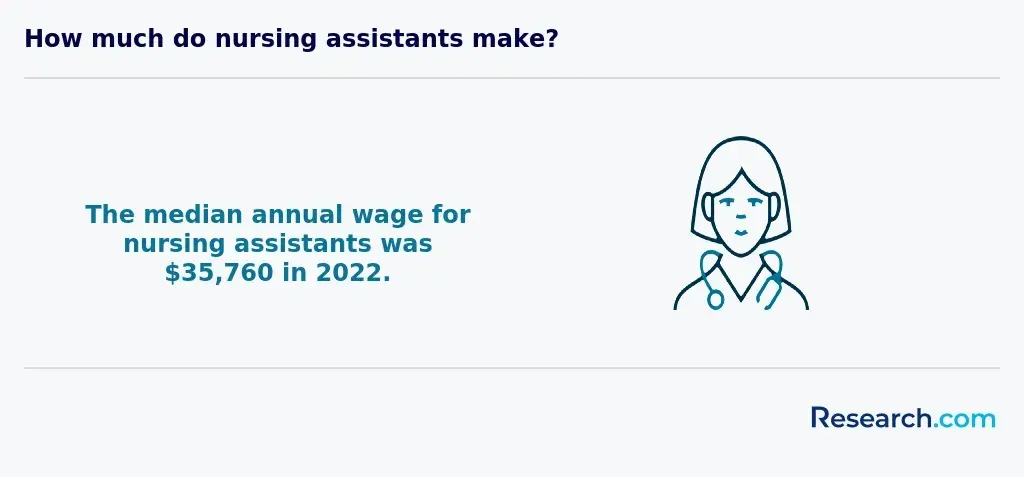
National wage data also shows how role level can affect earning potential. Nursing assistants in the United States can earn a median annual wage of $35,760. LPNs can earn a median annual salary of $59,730, while RNs can earn a median of $86,070 per year. APRNs can earn a median annual wage of $129,480. These figures are not guarantees for Alaska wages, but they help illustrate how education level and scope of practice often influence compensation.
What are the requirements for Alaska nursing license?
Alaska nursing license requirements vary by license type, but most applicants must prove that they completed the correct nursing education, gained required clinical experience, passed the appropriate national exam, and met background and character standards.
For RN applicants, the main requirements typically include:
- Approved nursing education: Candidates must complete a nursing program recognized by the Alaska Board of Nursing. RN pathways commonly lead to an associate or bachelor’s degree.
- Clinical experience: Applicants must complete at least 400 hours of clinical experience, giving them supervised exposure to patient care settings before independent practice.
- NCLEX success: RN applicants must pass the NCLEX-RN. Practical nursing applicants take the NCLEX-PN.
- Background check: Applicants must complete fingerprinting and criminal background screening.
- Good moral character: The Board reviews information that may affect whether an applicant can practice safely and ethically.
These requirements exist because nurses often work with vulnerable patients, controlled medications, confidential health information, and urgent clinical decisions. In 2020, the United States allocated $196.8 billion for nursing home care, predominantly funded through public sources, which underscores how central licensed nursing staff are to healthcare delivery.
Students planning to continue from an associate degree to a bachelor’s degree can also compare easy online RN to BSN programs after confirming that any program they choose supports their licensure and career goals.
The chart below shows the type of licenses currently held by nursing professionals.
How do you apply for a nursing license in Alaska?
The Alaska nursing license application process is easier to manage when you collect documents before starting the online form. Delays often happen when transcripts, fingerprints, license verifications, or exam records are missing or inconsistent.
- Confirm your license category. Decide whether you are applying as an RN, LPN, APRN, endorsement applicant, or another eligible applicant type.
- Complete the online application. Submit the application through the My Alaska portal and monitor email updates about your status.
- Request official education records. Arrange for required transcripts or program verification to be sent according to the Board’s instructions.
- Complete fingerprinting. Fingerprinting supports the criminal background check required for nursing licensure.
- Register for or report NCLEX results. First-time applicants must pass the appropriate NCLEX exam. Endorsement applicants may need to verify existing licensure and exam history.
- Pay required fees. Applicants should plan for application, background check, exam, and document-related expenses.
- Respond quickly to Board requests. If the Board asks for additional documentation, a fast response can prevent avoidable delays.
After submission, applicants may receive updates within 4 to 6 weeks. If the Board needs more documentation, review may take another 4 to 6 weeks. Because timelines can shift depending on missing records or background check processing, applicants should avoid scheduling a start date that assumes immediate approval.
If your long-term plan includes graduate nursing practice, comparing options such as the most affordable online MSN programs can help you think beyond initial licensure and plan for future advancement.
How often do you need to renew your nursing license in Alaska?
Alaska nursing licenses must be renewed every two years. Renewal keeps the license active and confirms that the nurse continues to meet professional expectations after initial approval.
Although renewal is usually less complex than first-time licensure, it still requires attention to deadlines, fees, and continuing education expectations. Missing a renewal deadline can interrupt employment, create administrative problems with employers, and require additional steps to return to active practice.
| Renewal item | Why it matters | Practical tip |
| Continuing education | Helps nurses stay current with clinical standards, patient safety issues, and changing practice expectations | Track completed courses throughout the renewal cycle instead of waiting until the deadline approaches |
| Renewal application | Updates the Board on your license status and professional eligibility | Review your contact information carefully so you do not miss official notices |
| Renewal fees | Required to maintain active licensure | Budget for renewal as a routine professional expense every two years |
Renewal also supports career mobility. Nurses who keep their license active can more easily pursue new roles, additional credentials, or further education. This matters in a global healthcare environment where the World Health Organization has projected a shortage of over 18 million healthcare professionals by 2030, with many shortages affecting nursing and related roles.
RNs who want to expand their qualifications may compare the best online accelerated BSN programs, while BSN-prepared nurses may evaluate graduate programs for advanced practice or leadership roles. The chart below shows the highest level of nursing education of RNs in the country.
Can a Compact nurse practice in Alaska?
The Nurse Licensure Compact allows eligible RNs and LPN/VNs to practice in multiple participating states with one multistate license. The NLC was enacted in 2018 and currently includes 39 states.
Alaska joined the NLC on July 1, 2021. Under the compact framework, a nurse with a valid multistate license from a compact member state may be able to practice in Alaska if all eligibility conditions are met.
To use compact privileges in Alaska, nurses must generally:
- Hold a valid multistate license issued by a compact member state.
- Maintain a primary residence in a compact state.
- Complete any Alaska-specific training or continuing education that may apply.
The compact can reduce duplicated licensing steps for eligible nurses, support temporary assignments, and improve workforce flexibility. However, nurses should not assume compact eligibility automatically applies. Primary state of residence, license status, disciplinary history, and state-specific requirements can affect whether a nurse may practice under compact privileges.
What are the career advancement opportunities for nurses in Alaska?
Alaska nurses can advance by moving into higher licensure levels, specialized clinical practice, leadership, education, public health, remote care coordination, or advanced practice roles. The best option depends on your current license, work setting, financial capacity, and willingness to complete additional education.
| Advancement path | What it can lead to | When it makes sense |
| LPN-to-RN bridge | Broader scope of practice and more RN-level employment options | You want to build on practical nursing experience without starting over |
| RN-to-BSN | Stronger preparation for leadership, public health, and some employer-preferred roles | You already hold an RN license and want more flexibility |
| Graduate nursing education | NP, nurse educator, clinical specialist, or leadership roles | You want advanced clinical authority or specialized responsibility |
| Specialized certifications | Focused expertise in areas such as emergency care, gerontology, telehealth, or rural health | You want to strengthen skills without immediately pursuing a full degree |
Nurses interested in aging-related care may also compare career and pay expectations in the gerontologist salary guide, especially if they work with older adults in long-term care, home health, or community-based services.
What is the fastest way to become a nurse in Alaska?
The fastest route depends on your starting point. A high school graduate usually needs to choose between a practical nursing program and an RN program. A person who already has college credits or a bachelor’s degree in another field may be able to use an accelerated or direct-entry pathway, if available and appropriate.
| Starting point | Potential faster pathway | Important caution |
| No nursing background | Practical nursing program or ADN pathway | Confirm that the program is approved for Alaska licensure before enrolling |
| Some college credit | Transfer-friendly ADN or BSN program | Ask which credits transfer before calculating cost or timeline |
| Bachelor’s degree in another field | Accelerated BSN or direct-entry graduate option | Accelerated does not mean easy; clinical scheduling can be intense |
| Current LPN | LPN-to-RN bridge | Check prerequisites, clinical placement requirements, and work schedule compatibility |
A faster pathway is only useful if it leads to licensure. Before enrolling, confirm approval status, NCLEX preparation support, clinical placement access, transfer policies, and total cost. For a broader comparison, review the fastest way to become a nurse.
What future regulatory changes could impact nursing licensure in Alaska?
Nursing regulation can change as states adjust to workforce shortages, telehealth, compact licensure, disciplinary processes, and continuing education expectations. Applicants and licensed nurses should monitor Alaska Board of Nursing updates rather than relying only on school websites or employer guidance.
Possible areas to watch include digital application improvements, continuing education adjustments, compact licensure rules, and review processes for applicants with disciplinary or criminal history. These changes can affect how quickly applications are processed, what documentation is required, and how nurses maintain eligibility after licensure.
Students who are still choosing a pathway can use How to become a nurse in Alaska? as a next-step guide for comparing entry routes and state expectations.
What role does mentorship play in advancing your nursing career in Alaska?
Mentorship can be especially valuable in Alaska because nurses may work in small facilities, rural clinics, remote communities, or roles with limited immediate peer support. A mentor can help a newer nurse understand documentation standards, escalation procedures, cultural considerations, clinical prioritization, and career planning.
Good mentorship is not limited to formal programs. Nurses can build professional support through preceptors, experienced coworkers, professional associations, alumni networks, and specialty groups. For early-career healthcare workers comparing long-term options, reviewing the CNA salary and career pathway information can also clarify whether to move into nursing or another healthcare role.
Can additional healthcare licenses boost your nursing career in Alaska?
Additional healthcare credentials can help some nurses broaden their understanding of patient care systems, but they should be chosen carefully. More licenses are not automatically better. The right credential should support a clear goal, such as advanced clinical practice, interdisciplinary work, healthcare administration, or service in a remote setting where broader skill awareness is useful.
For example, a nurse interested in medication management, pharmacy collaboration, or a major career change might explore how to become a licensed pharmacist in Alaska. However, that route requires a separate professional education and licensing pathway, so it should be evaluated as a major investment rather than a simple add-on.
What specialized pathways can LPNs pursue in Alaska?
LPNs in Alaska can grow their careers through bridge programs, specialty training, and carefully selected certifications. Common next steps include moving from LPN to RN, gaining experience in long-term care or outpatient practice, or developing skills that support rural and community-based healthcare.
Before choosing a pathway, LPNs should ask whether the option improves scope of practice, increases employability, supports RN admission, or prepares them for the setting where they want to work. Programs with strong clinical partnerships and clear advising are often more useful than programs that only advertise speed.
For a focused overview of practical nursing requirements and next steps, review What are the requirements to become a LPN in Alaska?.
How can complementary certifications enhance your healthcare career in Alaska?
Complementary certifications can help nurses and healthcare workers understand parts of the system beyond direct bedside care. This may be useful for nurses who want administrative, telehealth, quality improvement, case management, or clinic operations roles.
For example, a medical billing and coding certification in Alaska may be relevant for professionals who want to understand documentation, claims, reimbursement, and revenue cycle processes. It is most useful when paired with a specific career plan rather than pursued simply to collect credentials.
How can continuing education boost your nursing career in Alaska?
Continuing education helps nurses maintain licensure, strengthen clinical judgment, and prepare for new responsibilities. In Alaska, useful continuing education may include topics such as emergency response, telehealth, rural care coordination, cultural competency, infection control, gerontology, maternal health, and chronic disease management.
The best continuing education choices are aligned with your current role and next career step. A nurse working in a remote clinic may prioritize emergency stabilization and telehealth. A nurse in long-term care may benefit from gerontology and medication safety. A nurse preparing for leadership may focus on quality improvement, supervision, and healthcare policy.
Students and working nurses comparing in-state options can review top online nursing programs in Alaska to explore programs that may support continued growth.
How can nurse midwives navigate licensure requirements in Alaska?
Nurse midwives need a pathway that builds on RN preparation and adds specialized graduate-level training in maternal, reproductive, and newborn care. They must first meet RN licensure expectations and then complete the additional education, clinical preparation, and credentialing required for nurse-midwifery practice.
Because advanced practice rules are detailed, aspiring nurse midwives should verify requirements directly with the Board and any national certifying body tied to their credential. They should also confirm that clinical placements expose them to the populations and care settings they intend to serve.
For more focused planning, see the guide to the education requirements for a nurse midwife in Alaska.
What are the specific steps to become an LVN in Alaska?
Prospective Licensed Vocational Nurses should start by confirming terminology and state requirements. Many states use the term LPN, while some use LVN. Applicants interested in this practical nursing level should enroll in a state-approved program, complete required coursework and clinical practice, submit licensing materials, complete the background check, and pass the NCLEX-PN.
The basic sequence is:
- Choose a practical nursing program that meets Alaska educational and clinical standards.
- Complete classroom instruction and supervised clinical experiences.
- Request official transcripts or program verification.
- Submit the Alaska licensing application and fees.
- Complete fingerprinting and background screening.
- Pass the NCLEX-PN.
For additional details, review how to become an LVN in Alaska.
How can nurses licensed in other states obtain a license in Alaska?
Nurses who already hold a license in another state may apply for Alaska licensure through endorsement or may practice under compact rules if eligible. The correct route depends on the nurse’s current license, primary state of residence, compact status, and whether Alaska requires additional documentation.
Endorsement applicants typically need to prepare the following:
- Online application: Submit the Alaska application and pay the required fees, which typically range from $50 to $300 depending on the type of license.
- License verification: Provide verification from the state where the nurse is currently or previously licensed.
- Background check: Complete fingerprinting and criminal background screening.
- Supporting documents: Submit any transcripts, exam records, identity documents, or disciplinary explanations requested by the Board.
Foreign-educated nurses may have additional requirements, including:
- Credential evaluation: Educational records may need review by a recognized agency, such as the Commission on Graduates of Foreign Nursing Schools (CGFNS).
- English proficiency: Applicants may need to demonstrate English ability through tests such as the TOEFL or IELTS.
The main mistake endorsement applicants make is assuming that an active license elsewhere automatically authorizes Alaska practice. Always confirm whether you need endorsement approval, compact privilege, or additional Board review before accepting a position.
What are the financial considerations for becoming a nurse in Alaska?
The cost of becoming a nurse in Alaska includes more than tuition. Students should account for school expenses, clinical requirements, exams, licensing, transportation, background checks, renewal, and lost income if a program limits work hours.
| Cost category | Estimated amount stated | What to check before committing |
| Nursing education | $10,000 to $50,000 for ADN or BSN programs, depending on school and program length | Whether tuition differs for out-of-state students and whether fees, supplies, and clinical costs are included |
| NCLEX registration | Approximately $200 | Whether you also need review materials, practice exams, or a prep course |
| Initial Alaska licensing | Typically around $375, including initial licensure and fingerprinting for a background check | Whether additional document, transcript, or verification fees apply |
| Renewal and continuing education | Renewal fees averaging $100-$200; continuing education courses can range from $50 to $500 | Whether your employer reimburses renewal or continuing education costs |
| Advanced nursing education | Master’s degree programs for NPs typically cost $20,000 to $60,000 | Whether the program format, clinical placement support, and certification preparation justify the investment |
Students should also evaluate transportation, housing, childcare, reduced work hours, technology, uniforms, immunizations, and travel to clinical placements. These indirect costs can affect affordability as much as tuition.
If advanced practice is part of your plan, understanding how much does it cost to become a nurse practitioner in Alaska can help you compare the full financial pathway rather than focusing only on the first nursing credential.
What are the best educational institutions for nursing in Alaska?
The best nursing school in Alaska is the one that matches your license goal, budget, schedule, clinical placement needs, and long-term career plan. The University of Alaska Anchorage is one institution students often review when researching nursing programs in the state, but applicants should compare multiple options before enrolling.
When evaluating programs, ask these questions:
- Is the program approved or recognized for Alaska nursing licensure?
- Does it prepare graduates for the correct NCLEX exam?
- What clinical sites are available, and are placements arranged by the school?
- What are the total costs, including fees, supplies, background checks, and travel?
- How does the program support students who are working, parenting, or living far from campus?
- What happens if you need to pause, repeat a course, or transfer credits?
Students can compare program options using Research.com’s overview of the best nursing schools in Alaska.
What are the common challenges faced by nurses in remote areas of Alaska?
Nursing in remote Alaska can be professionally meaningful, but it requires preparation for conditions that differ from urban hospital work. Nurses may need broader judgment, stronger communication skills, and the ability to work with limited resources while respecting community context.
- Limited supplies and equipment: Remote settings may not have the same inventory, specialists, or diagnostic tools available in larger facilities.
- Transportation barriers: Weather, distance, terrain, and air travel delays can affect patient transfers, staffing, and access to care.
- Cultural competence: Many remote communities include Indigenous populations with distinct traditions, histories, and health priorities. Respectful care requires listening, humility, and community awareness.
- Professional isolation: Smaller teams and limited in-person peer support can increase stress, especially for newer nurses.
- Connectivity issues: Limited internet or communication infrastructure may affect telehealth, documentation, consultation, and emergency coordination.
- Burnout risk: High responsibility, staffing shortages, and emotional demands can make recovery time and support systems essential.
Nurses considering remote practice should ask employers about orientation, emergency protocols, housing, travel expectations, backup support, telehealth access, security, and continuing education. These details can determine whether a role is sustainable.
What tips and resources can help you through the licensing exam in Alaska?
The NCLEX is a major licensure milestone, but preparation should begin before graduation. The strongest candidates study consistently, practice application-style questions, and understand how the exam tests clinical judgment rather than memorization alone.
Useful NCLEX preparation steps include:
- Start early. Build review time into your final semester instead of waiting until after graduation.
- Use practice questions daily. Focus on rationales so you understand why answers are correct or unsafe.
- Review weak areas first. Prioritize pharmacology, prioritization, delegation, infection control, and safety topics if they challenge you.
- Simulate exam conditions. Practice timed question sets to build stamina and reduce test-day anxiety.
- Join a support network. Study groups, alumni mentors, and professional organizations can provide accountability and practical advice.
- Confirm Alaska requirements. Make sure your application, background check, and exam registration are moving forward at the same time.
Professional organizations such as the Alaska Nurses Association may offer networking, mentorship, and resources that help students understand both the exam and the realities of Alaska nursing practice. Online groups can also be useful, but applicants should verify licensing information with official sources rather than relying only on peer advice.
The graphic below shows the job outlook for RNs in the U.S. Understanding projected employment growth can help nursing students stay focused while preparing for licensure.

Related Articles for Nearby States
- 2027 Washington Nursing License Requirements
- 2027 Oregon Nursing License Requirements
- 2027 California Nursing License Requirements
- 2027 Hawaii Nursing License Requirements
- 2027 Idaho Nursing License Requirements
- 2027 Montana Nursing License Requirements
- 2027 Nevada Nursing License Requirements
- 2027 Utah Nursing License Requirements
- 2027 Arizona Nursing License Requirements
- 2027 Wyoming Nursing License Requirements
Sources:
- Grabowski, D., Chen, A., & Saliba, D. (2023). Paying for Nursing Home Quality: An Elusive But Important Goal. Journal of the American Geriatrics Society.
- commerce.alaska.gov (n.d.). What code is in the image? Alaska Board of Nursing information.
- U.S. Bureau of Labor Statistics. (2023, September 6). Occupational outlook handbook - Nursing assistants and orderlies. BLS Occupational Outlook Handbook.
Key Insights
- Alaska nursing licensure requires more than finishing school. Applicants must also pass the correct NCLEX exam, complete background screening, submit required documentation, and receive Board approval before practicing.
- The right license pathway depends on your goal: LPN for faster entry, RN for broader clinical responsibility, and APRN for advanced practice after graduate education.
- Alaska nursing licenses must be renewed every two years, so nurses should track continuing education and renewal deadlines throughout the cycle.
- Compact licensure may allow eligible nurses to practice in Alaska, but primary residence and multistate license rules still matter. Do not assume eligibility without checking requirements.
- Cost planning should include tuition, NCLEX fees, licensing fees, fingerprinting, continuing education, renewal, transportation, and possible lost income during clinical training.
- Remote Alaska nursing can offer meaningful work, but nurses should evaluate employer support, emergency protocols, cultural preparation, travel requirements, and burnout risks before accepting a role.
- The smartest program choice is not always the fastest or cheapest. Choose a nursing program that is approved for licensure, provides reliable clinical placement, prepares students for NCLEX, and fits your long-term career plan.
Other Things You Should Know About Nursing Licenses in Alaska
To renew a nursing license in Alaska for 2027, RNs must complete two of these three options: 30 hours of continuing education, 30 hours of professional activities, or 320 hours of employment. Additionally, completion of a fingerprint-based background check is required.
To become a licensed RN in Alaska in 2027, one must graduate from an accredited nursing program, pass the NCLEX-RN, submit an application with fees to the Alaska Board of Nursing, complete a fingerprint-based background check, and provide documentation of any previous licenses held.
Yes, international nurses can apply for a nursing license in Alaska. They must submit credentials evaluated by a recognized agency, demonstrate English proficiency through TOEFL or IELTS unless exempt, and meet the same standards as U.S.-educated nurses, including passing the NCLEX-RN exam.