
2027 Best LPN Programs in Alaska – Accredited Online LPN Programs

Co-Founder and Chief Data Scientist
If you want to become a licensed practical nurse in Alaska, the biggest question is not whether the career has demand. It is how to find a realistic training path in a state where communities are spread across vast distances and fully online in-state LPN options are limited. LPN employment in Alaska is projected to grow by 10.1% through 2032, but prospective students still need to verify program format, clinical requirements, accreditation, licensure rules, and total cost before enrolling.
This guide explains how LPN training works in Alaska, whether online practical nursing programs can qualify you for licensure, which in-state and out-of-state options may be worth comparing, and how to decide whether the LPN route fits your career goals. It is designed for Alaska residents, rural students, working adults, military-connected learners, and current healthcare workers who want a faster entry point into nursing.
You will also learn how LPNs differ from CNAs and RNs, what salary and cost-of-living factors to consider, how to avoid common program-selection mistakes, and how to plan for advancement into RN, BSN, or advanced nursing roles.
Quick Answer: Can You Complete an Online LPN Program in Alaska?
Alaska currently has very limited online LPN options, and students should not assume they can complete practical nursing training fully online. LPN education includes hands-on labs and supervised clinical experience, so even programs with online coursework usually require in-person attendance for skills training and patient care rotations.
Alaska students may consider accredited out-of-state hybrid or online-supported LPN programs, but only if the program’s education, clinical placement, and licensure preparation meet Alaska Board of Nursing requirements. Before enrolling, confirm directly with the Alaska Board of Nursing whether the program can support Alaska licensure.
Best Online LPN Programs in Alaska Table of Contents
- How to become an LPN in Alaska
- What LPN programs in Alaska typically cost
- How long LPN training takes in Alaska
- Whether an online LPN degree can qualify you in Alaska
- Online and hybrid LPN programs to compare for 2027
- Whether Alaska is a strong state for LPN careers
- Jobs you can pursue with an LPN credential in Alaska
- Alternatives to traditional LPN programs in Alaska
- The quickest practical route into nursing in Alaska
- How nutrition knowledge can improve LPN patient care
- How LPN duties compare with other nursing roles in Alaska
- Student support resources for Alaska LPN learners
- Networking and mentorship options for Alaska LPNs
- Career advancement opportunities for LPNs in Alaska
- Advanced certifications that can broaden LPN career options
- Cultural competence in Alaska’s diverse communities
- How to stay current with Alaska LPN licensure rules
- How to move from LPN to advanced nursing roles
- How LPNs can use telehealth in remote Alaska care
How to Become an LPN in Alaska
To work as a licensed practical nurse in Alaska, you must complete approved practical nursing education, pass the NCLEX-PN, and receive licensure from the state. The process is more structured than simply finishing a certificate program, so students should understand each requirement before choosing a school.
Basic Eligibility Requirements for Alaska LPN Candidates
- Complete a high school diploma or earn a General Educational Development credential. In Alaska, about 134,418 residents, or 28.14%, are high school graduates.
- Complete nursing assistant certification before entering an LPN program in Alaska if the program requires it for admission or clinical readiness.
LPN Education and Licensure Steps
- Choose an accredited practical nursing program that is acceptable for Alaska licensure.
- Finish the required coursework, labs, and clinical training, then receive the program completion credential.
- Take and pass the NCLEX-PN, the national practical nursing licensure examination.
- Submit your licensing application to the Alaska Board of Nursing.
Documents and Background Requirements
- Complete the official application for Alaska LPN licensure.
- Include a photo with the application; the photo must have been taken within six months of the application date.
- Pay the required fees to the State of Alaska.
- Submit completed fingerprint cards so the state can complete identity verification and a background check.
Alaska LPN License Renewal Requirements
- Renew the LPN license every two years.
- Complete 30 contact hours of continuing education.
- Document 30 hours of participation in professional activities.
- Complete 320 hours of employment.
| Step | What to Verify Before Moving Forward | Why It Matters |
| Program selection | Accreditation, clinical placement, Alaska eligibility | An unacceptable program can delay or prevent licensure. |
| Admissions | Prerequisites, background check rules, CNA expectations | LPN programs may require healthcare preparation before enrollment. |
| Clinical training | Where labs and patient-care rotations take place | Online coursework does not eliminate hands-on nursing requirements. |
| NCLEX-PN | Program pass-rate support and exam preparation resources | Passing the exam is required before licensure. |
| Licensure | Alaska Board of Nursing forms, fees, fingerprinting, timelines | Graduation alone does not authorize practice as an LPN. |
Is Alaska a Nurse Licensure Compact State?
Alaska is not currently part of the Nurse Licensure Compact (NLC), which lets eligible nurses practice in multiple compact states under one multistate license. The Alaska State Board of Nursing has voted in favor of joining the enhanced NLC, and Representative Mike Prax introduced House Bill 149. If that bill is enacted, Alaska would become an NLC member.
If you already hold an LPN license in another state, you may be able to pursue Alaska licensure by endorsement. The typical endorsement process includes the following steps:
- Maintain a current LPN license in another state.
- File an endorsement application with the Alaska Board of Nursing.
- Arrange license verification from the state where you are currently licensed.
- Meet Alaska’s general qualifications for nursing licensure by endorsement.
- Pay the required application and licensing fees.
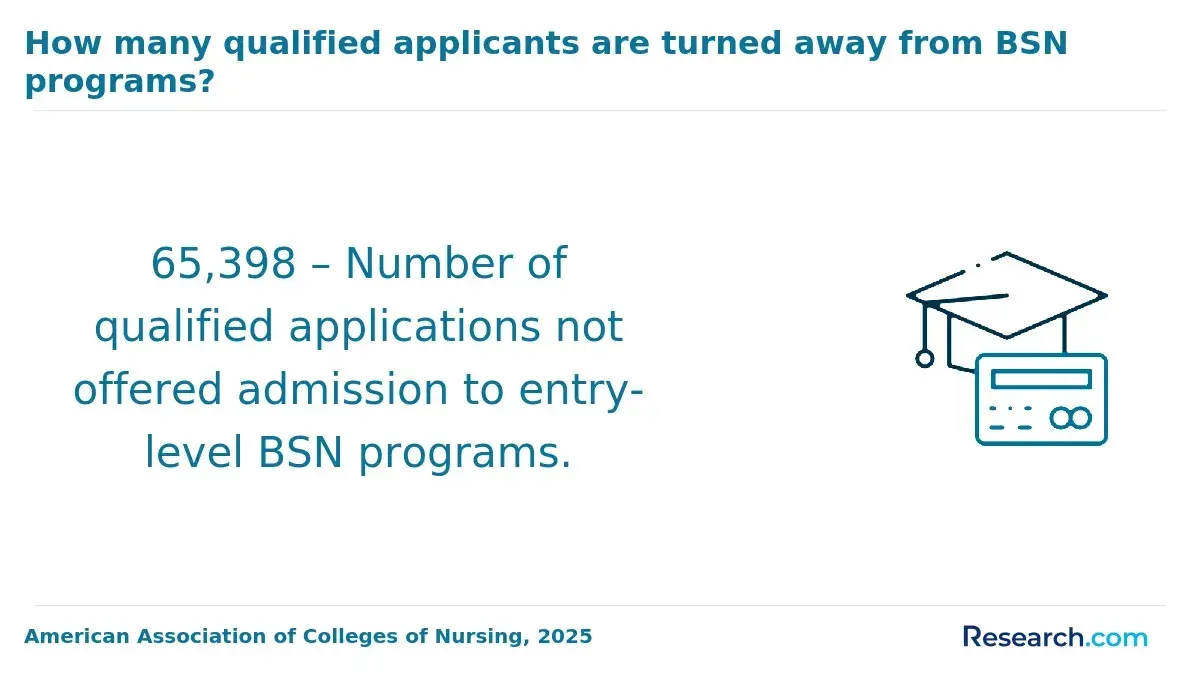
What Is the Typical Cost of an LPN Program in Alaska?
The cost of nursing school in Alaska depends on the institution, credit load, residency status, fees, books, supplies, clinical expenses, and whether the student must travel for labs or rotations. Some online-supported LPN programs charge tuition similar to campus programs, while others may reduce costs tied to housing or commuting. However, a lower tuition rate does not automatically mean a lower total cost.
Students should also compare financial aid opportunities. Depending on eligibility, options may include federal grants, federal loans, institutional aid, Alaska Student Loan Corporation resources, and scholarships from local healthcare organizations. For rural students, travel and temporary housing for clinical requirements can become a major budget item.
Because tuition and fees can change, always ask the school for the latest cost sheet and confirm whether quoted tuition includes clinical insurance, uniforms, testing fees, background checks, immunizations, exam preparation, and NCLEX-PN fees.
| Cost Factor | Questions to Ask | Why It Can Change the Final Price |
| Tuition | Is tuition charged per credit, semester, or program? | Programs with similar lengths may price credits differently. |
| Residency status | Do Alaska residents and non-residents pay different rates? | Public institutions may have separate resident and non-resident tuition. |
| Clinical placement | Will I need to travel for labs or rotations? | Travel, lodging, and missed work can raise the real cost. |
| Program supplies | Are uniforms, equipment, textbooks, and testing included? | Mandatory supplies can add expenses beyond tuition. |
| Licensure expenses | Are NCLEX-PN preparation and licensing fees included? | Graduates still need to budget for exam and state application costs. |
How Long Does It Take to Become an LPN in Alaska?
The answer depends on the program structure, prerequisites, clinical schedule, and licensing timeline. Students comparing nursing school timelines should separate the education period from the licensure period because completing the program does not immediately grant permission to practice.
In general, becoming an LPN in Alaska takes one to two years of study. After graduation, candidates must pass the NCLEX-PN and complete the Alaska licensure process. Processing an LPN license application in Alaska can take several weeks from the date the application is received.
| Type of Candidate | Count | Percentage |
| First-time, U.S.-educated | 47,635 | 79.93% |
| Repeat, U.S.-educated | 17,686 | 35.66% |
| First-time, Internationally Educated | 408 | 50.49% |
| Repeat, Internationally Educated | 562 | 22.78% |
| All Candidates | 66,291 | 67.46% |
Can You Become an LPN in Alaska With an Online Degree?
You can use online coursework toward LPN preparation only if the full program, including clinical education, satisfies Alaska’s licensure standards. Practical nursing is not a fully virtual field. Students must learn medication administration, assessment skills, patient safety, infection control, and direct-care procedures through supervised practice.
Online education has become more accepted as accredited colleges expand distance learning. By 2027, the online university education market is expected to reach 42.8 million users, according to Statista. Even so, nursing boards and employers evaluate online-supported nursing programs carefully because clinical competence is essential.
The most important issue is accreditation. Institutional accreditation evaluates the school as a whole, while programmatic accreditation focuses on a specific nursing program or academic unit. For LPN students, both matter: the school must be legitimate, and the nursing program must provide education that licensing boards recognize.
| Program Format | What It Usually Means for LPN Students | Best Fit |
| Campus-based | Lectures, labs, and clinicals are primarily in person. | Students near a program site who want direct access to faculty and facilities. |
| Hybrid | Some theory courses are online, while labs and clinicals are completed in person. | Working adults who can travel to required hands-on sessions. |
| Online-supported out-of-state | Coursework may be online, but clinical arrangements must still satisfy licensure rules. | Alaska students who can verify state approval before enrolling. |
| Fully online claim | May be misleading for practical nursing if no in-person clinical plan exists. | Students should be cautious and request written licensure confirmation. |
Online LPN Programs in Alaska for 2027
Alaska students should understand an important distinction: the state has in-person LPN options and limited online-supported alternatives, but practical nursing programs still require hands-on training. The schools below include Alaska-based LPN programs and out-of-state programs with online or hybrid elements that prospective Alaska students may want to investigate carefully.
| School | Format Notes | Program Length | Tuition or Cost Per Credit | Credits | Accreditation Listed |
| Alaska Pacific University | In-person labs and clinical rotations; locations include Bethel, Fairbanks, Palmer/Wasilla, and Juneau | Two semesters | $475 per credit hour | 27 | ACEN |
| University of Alaska, Fairbanks | Certificate program with lectures, skill development, and clinical experience | Not specified | $234 per credit for residents; $800 per credit for non-residents | 31 | ACEN |
| Rasmussen University | Not fully online; includes online coursework and self-directed assessments | 12 months | $345 cost per credit | 56 | Higher Learning Commission |
| Lake Area Technical College | Practical nursing e-degree that guides students on professional licensure requirements in South Dakota and states such as Alaska | 11 months | The standard tuition rate is $124 per credit | 44.5 | ACEN |
| Northland Community and Technical College | Online practical nursing diploma also offered at East Grand Forks Campus and Thief River Falls Campus | One year | $187.53 cost per credit | 42 | NLN CNEA |
1. Alaska Pacific University
Alaska Pacific University offers a practical nursing pathway designed around cultural safety and quality care, with attention to rural and Alaska Native populations. The program is offered in Bethel, Fairbanks, Palmer/Wasilla, and Juneau. Students should expect in-person labs and clinical rotations as part of the program.
- Program Length: Two semesters
- Tracks/concentrations: Cultural safety and quality care
- Cost per Credit/Tuition: $475 per credit hour
- Required Credits to Graduate: 27
- Accreditation: Accreditation Commission for Nursing Education (ACEN)
2. University of Alaska, Fairbanks
The University of Alaska, Fairbanks Community and Technical College provides a certificate program that combines classroom instruction, skills training, and clinical experience. Admission requires an LPN application and interview. Students must also complete a State Troopers background check and a state background check before beginning clinical hours in a healthcare facility.
- Program Length: Not specified
- Tracks/concentrations: Not specified
- Cost per Credit/Tuition: $234 per credit (residents) $800 per credit (non-residents)
- Required Credits to Graduate: 31
- Accreditation: ACEN
3. Rasmussen University
Rasmussen University offers practical nursing coursework that students may complete in as little as 12 months. The practical nursing diploma is not fully online, but it includes online coursework and self-directed assessments. Rasmussen has campuses in Florida, Illinois, Kansas, Minnesota, North Dakota, and Wisconsin.
- Program Length: 12 months
- Tracks/concentrations: Not specified
- Cost per Credit/Tuition: $345 cost per credit
- Required Credits to Graduate: 56
- Accreditation: Higher Learning Commission
4. Lake Area Technical College
Lake Area Technical College offers a practical nursing e-degree intended to prepare students for LPN practice. The program also provides guidance on meeting professional licensure requirements in South Dakota and other states, including Alaska.
- Program Length: 11 months
- Tracks/concentrations: Not specified
- Cost per Credit/Tuition: The standard tuition rate is $124 per credit
- Required Credits to Graduate: 44.5
- Accreditation: ACEN
5. Northland Community and Technical College
Northland Community and Technical College has a practical nursing diploma with an online option, as well as delivery at the East Grand Forks Campus and the Thief River Falls Campus.
The program is designed to prepare students for LPN practice and build the skills needed to work across healthcare settings. Alaska students should still confirm clinical and licensure compatibility before enrolling.
- Program Length: One year
- Tracks/concentrations: Not specified
- Cost per Credit/Tuition: $187.53 cost per credit
- Required Credits to Graduate: 42
- Accreditation: National League for Nursing Commission for Nursing Education Accreditation (NLN CNEA)
The University of Alaska Anchorage does not currently have an active LPN program, so applicants do not need to evaluate a UAA nursing application deadline or acceptance rate for that discontinued pathway.
Is Alaska Good for LPNs?
Alaska can be attractive for LPNs because wages are higher than the national average. The average annual pay for a Licensed Practical Nurse in Alaska is $77,850 per year, compared with the national average of $62,340. Alaska also has approximately 300 licensed practical nurses employed statewide, and healthcare employment remains an important part of the state labor market.
The trade-off is cost of living. Alaska’s remote geography, weather, infrastructure limits, and transportation needs can make housing, utilities, food, and everyday goods more expensive than in many other states. According to World Population Review, Alaska has an average cost of living index of 124.9, compared with the U.S. national average of 100.
| Potential Advantage | Possible Challenge | Decision Tip |
| Higher-than-average LPN wages | Higher cost of living | Compare salary offers against local rent, utilities, transportation, and relocation costs. |
| Need for healthcare workers across the state | Limited local program availability | Confirm whether training can be completed without repeated long-distance travel. |
| Opportunities in rural and underserved communities | Professional isolation in remote areas | Look for employers with mentoring, orientation, and continuing education support. |
| Meaningful patient-care role | Physically and emotionally demanding work | Ask about staffing, scheduling, safety protocols, and supervision before accepting a position. |
What Can I Do With an LPN Degree in Alaska?
Licensed practical nurses in Alaska provide direct patient care under the supervision of physicians and registered nurses. Their duties often include monitoring patients, assisting with treatment plans, documenting changes, and helping patients with daily care needs.
- Measuring and recording vital signs
- Administering medications within the allowed scope of practice
- Supporting patients with daily living activities
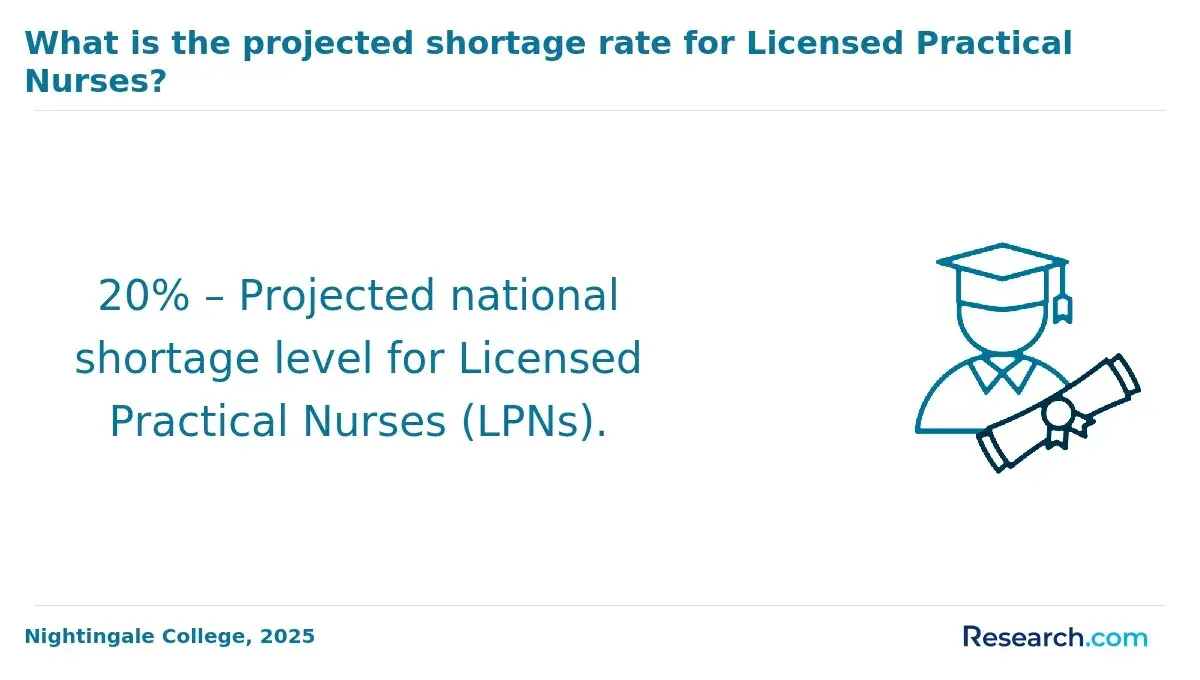
Alaska needs to hire approximately 6,300 new healthcare workers per year to meet workforce demand. Registered nurses are the largest category, with a 46% surplus of recruits projected for 2026, while LPNs are listed among national shortage categories, with a 28% shortage expected in 2026.
Average yearly pay for LPNs in Alaska is $77,375. The highest paying cities listed are Bethel at $77,420, Nome at $77,084, and Seward at $72,661.
| Work Setting | Common LPN Responsibilities | What to Ask Before Applying |
| Long-term care facility | Medication support, resident monitoring, wound care assistance, documentation | What is the nurse-to-resident ratio, and how is new staff trained? |
| Clinic or outpatient office | Vitals, patient intake, injections or medication support, follow-up communication | Will the role include triage, chronic care support, or specialty services? |
| Hospital or acute-care support role | Basic bedside care under RN supervision, patient observation, care-team communication | What duties are permitted for LPNs in that unit? |
| Rural or community health setting | Preventive care support, patient education, telehealth coordination, care navigation | What supervision, travel, and emergency protocols are in place? |
Are There Alternatives to Traditional LPN Programs in Alaska?
Students who cannot relocate or attend a conventional campus program may want to compare hybrid, part-time, or accelerated LPN programs. These options can be useful for working adults, parents, and rural learners, but they still require careful review because clinical training cannot be skipped.
The best alternative is not always the fastest one. A shorter program only helps if it is accredited, accepted for Alaska licensure, transparent about clinical placement, and realistic for your schedule. Ask for written confirmation about where clinicals occur, whether Alaska students are eligible, and whether graduates can sit for the NCLEX-PN and apply for Alaska licensure.
What Is the Fastest Pathway to Begin Your Nursing Career in Alaska?
The fastest practical route is usually to complete prerequisites early, choose an approved LPN program with a clear clinical schedule, prepare for the NCLEX-PN throughout the program, and submit licensure documents promptly after graduation. Condensed coursework and accelerated schedules can shorten the academic portion, but they may also require more intensive weekly study and clinical availability.
If you are deciding between CNA, LPN, RN, and bridge options, compare time-to-entry against long-term career goals. A CNA route may get you into healthcare sooner, while an LPN program may provide a broader nursing scope. Students weighing multiple routes can use this guide to the fastest way to become a nurse to compare common nursing timelines.
How Can LPNs Enhance Patient Outcomes Through Nutrition Expertise?
Nutrition knowledge can strengthen an LPN’s patient education role, especially when working with chronic disease, wound healing, maternal health, elder care, or rural communities where food access may affect health outcomes. LPNs do not replace registered dietitians or licensed nutrition professionals, but they can reinforce care plans, observe dietary risks, and communicate concerns to the care team.
LPNs interested in deeper nutrition-related expertise can look for continuing education, employer training, or formal pathways such as learning how to become a nutritionist in Alaska. The key is to stay within the LPN scope of practice while improving patient communication and care coordination.
How Does the Role of an LPN Differ From Other Nursing Positions in Alaska?
LPNs occupy a middle ground between certified nursing assistants and registered nurses. They provide direct nursing care and may administer medications, monitor patients, and support care planning under appropriate supervision. CNAs generally focus more on basic personal care, while RNs carry broader assessment, care-planning, supervisory, and clinical decision-making responsibilities.
| Role | Typical Education Level | Common Duties | Career Use |
| CNA | Nursing assistant training and certification | Daily living assistance, mobility support, basic observations | Fast entry into healthcare and patient-care experience |
| LPN | Practical nursing certificate or diploma plus licensure | Vitals, medication support, basic nursing care, patient monitoring | Direct nursing role with a shorter training timeline than RN pathways |
| RN | Registered nursing education and licensure | Assessment, care planning, complex clinical judgment, supervision | Broader scope, leadership options, and bridge pathway for LPNs |
For a closer comparison of entry-level care roles, see this explanation of the licensed practical nurse LPN vs certified nursing assistant CNA difference.
What Support Resources Are Available for LPN Students in Alaska?
LPN students in Alaska may need more than classroom instruction. Distance, weather, travel costs, limited program seats, and clinical scheduling can all affect persistence. Strong support services can make the difference between enrolling and graduating.
- Scholarships and financial aid: Students may research the Alaska Performance Scholarship, Alaska Education Grant, local healthcare scholarships, institutional aid, and federal financial aid options.
- Professional organizations and mentorship: Groups such as the Alaska Nurses Association and the National Association of Licensed Practical Nurses can help students find continuing education, peer connections, and professional guidance.
- Online academic support: Supplemental platforms such as Khan Academy, Coursera, Nursing.com, tutoring services, virtual labs, and study groups can help reinforce anatomy, pharmacology, dosage calculation, and NCLEX-PN preparation.
- Mental health and counseling: Intensive nursing programs can be stressful, so students should ask whether the school provides counseling, wellness services, academic coaching, or crisis support.
- Career services: Resume help, interview coaching, employer connections, and job-placement support are especially valuable for students who want to work in a specific region of Alaska.
How Can LPNs Build Professional Networks and Mentorship Opportunities in Alaska?
Networking is especially important in Alaska because healthcare communities can be small, regionally distinct, and heavily shaped by local needs. LPN students and graduates can build connections through clinical rotations, employer orientation programs, state nursing events, professional associations, and online nursing communities.
New nurses should look for mentors who understand Alaska practice settings, including rural care, cultural safety, telehealth coordination, and emergency response limitations. If you are still at the beginning of the process, this guide on how to become a certified LPN in Alaska can help you map licensure steps while identifying places to build professional relationships.
What Are the Career Advancement Opportunities for LPNs in Alaska?
LPNs who want to expand their responsibilities can pursue additional certifications, bridge programs, and employer-based training. Common areas for skill growth include gerontology, pediatric care, IV therapy, wound care, chronic disease support, and rural health coordination. The right option depends on employer demand, scope-of-practice rules, and long-term goals.
An LPN-to-RN or LPN-to-BSN pathway can be a strong next step for practical nurses who want broader clinical authority, more leadership options, and access to advanced nursing education. If your goal is registered nursing, review the process for how to become a registered nurse in Alaska before selecting bridge programs.
Professional organizations such as the Alaska Nurses Association and the National Association of Licensed Practical Nurses can also support advancement through continuing education, conferences, policy updates, and networking.
Addressing the Gap in Online LPN Education in Alaska
Online learning has expanded across higher education, and earlier projections cited the global online learning industry reaching a market value of $325 billion by 2025. For Alaska, the appeal is obvious: online delivery can reduce travel barriers for students who live far from campus.
Practical nursing, however, requires more than online lectures. Alaska’s challenge is to expand access while still protecting patient safety through supervised labs and clinical training. Hybrid models may help if they combine flexible coursework with reliable local or regional clinical placements.
For students, the immediate takeaway is simple: do not enroll in an online LPN option based only on convenience. Verify accreditation, clinical logistics, NCLEX-PN eligibility, and Alaska licensure acceptance. Those considering broader nursing routes can also compare nursing majors that may offer different timelines and career outcomes.
How Can LPNs Leverage Advanced Certifications to Diversify Their Career Paths in Alaska?
Advanced certifications can help LPNs document focused skills and become more competitive for specialized settings. Options such as IV therapy, gerontology, and wound care may support work in long-term care, outpatient clinics, home health, and rural care teams, depending on employer needs and state scope rules.
LPNs who eventually want advanced clinical roles should use certifications strategically rather than collecting credentials without a plan. For example, exploring nurse midwife education requirements in Alaska can help an LPN understand how far the education ladder extends and what steps are needed beyond practical nursing.
How Can LPNs Enhance Cultural Competence in Alaska's Diverse Communities?
Cultural competence is not optional in Alaska healthcare. LPNs may care for Alaska Native patients, rural families, immigrant communities, elders, and patients whose healthcare experiences are shaped by geography, language, history, and access barriers. Effective care requires respectful communication, local awareness, and willingness to learn from patients and community health partners.
Practical steps include taking cultural safety training, learning about local health practices, asking patients about preferences without making assumptions, using qualified interpreters when needed, and participating in community outreach. LPNs comparing related licensing terminology may also review how to become an LVN in Alaska, while noting that Alaska generally uses the LPN title.
How Can I Stay Compliant With Evolving LPN Licensure Requirements in Alaska?
The safest approach is to rely on official state sources rather than school marketing pages, social media, or informal advice. LPNs should regularly check Alaska Board of Nursing announcements, track renewal deadlines, save continuing education records, and confirm whether any scope-of-practice or compact-related updates affect their license.
Create a simple compliance routine: review board updates several times per year, keep digital copies of CE certificates, document professional activity hours, and start renewal preparation well before the deadline. For a broader overview, review Alaska nursing license requirements.
How Can I Transition From an LPN to Advanced Nursing Roles in Alaska?
The most common progression is LPN to RN, followed by BSN completion and, for some nurses, graduate education. Bridge programs can shorten the route by recognizing prior practical nursing education, but admissions requirements, clinical placement, tuition, and scheduling vary.
If your long-term goal is advanced practice, begin planning early. Compare LPN-to-RN prerequisites, ask whether credits transfer, confirm clinical sites, and calculate total cost rather than tuition alone. After becoming an RN, future options may include graduate pathways such as how to become a nurse practitioner in Alaska.
How Can LPNs Optimize Telehealth for Remote Patient Care in Alaska?
Telehealth can be especially useful in Alaska because many patients live far from specialty care or large healthcare facilities. LPNs may support telehealth by preparing patients for virtual visits, collecting vitals, documenting symptoms, coordinating follow-up, and helping care teams monitor ongoing needs.
To use telehealth effectively, LPNs should build digital literacy, understand privacy expectations, practice clear virtual communication, and know when a patient needs in-person escalation. Training through employers or the best nursing schools in Alaska can help LPNs adapt to remote care workflows while staying within their scope of practice.
Common Mistakes to Avoid When Choosing an Alaska LPN Program
| Mistake | Why It Can Hurt You | Better Approach |
| Choosing a program only because it is online | LPN licensure requires clinical training, and not every online-supported program works for Alaska students. | Ask the Alaska Board of Nursing and the school for written licensure eligibility details. |
| Looking only at tuition | Travel, supplies, background checks, books, testing, and clinical costs can change affordability. | Request a full program cost estimate before applying. |
| Ignoring accreditation | Unrecognized programs can create licensing and employment barriers. | Verify institutional and nursing program accreditation before enrollment. |
| Assuming clinicals will be nearby | Rural students may need to travel or adjust work schedules for rotations. | Confirm clinical sites, dates, and travel expectations in advance. |
| Relying only on rankings | A highly visible school may not fit your location, budget, or licensure needs. | Use rankings as one factor, then compare outcomes, support, cost, and state approval. |
| Assuming salary outcomes are guaranteed | Pay varies by location, employer, experience, shift, and setting. | Compare local job postings and ask employers about differentials, benefits, and advancement. |
Questions to Ask Before Enrolling in an LPN Program
- Is the program currently accredited, and by which agency?
- Does the program meet Alaska Board of Nursing education requirements for LPN licensure?
- Where are labs and clinical rotations completed?
- Can Alaska residents enroll, and are there any state authorization restrictions?
- What is the total estimated cost, including fees and required supplies?
- What support is available for NCLEX-PN preparation?
- How many students complete the program on time?
- What happens if I fail or must repeat a course or clinical requirement?
- Does the school help with job placement in Alaska?
- Will credits transfer into an LPN-to-RN or LPN-to-BSN bridge program later?
Key Insights
- Alaska has LPN demand, but access is the challenge: LPN employment in Alaska is projected to grow by 10.1% through 2032, yet students must navigate limited program availability and required in-person clinical training.
- Fully online LPN training is not realistic for licensure: Online coursework may be part of a program, but labs and supervised clinical experience remain essential.
- Licensure verification should come before enrollment: Alaska students considering out-of-state online or hybrid LPN programs should confirm Alaska Board of Nursing acceptance in writing.
- Cost comparisons must include more than tuition: Travel, clinical placement, supplies, background checks, testing, and living costs can significantly affect affordability.
- Alaska wages are competitive, but living costs are high: Average LPN pay in Alaska is above the national average, while the state’s cost of living index is 124.9 compared with the U.S. average of 100.
- LPN can be a stepping-stone career: Many practical nurses later pursue LPN-to-RN, LPN-to-BSN, specialty certifications, or advanced nursing pathways.
- The best program is the one that fits licensure, logistics, and goals: Accreditation, clinical access, schedule, total cost, support services, and transfer options matter more than convenience alone.
Related Articles for Nearby States
- 2027 Best LPN Programs in Washington – Accredited Online LPN Programs
- 2027 Best LPN Programs in Oregon – Accredited Online LPN Programs
- 2027 Best LPN Programs in Hawaii – Accredited Online LPN Programs
- 2027 Best LPN Programs in Idaho – Accredited Online LPN Programs
- 2027 Best LPN Programs in Montana – Accredited Online LPN Programs
- 2027 Best LPN Programs in Nevada – Accredited Online LPN Programs
- 2027 Best LPN Programs in Utah – Accredited Online LPN Programs
- 2027 Best LPN Programs in Arizona – Accredited Online LPN Programs
- 2027 Best LPN Programs in Wyoming – Accredited Online LPN Programs
- 2027 Best LPN Programs in Colorado – Accredited Online LPN Programs
References:
- Alaska Board Of Nursing: Nurse Licensure Compact (NLC) Information. Alaska Department of Commerce, Community, and Economic Development. https://www.commerce.alaska.gov/web/cbpl/ProfessionalLicensing/BoardofNursing/NurseLicensureCompact.aspx
- Concerns about online versus on-campus learning options according to online students in the United States in 2024. Statista. https://www.statista.com/statistics/944409/concerns-about-choosing-online-education-usa
- Cost of Living Data Series. Missouri Economic Research and Information Center (MERIC). https://meric.mo.gov/data/cost-living-data-series Alaska Health Care Workforce Analysis Lake Area Technical College Nursing Semester Outline
- LPN Salary in Alaska. ZipRecruiter. https://www.ziprecruiter.com/Salaries/LPN-Salaryin-Alaska
- National Council of State Boards of Nursing (NCSBN). (2026). NCLEX Pass Rates. https://www.ncsbn.org/exams/exam-statistics-and-publications/nclex-pass-rates.page
- Nursing Shortage in the US: Key Insights and Current National and State Statistics (2026-2038). Nightingale College. https://nightingale.edu/blog/nursing-shortage-by-state.html
- Online University Education Worldwide. Statista. https://www.statista.com/outlook/dmo/eservices/online-education/online-university-education/worldwide
- Top States for LPN/LVNs: Where to Thrive in Your Practical Nursing Career in 2026. PracticalNursing.org. https://www.practicalnursing.org/top-states-lpns Statista online university education outlook Rasmussen University catalog
- Tuition, Costs and Financial Aid. University of Alaska Fairbanks Catalog. https://catalog.uaf.edu/costs-financial-aid
- Tuition & Costs. Lake Area Technical College. https://www.lakeareatech.edu/getting-started/financial-aid/tuition-costs Alaska labor trends source
- Why the Future of Learning is Digital and for Everyone. University of Central Florida. https://www.ucf.edu/online/leadership-management/news/why-the-future-of-learning-is-digital-and-for-everyone
- World Population Review. (n.d.). Alaska Population. World Population Review. https://worldpopulationreview.com/states/alaska-population
- World Population Review (2026). Cost of Living Index by State 2026. https://worldpopulationreview.com/state-rankings/cost-of-living-index-by-state World Population Review Alaska population
Other Things You Should Know About LPN Programs in Alaska
To become an LPN in Alaska, you need to complete a high school diploma or GED, obtain a nursing assistant certification, enroll in and graduate from an accredited LPN program, pass the NCLEX-PN exam, and apply for licensure through the Alaska Board of Nursing. Additional requirements include submitting a photo, paying applicable fees, and completing a fingerprint background check.
The cost of LPN programs in Alaska varies. Certificate programs can range from $4,000 to $10,000 per year, while associate degrees may cost around $500 per credit. Financial aid options, including federal grants, loans, and scholarships, are available to help offset costs.
Becoming an LPN in Alaska typically takes one to two years, depending on the chosen educational pathway. This includes completing an accredited LPN program and passing the NCLEX-PN exam. The licensure application process can take several weeks from the date of receipt.
In 2027, some of the top LPN programs in Alaska include the University of Alaska Anchorage and AVTEC-Alaska's Institute of Technology. These programs offer comprehensive courses, blending online flexibility with clinical practice to adequately prepare students for the state licensure exam and practical nursing roles.
Alaska offers a promising environment for LPNs due to consistent wage growth, high demand for healthcare professionals, and competitive salaries. However, the high cost of living is a factor to consider. The state's healthcare industry is expected to add 5,000 jobs in the next ten years, further highlighting the demand for LPNs.
Although you can complete some coursework online, becoming an LPN in Alaska requires in-person clinical training to meet state licensing requirements. Accredited programs often blend online theory classes with hands-on training in healthcare settings to ensure comprehensive education and preparation for the licensing exam.


