2027 How to Become a Nutritionist in Alaska

Co-Founder and Chief Data Scientist
Choosing a nutrition career in Alaska is not the same as choosing one in a densely populated state with easy access to clinics, grocery stores, and campus-based training. Alaska’s nutrition professionals often work across long distances, serve communities with distinct cultural food traditions, and help address health issues shaped by food access, chronic disease, and geography. In 2024, data showed that 69% of Alaskan adults are either overweight or obese, which makes qualified nutrition guidance an important part of prevention, community health, and patient care.
This guide explains how to become a nutritionist in Alaska, including education options, licensing rules, certification paths, supervised experience, cost, salary expectations, legal responsibilities, and practical ways to build a career that fits the state’s needs. It is designed for students comparing degree programs, career changers evaluating nutrition credentials, and current health professionals who want to add nutrition expertise to their work.
Quick answer: How do you become a nutritionist in Alaska?
In Alaska, people can provide general nutrition education without a state license, but those who want to use protected titles such as “nutritionist” or “licensed nutritionist,” or practice independently under state-recognized credentials, must meet Alaska’s licensing standards through the Alaska Division of Corporations, Business, and Professional Licensing. The strongest professional routes are typically the Registered Dietitian Nutritionist (RDN) path or the Certified Nutrition Specialist (CNS) path.
- Alaska does not require every person giving general nutrition advice to hold a license, but title use and independent professional practice can trigger licensing requirements.
- The licensed dietitian route generally requires a bachelor's degree in nutrition or a related field, an accredited supervised practice program, and a passing score on the Commission on Dietetic Registration (CDR) exam.
- The Certified Nutrition Specialist (CNS) credential requires a master's degree and 1,000 hours of supervised practice.
- Students in Alaska can look to the University of Alaska Anchorage for ACEND-recognized dietetics and nutrition options, including a Bachelor of Science in Dietetics and a Master of Science in Dietetics and Nutrition.
- Ongoing continuing education is important because nutrition science, telehealth delivery, public health priorities, and community food access issues continue to change.
- Education requirements for nutritionists in Alaska
- Licensing rules for nutritionists in Alaska
- Timeline to become a nutritionist in Alaska
- Certification options: RDN, CNS, and related credentials
- Practical experience and supervised training
- Cost to become a nutritionist in Alaska
- Salary and job outlook for Alaska nutrition professionals
- Working with nursing professionals
- Partnering with substance abuse counselors
- Trends shaping nutrition careers
- Interdisciplinary training options
- Online certifications and career competitiveness
- Complementary healthcare roles
- Non-traditional scientific career options
- Clinical collaboration with nurse practitioners
- Career advancement opportunities
- Financial support for nutrition students
- Continuing professional development
- Specialization options in Alaska
- Challenges nutritionists face in Alaska
- Collaborating with pharmacists
- Legal duties and professional responsibilities
What are the educational requirements to become a nutritionist in Alaska?
The education you need depends on the type of nutrition work you want to do. Someone offering general wellness education may not need the same preparation as a licensed nutritionist, Registered Dietitian Nutritionist, clinical dietitian, or advanced nutrition specialist. For most professional roles, however, employers and credentialing bodies expect formal training in nutrition science, biology, food systems, and counseling.
| Path | Typical education | Best fit | Important considerations |
| General nutrition education | Nutrition coursework, certificates, or related health education | Wellness coaching, community education, fitness-adjacent roles | Scope of practice is limited; avoid medical nutrition therapy unless properly credentialed. |
| Registered Dietitian Nutritionist route | Bachelor's degree in nutrition or a related field, accredited supervised practice, and CDR exam | Clinical care, hospitals, long-term care, public health, school nutrition | This is often the strongest route for medical nutrition therapy and healthcare-based roles. |
| Certified Nutrition Specialist route | Master's degree in nutrition or a related field plus 1,000 hours of supervised practice | Advanced nutrition counseling, integrative nutrition, research-informed practice | Useful for professionals who want a graduate-level credential with a broad nutrition science foundation. |
| Licensed nutritionist in Alaska | State-defined qualifications, including advanced education and supervised experience | Independent professional practice using protected titles | Licensure rules should be verified directly through Alaska’s professional licensing board before enrollment. |
- Degree level: A bachelor's degree in nutrition or a closely related subject is the usual starting point. Graduate study, including a master's or doctoral degree, can improve preparation for advanced practice, research, leadership, and specialized roles.
- Accredited programs: Accreditation matters because it affects credential eligibility and employer confidence. The University of Alaska Anchorage offers a Bachelor of Science in Dietetics and a Master of Science in Dietetics and Nutrition recognized by the Accreditation Council for Education in Nutrition and Dietetics (ACEND). The University of Alaska Fairbanks also offers advanced study options in related areas that may support nutrition-focused career goals.
- Core coursework: Students should expect science-heavy classes such as human nutrition, food science, biochemistry, dietetics, and related health subjects. If you are comparing programs, reviewing the cost and structure of a nutritional science degree can help you plan for tuition, fees, and time in school.
- Experience before graduation: Internships, research projects, community health work, and volunteer placements are valuable even when not required for every role. In Alaska, experience with rural health, Indigenous food traditions, public health education, and food access programs can be especially useful.
The chart below lists the most common majors for dietitians and nutritionists.
Is there a licensing requirement to become a nutritionist in Alaska?
Alaska’s licensing rules can be confusing because not all nutrition-related activities are regulated in the same way. General nutrition education is different from using a protected professional title, practicing independently, or providing medical nutrition services. The safest approach is to decide what services you want to offer first, then match your education, credential, and license status to that scope of practice.
Alaska does not require every person who discusses nutrition to hold a license. However, individuals who want to practice independently as professional nutritionists or use titles such as “nutritionist” or “licensed nutritionist” must meet requirements through the Alaska Division of Corporations, Business, and Professional Licensing. Those pursuing dietetics practice should also understand the role of national registration through the Commission on Dietetic Registration.
When licensure matters most
- You want to use a protected title: If your marketing, resume, or business materials use a regulated nutrition title, confirm that you meet Alaska’s requirements before offering services.
- You want to work independently: Private practice increases responsibility for legal compliance, documentation, insurance billing, referrals, and client safety.
- You want to provide clinical nutrition care: Medical nutrition therapy, chronic disease counseling, and work in healthcare settings generally require stronger credentials than general wellness education.
- You plan to serve high-risk populations: Clients with diabetes, eating disorders, kidney disease, pregnancy-related nutrition needs, substance use recovery, or complex medical conditions should be referred to appropriately credentialed professionals when needed.
Nutritionists who plan to work in Alaska should also stay aligned with public health priorities, local food realities, and culturally appropriate nutrition education. This is especially important in rural and Indigenous communities where traditional foods, food sovereignty, transportation, and seasonal access shape what realistic nutrition guidance looks like.
Professional networking can also make a difference. The Alaska Academy of Nutrition and Dietetics offers state-specific connections, continuing education opportunities, and professional updates for nutrition and dietetics practitioners.
How long does it take to become a nutritionist in Alaska?
The timeline depends on whether you pursue general nutrition education, a bachelor's-level dietetics pathway, graduate-level study, the RDN credential, the CNS credential, or state licensure. A basic academic path can take about four years, while advanced credentialing and supervised practice can extend the process to more than eight years.
| Stage | Estimated time | What happens during this stage |
| Bachelor's degree | Four years | Students complete foundational coursework in nutrition, science, food systems, and dietetics. Those exploring alternative wellness approaches may also compare options related to holistic nutrition programs online. |
| Master's degree | Two additional years beyond the bachelor's degree | Graduate students build deeper knowledge in dietetics, nutrition science, research, counseling, and specialized practice areas. |
| Supervised experience | Several months to one year, depending on schedule and placement availability | Candidates complete at least 900 hours of supervised practice in nutrition or research when pursuing applicable routes. |
| CNS preparation | Six months to two years, depending on the candidate’s pace | The CNS pathway requires 1,000 hours of supervised practice before candidates can complete credentialing requirements. |
Students should also build in time for application cycles, internship matching, exam preparation, license processing, relocation within Alaska, and possible part-time study. In remote areas, supervised practice can require more planning because placement sites may be limited or spread across large distances.
What are the certification options for nutritionists in Alaska?
The two most recognized certification routes discussed for Alaska nutrition careers are the Registered Dietitian Nutritionist (RDN) credential and the Certified Nutrition Specialist (CNS) credential. The better choice depends on whether you want to work in clinical dietetics, public health, integrative nutrition, private practice, research, or community education.
| Credential | Education requirement | Experience requirement | Exam requirement | When it makes sense |
| Registered Dietitian Nutritionist (RDN) | Bachelor's degree in nutrition or a related field | Accredited supervised practice program | National RDN exam through the Commission on Dietetic Registration | Best for clinical dietetics, hospitals, long-term care, school nutrition, and medical nutrition therapy. |
| Certified Nutrition Specialist (CNS) | Master's degree in nutrition or a related field | 1,000 hours of supervised practice | CNS exam | Useful for advanced nutrition practice, research-informed counseling, and professionals interested in broader nutrition science applications. |
Certification is not just a résumé line. It signals that you have met a defined education and practice standard, which can affect employer trust, client confidence, referral opportunities, and eligibility for certain roles. In a state where nutrition professionals may work independently or across remote communities, clear credentials also help clients understand your training and scope of practice.
How to choose the right credential
- Choose the RDN path if you want the broadest access to clinical dietetics jobs, hospital roles, long-term care positions, and medical nutrition therapy work.
- Choose the CNS path if your interests lean toward graduate-level nutrition science, integrative care, research, or advanced counseling outside a traditional dietetics track.
- Consider additional certificates only after confirming that they are recognized by employers or aligned with your target role. Short online certificates can add useful skills, but they do not replace licensure or major credentials when those are required.
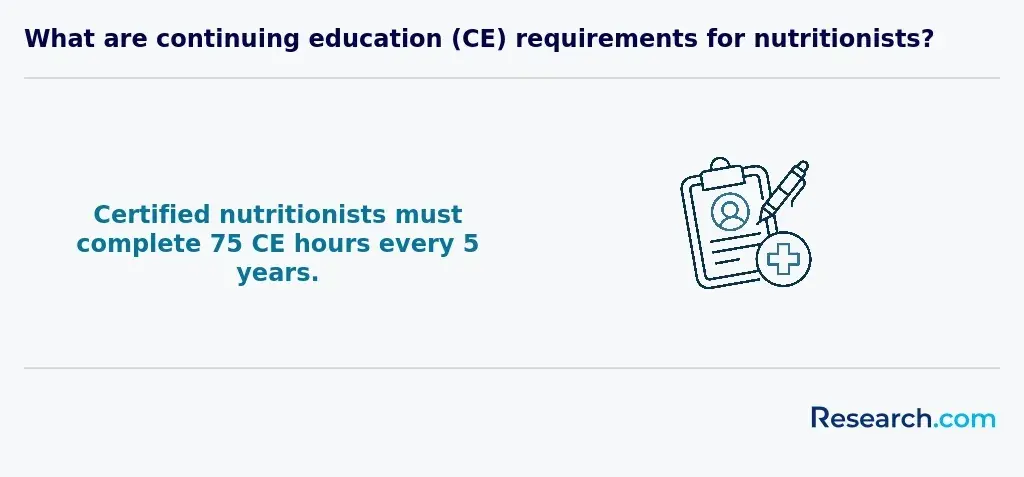
What practical experience is required to become a nutritionist in Alaska?
Practical training is especially important in Alaska because nutrition advice must be realistic for the community being served. A meal plan that assumes year-round access to affordable fresh produce may not work in a remote village. A counseling model that ignores traditional foods may fail to build trust. Good experience should prepare you to apply nutrition science in real-world settings, not just pass exams.
- Community health exposure: Health fairs, wellness programs, school outreach, and public education projects help aspiring nutritionists learn how to communicate with different age groups and cultural communities.
- Clinical placements: Hospitals, clinics, long-term care facilities, and rural health organizations can provide direct experience with chronic disease, recovery, prevention, and interdisciplinary care.
- Food access and food systems work: Volunteering with food policy, food security, community garden, or local food organizations can help students understand why nutrition choices are often shaped by cost, transportation, seasonality, and local supply.
- Research experience: University-based projects, including work through institutions such as the University of Alaska Anchorage, can expose students to public health nutrition, data collection, program evaluation, and Alaska-specific nutrition challenges.
- Private-sector partnerships: Grocery stores, meal preparation services, wellness businesses, and community organizations can show how consumers make food decisions and how nutrition education is delivered outside clinical settings.
Practical experience checklist
- Work with at least one population different from your own background.
- Learn how traditional foods are used in local communities before creating recommendations.
- Practice translating nutrition science into simple, respectful, actionable guidance.
- Document supervised hours carefully if you are pursuing a credential that requires them.
- Ask supervisors for feedback on counseling skills, cultural humility, ethics, and scope of practice.
How much does it cost to become a nutritionist in Alaska?
The cost varies by school, degree level, credential, and whether you study full time, part time, online, or on campus. Students should budget for more than tuition because supervised practice, exams, licensing, travel, books, and renewal fees can affect the total investment.
| Cost category | Estimated amount stated for Alaska pathways | What to consider |
| Graduate tuition | Approximately $15,000 to $30,000 annually | Costs vary by institution and program format. Compare total program cost, not only annual tuition. |
| Books, supplies, and fees | About $1,000 to $2,000 annually | Science courses, lab materials, technology fees, and professional resources can increase expenses. |
| Initial licensing fees | $100 nonrefundable application fee plus $50 license fee | The stated total for obtaining a nutritionist license in Alaska is $150. |
| Renewal fee | $150 every two years | Renewal costs should be included in long-term professional planning. |
Students comparing programs should also evaluate financial aid, transfer credit policies, internship placement support, distance learning options, and whether the program meets credentialing requirements. If affordability is a priority, comparing affordable nutrition science degrees can be a useful starting point.
Ways to reduce the total cost
- Complete general education or prerequisite courses at a lower-cost institution when transfer policies allow it.
- Choose an accredited program the first time so you do not have to repeat coursework for credential eligibility.
- Ask whether supervised practice is included, arranged separately, or billed separately.
- Compare online and campus formats based on total cost, not just tuition.
- Budget for licensing and renewal before opening a private practice.
What is the job outlook and salary for nutritionists in Alaska?
According to the U.S. Bureau of Labor Statistics, employment for dietitians and nutritionists is projected to grow by 6% from 2024 to 2034, faster than the average for all occupations. In Alaska, demand is influenced by preventive care, chronic disease prevention, rural healthcare needs, telehealth expansion, and community nutrition programs.
- Healthcare demand: Hospitals, clinics, long-term care facilities, and public health programs need nutrition professionals who can support prevention and disease management.
- Community health initiatives: Programs addressing obesity, chronic disease, maternal and child health, and food insecurity create roles for nutrition educators and dietetics professionals.
- Remote service delivery: Telehealth can help nutritionists reach clients in communities where in-person services are difficult to access.
- Cultural competence: Professionals who understand Alaska Native food traditions and local food systems may be better prepared to build trust and create realistic nutrition plans.
- Multiple work settings: Nutrition professionals may work in hospitals, schools, public agencies, private practice, wellness programs, research settings, or community organizations.
Salary depends on credentials, setting, location, experience, and whether the role is clinical, community-based, administrative, academic, or private practice. Registered Dietitian Nutritionists are among the higher-paid professionals in the field, with average salaries around $72,010 statewide.
The chart below compares the job outlook for dietitians and nutritionists to other occupations, as reported by the BLS in 2024.
How can collaboration with nursing professionals enhance nutrition careers in Alaska?
Nutritionists often work more effectively when they understand how nurses assess patients, coordinate care, and communicate with providers. In Alaska, where healthcare teams may be small and spread across large distances, collaboration with nurses can improve chronic disease management, discharge planning, maternal and child health support, and community wellness education. Nutrition professionals who want to better understand clinical teamwork can review pathways on how to become a nurse in Alaska to see how nursing preparation connects with patient-centered nutrition care.
How can nutritionists collaborate with substance abuse counselors in Alaska?
Nutrition and behavioral health frequently overlap, especially when clients are recovering from substance use, managing unstable eating patterns, or rebuilding physical health. Nutritionists can support recovery teams by helping clients address nutrient intake, meal routines, hydration, and chronic health concerns while substance abuse counselors focus on behavioral treatment and relapse prevention. Professionals who want to understand that care environment can explore how to become a substance abuse counselor in Alaska and use that knowledge to collaborate more responsibly.
How will emerging trends impact nutrition careers in Alaska?
Several trends are changing how nutritionists work in Alaska. Telehealth is making remote counseling more practical, digital tools are improving follow-up and client engagement, and data-informed public health programs are helping organizations target nutrition education where it is needed most. At the same time, employers increasingly value professionals who can work across disciplines, understand food access barriers, and communicate clearly with clients from different cultural backgrounds.
Nutrition professionals with strong science skills may also find opportunities beyond direct counseling, including research, public health analysis, food safety, wellness program design, and health education. Students who enjoy biology, data, and applied health science can compare nutrition roles with highest-paying jobs with a biology degree to understand how related scientific careers differ in training and earning potential.
What additional interdisciplinary training can enhance nutritionist practice in Alaska?
Interdisciplinary training can help nutritionists communicate more effectively with nurses, physicians, pharmacists, counselors, public health workers, and administrators. This is valuable in Alaska because many communities rely on coordinated care teams rather than a large pool of specialists. Learning basic clinical workflows, documentation expectations, patient safety practices, and referral boundaries can strengthen nutrition practice.
Nutritionists who work closely with nursing teams may benefit from understanding board of nursing program requirements in Alaska. The goal is not to replace nursing expertise, but to improve shared communication and make nutrition recommendations easier to integrate into broader care plans.
Can online certifications enhance career competitiveness in Alaska?
Online certifications can help nutrition professionals build targeted skills, especially when travel to in-person training is difficult. They may be useful for learning about sports nutrition, diabetes education, wellness coaching, telehealth communication, cultural nutrition, or food systems. However, online certificates should be evaluated carefully because not every program is recognized by employers, licensing boards, or credentialing organizations.
Before enrolling, compare the curriculum, instructor qualifications, assessment methods, continuing education value, and whether the certificate supports your actual career goal. A carefully chosen nutrition course online can strengthen a résumé, but it should not be treated as a substitute for the RDN, CNS, or state licensure requirements when those credentials are needed.
What complementary healthcare roles can enhance a nutritionist's career in Alaska?
Some nutrition professionals expand their value by learning adjacent healthcare skills. Medical billing, coding, care coordination, health education, public health administration, and program management can be especially useful for those who want to run a private practice, work in grant-funded programs, or support rural health operations. Understanding reimbursement and documentation can also help nutrition services remain sustainable.
For nutritionists who want to add administrative healthcare knowledge, learning how to become a medical biller and coder in Alaska can clarify how claims, coding, documentation, and payer requirements affect healthcare delivery.
Can nutritionists diversify into non-traditional scientific fields in Alaska?
Nutrition training can support careers that extend beyond counseling. Professionals with strong backgrounds in food science, biochemistry, research methods, and public health may contribute to food safety, supplement evaluation, environmental health, forensic-adjacent research, or policy work. These roles require careful attention to methods, documentation, evidence quality, and ethical reporting.
Nutritionists interested in analytical or investigative science can review forensic scientist education requirements in Alaska to understand how scientific training, laboratory methods, and evidence-based analysis are used in a different professional context.
How can integrated clinical training with nurse practitioners refine nutrition practice in Alaska?
Nurse practitioners often manage preventive care, chronic disease treatment, medication plans, and follow-up visits, which makes them important collaborators for nutrition professionals. Joint case reviews, simulation exercises, and shared continuing education can help nutritionists understand how nutrition recommendations fit into broader treatment plans. This is particularly helpful when clients have multiple conditions or limited access to specialists.
Nutritionists who want a clearer view of advanced clinical practice can study how to become a nurse practitioner in Alaska and use that knowledge to improve referrals, care coordination, and communication with advanced practice providers.
What are the career advancement opportunities for nutritionists in Alaska?
Advancement in Alaska depends on credentials, experience, specialization, and willingness to work in settings where nutrition expertise is needed. Professionals can move from entry-level education roles into clinical care, program leadership, private practice, research, public health, or academic work.
- Registered Dietitian Nutritionist roles: RDNs can work in hospitals, healthcare facilities, and long-term care settings where medical nutrition therapy is part of patient care. RDNs are among the higher-paid professionals in the field, with average salaries around $72,010 statewide.
- Community nutrition positions: Roles such as WIC Nutrition Educator and Nutrition Outreach Paraprofessional focus on public education, maternal and child health, food access, and prevention in underserved communities.
- Holistic nutrition services: Nonlicensed nutritionists may focus on general wellness, dietary supplements, and lifestyle education, but they must avoid presenting themselves as licensed professionals or providing services outside their scope.
- Government and public health work: Local health departments, federal agencies, and community programs may hire nutrition professionals for outreach, policy, prevention, and wellness initiatives.
- Academic and research roles: Universities and colleges, including the University of Alaska system, may offer opportunities for teaching, research, and program development, especially for professionals with graduate degrees. Students considering this route can compare nutritional science bachelors programs as an early step.
Common advancement moves
| If you start in... | You might advance into... | What helps you move up |
| Community nutrition education | Program coordinator or public health nutrition role | Grant writing, evaluation skills, cultural nutrition training, and public speaking experience. |
| Clinical dietetics | Specialist, manager, or interdisciplinary care leader | RDN credential, supervised clinical experience, continuing education, and strong documentation skills. |
| Private wellness practice | Licensed independent practice or consulting | Clear scope of practice, business license compliance, referral network, and recognized credentials. |
| Research or academic work | Faculty, investigator, or policy advisor | Graduate education, publications, data skills, and Alaska-specific nutrition research experience. |
What financial support options are available for aspiring nutritionists in Alaska?
Students should look for funding from several sources rather than relying on one scholarship or grant. Possible options include state-sponsored grants, school-based scholarships, professional organization awards, employer tuition assistance, and healthcare partnerships. Deadlines and eligibility rules vary, so early planning matters.
Because nutrition careers often overlap with broader healthcare workforce needs, students may also find useful models by reviewing partnerships connected with the best nursing schools in Alaska. Nursing and allied health programs sometimes provide examples of how clinical training, scholarships, and workforce development support can be structured.
Questions to ask before accepting a financial aid package
- Does the award cover only tuition, or can it be applied to fees, books, travel, and supervised practice costs?
- Is the scholarship renewable each year?
- Are there service obligations after graduation?
- Will part-time enrollment affect eligibility?
- Does the program help students find supervised practice placements in Alaska?
How can nutritionists pursue continuous professional development in Alaska?
Continuing professional development helps nutritionists stay current with nutrition research, counseling methods, telehealth practices, public health priorities, and ethical responsibilities. In Alaska, it also helps professionals adapt their work to rural service delivery, traditional foods, food insecurity, and interdisciplinary care.
Professional development may include workshops, advanced certifications, conferences, supervised specialty training, journal clubs, research collaborations, and state association events. Nutritionists planning to move toward dietetics practice can use the requirements to become a registered dietitian in Alaska as a structured reference for long-term credential planning.
What specialization options are available for nutritionists in Alaska?
Specialization can help nutritionists stand out and serve Alaska’s communities more effectively. The right specialty should match the population you want to serve, the setting you want to work in, and the credential level required for that work.
| Specialization | What it focuses on | Why it matters in Alaska |
| Community nutrition | Public education, prevention, food access, and healthy eating programs | Useful in rural and underserved areas where nutrition barriers are shaped by cost, supply, and transportation. |
| Sports nutrition | Performance, recovery, hydration, and fueling strategies | Relevant for athletes, outdoor recreation participants, and physically active communities. |
| Pediatric nutrition | Children’s growth, family meal patterns, prevention, and nutrition education | Important for addressing childhood obesity and supporting healthy development. |
| Cultural nutrition | Traditional foods, local practices, food sovereignty, and culturally respectful guidance | Essential when working with Alaska Native communities and other culturally distinct populations. |
For example, a community nutritionist in Bethel developed a program to improve access to traditional foods among the Yup'ik people. The effort supported nutrition intake while also strengthening community participation and cultural pride. This type of work shows why nutrition guidance in Alaska should not separate health from culture, access, and local knowledge.
What are the biggest challenges faced by nutritionists in Alaska?
Nutritionists in Alaska face practical barriers that can make standard nutrition counseling difficult. Geography, food prices, limited fresh produce access, seasonal variation, transportation challenges, and cultural differences all affect how nutrition advice should be designed and delivered.
- Geographical isolation: Many communities are far from major healthcare centers, and travel can be difficult. Telehealth, regional partnerships, and community-based training can help extend nutrition services.
- Limited access to fresh produce: Fresh fruits and vegetables may be expensive or inconsistently available in remote areas. Nutritionists may need to focus on shelf-stable nutrient-dense foods, local foods, traditional foods, and community food initiatives.
- Cultural dietary practices: Alaska’s Indigenous communities have food traditions that should be respected and incorporated when appropriate. Effective nutritionists listen first, avoid one-size-fits-all advice, and collaborate with community leaders.
- Scope-of-practice risks: Professionals without proper credentials can create legal and ethical problems if they provide medical nutrition therapy or use protected titles without meeting state requirements.
- Workforce and placement limitations: Students may need to plan carefully to find supervised practice sites, mentors, and specialized training opportunities within the state.
Common mistakes to avoid
| Mistake | Why it can hurt your career | Better approach |
| Choosing a program without checking accreditation | You may not qualify for the credential or role you want. | Confirm accreditation and credential eligibility before enrolling. |
| Looking only at tuition | Fees, books, travel, supervised practice, and licensing costs can change the real price. | Calculate total cost from enrollment through credentialing. |
| Assuming online programs meet all requirements | Some programs may not satisfy supervised practice, licensure, or credential standards. | Ask the school and Alaska licensing board specific eligibility questions. |
| Ignoring cultural food practices | Clients may not trust or follow recommendations that dismiss traditional foods. | Build plans around local realities, traditions, and community input. |
| Relying only on rankings | A highly ranked program may not be the best fit for your budget, location, or credential goal. | Compare outcomes, accreditation, placement support, cost, and flexibility. |

How can nutritionists collaborate with pharmacists in Alaska?
Pharmacists can be valuable partners for nutritionists because medications, supplements, chronic disease, and diet often interact. Collaboration can help clients understand drug–nutrient interactions, supplement safety, blood sugar management, cardiovascular nutrition, and adherence to care plans. This is especially useful in communities where access to multiple specialists is limited.
Nutritionists who frequently work with medication-related concerns should understand when to refer clients to a pharmacist and how pharmacy practice is regulated. Reviewing pharmacist licensure requirements in Alaska can help nutrition professionals communicate more effectively with pharmacy colleagues.
What are the legal regulations and responsibilities for nutritionists in Alaska?
Legal compliance is one of the most important parts of building a nutrition career in Alaska. The state uses title protection, which means people who want to use titles such as “nutritionist” or “licensed nutritionist” must obtain the appropriate license. While general nutrition advice may be offered by people without a license, using protected titles or practicing beyond one’s qualifications can create legal and professional risk.
Alaska Statutes 08.38 outlines requirements for licensed nutritionists, including qualifications such as a master's degree in human nutrition and 900 hours of supervised experience. Nutritionists who practice independently must also obtain an Alaska Business License. Local rules, including those in Anchorage, may add further responsibilities for business operations, consumer protection, and professional conduct.
Questions to ask before you start practicing
- Am I using a protected title under Alaska law?
- Does my education qualify me for the services I plan to offer?
- Do I need a state license, business license, or both?
- Am I providing general wellness education or medical nutrition therapy?
- Do I have referral relationships for clients with medical conditions outside my scope?
- How will I document client interactions, informed consent, and recommendations?
Students who want related training in movement science, health promotion, or exercise-based wellness may also compare programs such as the cheapest online kinesiology degrees, but they should confirm whether any degree they choose supports their intended nutrition credential or license.
Here's what graduates have to say about becoming a nutritionist in Alaska
-
: "
"Working in Alaska showed me how closely nutrition is tied to access, culture, and geography. In remote communities, practical education can make a visible difference for families trying to make healthy choices with limited food options." – Mia
"
-
: "
"I was drawn to nutrition in Alaska because the work requires respect for local traditions. Helping communities protect cultural foods while supporting healthier habits has been one of the most meaningful parts of my career." – Elias
"
-
: "
"Here, nutrition counseling has to be realistic. Teaching people how to prepare nutrient-dense meals with foods they can actually access has made the work challenging, but also deeply rewarding." – Keith
"
Related Articles for Nearby States
- 2027 How to Become a Nutritionist in Washington
- 2027 How to Become a Nutritionist in Oregon
- 2027 How to Become a Nutritionist in California
- 2027 How to Become a Nutritionist in Hawaii
- 2027 How to Become a Nutritionist in Idaho
- 2027 How to Become a Nutritionist in Montana
- 2027 How to Become a Nutritionist in Nevada
- 2027 How to Become a Nutritionist in Utah
- 2027 How to Become a Nutritionist in Arizona
- 2027 How to Become a Nutritionist in Wyoming
Key insights
- Alaska nutrition careers require more than classroom knowledge; professionals must understand food access, remote service delivery, cultural food traditions, and public health needs.
- General nutrition education may not require a license, but using protected titles such as “nutritionist” or “licensed nutritionist” requires meeting Alaska’s licensing rules.
- The RDN path is the strongest option for clinical dietetics and medical nutrition therapy, while the CNS path may fit professionals seeking graduate-level nutrition expertise.
- Students should verify accreditation, supervised practice requirements, licensing eligibility, and total cost before choosing a program.
- Becoming credentialed can take four to more than eight years, depending on degree level, supervised experience, and certification goals.
- Costs include tuition, supplies, supervised practice expenses, licensing fees, and renewal fees—not just the advertised program price.
- The BLS projects 6% employment growth for dietitians and nutritionists from 2024 to 2034, and Alaska’s needs are shaped by preventive care, chronic disease, telehealth, and rural health access.
- The most effective nutritionists in Alaska build trust by creating guidance that respects traditional foods, local realities, and each client’s medical and cultural context.
References:
- Alaska Academy of Nutrition & Dietetics. (n.d.). Licensure in Alaska. Alaska Academy of Nutrition & Dietetics.
- Alaska Department of Commerce, Community, and Economic Development. (n.d.). Dietitians & Nutritionists. Professional Licensing. Alaska Department of Commerce, Community, and Economic Development.
- Alaska Division of Public Health. (2024). Alaska Chronic Disease Facts. Alaska Division of Public Health.
- Alaska State Legislature. (n.d.). CSSB 88(FIN): "An Act relating to licensure of dietitians and nutritionists; and providing for an effective date.". Alaska State Legislature.
- Become a Nutritionist. (n.d.). Becoming a Registered Dietitian in Alaska. Become a Nutritionist.
- Bureau of Labor Statistics (BLS). (2024a). Alaska. Occupational Employment and Wage Statistics. BLS.
- Bureau of Labor Statistics (BLS). (2024b). Dietitians and Nutritionists. Occupational Outlook Handbook. BLS.
- Data USA. (n.d.). Dietitians & Nutritionists. Data USA.
- National Association of Nutrition Professionals (NANP). (n.d.). Alaska. State Laws. NANP.
- NutritionED. (n.d.). Steps to Become a Registered Dietitian in Alaska. NutritionED.
- University of Alaska Anchorage. (n.d.). Dietetics & Nutrition. University of Alaska Anchorage.
Other Things You Should Know About Becoming a Nutritionist in Alaska
To become a nutritionist in Alaska by 2026, you will need at least a bachelor's degree in nutrition, dietetics, or a related field. Accredited programs will cover human nutrition, clinical nutrition, and public health nutrition, preparing you for professional certification and licensure.
To obtain a nutritionist license in Alaska by 2026, complete a bachelor's or master's degree in nutrition or dietetics, complete 900 hours of supervised practice, pass the Commission on Dietetic Registration (CDR) exam, and apply for licensure with the Alaska State Board of Nursing.