2027 AI Master's Degrees With Human-Centered AI Tracks

Co-Founder and Chief Data Scientist
Professionals from diverse backgrounds increasingly seek to pivot into the field of artificial intelligence but struggle to find programs that balance technical rigor with ethical and human-centered design. Many programs focus solely on algorithms and data, overlooking the societal impacts and user-centric aspects critical for responsible AI development.
This gap leaves graduates underprepared to create AI systems that align with human values and real-world needs. This article explores AI master's degrees featuring specialized tracks in human-centered AI, highlighting flexible, accredited options designed to equip students with both technical expertise and ethical frameworks to thrive in this evolving industry.
Key Things You Should Know
- In 2026, over 40 U.S. universities will offer master's degrees featuring dedicated human-centered AI tracks addressing ethical, societal, and user-experience challenges in artificial intelligence.
- These programs emphasize interdisciplinary training, integrating computer science, social sciences, and design to prepare graduates for responsible AI development and deployment.
- Employment data shows graduates with human-centered AI expertise command a 15% higher starting salary than general artificial intelligence master's holders, reflecting demand for ethical AI skills.
What is a human-centered AI track in a master's in artificial intelligence?
A human-centered artificial intelligence master's programs focus on creating AI systems that emphasize user experience, ethics, and social impact. These programs integrate interdisciplinary studies such as psychology, ethics, social sciences, and design to develop AI technologies that are transparent, fair, and aligned with human values.
Topics often include bias mitigation strategies and interface design tailored for diverse users. Students engage in collaborative projects with real-world stakeholders to address ethical challenges in AI deployment. This specialization prepares graduates for careers as AI ethics specialists, UX researchers, and policy advisors who guide regulatory compliance and responsible AI use.
With rapid AI adoption-72% of organizations using AI, up from 55%-there is growing demand for experts in ethical AI frameworks. Master's degrees that combine core machine learning and data science with human-computer interaction and social considerations equip students for roles that prioritize accountability and sustainable innovation.
Prospective students searching for an accelerated computer science degree online or masters in artificial intelligence with an ethical AI focus should seek programs balancing technical expertise with responsible AI development, preparing them for impactful careers in technology sectors.
Which accredited universities offer AI master's degrees with human-centered AI tracks?
Several accredited U.S. universities offer master's degrees specializing in human-centered AI, emphasizing ethical design, user-centric development, and societal impacts. Leading institutions include Carnegie Mellon University, which provides a Master of Science in Artificial Intelligence with electives in AI ethics and human-computer interaction. Stanford University combines computer science with behavioral and social sciences in its AI graduate program.
Other top US institutions with human-centered artificial intelligence master's degrees include the University of Washington, offering a specialization in interaction design and social impacts of AI. Massachusetts Institute of Technology (MIT) integrates human-centered AI topics within its AI master's curriculum, particularly through CSAIL (Computer Science and Artificial Intelligence Laboratory).
Prospective students should seek programs accredited by recognized bodies and affiliated with Centers of Academic Excellence in Cyber Defense (CAE-CD), as over 400 U.S. schools currently hold this designation. Applicants must carefully evaluate curricula for courses covering AI ethics, policy, human factors, and interdisciplinary studies essential for mastering human-centered AI.
Programs that blend technical skills with social sciences better prepare graduates to address privacy, bias mitigation, and inclusivity concerns. Those interested in data-driven fields can explore the best data science undergraduate programs to build foundational knowledge before specializing further.
What careers can a human-centered AI master's degree prepare you for?
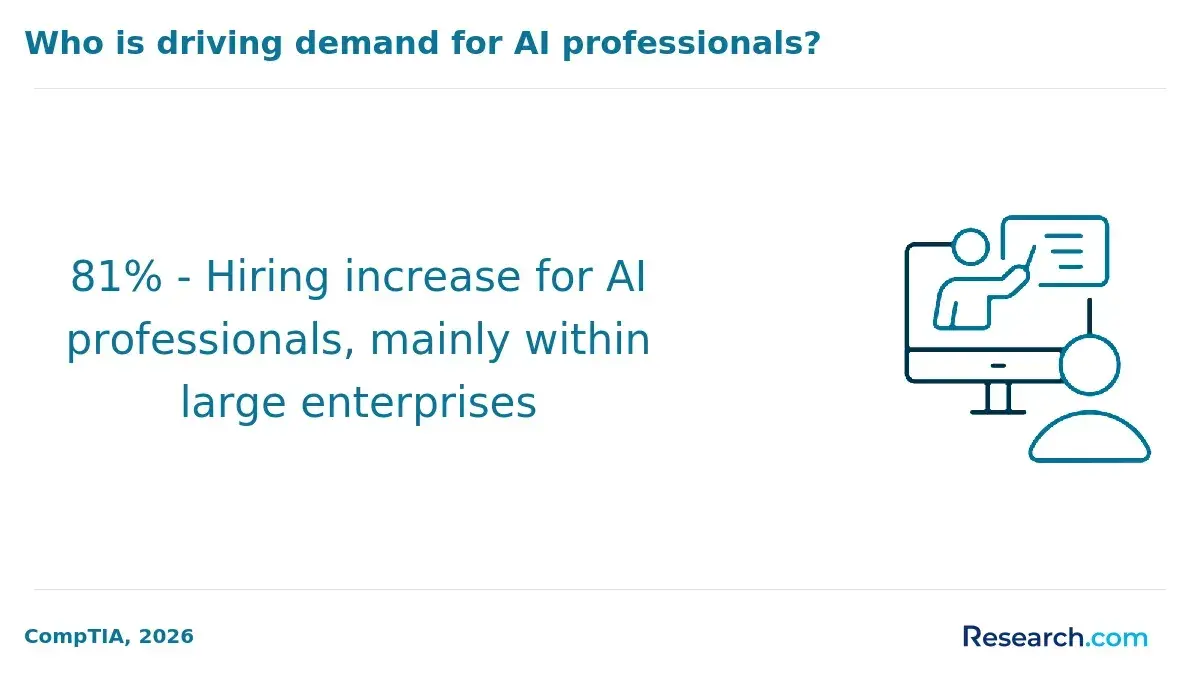
A human-centered AI master's degree opens pathways to various advanced careers that combine technical skills with ethical and social considerations. The field addresses human-centered AI career opportunities like AI research scientists specializing in responsible AI, human-computer interaction (HCI) specialists improving accessibility, and ethics and policy advisors ensuring AI aligns with societal values.
- Product managers focusing on AI-driven products with cultural impact awareness
- Data scientists emphasizing bias mitigation and human-informed validation
- AI user experience (UX) designers balancing automation with human oversight
- AI implementation consultants guiding ethical integration of AI systems
The U.S. Bureau of Labor Statistics projects a 26% employment growth for computer and information research scientists from 2024 to 2034, reflecting strong demand for jobs in human-centered artificial intelligence. Employers seek candidates who can integrate AI technical expertise with ethical insight to address challenges such as algorithmic bias, privacy, and social implications.
Graduates often tackle practical problems like crafting AI models that respect diverse users and developing transparent AI audits. Pursuing degrees in AI with this focus can provide a competitive advantage in an evolving job market where human-centered AI roles are increasingly vital.
How do online human-centered AI master's programs compare with on-campus options?
Online human-centered artificial intelligence master's programs offer significant benefits for working professionals and remote learners. They provide flexibility by allowing students to engage with coursework asynchronously or during evenings, which helps reduce challenges related to commuting or relocation. This flexibility makes these programs appealing to those balancing work or family commitments.
There are clear differences between on-campus and online human-centered AI degrees. On-campus programs generally offer richer networking opportunities through in-person events, labs, and face-to-face interaction with faculty and peers, which can enhance collaboration and mentorship. Conversely, online programs increasingly provide virtual labs, cloud tools, and remote access to computing resources.
- Flexibility: Online programs accommodate diverse schedules better than traditional formats.
- Networking: In-person settings foster stronger collaboration opportunities.
- Resources: Virtual labs and cloud platforms support practical AI learning remotely.
- Program focus: Online tracks highlight ethics, design, and user experience, matching on-campus curricula in content but differing in delivery.
When considering programs, accreditation, faculty expertise, and experience in AI ethics or human-centered research should be prioritized. For those evaluating options, it's worth exploring affordable cybersecurity programs as a related field with strong online offerings, such as those found at affordable cybersecurity programs.
What courses and skills are typically covered in human-centered AI master's tracks?
Human-centered AI master's programs integrate technical expertise with ethical, social, and behavioral considerations. Coursework typically covers applied machine learning, data analysis, and algorithm design combined with fairness, transparency, and accountability topics to ensure AI systems align with human values.
- Human-computer interaction and user experience design to enhance AI usability
- Ethics and governance frameworks addressing bias, privacy, and regulatory compliance
- Explainable AI techniques that improve model transparency and trust
- Evaluation metrics that go beyond accuracy to include interpretability and social impact
- Interdisciplinary seminars involving cognitive science, psychology, and sociology perspectives
- Responsible data management for collection and annotation
Graduates develop skills to create AI that supports better decision-making while reducing risks, such as minimizing bias or building transparent dashboards for healthcare tools. Hands-on projects and internships help apply ethical principles in real-world settings.
According to the World Economic Forum's Future of Jobs Report 2025, "AI and Machine Learning Specialists" was the fastest-growing job globally in 2024. This explains the growing emphasis in master's tracks on applied machine learning and human-centered topics like evaluation, transparency, and governance.
What admission requirements and prerequisites are common for these AI master's programs?
Admission requirements for master's programs offering human-centered Artificial Intelligence (AI) tracks typically include a bachelor's degree in computer science, engineering, mathematics, or related fields. Applicants need strong foundations in programming, linear algebra, calculus, probability, and statistics. Many programs expect prior coursework or experience in machine learning, data structures, and algorithms.
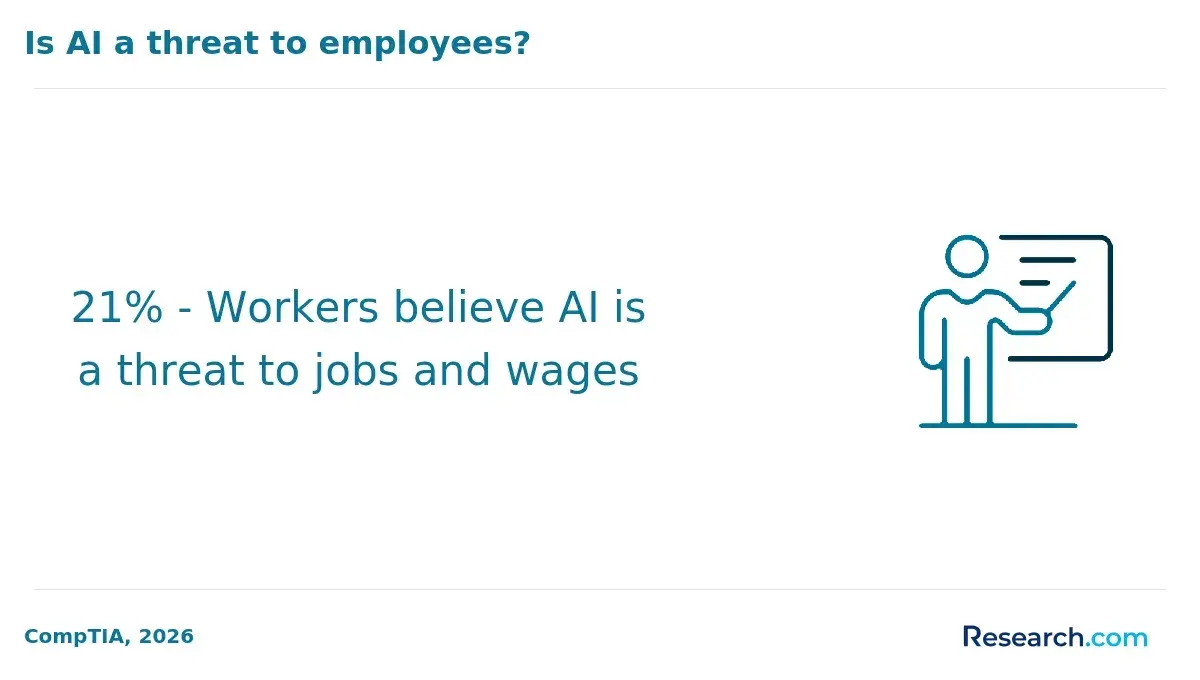
Some accept candidates from non-technical backgrounds if they complete prerequisite courses. While GRE scores were once standard, 81% of U.S. graduate schools now have test-optional policies for many programs, including AI fields. Prospective students should confirm whether a GRE submission is necessary or if it can be waived based on experience or prior academic achievement.
Typical prerequisites also include:
- A minimum undergraduate GPA around 3.0 on a 4.0 scale.
- A statement of purpose outlining interest in human-centered AI and career objectives.
- Letters of recommendation from academic or professional contacts familiar with the applicant's AI potential.
- Relevant work or research experience, especially involving ethical or human-factor aspects of AI.
Proficiency in programming languages such as Python, R, or Java is generally expected, sometimes demonstrated through coding assessments or portfolios. Interdisciplinary knowledge in cognitive science, psychology, or design strengthens applications, given human-centered AI's focus on ethical, social, and usability considerations. Candidates should review each program's admission guidelines carefully to prepare accordingly.
How long do human-centered AI master's programs take, and what do they cost?
Human-centered AI master's programs typically span one to two years full-time, with many institutions offering part-time or online options that extend study to two or three years. This flexibility supports professionals balancing education alongside work commitments. Coursework integrates AI techniques with interdisciplinary topics focusing on human factors, ethics, and social impact.
Tuition costs vary widely by institution type and residency. For example, the College Board's Trends in College Pricing 2024 cites average annual fees of $12,600 for public, in-state graduate students compared to $29,900 at private nonprofit schools. Out-of-state students may face private-level rates at public universities. Additional expenses-such as specialized course fees, technology, materials, living costs, health insurance, and textbooks-can add $10,000 or more annually.
Financial aid options like scholarships, assistantships, and employer tuition reimbursement can help reduce costs. Prospective students should consult programs directly to confirm current tuition and funding opportunities, ensuring a well-informed decision about their education investment.
How should you evaluate accreditation, outcomes, and ROI when choosing a program?
Confirm program accreditation by checking recognition from legitimate agencies like regional accreditors or ABET. Accreditation influences credit transferability, financial aid eligibility, and employer recognition. Unaccredited programs often lack rigorous quality and may not hold value in the job market.
Analyze outcomes by reviewing graduation rates, job placement data, and alumni career paths. Programs that share transparent employment sectors, starting salaries, and time-to-hire figures provide a clearer picture of results. Human-centered AI tracks with partnerships in healthcare or government sectors and can facilitate targeted employment opportunities.
Return on investment depends on program cost relative to post-graduation earnings. According to the U.S. Bureau of Labor Statistics, the median annual earnings premium for a master's degree over a bachelor's degree is roughly $16,000+. Use this data to compare tuition and living expenses with future salary gains. Scholarships, assistantships, and online options may reduce costs without compromising quality.
Also evaluate curriculum relevance to emerging human-centered AI roles, faculty expertise in interdisciplinary methods, and access to internships or hands-on projects. Program length and flexibility impact financial burden and career continuity.
Request detailed placement reports and speak to alumni for realistic ROI expectations. Key questions include: Do programs track alumni salary increases? How many graduates work in ethical AI design or human-AI interaction? What industry connections support hiring?
What salaries can graduates expect in human-centered AI roles in the United States?
Graduates holding human-centered AI master's degrees in the United States typically receive competitive salaries reflecting their specialized expertise. The U.S. Bureau of Labor Statistics reports a median annual salary of approximately $145,000 for computer and information research scientists, a role closely related to human-centered AI professionals. Salaries vary based on job title, industry, and location.
For instance, specialists working in technology hubs like Silicon Valley or New York City may earn over $160,000, particularly in senior or leadership roles. Entry-level positions in smaller markets often start between $100,000 and $120,000. Combining skills in user experience design with machine learning knowledge typically enhances earning potential.
Relevant job titles include AI research scientist, human-computer interaction (HCI) researcher, UX researcher with AI specialization, and AI ethics analyst. Industries employing human-centered AI graduates span healthcare, finance, education, government, and primarily tech companies, which offer the highest compensation.
Additional factors influencing salary include advanced certifications, published research, and interdisciplinary collaboration. Professionals contributing to ethical AI frameworks or usability testing command premium salaries due to the increasing demand for responsible AI systems. Planning education and career paths with these salary trends in mind helps align financial goals with meaningful contributions to human-centered AI development.
Do you need certifications or professional standards for human-centered AI jobs?
Certifications and professional standards play a crucial role in human-centered AI careers, providing proof of expertise in ethical, legal, and social aspects of AI systems. Employers and regulators increasingly expect professionals to demonstrate responsible AI design knowledge, especially as legislation evolves rapidly. With many U.S. states introducing AI-related bills and enacting laws, compliance with these frameworks is becoming a priority.
Students and graduates benefit from certifications in ethics, fairness, and accountability, such as those offered by organizations like the IEEE or through specialized human-centered AI micro-credentials. These programs align with emerging legal and industry standards to enhance employability.
For working professionals, continuous education through accredited courses and recognized certification programs is essential to stay current with changing regulations, particularly in regulated sectors like healthcare, finance, and government. Key considerations include:
- Checking whether employers prioritize or require AI ethics or human-centered AI certifications.
- Researching industry-specific compliance and professional standards related to responsible AI.
- Monitoring state and federal regulatory trends that impact AI practice.
While certifications are not universally required, they are increasingly expected to validate proficiency as AI governance frameworks mature.
Other Things You Should Know About Artificial Intelligence
In 2027, the capstone project for AI master's degrees with human-centered AI tracks often focuses on developing AI solutions that enhance user interaction and accessibility. Students typically work on real-world projects integrating AI technologies to solve societal or human-centric challenges.
Most programs require at least one course in human-computer interaction, user research, or cognitive psychology, plus a responsible AI or AI policy module. Some also include accessibility, participatory design, and usability testing. These courses are often paired with 3 to 6 credits of project-based work.
In 2027, prerequisites for a human-centered AI master's track typically include a bachelor's degree in a related field, basic knowledge of AI principles, and familiarity with human-computer interaction concepts. Some programs may require GRE scores or prior experience in interdisciplinary research.
Graduates of a 2027 AI master's degree with a human-centered AI track can pursue roles such as AI ethics manager, human-AI interaction designer, and data ethics consultant. These positions focus on developing and regulating AI technologies that emphasize user experience and ethical considerations. For those interested in finance, a quantitative finance and AI master’s may be a valuable complement.
References
- Human-Centered Artificial Intelligence | Università degli Studi di Milano Statale https://www.unimi.it/en/education/master-programme/human-centered-artificial-intelligence
- Evaluating ROI Analytics in Higher Education Institutions https://www.heliocampus.com/resources/blogs/evaluate-roi-analytics
- Master's track Human-Centered AI https://www.tue.nl/en/education/graduate-school/masters-track-human-centered-ai
- How to Check the ROI of Academic Programs: A Comprehensive Guide | Stordahl Capital Management https://www.stordahlcap.com/insights/how-to-check-the-roi-of-academic-programs-a-comprehensive-guide
- How AI Certifications Help Professionals Stay Relevant in 2026 https://101blockchains.com/ai-certifications-for-professionals/
- Best Master’s Programs in AI Engineering in Europe https://www.snycosmos.com/best-master-programs-in-artificial-intelligence-ai-in-europe/
- Human-centered Artificial Intelligence Master's Programme https://www.gu.se/en/study-gothenburg/human-centered-artificial-intelligence-masters-programme-t2hai
- Jobs That Need AI Certification - IABAC https://iabac.org/blog/what-jobs-require-an-artificial-intelligence-certification
- Masters Artificial Intelligence https://www.udacity.com/masters-artificial-intelligence
- Top College Degrees for Securing the Highest-Paying AI Jobs in 2026 https://www.investopedia.com/top-college-degrees-for-securing-the-highest-paying-ai-jobs-in-2026-11946777