2027 AI Bachelor's Degrees With Small Class Sizes

Co-Founder and Chief Data Scientist
Many prospective students find it difficult to identify AI bachelor's programs that offer personalized instruction and manageable class sizes. Large cohorts often limit access to instructors and reduce opportunities for meaningful collaboration. This challenge affects learners seeking flexible, accredited degrees that support a career pivot into the AI field from unrelated backgrounds.
Finding programs that balance quality education with small class environments can enhance skill development and networking potential. This article explores AI bachelor's degrees with small class sizes, focusing on options that accommodate adult learners and working professionals aiming to enter the industry efficiently and effectively.
Key Things You Should Know
- Small class sizes in AI bachelor's programs, often under 25 students, enhance personalized learning and foster close faculty-student mentorship, promoting better academic outcomes and skill development.
- In 2026, over 60% of top U.S. universities offering AI degrees emphasize hands-on projects, leveraging small classes to boost practical experience and industry readiness.
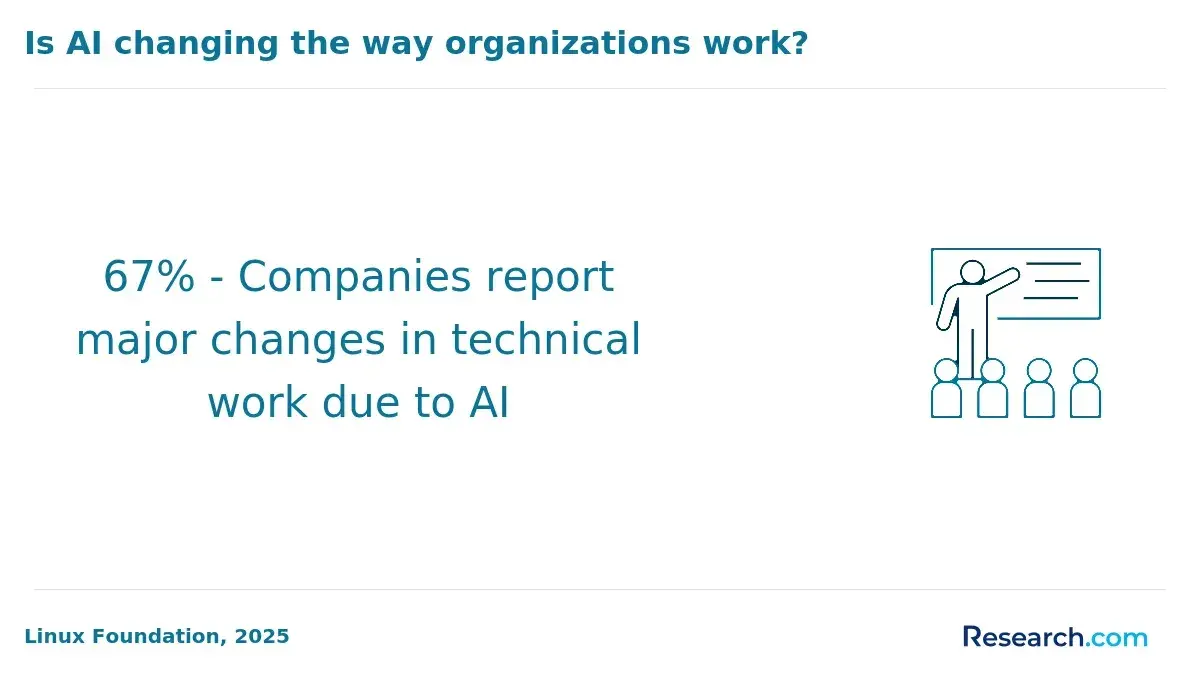
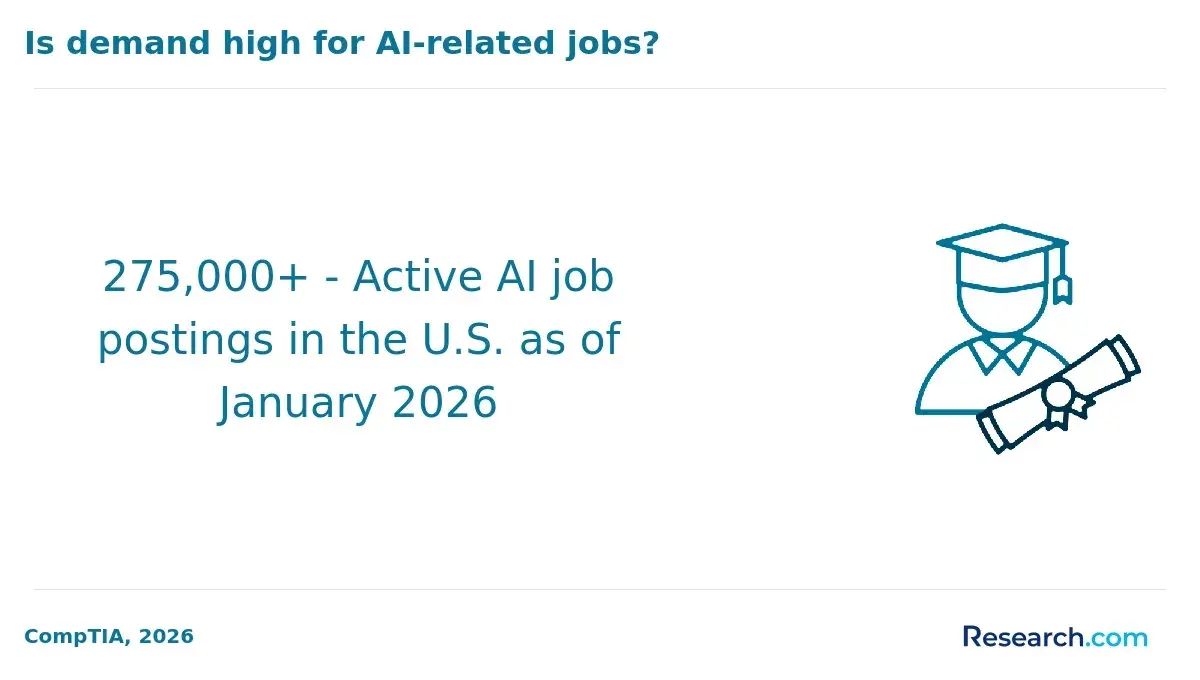
- AI bachelor's degrees with limited enrollment help address industry demand, with the U.S. AI job market growing at an estimated 35% annually through 2025-2027.
What are AI bachelor's degrees with small class sizes, and why do they matter?
AI bachelor's degrees with small class sizes in the United States typically limit enrollment to fewer than 30 students per course. These smaller groups enhance direct interaction with instructors, personalized feedback, and hands-on experiences such as coding projects and research collaborations. Compared to large lecture halls, small classes foster active participation and focused skill development crucial for mastering complex AI topics.
The benefits of small class sizes in artificial intelligence programs are supported by research. A 2024 MIT study published in Science Advances found that students in small, active-learning science classes scored about 0.2 standard deviations higher on standardized tests than those in large lectures. This results in better comprehension, retention, and application of challenging AI concepts.
Students interested in AI degrees should seek programs emphasizing smaller classes, project-based learning, and mentorship models. These environments often provide opportunities for collaborative problem-solving and critical analysis-skills vital for careers in AI engineering and data science.
Smaller courses also enable quicker identification of learning gaps, frequent one-on-one support, and stronger peer connections, reducing the risk of falling behind in demanding subjects like machine learning.
For working professionals transitioning into AI, smaller classes offer a balanced setting to combine study with practical application. When researching programs, consider class sizes, faculty-to-student ratios, and chances for direct faculty engagement to ensure a quality education aligned with your goals and interests in what is applied artificial intelligence.
Which accredited colleges offer AI bachelor's programs with small class sizes?
Several accredited colleges offering artificial intelligence bachelor programs with small class sizes prioritize personal instruction and close student-faculty interaction. For example, Worcester Polytechnic Institute limits AI class sizes to about 25 students, while Harvey Mudd College typically enrolls fewer than 20 in computer science courses focusing on AI. Smaller universities such as Colorado College and Franklin & Marshall College maintain even more intimate settings, capping enrollment between 15 and 30 students.
Universities with small class size AI bachelor degrees in the United States provide benefits like direct professor access, deeper project collaboration, and tailored feedback during complex coursework. Look for colleges with a student-to-faculty ratio under 15:1 for the most personalized learning experience. These smaller environments often suit working professionals or students seeking mentorship better than large research universities with lecture halls exceeding 100 students.
The number of AI-focused degrees is rising alongside a 15.5% year-over-year increase in undergraduate computer and information sciences degrees nationwide. This growth has increased class sizes at many schools, so careful research remains vital. Prospective students should review course catalogs, faculty listings, and class size data, prioritizing programs accredited by agencies like ABET.
Factors such as research opportunities and interdisciplinary collaboration also shape the learning environment. For instance, Rose-Hulman Institute of Technology offers small seminar-style AI courses within computer science, while the College of New Jersey integrates AI topics into a general CS degree with consistently low enrollment.
Those interested in advanced study might consult the top data science master's programs in the US to explore continued education pathways.
How can you verify accreditation for an AI bachelor's program?
To verify accreditation for an AI bachelor's program in the US, start by consulting the Council for Higher Education Accreditation (CHEA) database, which lists over 7,000 accredited institutions and programs. This resource is the primary tool for accreditation verification and provides current information for the 2024-2025 cycle. Using this database ensures you confirm whether a program is recognized by legitimate accrediting bodies, which is crucial for accreditation verification for AI bachelor's degrees in the US.
Accreditation often comes from regional or national agencies recognized by the U.S. Department of Education or CHEA. Regional accreditation is generally preferred because it covers entire institutions and guarantees broad educational quality. National accreditation, however, may focus more on specialized or vocational schools. Students should verify both institutional accreditation and any specialized accreditation relevant to AI programs, such as recognition from STEM accreditors or computer science education bodies.
If a program only claims accreditation without specifying the agency, this raises a red flag. Students should contact the admissions office to request proof of accreditation and confirm the accrediting agency's recognition status. Be wary of programs without accreditation or those accredited by unapproved organizations. Such confirmation is essential especially if you want to ensure transferability of credits and eligibility for federal financial aid.
For those seeking affordable opportunities in engineering-related fields, researching the cheapest online civil engineering degree options can also provide insights into reputable institutions offering STEM programs.
Verifying accreditation helps balance small class sizes and quality education, ensuring your AI bachelor's degree is respected by employers and other schools. Confirming accreditation through the CHEA database combined with direct school inquiries remains the most reliable approach to secure a credible AI education.
Are small-class AI bachelor's degrees available online, on campus, or hybrid?
Small-class artificial intelligence bachelor's degrees are offered in on-campus, online, and hybrid formats to meet diverse learning preferences. On campus, programs tend to have the smallest cohorts, typically capped between 15 and 25 students, ensuring personalized instruction, hands-on projects, and close faculty mentorship. These smaller groups allow for meaningful interaction and access to labs and networking.
Online degrees in artificial intelligence have grown rapidly, with about 28% of U.S. undergraduates enrolling in at least one exclusively online course. Online delivery models often use cohort-based learning, maintaining small class sizes within synchronous sessions or learning pods to foster engagement equivalent to face-to-face experiences. This growing trend makes it easier for students to find small class artificial intelligence bachelor's degrees online.
Hybrid programs combine limited on-campus sessions focused on technical skills with flexible online modules, offering a balance of hands-on experience and theory. These formats are ideal for students seeking flexible pacing without sacrificing cohort intimacy.
- Campus programs provide reliable access to faculty and physical resources but often have limited seats.
- Online programs maintain smaller cohorts within broader enrollment through structured learning pods.
- Hybrid models blend flexible methods while preserving close-knit class sizes.
Many public universities offer large online artificial intelligence courses, whereas private and specialized tech colleges tend to keep smaller, selective cohorts across all formats. Prospective students should research cohort sizes when exploring on campus and hybrid artificial intelligence bachelor's programs with small classes. For professionals considering advancement, exploring an online master data science program can be a valuable next step.
What courses and projects are typical in small-class AI bachelor's programs?
Small-class bachelor's programs in artificial intelligence emphasize hands-on learning designed to meet professional standards. Core courses often cover machine learning, data structures, algorithms, programming in Python, and neural networks. Python holds particular importance, as it remains the most sought-after skill in the AI job market according to the Lightcast "AI Skills & Hiring Trends" report. Programming classes focus on coding efficiency, debugging, and using AI frameworks such as TensorFlow and PyTorch.
Project-based learning is central, typically involving groups of fewer than 20 students to ensure tailored instructor feedback. Students commonly develop projects like predictive models, natural language processing tools, or computer vision applications-for example, creating sentiment analysis systems using social media data or diagnostic image classifiers.
Key practical skills cultivated include:
- Designing and training machine learning models on datasets of different complexity
- Implementing reinforcement learning agents in simulated environments
- Evaluating ethical issues related to AI implementation
- Optimizing algorithms for better performance and scalability
Small cohorts enable deep discussions on AI theory and research challenges such as bias and model interpretability. Regular presentations and peer code reviews build communication skills critical for AI careers. This approach prepares graduates to meet employer expectations emphasizing Python programming and machine learning proficiency.
What admissions requirements do AI bachelor's programs typically have?
AI bachelor's programs prioritize strong STEM backgrounds, especially in math, computer science, and sometimes physics. As most U.S. four-year colleges have adopted test-optional or test-flex policies, with over 80% following this trend according to the National Center for Fair & Open Testing (FairTest), admissions committees emphasize transcripts and course rigor over standardized tests. Advanced math courses like calculus and statistics, alongside foundational programming skills, are crucial.
Applicants usually need a minimum GPA around 3.0, though selective programs might prefer 3.5 or higher. Letters of recommendation from math or science teachers that highlight analytical skills and dedication boost applications. Personal statements should clearly express motivation for studying AI, including any relevant projects, internships, or extracurricular activities that develop problem-solving and coding abilities.
Some universities request portfolios or proof of programming proficiency in languages such as Python, Java, or C++. Transfer students from community colleges should showcase completed STEM credits and strong academic records. Early application deadlines demand thorough planning to submit all materials on time.
While supplemental subject tests or coding challenge scores may be recommended by some schools, they generally remain optional. Overall, AI bachelor's admissions focus on comprehensive academic preparation, relevant coursework, and demonstrated passion for technology over test scores.
How long do AI bachelor's programs take, and what do they cost?
Bachelor's degree programs in artificial intelligence in the U.S. generally require four years of full-time study. These programs cover foundational courses in computer science, mathematics, and AI-specialized subjects such as machine learning, natural language processing, and robotics. Some universities offer accelerated bachelor's degrees or combined bachelor's/master's tracks, reducing completion time to three or extending it to five years.
Tuition costs vary significantly by institution type and residency. According to the College Board's "Trends in College Pricing 2024," average in-state tuition and fees at public four-year universities are about $10,944 per academic year, rising approximately 3% from previous years. Private schools and out-of-state students often face tuition exceeding $40,000 annually.
Students should also consider additional expenses for textbooks, technology, and living costs, which can increase yearly spending by 20-30%. Smaller class sizes typical in artificial intelligence programs might lead to higher tuition but offer enhanced faculty interaction and more access to research.
Prospective students are advised to assess the full cost alongside career outcomes, factoring in financial aid, scholarships, and cooperative education opportunities that help reduce expenses. Since some programs include lab and computing resources in tuition while others do not, verifying these details is crucial due to the computational intensity of AI.
Program lengths and costs vary widely, making thorough research essential when comparing options for artificial intelligence education.
What careers can you get with an AI bachelor's degree?
An AI bachelor's degree prepares graduates for a range of in-demand careers in technology, healthcare, finance, and beyond. Popular roles include AI and machine learning specialists, data scientists, software developers, and robotics engineers. These professionals design algorithms, build smart systems, and analyze large datasets to support better decision-making.
Typical career options include:
- AI/machine learning engineer: Builds models for speech recognition, natural language processing, and computer vision.
- Data scientist: Uses AI to analyze complex data for business insights and predictive analytics.
- Robotics engineer: Develops autonomous systems for manufacturing, delivery, and healthcare.
- AI research scientist: Drives innovation by exploring new AI techniques in academic or corporate settings.
- Business intelligence analyst: Applies AI to improve operations and forecast trends.
Emerging roles such as AI ethics officer and AI product manager blend technical skills with knowledge of regulatory and social impacts. The World Economic Forum's Future of Jobs Report 2025 highlights AI and machine learning specialists as some of the fastest-growing occupations globally through 2027, underscoring strong hiring demand.
Gaining internship or project experience in areas like autonomous vehicles or medical imaging boosts employability. Proficiency in programming languages like Python and frameworks including TensorFlow and PyTorch is commonly expected. Graduates with both technical expertise and applied experience have a competitive edge in these expanding fields.
What salaries can AI bachelor's graduates expect in common AI-related roles?
Graduates with bachelor's degrees in artificial intelligence commonly earn competitive salaries, with median pay at or above $100,000 annually. Data from the U.S. Bureau of Labor Statistics Occupational Employment and Wage Statistics indicates the median salary for data scientists was $108,020, providing a solid reference for early-career earnings in AI-related fields.
Starting salaries for roles like machine learning engineer, AI software developer, and data analyst with an AI focus typically range from $70,000 to $120,000, influenced by industry and location. Higher salaries are often found in tech hubs and sectors such as finance and healthcare. Example salary ranges include:
- Machine Learning Engineer: $90,000-$120,000
- AI Software Developer: $85,000-$115,000
- Data Analyst with AI Focus: $70,000-$95,000
Many job titles require overlapping AI skill sets and offer comparable compensation. Experience with AI tools, programming languages like Python, and cloud platforms boosts salary potential. Internships and certifications also play a key role in employability and career growth.
Advancing in artificial intelligence careers often depends on gaining specialized expertise, such as deep learning or natural language processing. Continuous learning and project experience can significantly increase earning potential over time.
Which certifications complement an AI bachelor's degree for entry-level jobs?
Certifications that complement an ai bachelor's degree significantly boost practical skills and enhance employability in competitive job markets. AWS certifications are especially valuable due to their relevance in deploying ai and machine learning solutions in cloud environments. According to Lightcast's 2024 report on certifications in U.S. tech job postings, AWS credentials remain among the most in-demand, highlighting the importance of cloud proficiency alongside ai expertise.
Key certifications to consider include:
- AWS Certified Machine Learning - Specialty: Demonstrates capability to design and maintain machine learning solutions on AWS, essential for ai system deployment roles.
- Google Cloud Professional Data Engineer: Emphasizes data and machine learning pipeline management crucial to ai workflows.
- Microsoft Certified: Azure AI Fundamentals and Azure Data Scientist Associate: Showcase foundational and applied ai skills on Azure platforms, supporting core ai knowledge.
- Certified Data Scientist (CDS) or equivalent: Builds strong statistical and data analysis skills closely tied to ai model development.
- CompTIA Security+: Highlights the importance of securing ai systems and data integrity in professional environments.
Focusing on certifications that bridge theory and real-world applications benefits entry-level candidates. Cloud-related credentials suit infrastructure roles, while data science and machine learning certificates align well with research and analytic positions. Staying current with vendor-specific tools and maintaining certifications strengthens employability in the evolving ai job market.
Other Things You Should Know About Artificial Intelligence
Small class sizes in AI bachelor's programs allow for more personalized instruction and closer interaction with professors. This environment facilitates active discussions, hands-on projects, and tailored feedback, which can deepen understanding of complex AI concepts. Students often benefit from stronger peer relationships and more collaborative learning experiences.
Small-class AI programs typically have advanced computing labs equipped with GPUs and AI software frameworks to support experimentation and research. Many schools invest in specialized resources such as AI development environments, data sets, and access to cloud computing platforms. These resources enable students to gain practical skills alongside theoretical knowledge.
Yes, many small-class AI programs actively encourage or require internships to strengthen industry exposure. Smaller cohorts often allow faculty to connect students with local tech companies, startups, and research labs for meaningful summer or semester-long internships. These experiences are crucial for building professional networks and applying classroom learning.
Faculty expertise is a major advantage in small-class AI programs, as professors often have specialized research interests and industry experience. With fewer students, faculty can mentor individuals closely and tailor instruction to their interests and career goals. This high level of engagement helps students stay current with evolving AI technologies and methodologies.
References
- Artificial Intelligence (procedure for non-EU students) https://apply.unipv.eu/enter/295
- B.Sc. in Artificial Intelligence https://www.studyinpoland.pl/en/programme
- Best Colleges to Study Artificial Intelligence https://www.collegeadvisor.com/resources/study-artificial-intelligence/
- ARTiBA Accreditation Program | Elevate Your AI Education Standards https://www.artiba.org/artiba-accreditation-program
- AI Careers: Roles, Salaries, and Certifications to Get You Hired - ONLC https://www.onlc.com/blog/ai-careers-roles-salaries-certifications/
- Should I Get a Bachelor’s Degree in AI? | Tiffin University https://www.tiffin.edu/news/should-i-get-a-bachelors-degree-in-ai/
- Why Small Liberal Arts Colleges Are Great Places to Study Artificial Intelligence https://jaincollegeconsulting.com/2024/11/why-small-liberal-arts-colleges-are-great-places-to-study-artificial-intelligence/
- Best Online AI Degrees: 2025 Rankings & Program Directory - MastersInAI.org https://www.mastersinai.org/degrees/online-artificial-intelligence-degrees/
- Online Bachelor’s Degree: Artificial Intelligence https://www.umgc.edu/online-degrees/bachelors/artificial-intelligence-ai
- Online Bachelor of Science (BSc) in Artificial Intelligence - Swiss School of Business and Management Geneva https://www.ssbm.ch/online-bachelor-of-science-bsc-in-artificial-intelligence/