2027 Future of AI Degree Careers: Automation, Demand, and Long-Term Outlook

Co-Founder and Chief Data Scientist
As automation reshapes industries, many professionals face uncertainty about the relevance of their current skills. Those with unrelated undergraduate degrees often wonder if pursuing an AI degree will secure their future in a tech-driven job market. With rapid advances in machine learning and robotics, the demand for AI expertise evolves quickly, creating both opportunities and challenges.
This article examines the future of AI degree careers, exploring job demand, automation impacts, and the long-term outlook to guide readers in making strategic career transitions.
Key Things You Should Know
- Automation driven by ai degrees is projected to transform 40% of U.S. job roles by 2030, increasing demand for professionals skilled in machine learning and data analysis.
- The U.S. Bureau of Labor Statistics forecasts a 35% growth in ai-related jobs from 2024 to 2034, emphasizing roles in AI development, engineering, and ethical governance.
- Long-term career outlook for ai graduates is strong, with median salaries exceeding $120,000, driven by expanding applications across healthcare, finance, and autonomous systems.
What is the current job market demand for AI degree holders in the United States?
The job market demand for AI degree holders in the United States is exceptionally strong and rapidly expanding. According to the U.S. Bureau of Labor Statistics, AI specialist roles are expected to grow by 35% from 2023 to 2033, a rate significantly higher than the 5% average growth across all occupations.
Employers across sectors such as technology, healthcare, finance, and manufacturing actively seek AI graduates to create machine learning models, automate complex tasks, and enhance data analytics capabilities.
Career opportunities for AI graduates in the US range from AI research scientists and machine learning engineers to data scientists and AI product managers. Specialists with expertise in natural language processing, computer vision, and robotics are particularly in demand.
For example, healthcare companies leverage AI skills to improve diagnostic tools, while autonomous vehicle developers require engineers proficient in real-time data analysis.
Beyond large corporations, the rising integration of AI in startups and smaller firms expands the variety of positions available. Ethical AI development and regulatory compliance roles are also gaining importance as organizations respond to increasing policy requirements.
Graduates who cultivate adaptable skill sets, including proficiency in Python and experience with frameworks like TensorFlow or PyTorch, are better positioned for success.
Continuing education and certifications further enhance employability. Those interested in exploring detailed career options in this field can review the AI career path to better understand potential directions. In summary, the diverse and growing landscape makes AI education a valuable asset.
What are the typical salary ranges and compensation trends for AI professionals with different degree levels?
AI professionals' salaries vary widely by degree, reflecting their expertise and specialization. According to Glassdoor's 2024 AI Compensation Report, machine learning engineers with master's degrees earn a median annual salary of $156,000, a 12% increase from the previous year. This highlights the increasing value placed on advanced skills in artificial intelligence across industries.
Entry-level AI positions typically require a bachelor's degree, with starting salaries ranging from $85,000 to $110,000. These roles usually involve data preparation, basic model development, or AI support tasks. Salary growth at this level heavily depends on gaining practical experience and mastering programming languages such as Python or frameworks like TensorFlow.
Master's degree holders often secure roles in model design, deployment, and research, resulting in higher median salaries and better chances for leadership roles such as AI architect or machine learning engineer. These positions often include bonuses and equity.
PhD holders command the highest pay, usually exceeding $180,000 annually, particularly in research-intensive roles in tech companies or academia-industry partnerships, where their knowledge drives innovation and mentorship.
Geography is also a significant factor. AI salaries in Silicon Valley or New York tend to exceed the national median by 10-20%. Future professionals should weigh degree investments carefully, especially in line with career goals and geographic preferences. Prospective students can explore affordability and program options through resources like the data science rankings.
What degree pathways and educational requirements are necessary to launch an AI career?
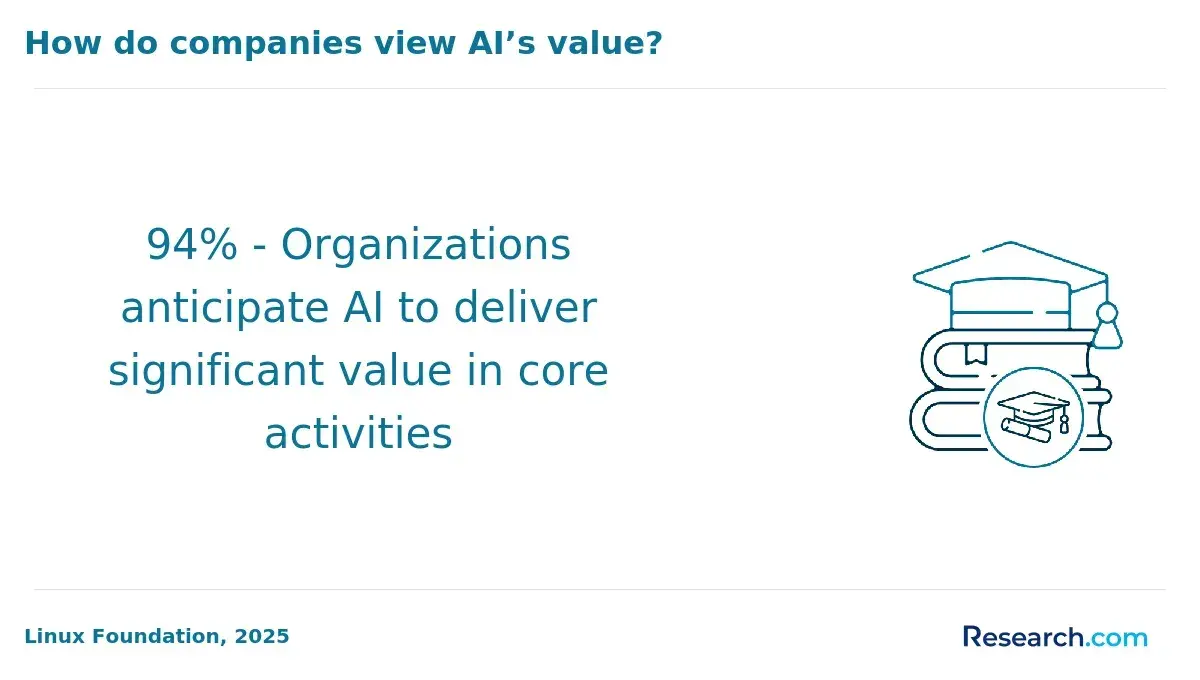
Approximately 68% of professionals in artificial intelligence hold at least a master's degree, reflecting the educational requirements for AI jobs in North America. Popular undergraduate majors include computer science and mathematics, which provide essential skills in programming, algorithms, and quantitative reasoning.
For those pursuing degree pathways for launching an AI career in the United States, bachelor's degrees in computer science, data science, mathematics, or related engineering fields with a focus on probability, statistics, and linear algebra are recommended.
Advanced roles often require graduate education in artificial intelligence, machine learning, or data science. These programs deepen knowledge in neural networks, natural language processing, and robotics.
For individuals without formal computing backgrounds, specialized bootcamps or post-baccalaureate certificates offer alternative paths, typically combined with project experience. Employers prioritize proficiency in languages like Python and experience with cloud platforms or AI tools.
Hands-on experience through internships, research, and contributions to open-source AI projects is crucial. Advanced degrees foster important research skills, supporting innovation and leadership in specialized areas like computer vision and ethical AI. Ongoing education is necessary for sustained career growth.
Prospective students can explore options such as an online engineering degree to build a strong foundation toward an AI career.
How do online AI degree programs compare to traditional campus-based options in terms of curriculum and employer recognition?
Leading universities like Georgia Tech and UT Austin offer online AI degrees with curriculum quality matching or surpassing traditional campus programs. These degrees cover core subjects such as algorithms, data structures, and statistical modeling, alongside specialized topics like machine learning, natural language processing, and robotics.
Flexible pacing and virtual labs provide opportunities for practical skills and real-world projects, appealing to working professionals balancing education and employment. Some students still value campus programs for immersive collaboration and hands-on experiences with physical AI labs.
Employer recognition of online AI degrees largely depends on accreditation, university reputation, and demonstrated skills rather than the delivery mode itself.
According to Coursera's Enterprise Learning Report, 83% of employers consider online AI degrees from established universities equally credible as traditional ones. Candidates should highlight project portfolios, internships, and certificates from supplementary platforms to enhance credibility.
When choosing programs, students should ensure alignment with industry standards and opportunities for experiential learning to prepare competitively for AI career paths. Many also explore options like online masters in data science for related fields that bolster AI competencies and career prospects.
What specific skills and technical coursework should an AI degree program include?
AI degree programs demand a solid foundation in programming, mathematics, and specialized tools. Python is critical, appearing in 92% of AI job listings, and coursework must cover libraries such as NumPy, Pandas, and TensorFlow for building adaptable AI applications.
Machine learning frameworks like PyTorch, Scikit-learn, and Keras are expected in 87% of job postings, so hands-on experience with supervised, unsupervised, and deep learning techniques is essential.
Data visualization skills are highly valued, with 76% of industry requests emphasizing tools like Matplotlib, Seaborn, and Plotly to communicate model insights clearly.
Math fundamentals such as linear algebra, calculus, probability, and statistics form the backbone of effective model design and evaluation. Additionally, proficiency in data preprocessing, feature engineering, and evaluation metrics greatly enhances job readiness.
Programs benefit from integrating cloud computing, parallel programming, and ethical AI considerations to align with workplace realities. Practical learning through internships or capstone projects builds critical expertise in AI deployment challenges.
Balancing theory, coding, and applied practice with a focus on Python, machine learning frameworks, and data visualization equips students for the evolving demands of the AI labor market.
Which professional certifications and credentials complement or substitute for formal AI degrees?
Professional certifications provide targeted, industry-recognized expertise that can complement or substitute formal AI degrees, supporting career progression. Certifications such as AWS Certified Machine Learning Specialty and Google Cloud Professional Data Engineer focus on hands-on skills for deploying and managing AI applications in cloud settings, often demonstrating practical job readiness beyond traditional academic paths.
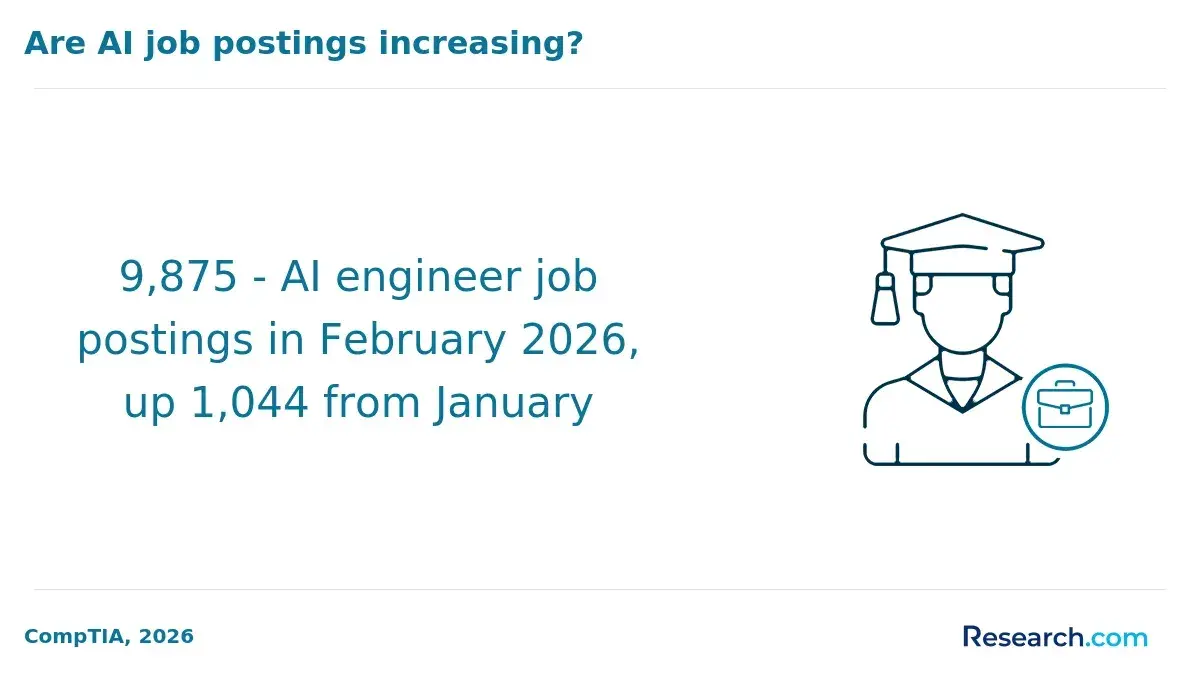
The 2024 CompTIA IT Career Outlook Report highlights that AI professionals with industry certifications earn 18-22% higher salaries compared to their non-certified peers, underscoring the financial advantage of these credentials.
Other certifications like Microsoft Certified: Azure AI Engineer Associate and IBM AI Engineering Professional Certificate offer specialization in AI frameworks and tools, supplementing or replacing foundational degree knowledge.
Data science and machine learning certifications from platforms like Coursera and edX, including programs from Stanford or MIT, emphasize AI-specific skills without broader degree requirements, making candidates competitive for entry and mid-level roles even without formal degrees.
For those with degrees, certifications bridge skill gaps in areas such as natural language processing, computer vision, or AI ethics.
Building multiple certifications creates a stackable portfolio that showcases continuous learning and adaptability, essential traits in the evolving AI job market.
Ultimately, degrees provide a comprehensive foundation, while certifications deliver verified, role-specific expertise and salary leverage for advancement.
What are the admission requirements and prerequisites for accredited AI undergraduate and graduate programs?
Admission to accredited AI undergraduate and graduate programs in 2026 demands strong academic preparation and relevant experience. Graduate applicants typically need a bachelor's degree in computer science, engineering, mathematics, or related fields, with essential coursework in linear algebra, calculus, probability, statistics, and programming languages like Python or Java.
Top programs at universities such as Stanford, MIT, and Carnegie Mellon expect competitive credentials, including average GRE quantitative scores above 165 and undergraduate GPAs of 3.7 or higher.
Proficiency in computational theory and algorithms, often proven through prior classes or significant projects, is also critical. Research experience or internships related to AI can further strengthen applications, as do strong letters of recommendation highlighting analytical and technical skills.
Undergraduate applicants usually need solid mathematics and science backgrounds alongside foundational programming skills.
Those without a computer science background may be required to complete bridge courses before entering specialized AI tracks.
Some schools also consider standardized test scores like the SAT or ACT. Personalized statements addressing motivation and career goals improve chances by demonstrating alignment with program objectives.
How long do AI degree programs take to complete, and what are the average total costs?
Master's degree programs in artificial intelligence typically require about two years of full-time study, comprising 30 to 36 credit hours that include core courses, electives, and a thesis or capstone project.
Certificate programs, by contrast, offer focused training in specific areas such as machine learning or data science and usually last six months to one year. While certificates are valuable for skill development, they generally carry less weight than a full degree for advanced career roles.
The cost of earning a master's in artificial intelligence varies widely. Private institutions often charge around $95,000 for the complete program, while public universities average about $52,000.
According to the Council of Graduate Schools' Graduate Program Cost Analysis, total expenses for master's degrees range from $48,000 to $120,000, typically including tuition, fees, and some administrative costs but excluding living expenses or materials. Prospective students should consider financial aid and employer tuition reimbursement options to manage these costs effectively.
Working professionals often pursue AI degrees part-time, allowing costs and time investment to be spread over several years. This can increase total expenses due to rising tuition fees and longer timelines. Online programs offer flexibility and occasionally lower tuition rates, but it is crucial to verify program accreditation and employer recognition before enrolling to ensure the degree's value.
What emerging AI career roles and specializations are projected to have the strongest growth through 2030?
Career growth in AI roles will be strongest in prompt engineering, AI ethics, and responsible AI specialist positions through 2030. According to the 2024 World Economic Forum Future of Jobs Report, prompt engineering and AI ethics roles are expected to grow by 156%, highlighting the rising need for experts who craft precise AI inputs to enhance model performance.
Responsible AI specialists will see an 89% increase in demand, focusing on ethical AI deployment to ensure fairness, transparency, and regulatory compliance. Organizations increasingly require professionals who address AI bias, data privacy, and misuse concerns.
Other growing areas include AI security, interpretability, and regulation. AI security analysts protect systems from adversarial attacks, while interpretability experts make AI decisions clear to stakeholders. Combining technical skills with ethics and policy knowledge is key for staying competitive.
Students and professionals should develop expertise in programming languages like Python and pursue certifications in AI governance or human-centered AI. Staying updated on policy developments and engaging in interdisciplinary projects adds valuable practical experience aligned with industry needs.
How should prospective students evaluate the reputation and accreditation status of AI degree programs?
Accreditation and reputation are essential when selecting an artificial intelligence degree program. Accreditation from recognized organizations such as ABET plays a significant role; only 34% of AI programs had ABET accreditation, yet employer preference for these programs increased by 41% according to the 2024 ABET Accreditation Impact Study.
Reputation also depends on faculty expertise, research output, and industry ties. Verify faculty credentials and their published work in respected AI journals or conferences. Programs with active partnerships in technology sectors or research labs provide better internship and job placement opportunities.
While rankings from reputable sources like U.S. News or IEEE offer useful insights, prospective students should prioritize direct verification of program quality.
Curricula should include hands-on AI training such as machine learning, data ethics, and automation tools. Electives aligned with emerging technologies or AI certifications suggest a forward-thinking approach.
Graduate employment rates and employer feedback indicate program effectiveness. Transparent career services and alumni success stories demonstrate value, while programs lacking detailed outcomes or industry compliance evidence should be approached cautiously. These considerations help ensure a credible AI education aligned with long-term career goals.
Other Things You Should Know About Artificial Intelligence
Artificial intelligence is increasingly applied beyond the traditional technology sector, including healthcare, finance, automotive, retail, and manufacturing. These industries use AI for tasks like predictive analytics, process automation, and customer service improvements. Adoption continues to grow as AI tools become more accessible and specialized.
Ethical training is increasingly vital in AI education to address concerns such as bias, privacy, and accountability. AI professionals must understand the societal impact of their work and implement responsible design principles. Programs that integrate ethics prepare graduates to make conscientious decisions in AI deployment.
Yes, holders of artificial intelligence degrees often transition into related fields like data science, machine learning engineering, robotics, and software development. The foundational skills in programming, algorithms, and data analysis apply broadly, enabling career flexibility across various technology-driven sectors.
In 2027, a successful AI career demands proficiency in machine learning algorithms, data analysis, and ethical problem-solving. Business knowledge can also enhance AI roles, as detailed in the AI master’s for business majors, which aligns technical skills with market needs.
References
- Top AI Certifications for 2026: A Guide to Advancing Your Tech Career | DataCamp https://www.datacamp.com/blog/top-ai-certifications
- Key Skills Gained from a Bachelor of Science in Artificial Intelligence https://tetr.com/blog/key-skills-gained-from-a-bachelor-of-science-in-artificial-intelligence
- AI Engineer Salary Guide 2026 | Pay by Role, City & Skill https://www.kore1.com/ai-engineer-salary-guide/
- How Long Does It Take to Complete an AI Course https://www.epw.com/blog/courses/how-long-is-ai-course
- Do AI Degree Programs Worth It?Cost,Time, Career Alternative https://agilefever.com/artificial-intelligence-degree-programs/
- Best AI Certifications in 2025 https://cpoclub.com/career/best-ai-certifications/
- A Complete 4-Year Course Plan for an Artificial Intelligence Undergraduate Degree https://www.mihaileric.com/posts/complete-artificial-intelligence-undergraduate-course-plan/
- How Long Do AI Courses Take? https://www.nobledesktop.com/learn/ai/how-long-do-ai-courses-take
- What AI certification options are best for professionals transitioning into AI roles? https://dev.to/georgiaweston/what-ai-certification-options-are-best-for-professionals-transitioning-into-ai-roles-20gp
- 23 Top AI Certifications to Know | Built In https://builtin.com/articles/ai-certification